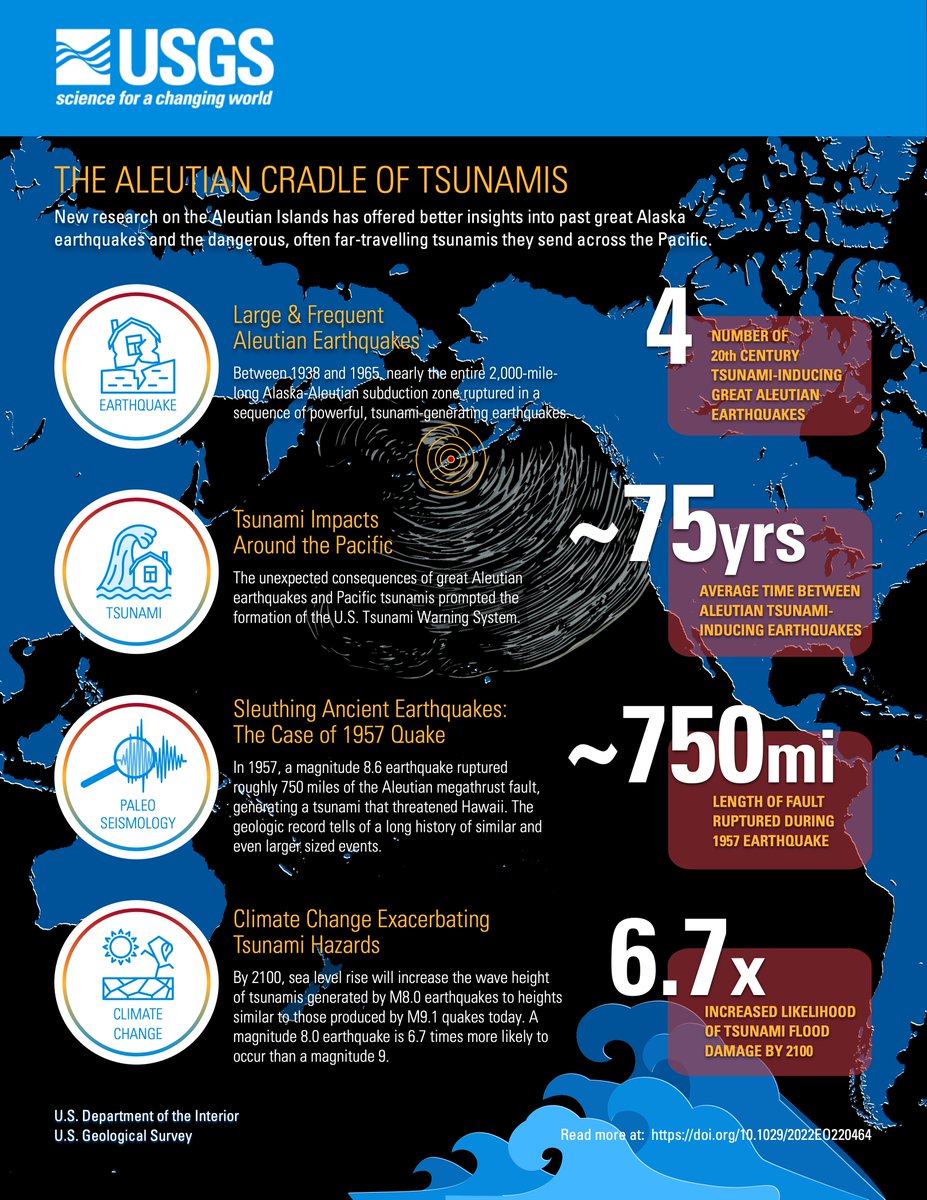
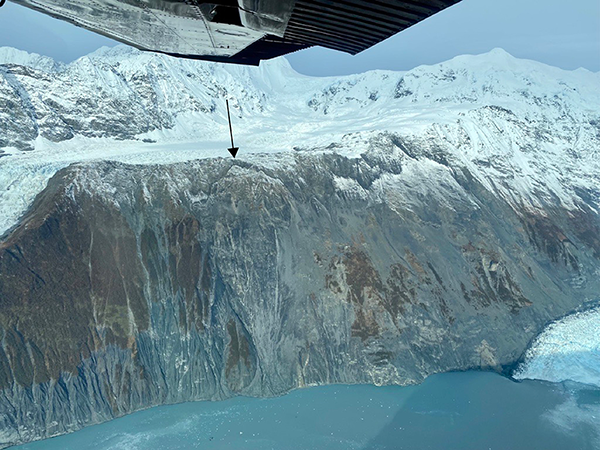
Pacific coastal communities have experienced several devastating tsunamis over the past few decades. Some of the most dangerous started from earthquakes along Alaska’s Aleutian Islands between 1938-65. Learn more: https://t.co/3jjuM1w3hB #worldtsunamiawarenessday@USGS_Alaska
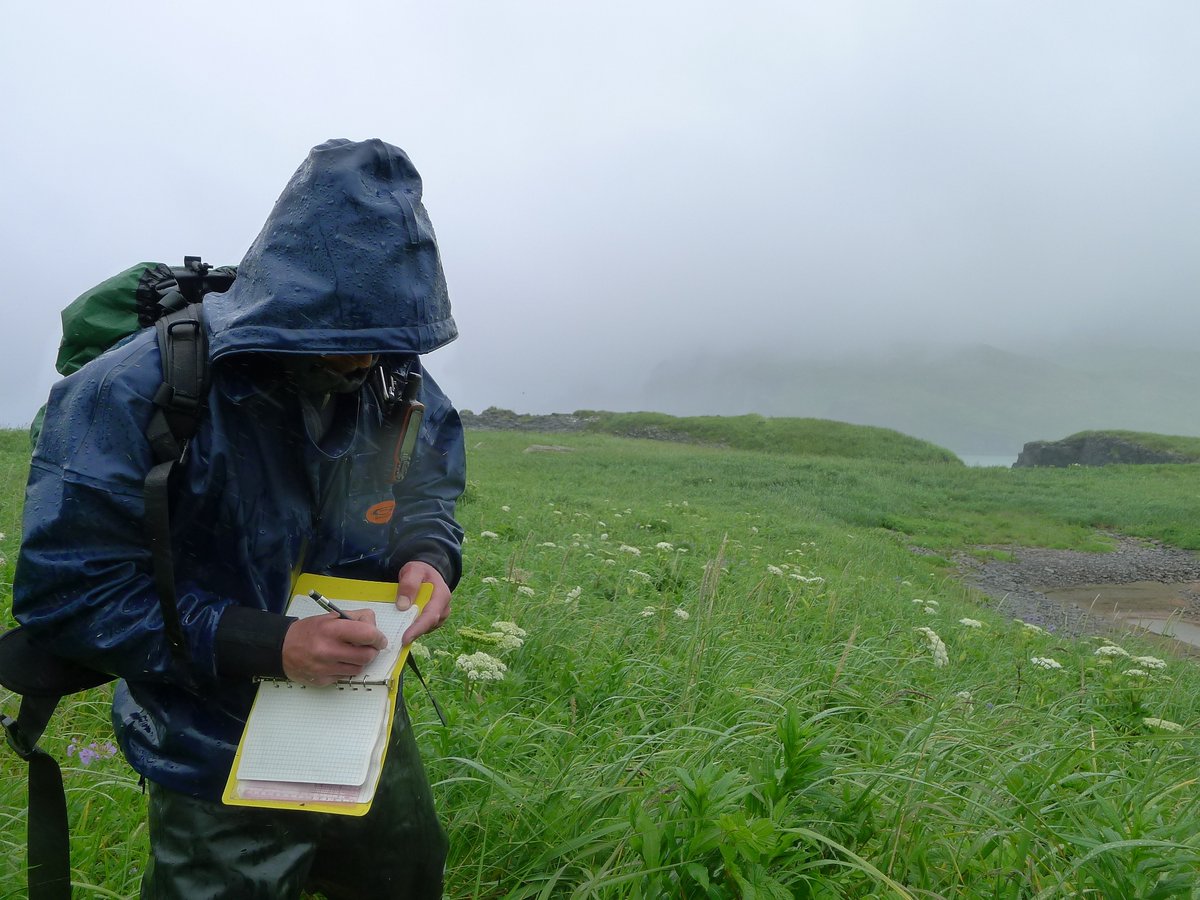
Want to try your hand at wildlife biology? We have a new activity aimed at middle school students to learn about data collection, testing hypotheses, and evaluating results using image data collected by our wildlife biologist team.
https://t.co/t5UjsQeOli
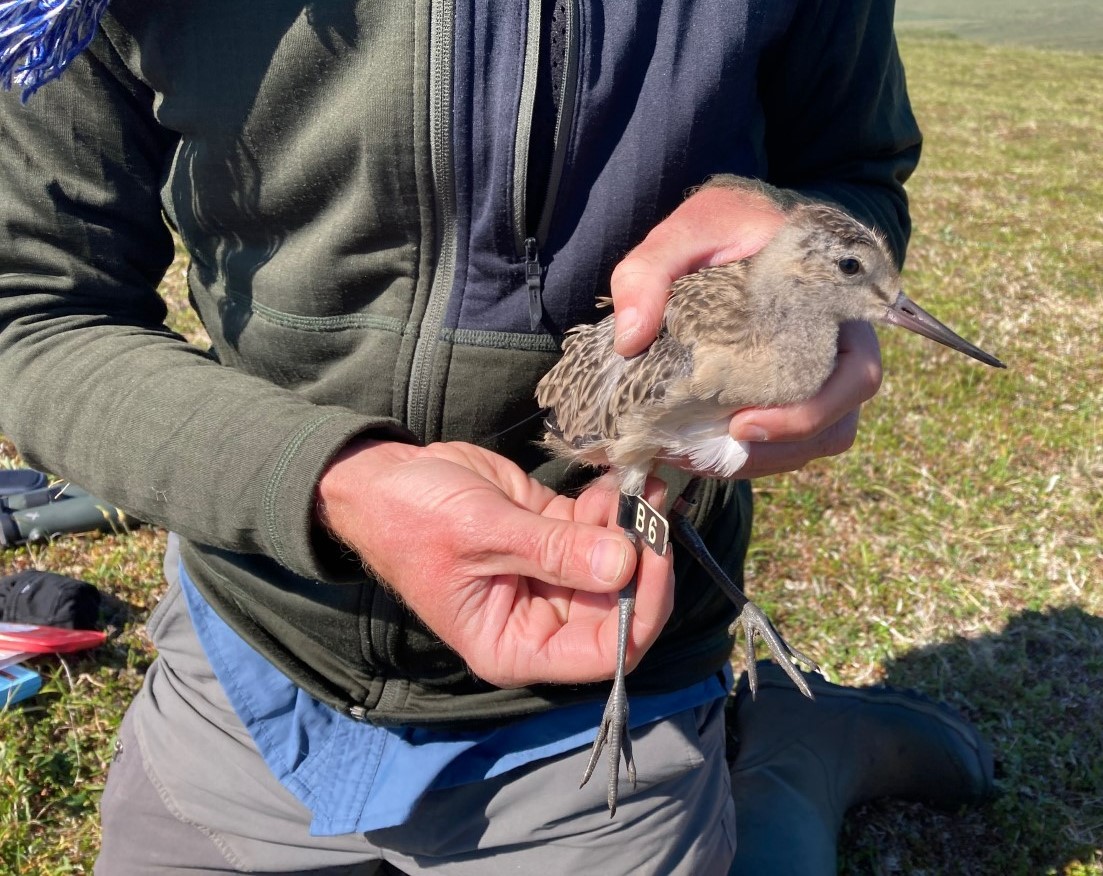
A bar-tailed godwit known as “B6” set a new world record by flying nonstop from Alaska to Tasmania in 11 days – a distance of 8,425 miles! Learn more about this remarkable bird: https://t.co/2ZTBi9pLLy
#Bar-tailedGodwit #Migration#Alaska
Photo: Dan Ruthrauff, USGS
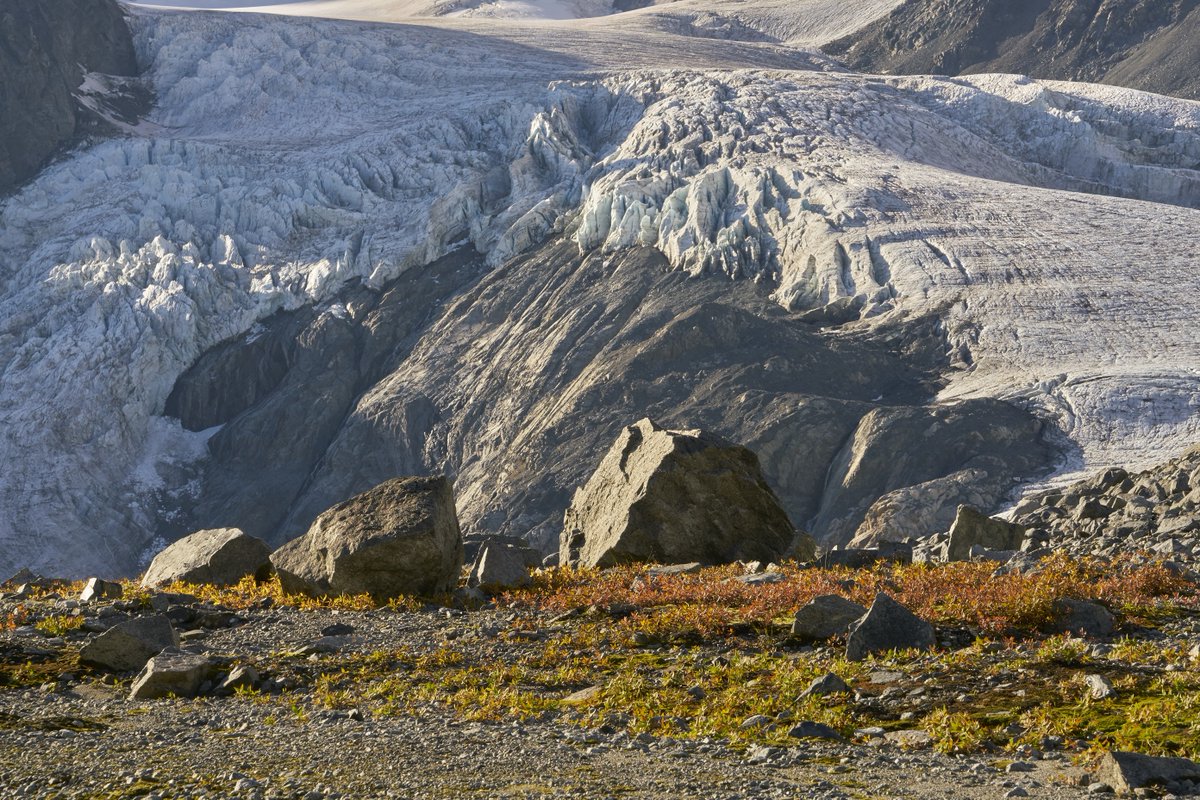
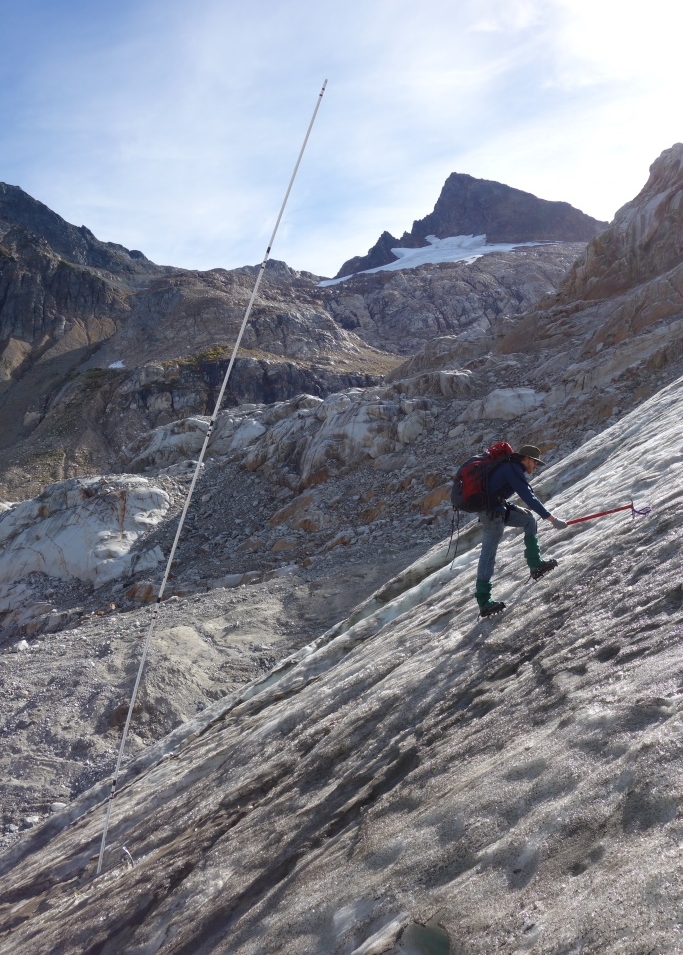
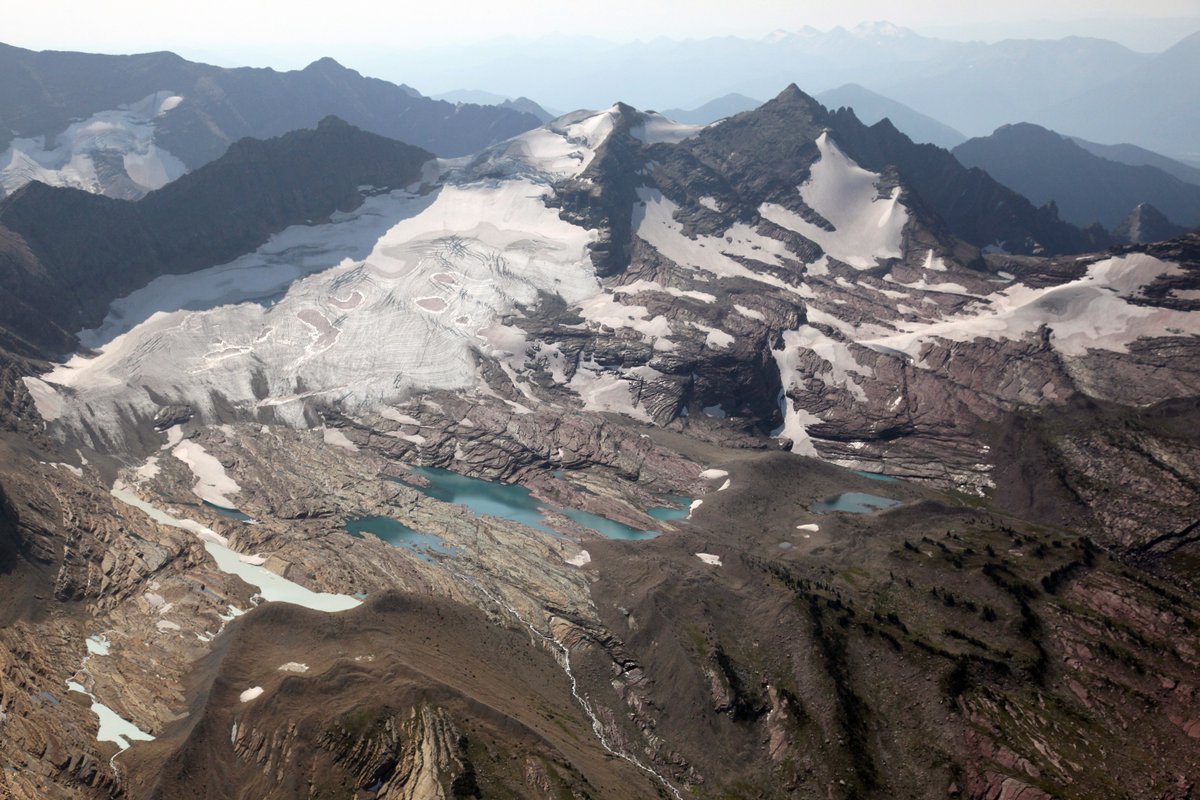
From on-glacier measurements in MT, WA & AK to analyzing satellite imagery, scientists with the #USGS Benchmark Glacier Project have been studying glacier-climate relationships for decades 👉 https://t.co/tjPbmbjAx6
@USGS_Alaska#USGS_NOROCK
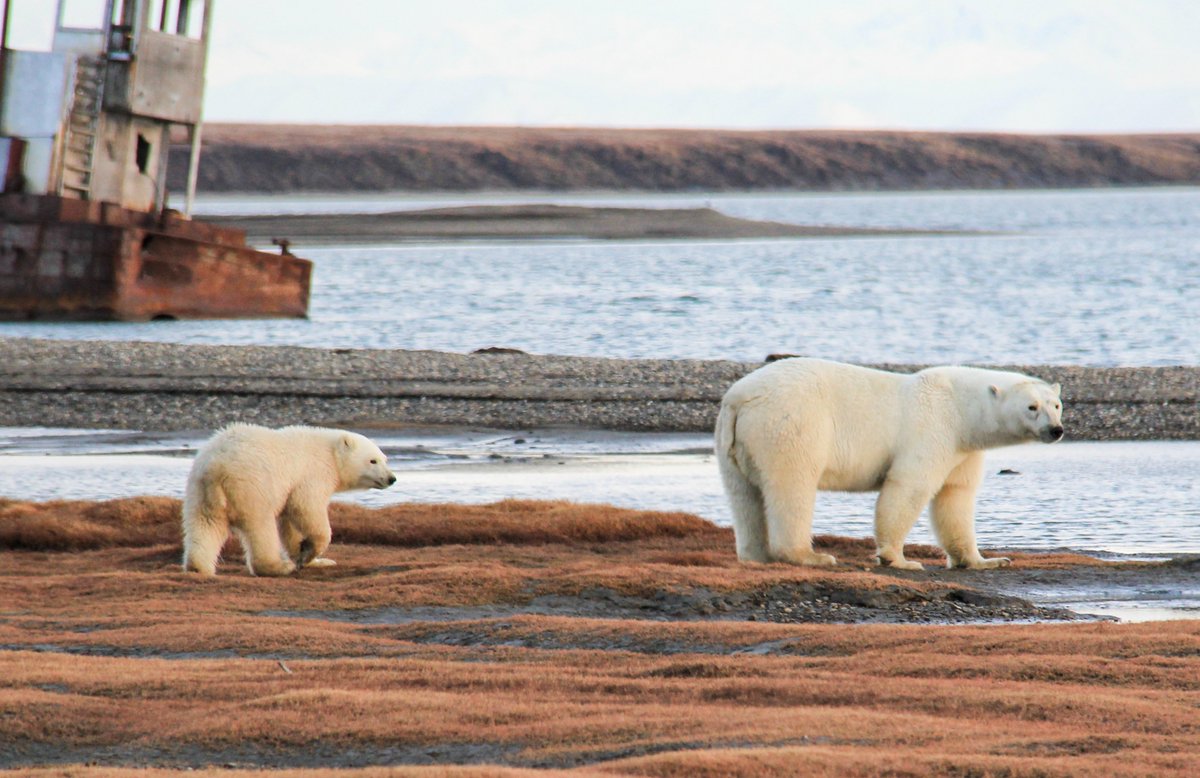
As sea ice declines, more polar bears are coming onshore each summer, increasing the potential for more human-bear interactions. See more at: https://t.co/BQ6veu2WTO
Over 75 % of US volcano eruptions in the last 200 years were in Alaska! Learn how scientists predict the next volcanic eruption from @USGS_Alaska Geophysicist Cyrus Read of the Alaska Volcano Observatory on Wed, Nov 16 at 7 PM during our Fireside Chat. https://t.co/5hMcZwzmd6.
Welcome to USGS Alaska science videos, where we talk about new research from USGS. Today, USGS Scientist Vijay Patil talks about polar bear dens in Alaska.
To understand the complex relationship between climate & #glaciers you’ll want:
- @USGS_Alaska & #USGS_NOROCK expertise
- glaciers in different climate regions
- serious technology
See how it’s done by the #USGS Benchmark Glacier Project: https://t.co/tjPbmbjAx6
#GlacierFriday
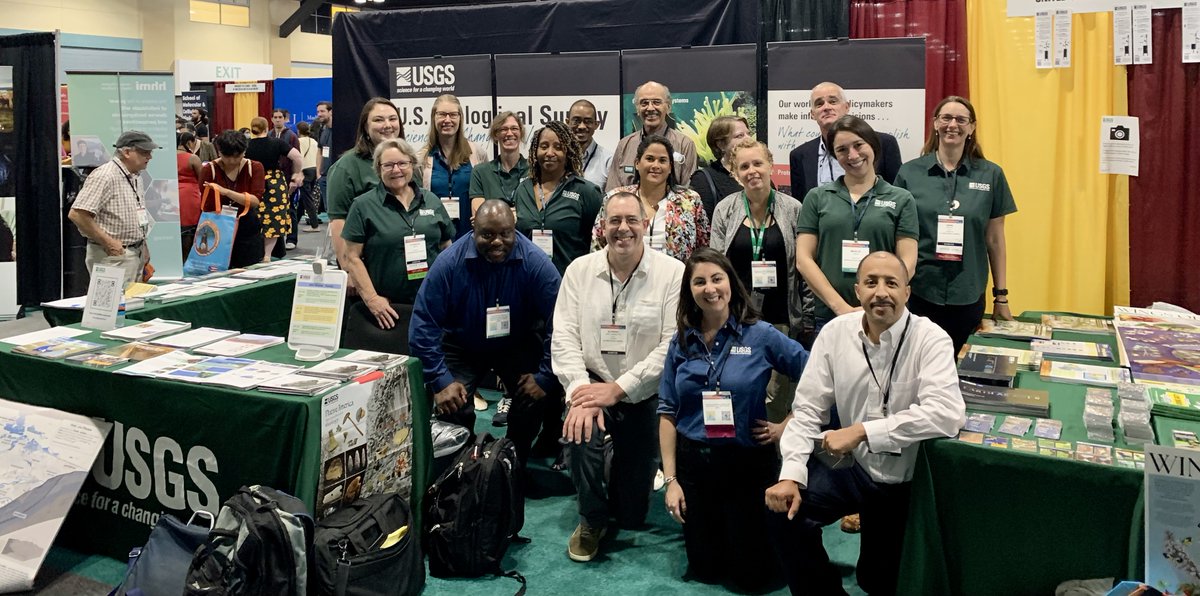
USGS scientists and support staff are at the #TrueDiversity in STEM conference to get to know @sacnas attendees. If you're there, please drop by booth 1922-1924-1926 to say hello! If not, visit our virtual booth: https://t.co/tacgQseWVU #2022NDiSTEM
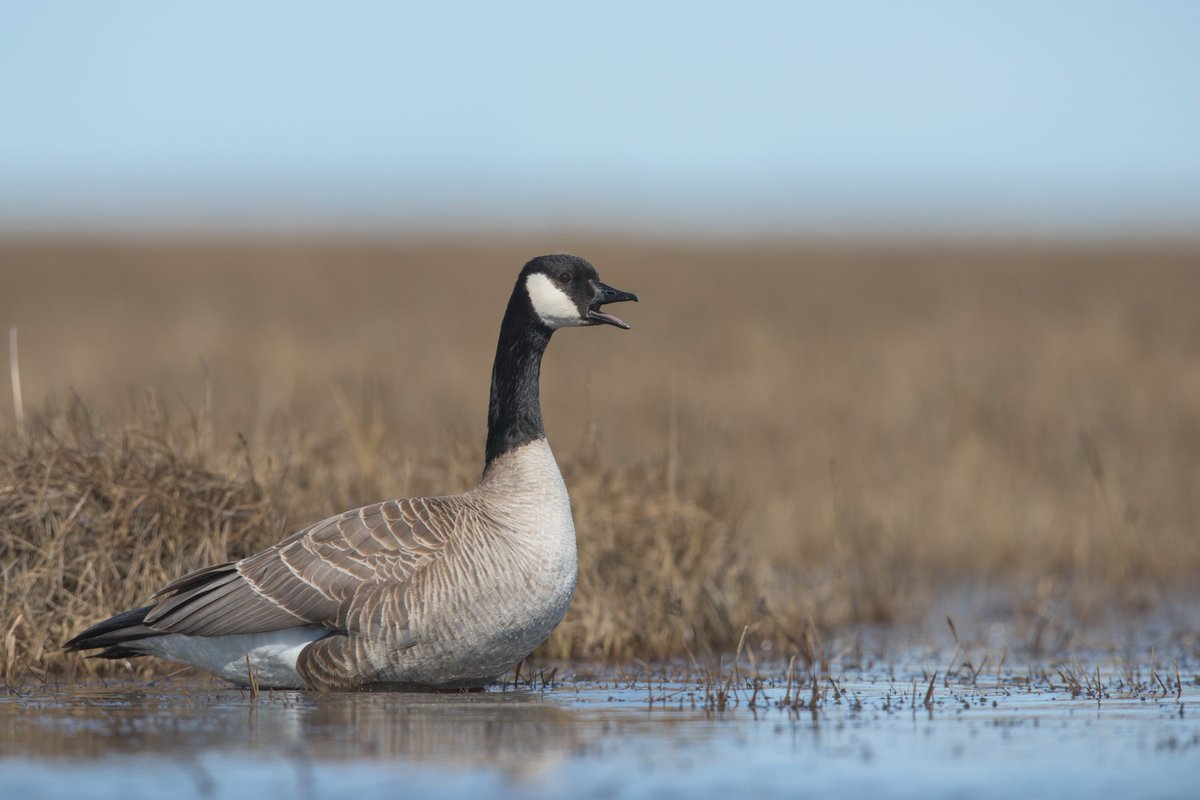
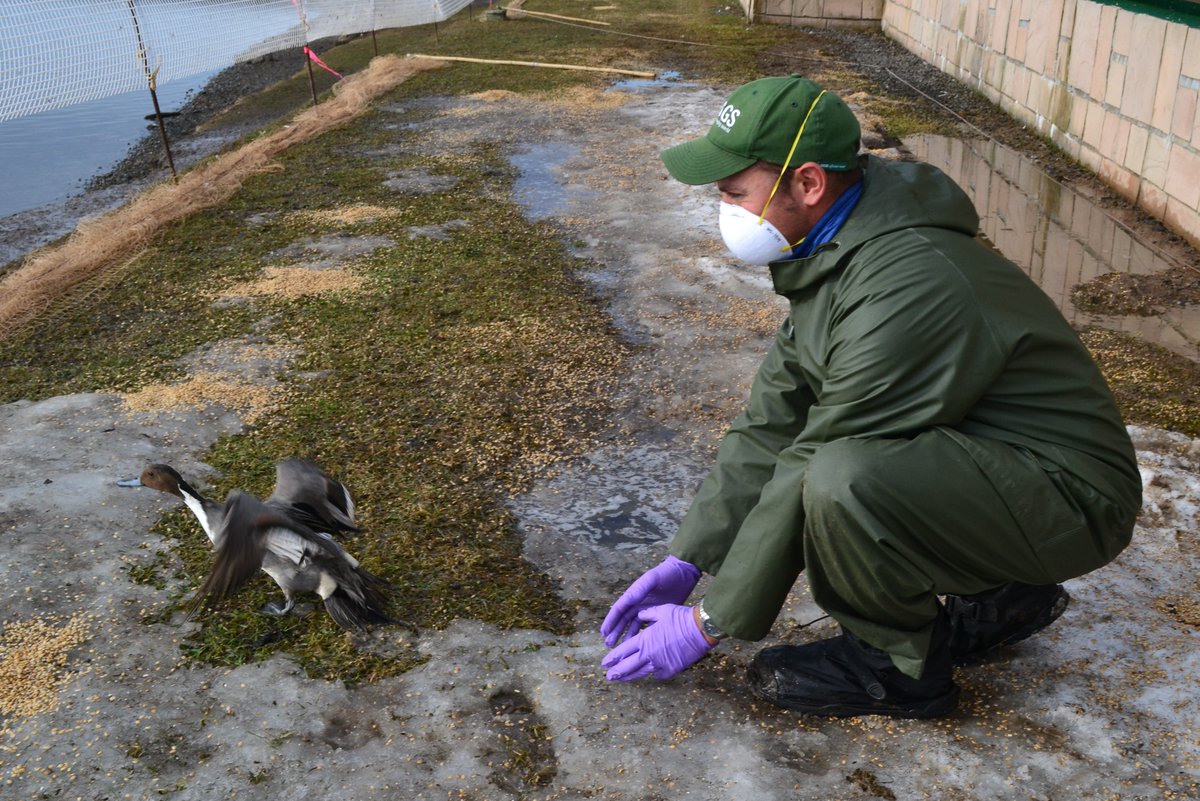
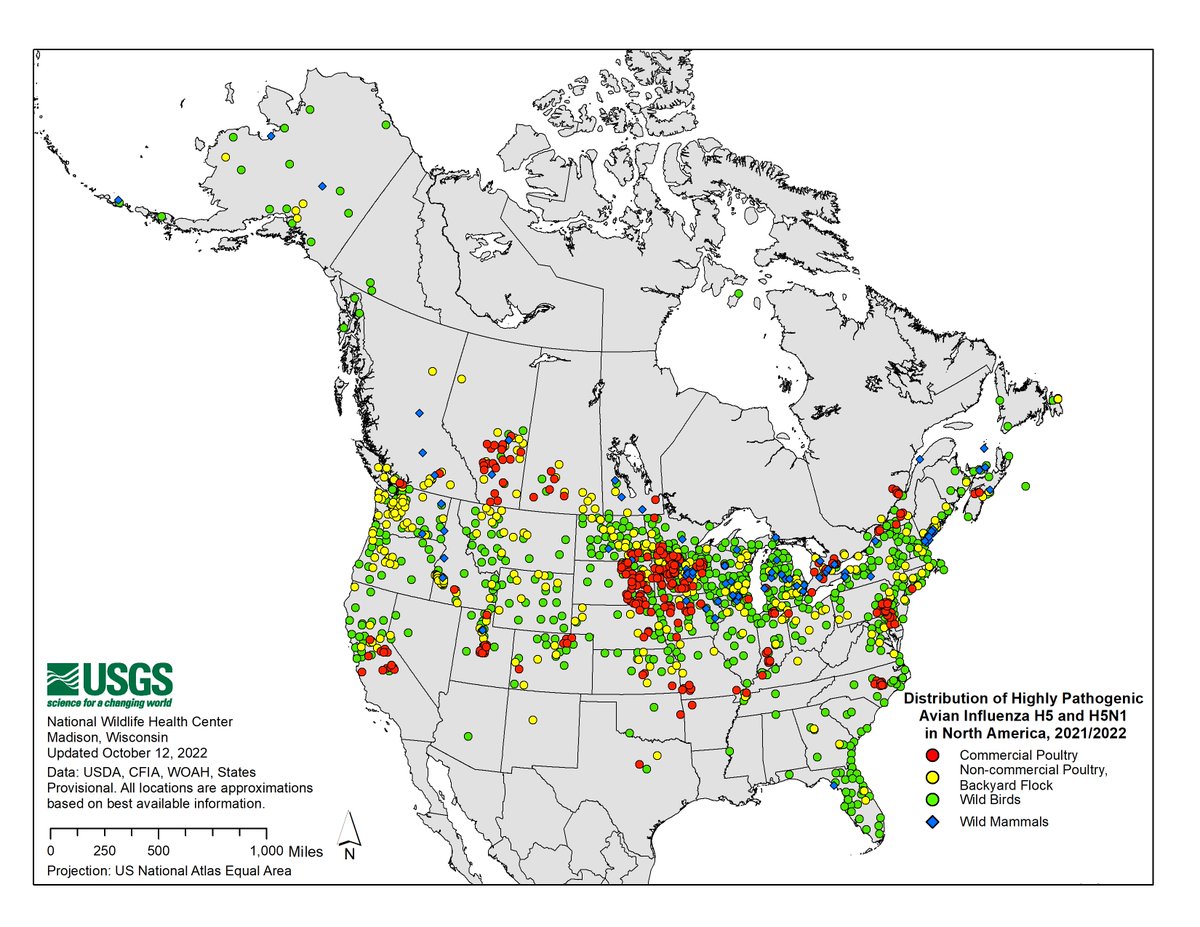
Learn more about highly pathogenic avian influenza in Alaska and North America in a Q&A with USGS Scientist Dr. Andy Ramey at: https://t.co/dTB8tSoS0V
#WildlifeWednesday
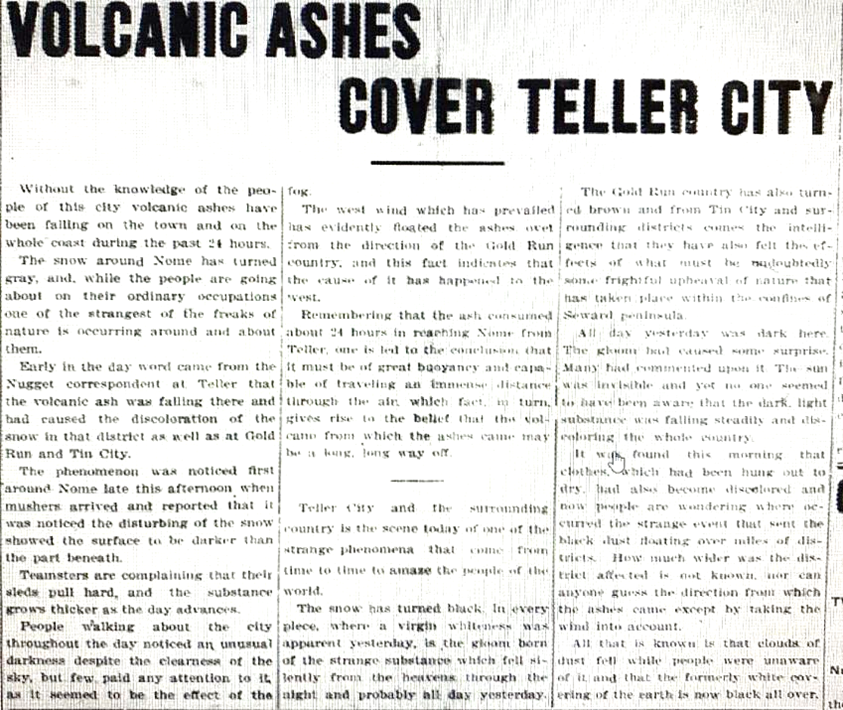
Maybe you can help AVO solve an ashfall mystery! 🧵
From the 24th to the 28th of November 1907, volcanic ash fell across the Seward Peninsula in western Alaska, but the source of the ash remains unknown.
(image: Reports of the ashfall in print in the Nome Nugget, Nov.25, 1907)
Barry Arm Landslide Update 10/21/22.
We continue to see movement in the area and ask people to exercise their best judgement and, where possible, limit travel in the Barry Arm area.
More info:
https://t.co/b3zpsbijD1
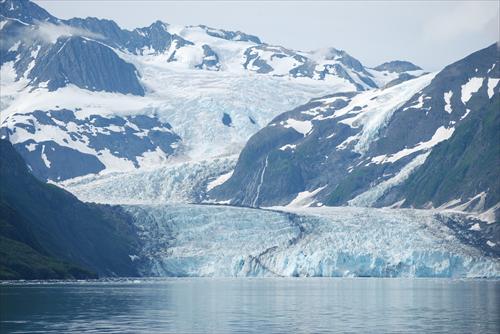
For 60+ years, researchers with the #USGS Benchmark Glacier Project have studied glacier-climate relationships. See beautiful, new geonarrative describing one of the longest running studies of glaciers on Earth: https://t.co/tjPbmbk8mE
#USGS_NOROCK@USGS_Alaska@GlacierNPS
Have you ever been asked, "Hey, have you seen those old data forms from the 1970s?" We have, and the answer is yes! #tbt#throwbackthursday Check out our new legacy data site at https://t.co/oOGHLiED33
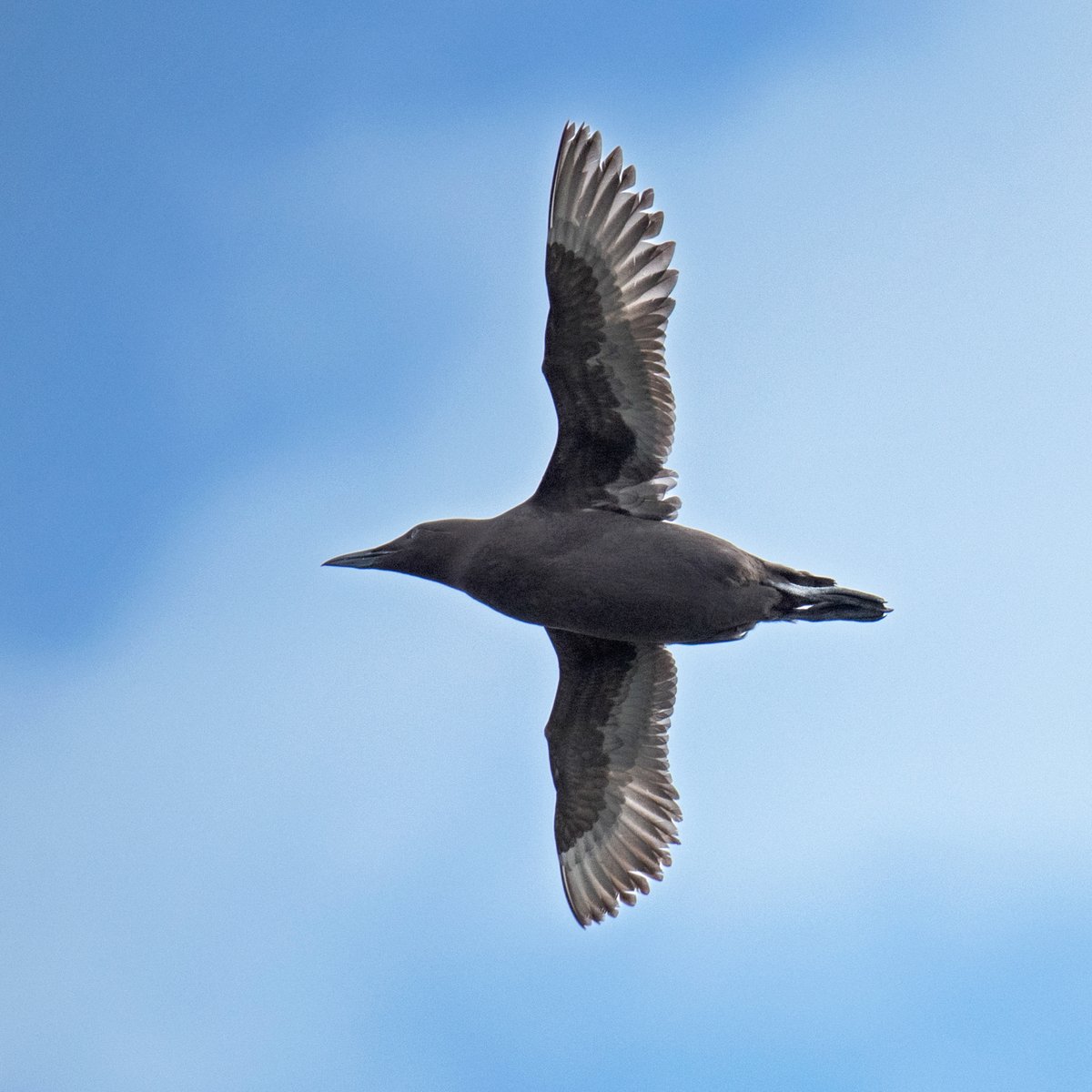
Any guesses on what kind of bird this is? Seen recently in Kachemak Bay, Alaska.
It's a melanistic common murre seen from 2017 to 2021 near Homer Alaska. Read more at https://t.co/v6srjFltHo
#alaskabirding#birdsoftwitter
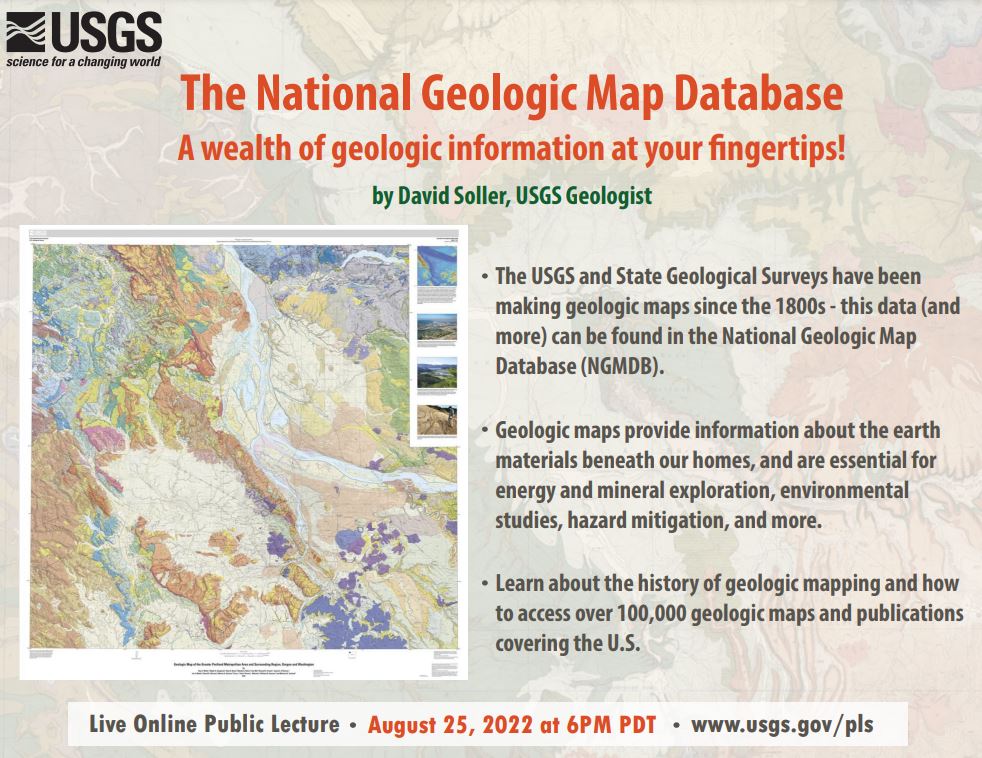
Friday of #EarthScienceWeek is #GeologicMapDay!
You can download your favorite geologic maps through the National Geologic Map Database (NGMDB): https://t.co/NtHTC3S7c2
Then watch a recording of a public lecture about the NGMD: https://t.co/aOtwsLvhZz
@UsgsNgmdb