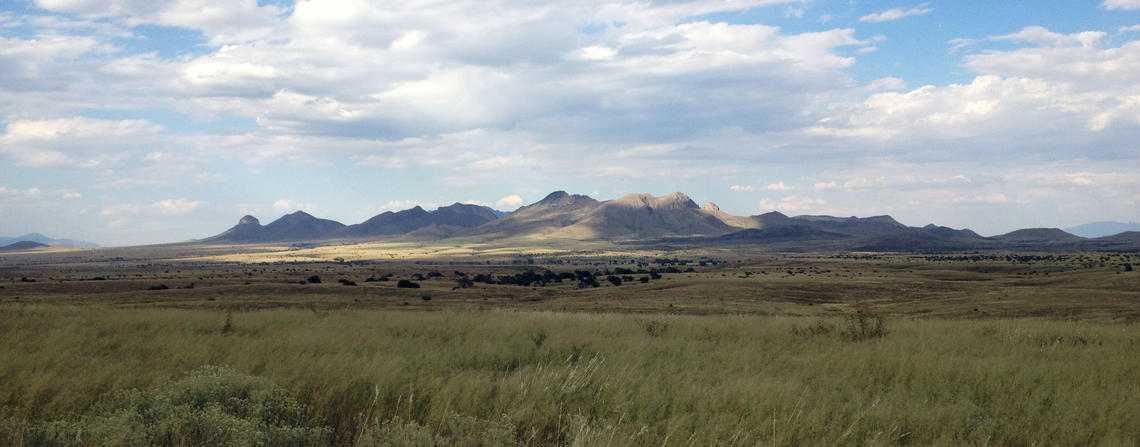
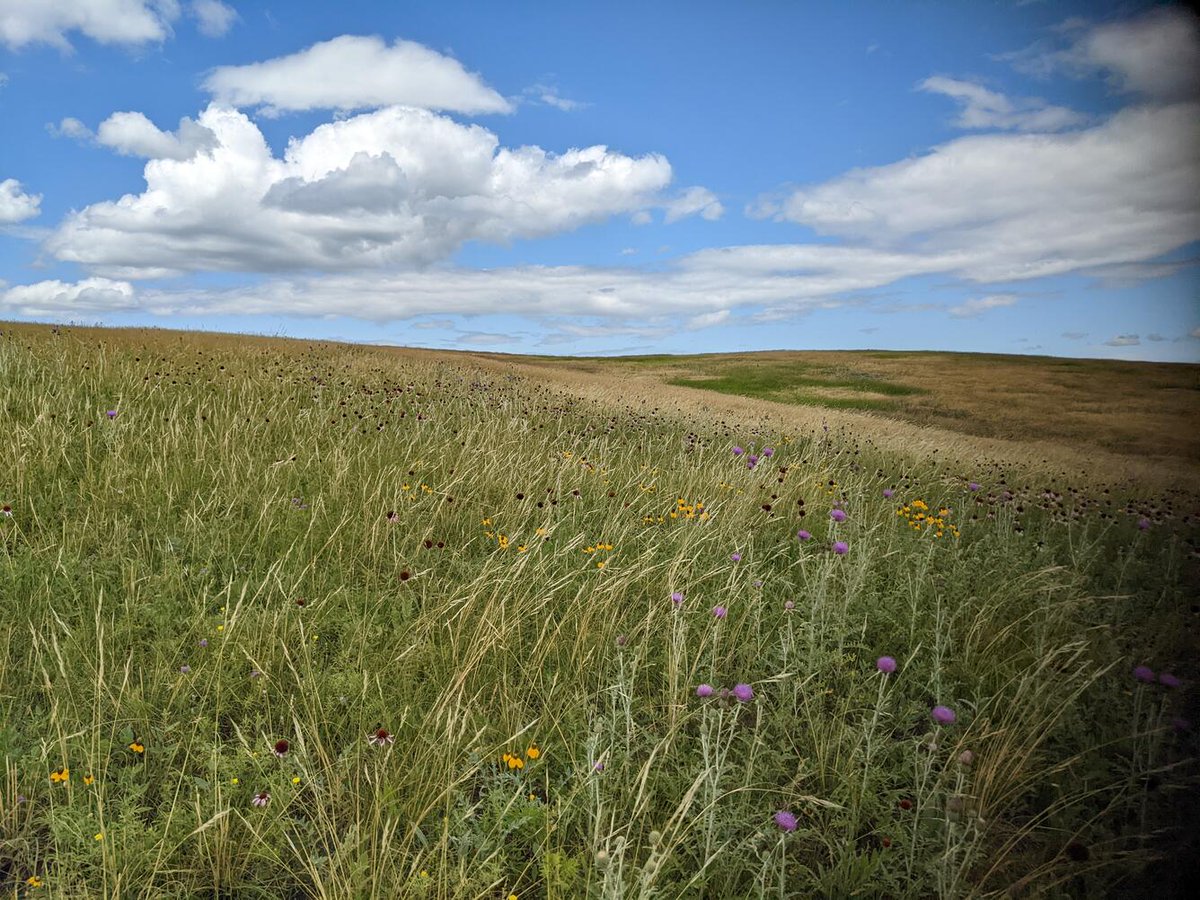
With help from @NC_CASC members, The Colorado Buffalo Collective is leading efforts to restore bison to their ancestral landscapes, blending scientific research with Indigenous knowledge.
Learn more here!👉https://t.co/wuYWnN0MBa
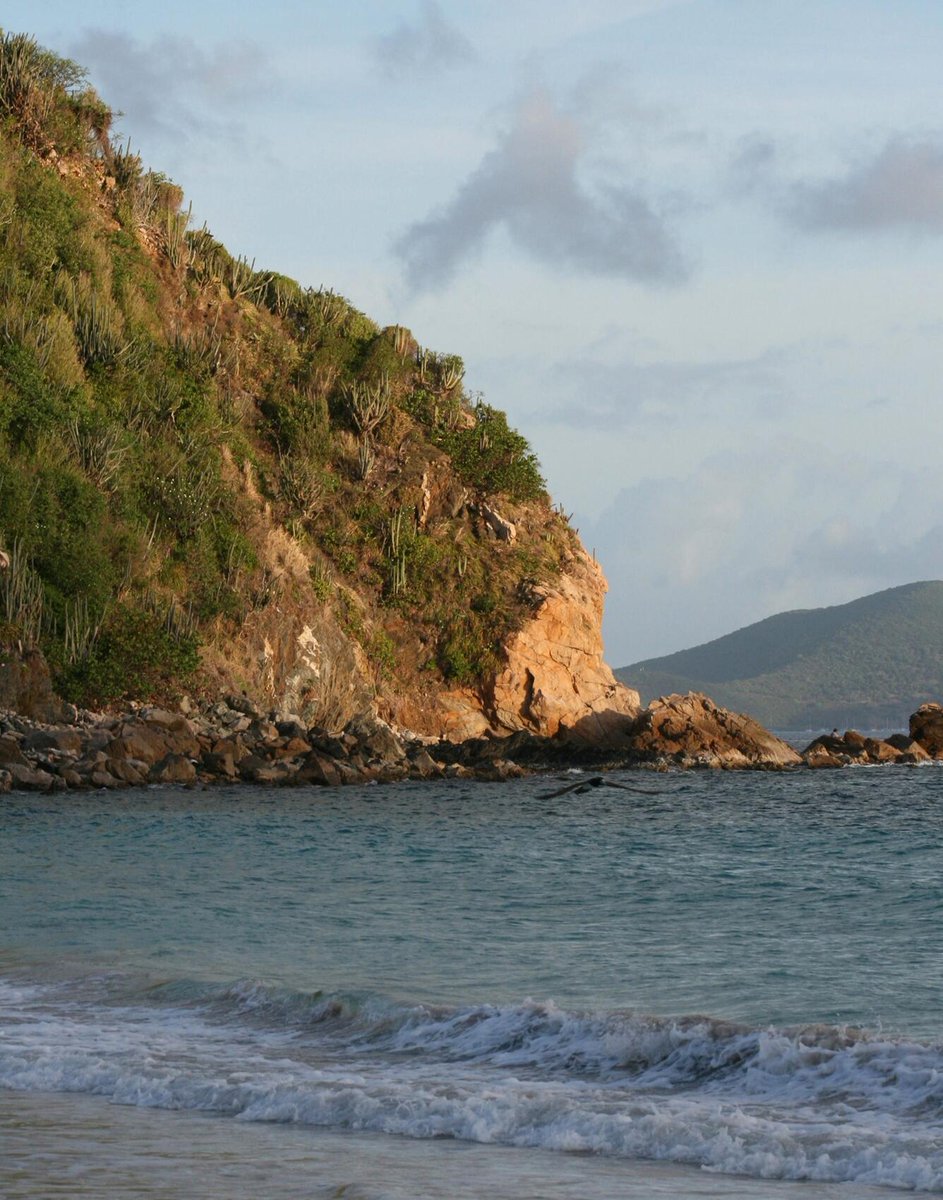
The Pacific Islands CASC partnered with @usgscoastchange to organize a six-day tour across Hawaii Island and Oahu to engage with local communities about planned deep-sea research. Check it out here!👉 https://t.co/Xpf7Jgr6ov
Over recent years, adaptation scientists & practitioners have developed new approaches to help prepare for & manage the impacts of a changing climate. But with so many tools available, how do decision makers know which one is best for them?
Learn more: https://t.co/tvATyeqbo0
The Alaska CASC podcast, Alaska Voices, is back for a second season! This season's episodes will feature conversations on topics ranging from bear dogs to supercomputers to wildfires!
You can learn more and check it out here! https://t.co/kevvNM86q3
#DYK the @USGS Benchmark Glacier Project is one of the longest running studies of glaciers on Earth? You can learn more about their research on the connection between glaciers and climate here! ❄️https://t.co/zOxGdEwItO
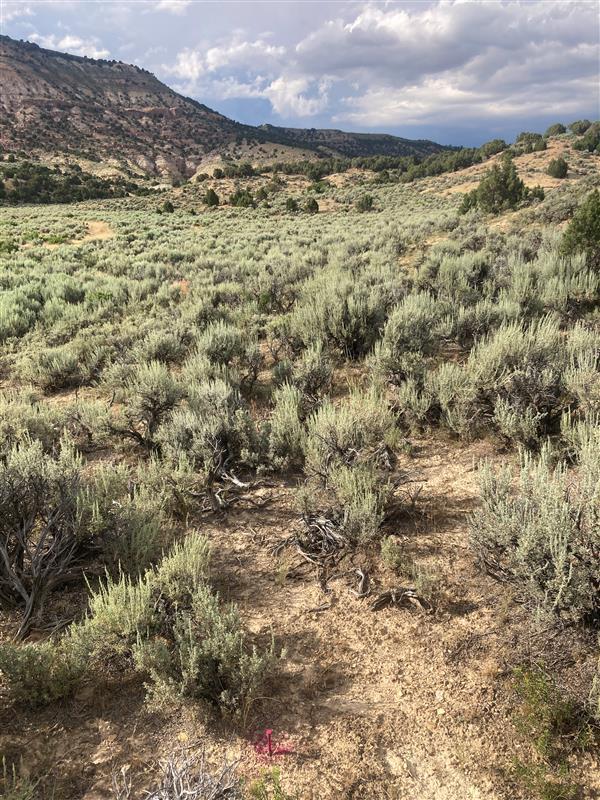
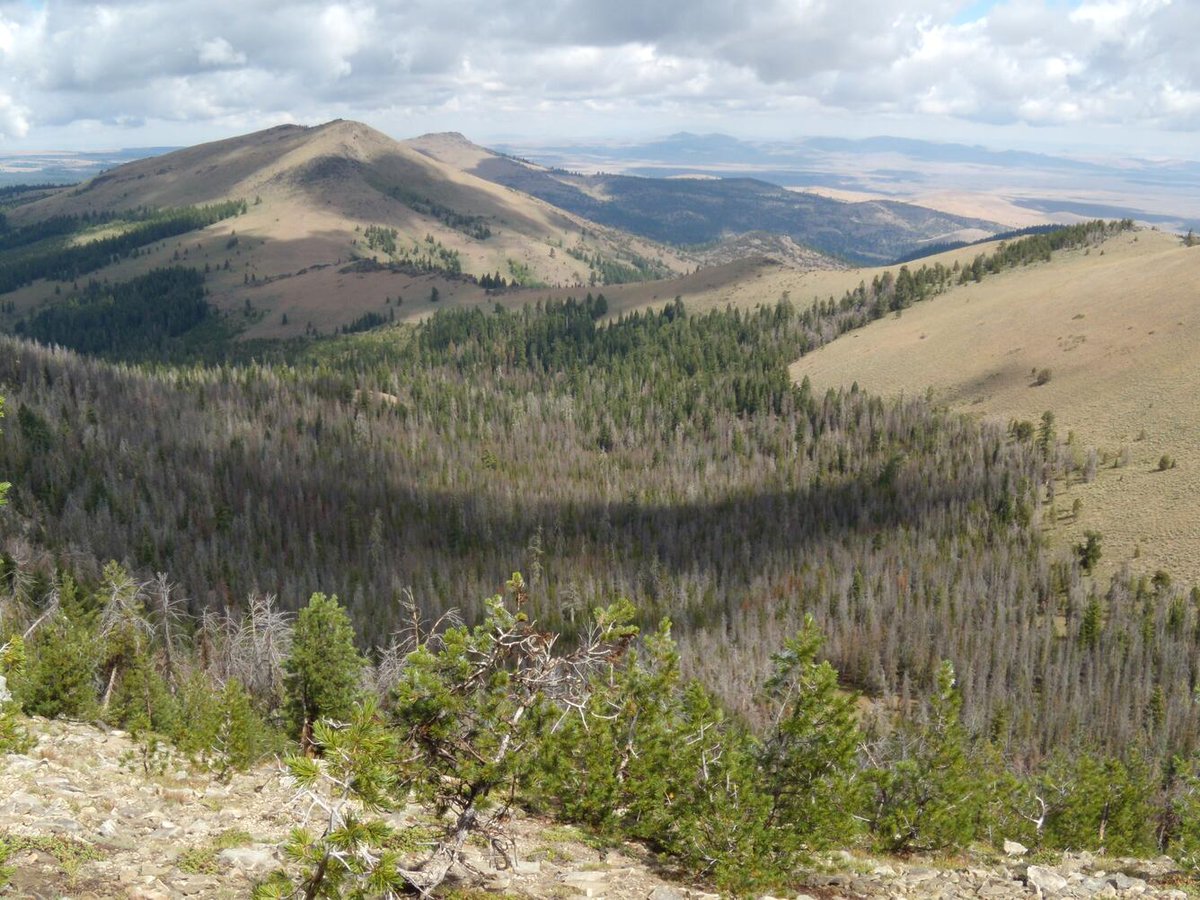
Sagebrush ecosystems are facing climate pressures like heat, invasive grasses, and altered fire regimes.
See how the @NC_CASC helped create a co-produced resource designed to help practitioners navigate these current & future climate-driven changes. 👉 https://t.co/4vp5cNunx4
Southeast CASC Global Change Research Fellows developed the Drought and Ecosystem Workshop Database (DEWD), an interactive, web-based visualization platform that allows practitioners to compare tools & resources for drought response. 👉 https://t.co/HFqytdk74t
@se_casc
On a restored grassland in Wisconsin, scientists have been carefully maintaining an experiment for nearly 10 years, studying how changing winters are reshaping prairies—and how management actions can influence those outcomes.
Learn more 👉 https://t.co/wJxC0R4D4i @mw_casc
Make like this feathered flock of turkeys and sign up for our Climate Adaptation Insights newsletter to stay up to date on all the news & research from the national and regional Climate Adaptation Science Centers! 🦃
https://t.co/sERFSwvZFW
Snowpacks act as a natural reservoir in the West, storing water high in the mountains & gradually releasing it in spring & summer. ❄️
Check out this @NC_CASC supported research on how climate conditions & terrain features shape mountain snowpack. https://t.co/1u3jwJcNJu
This summer, the @pacificcasc supported a team of remote pilots from Guam in conducting a knowledge exchange with the College of Micronesia-FSM and assisting a PI-CASC researcher with a drone training for agroforestry workers in Pohnpei state.
Learn more: https://t.co/ShbYbRMIu7
Bringing together over 90 projects across the Southeast and Caribbean, the @se_casc has created a project explorer to showcase how their science supports the people, places, and ecosystems that depend on climate adaptation science.
Check it out! https://t.co/ZpJP7vdfep
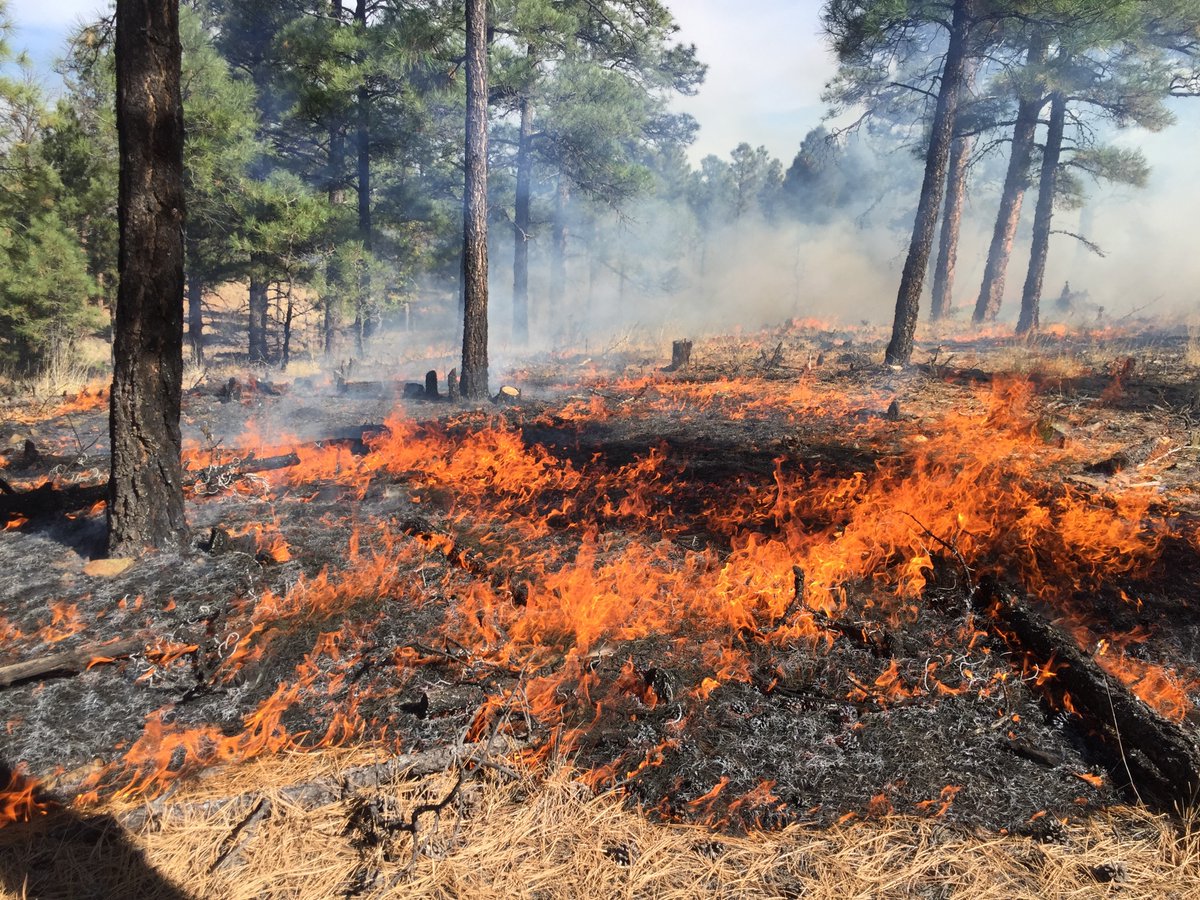
Hotter & drier conditions are making wildfires more intense & destructive. Science from the USGS Ecosystems Land Change Science Program informs reduction of wildfire hazards to protect ecosystems and communities. 👉https://t.co/pCA35LHuLy
#NationalHazardPreparednessMonth
Forests in the eastern U.S are shifting from drought tolerant trees to species that need more water. As droughts become more common & severe due to climate change, this change may make the forests less resilient and less productive. @mw_casc
Learn more: https://t.co/arIcbu1zh2
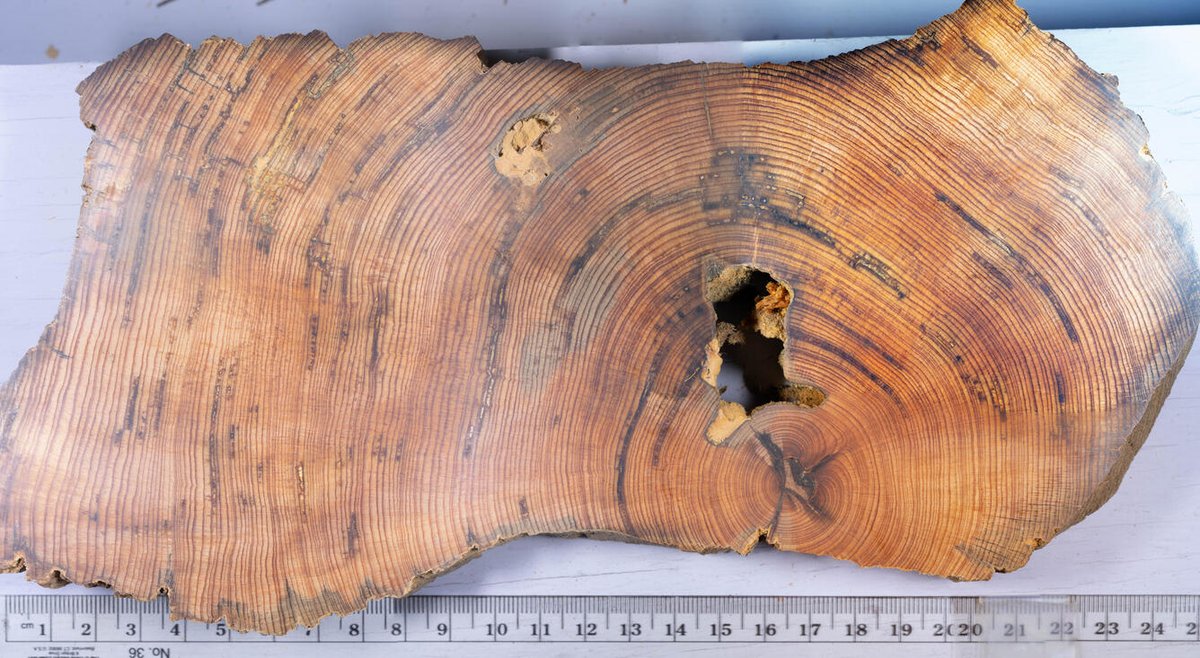
Annual tree rings can document historic & current climate events, widening or shrinking based on growing conditions. Scientists can uncover how climate affected growth in the past & learn what that might mean for the future of forests. https://t.co/90WMOgh9nv
@southwest_casc
Extreme precipitation events are causing more frequent and severe floods. CASC scientists are turning to nature-based solutions to reduce the risks and damage associated with flooding. 💧https://t.co/HqxjYLmyNA
#NaturalHazardPreparednessMonth
#DYK Fungi can release carbon into the atmosphere as they decompose organic material? But they can also store carbon in the soil through symbiotic partnerships with plants! 🍄
Learn more about fungi and carbon sequestration from the @mw_casc 👉 https://t.co/PVl4fIdJti
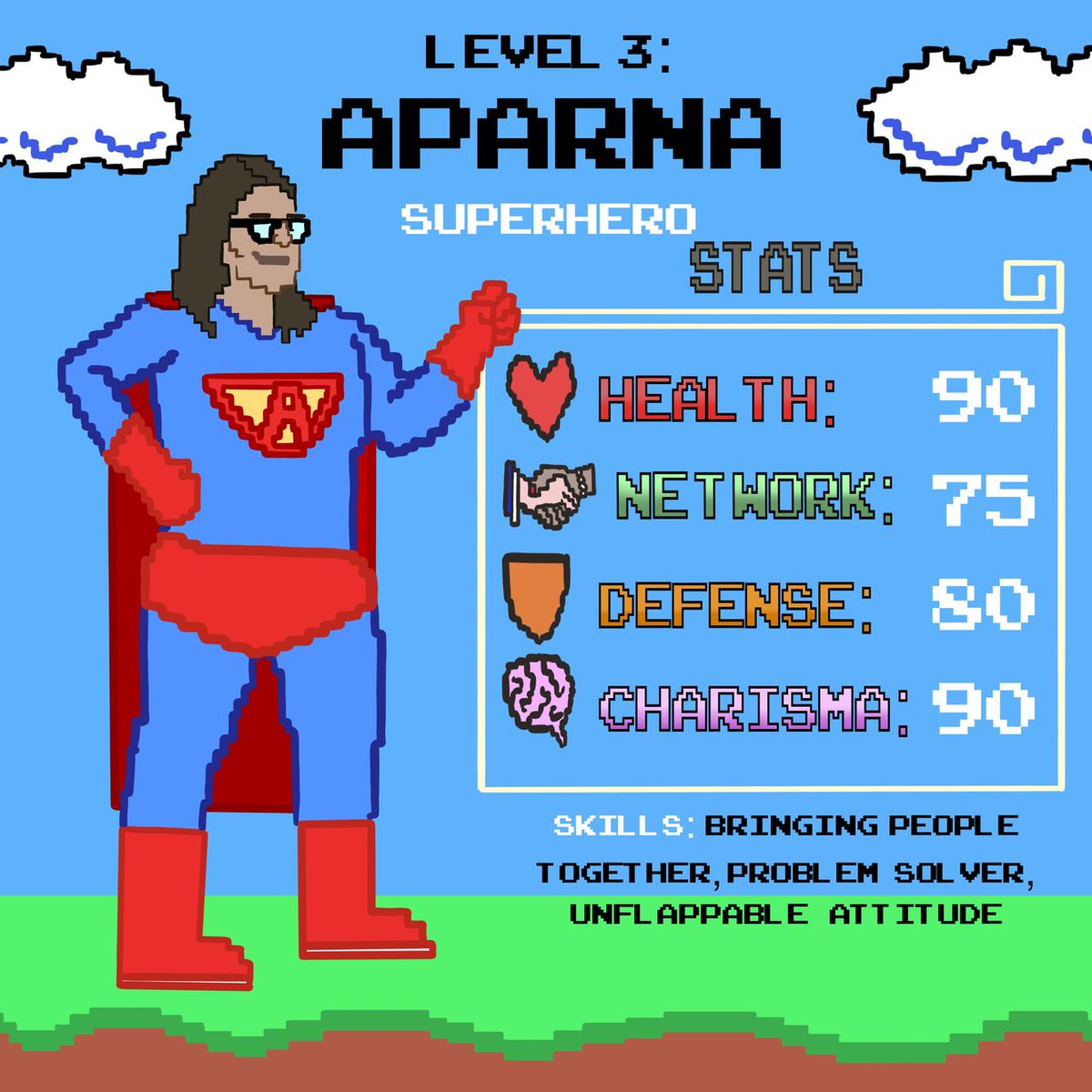
Gamers unite, it's #NationalVideoGameDay! 🎮 Just like our favorite games, a science career isn't always a linear adventure with a predictable ending.
Learn more about the career quest of gaming enthusiast and CASC scientist, Aparna Bamzai-Dodson👉 https://t.co/BPymIK1lWG
Across the country, drought is becoming more frequent, longer lasting, and more intense with climate change.
Check out how CASC research helps managers and communities prepare: 💧https://t.co/amAqIggAtk
#NaturalHazardPreparednessMonth