Tip #10: Examine issues carefully — don’t by swayed solely by what seems friendly or popular. #CantDupeMe#USIMediaLitWeek
Source: @NewseumED https://t.co/KQ0YaL0hh3
As we close out #USIMediaLitWeek, here’s the “Fake News” quiz we gave to more than 600 people this week. How will you do? Take it and share it! https://t.co/3PXTUJK6FX #medialitwk
Tip #9: Good people can honestly disagree. Watch out when opponents are framed as evil. #CantDupeMe#USIMediaLitWeek
Source: @NewseumED https://t.co/KQ0YaL0hh3
What is media literacy? For us it’s understanding our individual relationship with media and evaluating the messages we encounter through media. Here’s how some media literacy teachers describe it. #USIMediaLitWeek
Tip #7: Media manipulators make their cause seem more popular and powerful than it is. Watch out. #CantDupeMe#USIMediaLitWeek
Source: @NewseumED https://t.co/KQ0YaL0hh3
For today's bell ringer during #MediaLitWk, evaluate who is the intended AUDIENCE of a story or post. Watch this video on the A in E.S.C.A.P.E. Junk News, and then use the tips to decide if this story is real or fake: https://t.co/DxHatkws5O
We're giving the "fake news" quiz today from noon to 2:30 p.m. inside UC East @usiedu. Take the quiz, compare your results with others, and challenge your friends on social to test their skills. #USIMediaLitWeek
"Media literacy educators are not going to tell you to put [your device] away. We're going to tell you to take it out, we're going to talk about it and understand it." - @ciullalipkin #MediaLitWk#exchangealumni#careerconnections@statedept
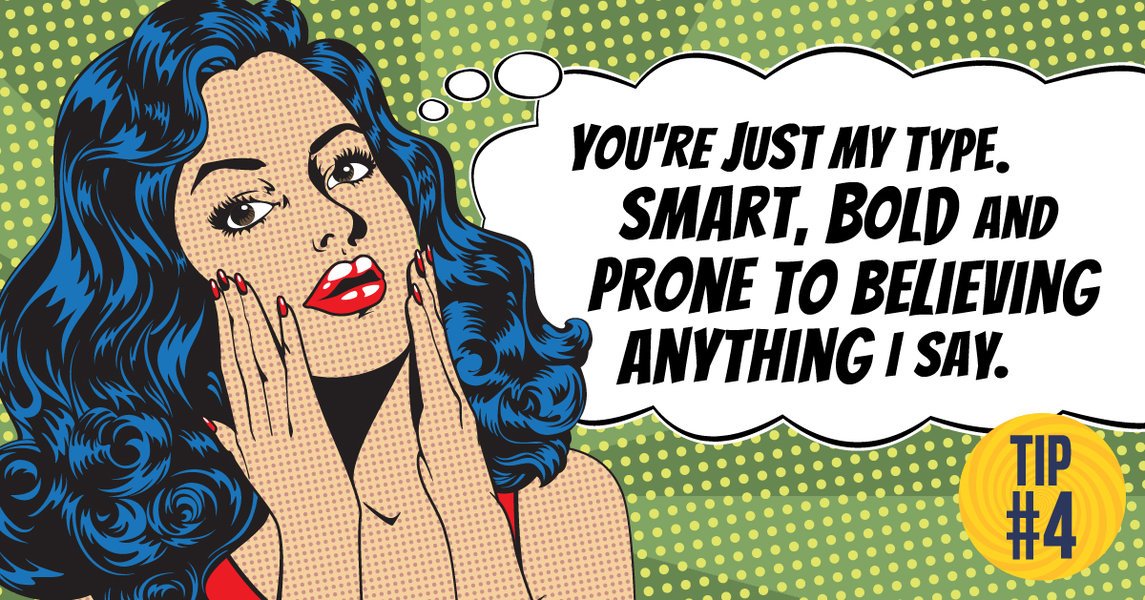
Tip #4: Watch out for media manipulators who say their supporters are smarter, stronger or more attractive. #CantDupeMe#USIMediaLitWeek
Source: @NewseumED https://t.co/KQ0YaL0hh3
@isaachenson24 Great job!!! Only 8% of quiz takers have received a perfect score. Here is a process you can use to determine if information is trying to inform you, entertain you, or influence you: https://t.co/L5addMjRuH
@pateemmalee Thanks for taking the quiz! Here is a process you can use to determine if information is trying to inform you, entertain you, or influence you: https://t.co/L5addMjRuH
Tip #3 for identifying media manipulation: Media manipulators promise worst-case scenarios to scare you. #CantDupeMe#USIMediaLitWeek
(Source: @NewseumED)
Take our "fake news" quiz then share the results and challenge your friends on social media. You'll find us in the UC Breezeway @USIedu from 11 a.m. to 1 p.m. today. #USIMediaLitWeek
This video is especially adorable (and harmless). 😺 It also demonstrates how easily video can be edited to make something that didn’t happen look like it happened. Be alert to video editing in those not-so-harmless situations and share/don’t share responsibly.
Tip #2 for identifying media manipulation: Twisting or simplifying the other side's ideas can make it easier to argue them away. #CantDupeMe#USIMediaLitWeek
(Source: @NewseumED)