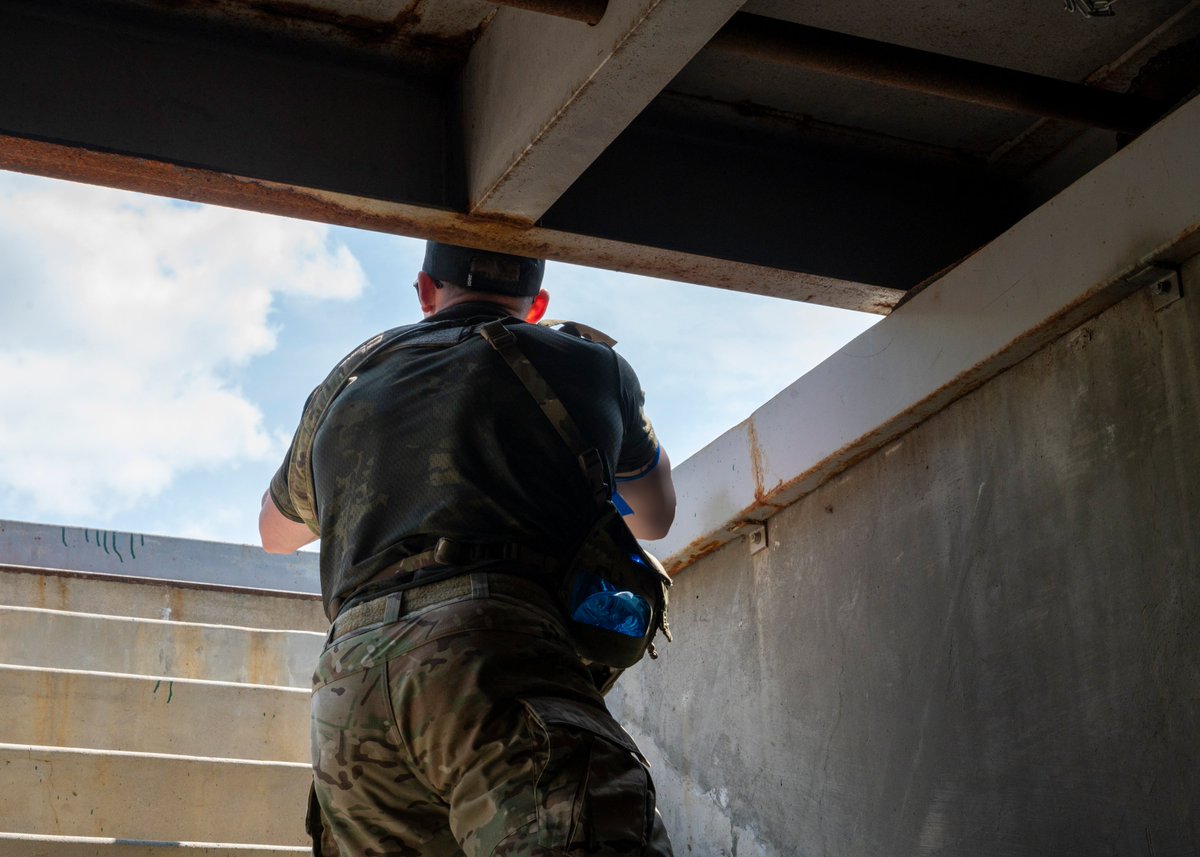
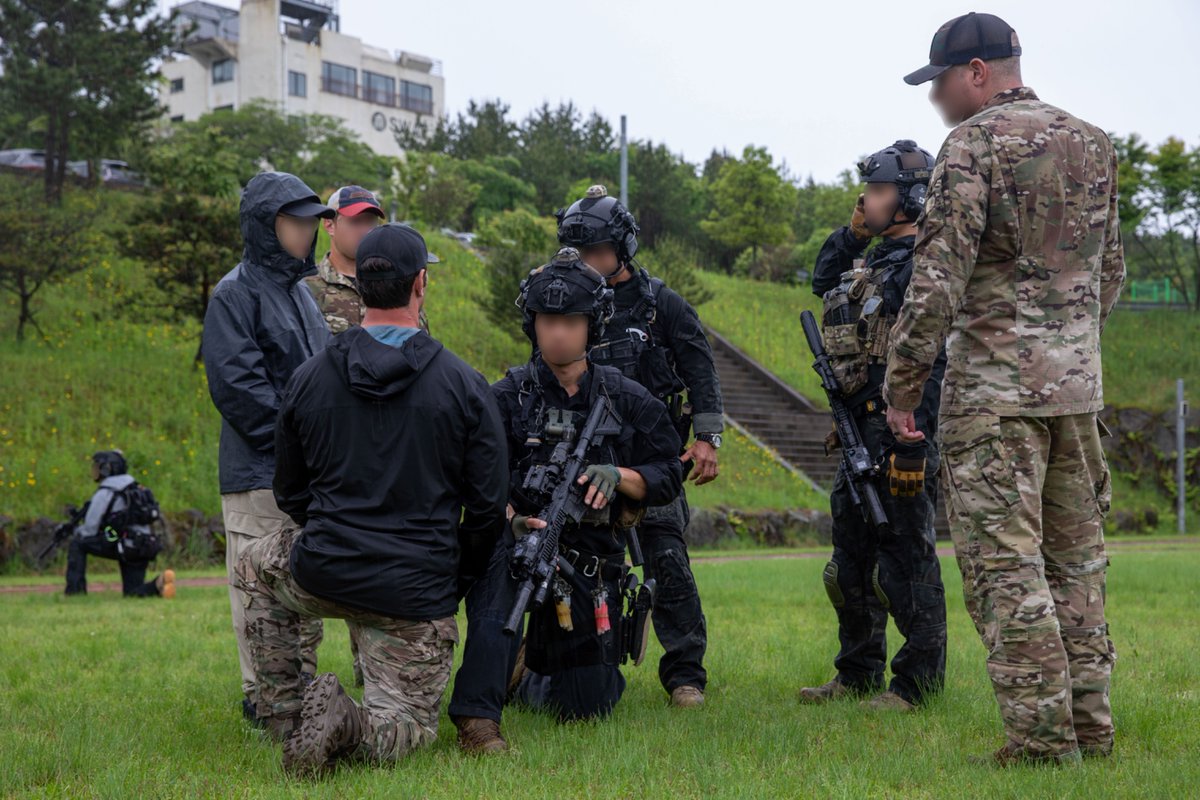
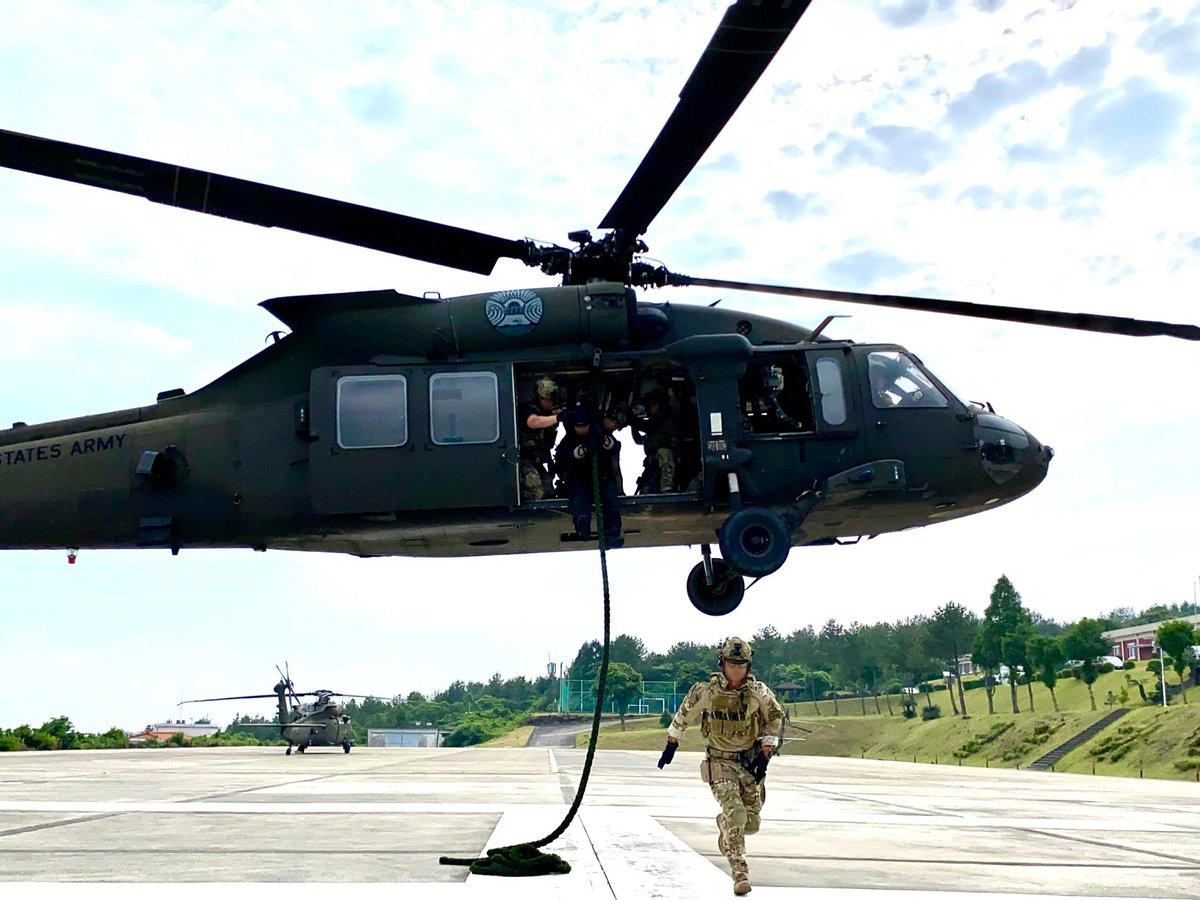
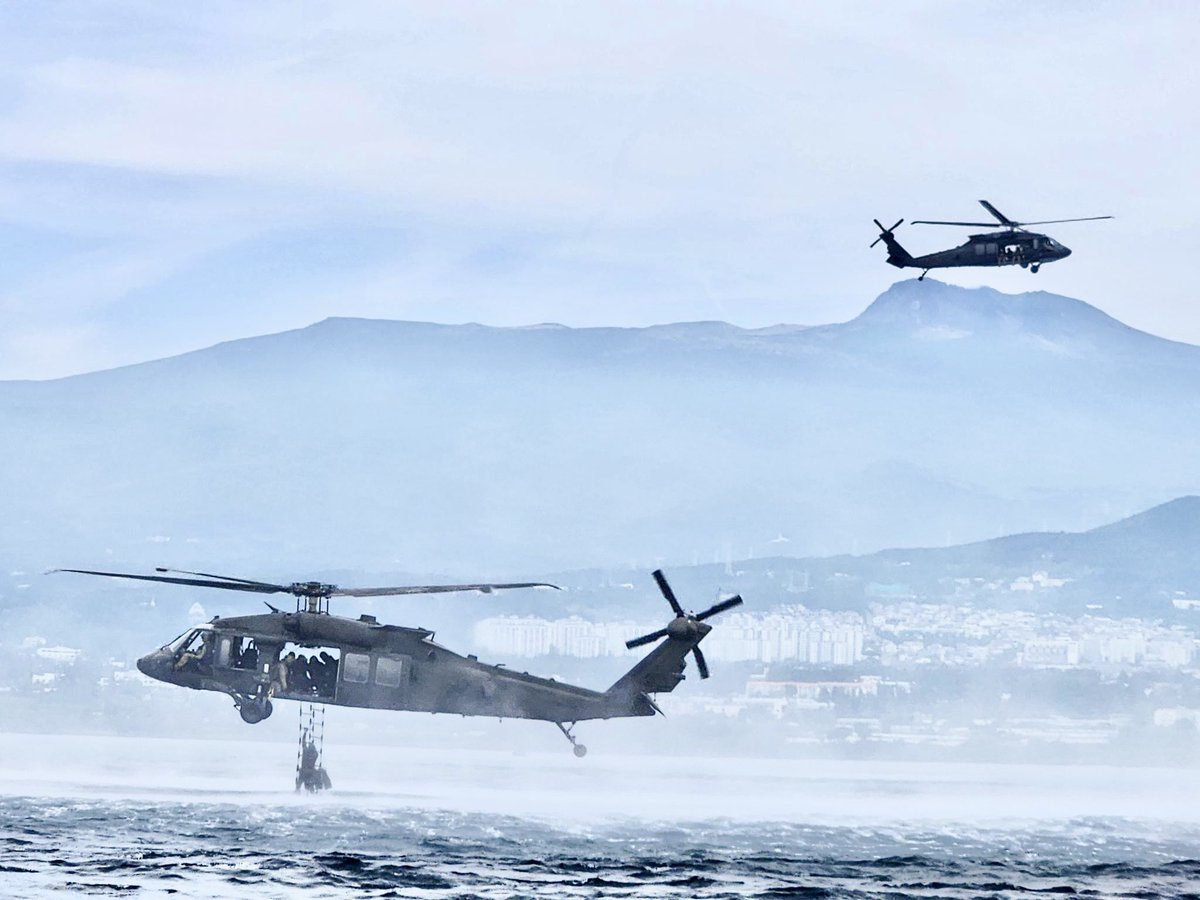
These training events utilized a ROK Fleet Vessel and UH-60 Black Hawks assigned to the @2ndCAB , continued a dedicated ROK-U.S. SOF presence around the island, and demonstrated our combined readiness, ability to access anywhere in the region, and joint interoperability.
Last month, U.S. Naval Special Warfare operators, alongside our Republic of Korea counterparts, completed a maritime insertion and mobility training iteration near Jeju Island.
SOF Truth #3: Special Operations Forces cannot be mass produced.
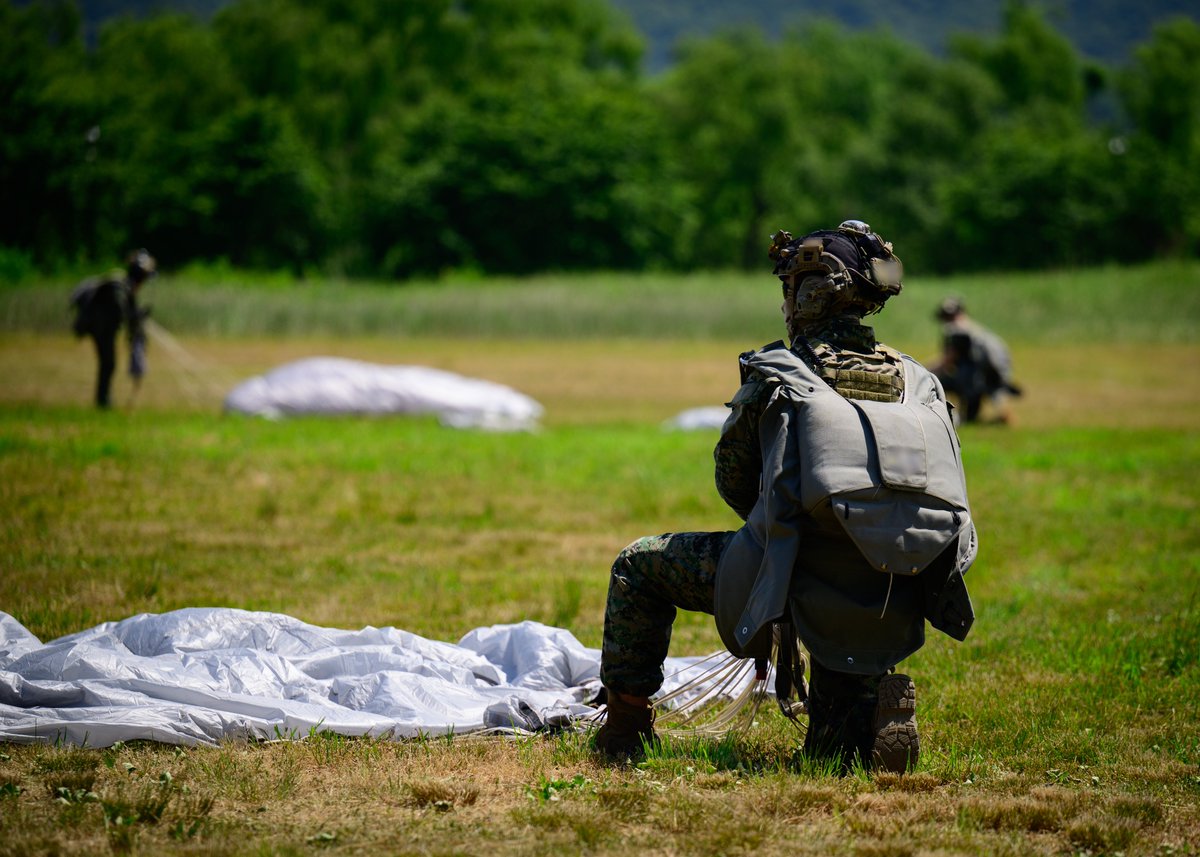
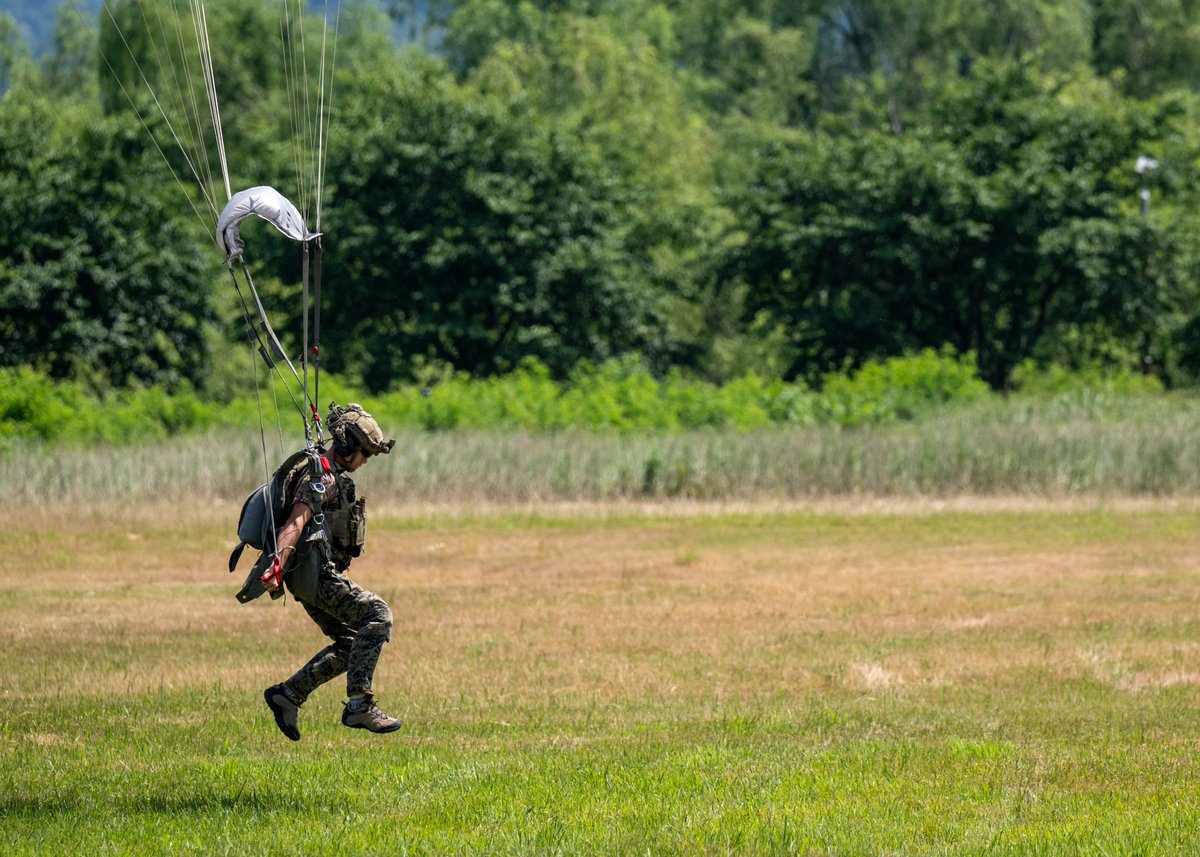
Upholding this truth, earlier this month, U.S. Army Special Forces operators conducted a combined HALO
jump with ROKSWC Soldiers assigned to 3rd SFB (A) from UH-60 Black Hawks assigned to @2ndCAB
By their very nature, SOF personnel are always ready to address a variety of situations, meaning they maintain a constant state of proficiency in unique skill sets. More than a demonstration of tactical skill, this event reaffirmed the ironclad commitment and combined lethality.
This joint effort underscores our unwavering commitment to the ROK-U.S. Alliance and our shared mission to maintain peace and stability on the Korean Peninsula.
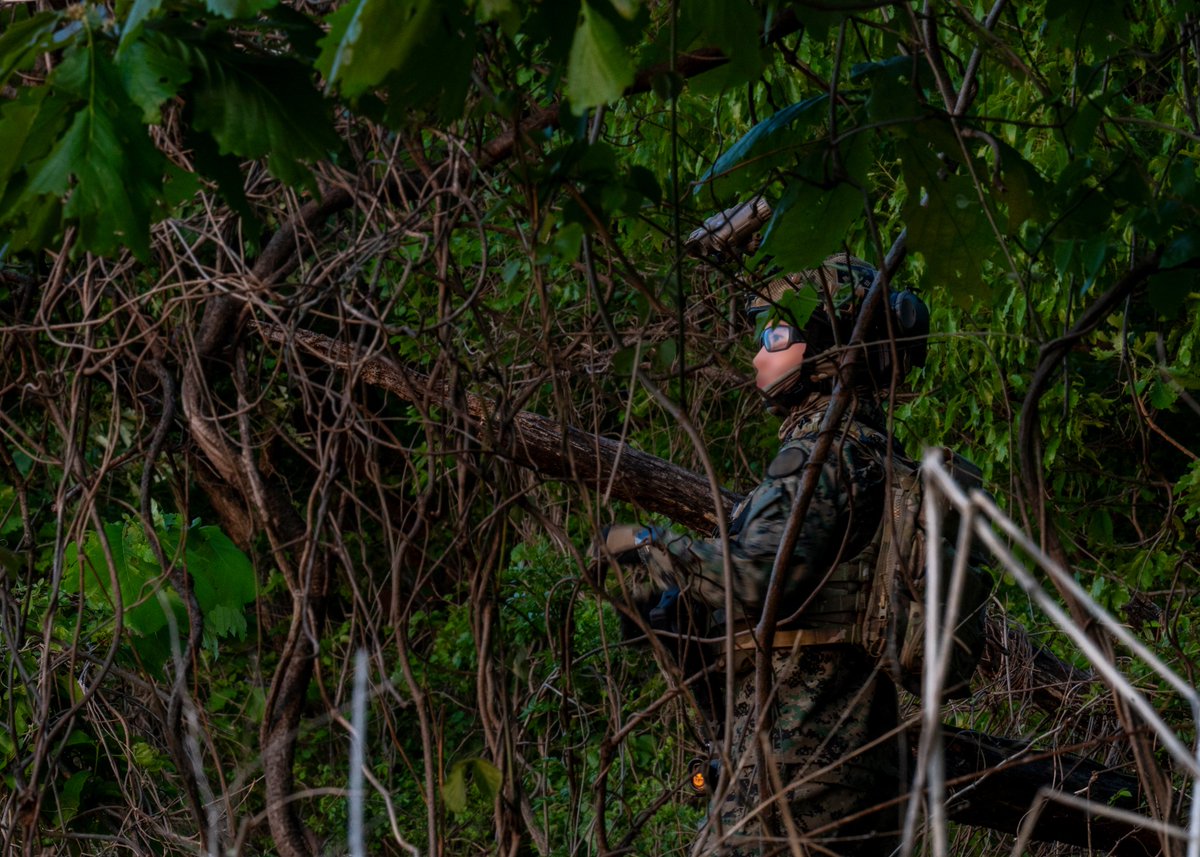
The exercises encompassed infiltration maneuvers, live-fire engagements, sniper operations, secure communications, and target seizure, all designed to enhance interoperability and readiness.
“When I think of what it takes to bring a fully trained and equipped operator with their appropriate enablers into a fight, we can’t expect to surge readiness when a crisis hits,”Brig. Gen. Derek N. Lipson, Special Operations Command Korea commander.
This type of training results in a greater ability to defend our homelands in crisis if called upon by our senior leaders, counter gray-zone and irregular activities from adversaries below the threshold of armed conflict, and advance a free, open, & stable Indo-Pacific region.
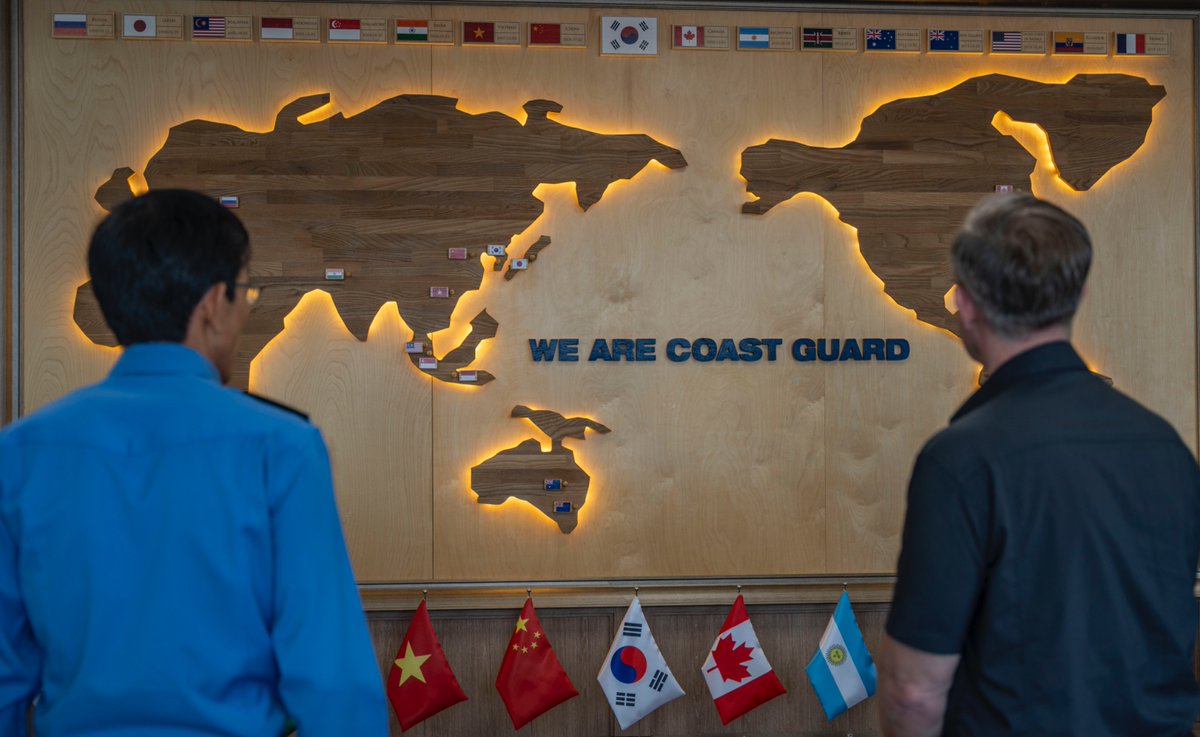
In Jeju, we recently had the opportunity to conduct forensics training with our ROK Coast Guard Sea Special Attack Team (SSAT) and other Korean defense community partners.
Through this bilateral training, the ability to conduct these types of activities enhances mutual national defense priorities and ensures our team can share the burden when it comes to countering grey-zone and other irregular activities in the maritime zone around Korea.