Neurobiologist 🧠Pre-doctoral researcher at IIBB-CSIC 👨🏻🔬
Studying role of endoplasmic reticulum in neuronal dysfunction 🧐 focused on sex-differences ♀♂
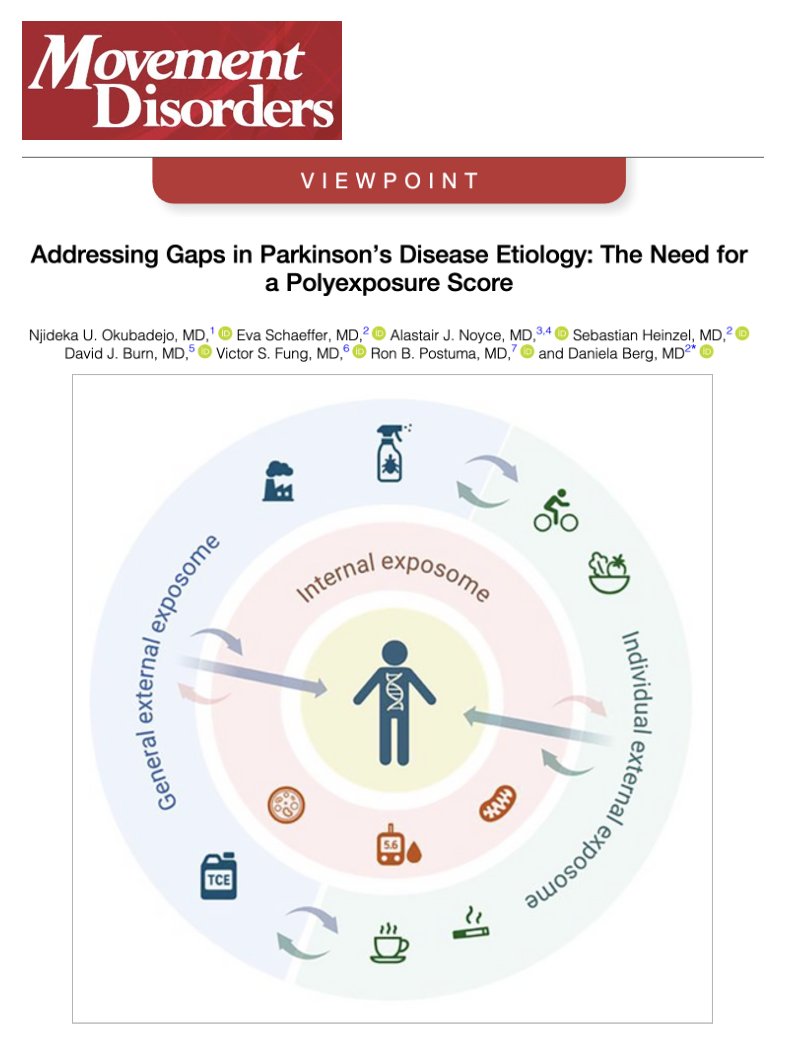
How about a polyexposure score for Parkinson’s? Polyexposure score refers to the 'combining' of many lifetime environmental and internal exposures into one cumulative risk estimate, similar to how a polygenic risk score combines many genetic variants. Okubadejo and colleagues describe in a new paper in Movement Disorders the urgent need to define and operationalize a Parkinson’s disease polyexposure score and to formally integrate the 'exposome' into how we classify and study PD.
Key points:
– The exposome includes general external factors such as pesticides, solvents and air pollution, individual behaviors such as smoking, caffeine, diet and exercise, and internal biology such as inflammation, diabetes and the microbiome.
– Most environmental risk factors for PD have modest effect sizes alone, however combining them into a polyexposure score may improve risk prediction and possibly progression modeling.
– The International Parkinson and Movement Disorder Society Clinical and Biological Framework now includes the exposome as a formal tier, signaling that environment and biology must be integrated alongside genetics and biomarkers.
My take: We have invested decades decoding the genome. It is time to decode the 'biography' of the person that goes w/ the genes. PD is not just DNA. It is lived exposure across a lifespan. A thoughtful polyexposure score could move us closer to prevention, earlier identification and more personalized care.
Here are 5 points that resonated w/ me:
1- Parkinson’s disease risk likely reflects cumulative exposures across decades, not a single toxin or trigger.
2- Pesticides, solvents, head trauma, diabetes, gut inflammation and lifestyle factors may interact w/ genetic susceptibility in complex ways.
3- A well-constructed polyexposure score could eventually help health care providers identify higher risk folks before motor symptoms emerge.
4- Longitudinal biobanks, multiomics, wearables and geospatial data will be essential to build and validate a meaningful score.
5- Prevention strategies may become more realistic if we can quantify modifiable environmental risks w/ the same rigor we have applied to genetics.
https://t.co/rbxa56g59A #parkinson @ParkinsonDotOrg
Parkinson’s disease maps tell a story across the Netherlands. What does incidence mean? Incidence refers to how many new cases of a disease occur in a population over a defined period of time. Simões and colleagues describe in a new paper in The Lancet Regional Health Europe how Parkinson’s disease incidence and geographic patterns unfolded across the Netherlands from 2017 to 2022. They used nationwide health data.
Key points:
- Parkinson’s disease incidence across the Netherlands was relatively stable over the study period at about 22 new cases per 100,000 person years.
- Incidence increased sharply w/ age and was higher in men than women across nearly all age groups.
- Clear geographic clustering emerged, w/ higher risk in northern regions and lower risk in southern regions, patterns not readily explained by air pollution, farming intensity or urbanization.
My take: This study reinforces that Parkinson’s disease is not randomly distributed. Geography matters, biology matters and the environment still looms large, even when the usual suspects do not fully explain the map. Here are 5 points that resonated w/ me:
1- Parkinson’s disease incidence was remarkably stable before the pandemic, reminding us that prevalence growth is driven by aging and survival rather than exploding new cases.
2- Regional clustering suggests there are local factors shaping risk, even in a country w/ universal access to health care providers.
3- Known environmental indicators did not line up neatly w/ risk maps, signaling we may be missing key exposures or timing effects.
4- Higher incidence in wealthier and partnered households may reflect detection differences rather than true protection in lower socioeconomic groups.
5- These kinds of national maps should guide smarter prevention research and help focus efforts on modifiable risks so folks are not left guessing where Parkinson’s comes from.
https://t.co/4t5V2uO3Ml @FixelInstitute@TheLancet@ParkinsonDotOrg #parkinson
Com inspirar les futures generacions de científics? 🧪 Portant la recerca real a l'aula!
Amb el programa educatiu #AmgenTransferCiència, científics com ara @USarriesSerrano, de l'@iibbcsic visiten instituts de secundària per compartir la seva feina i passió.🧬
Today was a very special day for our Neuropharmacology of Systems group. Unai defended his thesis, and there was an excellent, lively, and constructive debate with the members of the panel. We are very proud!!!! Thank you, Javier, Rita, Alfredo, and Monserrat.
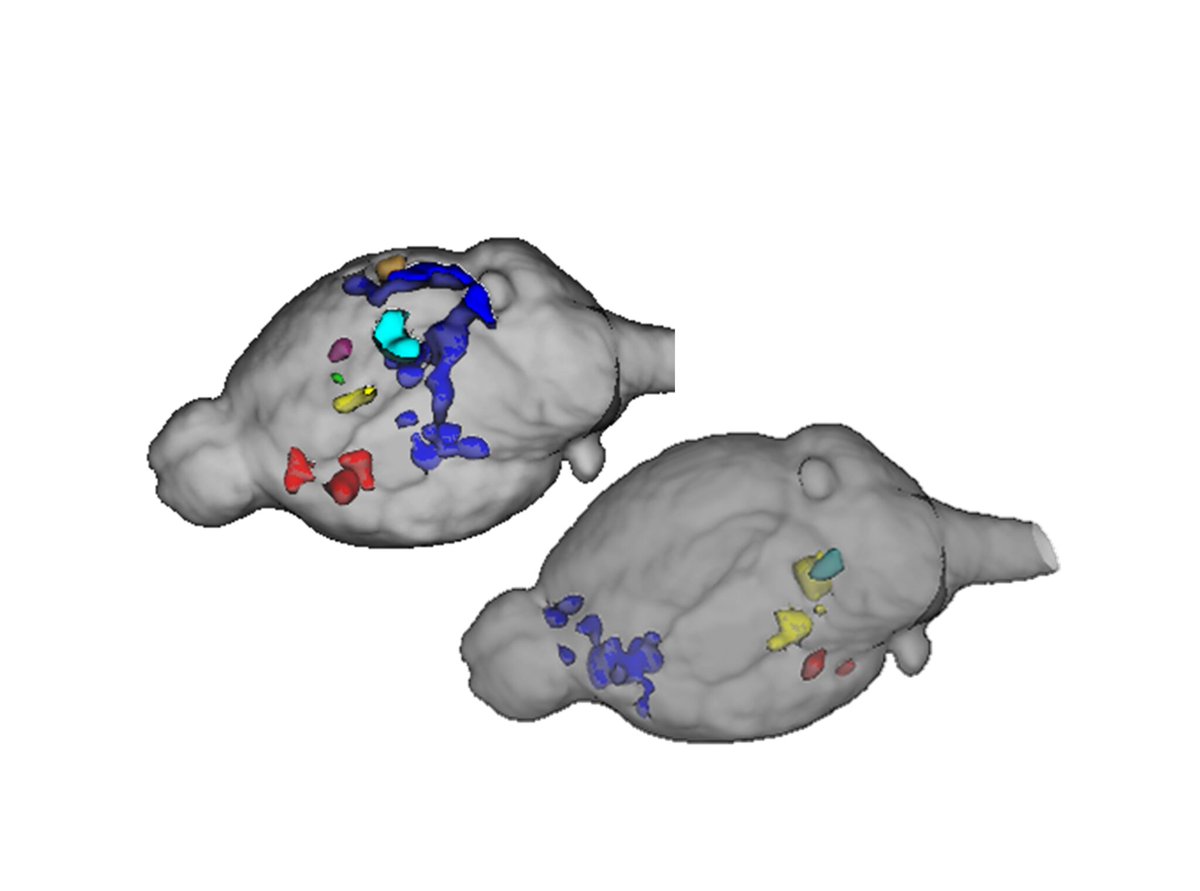
#Biomedicina Una investigación revela cambios tempranos que causan baja conectividad en circuitos cerebrales relacionados con la emoción, con un patrón de desconexión característico que podría alertar del riesgo de depresión en pacientes con #Parkinson
https://t.co/NRhxgh6oGc
📢 Este miércoles arranca el XX Congreso de la SENC en Las Palmas de Gran Canaria 🌴🧠 #SENC2025
Consulta aquí el programa final con enlaces a todos los abstracts 👉 https://t.co/YhiS9xA6Qs
¡Os esperamos! ✈️
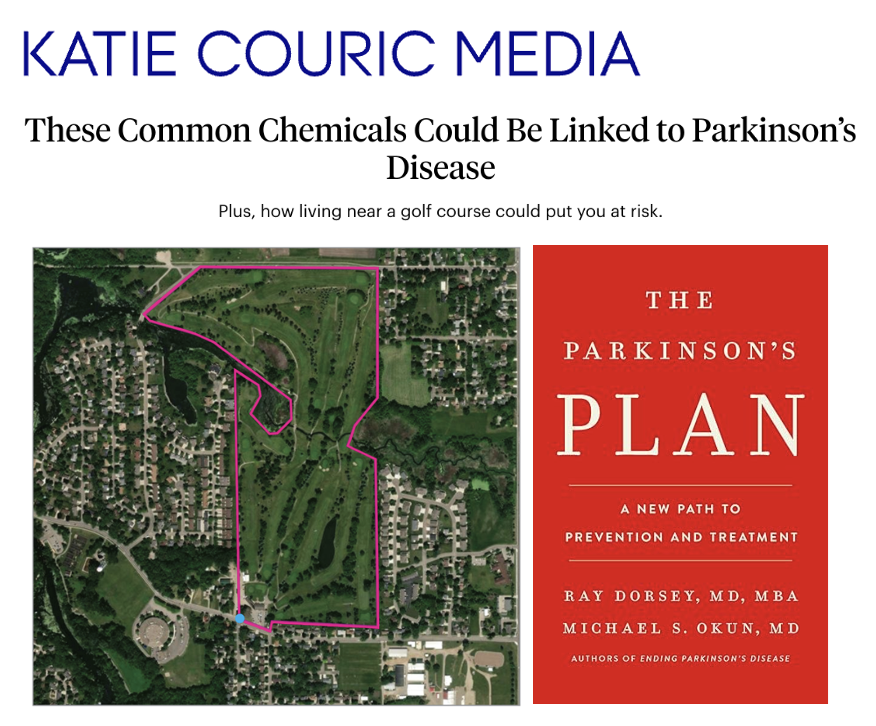
When Michael Okun, MD, first used the term “Parkinson’s pandemic,” he was written off as alarmist. These common chemicals could be linked to Parkinson’s disease plus how living near a golf course could put you at risk. Rachel Uda nails it in her new article just published by Katie Couric media. Okun's comments were "over a decade ago, and since then, rates of the neurodegenerative disease have risen at a distressing pace. He and his co-author Ray Dorsey, MD, another leading Parkinson’s researcher examined what’s driving the uptick in their new book, The Parkinson’s Plan which comes out August 19th https://t.co/e9eKnkGsxz Why worry about golf courses? "We think it’s because when they spray golf courses with pesticides, that leaks into groundwater, contaminating drinking water. Wash your produce to get any pesticides off your fruits and vegetables and use a water filter, which will protect you from TCE and pesticides. Exercise and sleep can be game changers for Parkinson's."
https://t.co/t5x9WvpZ9H @ParkinsonDotOrg@FixelInstitute @ParkinsonUK @APDAParkinsons@MichaelJFoxOrg #Parkinson
DYK around half of the brain is not made of neurons? Among the other half is the octopus-like microglia.
In this visualization by our Electron Microscopy team, microglia (green) wraps around a pyramidal cell (blue), one of two types of excitatory neurons in the brain.
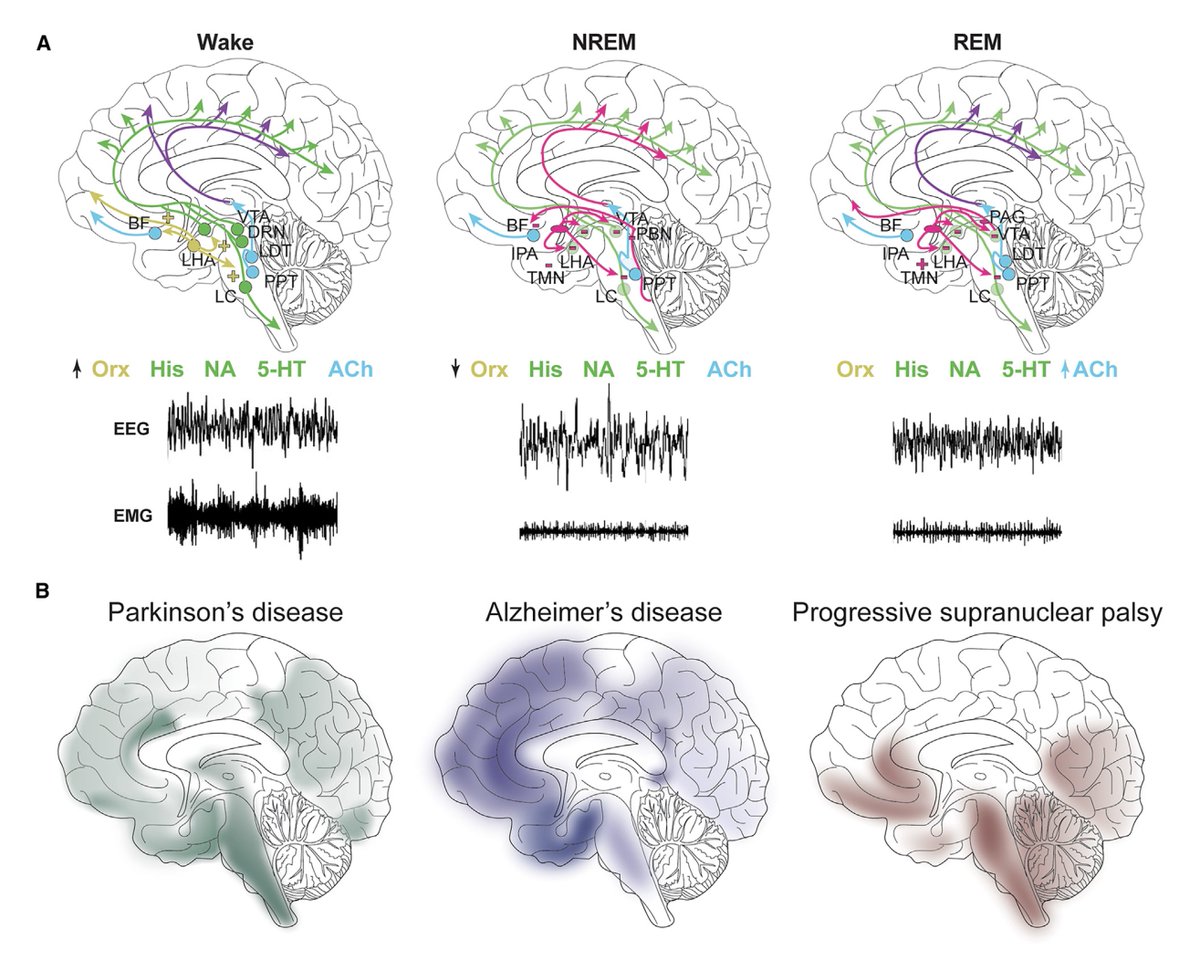
Do we need to rethink near-death experiences? What’s really happening in the brain? NDEs might be a hardwired coping strategy: the dissociation, calmness, and detachment when facing death may actually be an evolutionarily protective response. For decades, people have asked me: "Is there something happening in the brain when people have a near-death experience?" How does the brain, at the edge of life, produce the powerful, often mystical experiences so many people describe. New insights on the topic have just been published in Nature Reviews Neurology by Martial and colleagues.
Key Points:
- This study by Martial and colleagues offers a compelling neuroscientific model of near-death experiences (NDEs).
- The authors try to move us from spiritual speculation toward biological plausibility.
- If we rethink these experiences, we might also learn something crucial about human consciousness itself.
- NDEs seem to involve a cascade of neurophysiological and psychological processes.
- These events can be triggered by physiological crises like a cardiac arrest (heart attack).
- These experiences seem to be linked to massive releases of neurotransmitters (serotonin, dopamine, noradrenaline, GABA, endorphins).
- The default mode network, temporoparietal junction, and brainstem arousal systems may all play key roles.
- Serotonin (5-HT1A, 5-HT2A) and glutamate are particularly implicated in the peaceful feelings and vivid hallucinations.
- The authors review the newly proposed NEPTUNE model that actually frames NDEs as "evolutionarily conserved responses."
- These episodes may not just be 'brain failures.' Should we be thinking of them as potential survival mechanisms.
My take: Why does this matter? This paper bridges what we once pictured as the mystical with the medical. It helps us understand that NDEs are not a supernatural anomaly, but rather a biological response to an extreme crisis. These NDEs may have evolved to help the brain cope, survive, and even encode memory in the final seconds of life.
My 5 Key Takeaways:
1- NDEs may reflect a brain in survival mode. In other words, these experiences likely originate from complex brain activity, not from flatlining or from brain inactivity.
2- REM intrusion, not just hypoxia, plays a role. The features of REM sleep (like atonia and vivid dreams) can possibly intrude into waking consciousness, helping explain out-of-body sensations.
3- Neurotransmitter surges may create mystical content. The massive releases of serotonin and dopamine can produce hyper-reality, hallucinations, and euphoria. These effects are similar to what is observed when using psychedelics.
4- NDEs might be a hardwired coping strategy. Think about it: the dissociation, calmness, and detachment when facing death may be evolutionarily protective responses. Ever heard the terms: playing dead or thanatosis.
5- We must rethink brain death and consciousness Brain activity may persist or surge briefly after cardiac arrest, suggesting we have much more to learn about when and how consciousness truly ends.
What is the bottom line? As we edge closer to understanding the neural basis of NDEs, we also open doors to new insights into the biology of consciousness. What we once attributed to metaphysics may now be understood as neurophysics. Let’s keep asking bold questions. Because understanding near-death may bring us closer to understanding what it means to be fully alive.
https://t.co/OmxqDunaFB
#Consciousness #Neuroscience #NearDeathExperience #Neurology #Serotonin #NDE #BrainScience #NatureNeuro #NEPTUNEModel
Most neurons are excitatory, but some do the opposite and dampen the activity of other neurons.
In this visualization by our Electron Microscopy team, an axon (red) sneaks its way in between a satellite microglia (blue) and an inhibitory neuron (gray).
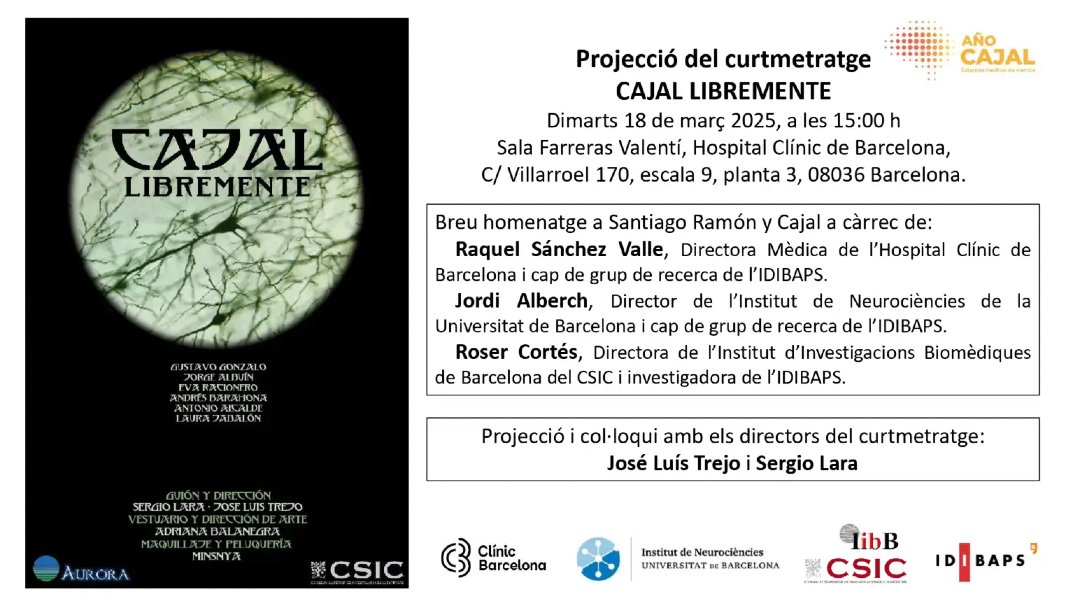
Ha sido un auténtico placer asistir a la proyección del cortometraje #CajalLibremente.
Interpretación muy integradora de la multidisciplinaridad de Ramón y Cajal, la cual bien le valió para conectar con la sociedad.
Muchas gracias @JLTrejo2 !
AVUI‼️
Homenatge a Santiago Ramon y Cajal amb la projecció del curtmetratge "Cajal Libremente"
📆18/03 - 15h
📍 Sala Farreras Valentí de l'Hospital Clínic
👉https://t.co/l9qGno5bG0
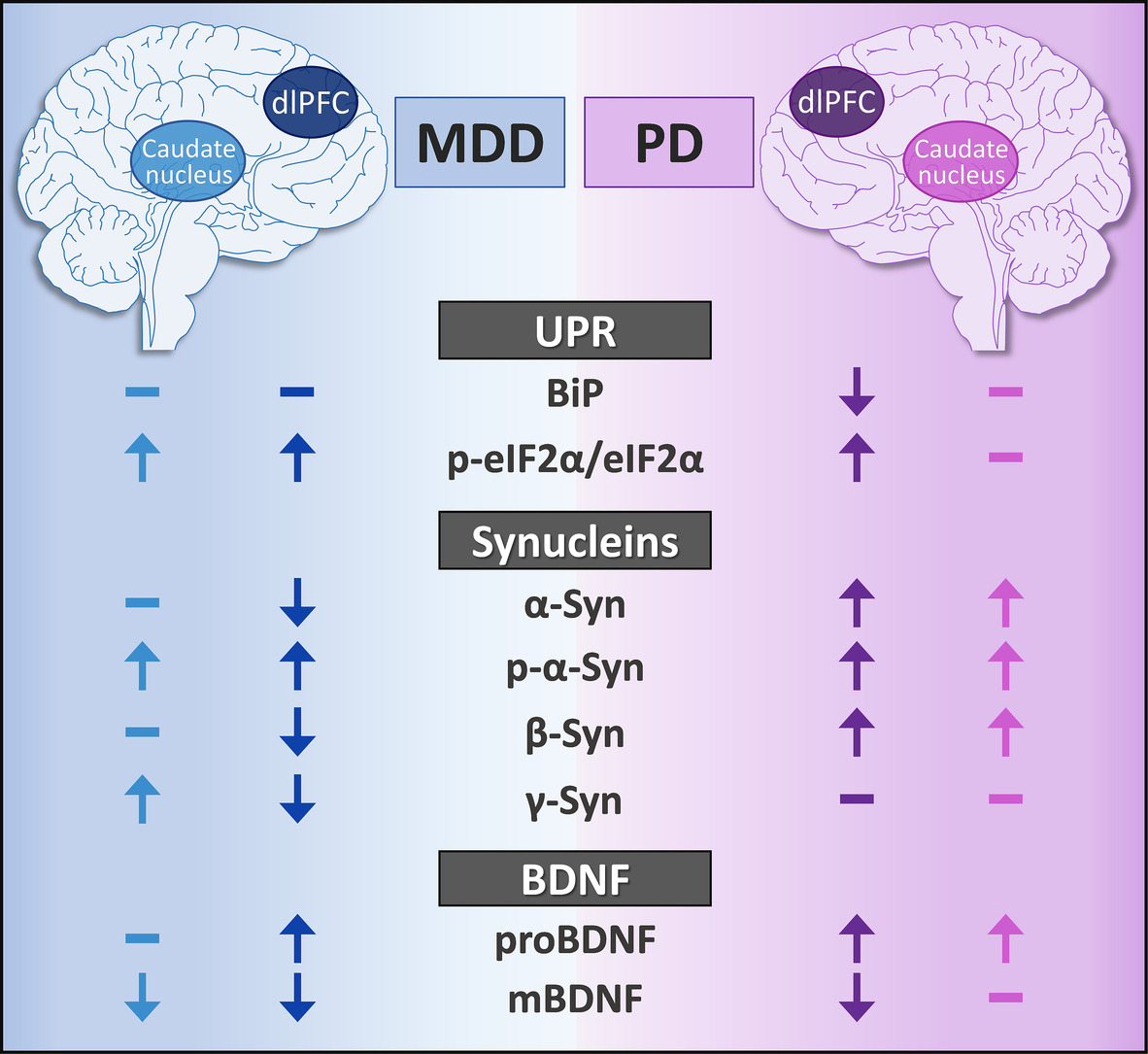
Hallan alteraciones similares en los niveles de proteínas en cerebros de pacientes con #depresión y de #párkinson
Liderado por Analia Bortolozzi de @iibbcsic y @CIBER_SAM , el trabajo puede abrir nuevas vías terapéuticas.
#salud
https://t.co/bRlMM7hOaC