The World Needs Geophysicists! From earthquakes to climate change we tackle fundamental issues in Earth and planetary sciences. Part of @txgeosciences @utaustin
Breakups are complicated, even when it comes to supercontinents 🌎💔 New research led by #UTIG Research Professor Harm Van Avendonk finds that the Central Atlantic Magmatic Province played a smaller role in the breakup of #Pangea than previously thought.
https://t.co/KPkBghyxbY
Teams then integrate and interpret data collected here to examine Gulf Coast shelf geology and present findings to their peers and members of the energy industry.
Congrats to everyone in this year's course!🎉
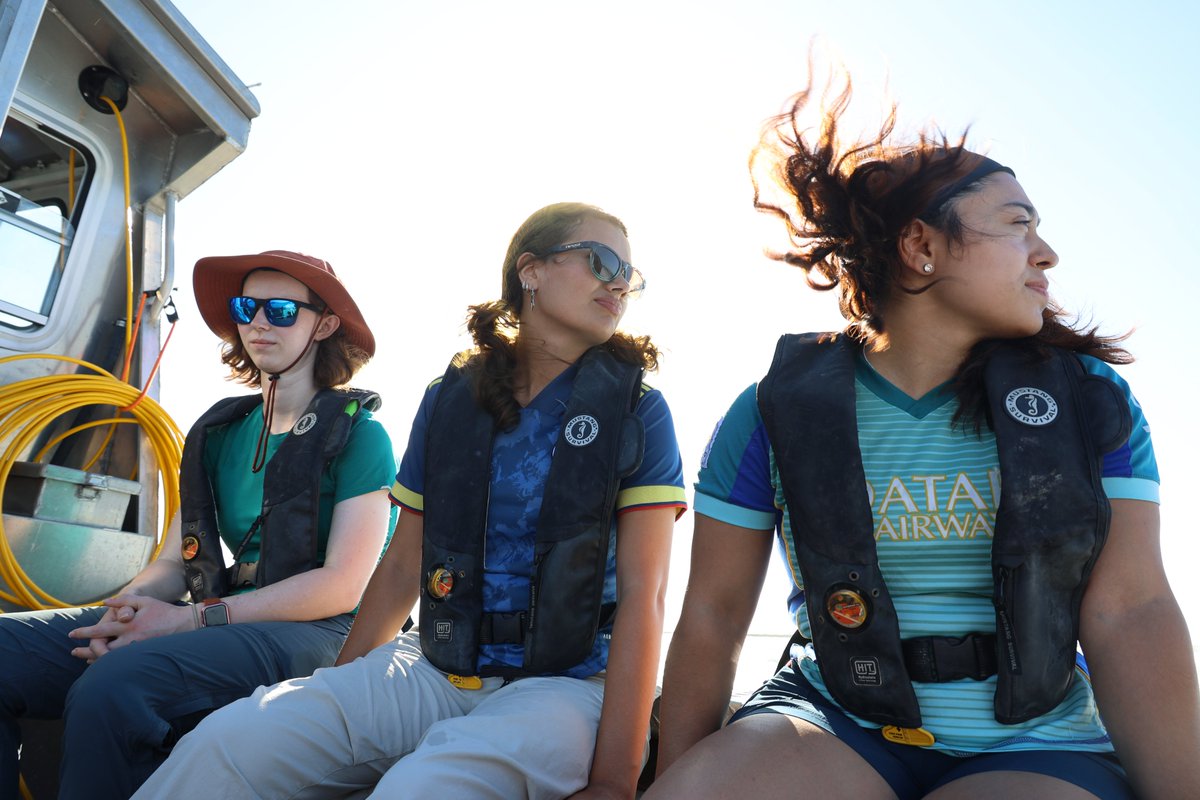
That's a wrap on our annual Marine Geology and Geophysics field camp! 🏖️🏖️🏖️
GEO349/397 provides hands-on training in marine geological and geophysical data collection and processing for graduate and advanced undergraduate students.
Working in teams, students travel to Port Aransas, TX and hop on @UTMSI research vessels to learn sediment coring and analysis and seafloor mapping techniques using streamer seismic reflection, side-scan sonar and multibeam bathymetry.
The stratigraphic sequence at Knockan Crag National Nature Reserve is pictured below and protrudes out of the Earth, showing rock that is over 500 million years old. The thrust is visible beneath the Moine Schist and above the Durness Limestone.
Research professor Sean Gulick (left), #UTIG Postdoctoral Fellow Greg Gosselin (center) and @txgeosciences doctoral student Soraya Alfred traveled to Scottish Highlands to visit the Stac Fada Member impact ejecta sequence as part of the i-CREATE Magellan3 & USSSP workshop🏴🏴🏴
The circles in the rock are called accretionary lapilli and were formed by material melted and vaporized after an impact somewhere in the Highlands. These lapilli are linked to this impact event that occurred 1 billion years ago although the crater has not been found.
Introducing Field Notes! The Bureau of Economic Geology’s new biannual magazine showcases our researchers and their work at the intersection of energy, environment, and economics.
To read the first issue: https://t.co/07TVD3S0M1
#geology#water
#UTIG & @txgeosciences doctoral student Sohini Dasgupta is a recipient of a 2026-2027 UT Chevron Energy Graduate Fellows Award. Read more about Dasgupta’s research and the other awardees: https://t.co/T3Z6YTyzuY
Congratulations to Michael Sweet of @UTGeophysics on receiving the 2026 Doris Malkin Curtis Medal, the highest honor from the Gulf Coast Section of SEPM. The award recognizes his leadership in advancing our understanding of critical energy systems. https://t.co/dDGLjXoLmY
Last week, #UTIG Research Associate Elizabeth Spiers (left), Graduate research assistant and doctoral student in the @txgeosciences Medha Prakash (center), & postdoctoral fellow Arefe Nezami joined this year’s #AbSciCon26 to present out of this world research! 🪐☄️🌊
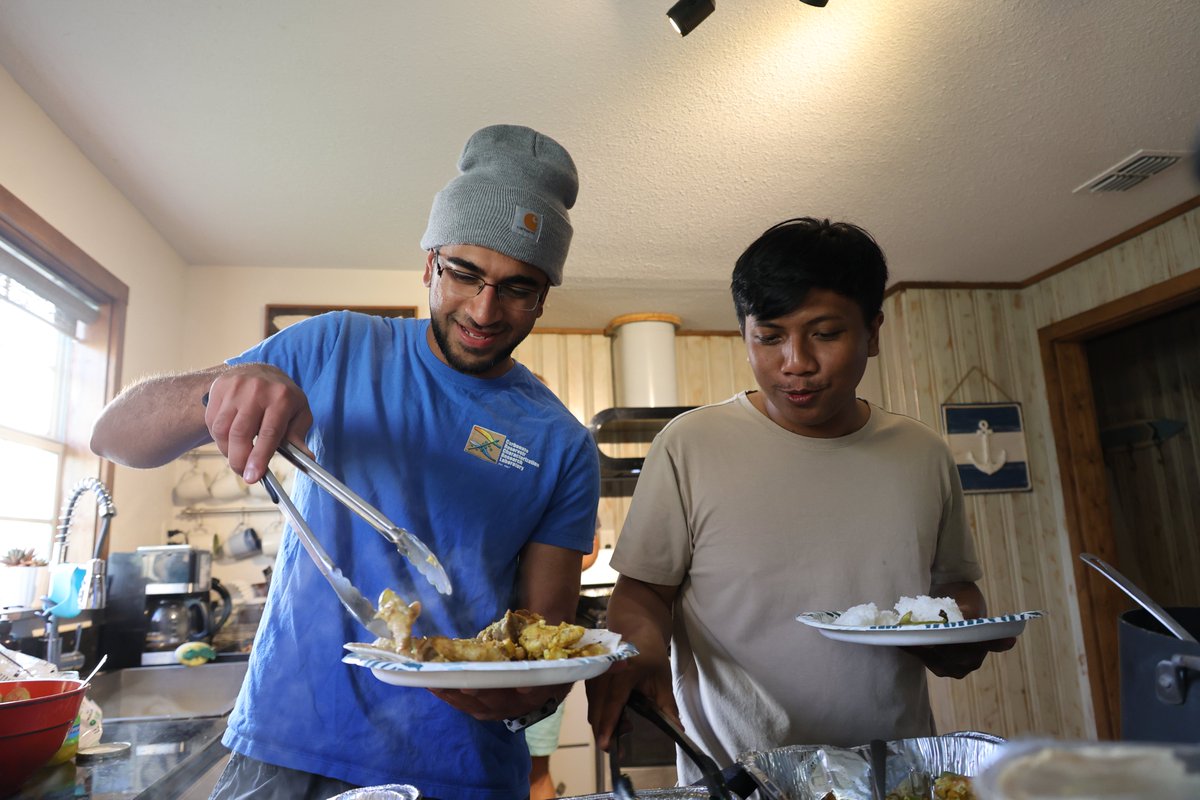
Our Marine Geology and Geophysics field course is as hands-on as it gets💪💪💪
See what a typical morning of hunting down sediment samples and collecting cores on Harbor Island in Port Aransas, TX looks like! 🏖️🏖️
Michael Sweet, a research scientist at #UTIG and co-program director of the Gulf Basin Depositional Synthesis (GBDS) project is the recipient of the 2026 Doris Malkin Curtis Medal by the Gulf Coast Section of the Society for Sedimentary Geology.
https://t.co/spwpeUl8TD
Join #UTIG Research Associate Professor Chris Lowery on Tuesday, June 2 at 4:00 p.m. CT for a special presentation with the American Museum of Natural History on the ways ocean drilling offers insights into Earth’s past. https://t.co/ES2x5sfUWV
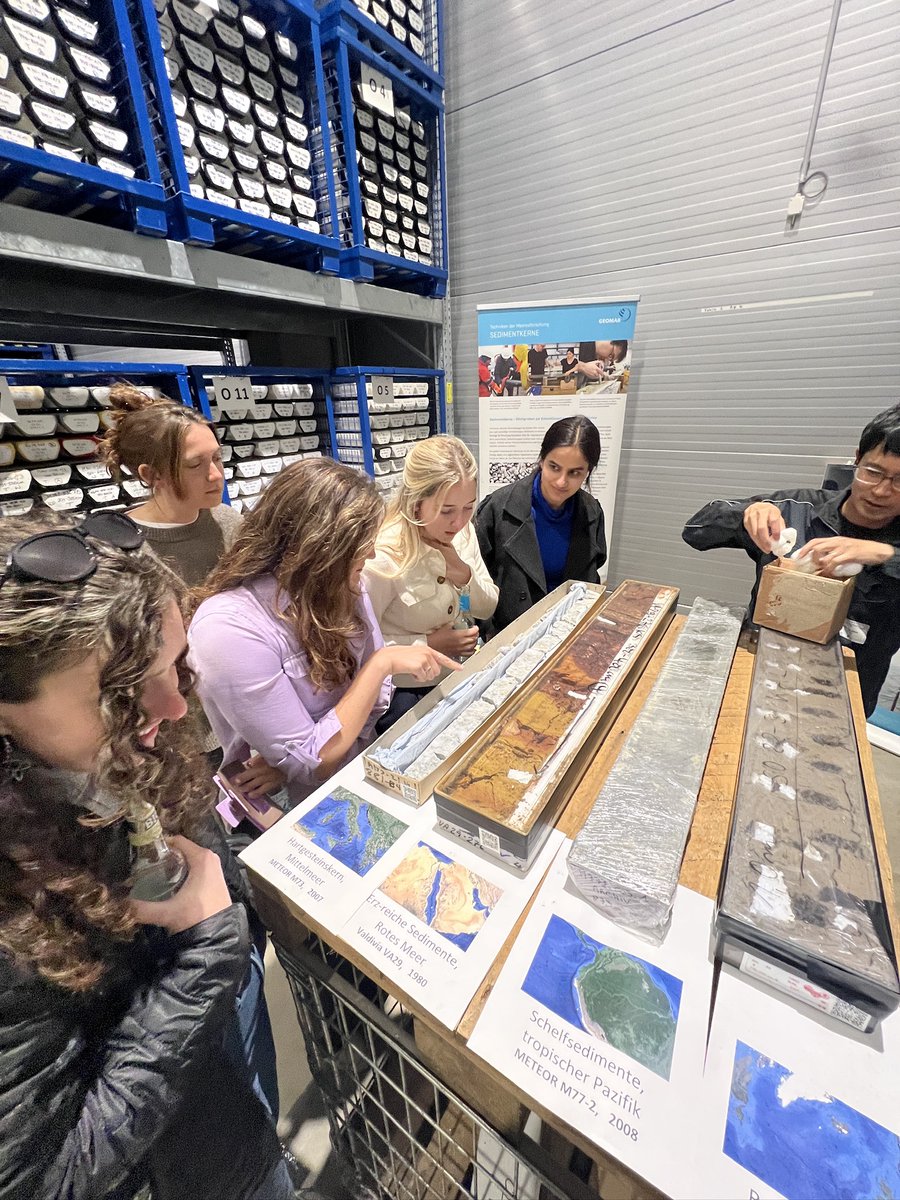
#UTIG experts joined colleagues from around the world for the third Joint International Earthquake Science Symposium hosted at the #GEOMAR Helmholtz Centre for Ocean Research in Kiel. Attendees toured the centre's facilities, including GEOMAR’s Core & Rock repository, seen below.
This year’s symposium emphasized research on marine-based observations, subduction-zone processes, and more. The Joint International Earthquake Science Symposium is collaboration between UTIG, @JAMSTEC_PR and #GEOMAR Helmholtz Centre for Ocean Research Kiel.