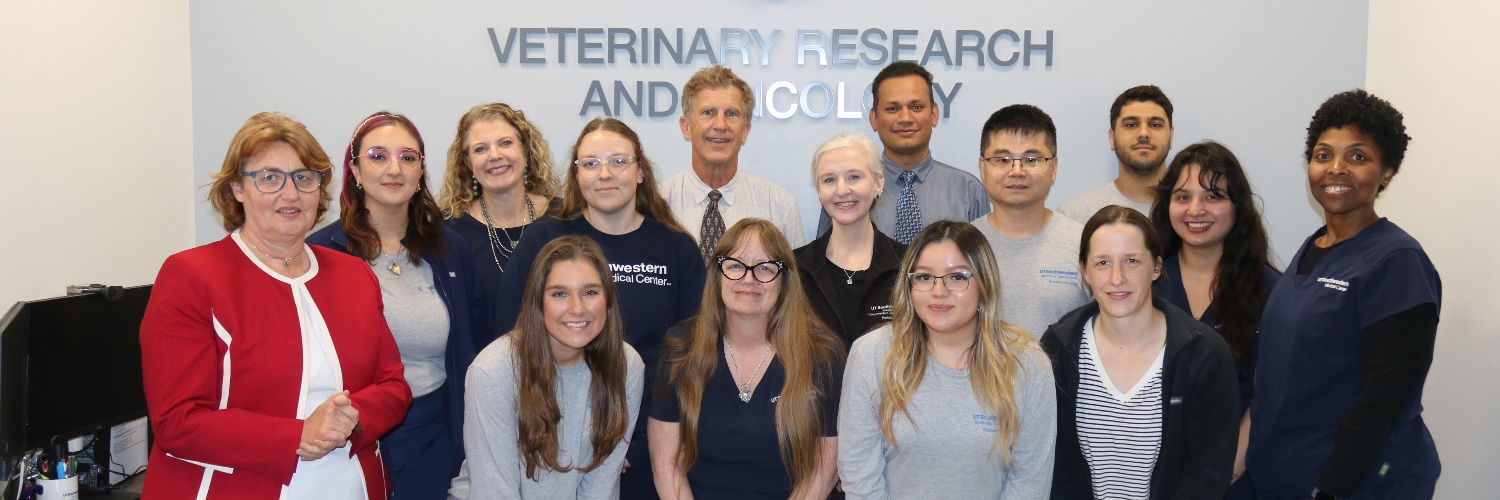
Our mission is to provide safe and novel treatments to companion animals to improve the animal’s health, while learning from and informing human treatments.
Our Veterinary Research and Oncology Clinic is advancing cancer care for companion animals while accelerating breakthroughs for humans through innovative comparative oncology research. Learn more on how @UTSW_VROC is shaping the future of cancer treatment.
https://t.co/UvaEOAaoB2
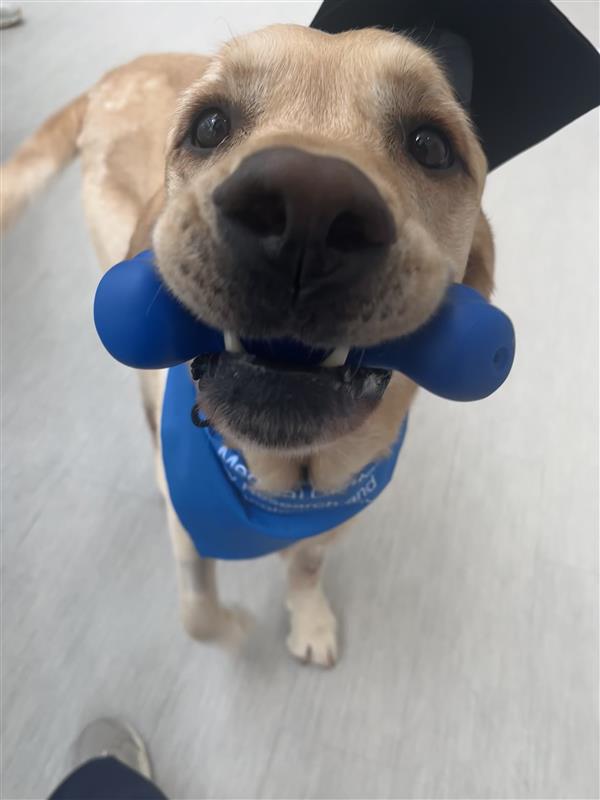
Congratulations to Bubba on completing his final chemotherapy treatment! Bubba is a nearly 6 year old Labrador Retriever who enrolled in a treatment research protocol evaluating fenbendazole in combination with CHOP chemotherapy.
We’re celebrating 1 year of @UTSW_VROC! VROC was founded to deliver safe, effective, novel cancer treatments for companion animals, with the goal of improving pet health while informing human cancer care.
· 175+ canine/feline patients seen
· 45+ treated
· 15 open trials
Baby Girl is a 12‑year‑old German Shepherd with squamous cell carcinoma of her left maxilla. She’s our first patient to receive online adaptive PULSAR on our trial randomized to monthly treatment, and has now completed treatment #3 with adaptation due to tumor regression.
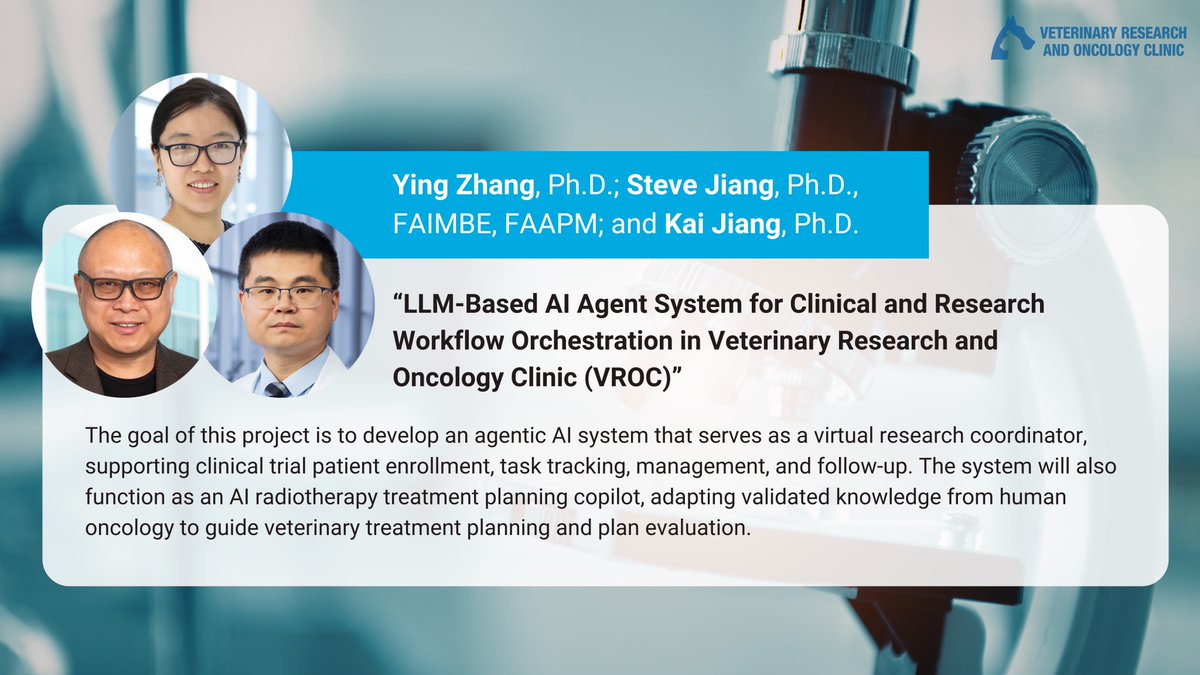
Please join us in congratulating the following @UTSW_RadOnc faculty who have been awarded VROC seed grants!
Follow the 🧵below for further details on their work!
We are happy to announce Moonshine’s graduation from VROC! Moonshine, a 10-year-old Boxer, was entered into one of our clinical trials exploring a combination of chemotherapy agents against Hemangiosarcoma. In this trial, he received carboplatin in combination with Temozolomide.
The Veterinary Research and Oncology Clinic (@UTSW_VROC) is seeking a veterinary radiation or medical oncologist for tenure-track or clinical-track faculty positions at the Assistant, Associate, or Full Professor level.
Apply and learn more here ➡️: https://t.co/1PYG2gjFD3
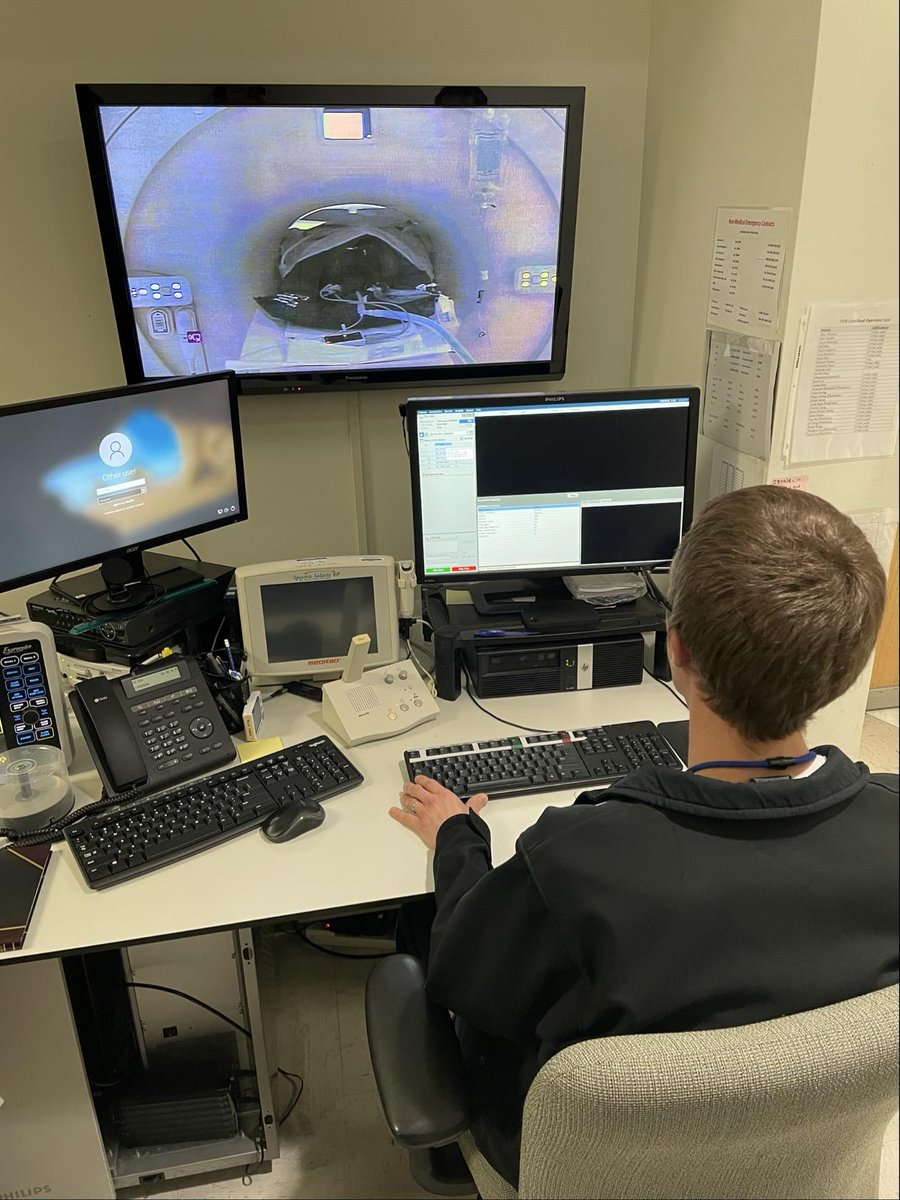
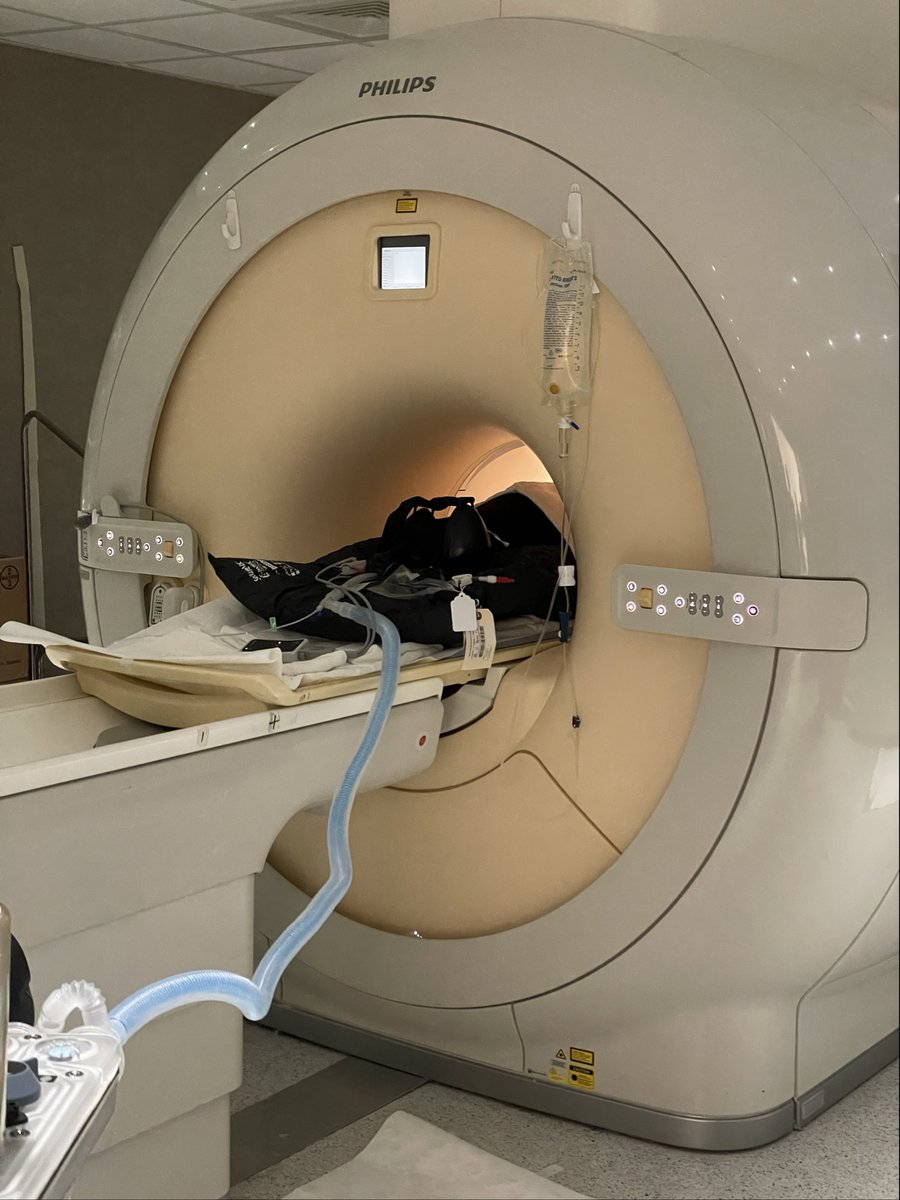
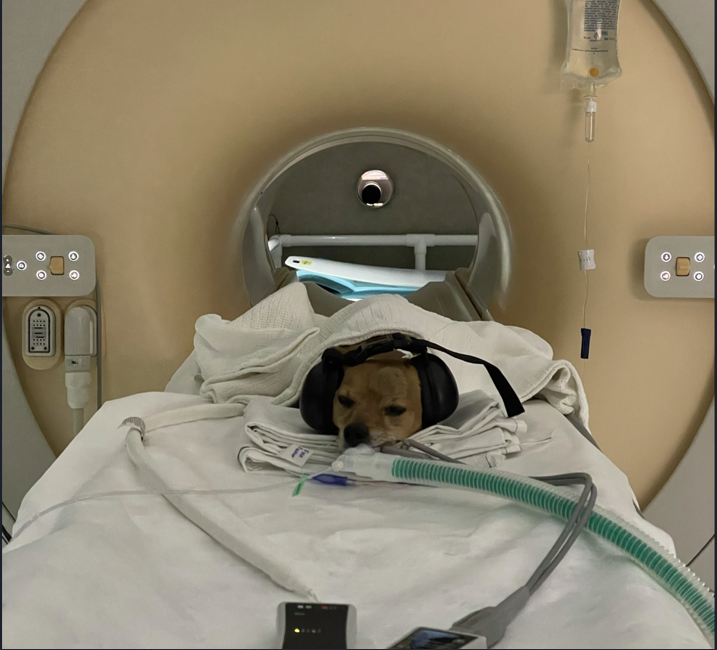
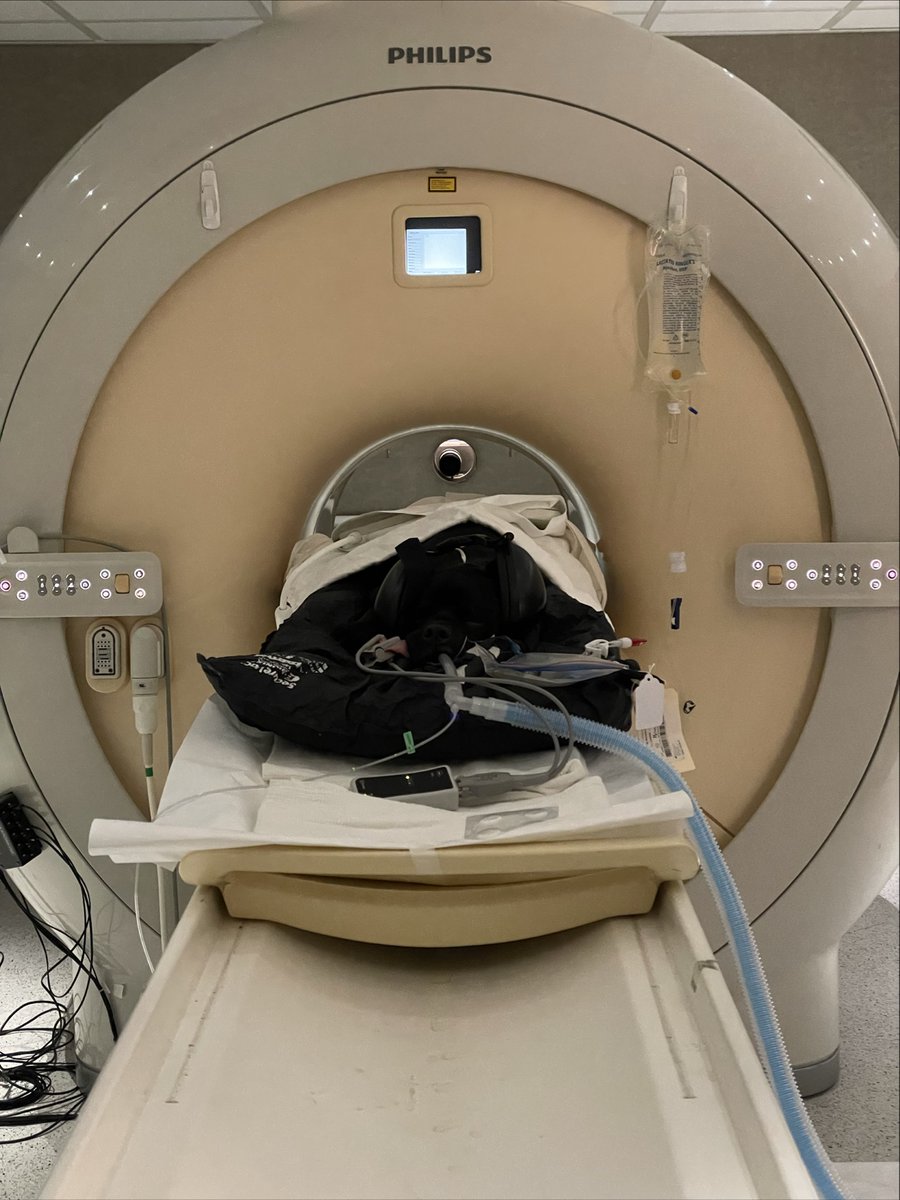
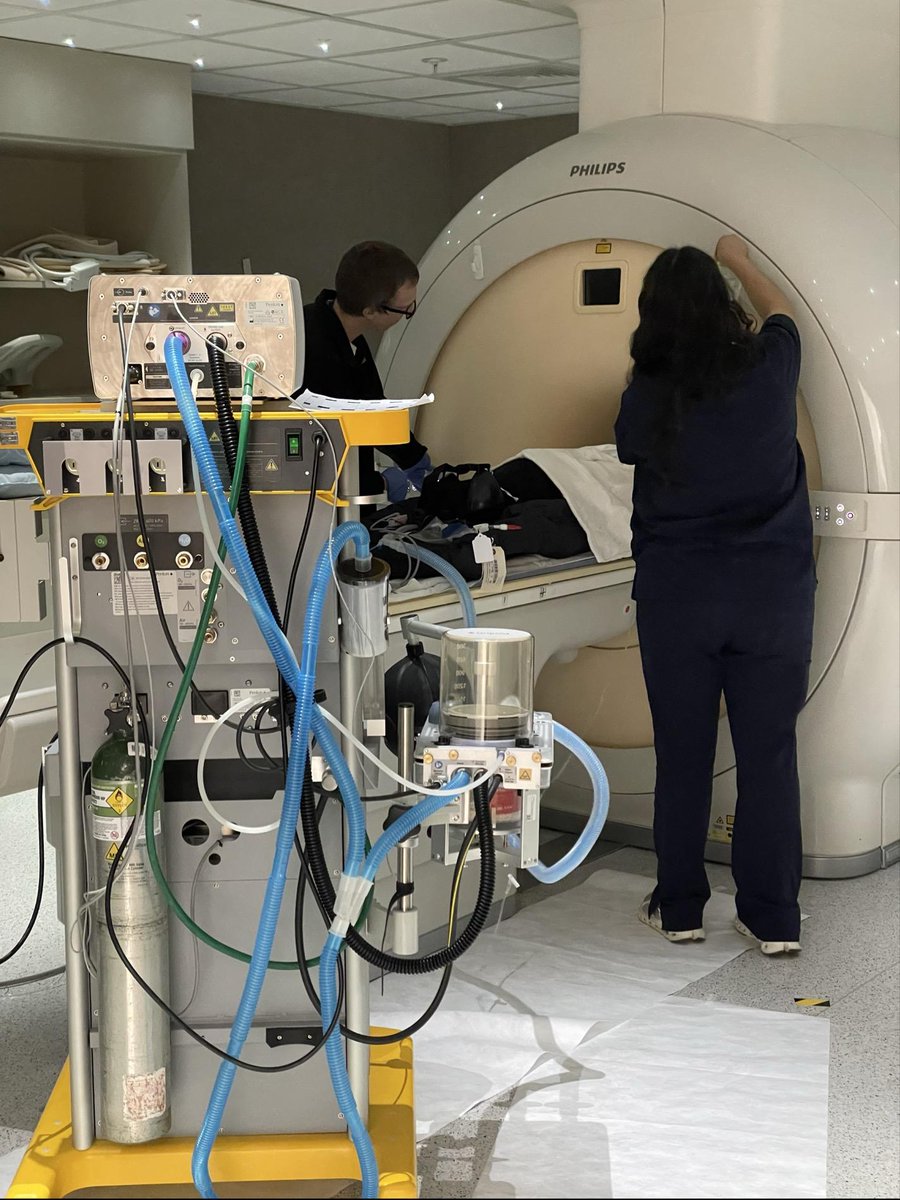
Finn underwent an MRI for evaluation of a brain mass that will receive immune-activating radiation therapy. We'll also use serial MRI imaging to non-invasively monitor the microstructural tumor tissue properties of the lesion and assess treatment response.
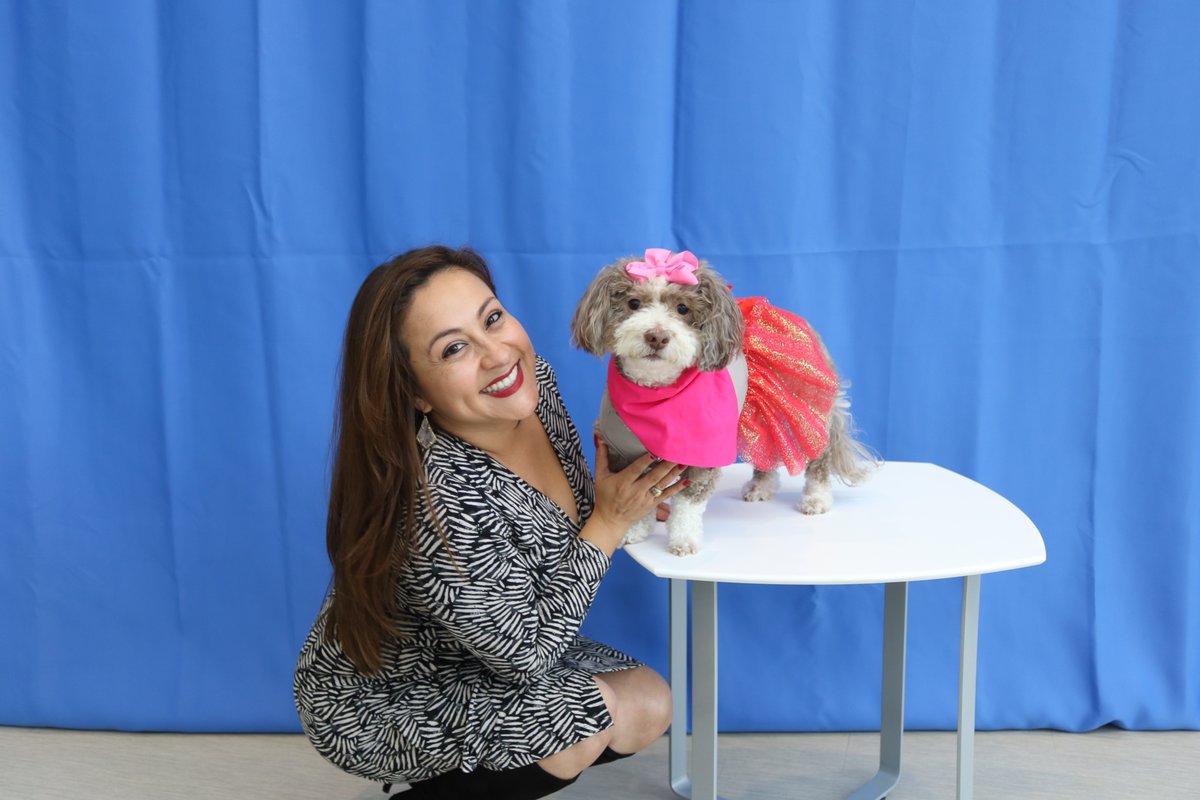
Charlie is an Aussiedoodle who came to us as a lymphoma patient with an MDR1 mutation. He did so well with his treatments and we’re thrilled to share that he is now in remission!
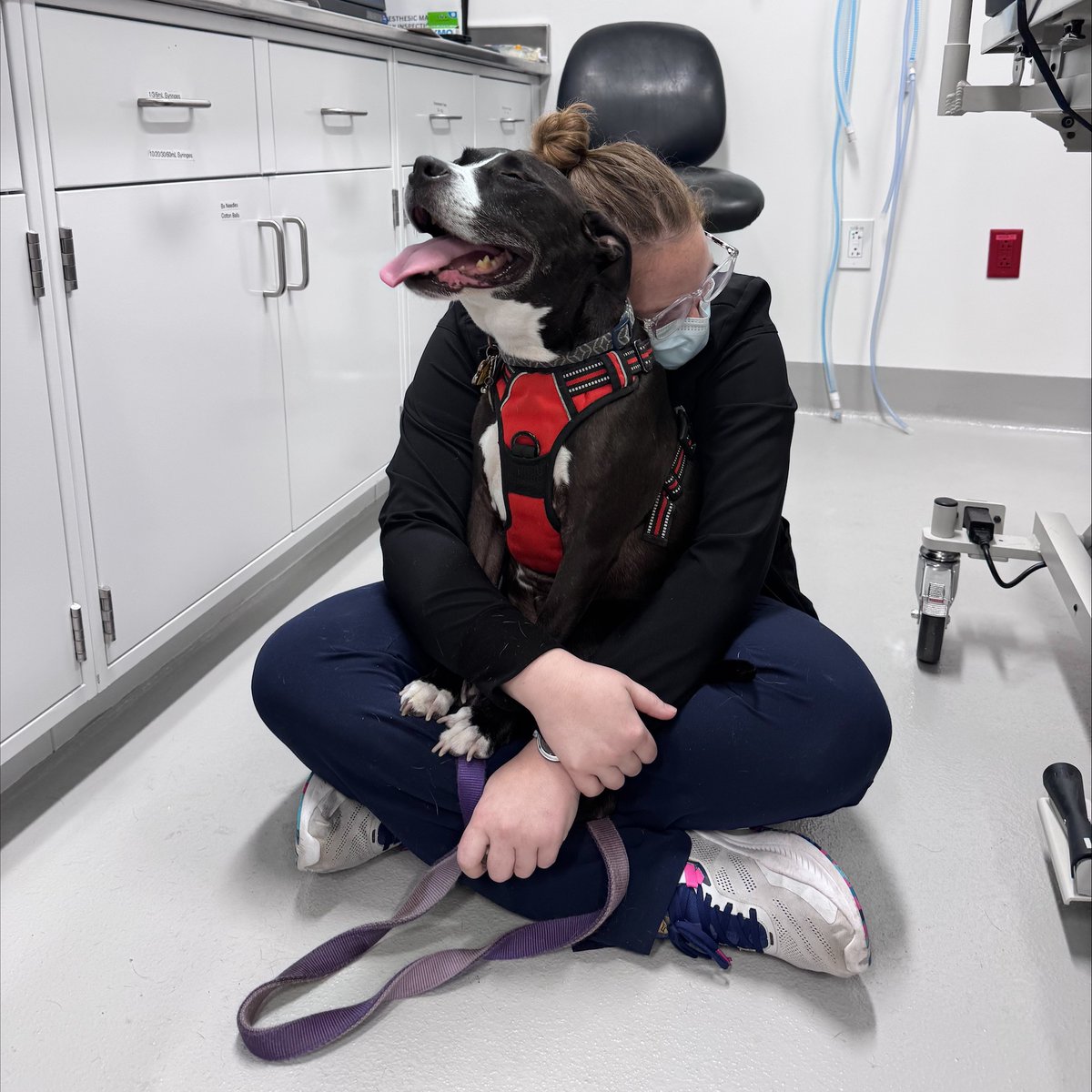
Bubba was excited to visit us earlier this week! He came in for his scheduled doxorubicin chemotherapy treatment and brought his usual positive energy!
(2/2) The PULSAR approach delivers fractionated radiation separated by defined intervals. Accurate co-registration of MRI with other imaging modalities enables precise tumor localization, enhances treatment targeting, and helps minimize exposure to surrounding healthy tissues.
(1/2) Roman, a 5-year-old male Labrador retriever, was recently diagnosed with a cancerous mass in the tail/hind region. He will receive PULSAR radiation therapy. Because of the tumor’s location, MRI imaging was performed at our facility to enable precise radiation planning.
(2/2) Bailey underwent CPMV treatment and is now in full remission! This @theNCI-funded trial, in partnership w/ @UCSanDiego, focuses on introducing novel intratumoral approaches to treating cancer in vet patients.
More on the CPMV trial: https://t.co/6kkigR41Jo
📞: 214-645-6221
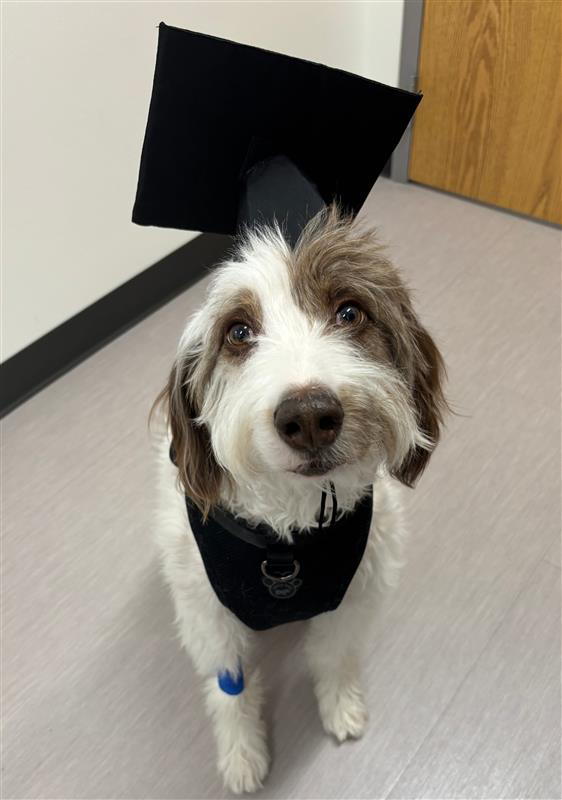
(1/2) Yesterday was a huge milestone, as we had our first canine graduate! Bailey May is an 8-year-old poodle who had surgery to remove a mast cell tumor on her leg. She was referred to us for further care. Staging revealed metastasis of her mast cell tumor in her lymph node.