President Biden convened a meeting of artificial intelligence experts to discuss its risks, opportunities and to consider the role of the federal government in its regulation.
@rcalo of the University of Washington is following all of this closely. https://t.co/x2wbLMyl6O
Check out "Think More, Share Less: Mini-MisinfoDay," a free virtual event exclusively for UW and WSU alums, as well as educators and librarians following MisinfoDay! @uwcip@MurrowCollege
Tuesday, April 25, 4–6 p.m.
https://t.co/AnkeAH6ItC
"Any aberration from the normal is just evidence for these conspiracy theorists,” says @RachelEMoran in this piece ⤵️, perfectly summing up how conspiracy theories gain steam so quickly & reach the masses
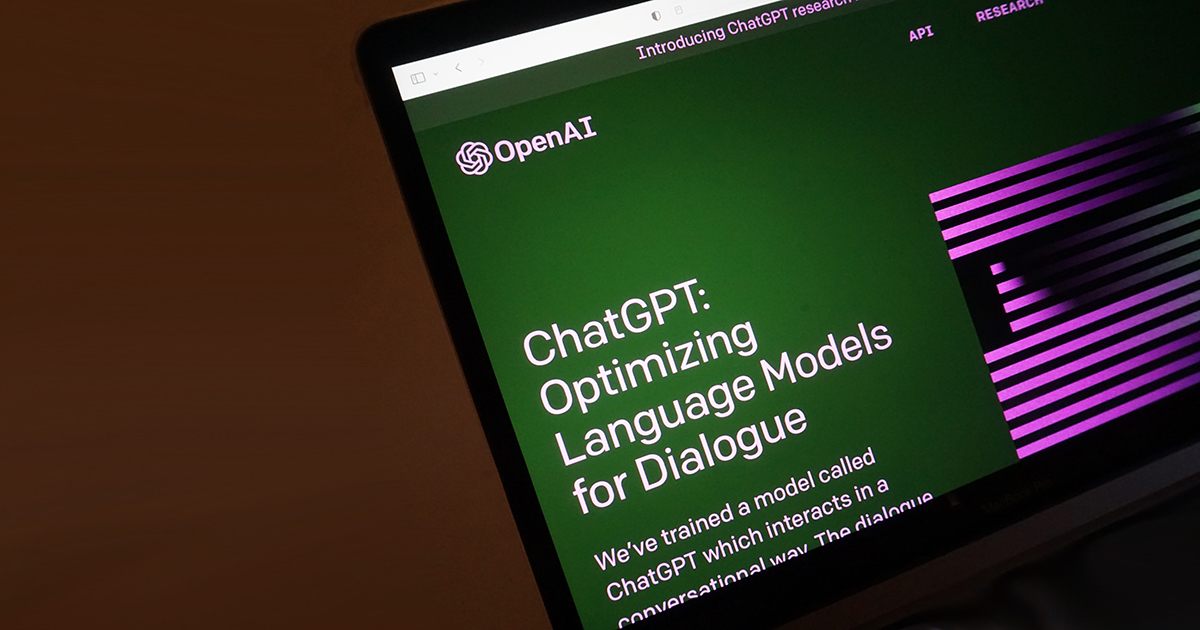
When it comes to #ChatGPT in academia, whether you are inclined to ban it or embrace it, you definitely should understand it. Join us Wednesday, April 5, for “Demystifying ChatGPT for Academics” featuring a panel of @UW & #UWAllen experts. Learn more: https://t.co/WV7U1YuDXu
Fake images and video can "add noise during crisis events. It also increases the cynicism level,” @uwcip co-founder and @uw_ischool associate professor @jevinwest tells @AP. “You start to lose trust in the system and the information that you are getting.” https://t.co/TaH9JLcWZY
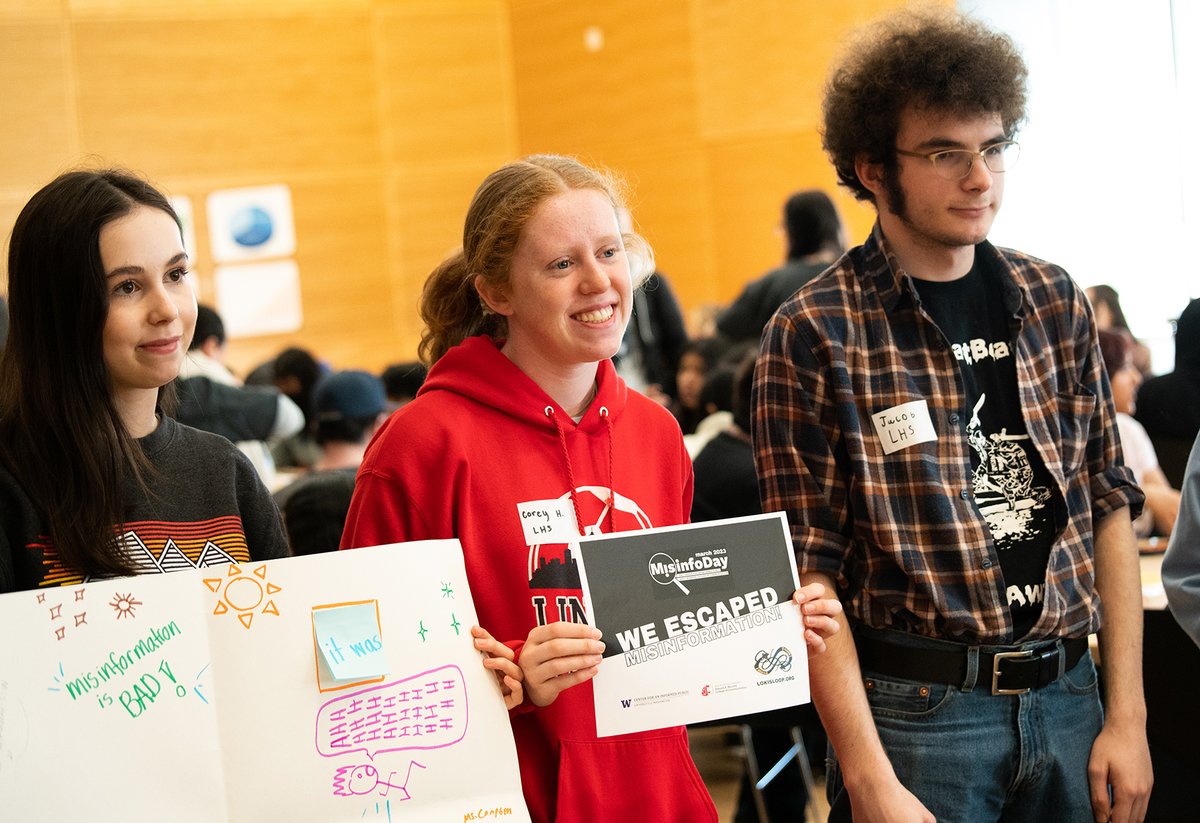
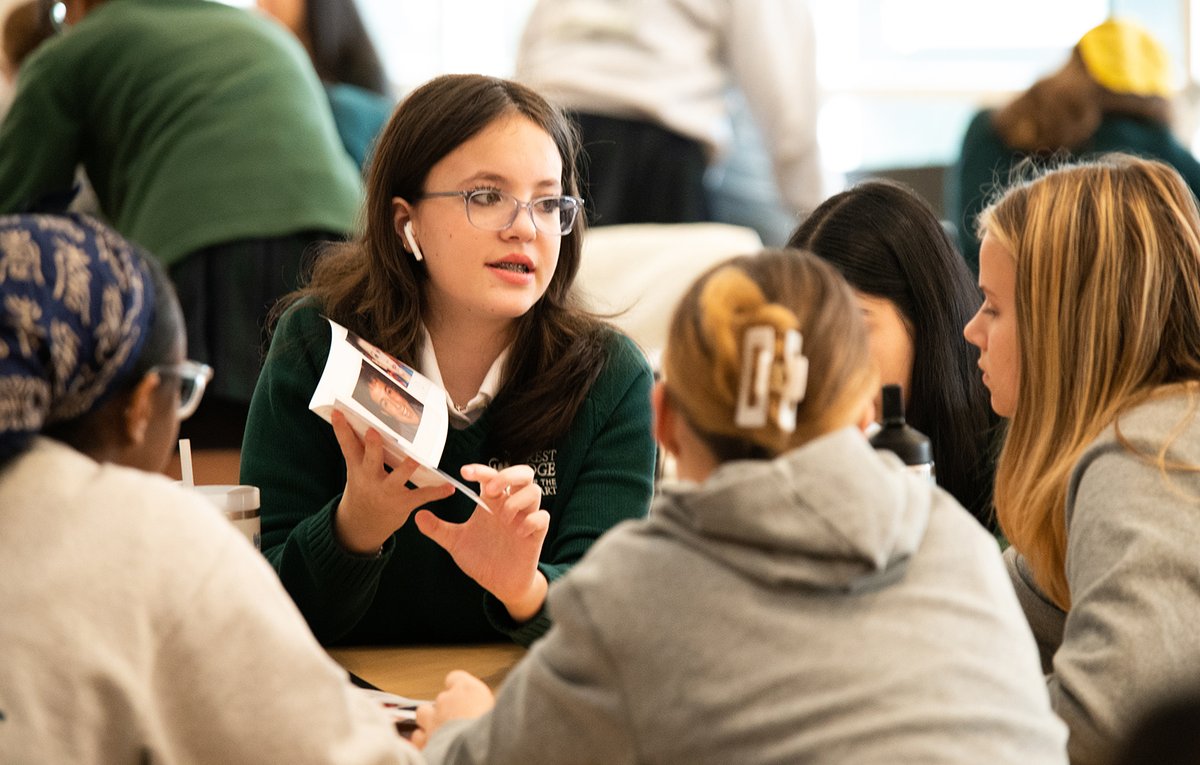
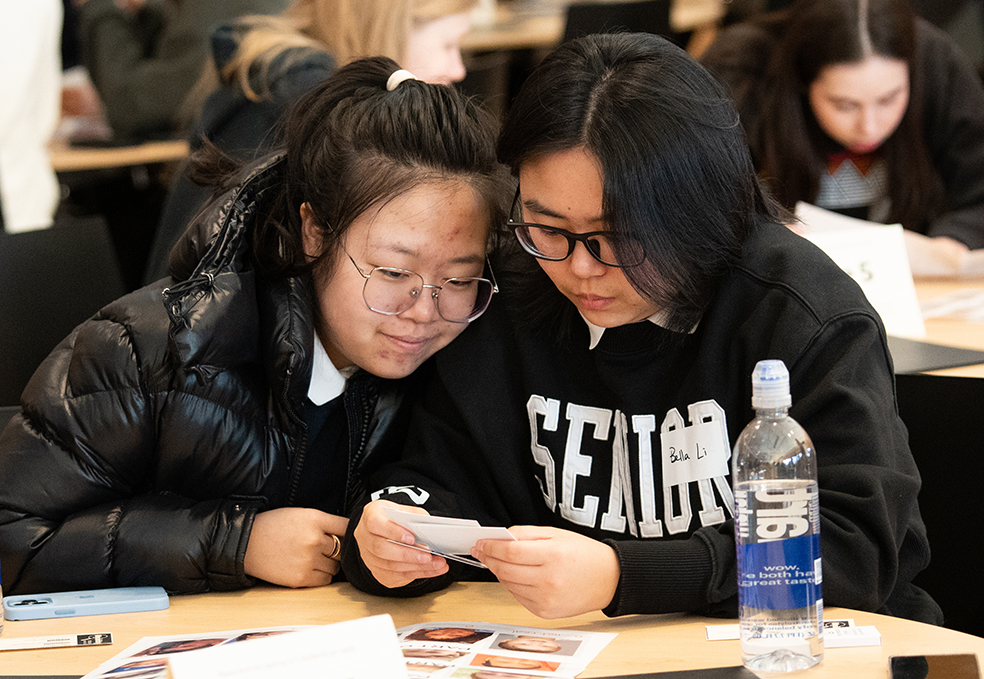
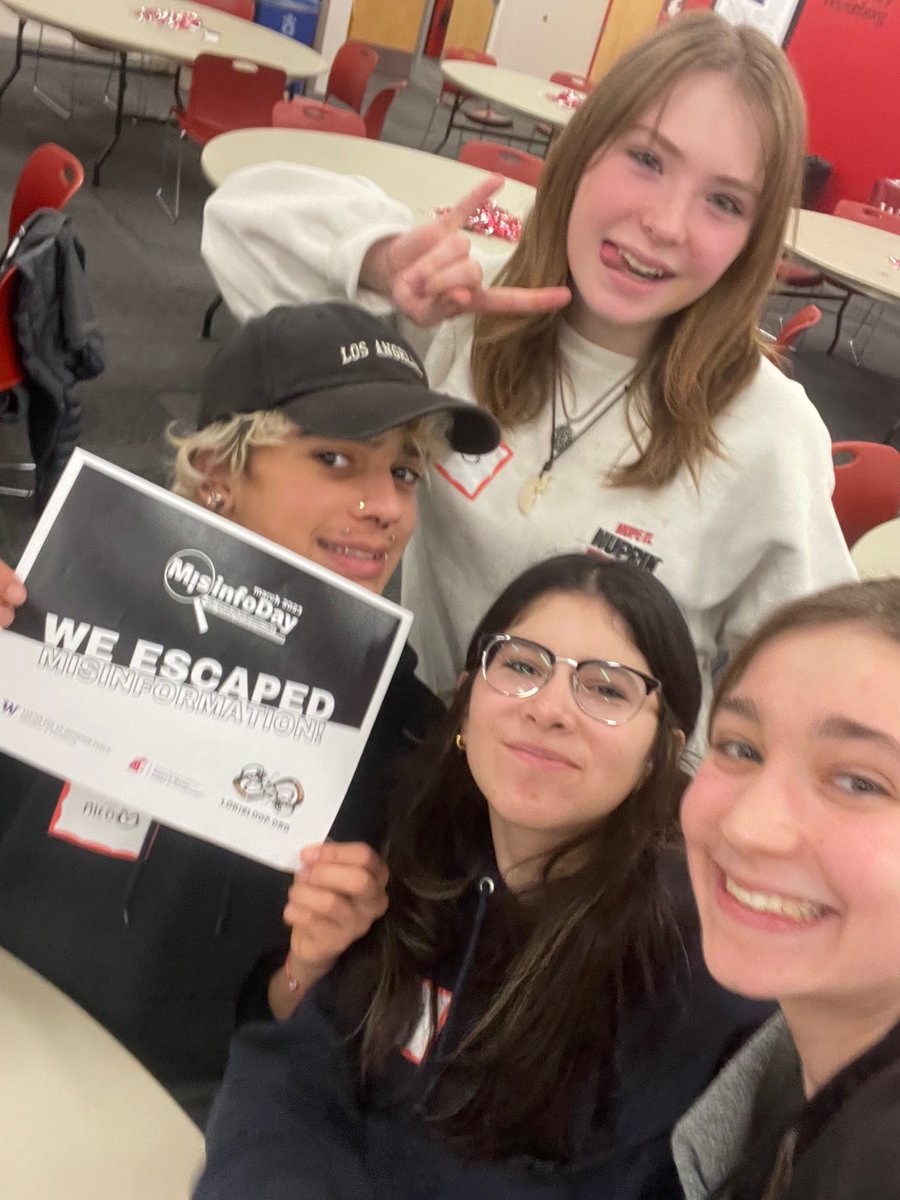
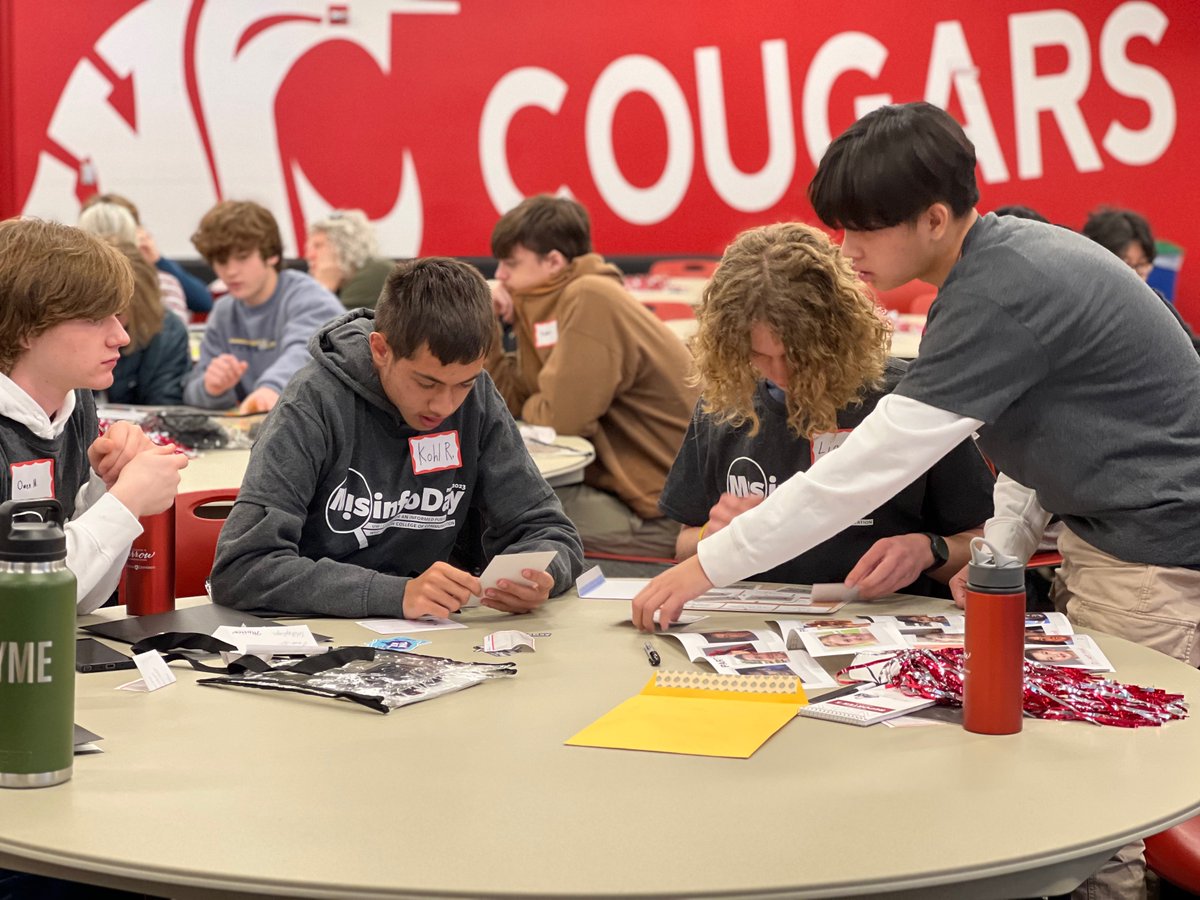
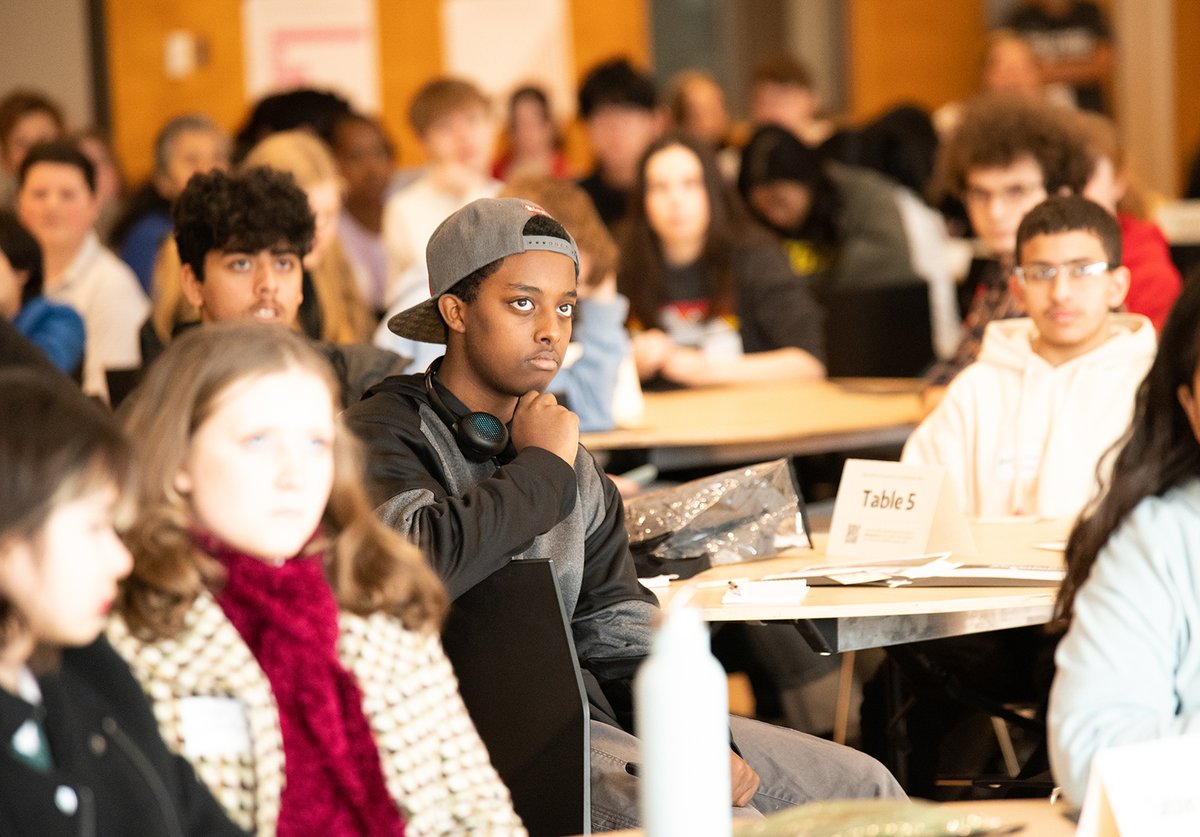
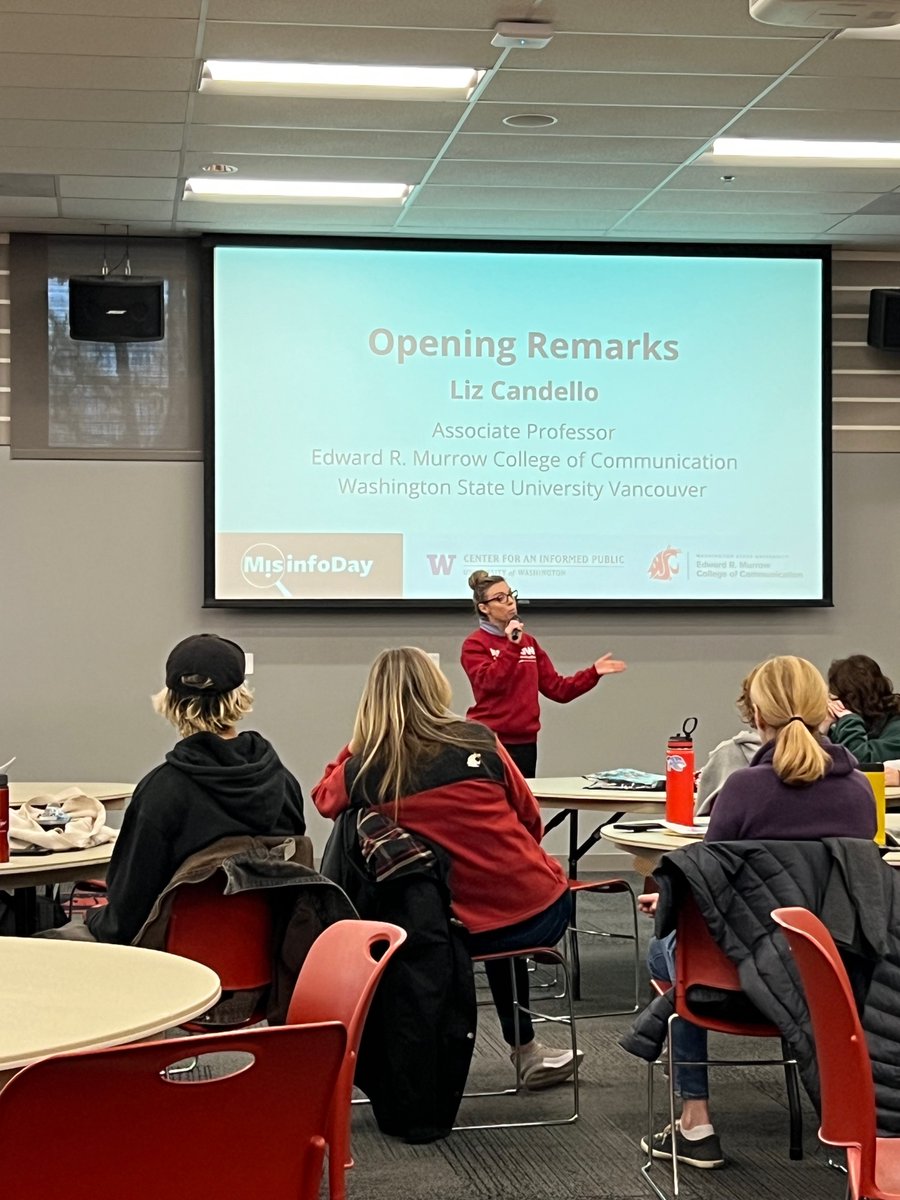
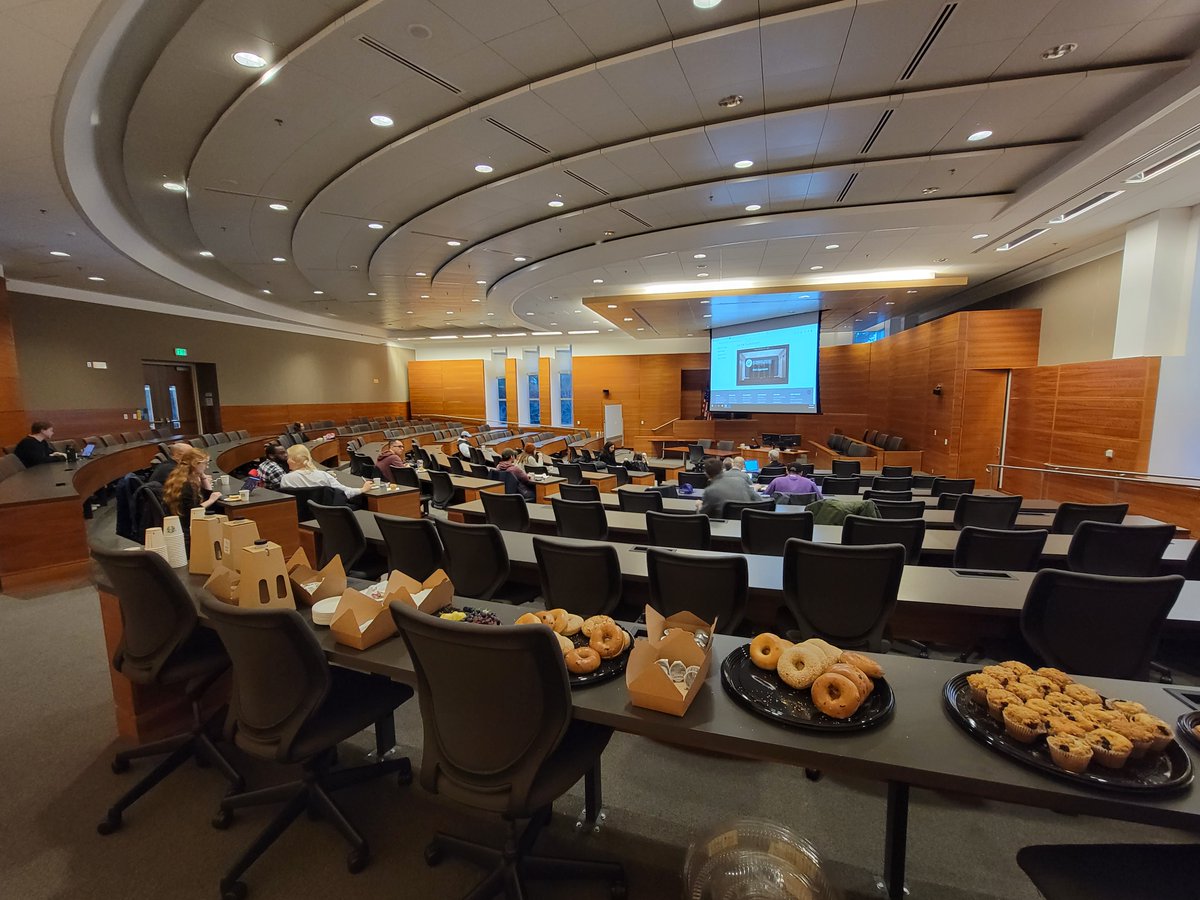
The @uwcip and @MurrowCollege welcomed hundreds of high school students to the @UW campus Tuesday for #MisinfoDay, where they learned about misinformation and strategies to resist it.
More photos on our Facebook page: https://t.co/QP11ZrndIS
MisinfoDay 2023 with @uwcip! Photos from @WSUVancouver working with students to develop critical thinking and information literacy skills. #MisinfoDay23
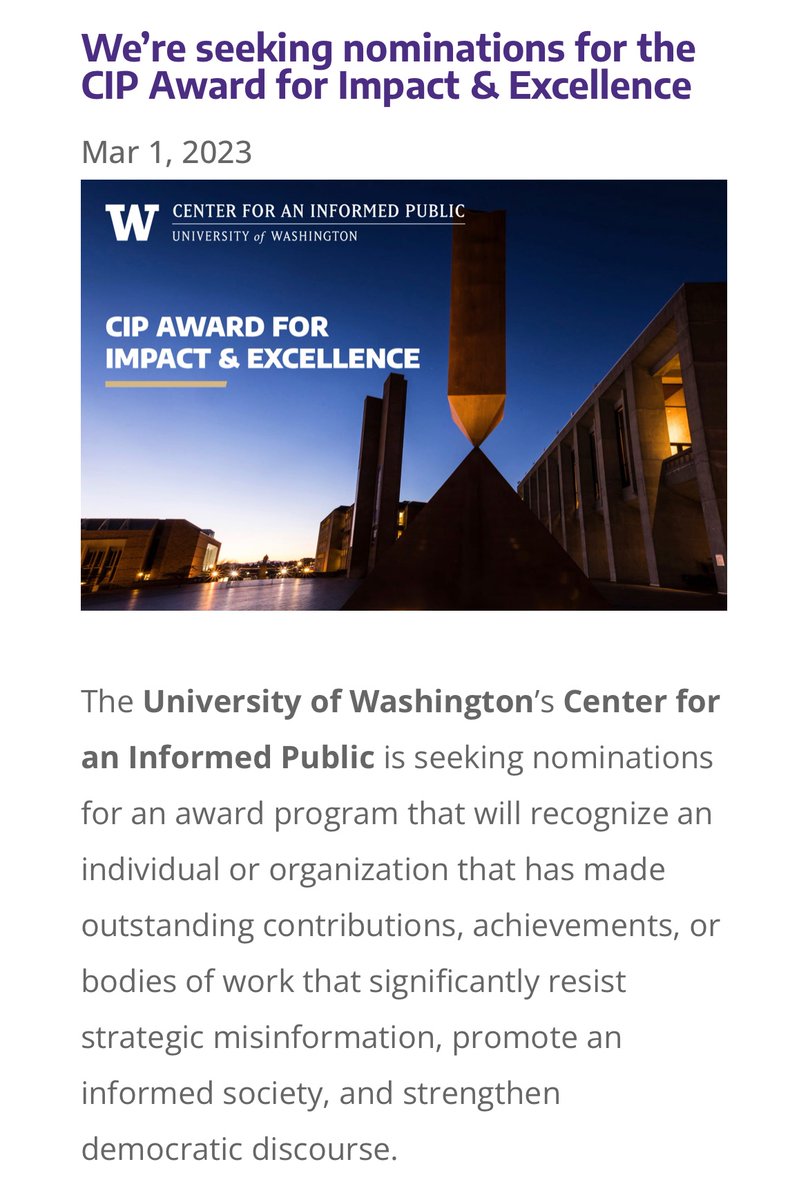
D&S program director @charleycjohnson is on the selection committee for this year's @uwcip Award for Impact & Excellence! Send in your nominations for exceptional work that addresses the challenges of mis- and disinformation, by 3/26. https://t.co/ubpRLUL7Cf
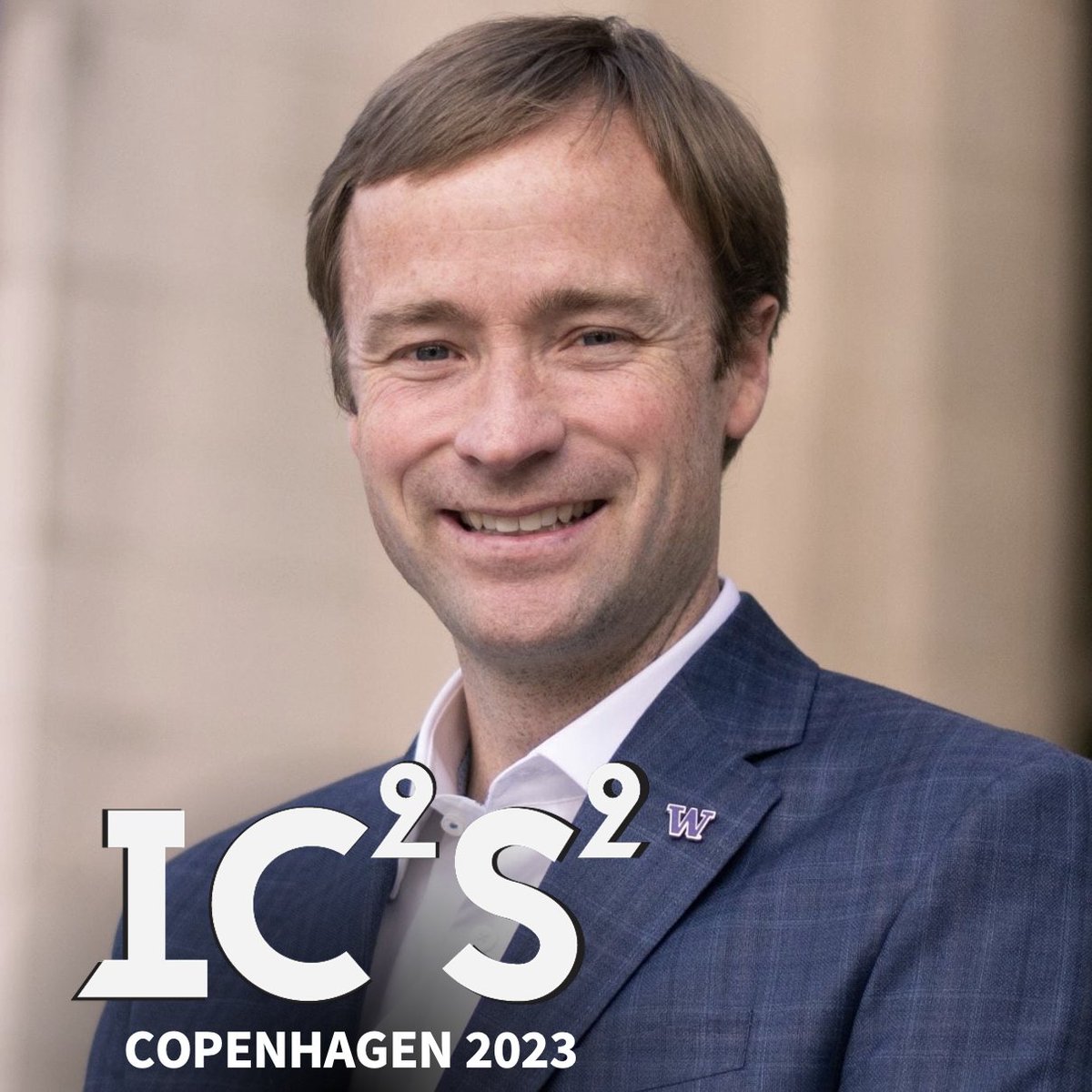
Prof. Jevin West from @UW_iSchool will be the 9th Keynote Speaker at #IC2S2 in Copenhagen. Abstract submissions: https://t.co/XMohMTqLCq. @jevinwest, @uwcip, @UW
Outdated or incorrect information can continue to influence our beliefs even after it’s been corrected. @uwcip Postdoctoral Scholar @MaddyJalbert writes about this this continued influence effect in the @SeattleTimes. https://t.co/Ck2TRcyg8m
We're all susceptible to the influence of outdated or problematic information, especially when trying to navigate the deluge of news and information @maddyjalbert of @uwcip writes. https://t.co/zRltolQcOZ
Misinformation via AI chatbots is "something that’s going to continue to crop up. And we have to be aware of it as a society," @uwcip co-founder @jevinwest told @DeedeeKIRO7 in an interview: https://t.co/oboT6mMc2X
“Previously a well written, well laid out publication with headshots and bylines, etc., meant something,” @uwcip research scientist @holden told @Poynter@mediawise in an interview about the risks of ChatGPT spinning up convincing looking fake news sites. https://t.co/gZ0ezlkejV