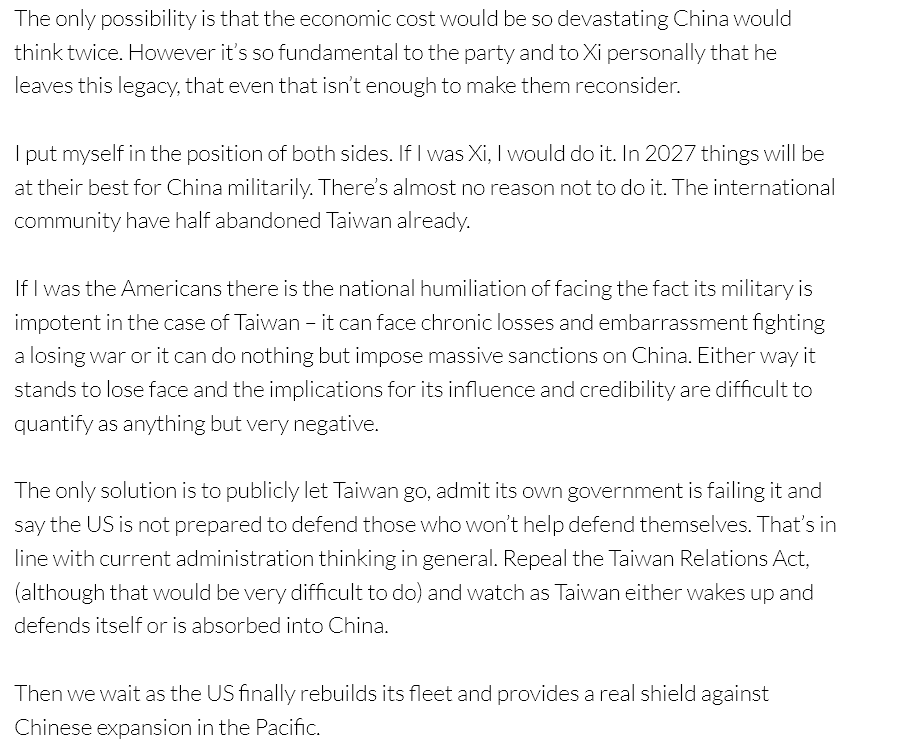
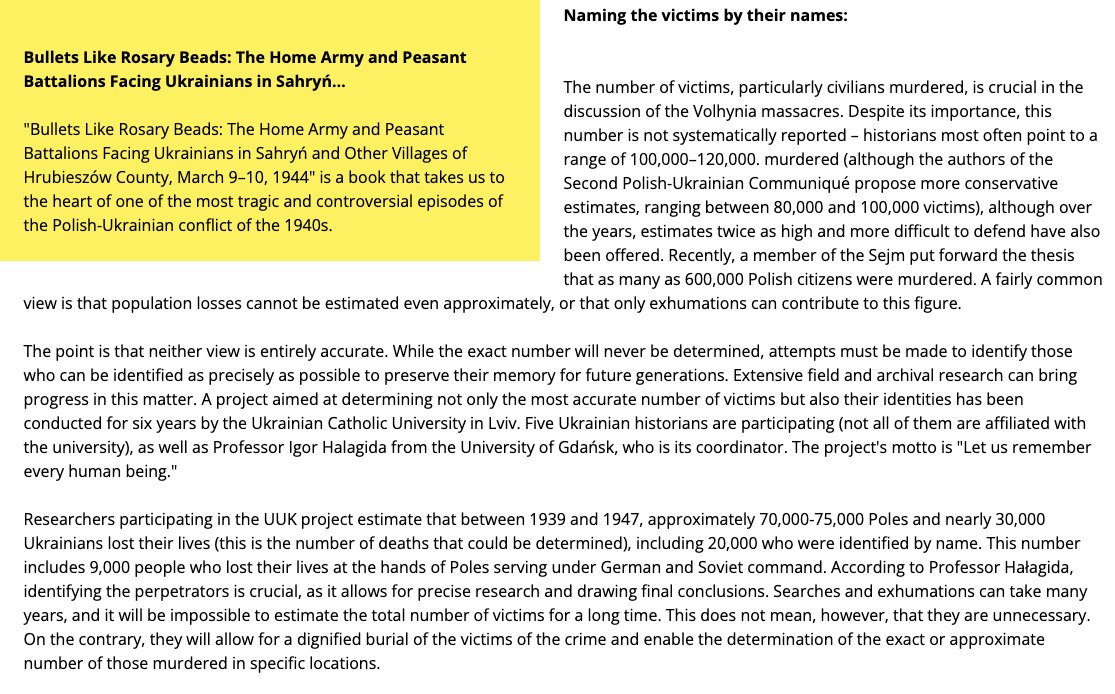
Reading this article, especially the closing, where a clear and obvious conclusion is drawn - it is evident that dealing with Russia and even USA does not lead to peace or security, as we saw in 2014/22 Ukraine and how easy agreements break.
#Ukraine
https://t.co/6zu4WbXbo3
Considering my partial Polish roots, I’ve spent a long time thinking about what to write regarding the Ukrainian-Polish scandal, and the crisis in our relations as a whole. But I doubt I could ever say it better than Oleksandr Zinchenko. We have a lot of work ahead of us, and much can be said about the solutions, but we must remember the core truth - without Poland, Ukraine will be weaker, and without Ukraine, so will Poland. 👇
Why is the Polish right-wing turning hostile? Historian Oleksandr Zinchenko argues that it’s not about past UPA history - it’s about fear of Ukraine’s rising geopolitical power. The Polish right realizes that Russia is losing, and they are terrified of Ukraine’s growing agency. Poland is currently acting as a "Traumaland" - making past fears and historical scars the cornerstone of its national identity instead of processing them.
To overcome this crisis and stop mutual re-traumatization, Zinchenko proposes a comprehensive 7-step roadmap for reconciliation:
1. A Liturgy of Mutual Forgiveness - Ukraine should invite the next President of Poland to Kyiv for a joint prayer service at the historic St. Sophia Cathedral. The cornerstone of this spiritual reconciliation must be the powerful formula: "We forgive and ask for forgiveness."
2. Acknowledging Geopolitical Errors - The Polish leadership needs to declare that opposing Ukrainian independence in 1918-1921 was the single greatest mistake in our shared history. That division cost Ukraine millions of lives under Soviet rule, cost Poland hundreds of thousands, and directly led to Poland losing its own statehood in 1939. When we stand apart, we both fall.
3.Humanizing All Victims - We must stop dividing historical pain. A joint declaration should state: "All victims of our tragic past are neither strictly Polish nor Ukrainian - they are ours, they are human." Every act of ethnic cleansing committed in the 20th century by either side must be unconditionally condemned. The tragic deaths of children in Sahryn are no different from those in Wola Ostrowiecka.
4. Breaking the 80-Year Memorial Taboo - Both Presidents must jointly lay flowers at the historical conflict sites - specifically in Sahryn (Poland) and Ostrówki / Wola Ostrowiecka (Ukraine). Despite decades of Ukrainian urgings, no Polish president in over 80 years has taken this step. This historical omission must be corrected.
5. De-anonymizing the Tragedy - We need to move from abstract numbers to human faces. Ukraine and Poland should cooperate to research and publish a complete, nominal list of every single victim of the bilateral conflict, printed in both languages. Every individual must be remembered by name.
6. Agreeing to Disagree on National Pantheons - We must accept that our national heroes will never be the same. Poland must recognize that Ukrainian heroes are not Polish, and Ukraine must recognize that Polish heroes are not Ukrainian. Ukraine will not challenge the legacy of Piłsudski or Dmowski (who allied with Bolsheviks against Ukrainian statehood), and Poland must stop targeting those who fought for Ukraine's independence. We both fought for our freedom. We both won it. Period.
7. Ironclad Mutual Security Guarantees - A new strategic paradigm: Ukraine, possessing the most battle-hardened and powerful military on the European continent, will legally guarantee and actively defend Poland’s sovereignty. In return, Poland, as a major European power, will unconditionally support Ukraine’s integration and its diplomatic efforts for a just, lasting peace.
Ukraine has conquered its own existential fears on the battlefield. Now, we are strong enough to help Poland overcome its historical anxieties. By executing this roadmap, both nations can finally shed the baggage of the 20th century and build an unbreakable, equal alliance for the future.
🇺🇦🤝🇵🇱
@WendenGall Напевно, в якомусь альтернативному всесвіті після Люблінської унії життя більшості населення українських земель стало значно кращим
також оці 200 річні стрибки ВКЛ\РП до 2 РП ... це різні утворення.
I hope it’s all becoming clearer.
The same people who spent years working to undermine support for Ukraine have now dropped the pretense entirely and openly aligned themselves with Russia.
Not with America’s interests. With Russia.
And in doing so, they have exposed what many of us have been arguing all along: this was never really about Ukraine.
Because supporting Ukraine was never an act of charity. It was an act of self-interest.
A weakened Russia is good for the United States. A Russia forced to expend its military, economic, and political power in a failed war of aggression is good for the United States. Demonstrating that borders cannot be changed by force is good for the United States. Showing China, Iran, and every other adversary that aggression carries consequences is good for the United States.
Instead, these voices chose to attack the country fighting our adversary rather than the adversary itself.
Now many have abandoned even the pretense of neutrality and openly defend Russia, a hostile power that has partnered with Iran, armed America’s enemies, worked against our interests across the globe, and repeatedly sought to weaken the United States and the West.
The irony is remarkable. Many claim to be champions of America First while making arguments that benefit Moscow at the expense of American power, American credibility, and American security.
The masks are off.
What was presented as opposition to aid for Ukraine has increasingly revealed itself as something far more damning: a willingness to excuse, rationalize, and even admire a regime whose interests are fundamentally opposed to our own.
Supporting Ukraine was always the America First position. True MAGA understood that from the beginning.
A year ago, the world watched Russian planes burn — and with them, the myth of the invulnerability of Russian strategic aviation.
Operation 'Spider Web' turned tens of billions of dollars and the enemy’s sense of impunity into ashes.
Glory to those who proved that for Ukraine, there are no unreachable targets.
Glory to the SBU
@KuyavianR4p1st@ZeodrakeV It's more like watching a bunch of idiots play historian and judge the past based on twitter shitposts and politicians' statements about medals, when their main goal is just to score some political points
@prisoner380 що все вже розкопали , всі архіви другої світової знайшли і розсекретили? ви все таки мандрівнику в часі і ви з майбутнього ...омг але термін нацист 2ї світової продовжуєте ліпити куди попало.
@prisoner380 1 це не доказ що підтверджує що він нацист чи 'пресТуПник'
2 Чекаю на відеозйомку вашої подорожі в 1940ві , де ви все ОДНОЗНАЧНО дослідили і задокументували усі злочини
Польським інтернетом з неймовірною швидкістю полилася хвиля ненависті до України, українців, Зеленського
Причиною цього стало присвоєння окремому центру спеціальних операцій "Північ" імені Героїв УПА. І очікувано в Польщі згоріли. Звісно, що це очікували. Але це вийшло за межі польських нациків чи електорату ПіС та Конфедерації.
Таке невимовна ненависть до українського визвольного руху просякнула все суспільство. Показовою є ситуація з Лехом Валенсою, легендарною особистістю не тільки для Польщі, а й всіх країн пост совка. Валенса зняв значок в кольорах українського прапору через рішення Зеленського уславити УПА.
Ця істерія виникла не на пустому місці. Ще з 2010-х в Польщі активно почали мусолити тему "Волинської різні". Правляча партія ПіС пробувала дати полякам новий об'єднавчий символ з минулого. Якщо за часів ПНР це був Катинський розстріл (трагедія яку замовчували комуністи), то зараз це "Волинська різня". Цей наратив дуже лягав на історифіковане польське суспільство.
У Польщі ще з ХІХ століття розвивалася думка, що Польща – мученик Європи. Поляки жертви історії. Тобто в уявленні багатьох поляків, вони ніколи не були тими хто пригнічує інших.
Волинський міф показував, що є злі українці і добрі поляки, яких вбивали лише за те, що вони поляки. Більш простої спрощеної думки важко собі уявити. І вона чудово лягає в цей "благодатний грунт". От вам і геноцид.
Антиукраїнська істерія в Польщі набирає обертів зокрема через розкручування патерну "Волинської різні". "Рольнікі", що викидають зерно з поїздів, забуваючи якою ціною воно було зібране. Побутова ксенофобія до українців. І додайте до цього бажання "панського гонору". Україна недостатньо вдячна Польщі. Україна не бажає вирішувати проблеми.
При цьому "волинська істерія" тільки набиратиме обертів. Показовою є ситуація, що після вторгнення Україна є найбільш ворожою до Польщі країною після росії.
Ми перегнали традиційного "срібного призера" – Німеччину. Це тільки початок. В Польщі занадто багато сил, які заробляють бали на "Волині". Для польського суспільства занадто перестати дивитися у міфологізоване минуле.
Поляки забувають, що історія це не про одних хороших та інших поганих. Вона різнобарвна як і людське життя. Легко винести за дужки совіцьких партизан, керівництво нацистів, польську політику часів 20-30-х (яка мала яскравий асиміляційний, колонізаторський характер) та загалом ставлення українців до зародження Армії Крайової на Волині.
Україна та українці, на відміну від поляків, не качають на державному рівні, що полякам можна святкувати чи вшановувати. Хоча полякам слід бути послідовними. Польща вшановує на державному рівні таких людей як Станіслав Басай, Юзефа Бісса, Ромуальда Райса, Зигмунта Сендзеляржа (останній був посмертно нагороджений орденом "Відродження Польщі").
Про етнічні чистки АК та польським підпіллям проти литовців, білорусів, українців. Про те, що в Польщі на державному рівні вшановують ксенофоба, антисеміта та ідеолога польського фашизму Романа Дмовського. І так далі.
Якщо Польща так хоче вказувати, кого нам можна шанувати, а кого ні – чому б не почати з себе? А відмазка, що вони боролися і творили незалежну Польщу? То чому українці так само не можуть робити?
Лицемірство і бажання поживитися на нашій біді. Не більше не менше. Ми робимо своє діло. Ми боремося. І наші підрозділи мають право носити ім'я героїв. Наших героїв.
Very good article about PL-UA historic disagreements (if that's a proper word).
I'd suggest (esp. foreigners) read it before making any ignorant comments on the subject
Here are some translated snippets