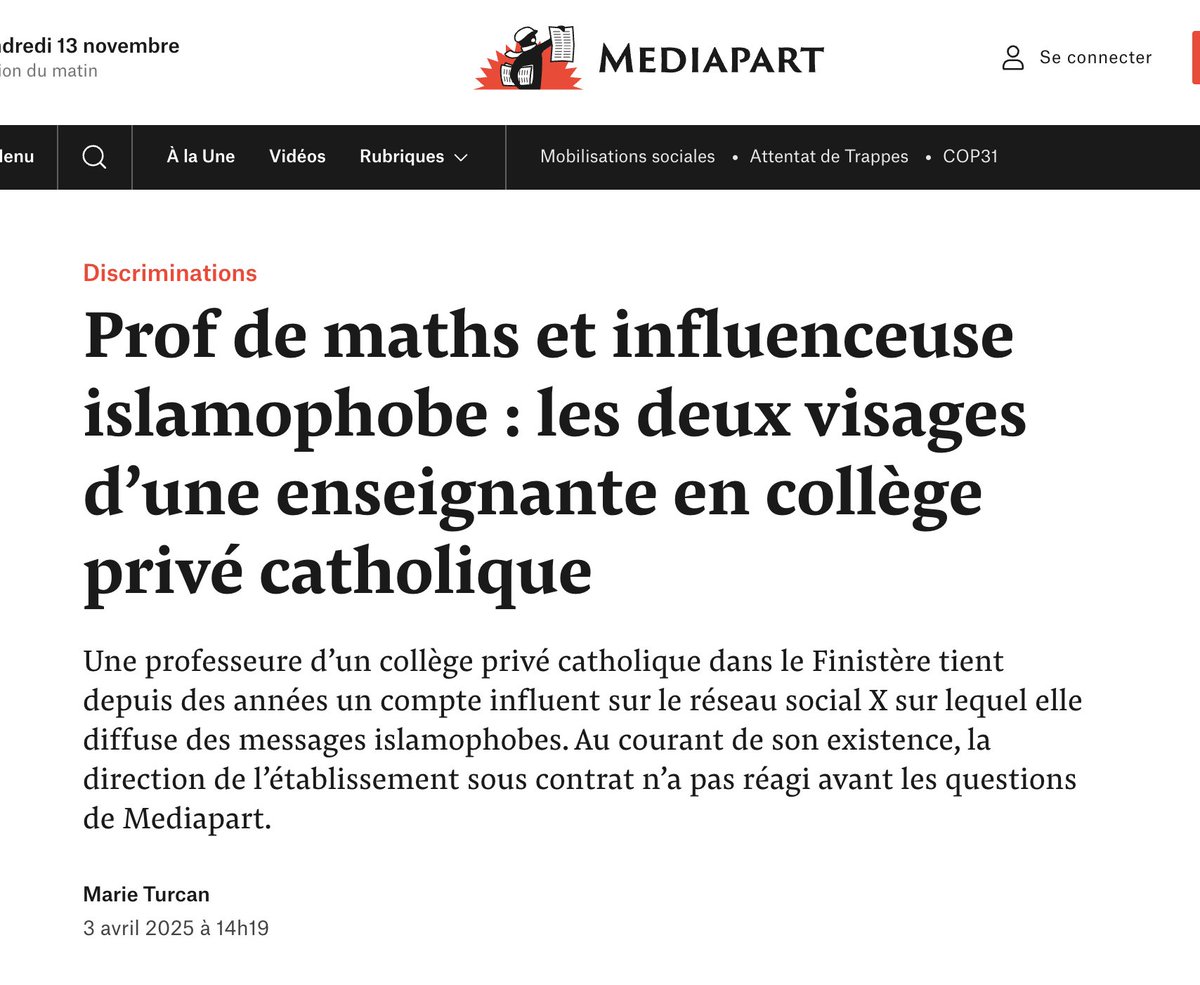
@Phatymarh44 Plutôt les attentats à la voiture bélier et les fusillades du bataclan et les 500 Français tués en 15 ans dans les 50 attentats qu'on a subit....
African Tippu Tip owned roughly 10,000 slaves in the 1890s. That was decades after the American Civil War, the Emancipation Proclamation, and the 13th Amendment.
While white European societies had already abolished the slave trade and then slavery itself this man was still marching deep into Central Africa, burning villages, chaining captives, and selling them.
Tippu Tip became a famous slave and ivory trader of the East African interior. He led armed caravans of thousands of men hundreds of miles inland, raiding villages at dawn, killing the weak or elderly on the spot, and marching the rest in coffles to the coast. Roughly one-third of the captives often died on the journey.
The survivors were sold for Zanzibar’s clove plantations, for domestic service, and for export to the Arabian Peninsula and the Gulf. Women and girls were routinely taken as sex slaves and concubines—standard practice in the Arab trade for centuries.
By 1895 he controlled seven plantations worked by about 10,000 slaves. He built a personal commercial and political domain in the eastern Congo, confirmed or replaced local chiefs, monopolized the ivory trade, and became one of the richest men of his era.
He assisted European explorers when it suited him, then watched from comfortable retirement in Zanzibar as European powers finished suppressing the trade he had helped expand. He died in 1905.
This photograph of him seated in turban and robes, staff in hand, is the classic image of the merchant who got rich selling other Africans.
You can earn a degree in African American studies and never hear Tippu Tip’s name, or the names of the African kings and Arab traders who actually captured and sold Africans who crossed the Atlantic or the Indian. Today’s universities treat the Arab and Swahili caravan Slave traders as footnotes or ignored entirely.
This is not an accident. Acknowledging that African elites and Middle Eastern buyers ran the supply side for centuries undercuts the simple narrative that frames slavery as a uniquely white-European or American invention.
British whites abolished the slave trade in 1807 and slavery in its colonies in 1833, then spent decades and enormous resources on naval patrols to stop the trade. The United States followed in 1865. These white societies were among the first large-scale institutional and systematic bans on slavery in history.
Slavery and the open slave trade continued in Africa and the Islamic world long afterward. Legal chattel slavery was abolished in Saudi Arabia only in 1962; Mauritania was the last country to ban it on paper, in 1981. Tippu Tip’s operation in the 1880s and 1890s was not a dying remnant; it was still large, profitable, and expanding under Arab-Swahili leadership.
The peak slave population in the United States in 1860 was about 3.95 million. Modern estimates of people in forced labor, forced marriage, and other forms of modern slavery put the global total near 50 million TODAY!!!.
Africa alone accounts for millions of slaves TODAY; the Arab states also show some of the highest prevalence rates in the world TODAY. Absolute numbers of people in modern slavery in Africa and the Middle East today exceed the peak historical figure for the United States. Definitions differ—historical chattel slavery is not identical to every form of forced marriage or debt bondage—but the scale of ongoing exploitation is not small.
Tippu Tip was certainly not the only African slave trader. Arab and Swahili traders from Zanzibar and the Omani sphere ran the East African trade for generations, selling captives north into the Middle East for labor, military service.
European societies were among the first to abolish slavery and enforce the ban. That fact is routinely omitted from the version of history taught in American universities. The men who owned ten thousand slaves in the 1890s while marching deep into the African interior should not be ignored. -RJ
⚡️ Quand j'ai dit qu'il fallait supprimer le ministère des Sports, la ministre a répondu « populisme » et « méconnaissance profonde ». Pourtant, je n'avais encore rien dit. Cabinet pléthorique, doublons, gabegie, paperasse, idéologie… L'heure est venue ! ⏰ [THREAD] ⤵️