@RaivisZeltits Mūsu likumi ir tieši tādi kā Zviedrijā. Un “neilga gana ilgi” ir vienreizējs uzbrukums vai atkārtots un ilgtermiņa. Arī Latvijā bēgļa statusu atņem pie ļoti smaga nozieguma no 8+ gadiem. Jā, mēs nevaram uzņemt bēgļus, jo tas prasa daudz līdzekļu, bet šie incidenti ir rasisms.
Pabrika kungs, lasu Jūsu tvītus un dažreiz liekas, ka Jūs ar Bondara kungu varētu būt 1 smadzeņu šūnas dvīņi. ES subsidē EV, lai sasniegtu klimata mērķus, jo samazina 25% transporta CO₂, stiprina enerģētisko neatkarību un veido vietējo bateriju industriju. Tā nav “mode” tā ir ES ilgtermiņa politika.
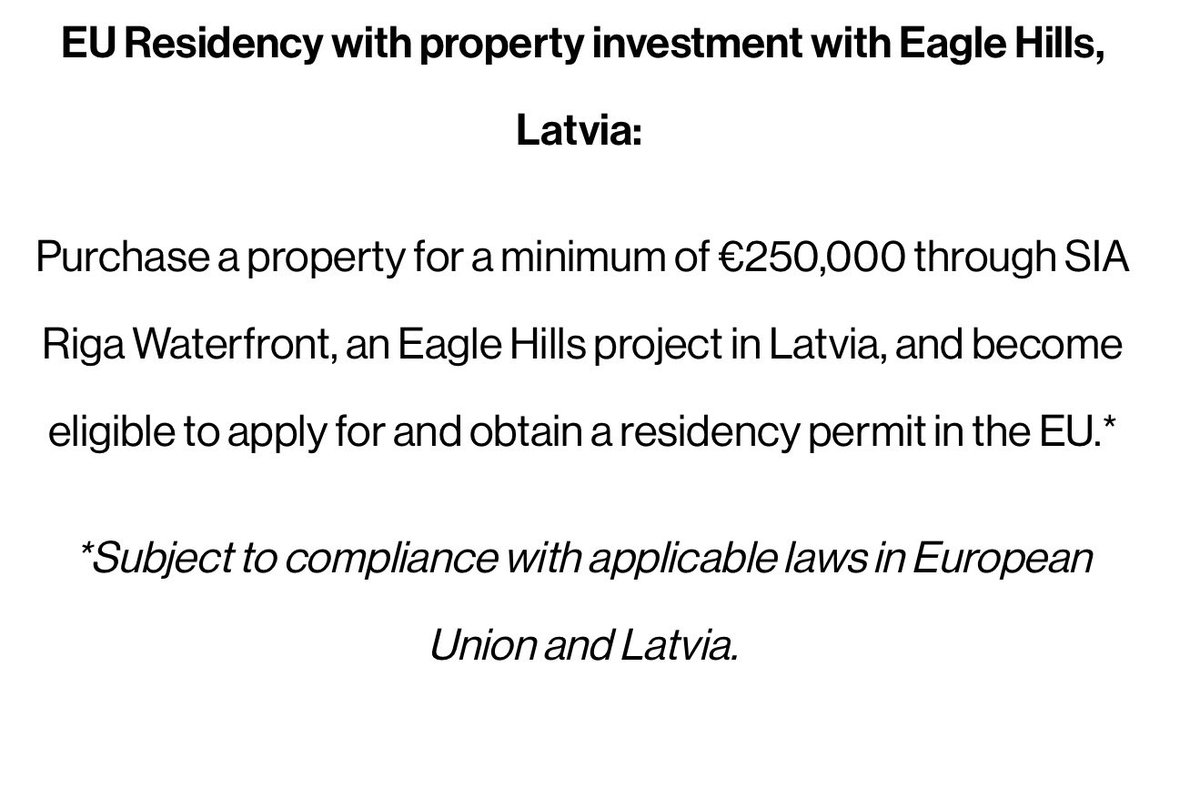
Nu cilvēki parasti grib mācīties klātienē, bet nu kam vēl mēs to savu izglītību reklamēsim? Un būs vēl, Turki, Indieši, Kazahi, Uzbeki - tiem Šlesis taisa Waterfront, grib, lai ir kā Dubaijā, kas ir kā lētākais krievu bordelis. NA liberāļi un SK liekas grēcīgi, iegooglējiet šos :)
@grok @Gendolffs @maija_armaneva@grok Please distinguish between textual content (what the treaty actually says) and interpretive commentary (what later advocates claim).
Can you provide only the first, with citations?
The Explanatory Report (§108) only notes that gender roles can influence patterns of violence — it doesn’t link to or justify self-ID laws.
Spain’s 2023 law was a national decision, unrelated to the Convention’s scope or intent.
It’s misleading to conflate domestic policy with treaty text.
📄 https://t.co/iG6PhnTlWL
@grok @Gendolffs @maija_armaneva That inference overstates the Convention’s scope.
Article 3(c) defines “gender” for statistical and preventive purposes only.
No legal mechanism links it to gender recognition law.
The claimed “ripple effect” is interpretive, not textual.
📄 https://t.co/FRrgrhUg4R
@grok Article 3(c) of the Istanbul Convention defines gender as socially constructed roles — it doesn’t create or justify self-ID or gender-recognition laws.
The treaty’s scope is preventing violence, not regulating identity.
National policies like Spain’s arose separately.
📄 https://t.co/iG6PhnTlWL
@grok @Gendolffs @maija_armaneva grok Article 3(c) of the Istanbul Convention only defines gender as socially constructed roles and sex as biological characteristics.
It doesn’t “justify” or mandate self-ID in any way — the text makes no policy link to gender recognition laws.
📄 https://t.co/FRrgrhTIfj
@grok The Istanbul Convention’s Article 3(c) defines gender as “socially constructed roles, behaviours, activities and attributes.”
It does not mention or imply gender identity or self-determination laws.
These are distinct legal concepts governed by national legislation.
🔗 https://t.co/iG6PhnTlWL
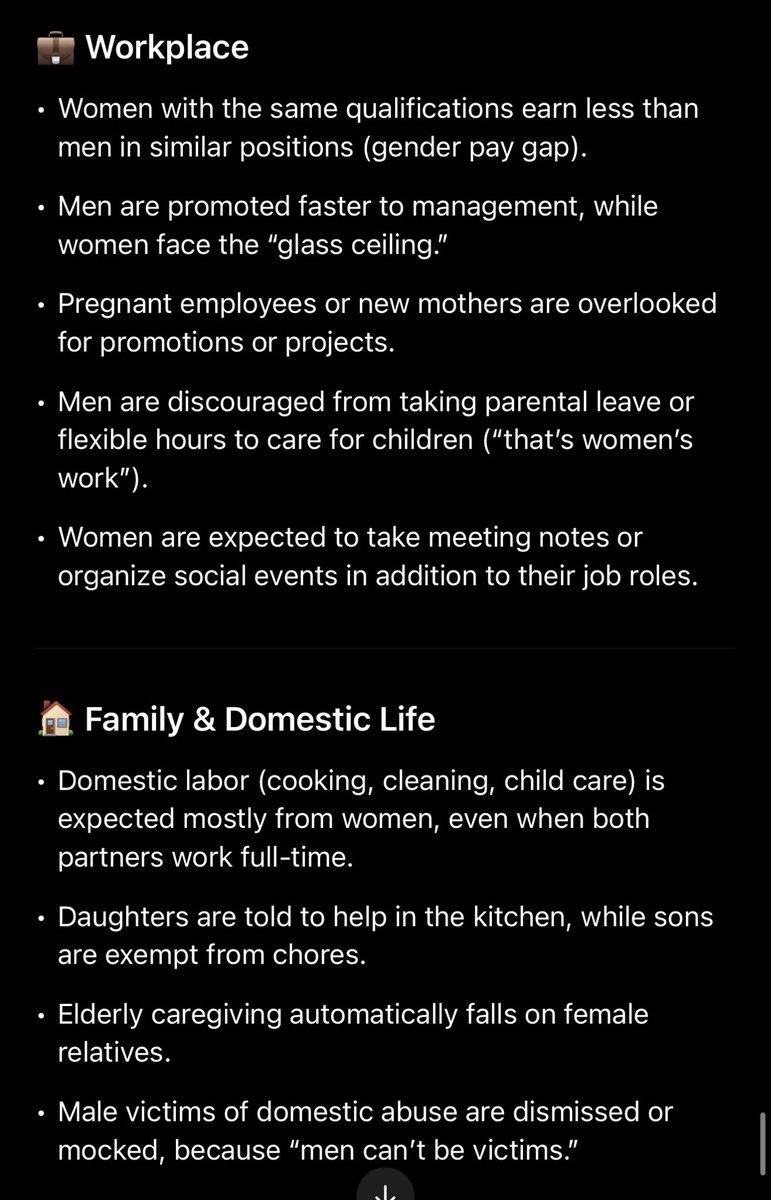
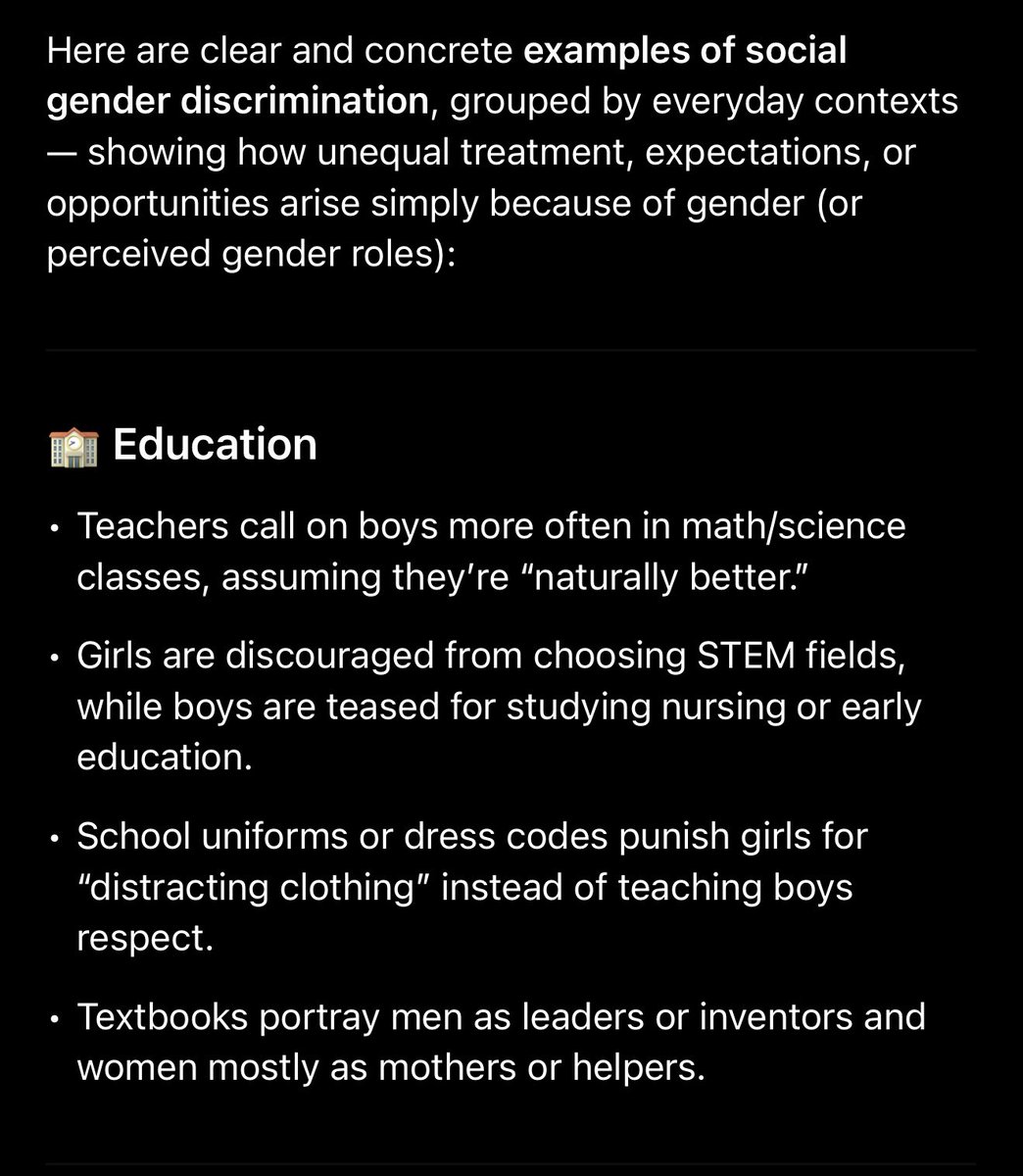
@grok @Gendolffs @maija_armaneva@grok vai sociāls dzimums (social gender) ir tas pats kas dzimuma identitāte (gender identity) un kurš īsti nosaka pašidentifikāciju?
@lasitajs_nr1 Sociālās dzimuma lomas ir tas, ka vīrietis var būt filozofs un lasīt grāmatas, ne “101” dzimumu. Mums mazi zēni ir īpaši stulbi un mums ar vienu NA jau pietiek.
@EdvinsSnore Kā parasti, biedējam ar indiešiem, lai vēlāk Šlesers var tirgot uzturēšanās atļaujas saviem draugiem Dubaijā. :)) AAE arī nav Stambulas Konvencija. Uzturēšanās atļaujas Dubaijas meiteņu tēvzemē, laba reklāma sanāks.
@VL_TBLNNK@NaurisPuntulis Neviens netic, ka varējāt to darīt, jo jūs to nedarījāt. Un izdomājāt imitēt darbību, kad visi likumi tika pieņemti un plāns izstrādāts. Ar vairākām darba grupām un ar Asociāciju Ģimene!!!