The University of Michigan School of Public Health is pursuing a healthier, more equitable world through education, research and action. #GoBlue @UMich
"If they happen to submit a wrong form, they may never hear about it until they're ultimately kicked off the program," @UMichSPH prof Kate Bauer said to @Freep - https://t.co/lgAbEKU68G
The @UMich Institute for Firearm Injury Prevention has received $11.2M for seven research projects.
The institute is directed by @UMichSPH professor Patrick Carter, and Michigan Public Health researchers Kristi Gamarel and Sari Reisner will lead one of the newly funded studies. https://t.co/z0j1SKz2Sm
#MichiganPublicHealth #FirearmInjuryPrevention #PublicHealthResearch #ViolencePrevention #Research #UMIFIP
How can food-assistance programs uphold dignity and promote equitable access amid policy threats?
Join Kate Bauer, professor of nutritional sciences at Michigan Public Health and director of U-M’s new Institute for Food, Nutrition, and Health Policy, in conversation with Taylor Moore, director of Food Rescue at Goodwill Northern Michigan.
📅 Friday, Oct. 30
Designing for Dignity: Strengthening Food Assistance Amid Policy Threats
More info: https://t.co/VG1iz5EhUf
Presented by U-M Poverty Solutions and cosponsored by Michigan Public Health and the Institute for Food, Nutrition, and Health Policy.
#MichiganPublicHealth #FoodSecurity #PublicHealth #GoBlue
Congratulations to Matthew Boulton, who was recently the recipient of the @UMich President’s Award for Leadership in International Education in the Distinguished Service category!
During more than 33 years at U-M, Boulton—professor of epidemiology and senior associate dean for global public health—has expanded international opportunities for Michigan Public Health students and advanced sustainable, community-led partnerships worldwide.
Join us in celebrating this well-deserved recognition!
#MichiganPublicHealth #GlobalHealth #InternationalEducation
“These types of firearm injuries are preventable, as almost all involve unlocked firearms, primarily in household settings,” explained Alison Miller, @UMichSPH Prof of Health Behavior & Health Equity, to @GoHealio
Read: https://t.co/LTmI5rGiO8
More than 90 percent of students in the US will participate in an active shooter drill this year. But creating safer schools requires more than preparing students for the worst.
Justin Heinze, associate professor of Health Behavior & Health Equity at the University of Michigan School of Public Health, researches how schools can prevent violence and build safe, supportive environments where every student can thrive.
“School communities deserve to feel secure and focus on learning—not just survival.”
Learn more about Justin Heinze and how Michigan Public Health researchers are protecting the health of all: https://t.co/bQHhnv53EL
#PublicHealth #SchoolSafety #ViolencePrevention #GunViolencePrevention #StudentMentalHealth #SafeSchools #HealthEquity #UMichSPH #UMich @NC2S_Tweets
Hotter summers and warmer winters in parts of America, along with drought conditions and wet winters in the West and Southwest, create perfect ecosystems for soil-living fungi to grow, aerosolize and be inhaled by human hosts, explains Jennifer Head, a prof of @UMichEPID at @UMichSPH to @publichealth@nationshealth. https://t.co/yZ0Ib56xOH
“It's not unusual to have a little bit of flu show up when college students return to campus and when kids go back to school. However, we've been seeing some flu activity in the last few weeks that seems to be sticking around,” explains Emily Martin, @UMichSPH Professor of @UMichEpid to @Time.
Martin is the co-director of the Michigan Center for Respiratory Virus Research and Response
and the Michigan Public Health Integrated Center for Outbreak Analytics and Modeling, both housed at Michigan Public Health.
https://t.co/Rt7OlkuxvS
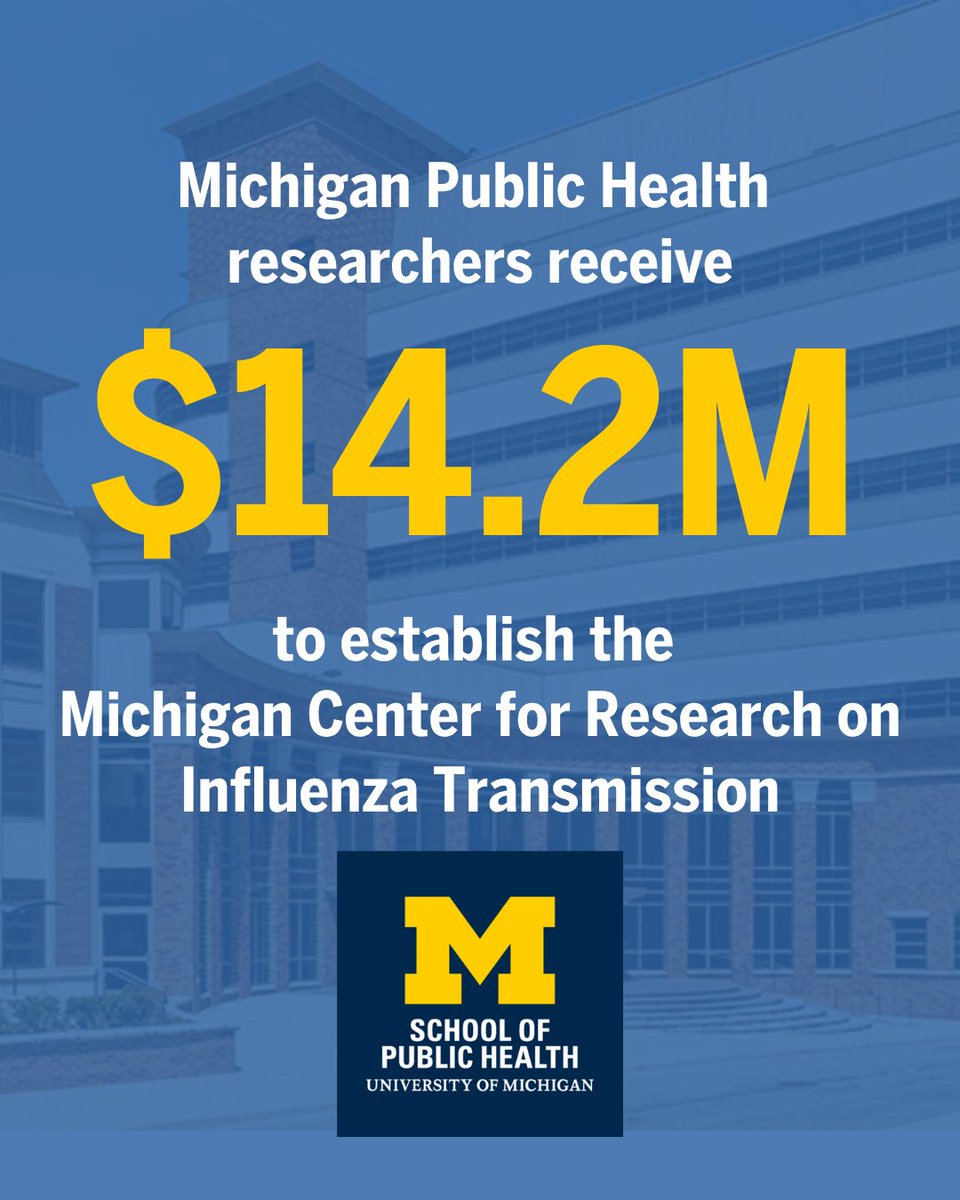
$14.2-million NIH award to University of Michigan funds research to untangle intricacies of person-to-person flu transmission—and reduce illness, deaths, economic losses.
Read more: https://t.co/Jim9Nq64bZ
Hazards don’t respect workplace walls, disciplinary silos, or the clock.
@UMichSPH prof Adam M. Finkel argues for connecting environmental and occupational health to improve prevention and protect people at work, at home, and in their communities. https://t.co/8LHqeofECY
#MichiganPublicHealth #EnvironmentalHealth #OccupationalHealth #PublicHealth #ExposureScience
Wildfires across the country are getting less wild and far more urban — burning buildings, household items and vehicles — resulting in emissions far more complex and dangerous than typical vegetation-only fires. “What’s burning is now very different,” said Jackie Goodrich, professor of epidemiology @umichsph. She spoke with @voxdotcom on the future of wildfires and toxic smoke.
🔗 Read more: https://t.co/0hU1OE5OvA
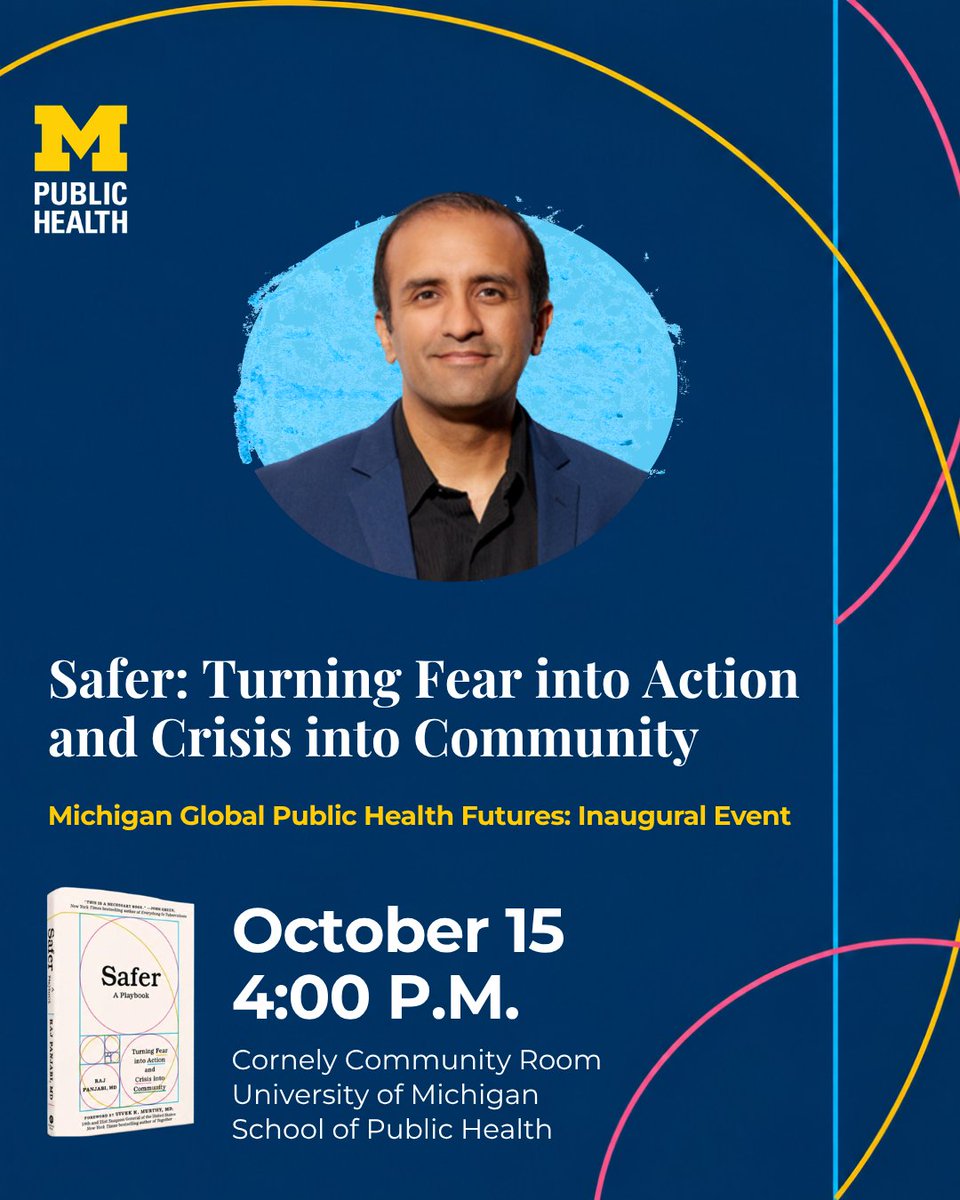
Thursday, October 15 - Join @rajpanjabi, author of "Safer," for a conversation with @UMichSPH Dean Charles Holmes about how individuals and communities can prepare for—and lead through—times of crisis.
Drawing on his experiences as a physician, global health leader, White House adviser, and refugee, Panjabi will share practical lessons for navigating fear, assessing risk, countering misinformation, and building trust.
The conversation will explore why connection, rather than isolation, is among our strongest forms of protection—and how public health students can help build more resilient communities. Attendees will leave with a hopeful, actionable framework for turning uncertainty into collective action. The first 75 attendees will receive a copy of Safer.
Register: https://t.co/Bbb56PP90g
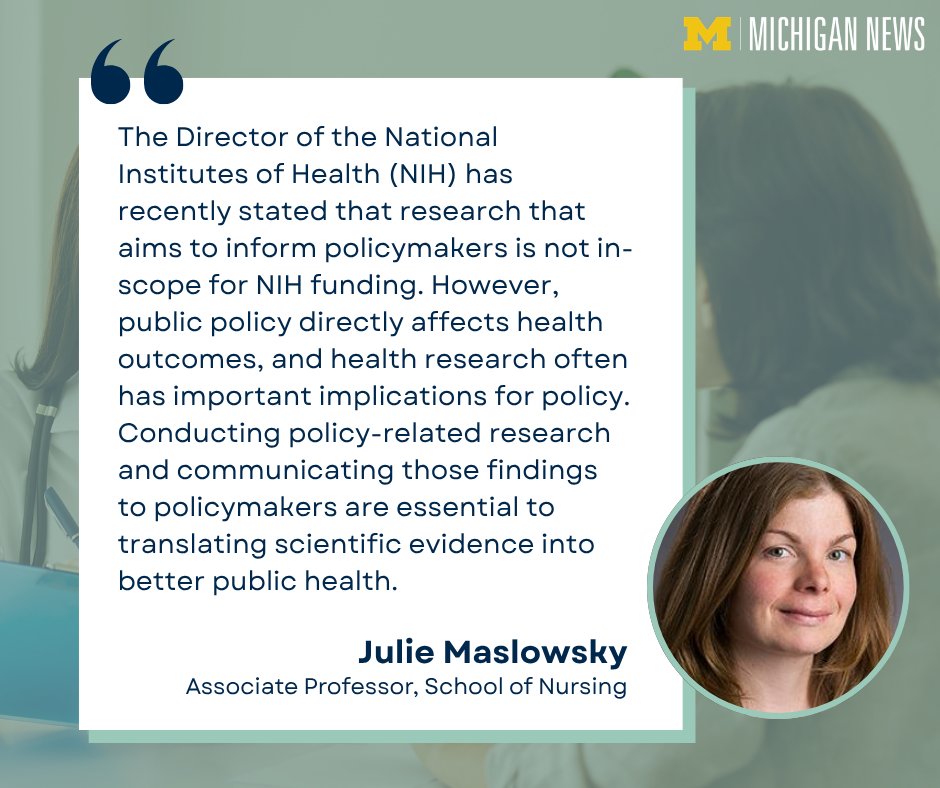
What happens when health research stops asking how laws and policies affect health?
A new article in @Health_Affairs examines reports that the NIH is turning away policy-focused grant applications, arguing that policies, such as housing and education, environmental regulation, and health care, shape health outcomes and should be studied as health interventions.
Julie Maslowsky, Associate Professor @UMichNursing and @umichsph, discusses.
@ucsusa@theNASEM
🔗 Read more: https://t.co/tvSNbxs7Vo
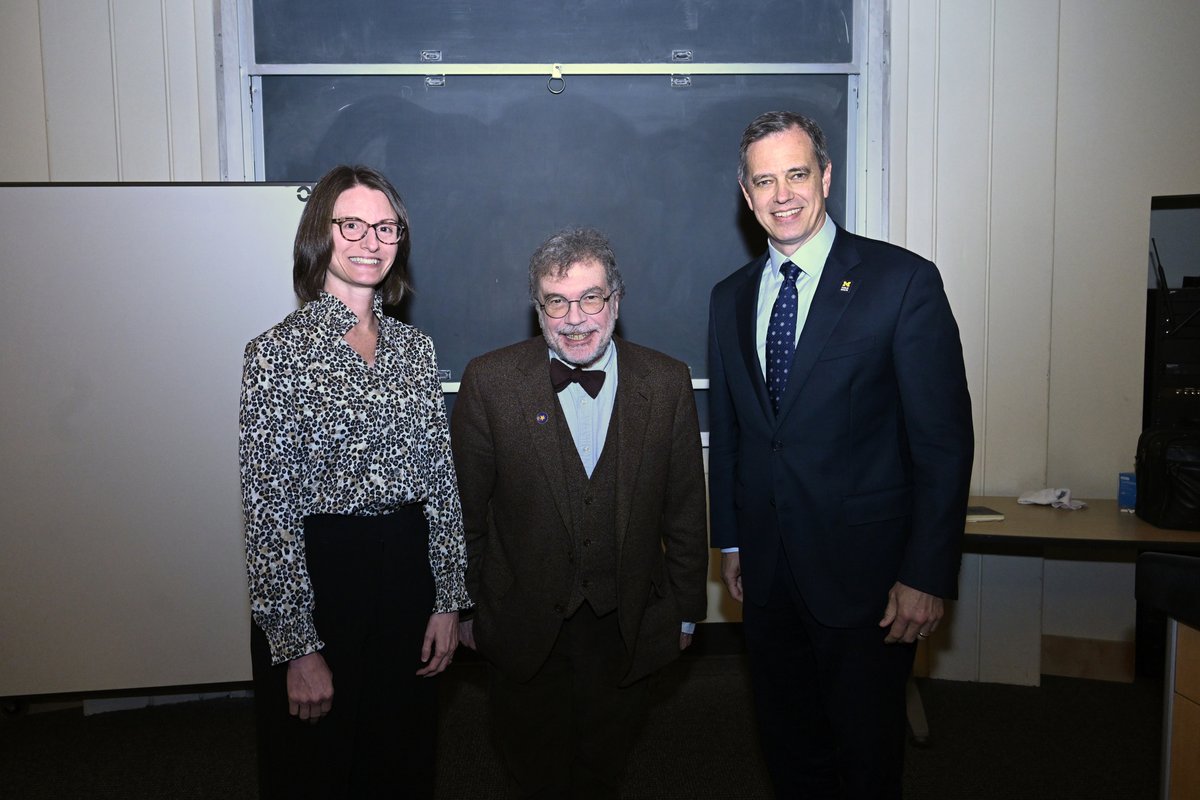
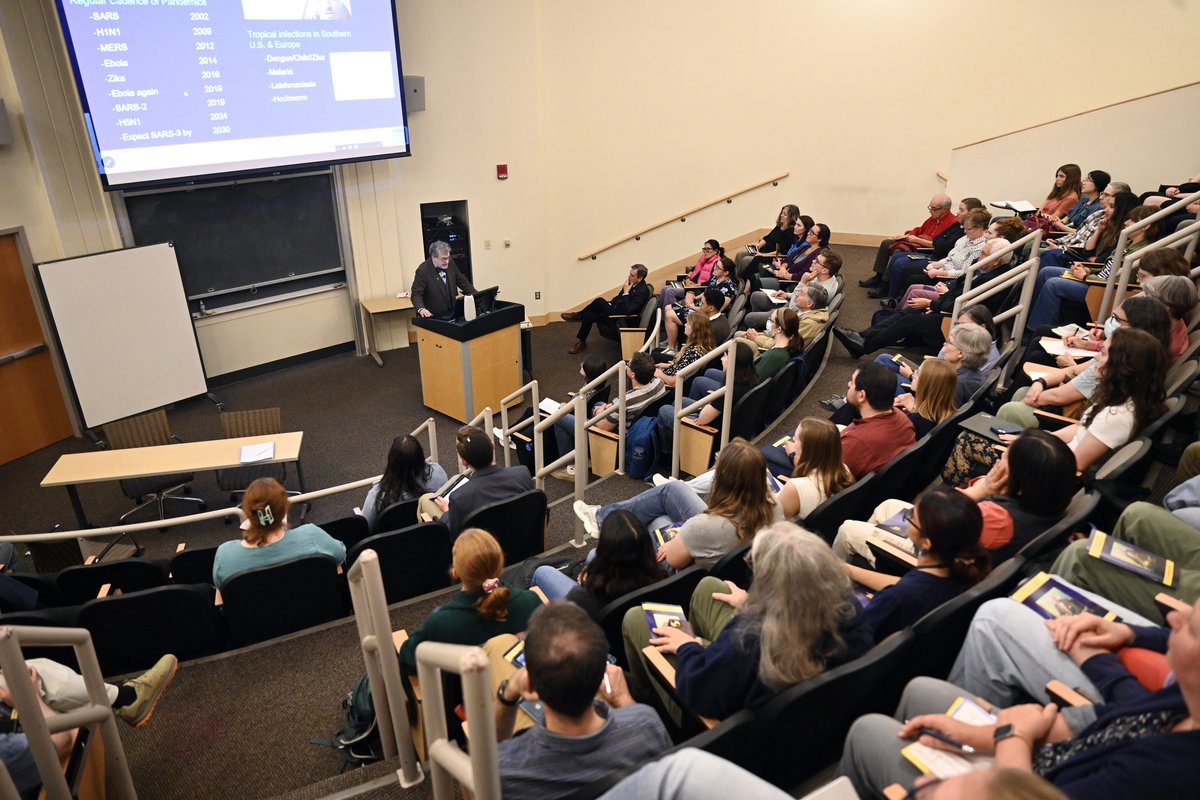
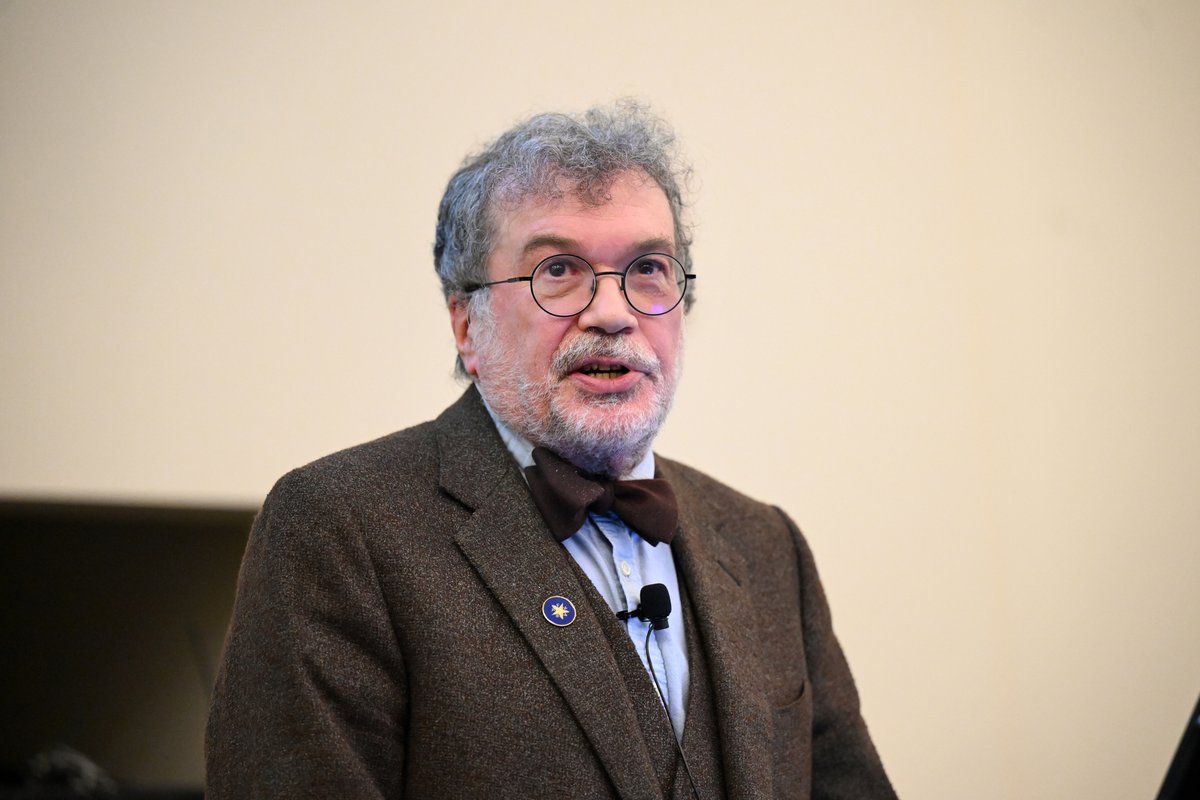
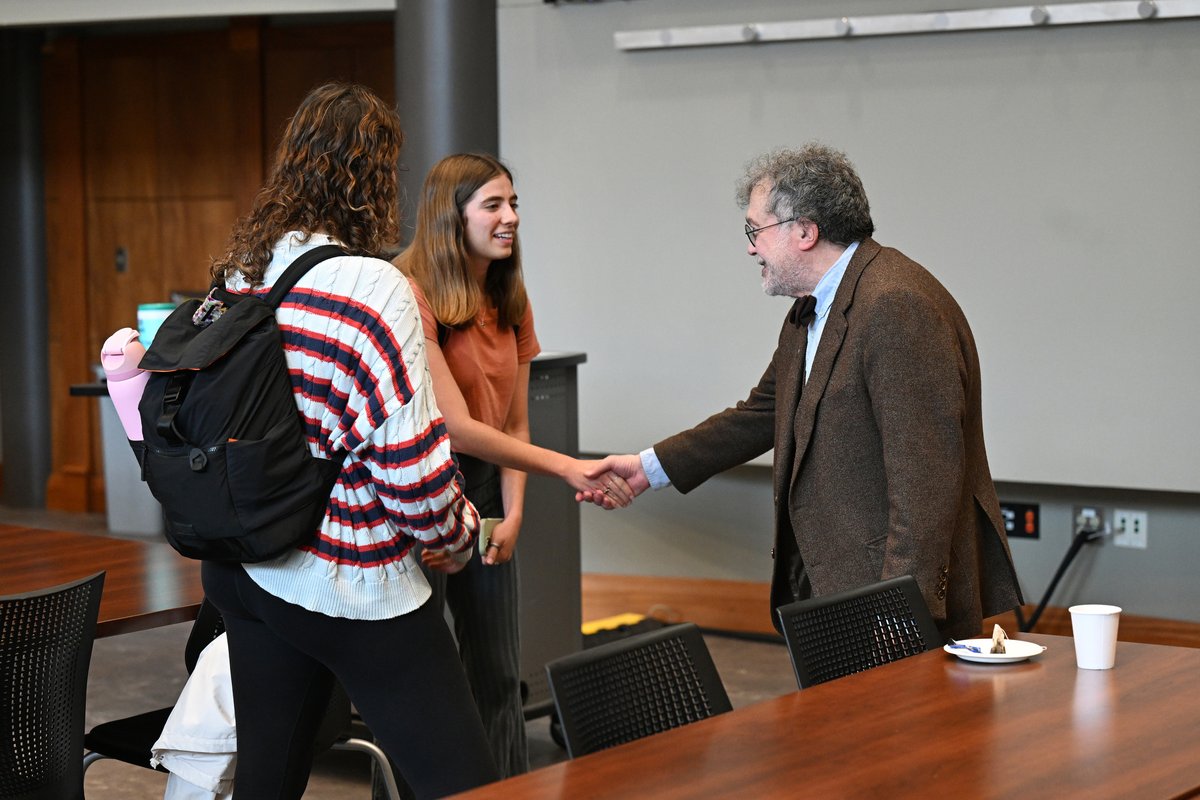
Last week, @UMichSPH@UMichEPID welcomed vaccine scientist and global health leader Dr. @PeterHotez of @BCM_TropMed@bcmhouston for the Thomas Francis Jr. Memorial Lecture.
His keynote explored vaccines and immunization amid climate change, rapid urbanization, emerging infections, and anti-science activism.
We are grateful to Dr. Hotez for sharing his expertise and to our community for participating in this timely and important public health discussion.
#MichiganPublicHealth #Vaccines #GlobalHealth
Who will rural voters blame for harmful healthcare changes and policies this election? @UMichSPH researcher Michael Shepherd, an expert in rural health policy, discusses if this midterm might be the election that shifts the trends: https://t.co/dwyMFF5kCj
Inspired by her mother’s experience navigating care for lupus, @UMichSPH master's student Belle Aduaka is passionate about building more coordinated, patient-centered health systems.
See what she learned during her internship with @umichHealthIPE and @UMichMedicine: https://t.co/OzCrjMP9Bb
#MichiganPublicHealth
Many thanks to @UMich@umichsph@umichepid for hosting my visit this week and honoring me as your Thomas Francis Jr MD Memorial Lecturer, celebrating his contributions to public health and the extraordinary Salk vaccine trials that led to licensure of the polio vaccine in America.
Last month at Michigan Public Health: major investments in women’s health and aging, kidney care and neighborhood data; a new program preparing future HIV researchers; faculty honors and appointments; and policy engagement that connects research with communities.
Catch up with the Michigan Public Health community: https://t.co/l9gSrKG9Me
#MichiganPublicHealth #HealthEquity #PublicHealthLeadership #GoBlue
Ready to turn your passion for health into impact? Undergraduate applications to the University of Michigan School of Public Health are now open!
Explore public health, build skills to address real-world challenges and join a community committed to creating a healthier, more equitable world.
Learn more and apply: https://t.co/Kxx0xctg7q
How should Michigan schools restrict student cellphone use—and which policies work best?
In a new @UMichResearch video, @UMichSPH researcher @JustinHeinzePhD and @FordSchool researcher Brian Jacob discuss findings from 779 school districts and how cellphone policies could affect learning, mental health and school safety.
Watch: https://t.co/5caVtiOWhY
#MichiganPublicHealth #SchoolHealth #YouthWellBeing @NC2S_Tweets