I was thinking about how to raise interest and awareness about geoxyle importance and diversity in tropical grasslands.
So I present you the #geoxyleoftheweek - Every wednesday I will post some fotos and infos about one geoxyle taxon! 1/3
Finally, a great piece of collaboration got published! Several researchers from and working in Angola checked their plant collections and found 67 new records for Angola 🇦🇴 🌱
https://t.co/8ttLsHGg8c
Thea Lautenschläger, Anne Göhre, Barbara Ditsch, @Christ_baum, Mawunu Monizi, José Lau Mandombe, Marcus Lehnert, Carel C.H. Jongkind, Hans J.G.M. Persoon, @DrMartinCheek, Alexandre Monro, @DavidGoyder, @IainDarbyshire1, Alan Paton, Fernanda Lages, ...
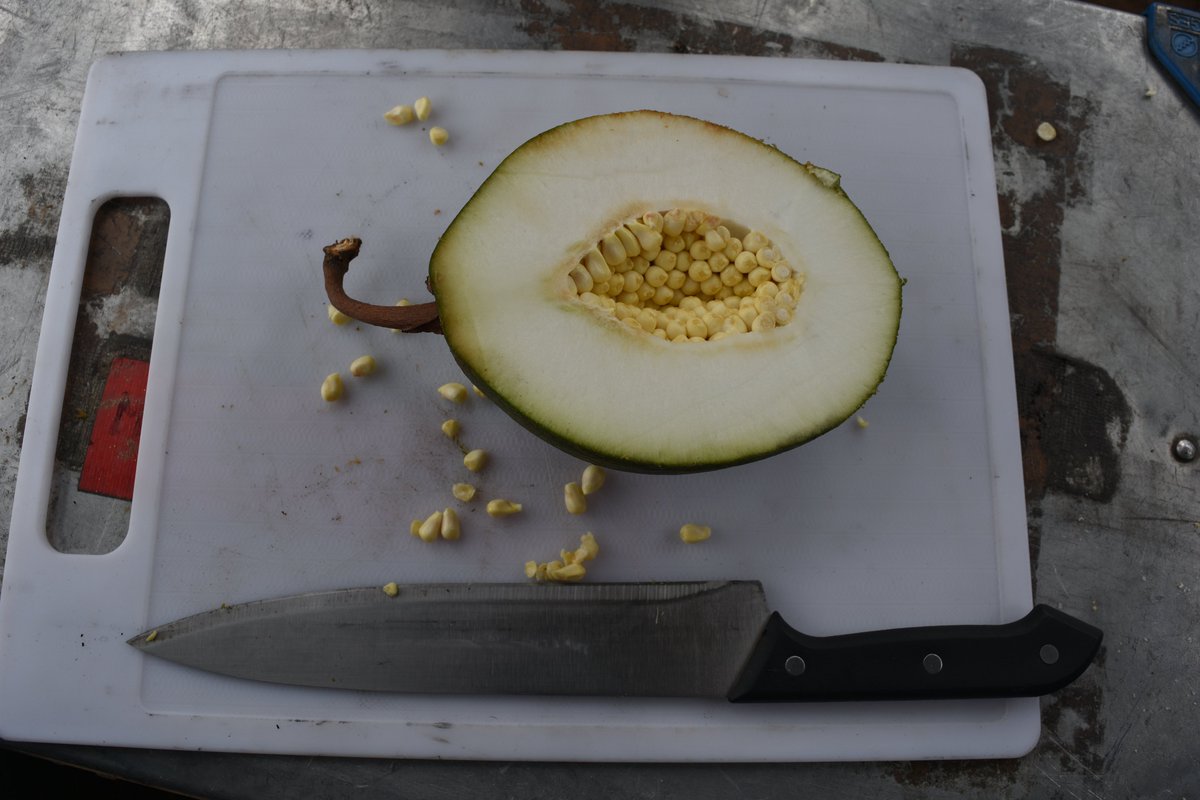
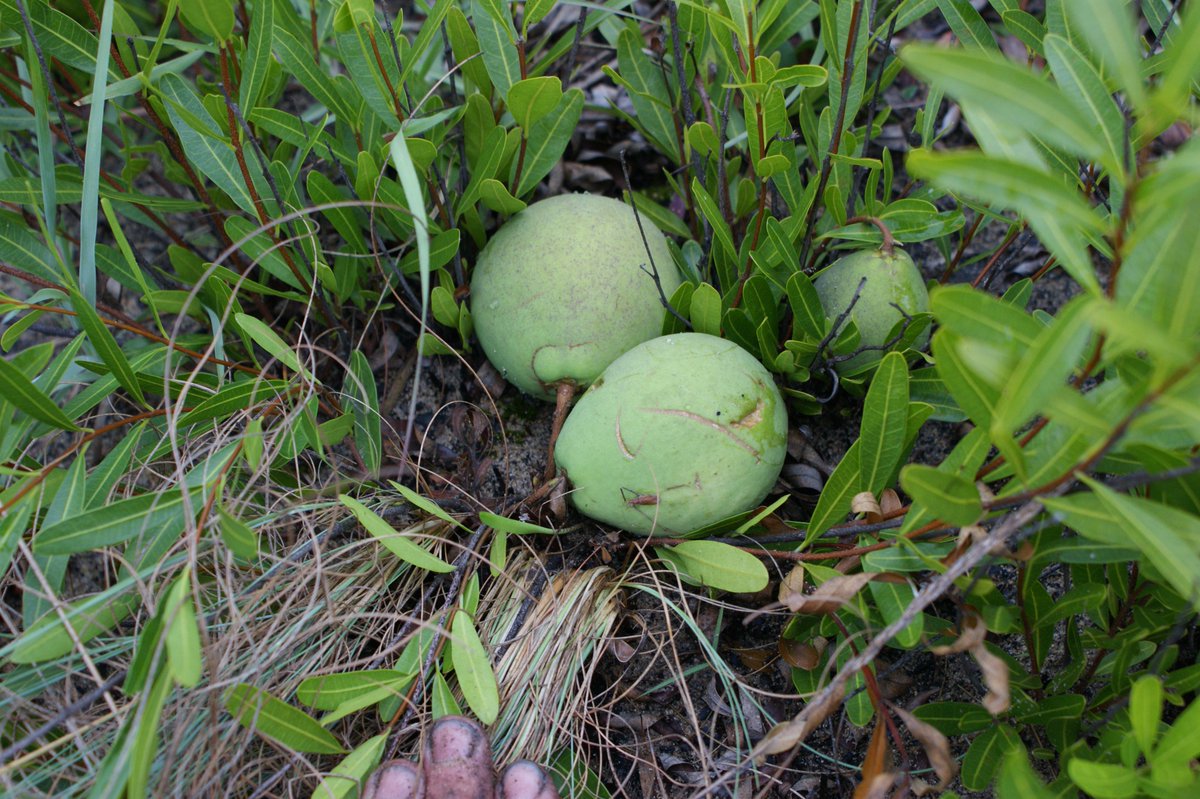
@fjprm Not really. The fleshy outer part dries out and rips open to release the seeds. I guess some animals will feed on the fruits (else, why would they be so big and fleshy?), but I don't know which.
Time for #geoxyleoftheweek!
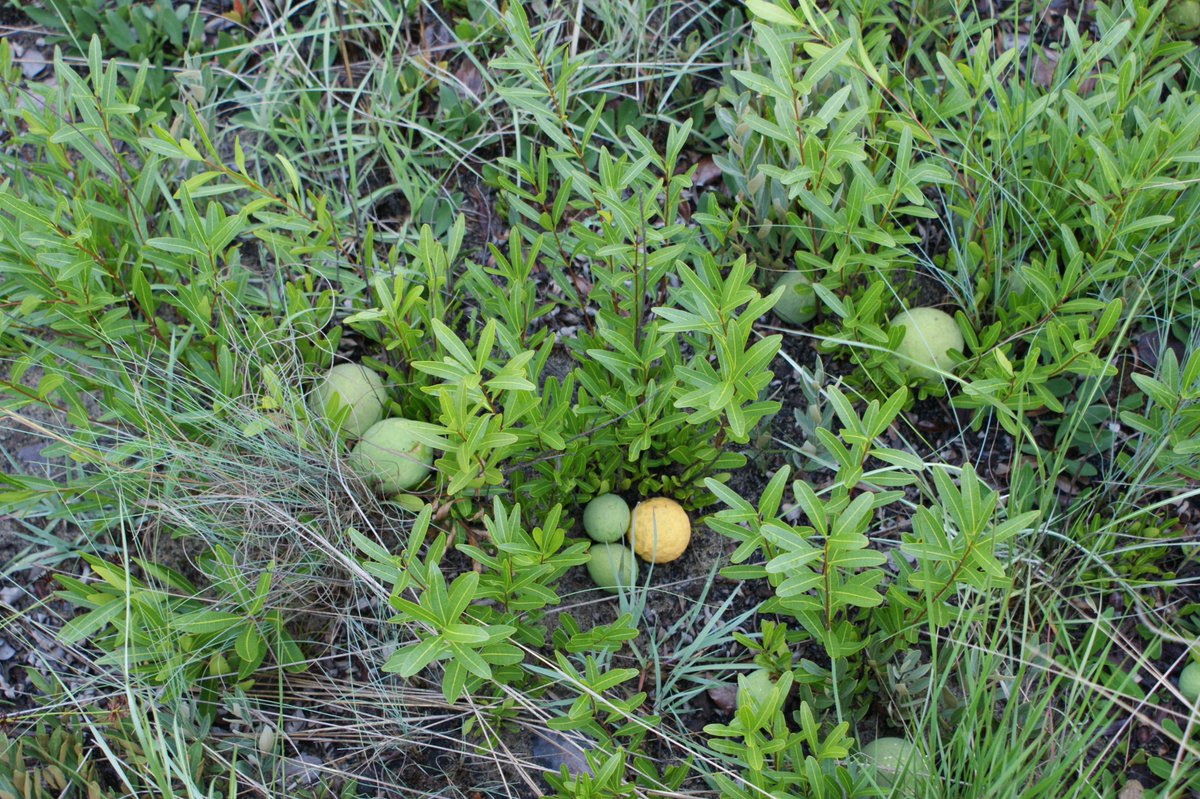
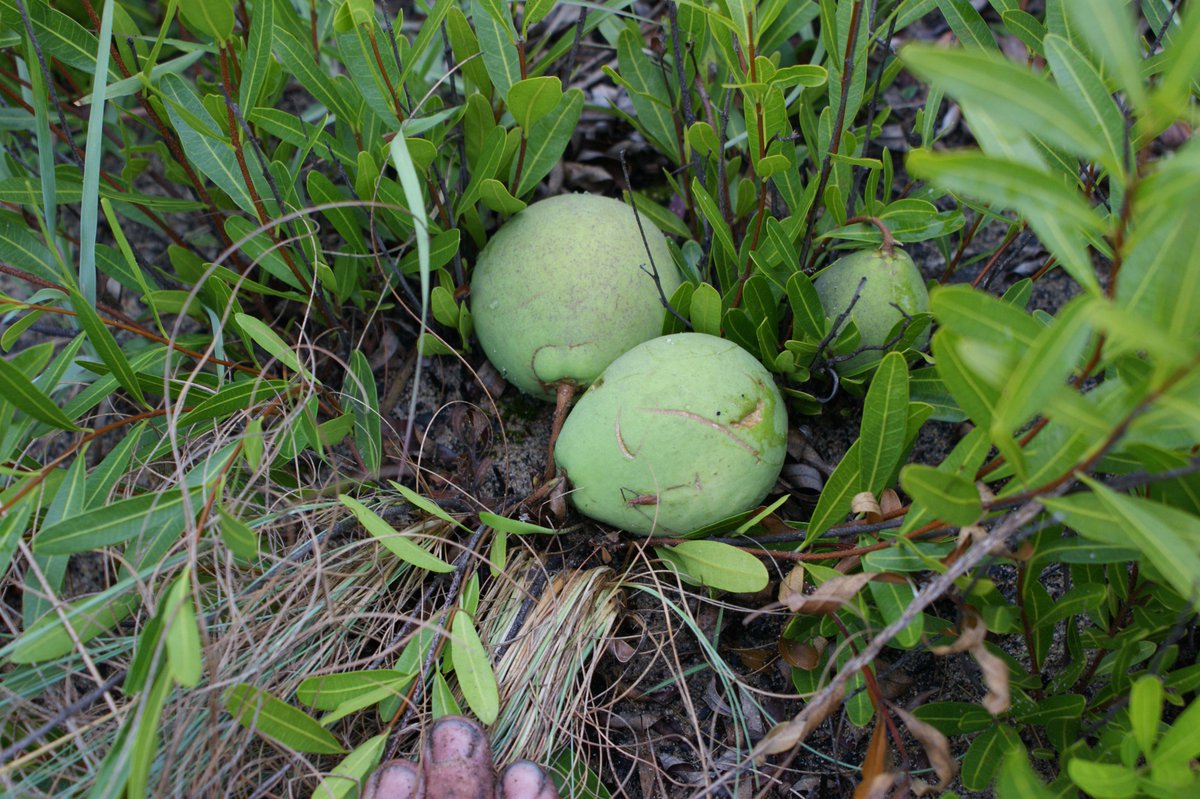
This is one of my favorite geoxyles, because it is so impressive, and for a long time I had no idea what it was. Some years ago in the rainy season, @ManfredFinckh found this big pawpaw-like fruit in a grassland on deep sandy soils. 1/
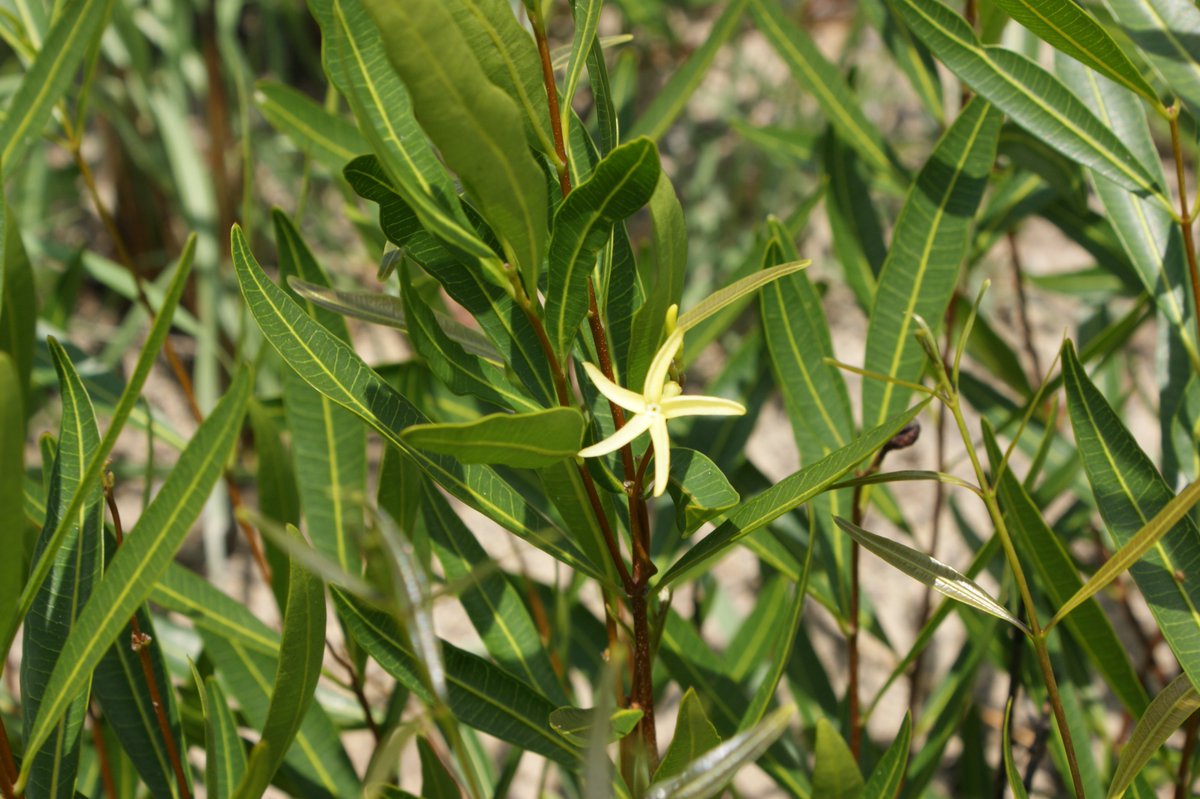
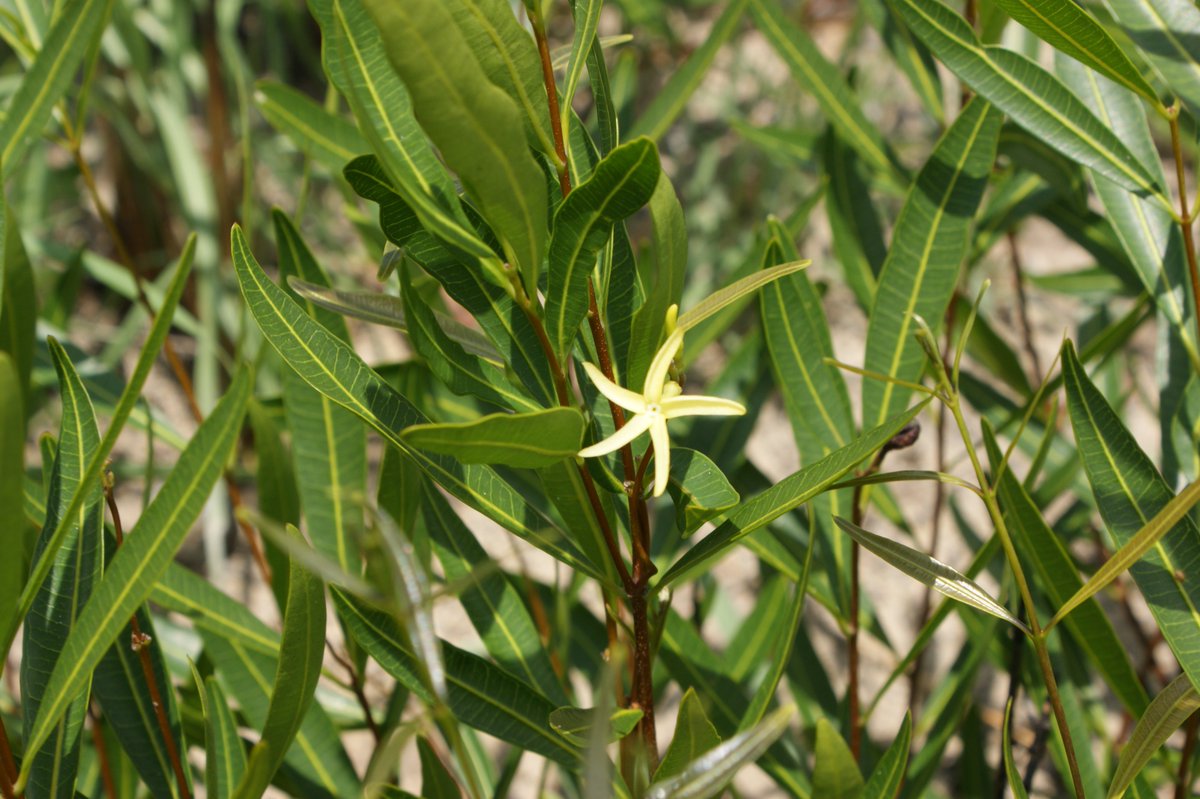
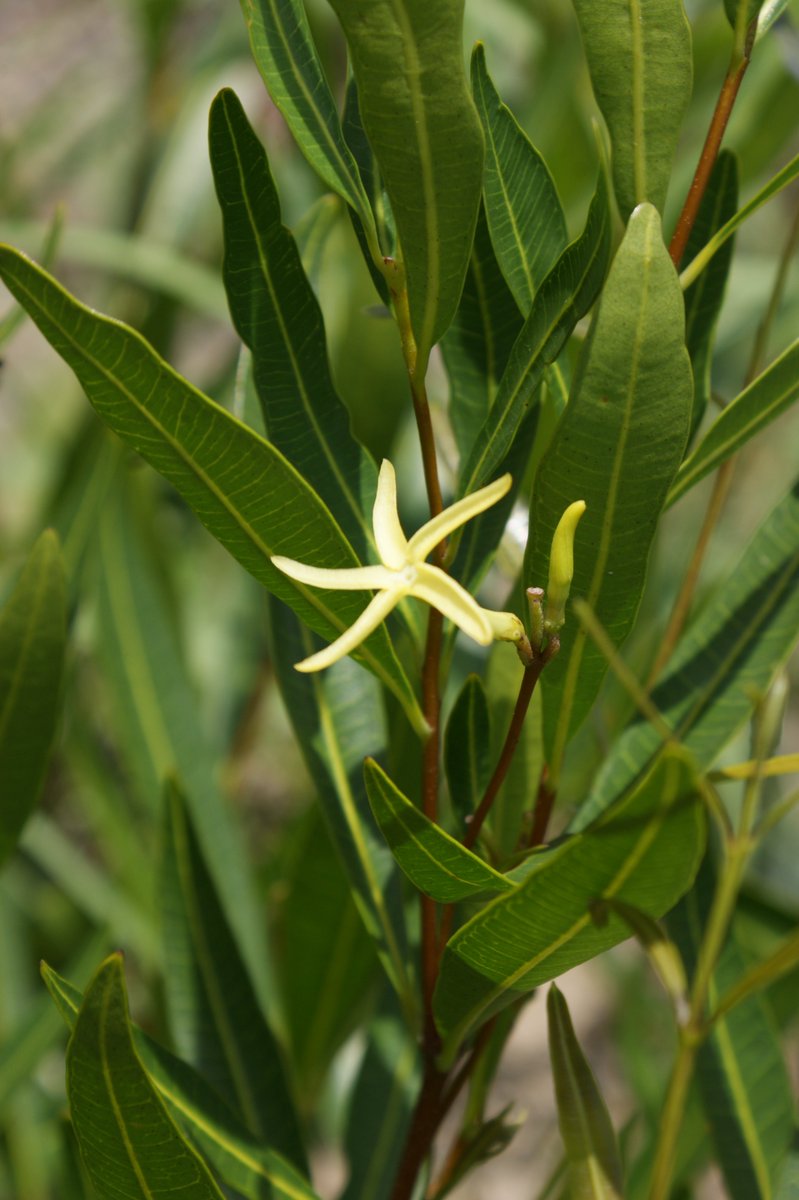
This species (L.gossweileri or L.lanceolata?) is low growing, with shiny, 2-colored leaves, with terminal and axillary inflorescences. They flower in the dry season and in Dec/Jan, they bear delicious, sticky fruits. You break the shell and suck out the pulp inside. 2/
Vejam este estudo sobre os altos valores nutricionais das plantas nativas angolanas - incluindo 2 geoxílicos, Parinari capensis e Landolphia lanceolata 🌿
https://t.co/CtIToshP8Z
Check out this study on high nutritional values of native Angolan plants - including 2 geoxyles, Parinari capensis and Landolphis lanceolata 🌿
https://t.co/CtIToshP8Z
@fjprm Not really. The fleshy outer part dries out and rips open to release the seeds. I guess some animals will feed on the fruits (else, why would they be so big and fleshy?), but I don't know which.
Time for #geoxyleoftheweek!
This is one of my favorite geoxyles, because it is so impressive, and for a long time I had no idea what it was. Some years ago in the rainy season, @ManfredFinckh found this big pawpaw-like fruit in a grassland on deep sandy soils. 1/
Time for #geoxyleoftheweek!
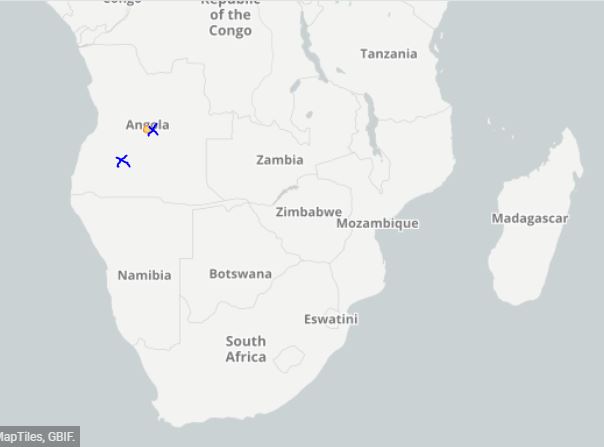
I present you Landolphia cf gossweileri (Apocynaceae), one of the characteristic species of the “Chanas de Borracha” (=rubber). This name refers to the typical latex of to the genus Landolphia, which was used to produce natural rubber. 1/
@LCryoptic Humans for sure, monkeys as well. Maybe birds? There are several hornbill species in the area, but I never witnessed it.
Also I never saw seedlings; it seems to be easier to propagate clonally.
Time for #geoxyleoftheweek!
I present you Landolphia cf gossweileri (Apocynaceae), one of the characteristic species of the “Chanas de Borracha” (=rubber). This name refers to the typical latex of to the genus Landolphia, which was used to produce natural rubber. 1/
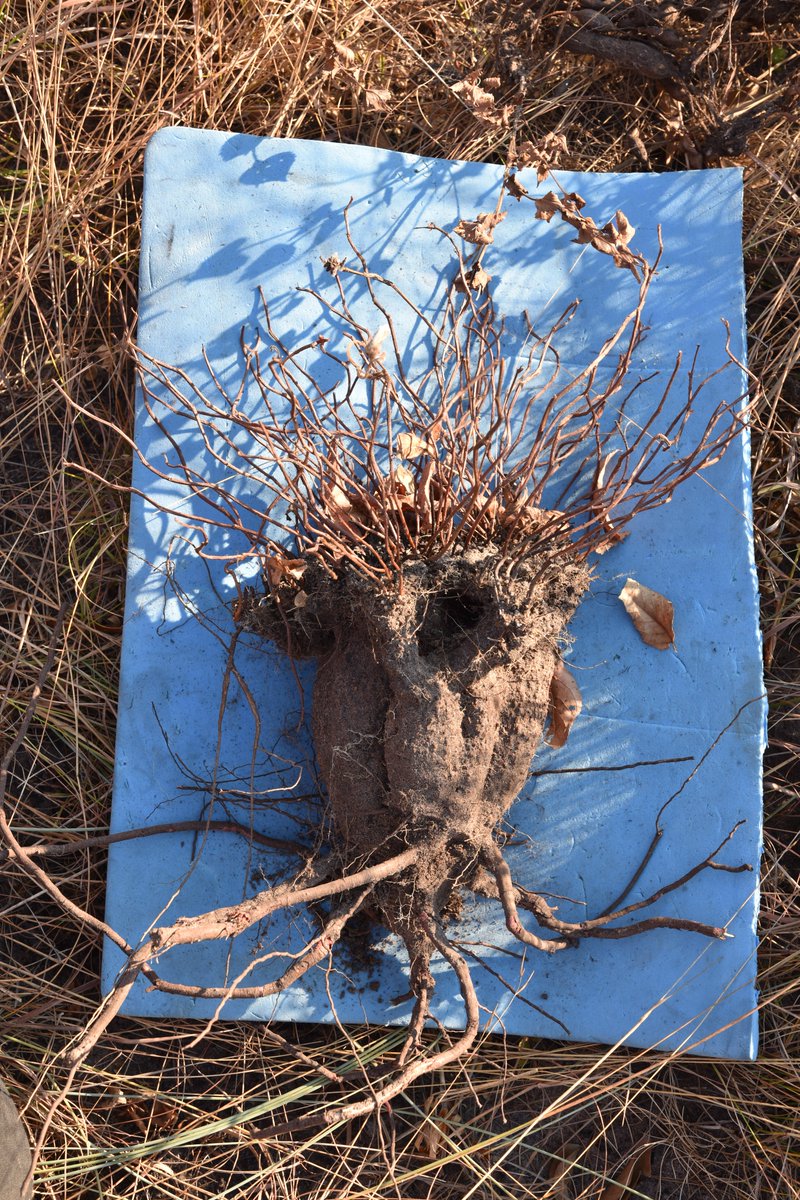
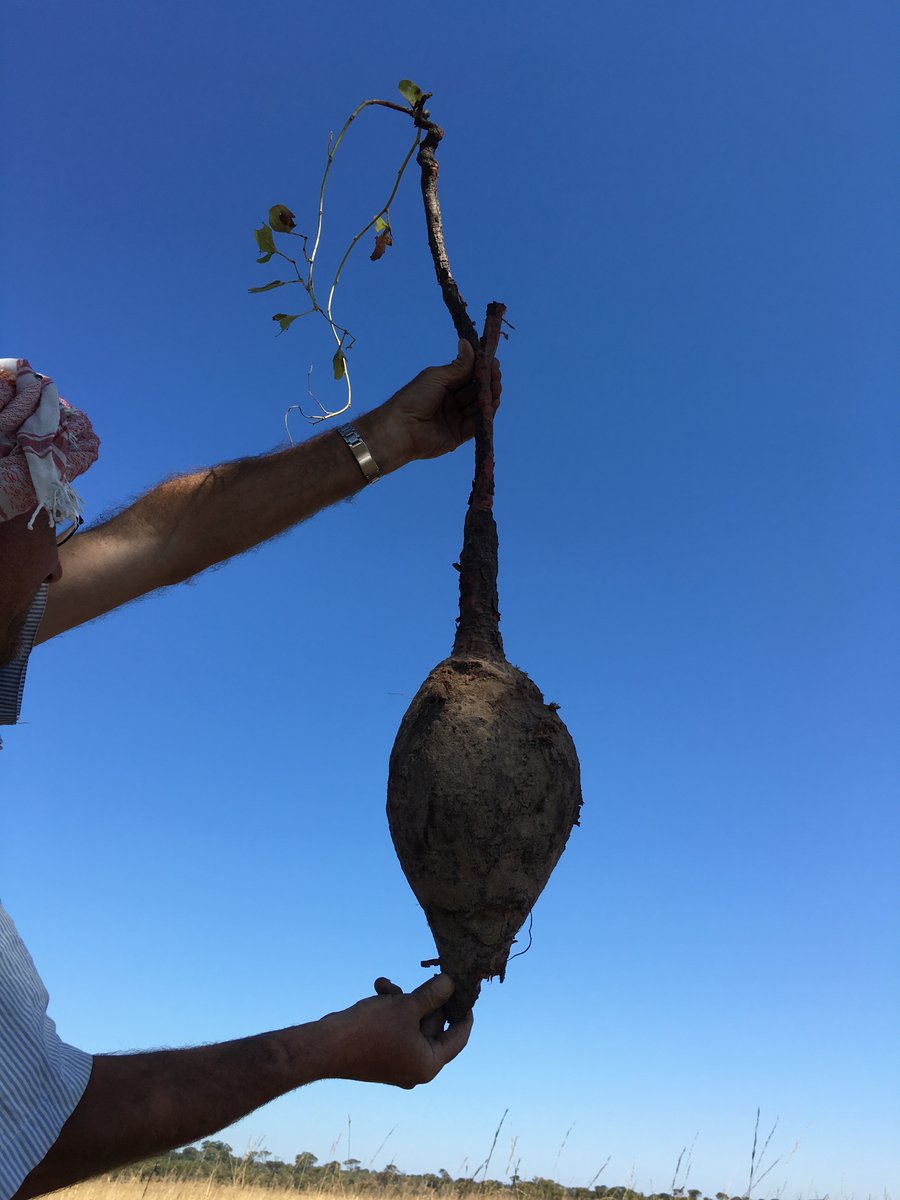
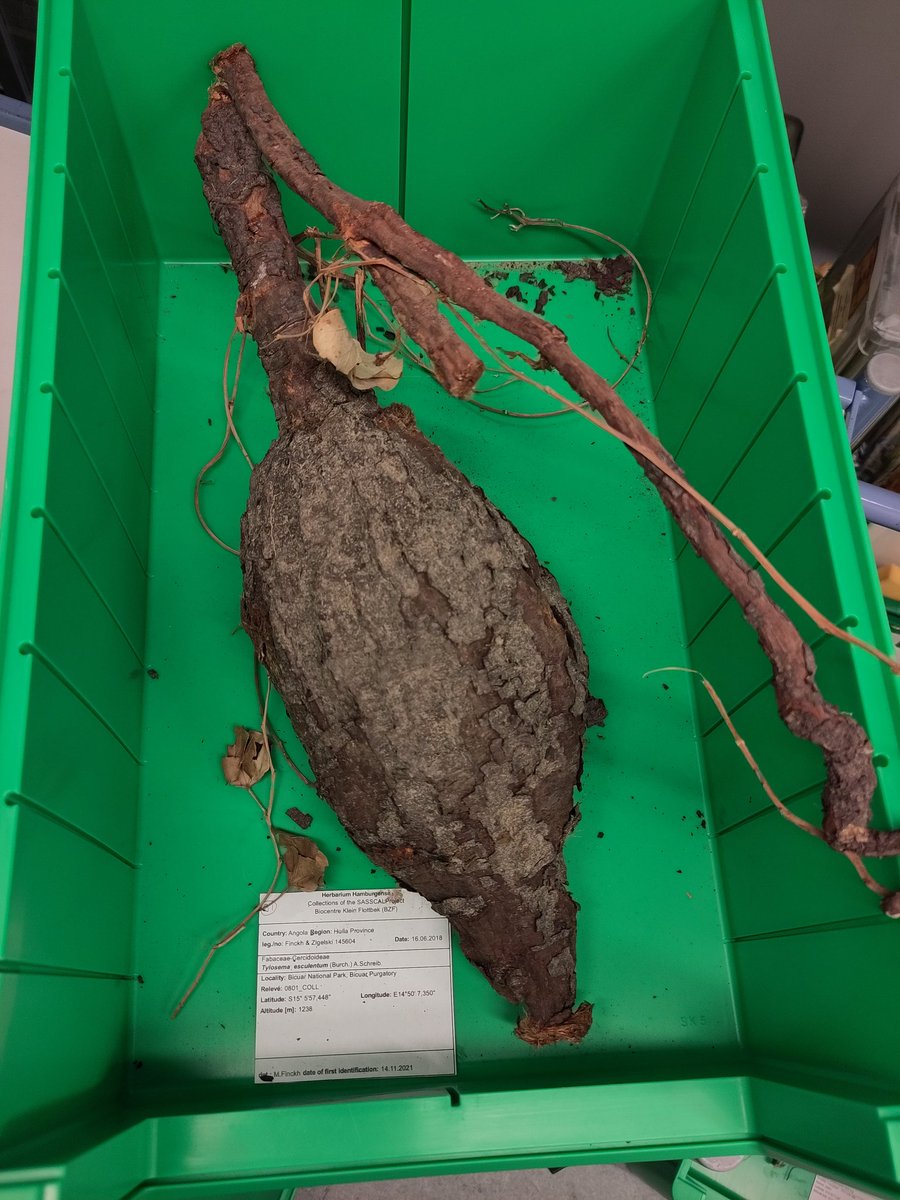
Abaixo do solo, L. cf gossweileri forma rizomas lenhosos longos e esguios, alongando-se por vários metros sob a superfície do solo. É uma liana subterrânea, conservando o hábito de crescimento da sua espécie irmã de liana. 3/3
Tempo para #geoxyleoftheweek!
Apresento-vos Landolphia cf gossweileri (Apocynaceae), uma das espécies características das "Chanas de Borracha". Este nome refere-se ao látex típico do género Landolphia, que era utilizado para produzir borracha natural. 1/
Esta espécie (L.gossweileri / L.lanceolata?) é de crescimento baixo, com folhas brilhantes e bicolores, com inflorescências terminais e axilares. Florescem na estação seca e em Dez/Jan, dão frutos deliciosos e pegajosos. Partem a casca e sugam a polpa para fora do seu interior 2/