An 18th-century vaccination against smallpox was made by taking pus from the sores on a dairymaid’s hands and rubbing it onto a scratch on the patient’s arm.
Henry VIII carried his own portable toilet with him wherever he went. The “royal stool” was a large box with a feather-padded seat on the lid and a potty inside.
A cholera epidemic in London (1853–4) killed nearly 11,000 people. It resulted in the discovery that cholera comes from dirty water – after that London was given proper sewers.
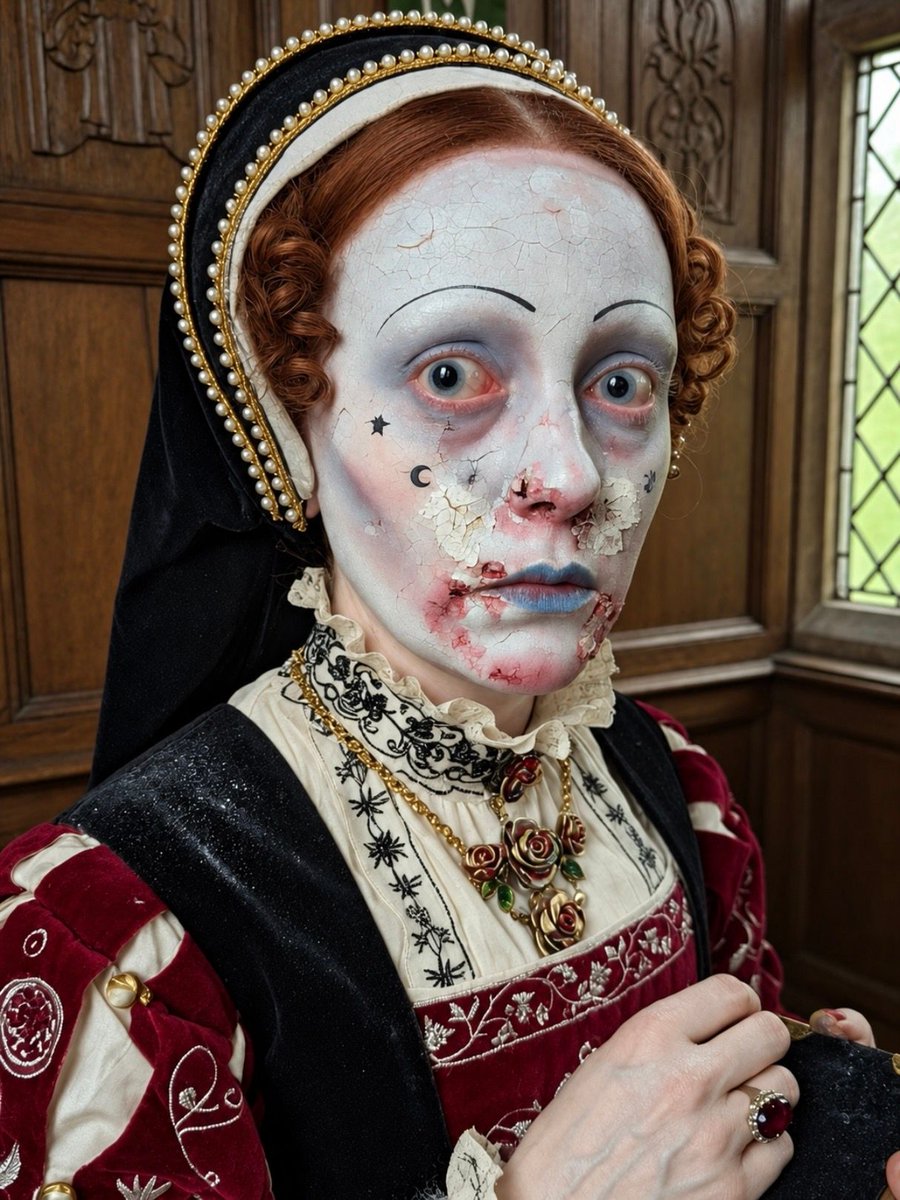
In Tudor England, many women wore a lead-based white make-up that literally ate away their skin. They also put poisonous juices from the deadly nightshade plant into their eyes to make their pupils bigger. They must have looked lovely…
Every silk-producing caterpillar in Europe is descended from two silkworm moth eggs stolen from China and smuggled back to Byzantium (modern-day Istanbul, Turkey).
Roman doctors didn’t use anaesthetics when they fixed broken bones or cut off rancid arms and legs. Instead, they were trained not to take any notice of the screams!
The 10th English Duke of Hamilton was so interested in Egyptian mummies, he got a doctor to mummify him and put him into a stone tomb when he died in 1852 – just like an ancient Egyptian pharaoh!
The machine gun was invented in 1718 by Englishman James Puckle. The Puckle gun could fire nine shots per minute while a standard musket could fire only three.
The plague of Justinian spread all over the world between 541 AD and 542 AD. At its worst it killed between 5,000 and 10,000 people every day. Often, there wasn’t enough room to bury the dead, so bodies were left rotting in the streets.