What does a true Web3 decentralized platform look like?
🔑 A community made up of non-custodial hardware wallet users, ensuring complete privacy and self-custody of assets.
🔒 Fully decentralized with no intermediaries—users hold the power.
💎 Each user is their own bank, deciding their own future.
Join us and experience true decentralized financial freedom!
#Web3 #Decentralization #Privacy #SelfCustody #Blockchain #Crypto #UnionKey
A mandatory wallet registry is a different risk from tax reporting on exchanges. Once addresses sit in one place, the list itself becomes a high-value target, whatever the intent. The Senate vote suggests that concern was taken seriously. If the idea returns, the security cost of the database should be debated as clearly as the tax goal
The Solana note is the one people will miss: a seed export that works on EVM may not be the same path on SVM, so 'import elsewhere' is not automatic. Export while the app still runs, and treat any DM or 'support' link asking for a recovery phrase as a scam. Sunsets are when phishing peaks.
This is the right test. A hardware wallet is only a security boundary if the device can show the actual destination, amount, and permissions before you approve. Otherwise you are attesting that a button was pressed, not that a specific transaction was understood. Clear signing has to cover contract calls and approvals, not just simple transfers.
The GDS-versus-Verilog distinction matters for anything that holds keys. Publishing HDL lets you rebuild a similar chip; it does not let you check the one in your hand. If 'secure hardware' is to be a real category, inspectability has to be designed in. Audits only work when the geometry is there to verify against.
Vitalik's open-source chip post is worth a read, even if you never open a GDS file.
The point isn't that everyone should audit silicon. It's that "trust the vendor" shouldn't be the last line of defense for the device holding your keys. Verifiability has to go below firmware.
Worth adding a custody lens. When PumpFun or Fomo plug into HyperCore, the matching engine is the same but the key setup isn't: embedded wallets, agent approvals and withdrawal permissions differ app by app. As front-ends converge on one engine, that's the part users should actually be comparing.
The uncomfortable part is that nothing here needs a crypto-specific mistake. Notes, screenshots and saved QR codes are just files on a phone, and the phone is the most attacked device most people own. If a recovery phrase ever existed in digital form, treat that wallet as burned and move to a fresh seed generated offline.
Scoping is the whole game here. 'Sell X at price Y from my wallet' is a narrow permission you can reason about. Repaying a loan means touching positions on another protocol, which is a much bigger grant. I'd rather an agent alert me at a health-factor threshold and leave the repay signature to me.
Self-custody didn't fail here; single-source randomness did. A seed flaw that got past 15 reviews is the strongest argument yet for entropy users can verify themselves: open firmware, reproducible builds, and the option to mix in your own dice rolls. Audits are a snapshot, not a guarantee.
“Trust us, it's secure.”
That shouldn't be enough for a hardware wallet.
Security should be open to inspection, not hidden behind marketing claims.
Open-source code. Verifiable design. Greater transparency.
That's the standard we're building at UnionKey.
🔐 Don't just trust. Verify.
Explore our open-source code:
https://t.co/eryBhCQ4TG
@CyberScrilla 100%. Buy direct from the manufacturer.And don't stop there.
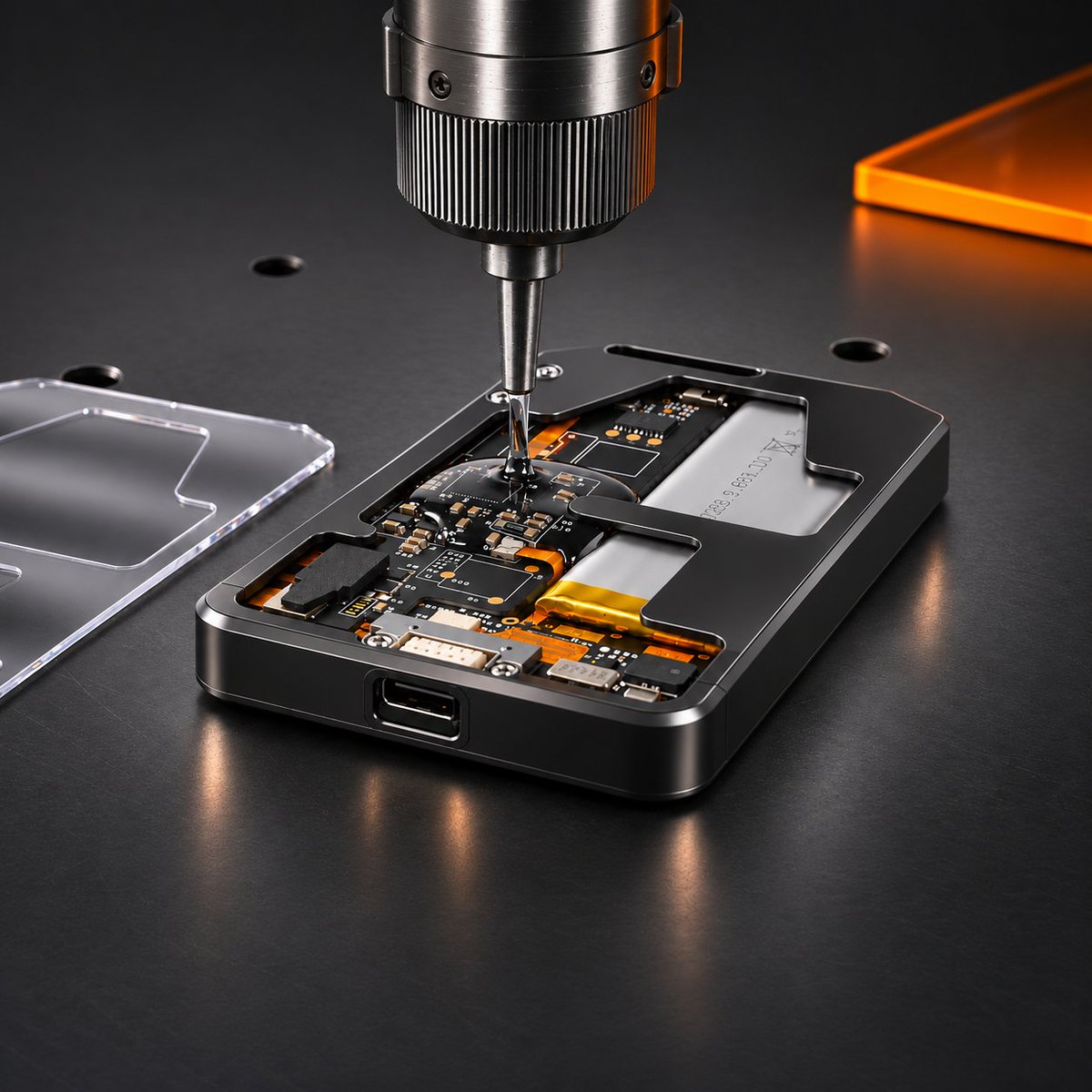
A secure hardware wallet should make physical tampering harder to hide, not just rely on users trusting what's inside.
Just describe how you want to trade in plain English.
UnionKey AI turns your ideas into trading strategies, helps you backtest them, and execute trades on Hyperliquid.
AI-powered trading. Hardware-backed self-custody.
@jords Self-custody shouldn't mean giving up the ability to trade.
The real shift happens when people can keep control of their assets and still access onchain markets with the convenience they're used to.
That's where crypto needs to go.
@ThinkingUSD The biggest barrier to moving off CEXs isn't just liquidity. It's convenience.
People want the speed and simplicity of an exchange, without giving up control of their assets.
Self-custody needs to become the easier choice, not the harder one.
Watch the full cinematic experience on our official YouTube channel. 🎬
▶️ https://t.co/dbgHyBHiaF
Subscribe for more on self-custody, AI-powered trading, and the future of Web3.
What if your crypto never had to leave your control?
🔐 Secure it with a hardware wallet.
🤖 Trade smarter with AI and access Hyperliquid.
⚡ Explore decentralized markets.
One device. One app. Your entire Web3 ecosystem.
UnionKey DEX — Your Personal Exchange.
Your keys. Your trades. Your rules.
🌐 https://t.co/R6neCiUWim
#UnionKey #Hyperliquid #SelfCustody #AITrading
🔐 Built for security. Designed for trading.
UnionKey brings together two things that shouldn't be separate:
🛡️ Hardware Security
Tamper-evident design. Fully open-source architecture. Private keys kept offline.
⚡ Smart Trading
Cold wallet security meets decentralized trading. Access platforms like Hyperliquid while keeping control of your keys.
No need to choose between security and trading freedom.
UnionKey — Your Personal Trading Platform.
#UnionKey #SelfCustody #Hyperliquid
AI agents help you plan trades, prepare payments, and make purchases.
Smarter decisions. Faster execution. Full control.
UnionKey AI Smart Trading. The Platform Is You.
Hot wallets are always exposed to online threats. One vulnerability can put funds at risk.
Keep only what you need for transactions in hot wallets. Keep long-term holdings offline.
That's why we believe in hardware wallets.
🚨ALERT: BTCPay Server warns attackers are draining HOT WALLETS on outdated software.
The attack targets version 2.4.1 or earlier. Operators are urged to update to version 2.4.7.
No credible wallet-drain reports have been received for the latest release.
An August attack also stole funds using compromised Lightning credentials, prompting remote access restrictions.
It remains unclear whether the two attacks are connected. The stolen amount remains undisclosed.