Crypto payments still have two problems that people often underestimate
First, sending funds usually means copying a long wallet address and checking fragments of it. That creates room for address poisoning and human error.
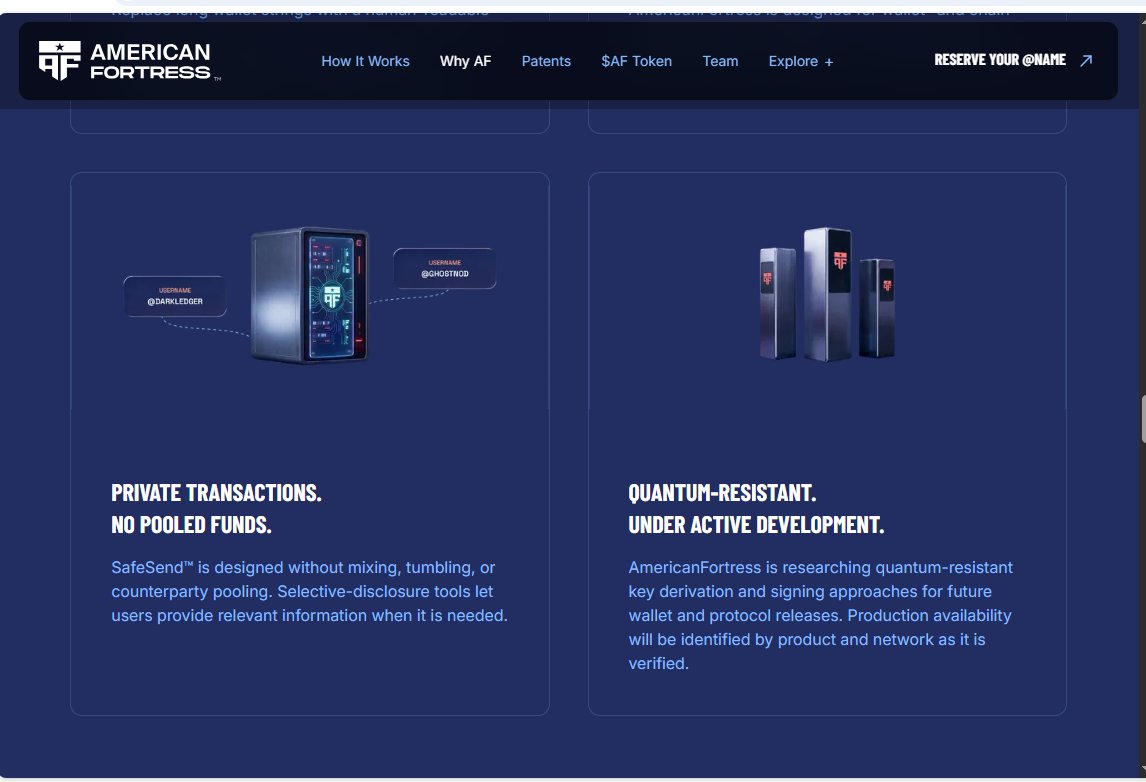
@Americanfort_io takes a different approach with Send to Name™. Instead of sending to a permanent public address, you send to a readable FortressName such as @name. The wallet then computes a fresh one time address for that payment, while the payment still settles normally on the native blockchain.
The second problem is privacy. A fixed public wallet can expose balances and payment history over time. FortressName is designed so your name stays usable without publicly resolving to one permanent wallet.
This is the part I find most interesting about @Americanfort_io. It is not trying to create another chain or another destination wallet. It is building privacy infrastructure that can sit inside existing wallets and payment flows.
Claim a free FortressName here
https://t.co/jeNureimLQ
i kept wondering how a phone clip of a stairwell or loading bay could be usable without raw faces leaving the phone.
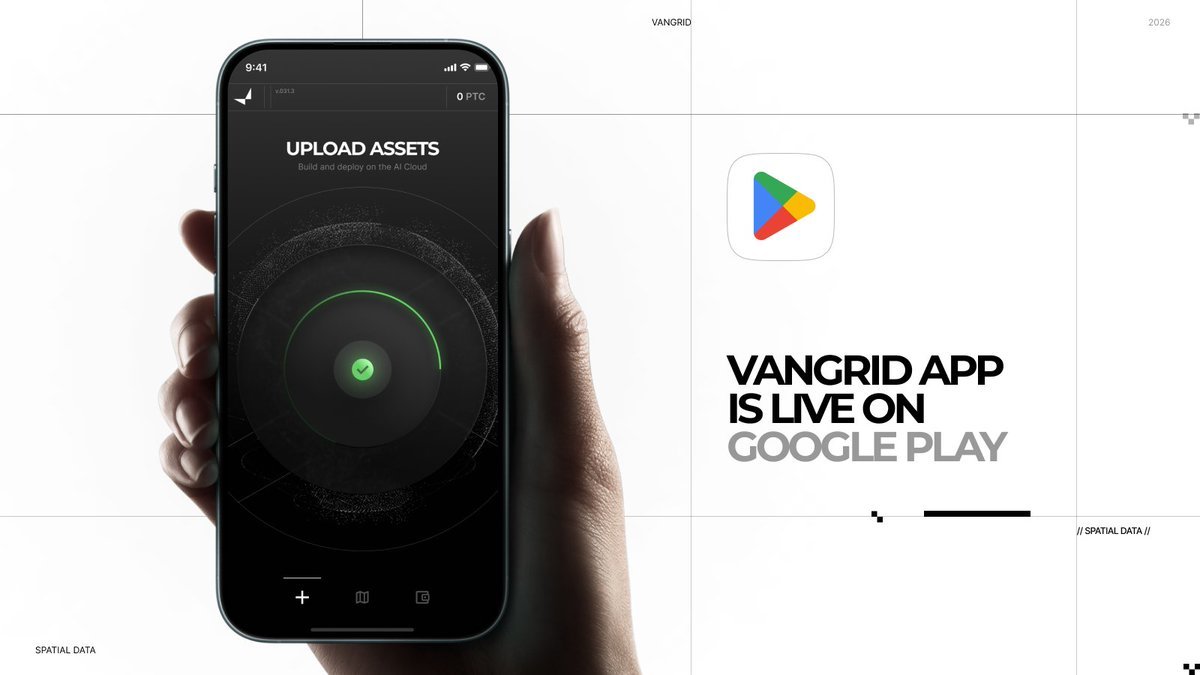
was not sure the on device step was doing real work until i went through the capture path on @vangrid_io
you hit Capture Data, allow the camera, and walk slowly around the subject...
phone stays steady. no quick pans.
faces and plates get blurred on the phone before the clip is encoded.
unblurred frames never leave the device.
only the blurred video uploads.
skip a side and the model comes back with a hole in it...
when you stop recording, the clip runs an automatic quality check.
too short or unreadable, and you are told why before it can be submitted to a bounty at the data side.
i think that check is the part that matters.
the person filming is not handing over a clean face feed.
and a bad walk does not quietly become a 3D mesh.
has that quality check bounced a clip of yours, and did the reason match what you saw on the phone?
I looked under the hood of @Hertzflow_xyz , and the interesting part isn't the leverage,
It's what happens after you submit an order.
From the user side, trading looks simple:
Submit order > Get position.
under the hood, HertzFlow uses a two step execution model:
Request creation > Keeper execution > Position update.
The order flow gets more interesting here:
Exchange router > Order vault > Order handler > Position updated
The keeper handles the execution step after the order request is created.
Then there's pricing. the price you see on the chart is a reference mark price, not necessarily the exact price your order fills at.
actual execution uses the oracle's buy/sell quote.
HertzFlow's docs say Pyth is the primary oracle source, with a CEX index fallback when the Pyth data becomes stale.
So there's more happening behind that simple "Trade" button than the interface suggests.
That's what caught my attention,
the interface is the visible layer. the execution and pricing architecture underneath it is where things get interesting.
That's the part of HertzFlow i am watching.
@Hertzflow_xyz #HertzFlow
gn CT.
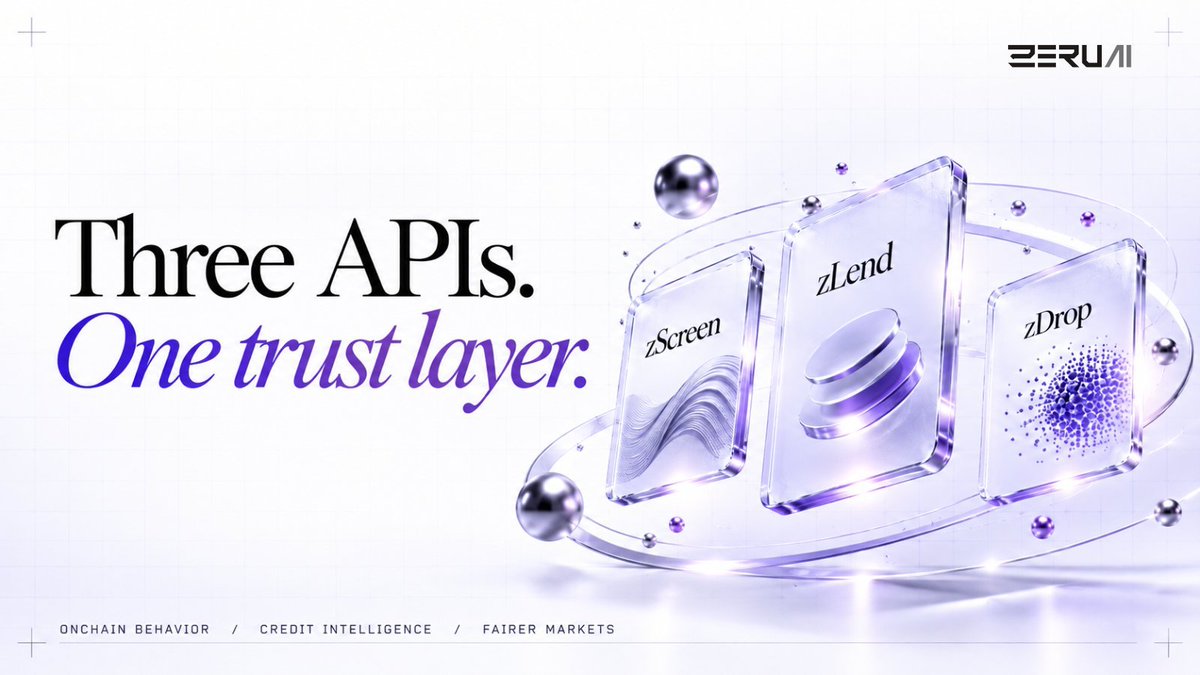
ZeruAI is building a trust layer for onchain finance.
@zerufinance is taking something crypto already has in abundance wallet history and turning it into usable financial intelligence.
zScreen looks across 11 years of Ethereum history to help with wallet screening and risk analysis.
zLend uses 70+ onchain credit signals from actual cash flows to build a deeper picture of wallet behavior.
zDrop focuses on Sybil-aware allocation, helping protocols distinguish real users from wallets built to farm incentives.
What makes this interesting is how these products connect.
The same onchain behavior that can help identify risk can also help evaluate credit, understand users and allocate incentives more intelligently.
As more financial activity moves onchain, wallet history becomes more than transaction data.
It becomes a source of trust.
And that’s the layer @zerufinance is building around.
gm fam
kept opening the night screen and just staring at the sleep score with zero idea what to actually change.
@sleepagotchi drops a chat box right on that screen so you ask instead of guessing.
type a question and the coach answers from your own tracked night...
after i synced Apple Health, the reply called out deep sleep, REM, HRV and resting heart rate.
then it pointed straight at tonight’s plan.
the plan lists short actions, like 4-7-8 breathing, a body scan and rain sounds.
there’s also a suggested line to prep a plan, plus a small counter before the next send.
the score alone didn’t tell me much...
the chat did, once the health permission was on.
when you open the chat, does the reply cite last night fragments, or stay vague until the wearable sync finishes?
Faded’s reaction to that insane last-second finish in Heat 1 at the Frontier Traders event in Seoul, Korea is priceless! 🤯 Who else was on the edge of their seat watching those final trades?
Good Morning Sleepers
The announcement of Gotchi Labs gives @sleepagotchi a completely different dimension, and I think this is one of the biggest changes in the project's direction so far, sleep was the first vertical, but the ambition now goes beyond one health application
Gotchi Labs is building a broader Consumer AI ecosystem designed to connect specialized agents with everyday activities, starting with wellness and gradually expanding into shopping, fitness, productivity and personal finance
What I find interesting is the shared context behind this idea, instead of having completely disconnected AI tools, the vision is to connect information, intelligence, actions and eventually commerce across different experiences
The transition from $SLEEP to $CHI also reflects this expansion, with the new token planned as a common layer for access, rewards and commerce across the ecosystem
@sleepagotchi is no longer the entire vision. It is the first major product experience through which Gotchi Labs is building something much wider, and I am curious to see how the other verticals develop from here
The pool is live. Now it’s basically a race to see who catches the BTC.
@1096361BTC has 1.096361 BTC behind the event, and there’s no preset finish time.
You don’t need to do anything different either. Just keep using Crack and watch the Community Gauge.
The interesting mechanic is that the balance only moves when an event winner is picked.
If you get the BTC Event Winner Emblem, that’s your ticket. One per account, with the payout revealed when claims open.
So there’s no deadline to chase here.
The only thing running out is the BTC.
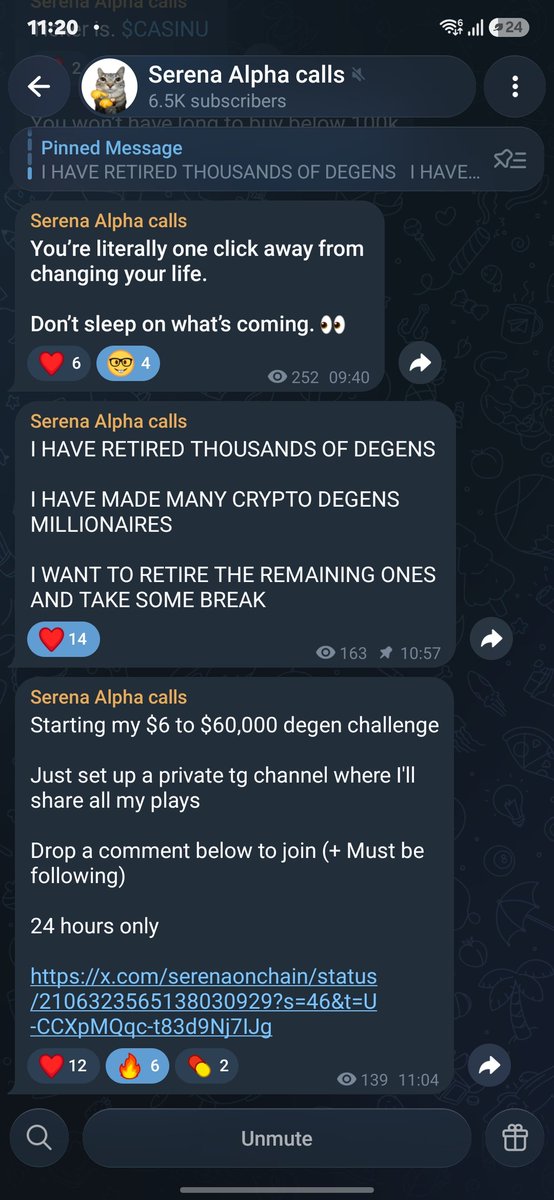
@mystayor@serenaonchain I've been a long time supporter of @serenaonchain.
She's one of the best alpha callers out there.
I hope I'm considered to be part of the lucky 6.
56N14kJt5hiVnbSQF7djsgT1YfbqZrRupdViMBeiXj5J
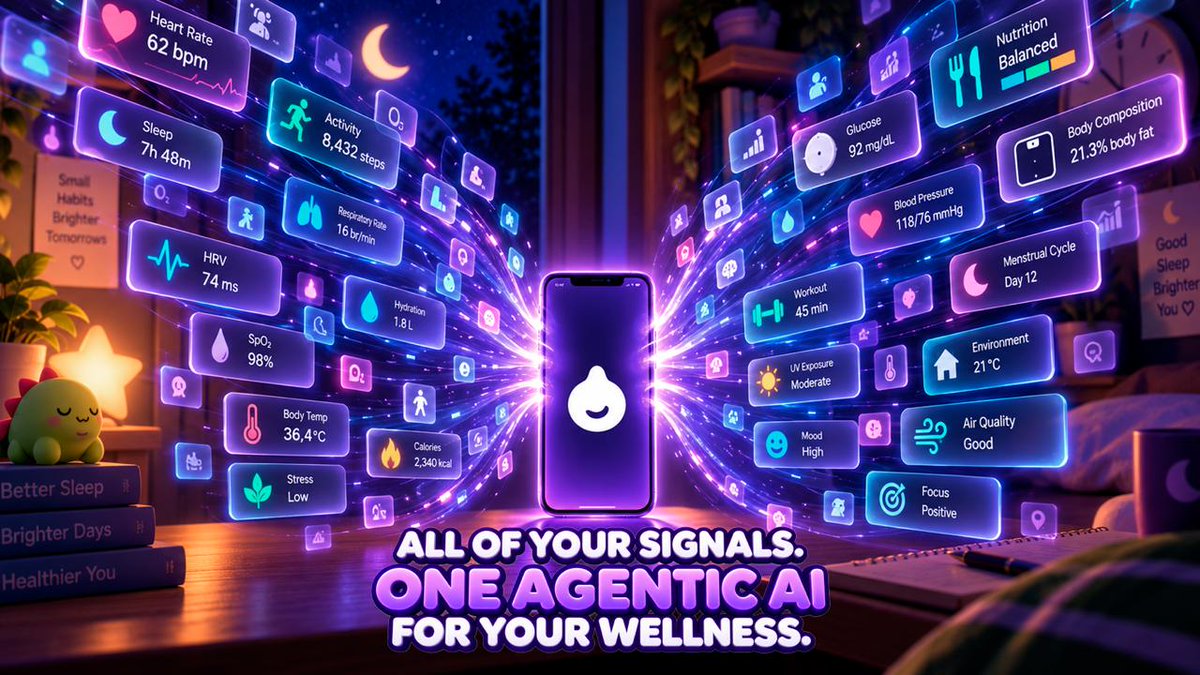
Sleep is one of the most valuable sources of personal health data, but the bigger opportunity is turning that data into something users can actually benefit from.
@sleepagotchi is evolving beyond its original sleep to earn model toward an intelligence layer for the wellness economy, bringing together AI agents, wearables, wellness tools and user owned value.
What I find particularly interesting is the idea of connecting these experiences instead of keeping health data and wellness applications isolated. Personalized insights, coordinated AI agents and user ownership could create a more useful relationship between daily habits and digital wellness.
The real challenge is making this vision practical, with experiences that are engaging, accessible and genuinely useful in everyday life.
For me, @sleepagotchi is worth watching for its ambition to connect wellness, AI and user owned value in one growing ecosystem.
I usually lose interest pretty quickly when a project gives me one feature and spends the next few months talking about it, so I approached @PlayOnMint with no big expectations
What changed my mind was actually using the product and finding more depth than I expected
The mix of games, sports and predictions gives you different things to explore, while Mint ID and the activity side make your account feel like something you are building over time rather than just a wallet connected to a website
Even the XP and ranking mechanics make more sense after you actually see them in context, and the different reward options add another reason to understand how the platform works
I still have more to explore, but I prefer this kind of discovery where the product gives me reasons to keep clicking instead of the post doing all the convincing for it
I used to evaluate crypto tools by what they could do.
I started evaluating them by what they expose.
That shift changed everything about how I look at payments infrastructure.
Most products add privacy as a toggle. Something you turn on when you remember to. An extra step sitting on top of a system that was built to be transparent by default.
@Americanfort_io is built from the opposite direction.
A FortressName that never resolves to a permanent public wallet. A fresh one-time address generated for each payment so incoming history never accumulates on one string. The recipient knows who paid them. Outside observers see nothing they can connect.
One name working across 13 integrated networks today.
Privacy is not a feature bolted onto the side of something.
It is the direction the entire architecture is built toward from the start.
That distinction is the one I keep coming back to.
Claim your free FortressName here 👇
https://t.co/XJ9eXQ2Eat
You type "I'm so sure this drops tomorrow, I'll buy dinner if I'm wrong" in the group chat.
A friend replies with a quick deal.
No money actually changes hands.
When you end up being right, you never get paid for your accuracy.
You just get the satisfaction of sending an "I told you so" text.
Arguing is free, but conviction requires liquidity.
We run informal prediction markets in our direct messages every single day.
Yet there is no mechanism to price that accuracy or let the skeptics buy into your read before the event actually happens.
That is exactly the friction $PROPHET removes on Robinhood Chain.
It turns those casual group chat debates into tokenized prediction positions.
You are no longer just arguing for pride.
You hold an asset you can literally sell to your skeptical friend before the event resolves.
What is the most confident call you have ever made in a group chat that never actually paid out?
gm fam
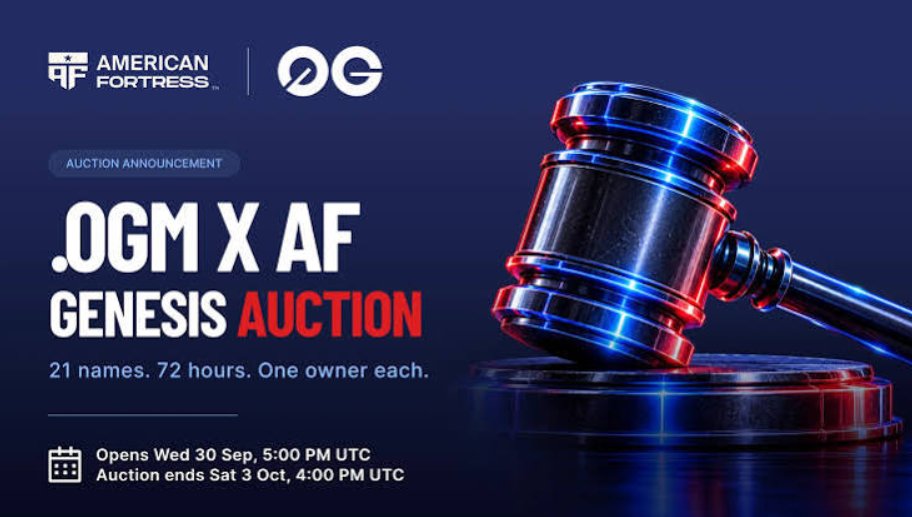
Been refreshing the auction page more than I want to admit.
The clock on the @Americanfort_io .0gm names is basically gone after tomorrow.
Still not sure if grabbing one is just vanity or something I’d actually use.
The part that stuck is the free identity verification that ships with the wallet. You prove to whoever is sending you money that the name is really you, zero extra cost. That proof stays between you and them. It doesn’t get written into the public transaction history the way normal address reuse does.
Send to Name already computes a fresh one-time address only the two of you can derive. Covered under their granted patent, the name never points at one permanent wallet onchain. Adding selective proof on top means you can still show source or ownership when a counterparty actually needs it, without handing over the rest of the trail or relying on a mixer pool.
Short names like pay feel useful for receiving. But only if the verification stays optional and doesn’t quietly become the default record.
Still grinding the same loop of checking which names are left.
Anyone actually planning to use the verification once the wallet is out, or does the one-time address part already cover what you need? @Americanfort_io