🏙️ Sky-High Supertall — Lokhandwala Minerva 🇮🇳!
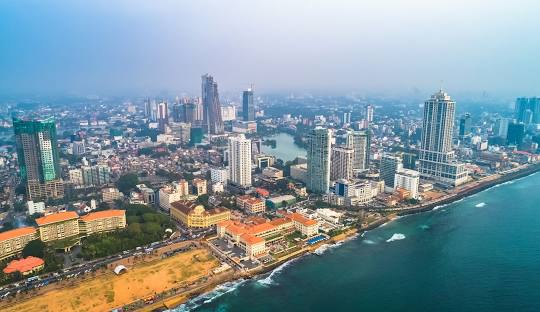
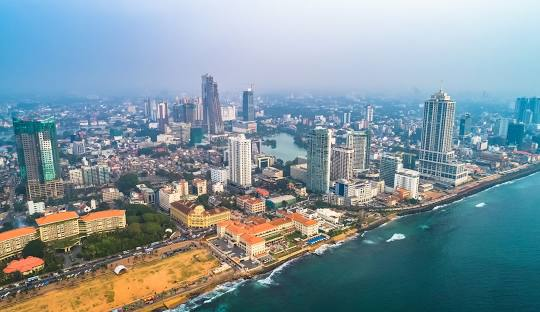
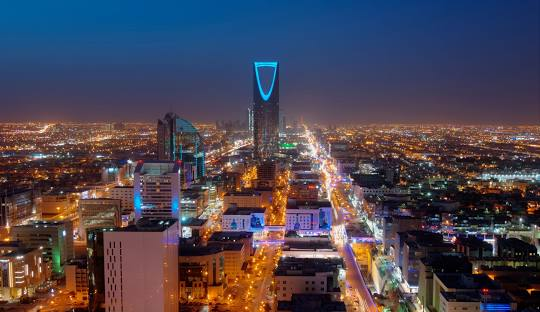
Completed in 2023 after construction began in 2011, Lokhandwala Minerva was developed by Lokhandwala Infrastructure in the Mahalaxmi area of South Mumbai, India. Standing at an architectural height of 300.6 meters across 78 floors, it became India's tallest completed building and only the second structure in the country to cross the supertall threshold of 300 meters. Strikingly, the tower rose as part of a wider redevelopment of a 2.6 hectare informal settlement, transforming the site into a luxury residential landmark.
Designed by celebrated Indian architect Hafeez Contractor with J+W Consultants as structural engineers, the dual-tower residential complex uses an all-steel structural system for both vertical and lateral load resistance, rising above a 12-storey parking podium. The tower houses 362 marketable apartments and earned an IGBC Gold certification for sustainable design, blending slender supertall engineering with panoramic views of the Arabian Sea and Mahalaxmi Racecourse. Its sleek glass and steel facade has become a defining new silhouette on Mumbai's skyline, visible from Marine Drive and Worli.
For Mumbai, Minerva represents the city's leap into supertall vertical living, proving that soil and seismic challenges in dense urban cores can be engineered around. It now stands as India's tallest completed residential skyscraper, a record-holder closely watched alongside the still-under-construction Palais Royale.
What do you think — does Mumbai's skyline rival the world's great vertical cities? And have you ever spotted Minerva rising over the Arabian Sea? Share your thoughts, favourite skyscraper landmarks, or if you've visited this legend! 👇
Global icons daily — join the community: https://t.co/jyYOD19jCf
#IconicBuildings #LokhandwalaMinerva #HafeezContractor #India #Mumbai #WorldLandmarks
Today our City by City: The World Unlocked Series continues — City 210 ↓
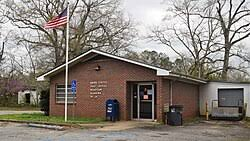
🏙️ Kennedy, Alabama — A Quiet Lamar County Crossing on the Sipsey River 🌲
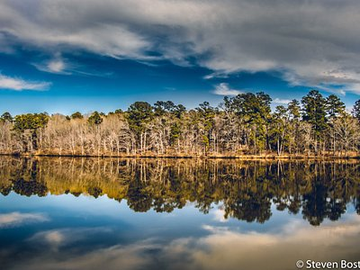
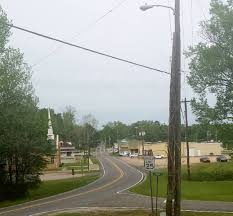
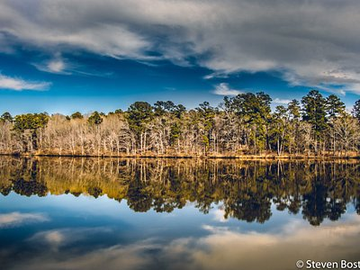
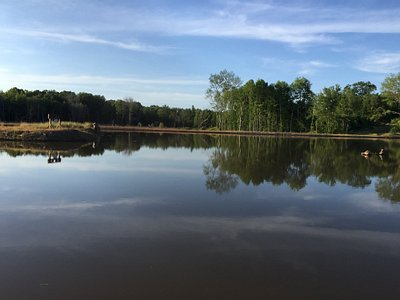
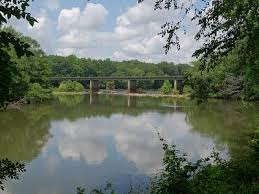
Kennedy is a small town located in Lamar County in west-central Alabama, situated near the banks of the Sipsey River close to the Mississippi state line, approximately 25 miles southwest of Winfield and roughly 60 miles west of Tuscaloosa. The town developed in the early 20th century as a rural rail and timber community, growing modestly as the surrounding forests and farmland of Lamar County supported small-scale logging and agricultural trade in this remote corner of the state. Kennedy operates under a mayor-council form of government and remains one of the smaller incorporated towns in Lamar County, holding onto a distinctly rural and self-sufficient character shaped by its distance from any major metropolitan center. Life here is slow and close to the land, with the Sipsey River and the surrounding pine forests forming the backdrop to a community that has remained quiet and largely unchanged for generations.
Today Kennedy is a tiny, tucked-away town of modest homes and wooded countryside where the gentle presence of the Sipsey River adds a peaceful, natural rhythm to daily life.
🔥 Fun Fact: The Sipsey River, which flows near Kennedy, is part of one of the most ecologically significant river systems in Alabama, supporting one of the highest concentrations of freshwater mussel and fish species diversity in North America, making this quiet corner of Lamar County an unexpected hotspot of biological richness.
Population was recorded at approximately 411 in the 2020 U.S. Census, with current estimates ranging between 380 and 440. This town is a hidden find for nature lovers, river explorers, and anyone seeking the deep rural quiet of west Alabama near the Mississippi border.
#Kennedy #CityByCity #AtlasUnlocked #ExploreAlabama #HiddenGemsUSA #SmallTownAmerica #LamarCountyAL #TravelUSA #CityByCitySeries #DiscoverUSA #SipseyRiver #AlabamaLife #WorldUnlocked #TravelFacts #WestAlabama
Today our City by City: The World Unlocked Series continues — City 210 ↓
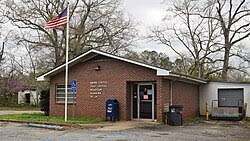
🏙️ Kennedy, Alabama — A Quiet Lamar County Crossing on the Sipsey River 🌲
Kennedy is a small town located in Lamar County in west-central Alabama, situated near the banks of the Sipsey River close to the Mississippi state line, approximately 25 miles southwest of Winfield and roughly 60 miles west of Tuscaloosa. The town developed in the early 20th century as a rural rail and timber community, growing modestly as the surrounding forests and farmland of Lamar County supported small-scale logging and agricultural trade in this remote corner of the state. Kennedy operates under a mayor-council form of government and remains one of the smaller incorporated towns in Lamar County, holding onto a distinctly rural and self-sufficient character shaped by its distance from any major metropolitan center. Life here is slow and close to the land, with the Sipsey River and the surrounding pine forests forming the backdrop to a community that has remained quiet and largely unchanged for generations.
Today Kennedy is a tiny, tucked-away town of modest homes and wooded countryside where the gentle presence of the Sipsey River adds a peaceful, natural rhythm to daily life.
🔥 Fun Fact: The Sipsey River, which flows near Kennedy, is part of one of the most ecologically significant river systems in Alabama, supporting one of the highest concentrations of freshwater mussel and fish species diversity in North America, making this quiet corner of Lamar County an unexpected hotspot of biological richness.
Population was recorded at approximately 411 in the 2020 U.S. Census, with current estimates ranging between 380 and 440. This town is a hidden find for nature lovers, river explorers, and anyone seeking the deep rural quiet of west Alabama near the Mississippi border.
#Kennedy #CityByCity #AtlasUnlocked #ExploreAlabama #HiddenGemsUSA #SmallTownAmerica #LamarCountyAL #TravelUSA #CityByCitySeries #DiscoverUSA #SipseyRiver #AlabamaLife #WorldUnlocked #TravelFacts #WestAlabama
Today our City by City: The World Unlocked Series continues — City 210 ↓
🏙️ Kennedy, Alabama — A Quiet Lamar County Crossing on the Sipsey River 🌲
Kennedy is a small town located in Lamar County in west-central Alabama, situated near the banks of the Sipsey River close to the Mississippi state line, approximately 25 miles southwest of Winfield and roughly 60 miles west of Tuscaloosa. The town developed in the early 20th century as a rural rail and timber community, growing modestly as the surrounding forests and farmland of Lamar County supported small-scale logging and agricultural trade in this remote corner of the state. Kennedy operates under a mayor-council form of government and remains one of the smaller incorporated towns in Lamar County, holding onto a distinctly rural and self-sufficient character shaped by its distance from any major metropolitan center. Life here is slow and close to the land, with the Sipsey River and the surrounding pine forests forming the backdrop to a community that has remained quiet and largely unchanged for generations.
Today Kennedy is a tiny, tucked-away town of modest homes and wooded countryside where the gentle presence of the Sipsey River adds a peaceful, natural rhythm to daily life.
🔥 Fun Fact: The Sipsey River, which flows near Kennedy, is part of one of the most ecologically significant river systems in Alabama, supporting one of the highest concentrations of freshwater mussel and fish species diversity in North America, making this quiet corner of Lamar County an unexpected hotspot of biological richness.
Population was recorded at approximately 411 in the 2020 U.S. Census, with current estimates ranging between 380 and 440. This town is a hidden find for nature lovers, river explorers, and anyone seeking the deep rural quiet of west Alabama near the Mississippi border.
#Kennedy #CityByCity #AtlasUnlocked #ExploreAlabama #HiddenGemsUSA #SmallTownAmerica #LamarCountyAL #TravelUSA #CityByCitySeries #DiscoverUSA #SipseyRiver #AlabamaLife #WorldUnlocked #TravelFacts #WestAlabama
🏰✨ — Château de Chenonceau 🇫🇷!
Built between 1513 and 1522 by Thomas Bohier, finance minister to King Francis I, and his wife Katherine Briçonnet, this Renaissance jewel rises gracefully from the waters of the River Cher in the Loire Valley. Its most striking feature is the way the entire building seems to float above the river, earning it the nickname "le château au milieu de l'eau" (the castle in the middle of the water). Catherine de' Medici later commissioned the grand gallery spanning the river, designed atop Philibert de l'Orme's bridge by architect Jean Bullant.
The château blends late Gothic and early Renaissance styles, with pointed arches, ribbed vaults, and corbelled turrets sitting alongside classical pilasters and pediments. Its elegant white stone façade, grey slate roofs, and the 60-metre gallery over the Cher create one of the most photographed silhouettes in France. Inside, richly decorated ceilings, tapestries, and Old Master paintings fill rooms shaped by centuries of aristocratic patronage.
Known as "Château des Dames" for the powerful women — Diane de Poitiers, Catherine de' Medici, and Louise Dupin among them — who shaped its design and saved it through revolution and war 👑.
A UNESCO World Heritage site as part of the Loire Valley since 2017, it remains the second most visited château in France after Versailles 🏛️.
Which architectural style speaks to you more — Gothic drama or Renaissance elegance? And have you ever floated beneath a castle on a kayak? Share your thoughts, favourite Loire Valley landmarks, or if you've visited this legend! 👇
Global icons daily — join the community: https://t.co/jyYOD19jCf
#IconicBuildings #ChateauDeChenonceau #RenaissanceArchitecture #France #LoireValley #WorldLandmarks
Today our City by City: The World Unlocked Series continues — City 209 ↓
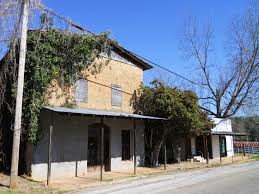
🏙️ Kellyton, Alabama — A Small Coosa Valley Town Rooted in Railroad Days 🚂
Kellyton is a small town located in Coosa County in east-central Alabama, situated along the historic railroad corridor of the Coosa Valley region, approximately 15 miles southwest of Alexander City and roughly 50 miles northeast of Montgomery. The town developed in the late 19th century as a railroad stop and small agricultural trade center, growing modestly as the rail line brought commerce and connectivity to the rural farming communities scattered throughout Coosa County. Kellyton operates under a mayor-council form of government and remains one of the smaller incorporated towns in Coosa County, retaining the close, rural character that has long defined this sparsely populated stretch of east-central Alabama. Life here is quiet and grounded, shaped by small farms, longstanding family ties, and the unhurried pace typical of Coosa County's rural communities.
Today Kellyton is a modest, peaceful town of scattered homes and open farmland where the legacy of its railroad-era origins lingers quietly in the landscape.
🔥 Fun Fact: Coosa County, where Kellyton is located, remains one of the least populated counties in Alabama and has no incorporated city larger than a few thousand residents, making towns like Kellyton an authentic window into the kind of deeply rural, low-density community life that has become increasingly rare across the modern American South.
Population was recorded at approximately 218 in the 2020 U.S. Census, with current estimates ranging between 200 and 240. This town is a quiet stop for travelers seeking the genuine, unpolished rural character of east-central Alabama's Coosa Valley.
#Kellyton #CityByCity #AtlasUnlocked #ExploreAlabama #HiddenGemsUSA #SmallTownAmerica #CoosaCountyAL #TravelUSA #CityByCitySeries #DiscoverUSA #CoosaValley #AlabamaLife #WorldUnlocked #TravelFacts #EastCentralAlabama
Today our City by City: The World Unlocked Series continues — City 209 ↓
🏙️ Kellyton, Alabama — A Small Coosa Valley Town Rooted in Railroad Days 🚂
Kellyton is a small town located in Coosa County in east-central Alabama, situated along the historic railroad corridor of the Coosa Valley region, approximately 15 miles southwest of Alexander City and roughly 50 miles northeast of Montgomery. The town developed in the late 19th century as a railroad stop and small agricultural trade center, growing modestly as the rail line brought commerce and connectivity to the rural farming communities scattered throughout Coosa County. Kellyton operates under a mayor-council form of government and remains one of the smaller incorporated towns in Coosa County, retaining the close, rural character that has long defined this sparsely populated stretch of east-central Alabama. Life here is quiet and grounded, shaped by small farms, longstanding family ties, and the unhurried pace typical of Coosa County's rural communities.
Today Kellyton is a modest, peaceful town of scattered homes and open farmland where the legacy of its railroad-era origins lingers quietly in the landscape.
🔥 Fun Fact: Coosa County, where Kellyton is located, remains one of the least populated counties in Alabama and has no incorporated city larger than a few thousand residents, making towns like Kellyton an authentic window into the kind of deeply rural, low-density community life that has become increasingly rare across the modern American South.
Population was recorded at approximately 218 in the 2020 U.S. Census, with current estimates ranging between 200 and 240. This town is a quiet stop for travelers seeking the genuine, unpolished rural character of east-central Alabama's Coosa Valley.
#Kellyton #CityByCity #AtlasUnlocked #ExploreAlabama #HiddenGemsUSA #SmallTownAmerica #CoosaCountyAL #TravelUSA #CityByCitySeries #DiscoverUSA #CoosaValley #AlabamaLife #WorldUnlocked #TravelFacts #EastCentralAlabama
⛪🙌 Christ the Redeemer — Rio de Janeiro, Brazil! 🇧🇷
The foundation stone for this colossal monument was laid on April 4, 1922, after Brazil's Catholic community and engineer Heitor da Silva Costa won approval from President Epitácio Pessoa to crown Corcovado mountain with a statue of Jesus. Construction took five grueling years, from 1926 to 1931, and was funded almost entirely through donations from the local Catholic community. Standing 30 meters tall on an 8-meter pedestal with arms stretching 28 meters wide, it became the world's tallest statue of Christ upon completion.
Sculptor Paul Landowski crafted the original clay model in France, while Romanian sculptor Gheorghe Leonida carved the serene face, and French engineer Albert Caquot helped solve the structural challenge of the open-armed Art Deco design. The entire body was built from reinforced concrete and hand-covered with roughly 6 million small soapstone tiles, giving it a warm, textured glow against the sky. To this day it remains the largest Art Deco sculpture on Earth.
For nearly a century, this gentle giant has stood as the ultimate symbol of Rio's welcoming spirit and Brazil's faith and identity. Crowned one of the New Seven Wonders of the World in 2007, it's also one of the most visited and photographed monuments on the planet.
What's it like to stand at the foot of this giant? Does it beat the view from Sugarloaf Mountain for you? Share your thoughts, favourite religious landmarks, or if you've visited this legend! 👇
Global icons daily — join the community: https://t.co/jyYOD19jCf
#IconicBuildings #ChristTheRedeemer #ArtDeco #Brazil #RioDeJaneiro #WorldLandmarks