Explore the College of Mines and Earth Sciences at the @UUtah and discover YOUR passion!
Whether it’s studying climate change, creating renewable energy resources or discovering a new dinosaur. You can tackle any of the world’s grand challenges HERE.
🔗https://t.co/exCvjK7HIL
We're fueling scientific breakthroughs! 9% student growth, $2M in scholarships, new Applied Science Building in 2025. Help us empower the next generation of STEM leaders this #GivingTuesday. Donate today: https://t.co/Y5hbivy7PZ
With the passage of Utah’s Amendment B, the College of Mines and Earth Sciences at the University of Utah is set to receive increased funding from state trust lands.
https://t.co/I3NKsXIiJS
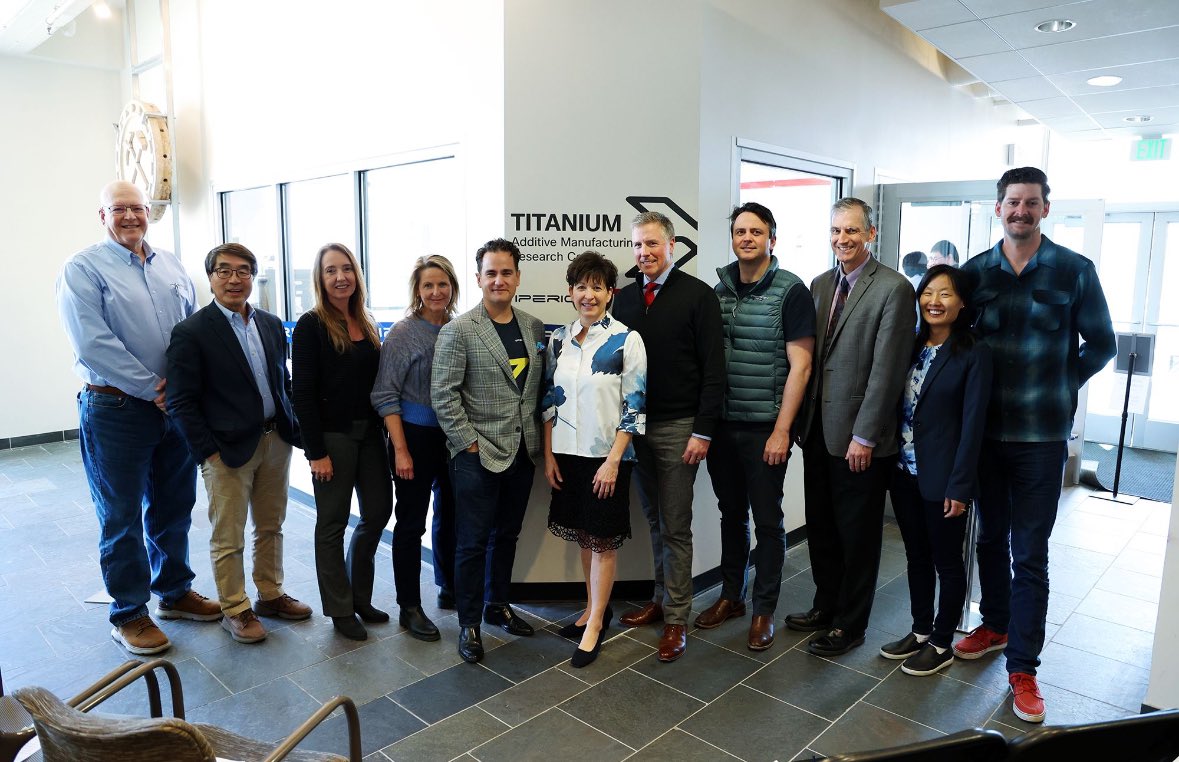
Dr. Fang and his research team developed an energy-efficient process for producing titanium, using hydrogen to significantly reduce the energy consumption and CO2 emissions in its production.
Read more here:
https://t.co/f4HwFPbkgM (https://t.co/f4HwFPbkgM)
The @uofu_science has appointed Denee Hayes as its newest Senior Fellow. Hayes, a Mining Engineering alumna, will advise on energy and environmental issues, help form a new advisory board, and support workforce development programs. Congrats!
Read More
https://t.co/TELeaVN07c
We are so excited to announce our upcoming Mining Rocks Open House! Please join us October 30th, 2024. Come to participate in mining demonstrations, meet our current faculty, get scholarship information, and learn about careers in mining engineering.
#universityofutah#mining
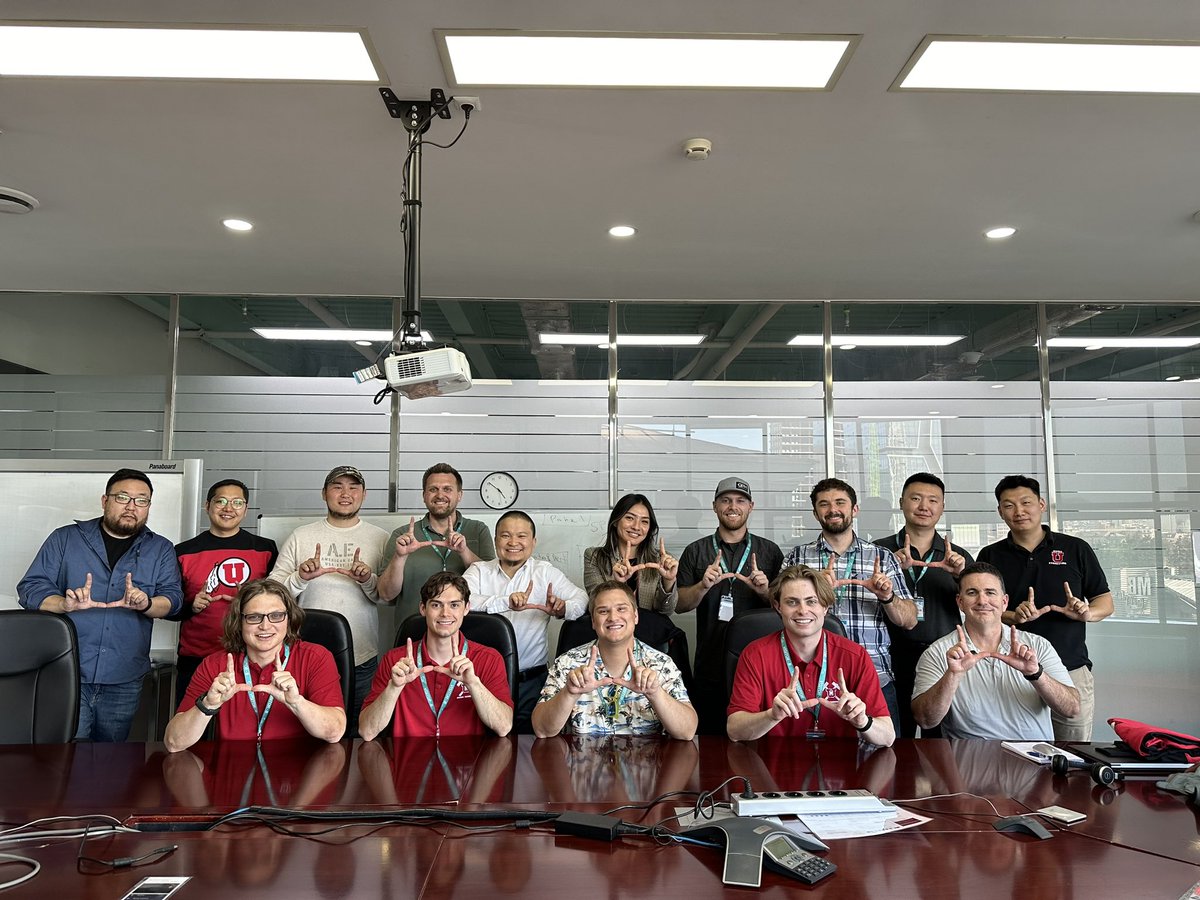
U of U Mining Engineering students and faculty recently traveled internationally to visit the Oyu Tolgoi Mine in Mongolia where they were able to spend time learning and collaborating with U alumni currently working at the mine. The U’s impact is worldwide #weareminingengineering
Bereket Haileab, a graduate of the geology program at the U of U, currently serves as the chair and professor of geology at Carleton College. With a commitment to both research and teaching, he has made significant contributions to the field.
https://t.co/gLX0yfreJm @UofUGeo
Happy U Giving Day!
Please consider donating to one of our pages this year to make a difference!
Thank you for all your support in helping U science students achieve their dreams!
https://t.co/F2g0D2zMEO
Rolling Stone magazine quoted Brenda Bowen, a geoscientist from the U of U, in an article highlighting the return of rapids along the Colorado River. https://t.co/5nqMvbtlZJ
PhD student Erin Jensen used seismic resonance measurements to analyze the Courthouse Crack, a potentially hazardous rock slope near Moab, Utah, revealing insights into its instability beyond surface assessment.
https://t.co/WvwIBuhuqG
#uofugeo#moreforu#geology
Ute Analytics, a free Windows-based software designed by Mining Engineers Lewis Oduro and Rajive Ganguli, has made a global impact with downloads worldwide. Download today
https://t.co/Jt6Cv65HDW... to clean, apply filters, conduct exploratory data analysis, and more. #uofumining
As we prepare for 2024 we want to thank the many donors that have contributed to the College of Science in 2023. We are very grateful for your generosity in helping us discover, learn, and achieve. If you’d still like to contribute visit our website. #ThankU#Gratitude
An international team of scientists, including geologists Sarah Lambart and Dustin Harper, uncovered how underwater volcanoes and vent release methane drove ancient climate change, offering insights into today’s challenges. #GeologyDiscovery#ClimateInsights
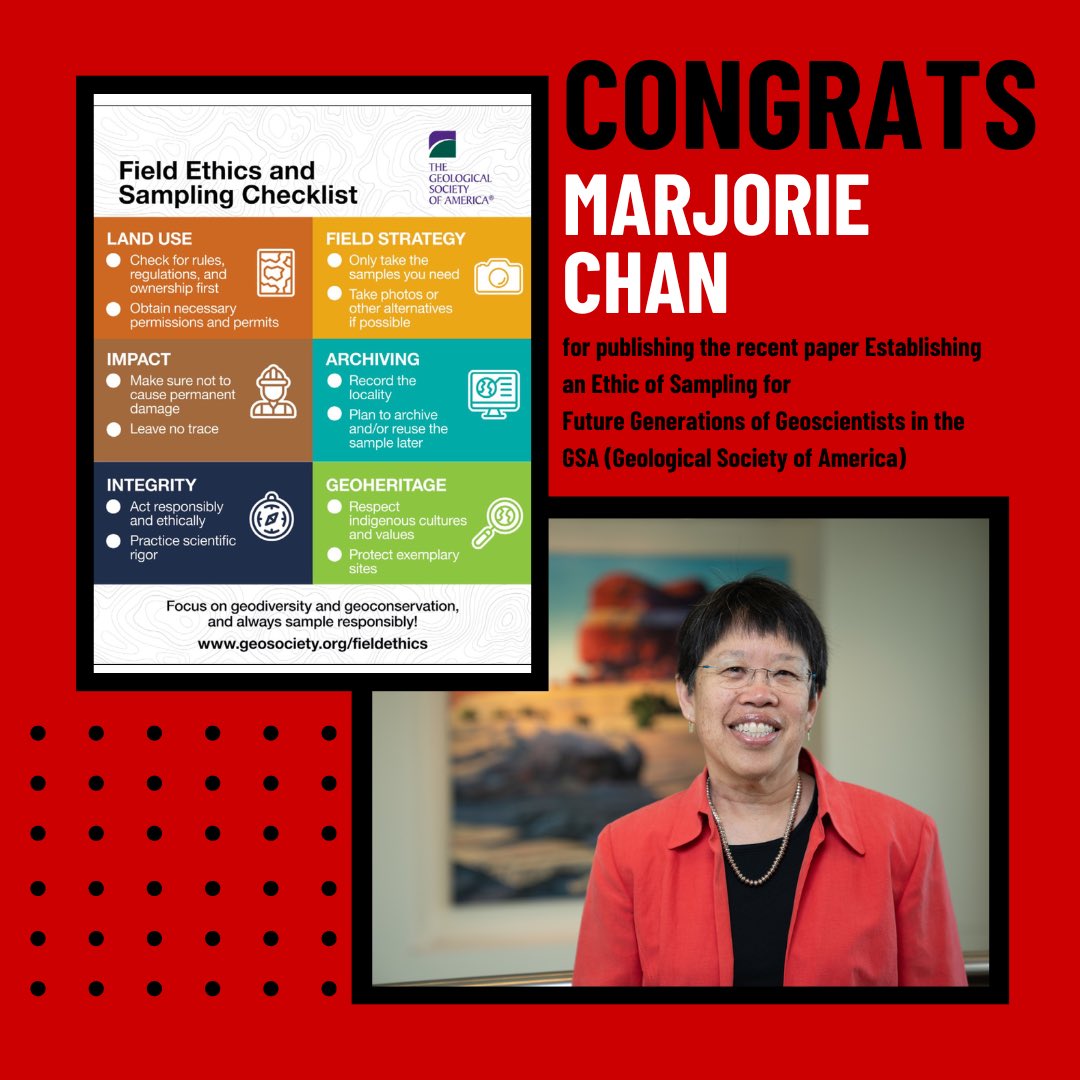
Growing concerns about the ethics of geologic sampling are relevant to teaching, research, and our geoheritage. Marjorie Chan recently published a paper in this week’s GSA. #EthicsInGeology#GeoscienceStandards
Access the full article here:
https://t.co/yLVJ17KMKw
Subbu Pathapati's groundbreaking paper on various separation technologies for rare earths, done under the supervision of Dr. Prashant Sarswat and Dr. Mike Free, has been featured in the latest edition of the REIA Global Rare Earth Industry Weekly Newsletter! 📰🔬 #REIA
"Most of the earthquakes rumbling under the West’s Great Basin come in surges, clustered together in time and place. Scientists call these seismic groups “swarms,” which are a distinct category from the numerous aftershocks following a big shake."
https://t.co/zNrpTh42v3