Let's conclude by listening to a remarkable Naat written by Imam Ahmed Raza Khan (born. 1856) called "Lam Yati Nazeeru Kafi Nazarin"
Remarkable because it is in 4 languages at once: Urdu, Hindi, Arabic, & Farsi! A tribute to the entire history of Naats
https://t.co/SfbVV9uqfS
A thread about the history of #Naats, a spiritual tradition cherished by Urdu-speaking communities worldwide.
Naats are poetic hymns sung in the praise of Prophet Muhammad, infusing profound love and reverence for the Prophet in the hearts of listeners. 🎵
Where did they start?
In modern times, Pakistani poets such Ahmad Faraz (born. 1931) have continued the tradition of writing Naats, while infusing them with contemporary reflections, eloquent metaphors and vivid images.
Here's Ahmad Faraz reciting a Naat himself: https://t.co/FEYeMFkDuz
The Urdu language is spoken by more than 200 million people. Ironically, the name of the language (Urdu) is itself a 𝑇𝑢𝑟𝑘𝑖𝑠ℎ word (Ordu) -- meaning army
How did Urdu get this name? The answer stretches back 800 years to not one army, but TWO 🧵
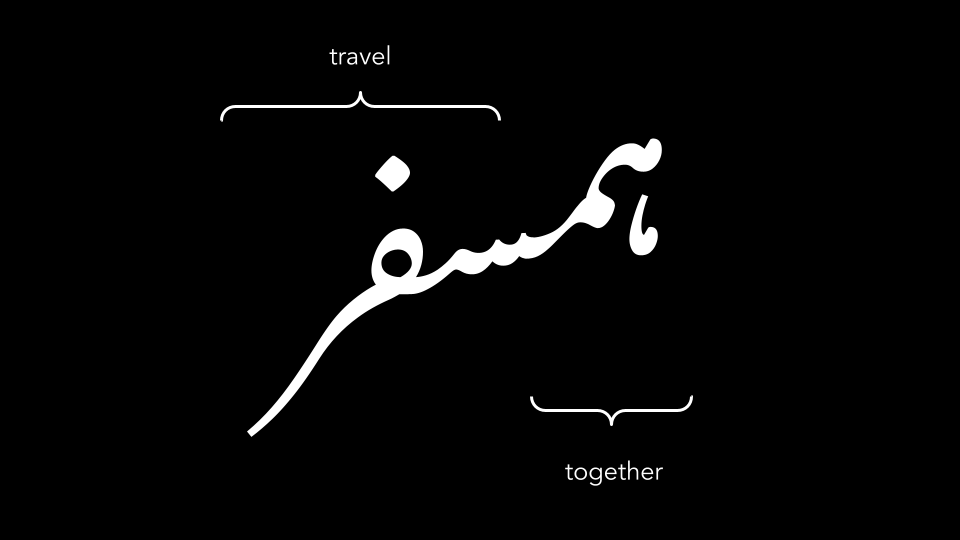
The popular 2011 Pakistani drama Humsafar (ہمسفر) was named after an Urdu word meaning: "companion"
But the simple translation hides a beautiful etymology:
- someone you travel (safar - سفر)
- together with (hum - ہم)
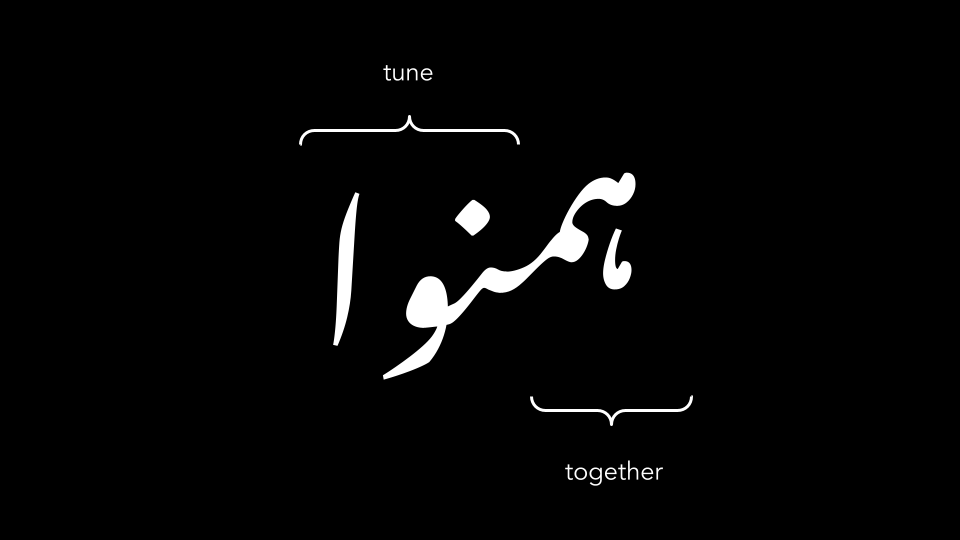
Below are some more words with the same prefix:
Under the Mughals, Urdu flourished as a literary language. As a court language, it became a status symbol to speak Urdu, and two ways to write it developed:
- Urdu (written right-to-left in Persian/Arabic script)
- Hindi (written left-to-right in the Devanagari script)