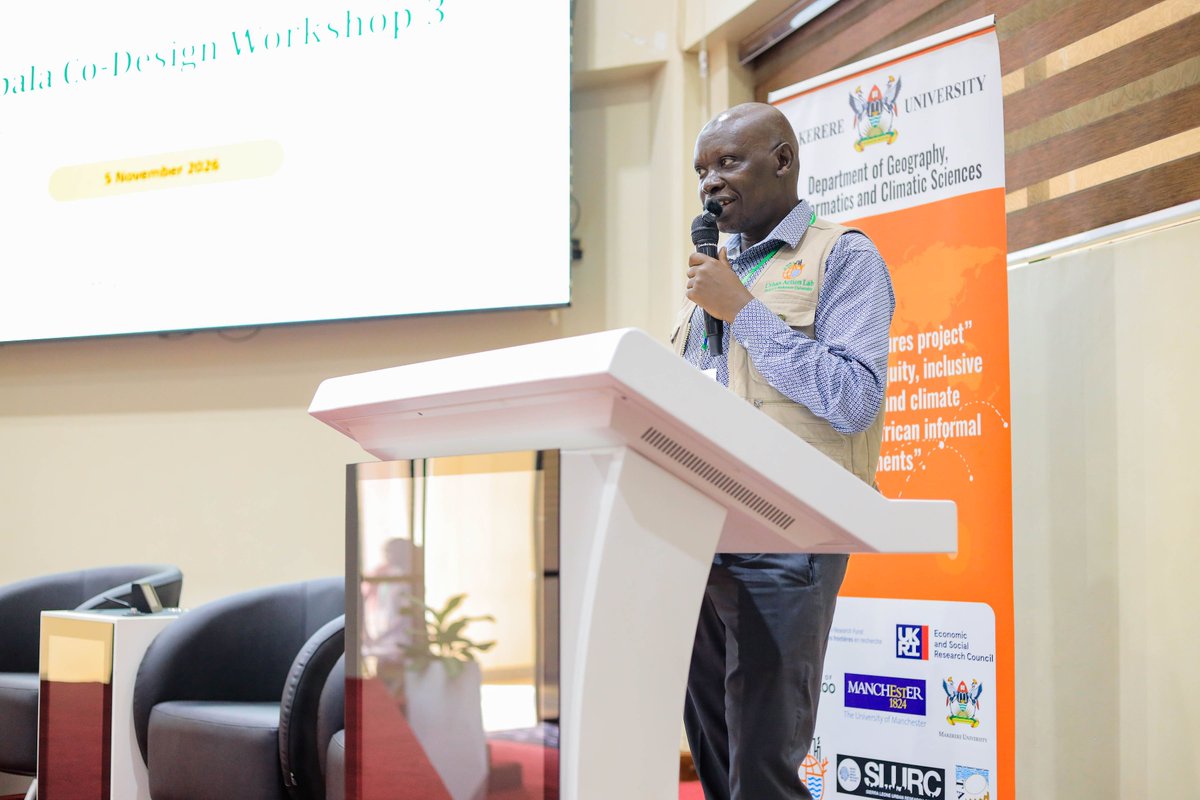
We want cleaner cities. But how often do we think about the people who do the cleaning?
One of the conversations that stood out during our third Urban Futures Co-Design Workshop concerned the working conditions of waste collectors.
Participants raised concerns about workers handling rubbish without adequate protective equipment, eating while surrounded by waste and facing possible health risks.
There were also discussions about access to healthcare, social protection and the responsibilities of waste collection companies towards their workers.
Different views emerged about the circumstances of people working in waste collection, but an important issue remained: the wellbeing of waste workers should be part of the conversation on improving waste management.
We cannot discuss healthier communities while overlooking the health and dignity of those providing essential cleaning services.
For me, this was another reminder of the value of co-design. It creates space to identify concerns that may receive less attention when discussions focus mainly on infrastructure, service coverage and environmental outcomes.
A sustainable city should not only be clean. It should also be a safer place for the people whose work keeps it clean.
#UrbanFutures #WasteWorkers #OccupationalHealth #InclusiveCities #CoDesign #UrbanHealth #SocialEquity
For some households, paying for waste collection means having less money for food.
This was one of the realities highlighted during our third Urban Futures Co-Design Workshop in Kampala.
A private waste collection service provider explained how rising fuel prices and operational costs have made it increasingly difficult to provide affordable services in low-income communities.
When collection fees increase, some households cannot afford them. When providers keep fees low, they may have to reduce the frequency of collection.
The result? Waste accumulates in communities, sometimes ending up in drainage channels and contributing to flooding.
Participants discussed possible solutions, including fuel support for contracted waste collectors and more reliable collection arrangements.
The important lesson is that improving waste management is not simply about providing more trucks. We must also consider affordability, the cost of providing services and the economic realities of the communities being served.
This is why co-design matters. It brings service providers and communities into the same conversation, helping us understand the challenges from both sides before proposing solutions.
@Makerere@MakerereNews@HakimuSseviiri@pmukwaya@NamuliFisa@KCCAUG
@yowaste
#UrbanFutures #CoDesign #UrbanInequality #WasteManagement #UrbanGovernance #ClimateResilience
" A Kampala where waste is effectively managed, drainage systems function well, flooding risks are reduced, communities are healthier, and all stakeholders work together to support climate-resilient informal settlements."
This was the shared vision that guided our third Urban Futures Co-Design Workshop. But what would it take to turn this vision into reality?
For us, it means moving beyond simply collecting waste to reducing waste at source, improving disposal practices and supporting recycling. It means having drainage systems that can manage stormwater effectively, while ensuring that communities are better protected from flooding and its impacts on health and livelihoods.
Above all, it means recognising that no single institution or community can achieve this vision alone.
Households, community leaders, waste collectors, KCCA, government institutions, civil society organisations and researchers all have important roles to play.
During Workshop 3, we moved from understanding the challenges to collectively identifying the changes we want to see and the pathways that could help us get there.
The Kampala we envision is not just cleaner and less prone to flooding. It is a city where communities have a voice, institutions work together, and climate resilience is built through shared responsibility and action.
#UrbanFutures #CoDesign #ClimateGovernance #UrbanResilience #WasteManagement #FloodRiskManagement #ParticipatoryActionResearch #Kampala
@HSseviiri@pmukwaya@NamuliFisa@KCCAUG@NPA_UG@ministry_lands@min_waterUg
Kampala’s drainage crisis is costing more than money. When rainfall meets blocked drains, homes flood, properties are destroyed, and communities face serious health risks.
This raises an important question: Is waste management solely the government’s responsibility, or do we all have a role to play?
@KCCAUG@AlurLillia8766@ministry_lands
@hakimusseviri
@pmukwaya
Watch the full video here: https://t.co/R1ox3Ddt6S
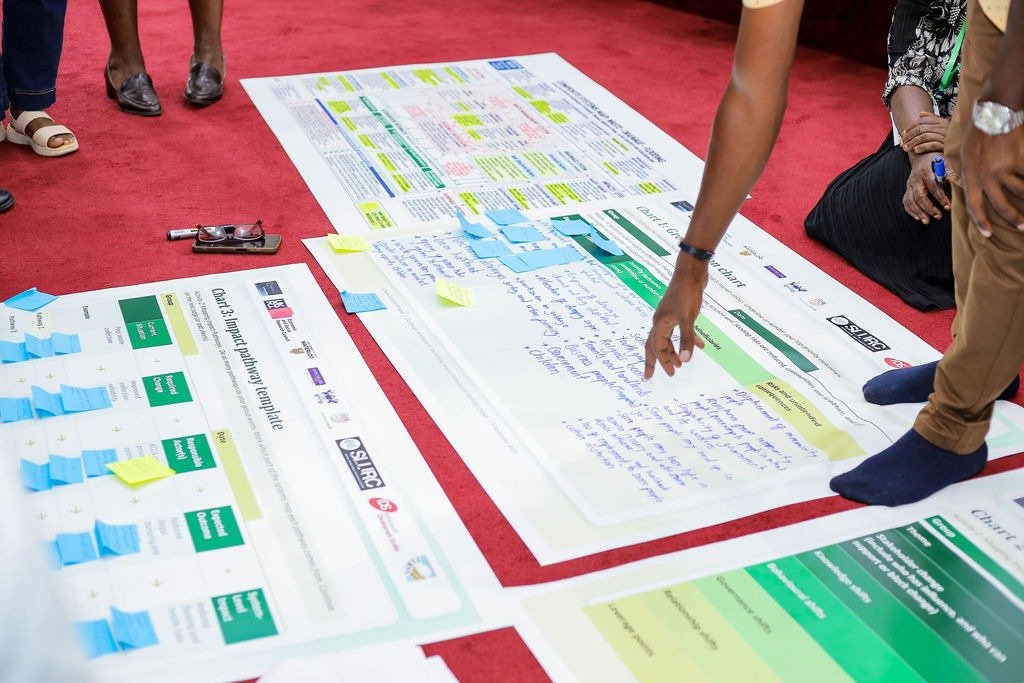
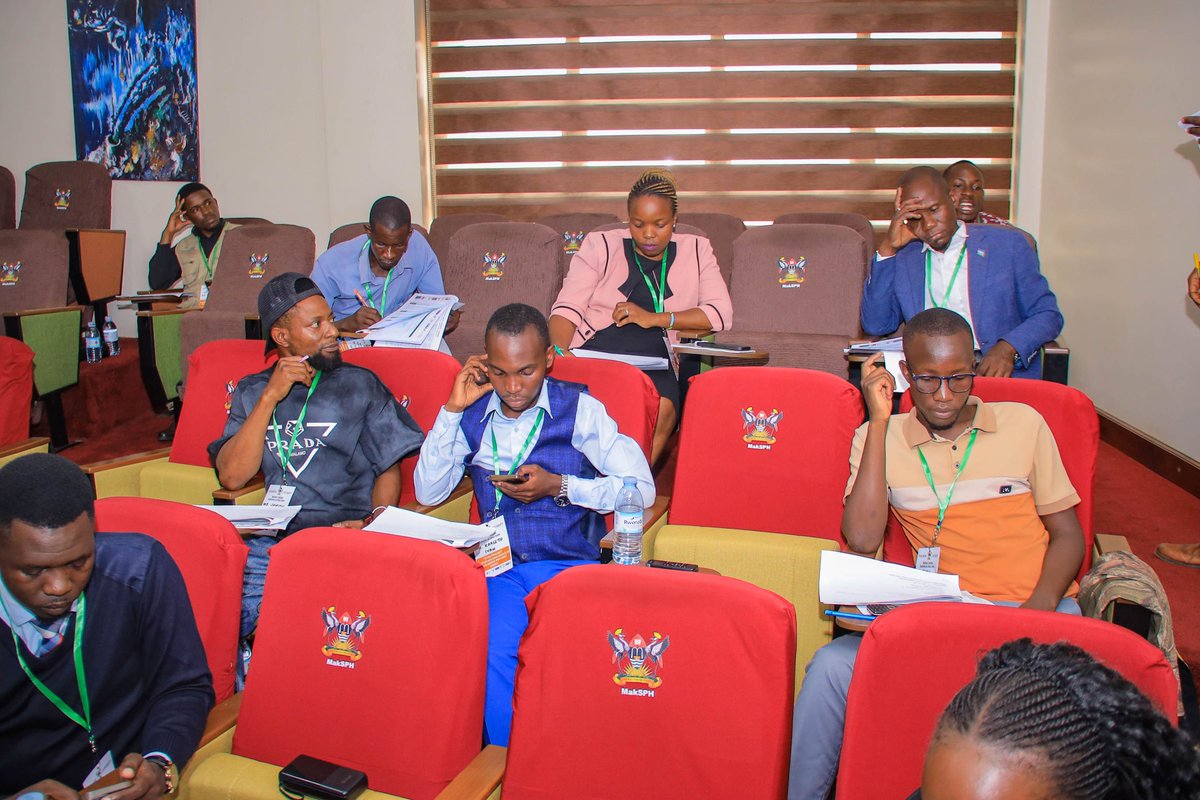
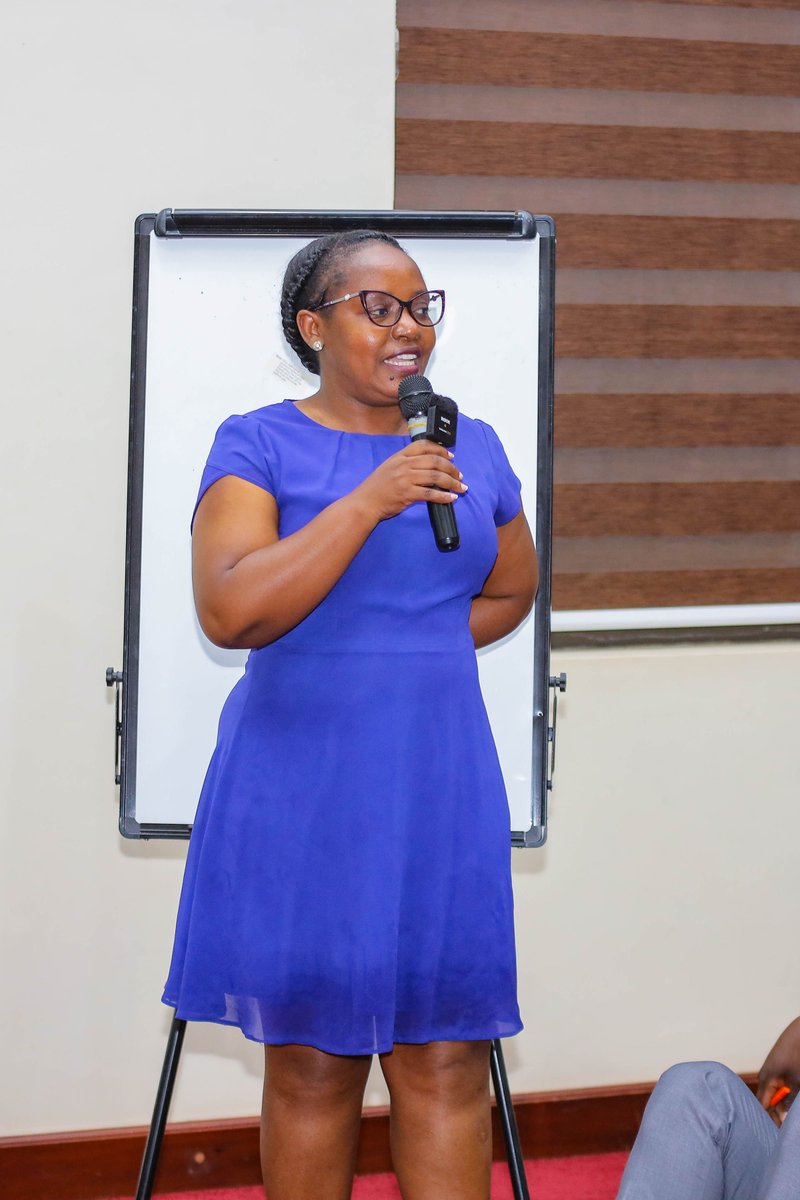
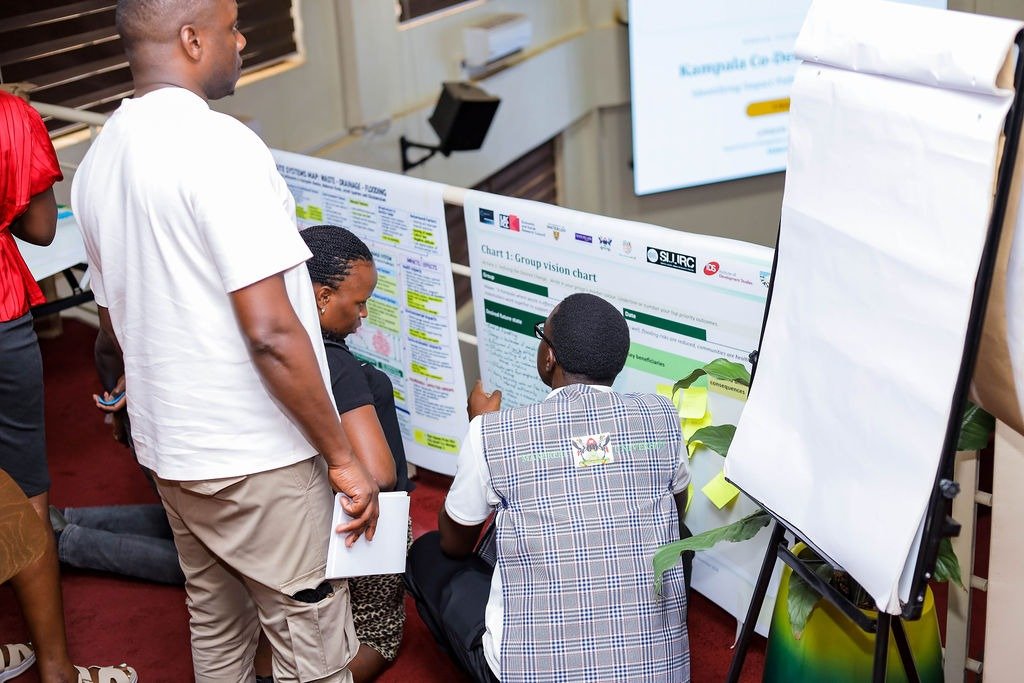
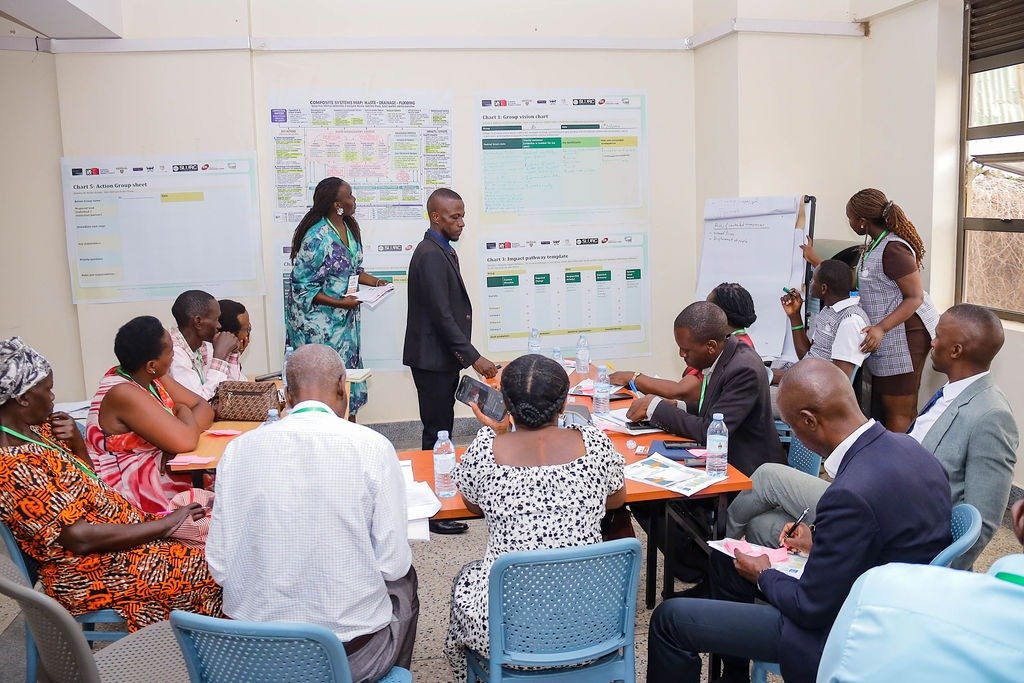
Today's Urban Futures co-design workshop was all about identifying practical solutions and pathways to address waste management and drainage challenges in Kampala's informal settlements.
We began with a simple but important question: What kind of Kampala do we want to see?
From there, we described the changes needed to achieve that vision, explored possible solutions, and identified pathways and actors that could help turn those ideas into action.
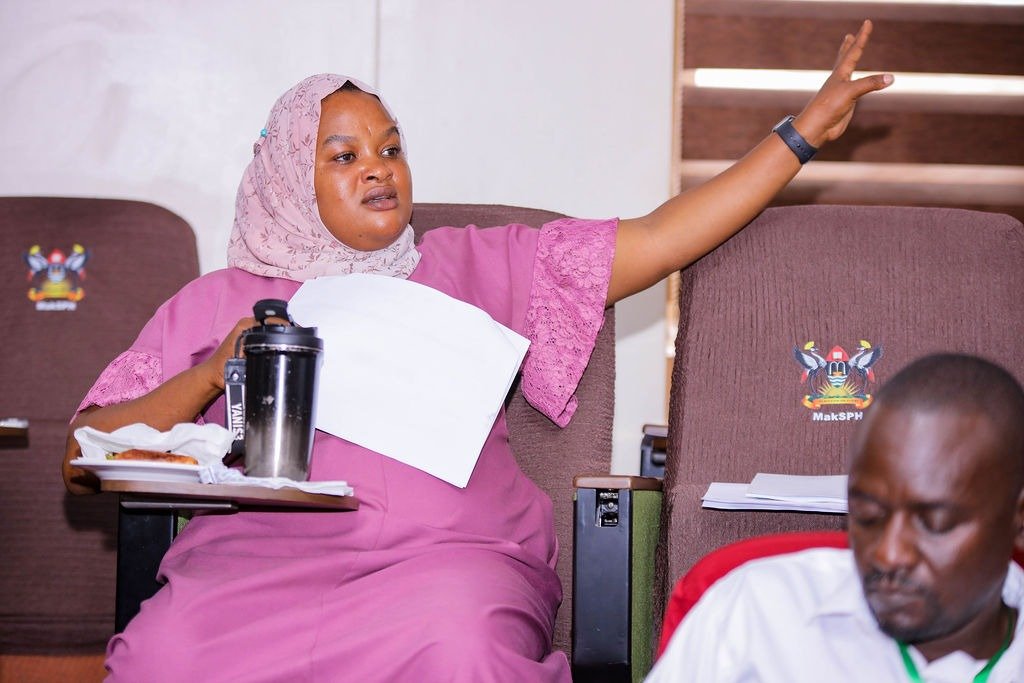
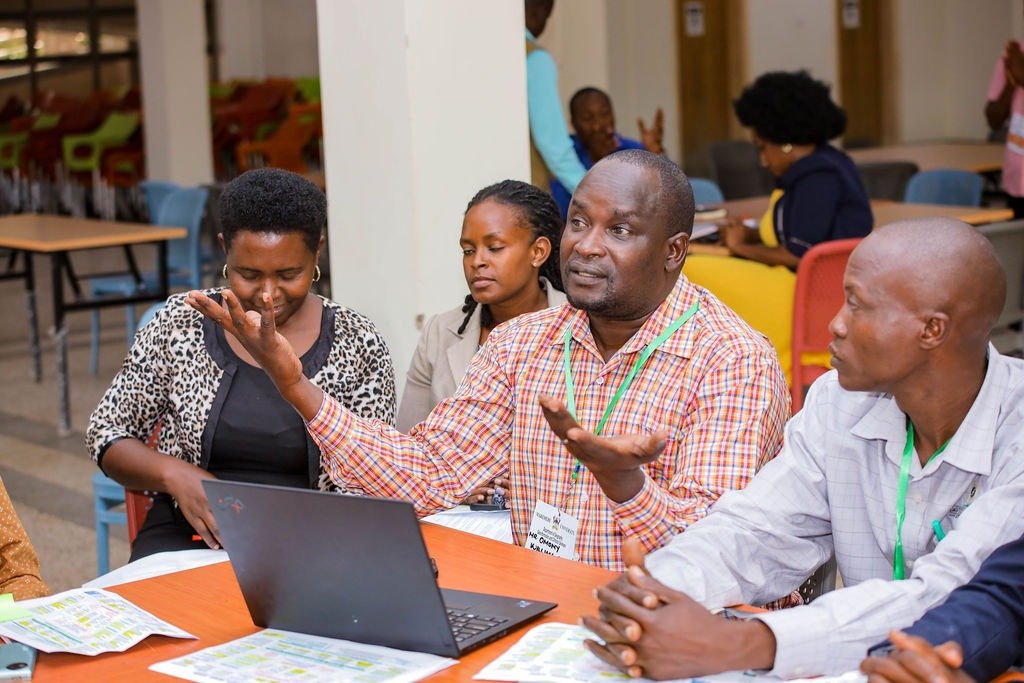
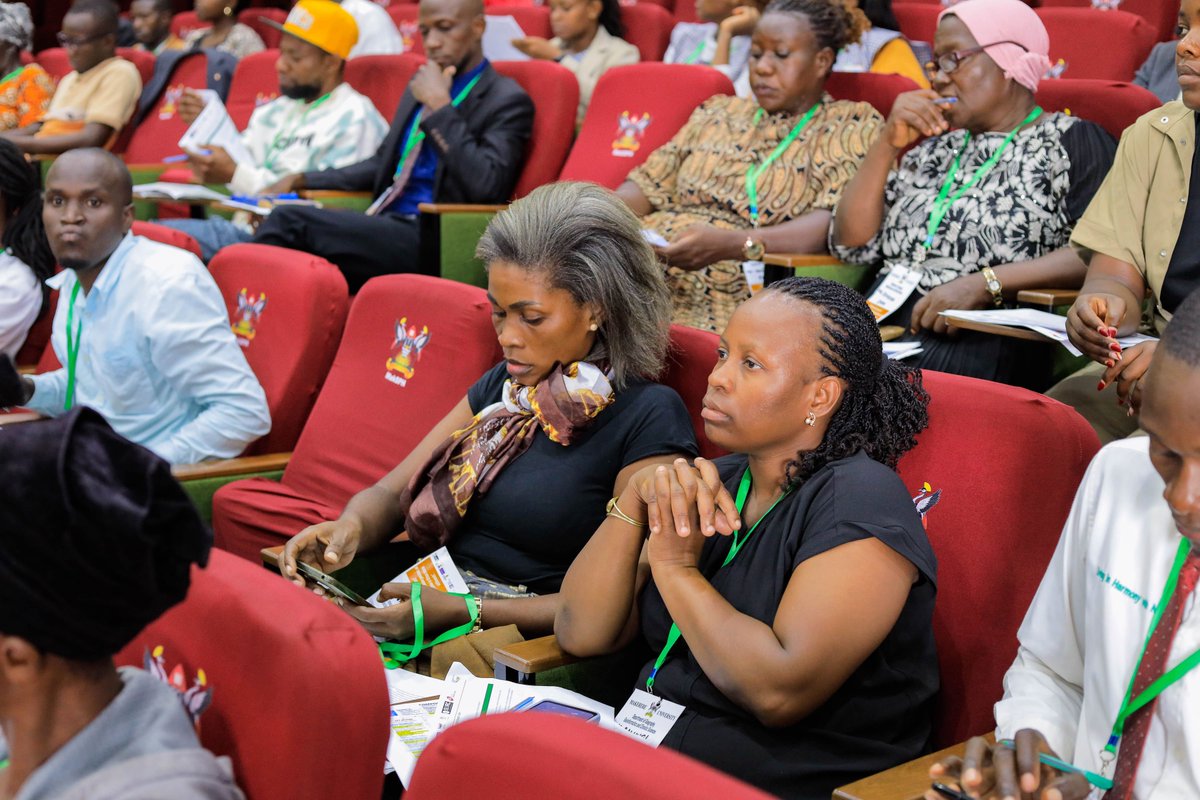
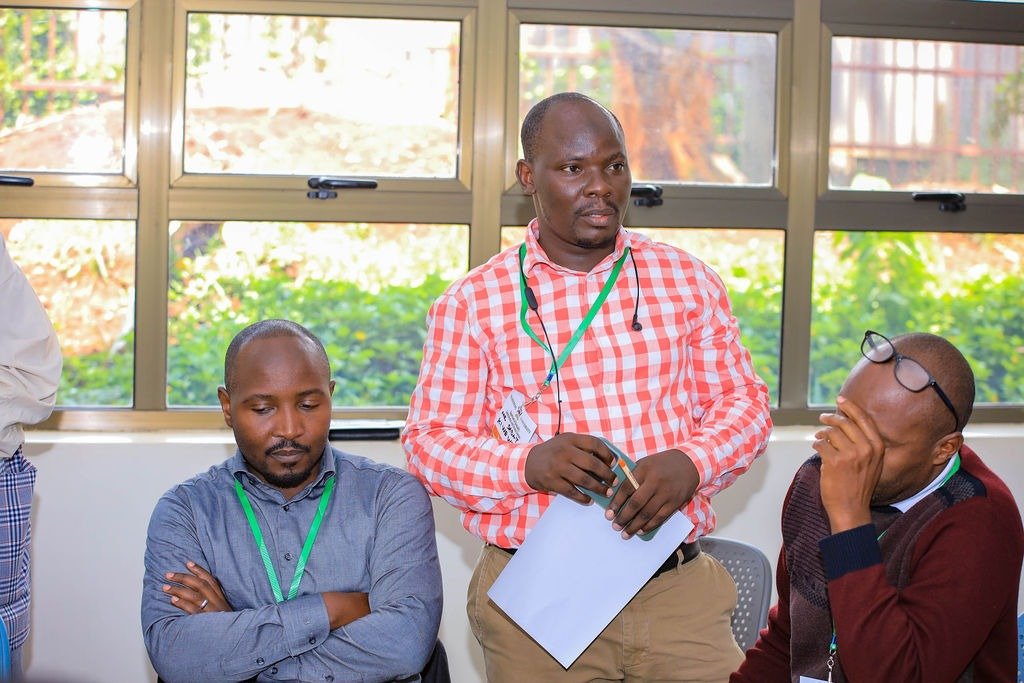
What made the discussions particularly valuable was the diversity of perspectives in the room. Community researchers, government representatives, service providers and civil society actors brought their experiences and expertise to the table.
A big thank you to all our invited guests and stakeholders, including representatives from @KCCAUG , @ACTogetherUG , @yo_waste@Nabugaboupdeal1 , @NPA_UG@min_waterUg and @BugandaKingdom_ among others for their valuable contributions.
Special appreciation to the @UrbanActionLab led by Dr. @pmukwaya alongside @HakimuSseviiri@karenhelmy1 @imutesi @Marthanayebare and @jacobmuruhukye for guiding this important process.
Today's session was moderated by @Disan Byarugaba and @Harry Nakabaale, a community researcher, whose contributions helped guide the conversations.
Every workshop reminds us that building more resilient cities requires more than technical solutions. It requires listening, collaboration and a shared commitment to action.
#UrbanFutures #CoDesign #ParticipatoryActionResearch #UrbanGovernance #ClimateResilience #WasteManagement #SustainableCities #Kampala @ministryoflands
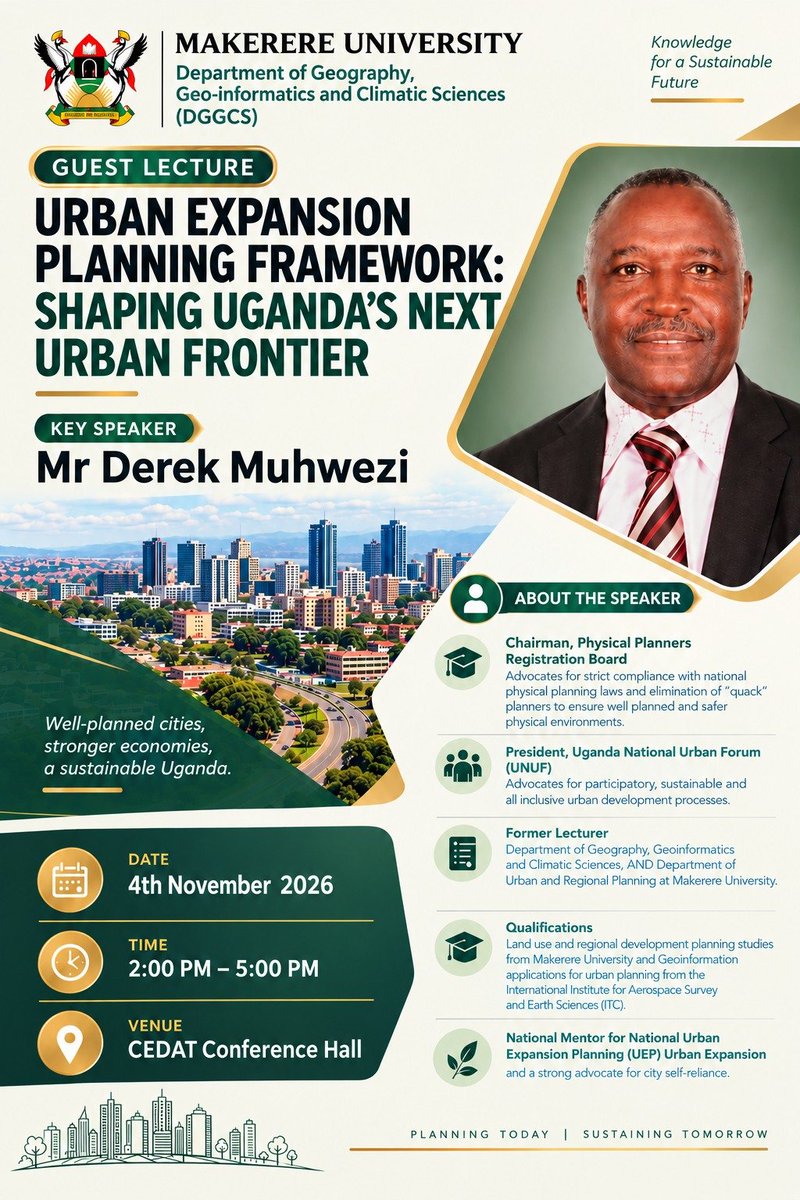
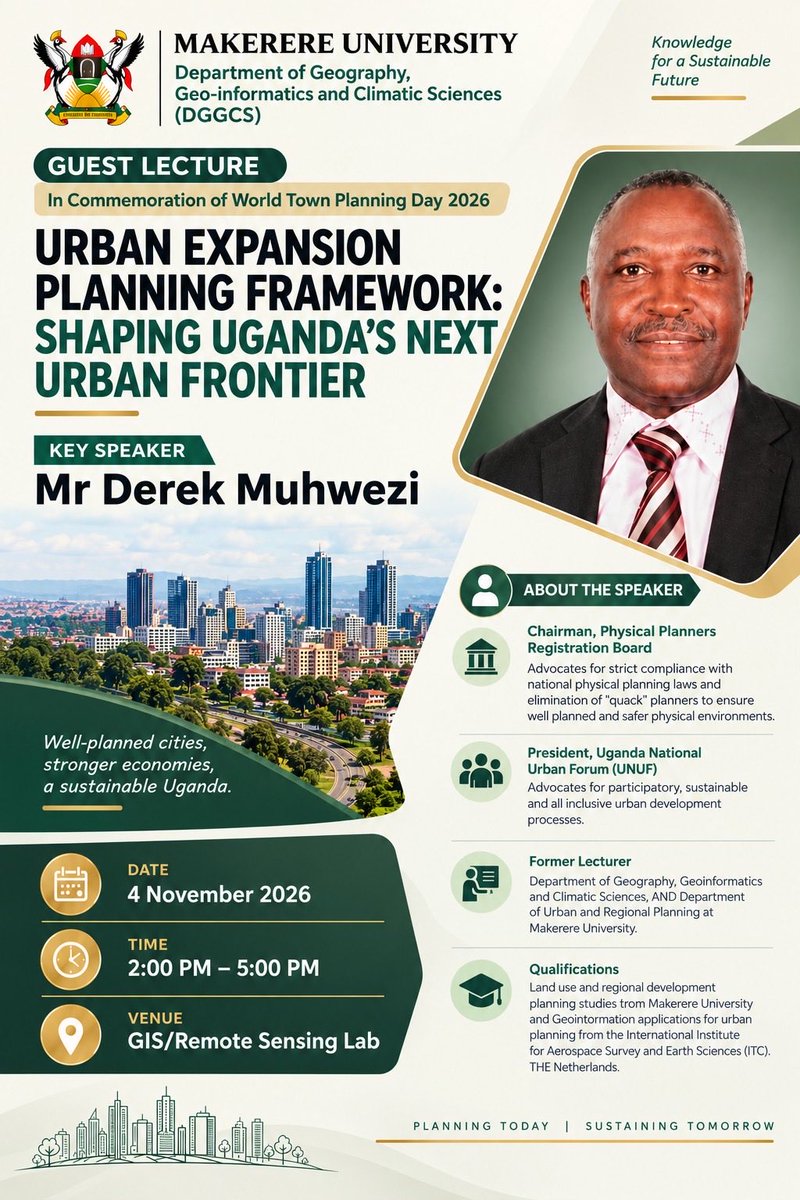
As Uganda's cities continue to expand, how can we ensure that urban growth is well-planned, inclusive and sustainable?
Join us for an insightful guest lecture organised by @Makerere University's Department of Geography, Geo-informatics and Climatic Sciences (DGGCS), featuring Mr. Derek Muhwezi, Chairman of the Physical Planners Registration Board and President of the Uganda National Urban Forum (UNUF).
Under the theme “Urban Expansion Planning Framework: Shaping Uganda’s Next Urban Frontier,” the lecture will explore the importance of effective physical planning in shaping Uganda's urban future.
📅 Date: Wednesday, 4th November 2026
🕑 Time: 2:00 PM – 5:00 PM (EAT)
📍 Venue: CEDAT Conference Hall, Makerere University
💻 A link is also available for those who wish to attend virtually https://t.co/sprS1yn3rs
#UrbanPlanning #MakerereUniversity #SustainableCities #UrbanDevelopment #PhysicalPlanning #Uganda @ministry_lands@KCCAUG@AfricanCities_@HakimuSseviiri@NamuliFisa@pmukwaya
You can build more drainage channels and buy more garbage trucks. But what happens when the institutions responsible for managing them cannot work effectively together?
This was one of the uncomfortable but necessary conversations during our second Urban Futures co-design workshop in Kampala.
We began by examining the relationships between waste management, drainage and flooding.
But the conversation quickly moved beyond infrastructure.
Participants raised concerns about:
• Community waste collectors being excluded from contracting opportunities.
• Political interference in service delivery.
• Unclear institutional responsibilities.
• Weak coordination between political leaders and technical officers.
At one point, a participant challenged our use of the term "limited coordination" on the systems map, arguing that it did not adequately describe the barriers preventing institutions from working together.
That observation shifted the discussion from simply identifying what was going wrong to examining why existing arrangements were allowing the problems to persist.
This demonstrated an important strength of co-design workshops: they create space for stakeholders to question not only the proposed solutions but also the governance arrangements shaping those solutions.
Because sometimes, improving a system requires more than adding resources.
It requires examining how decisions are made, whose voices count, and whether the actors responsible can work together.
#UrbanGovernance #CoDesign #UrbanFutures #ClimateResilience #Kampala @KCCAUG@ministry_lands@min_waterUg@AfricanCities_
To many of us, plastic bottles discarded papers and ued straws are simply waste materials that need to be collected and disposed of.
But during our second Urban Futures co-design workshop, the discussion revealed another side of Kampala's waste management system.
Participants spoke about informal waste collectors who earn a living by recovering recyclable materials from communities.
We heard about women's groups transforming discarded bottles and straws into household items and decorations.
And about opportunities for persons with disabilities and older people to participate in income-generating activities using recovered materials.
Yet the conversation was not entirely positive.
Participants also raised concerns about community mistrust towards informal waste collectors, difficult working conditions, and children of school-going age engaging in waste collection.
These were important reminders that the same system can create economic opportunities while also exposing people to risks and inequalities.
What made the discussion particularly valuable was the diversity of perspectives around the table.
Instead of looking at waste management only as an environmental problem, we were challenged to examine who benefits from the current arrangements, who bears the burden, and which opportunities remain overlooked.
This is what I appreciate about co-design: it allows us to see beyond the most visible problem and understand the people and relationships behind it.
As we refine our Kampala systems map, one lesson remains clear: solutions should recognise and strengthen existing community contributions without overlooking the challenges faced by those doing the work.
#CircularEconomy #UrbanLivelihoods #CoDesign #InclusiveDevelopment #UrbanFutures @KCCAUG@ministry_lands@min_waterUg@AfricanCities_
Disagreement can be one of the most useful outcomes of a co-design workshop.
Different stakeholders experience the same problem from different positions.
A resident may focus on the cost of waste collection. A service provider may focus on limited coverage. An engineer may raise concerns about drainage capacity, while a community leader may emphasise waste disposal practices.
These perspectives do not always point to the same solution. At our Urban Futures workshop, stakeholders were encouraged to question the systems map, identify gaps and share perspectives that might challenge its existing assumptions.
The aim was not to force everyone into agreement, but to better understand the system and identify the issues requiring further attention.
When co-design is done meaningfully, differences in perspective become useful information rather than obstacles to discussion.
#CoDesign #ParticipatoryResearch #StakeholderEngagement #UrbanFutures @ministry_lands@MakerereNews@Makerere@min_waterUg
"Long before environmental conservation became a global conversation, our communities already had systems for protecting the environment" These are the words of @TeddyNabakoozaG the Principal Environment Officer at Buganda Kingdom. During our recent co-design workshop she reminded us that environmental stewardship is deeply rooted in our culture.
She shared how, dating back to the reign of Ssekabaka Ttembo, drums would be sounded to mobilise communities for Bulungi Bwansi, a traditional practice of collective cleaning and caring for the environment. Everyone was expected to participate, and those who failed to fulfil their responsibilities were held accountable.
She also challenged us to rethink how we view waste. What if we stopped seeing waste simply as something to discard and started recognising its value? From making crafts and producing organic fertilisers to generating biogas, waste can become a resource that creates opportunities.
Her reflections reinforced an important lesson: cultural institutions and traditional leaders have a valuable role to play in designing sustainable solutions. They carry generations of knowledge, influence community behaviour and can mobilise collective action.
As we co-design solutions to Kampala's waste management, drainage and flooding challenges, we must recognise and build on these existing cultural practices rather than starting from scratch.
Sometimes, the solutions we seek are rooted in the knowledge and practices our communities have carried for generations.
#UrbanActionLab #BugandaKingdom #BulungiBwansi #CoDesign #WasteManagement #UrbanResilience
@BugandaKingdom_@cpmayiga@min_waterUg@KCCAUG@ministry_lands
What if, instead of asking who is to blame, we started asking what each of us can do to find solutions?
During our recent co-design workshop, @Lovince Emily Namanya, a Sanitation Specialist at Kampala Capital City Authority (KCCA), raised an important question: Who is responsible for Kampala's waste management challenges? Is it the government, residents or service providers?
The answer is that we all have a role to play.
She reminded us that even institutions do not always have all the answers. Sometimes, the best solutions emerge from listening to communities experiencing these challenges firsthand.
This is why co-design matters. It brings different stakeholders together to move beyond blame and identify practical, shared solutions.
Of course collective responsibility does not mean equal responsibility. Institutions must fulfil their mandates, service providers must deliver, and residents must play their part.
#UrbanActionLab #KCCA #CoDesign #WasteManagement #Kampala @KCCAUG@pmukwaya@AfricanCities_@HakimuSseviiri@MakerereNews@Makerere
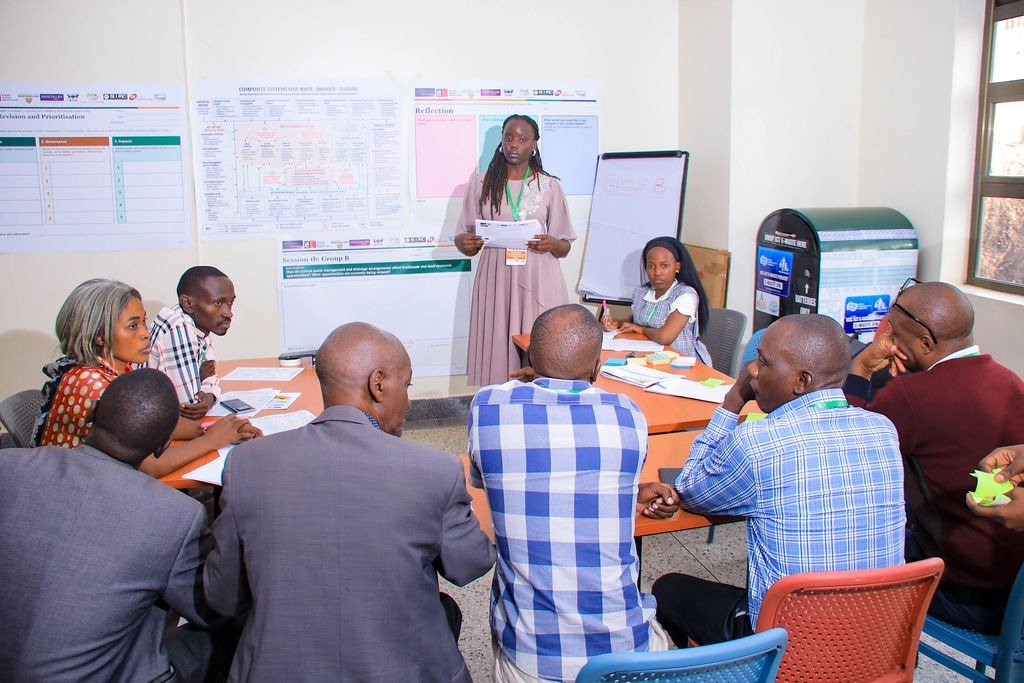
Today, the urban futures project under the @UrbanActionLab@Makerere held its second co-design workshop, bringing together stakeholders at the city level to validate the systems map developed from research conducted across four informal settlements in Kampala: Bwaise, Makerere Kivulu, Acholi Quarters and Kikubamutwe.
The systems map illustrates the complex relationships between waste management, drainage and flooding, highlighting the different actors, underlying challenges and potential pathways for intervention.
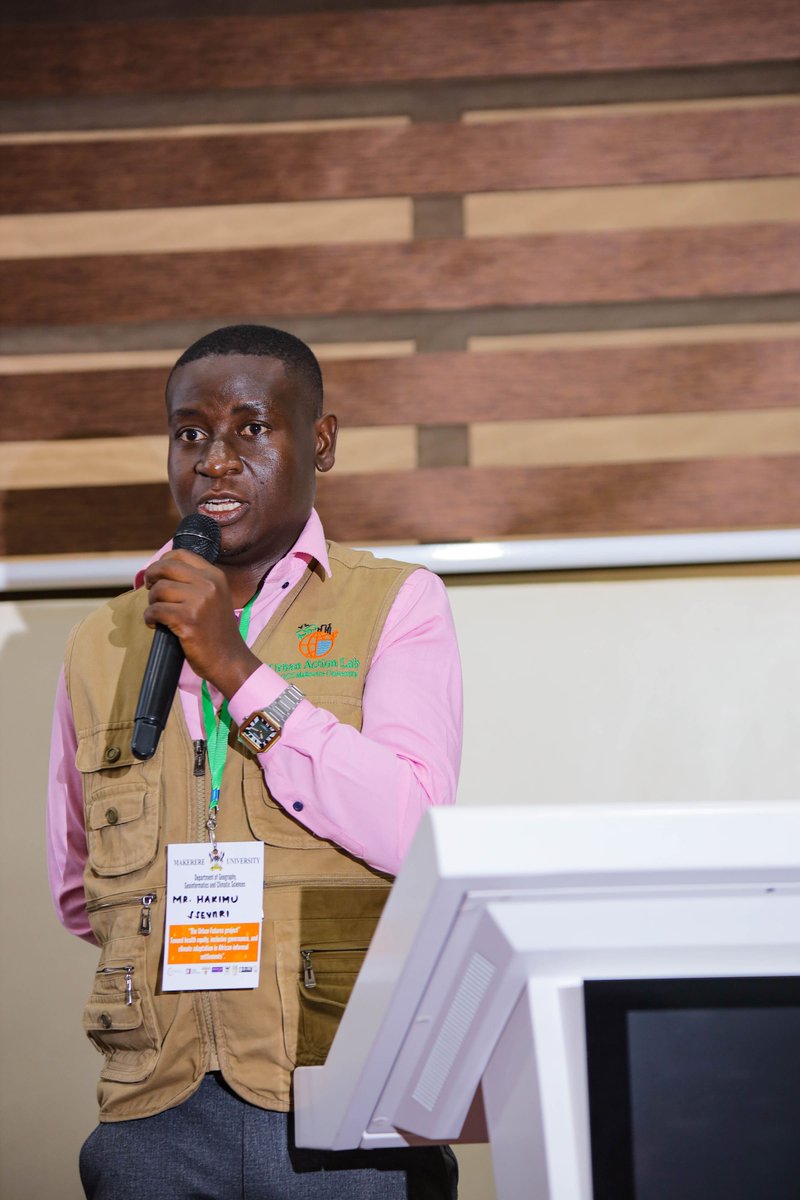
The workshop officially opened with remarks from @pmukwaya Head of department @Makerere and Coordinator of the Urban Action Lab, followed by a plenary presentation from @HakimuSseviiri , who walked participants through the systems map and the key findings emerging from the research.
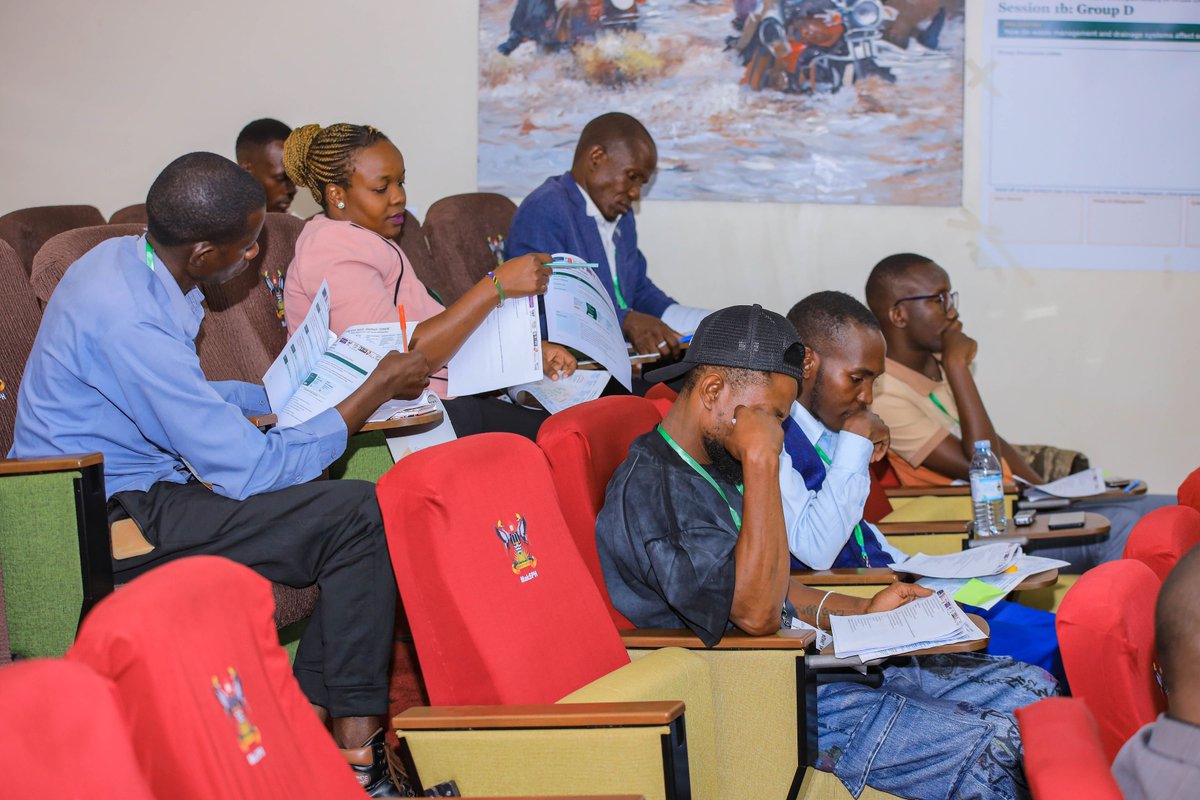
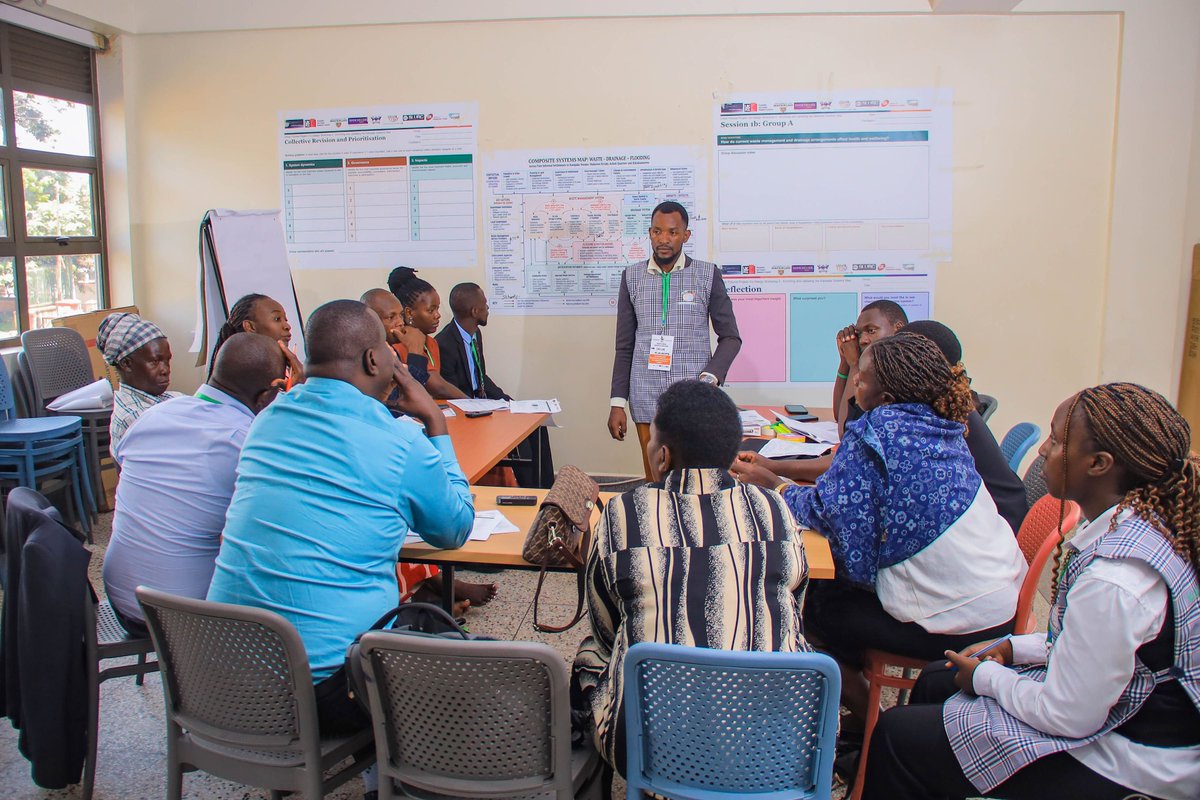
Participants then broke into smaller groups to critically examine the maps, share their perspectives, identify gaps and propose priority actions for addressing waste management, drainage and flooding challenges in Kampala.
One thing remains clear: sustainable solutions require more than identifying problems. They require bringing together the people, institutions and communities with the knowledge, responsibility and capacity to drive change.
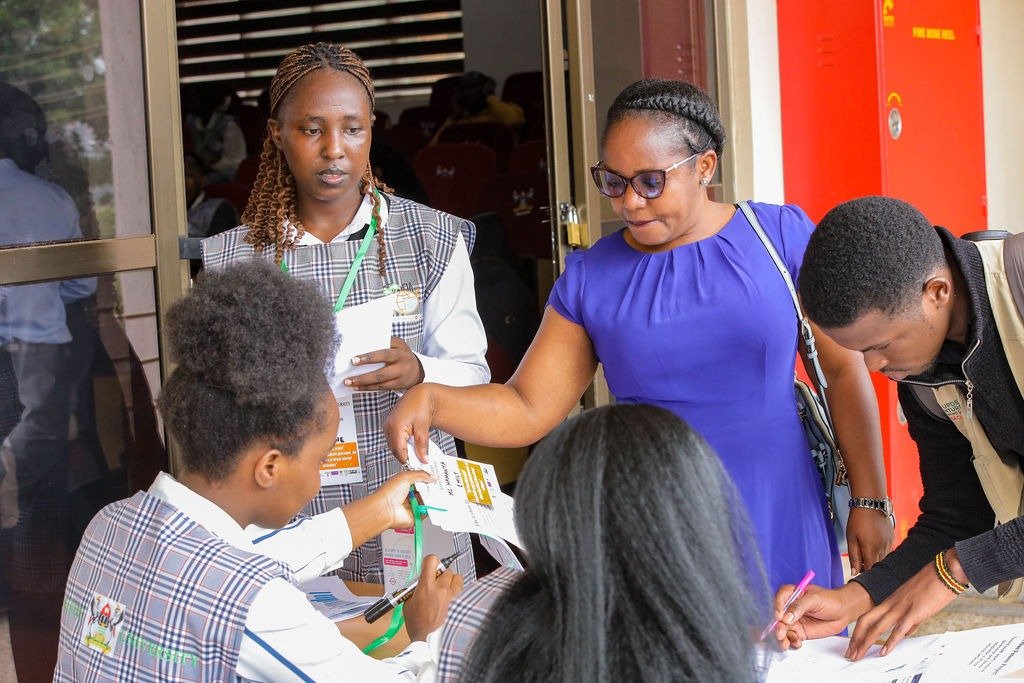
A special thank you to @buyinza_ambrose and @disan for facilitating and moderating the discussions. Appreciation also goes to @irenemutesi , @karenhelmy1 and all the UAL volunteers whose dedication and teamwork contributed to the success of the workshop.
We also appreciate all the stakeholders including those from @KCCAUG who generously shared their time, experiences and insights.
Stay tuned as we share some of the key insights, emerging priorities and lessons from these important conversations!
#UrbanActionLab #MakerereUniversity #CoDesign #ParticipatoryResearch #SystemsThinking #UrbanResilience #Kampala #WasteManagement #FloodRiskManagement @acrc
How do we plan for Uganda's next urban frontier?
Join DGGCS for a Guest Lecture with Mr Derek Muhwezi (Chairman, Physical Planners Registration Board | President, UNUF) as we commemorate #WorldTownPlanningDay2026.
Theme: Urban Expansion Planning Framework
#UrbanPlanning #Uganda #SustainableCities @Makerere@MakerereNews
ACRC Kampala: monthly project reflection and learning, unpacking complex community/city issues through mobilization, dialogue, and behavioural change communication for reform.
📄 Expenditure and Revenue: Two sides of the same coin?
Our latest blog post, by @astihaas, Lecturer & Fellow at the Africa Urban Lab, is out! Astrid explores why budget execution belongs at the center of the conversation on municipal revenue in Africa.
Underspending gets far less attention than revenue mobilization in African municipal finance. Cities raise the money, it sits in the budget, and the investment step does not follow. Kisumu, Kenya, spent just 32% of its budgeted capital expenditure in the 2019/20 financial year. In Nakuru, Kenya, development budget absorption fell from 9.4% in FY2018/19 to 8% in FY2024/25.
What can Uganda learn from Germany’s spatial planning and regional development experiences?
Join us today at Makerere University for an insightful guest lecture with Oliver Weidlich from the University of Würzburg, Germany, as we explore planning challenges, comparative perspectives, and opportunities for further study.
📅 15 October 2026
🕑 2:00–5:00 PM
📍 GIS & RS Lab, COCIS Building, Block A, Level 1
All are welcome!
#SpatialPlanning #RegionalDevelopment #MakerereUniversity #UrbanDevelopment