Data-driven storytelling. We help communities make better land use decisions through an understanding of data and community design. Tax policy and map geeks.
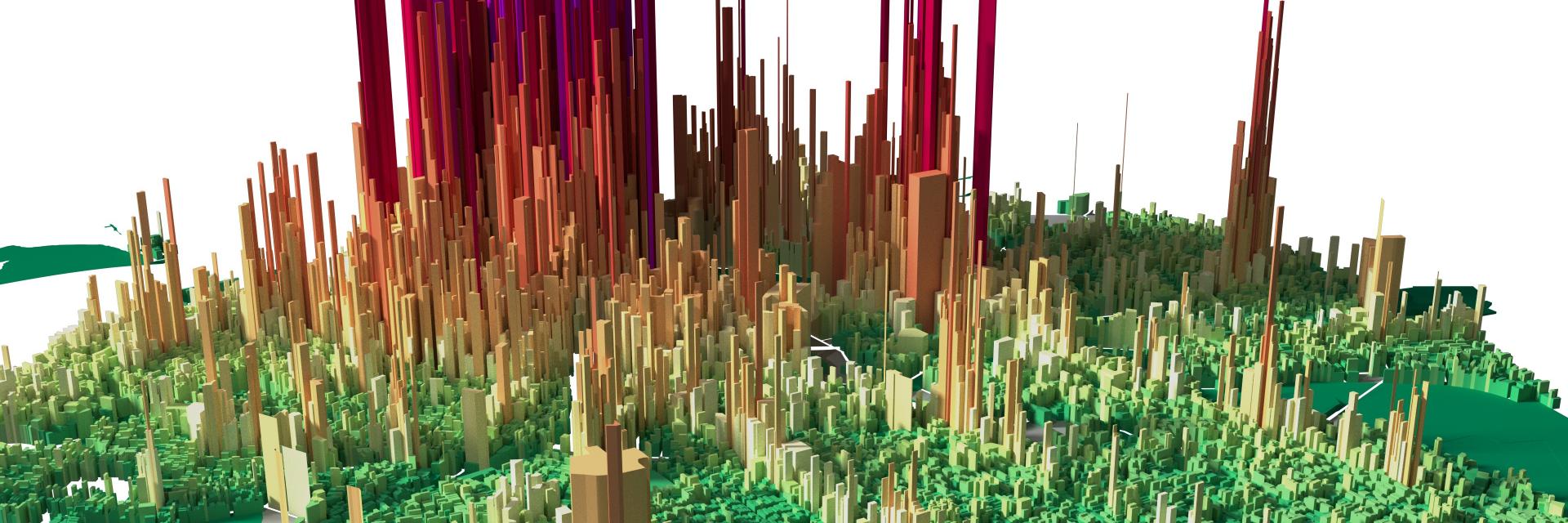
Have you ever seen #Miami like this?
Take a closer look -- those aren't buildings.
They're taxes.
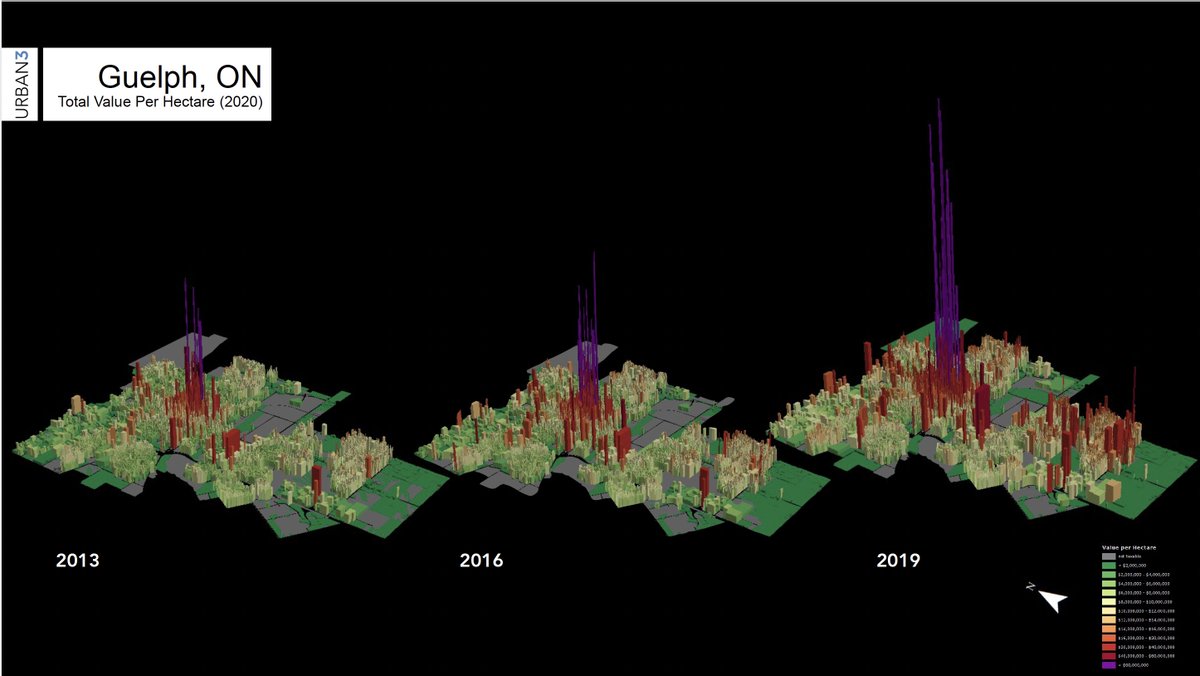
We help cities see where their dollars are coming from, where they're going, and why.
Visit https://t.co/0WZUv94hrW if you'd like us to take your city for a spin.
Join @JoeUrbanThree in Jackson, MS!
Neighborhood Economics is hosting one of the nation’s leading conferences on economic justice April 24-26. Let's get to work: https://t.co/YayjqPS723
Next week, @JoeUrbanThree will be in #LakeWales to talk about how land use decisions today can help them build a stronger, more sustainable economic future. We're excited to be working with our friend @VictorDover on the Lake Wales Envisioned effort!
https://t.co/WeOxDaNhNs
For more insights on the challenges and opportunities facing #Shreveport, check out @cateryba's recent conversation with @levettefuller on The Possible City podcast: https://t.co/nacZj4CSKc
"[D]ense urban development, especially multi-story, multi-use buildings, results in the highest property values... Shreveport’s future will depend on our ability to understand and willingness to act on this new information."
https://t.co/57bhX4AYQG
"[D]ense urban development, especially multi-story, multi-use buildings, results in the highest property values... Shreveport’s future will depend on our ability to understand and willingness to act on this new information."
https://t.co/57bhX4AYQG
@criticalurban@nathanallebach We don't produce propaganda for developers, we just provide data. If a project isn't a good financial deal for the community, we say so. In the over 170 places we've analyzed, density is almost always correlated with higher value per acre. That's just the data, not our opinion.
Thanks to @mxnews for letting @JoeUrbanThree talk about the affordable housing bond referendum that voters will consider Tuesday.
"The simple reason we shouldn’t give county officials an additional $70 million is that they could already have those funds."
https://t.co/s6Dfe86rkr
We are thrilled to Host our local lecture series on urban design with AVL downtown Assoc and bring @bernicebuffalo to Asheville - register & join us 11/2 6pm for "Building Our City: Small Scale Development Matters Now More Than Ever" https://t.co/9DNwtBOKEw @Eventbrite
Chk out @JoeUrbanThree's prez for @1000FriendsofFl re: how we can use simple math to calculate development impact costs on communities. He also speaks to the many ways municipalities lose needed tax revenues from single family developments. https://t.co/A5TpAzn6wz
It’s hard to believe that we’re already in the fourth quarter of 2022. Click here to learn more about where we're helping residents, developers, and local leaders use data to make smarter decisions about the future of the places they love. https://t.co/AgZHPy1spB
Is your community financially prepared to handle a natural disaster? It's important to figure out now how much your municipality may lose, prepare your community for hard choices & learn how to adapt land use & zoning requirements to protect future revenue
https://t.co/ZsdEOdnF4X
Strong Towns is hiring! If you are organized, like working behind the scenes to keep everything running smoothly and are a patient communicator, apply for our Action Team Coordinator position. (1/2)
https://t.co/6drz2UmVnE
Buncombe County low income residents, disproportionally BIPOC, are overcharged $1.5M/year in property taxes, while the highest end homeowners are undertaxed by $4M/year. Read more about our push on policymakers to live up to their promises of equity. https://t.co/AGvenEToFC
We're honored to see our friend @VictorDover from @DoverKohl continue to cite our work in his discussions with leaders and residents as they work to build stronger, more sustainable communities in Southwest Florida. https://t.co/EpQluOKLNw
Did you know? Mansions, not rundown properties in low-socioeconomic-status neighborhoods, are the REAL blight on a community’s financial health. Joe Minicozzi explains how exactly this happens by reviewing the property tax findings of his firm, @UrbanThree
https://t.co/iyIWRxaWN5