The EU's deforestation regulation (EUDR) will drive up the price of everyday foods like cheese, eggs, and meat for European families. It adds unnecessary costs to products from countries that don't contribute to global deforestation, and European producers and consumers end up paying the price. The Commission can’t claim to be lowering food costs while it’s needlessly increasing them.
Europe's animal feed industry estimates EUDR compliance could cost EU farmers €1.4 billion in 2027 (h/t FEFAC). Most of that comes from an extra €30 a ton on soy, a main ingredient in animal feed.
There's no good reason for this. The United States poses negligible deforestation risk, and U.S. forests have been stable or growing for decades. Removing compliance burdens for negligible-risk countries like the U.S. would lower costs for European consumers without undermining the EUDR's goals.
The Commission should act in its EUDR review, before the clock runs out.
@vonderleyen@JessikaRoswall@VDombrovskis@MarosSefcovic@CHansenEU
The EU will release 100 million barrels of diesel, and at the same time the U.S. will continue exporting diesel. Together we are bringing down surging prices for farmers, businesses, and consumers on both sides of the Atlantic. This is a great example of allies working together to address a serious problem—and it illustrates the benefits the EU and the U.S. both derive by finding those solutions together. To characterize it as a result of “pressure” — as opposed to good faith discussion — misstates the intent of the U.S., the obvious mutual benefits of the EU ‘s decision to release a portion of its reserves, and the strength of our transatlantic relationship.
Under President Trump’s leadership, the United States is delivering on its commitments to help stabilize global energy markets. Our European partners should accelerate delivery on their existing commitments and make additional supplies immediately available to address ongoing disruptions. American farmers, truckers, and businesses should not be left carrying the burden of a global diesel shortage. America is doing its part. We look to our allies to match their commitments with action.
The chemicals industry is central to the modern global economy. Investments by U.S. companies that support innovation while maintaining reliable operations in Europe, such as @chevronphillips, strengthen transatlantic trade. The EU can build on this foundation with continued momentum toward deeper transatlantic cooperation – and away from closed-market approaches – to chart a path forward for this important sector. Thank you, @chevronphillips CEO Steve Prusak, for the discussion.
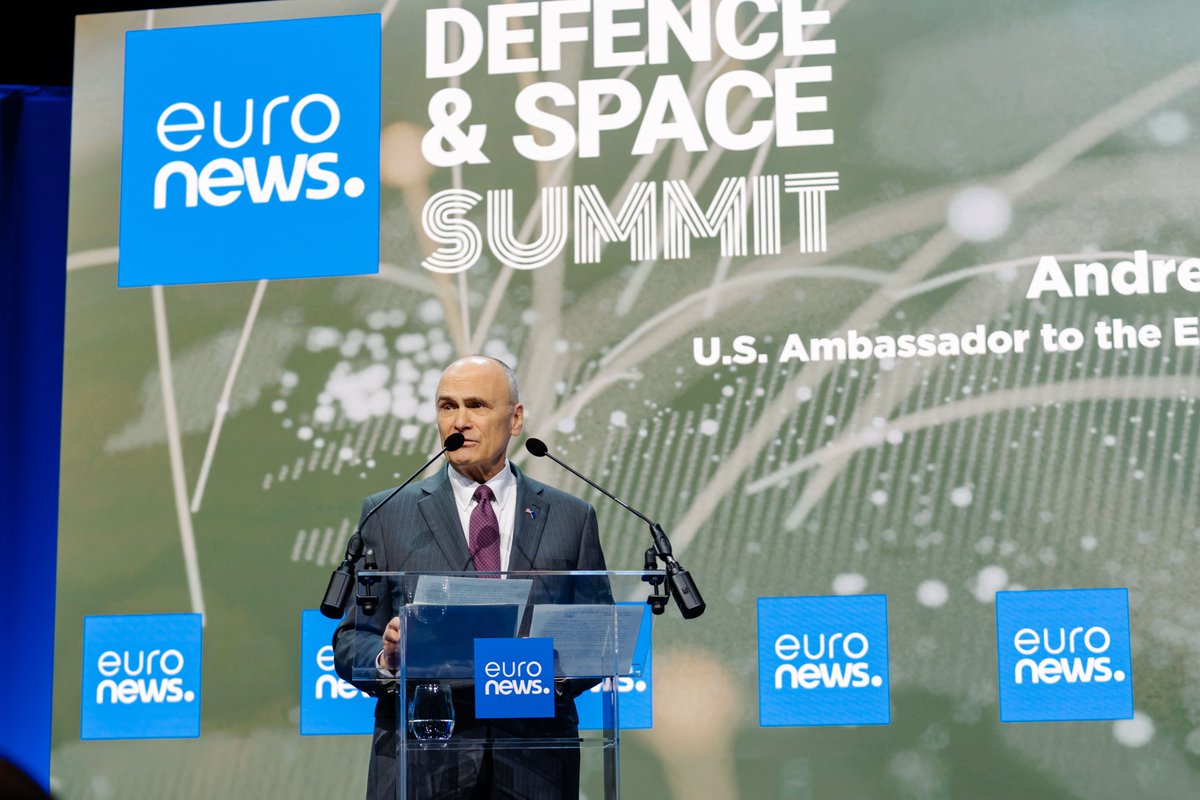
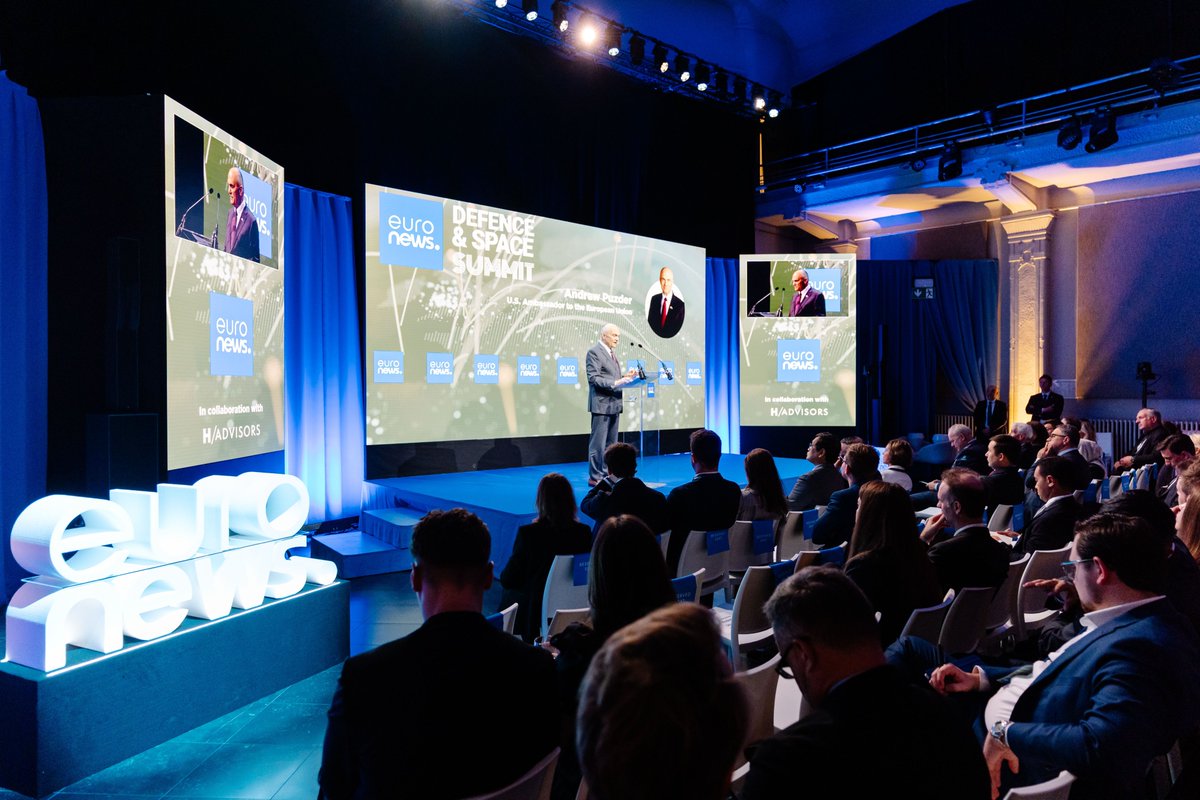
Space is simply too important for Europe or the United States to go it alone. Our space capabilities must be just as coherent, compatible, and interoperable as our capabilities on land, at sea, and in the air.
U.S. commercial space companies and their strong partnerships with European counterparts have helped build a transatlantic space innovation ecosystem.
The proposed EU Space Act, as currently written, risks making it harder, not easier, to strengthen our collective space security. As the line between commercial space and space security blurs, EU rules should be built around interoperability with NATO, not fragmentation.
@Euronews #EuronewsDefenceSpace2026
Our transatlantic partnership is not weakening. It is being tested, refined, and strengthened.
The United States remains committed to a Europe that is strong, secure, and free — on the ground, at sea, and now in orbit.
@Euronews#EuronewsDefenceSpace2026
NATO has technological advantages over its potential foes. But those potential foes also have very advanced, battlefield-tested capabilities and are willing to employ the most sophisticated weapons systems available to them — regardless of the source. If we judge weapons systems based on where they are made rather than how well they perform on the battlefield, we will sacrifice the advantage we have and put our security at risk.
Let’s face it one attack by a powerful adversary on a member state and we will all be glad we focused on weapons superiority rather than regional economics.
@Euronews #EuronewsDefenceSpace2026
When lives are on the line, when battlefield victory is the goal, the capability and availability of military hardware are essential, regardless of where it’s made. That was one of my key messages at #EuronewsDefenceSpace2026.
Read my remarks in full ↓
https://t.co/TouRjLfIUv
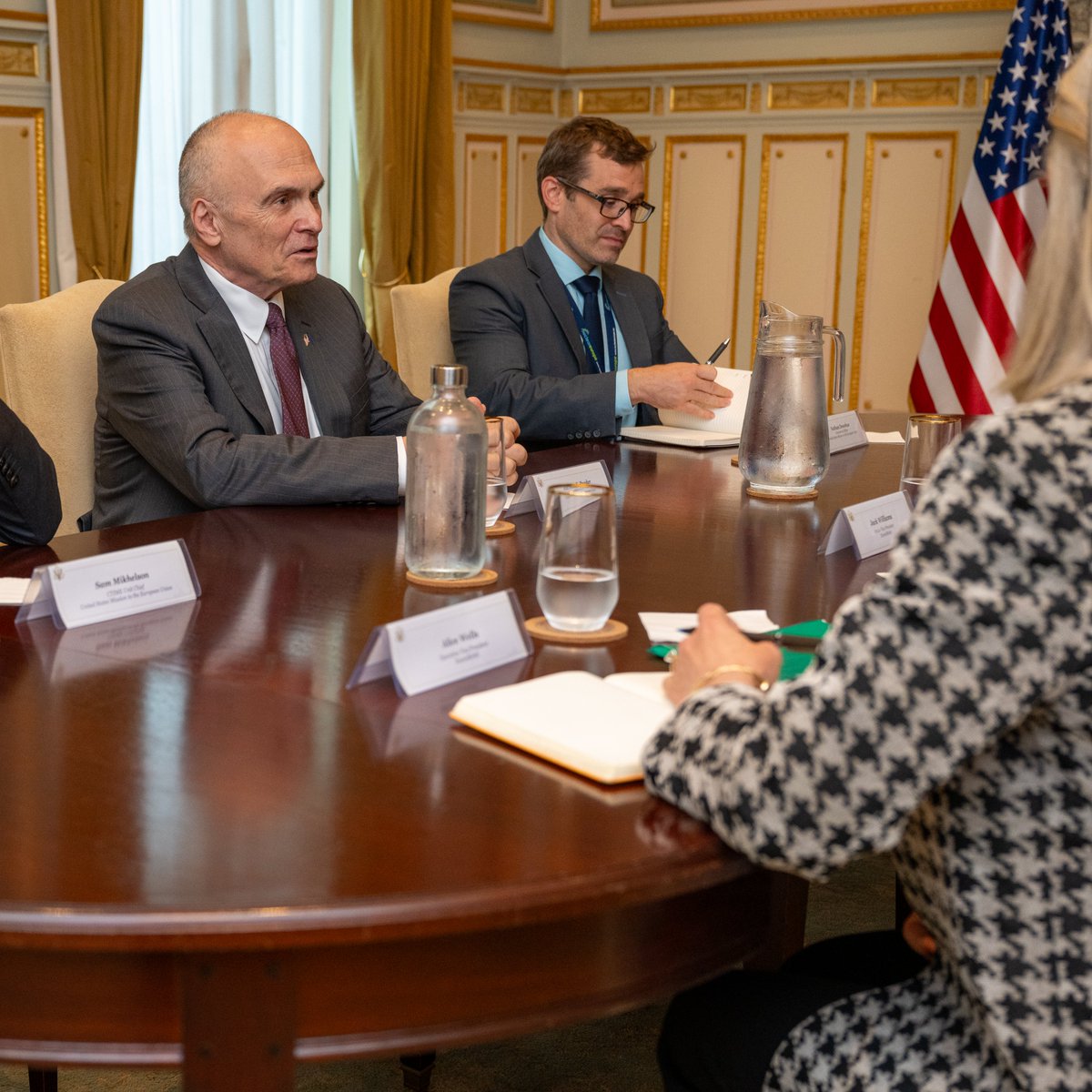
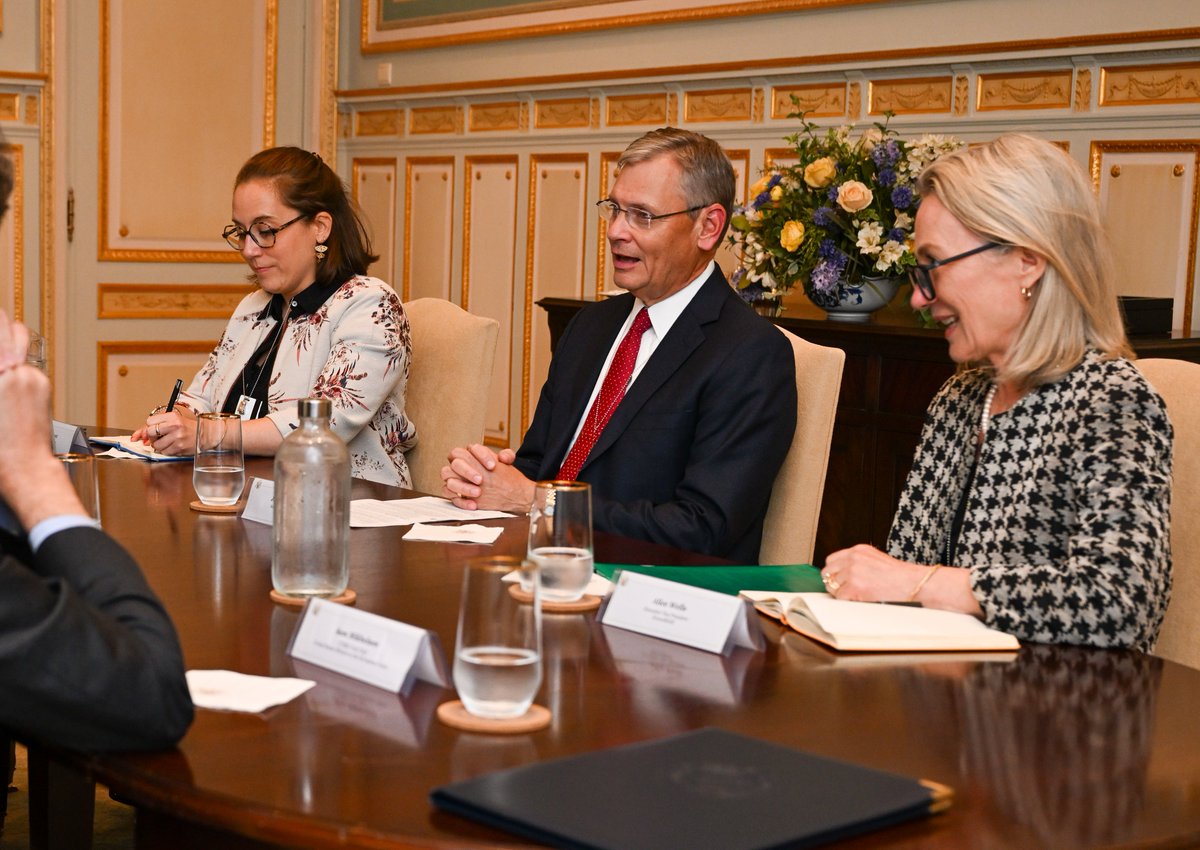
American companies stand ready to work with Europe to build prosperity on both sides of the Atlantic. Always great to meet with U.S. energy industry leaders like @exxonmobil SVP Jack Williams and EVP Alice Wells.
Great discussion today with some of Brussels' leading economic, foreign-policy and transatlantic thinkers. America is committed to a Europe that's strong, sovereign, and capable of standing with us on innovation, spurring investment, and security. Exchanges like this are exactly how we build the secure, prosperous future our citizens on both sides of the Atlantic deserve. Thank you @gmfus, @GLOBSEC, @ACEurope, @CEPS_thinktank, @FSI_Europe, and CERRE.
Great breakfast this morning with S&D friends and colleagues from the @Europarl_EN. We agree on many things—but don't see eye-to-eye on everything—and that's exactly why these conversations matter. Grateful for the open, constructive dialogue—the transatlantic relationship is stronger when we meet—even stronger when we act—in our mutual best interests.
100% agree with @SHAPE_NATO General Grynkewich’s point on “Made in Europe” initiatives: procurement decisions must be based on performance, not geography. He put it well:
"I do caution against codifying preferences as to where military hardware is made. A focus on where something is made, rather than how well it performs in combat, how well it performs on the battlefield, only benefits our adversaries. Keeping the EU and NATO moving in sync toward procuring the best equipment for our men and women in uniform must be our ultimate goal."
As the EU debates the future trajectory of its defense programs, reciprocal openness — not new restrictions — will keep our shared transatlantic defense industrial base strong, innovative, and ready to outpace our adversaries.
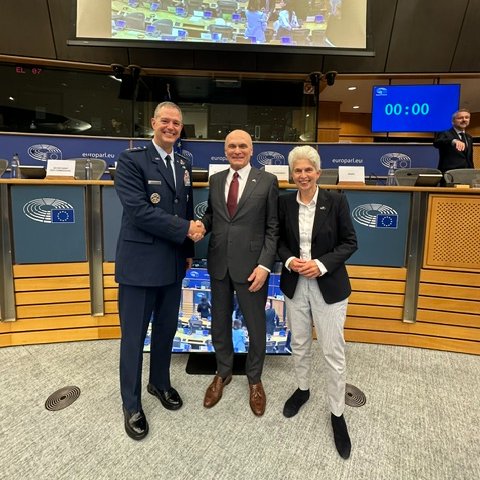
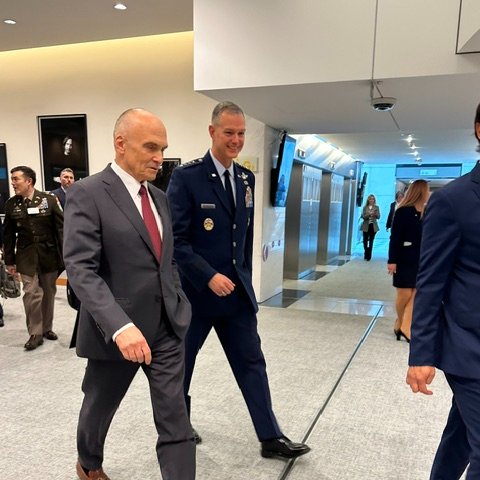
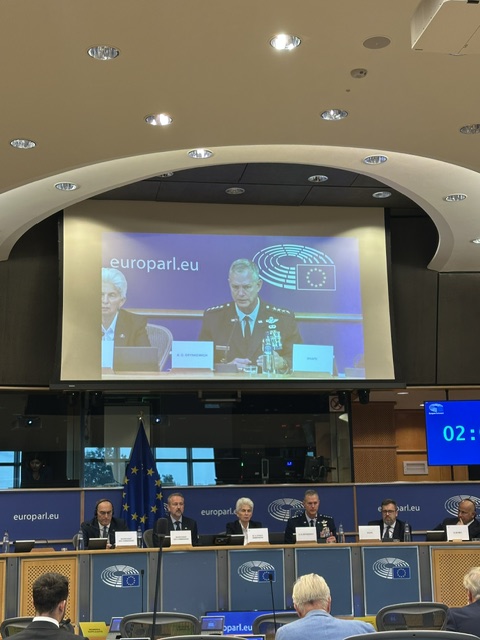
It was great to attend @SHAPE_NATO General Grynkewich’s briefing to the @Europarl_EN. Close ties between NATO and the EU remain a top priority for the United States. I urge the EU to view all NATO Allies as trusted partners in EU defense programs. We can accomplish more—on defense and so much else—together.
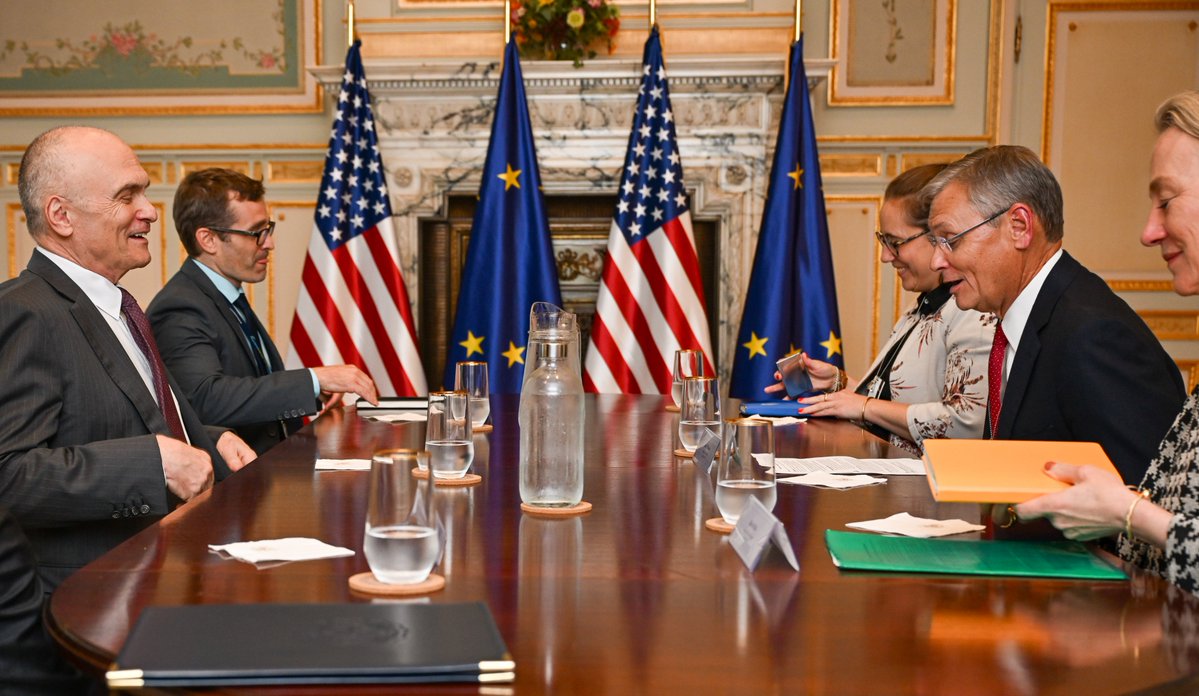
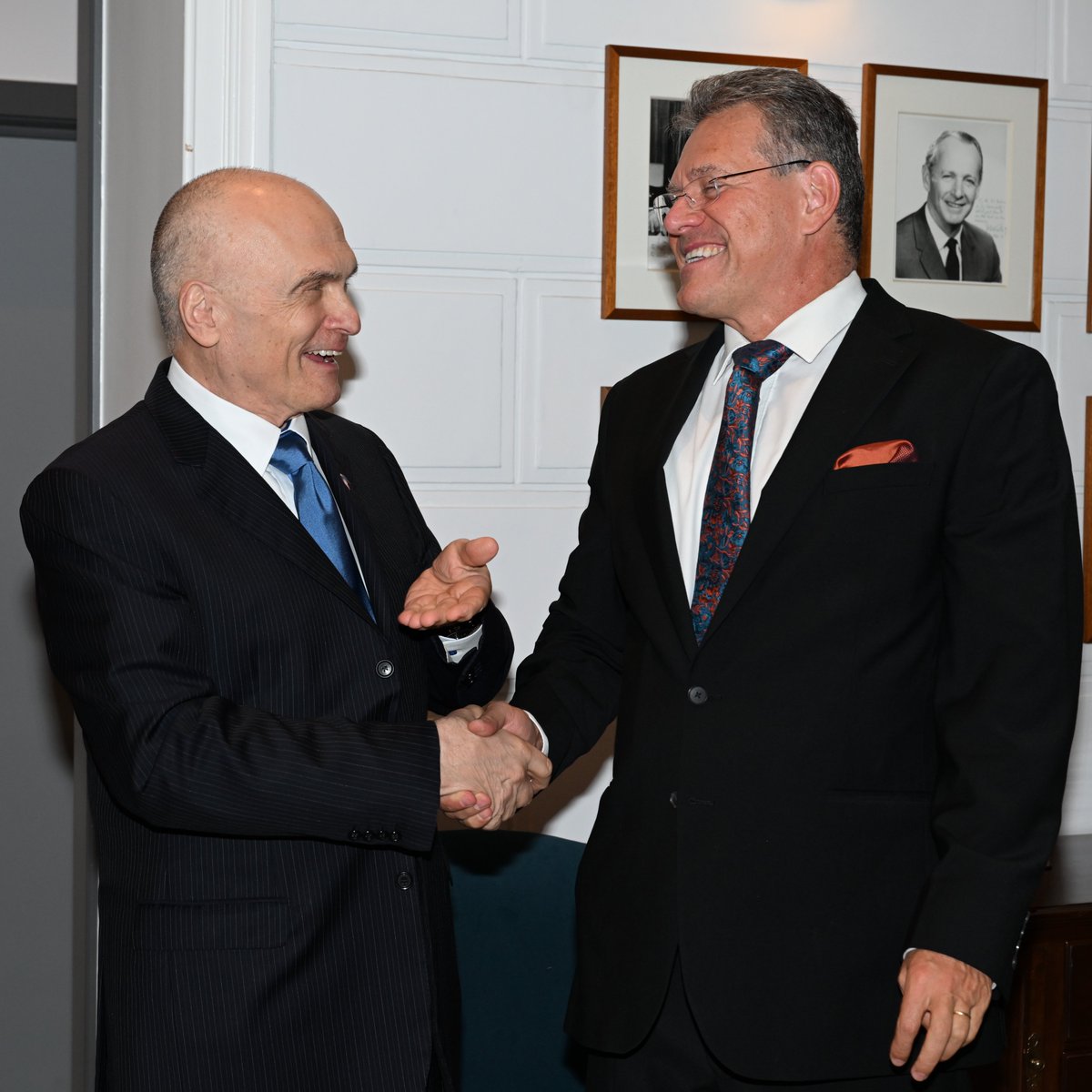
Productive meeting today with my friend EU Trade Commissioner @MarosSefcovic. Credit where it's due: the EU delivered on its tariff commitments under the U.S.-EU Framework Agreement on Trade. That's real progress.
Tariffs are one part of the picture and we will continue working together to address non-tariff barriers that stifle EU competitiveness and growth. We also discussed working together on Chinese overcapacity, a shared challenge for both our economies.
A constructive conversation. More work ahead. We'll keep talking.
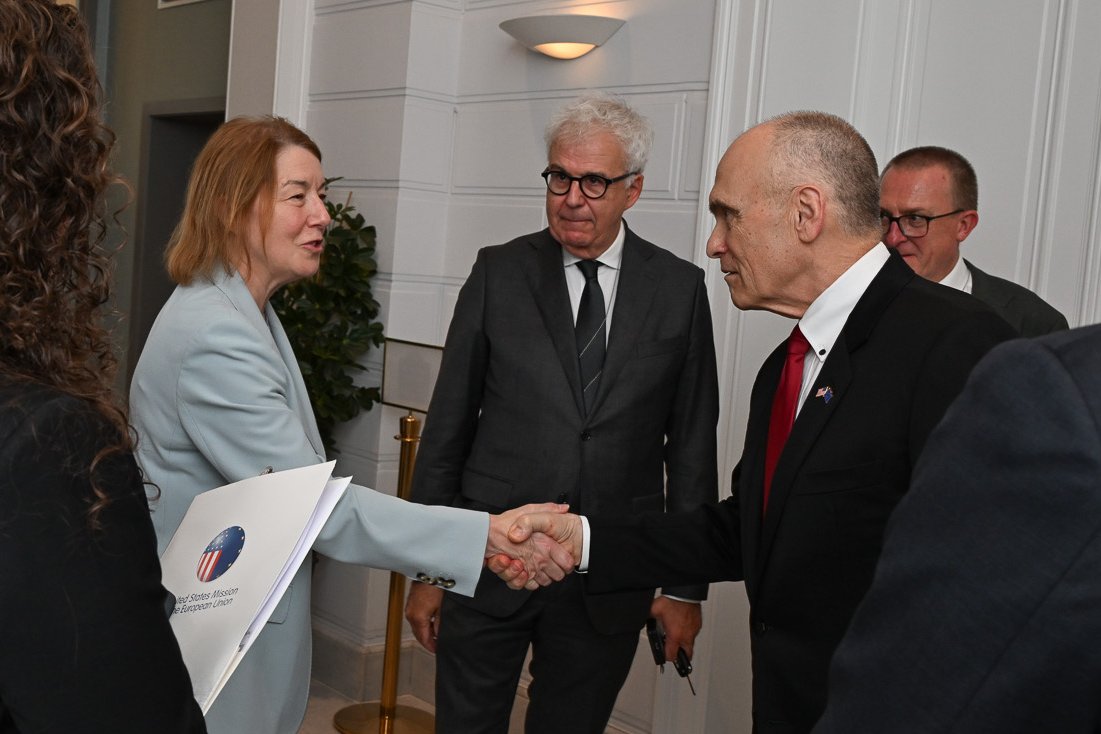
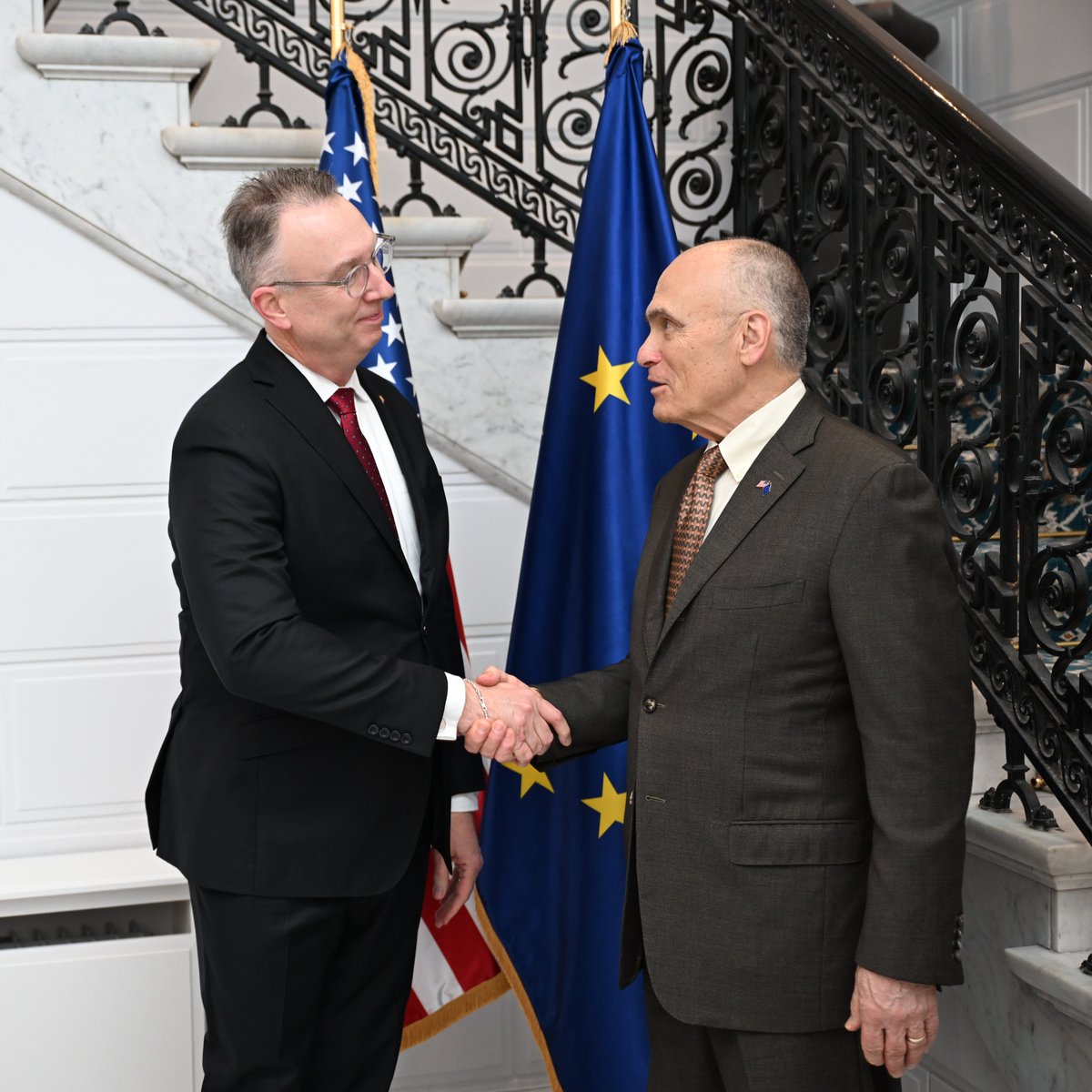
Great meeting today with my friend French Ambassador to the EU Philippe Léglise-Costa @RPFranceUE. We discussed our shared history as allies as well as our shared economic and security priorities. It is in both our nations’ best interests to work together where possible and disagree agreeably where it is not. The good working relationship between Presidents Trump and Macron continues to advance our mutual interests. France remains a valued ally, and we look forward to building on this partnership.
This historic deal is a huge win for the United States and the American people. Thanks to President Trump’s vision and leadership, this historic agreement permanently guarantees U.S. security interests in the Arctic at zero cost to the U.S. taxpayer.
Greenland will forever be part of the strategic defense area of North America and exclude any adversary from it and the surrounding area.
This deal permanently and completely addresses our national security concerns in Greenland.
Congratulations to Kajsa Ollongren @EEAS_SecGen on her appointment as the next Secretary-General of the EEAS, a well-deserved recognition of her distinguished career. We wish her every success in this important role and look forward to working together on shared priorities.
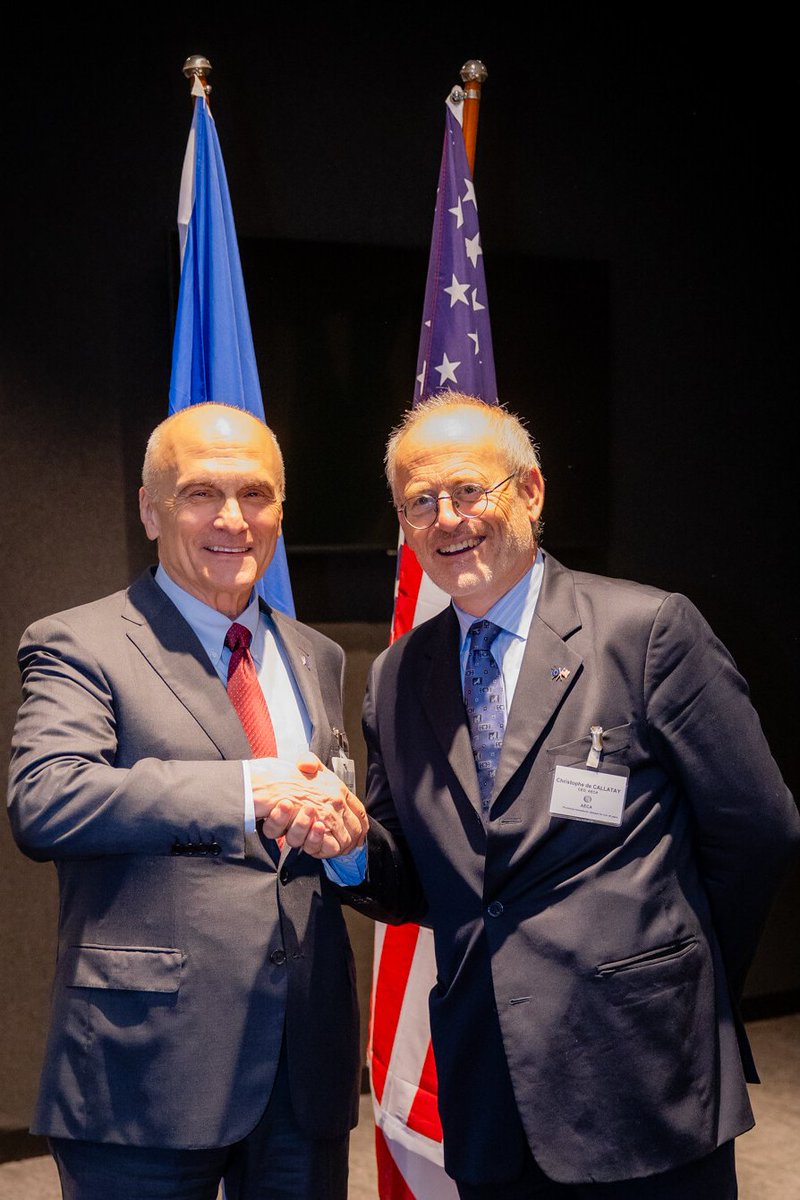
Great fireside chat this week organized by the American European Community Association with @GE_Aerospace's Chris Haenen on the U.S.-EU partnership in a fast-changing world. Defense burden-sharing, China de-risking, competitiveness — the throughline is clear: government may set reasonable guardrails, but those guardrails must allow industry to thrive and build the future. When we get that balance right, limited regulation can protect our values without smothering the innovation, risk-taking, and investment that create general prosperity and real, dignified jobs for our people. That's both a tension to manage and a partnership to build. Let's build it, together.