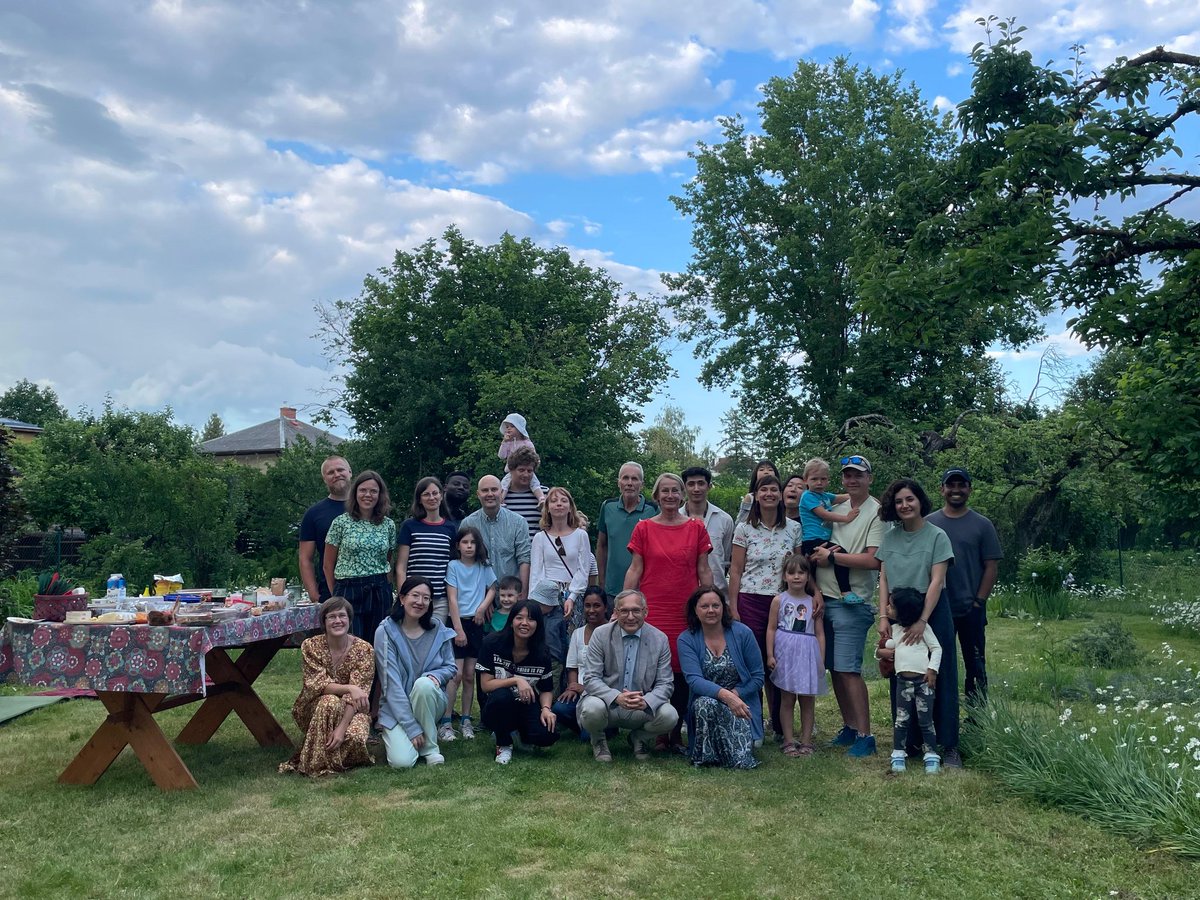
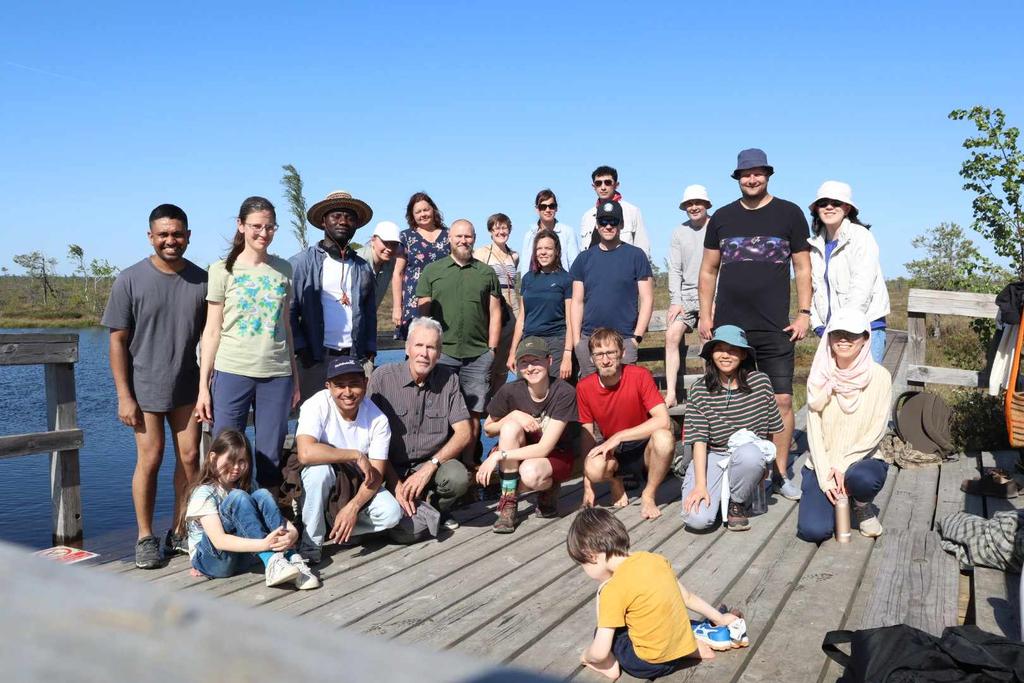
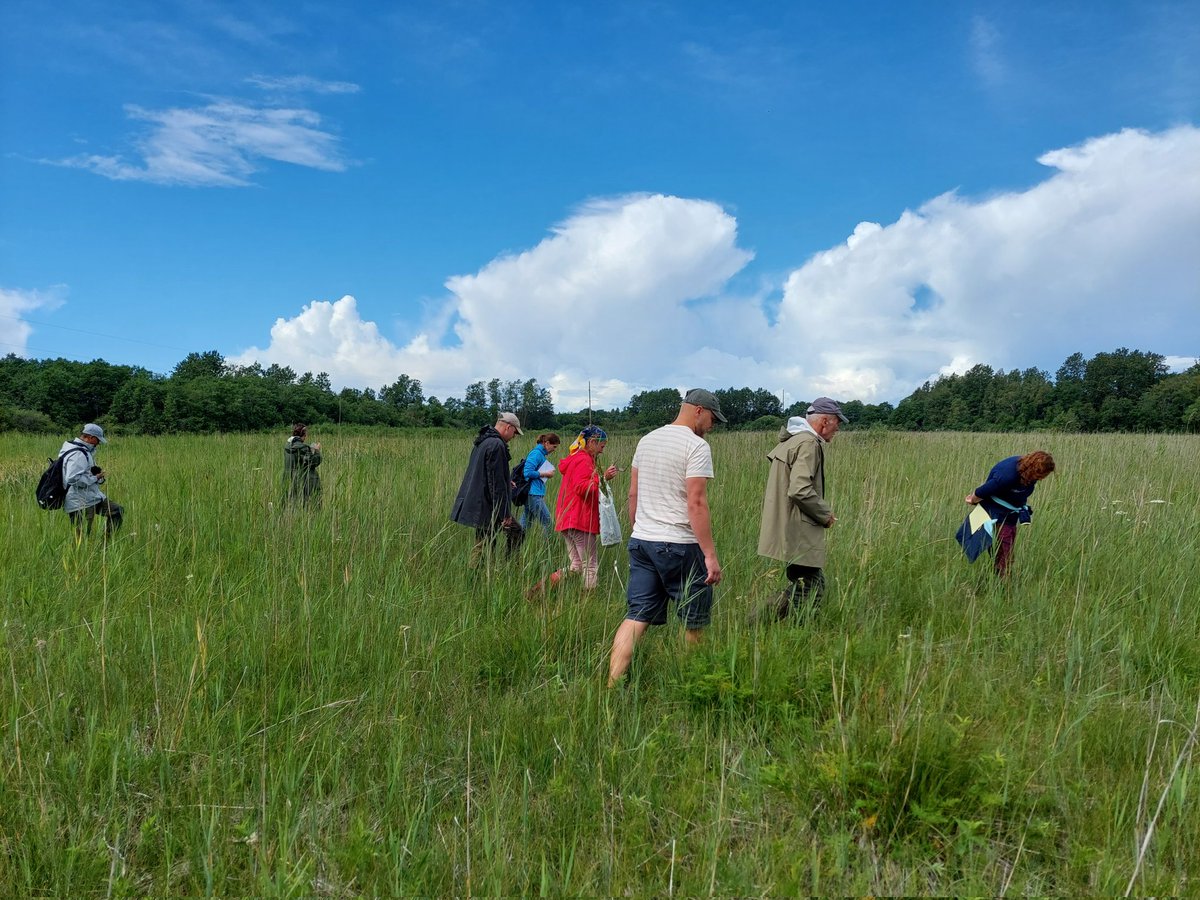
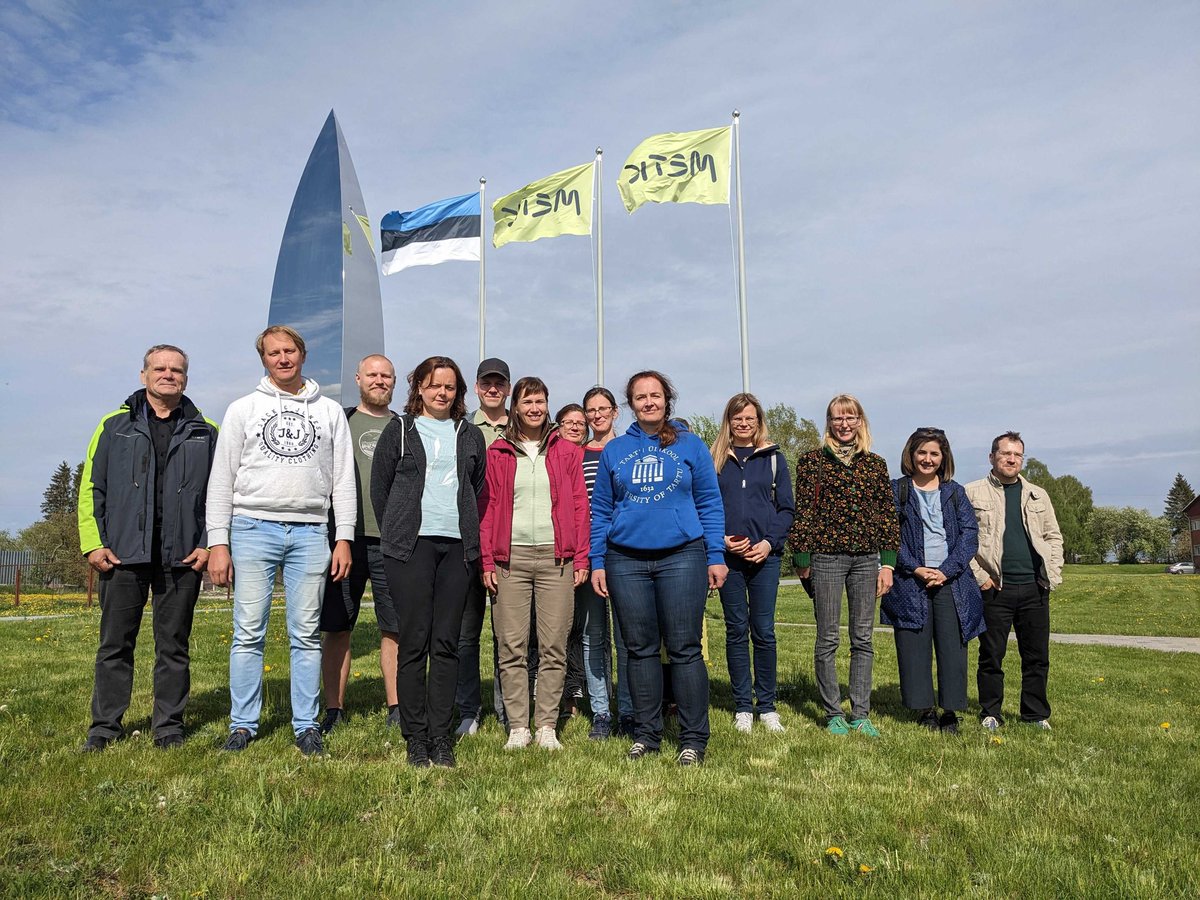
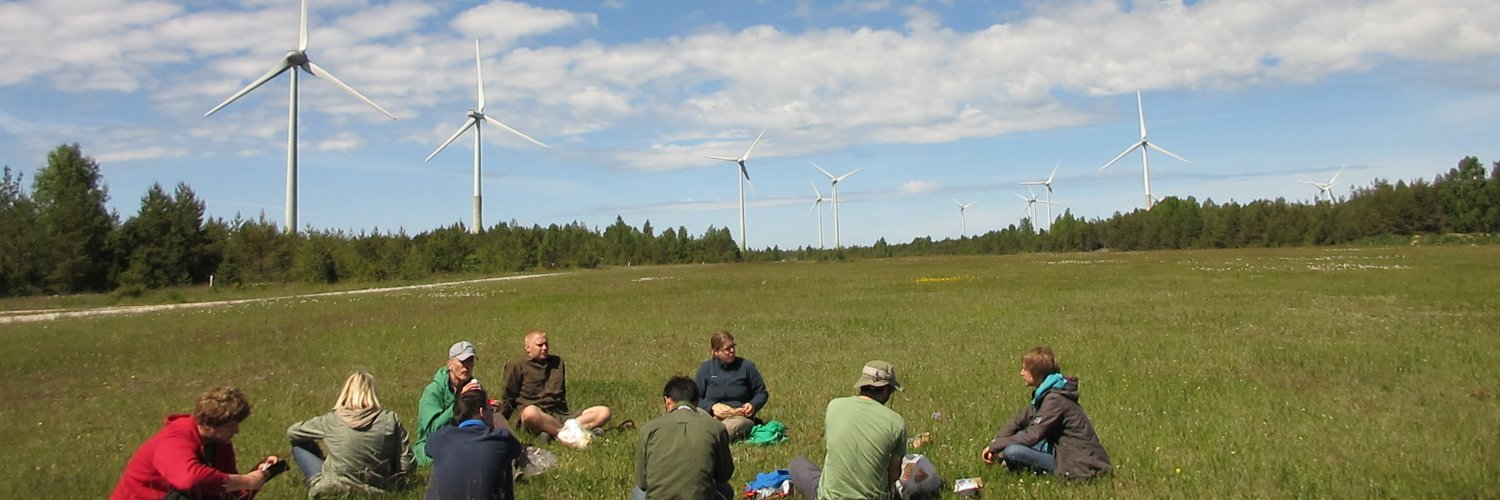
It's been a great joy to host Prof. David Johnson @SoilEcolUoM over past days in ☀️🍃 Estonia and wittness my first PhD student getting a PhD! Thank you both for the cheerful and stimulating discussio and congratulations Dr. Liu! 👩🎓
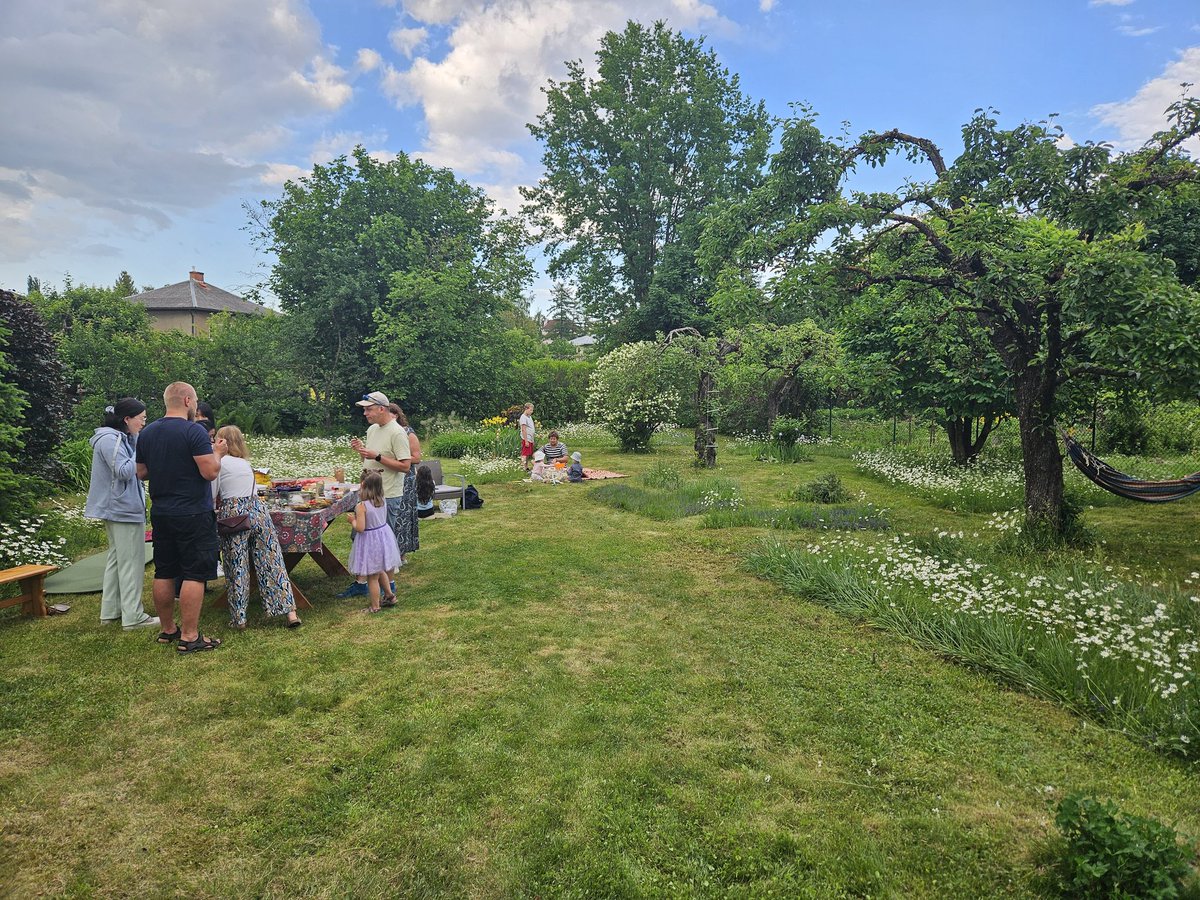
Yesterday, Mari and Martin hosted the 15th traditional garden party🍓🧀 for their closest colleagues. Last year, they received a beautiful home award from the Estonian president for their species rich and beautiful garden 🍾 what an inspiration!🪻🐞
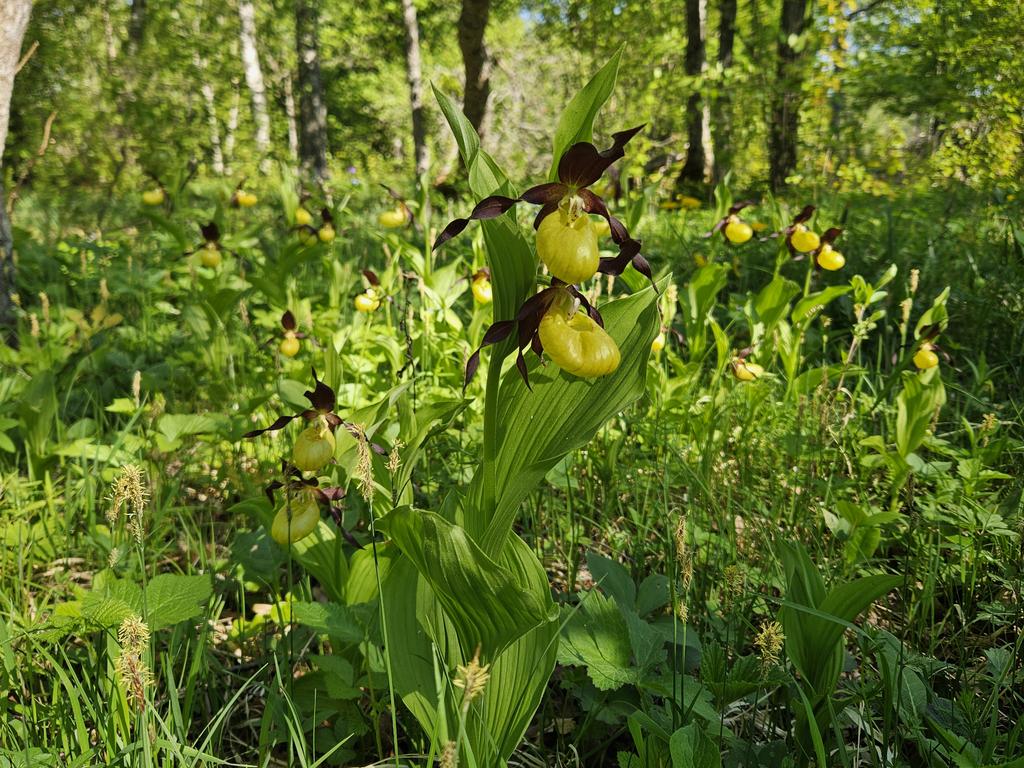
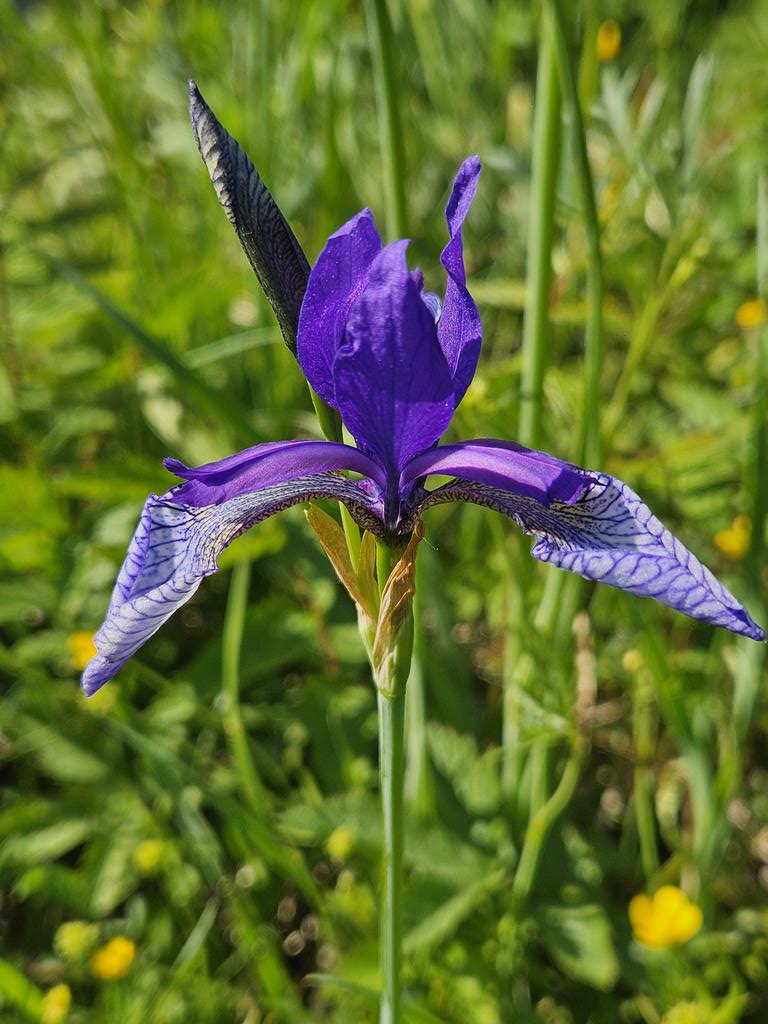
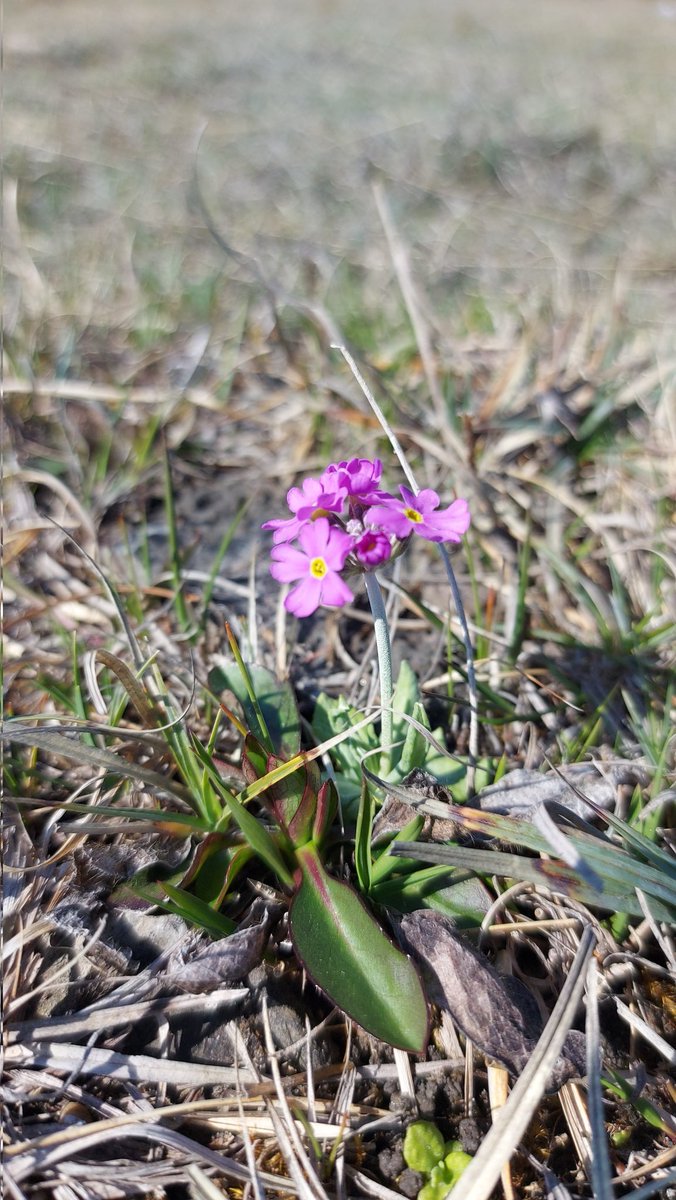
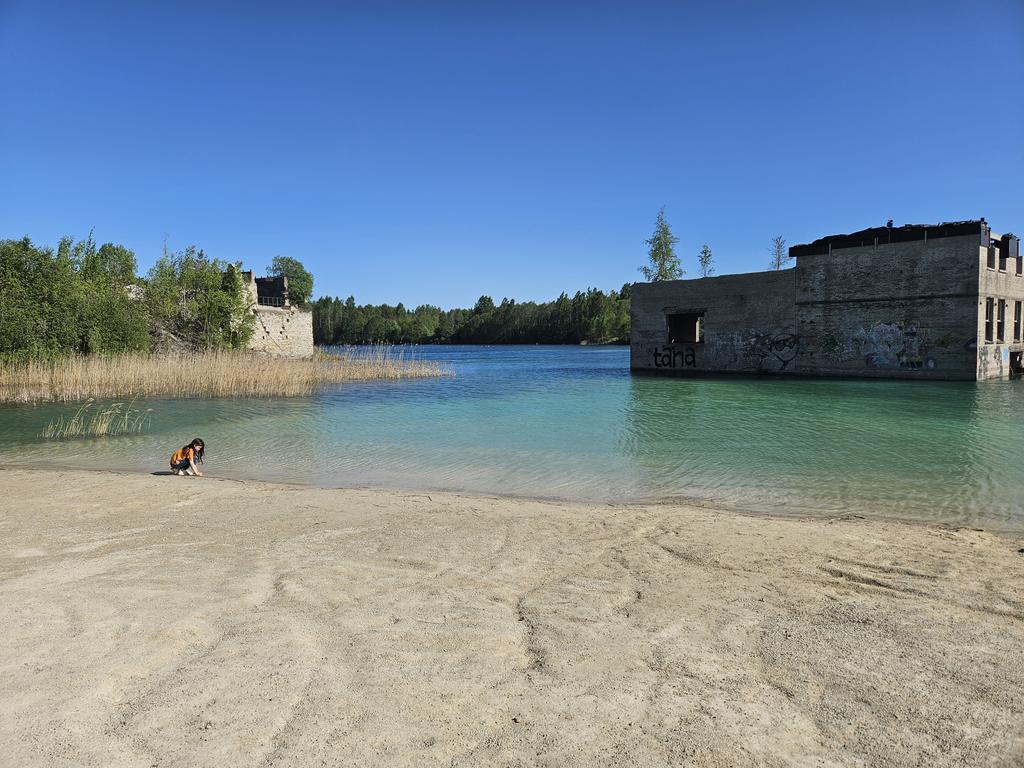
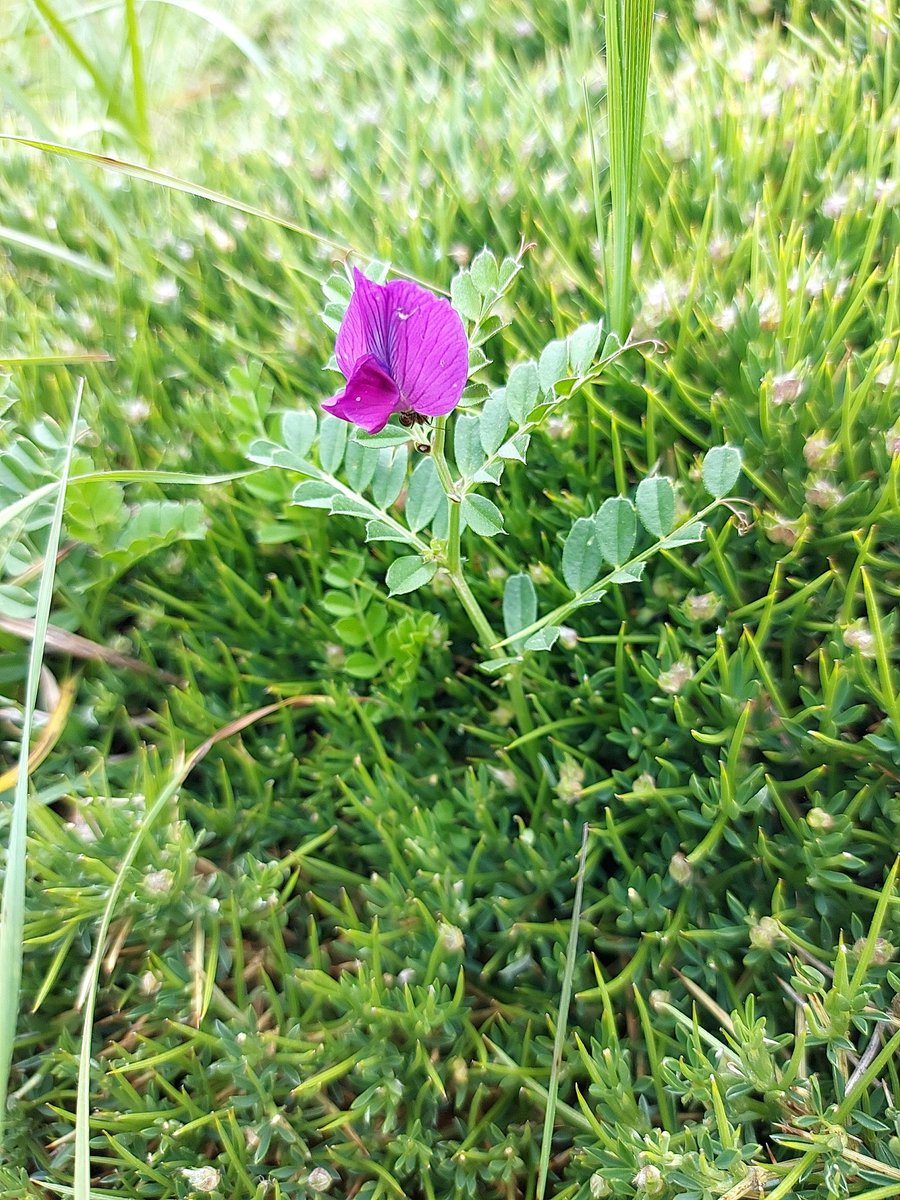
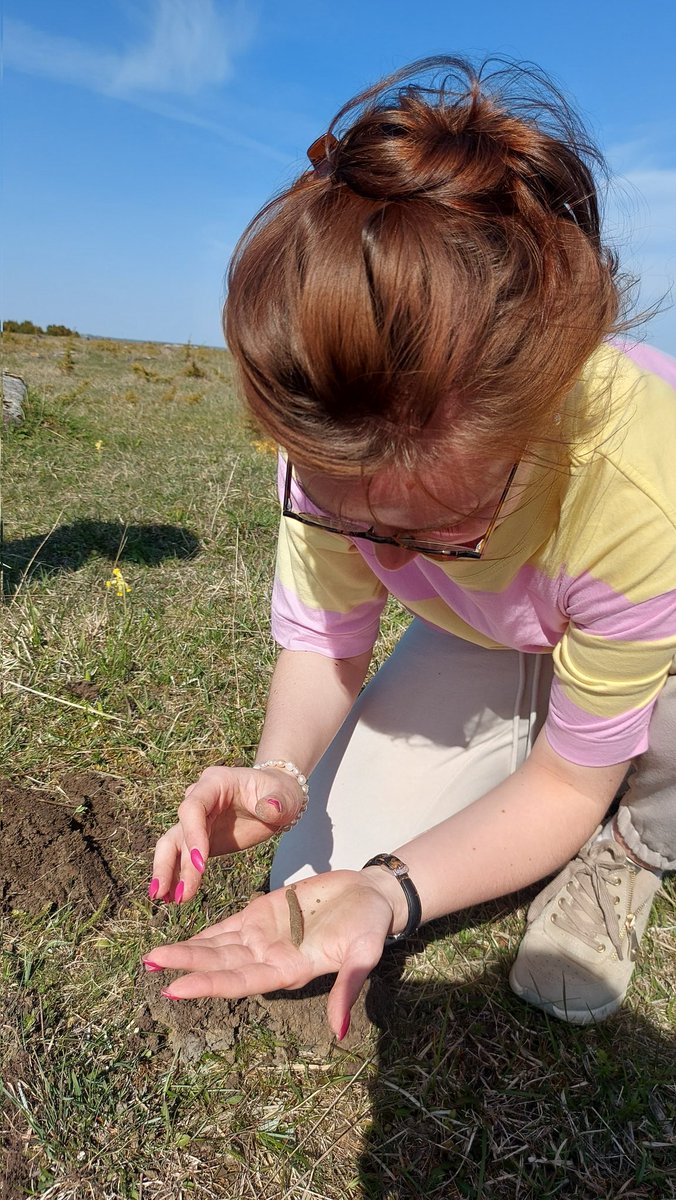
Over the past few days, we took the opportunity to explore the beautiful habitats and ☀️ weather in the best company. Now fully charged for the field season! 💪 Let the summer begin!🍀🌸🪰
We are reopening a search for a postdoc in my group. I am looking for a curious person with an interest in plant-soil / plant-insect interactions to join our large and diverse team (https://t.co/bAZQXQsfpv). 1/4
Precisely ONE WEEK ❗️to apply for a post-doc position in our department! If you love 💚🤎interactions between plants and soil communities, this can perfectly match you. ⬇️
Do you have a PhD, your topic is related to plants or soil and you are looking for new challenges?🧐 Come join us @PlantEcoEvoUT! We are almost at full swing with nice people and some of the research established but plenty of more to discocer @ERC_Research project!
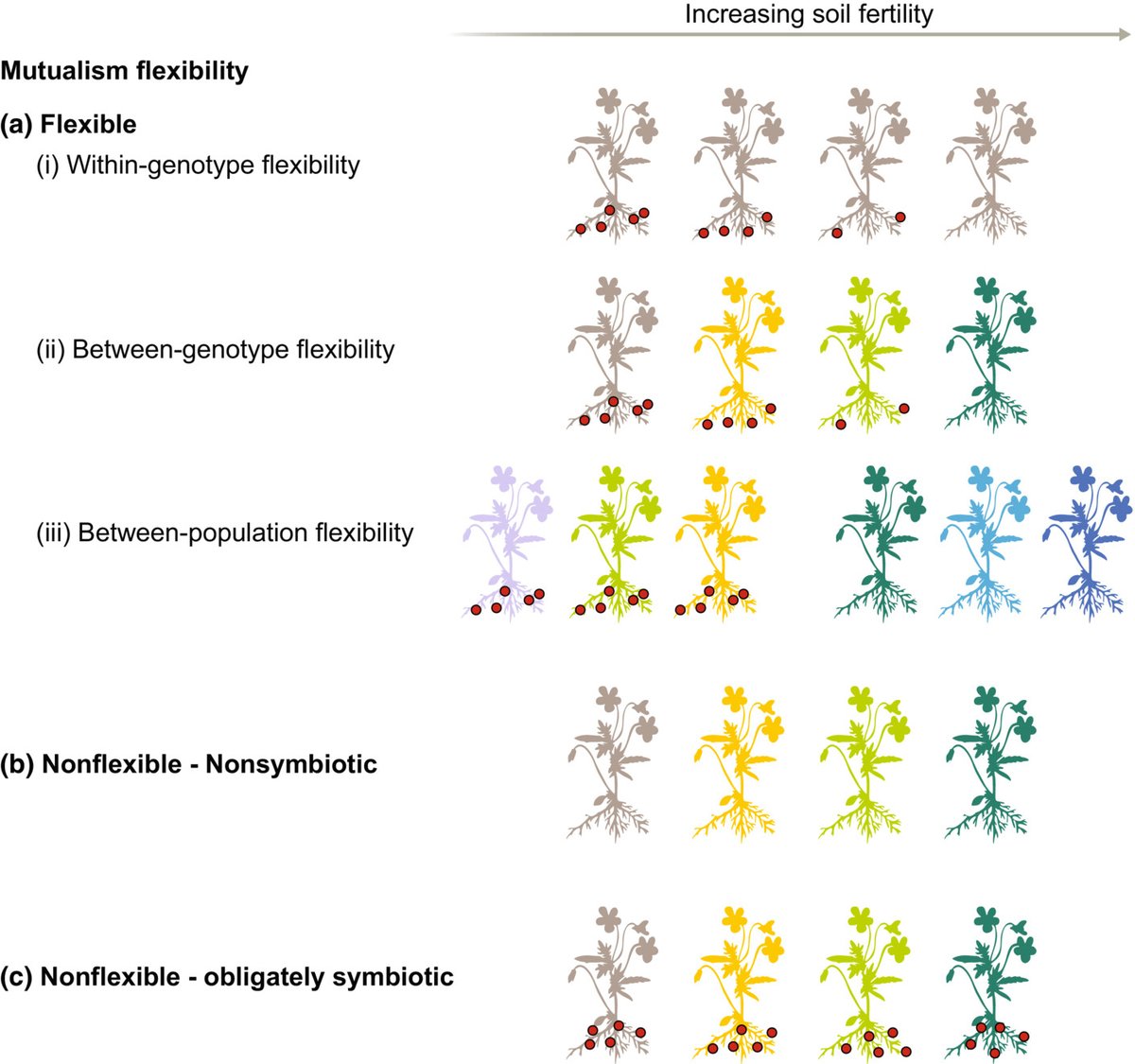
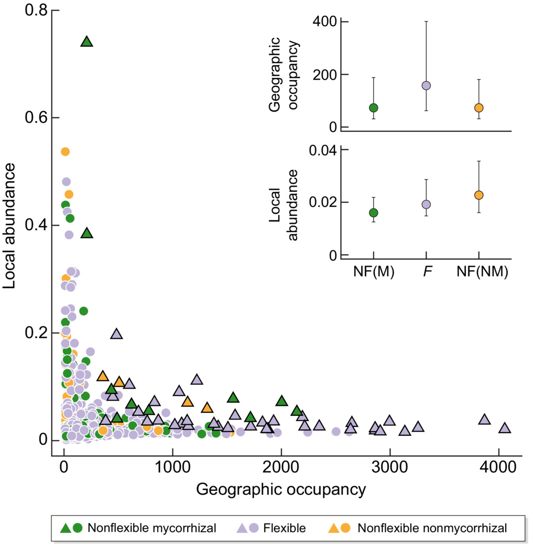
What is the key to success for a plant🌱species in current conditions where climate☀️ and landscape🏞️ are changing🛤️? In the new paper (link in 🧵), we argue that it can be plasticity with symbiotic microbes such as AM fungi, demonstrated in the figure below. What do you think?🧐
📢New paper���using empirical data from 11,770 plant🌱 species demonstrates that mycorrhizal types (AM, ECM, ERM, ORM, NM) are largely phylogenetically conserved while environmental variables explain more variation in mycorrhizal statuses (OM, FM).⬇️ https://t.co/z5piBSzWnf
The results also suggest the importance of variables reflecting soil texture (mean or variability of sand, clay or silt) in explaining mycorrhizal type and status.🧐Considering these variables can be important for explaining plant mycorrhizal traits at small scale!
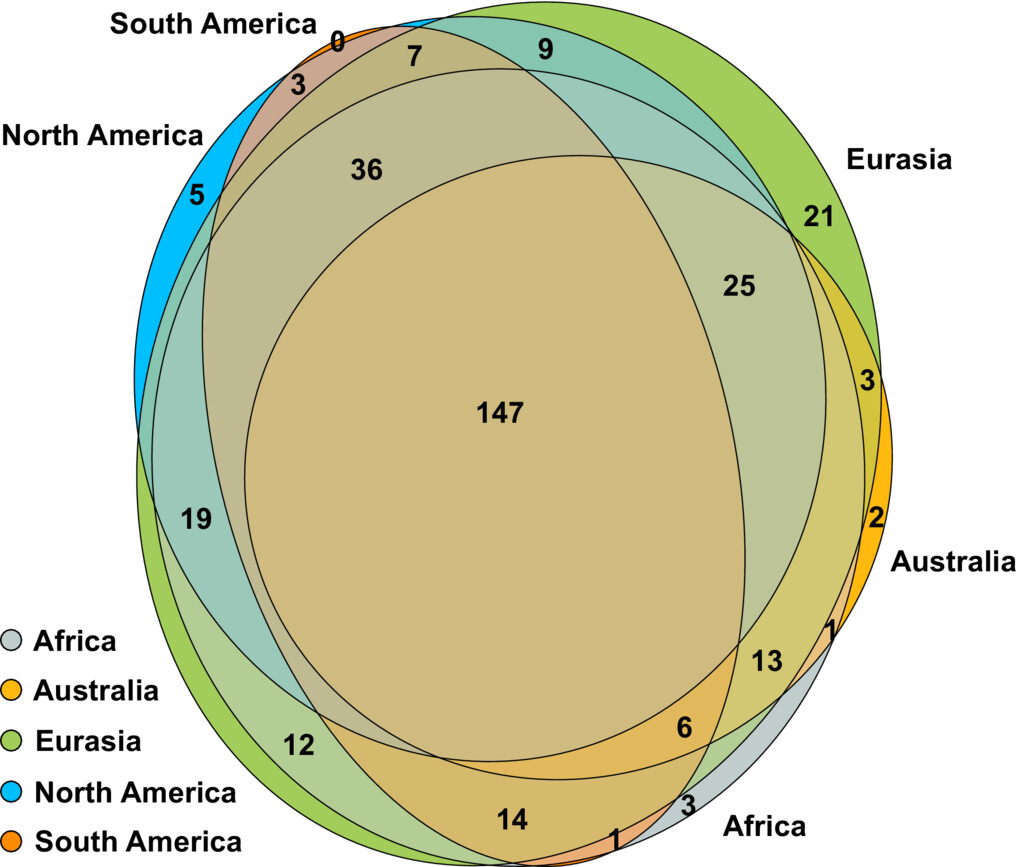
GlobalAMFungi: a global database of arbuscular mycorrhizal fungal occurrences from high-throughput sequencing metabarcoding studies
Větrovský et al. @globalfungi@Kohout_mycor@baldrianp@maarja_opik
📖 https://t.co/0VEJIpshIq
Kicking off the semester with a new #PhD student👨🎓Meet @PhilemonGyamfi, who will explore multi-trophic #interactions in invaded plant communities 🦠🌱🪳 during the next 4 years. Have wonderful discoveries in the science and beyond, Philemon!
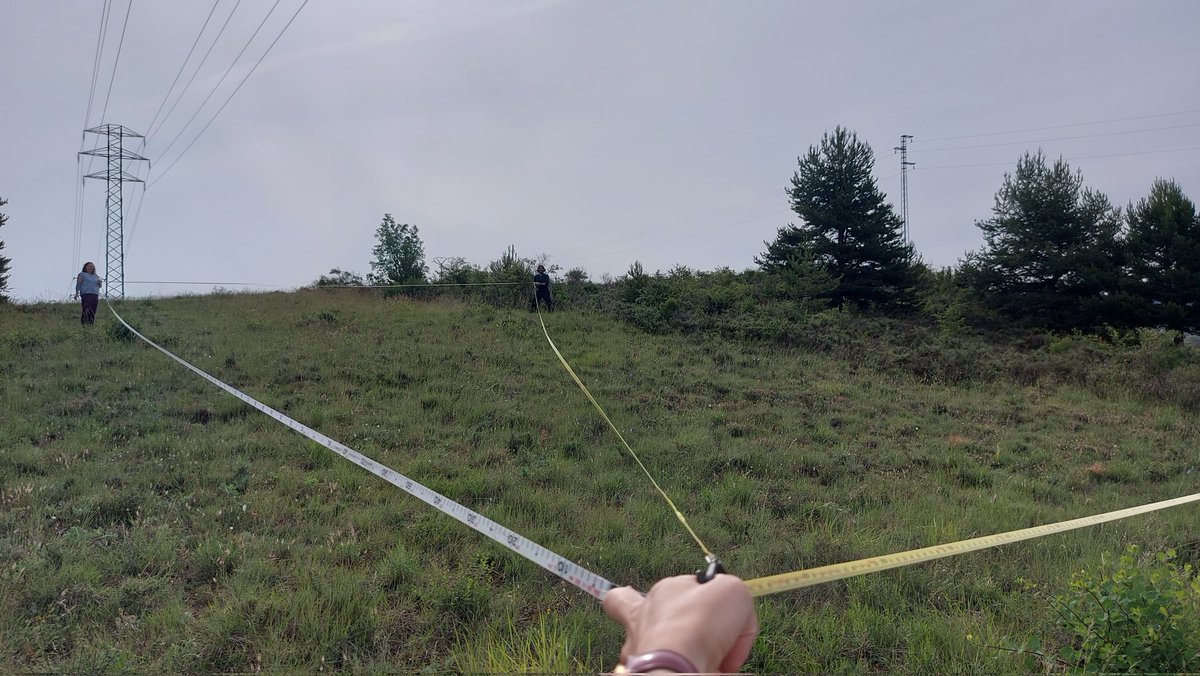
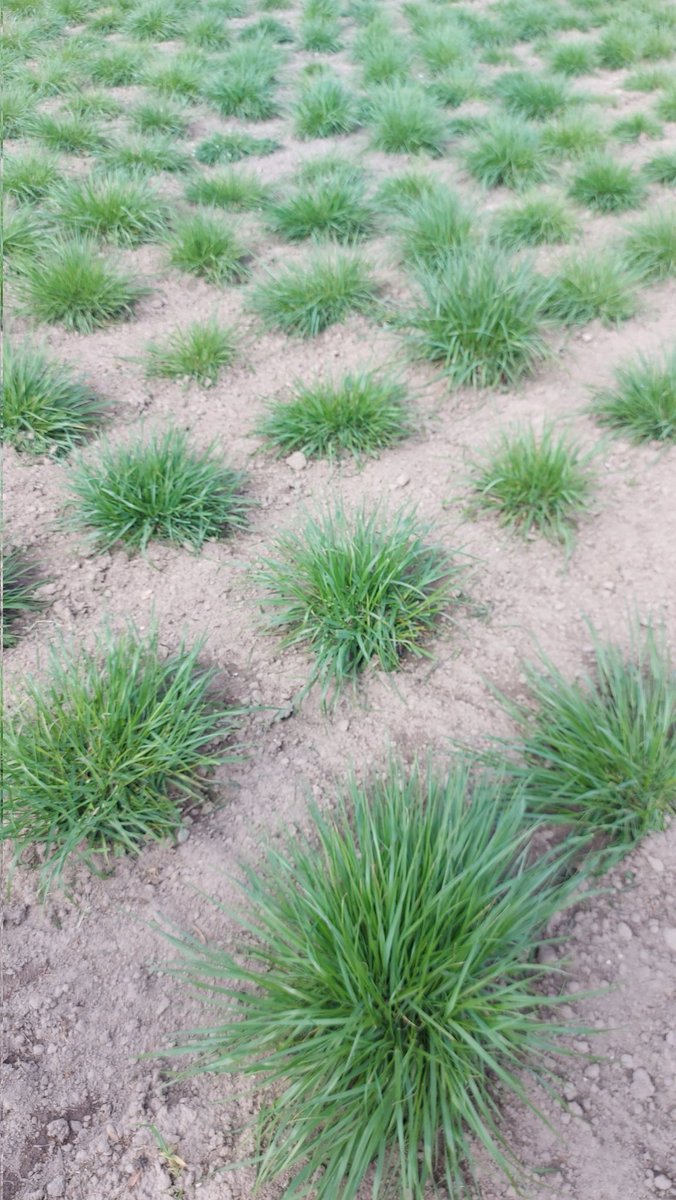
What a busy week refreshing our knowledge about sedges and grasses 🌾, doing annual measurements of @BugNet_research site and harvesting photometer plants 🌱 (or what's left of them 🐐 🐌 ).
Interested in plant functional traits? Or just in traits of any organism? Check our discussion in @Nature on how trait selection influences (or not) the characteristics of synthetic functional spaces like the global spectrum of plant form and function:
https://t.co/bF13COiDRs
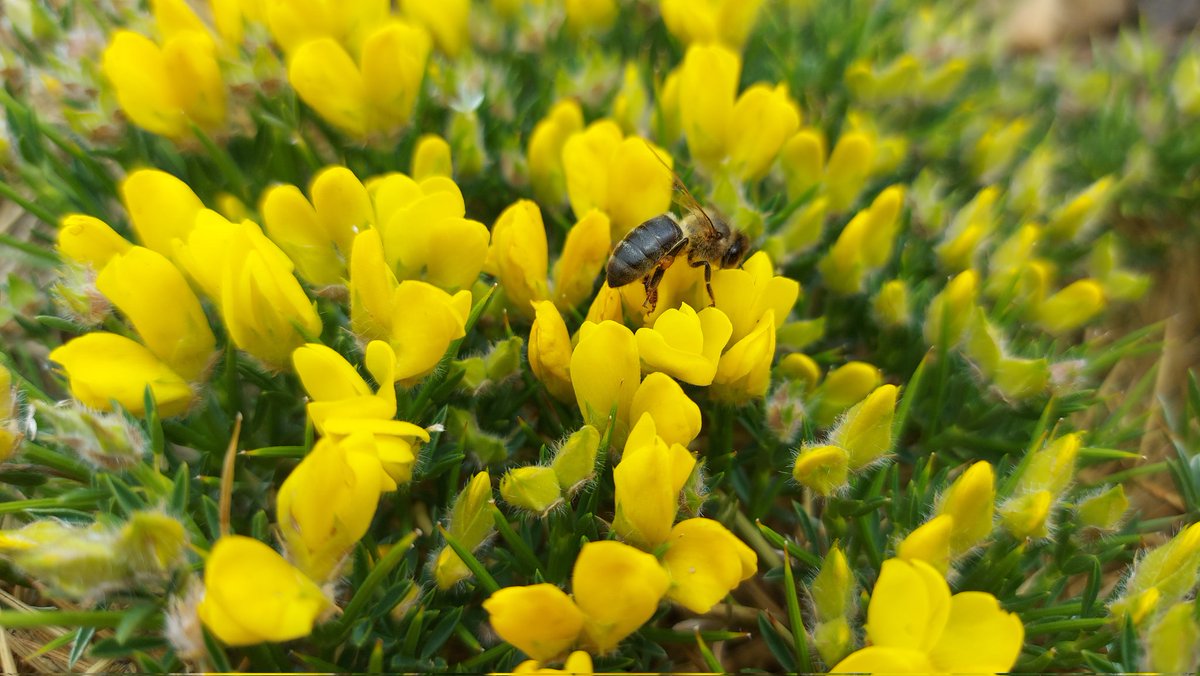
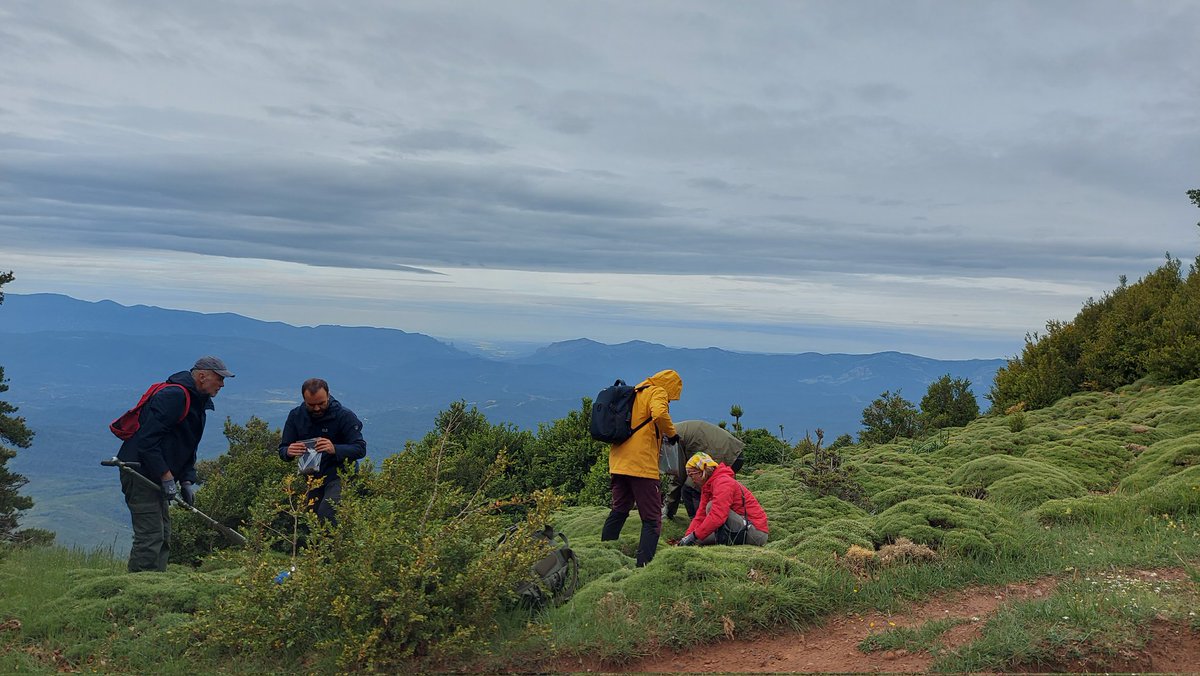
What a treat it has been doing fieldwork in Pyrenees, assisting @GuilleBuenoG with setting up a #BugNet experimental site🪲🦗, collecting samples to examine plant-microbe interactions🌱🦠, enjoying the plants🌼🪻, views, food and company 🤓
My lab is looking for two postdocs, a PhD student, and a technician to join a set of new, collaborative, and well-funded projects exploring multi-trophic interactions in grasslands and identifying management interventions that can enhance the associated ecosystem services. 1/4
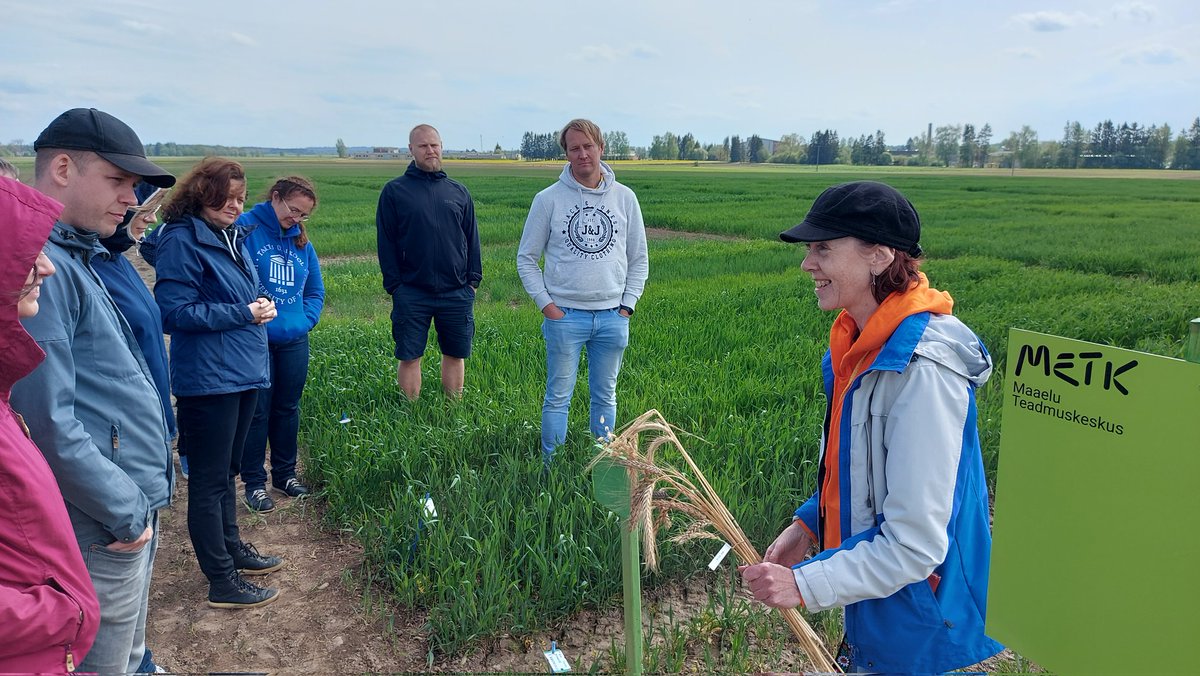
Thank you,The Centre of Estonian Rural Research and Knowledge #METK, for the warm welcome, introduction of the research and facilities! 🌾🌿☘️🍀🥔 Hopefully, many seeds spread for new collaborations! 🦠🧑🌾👩🔬
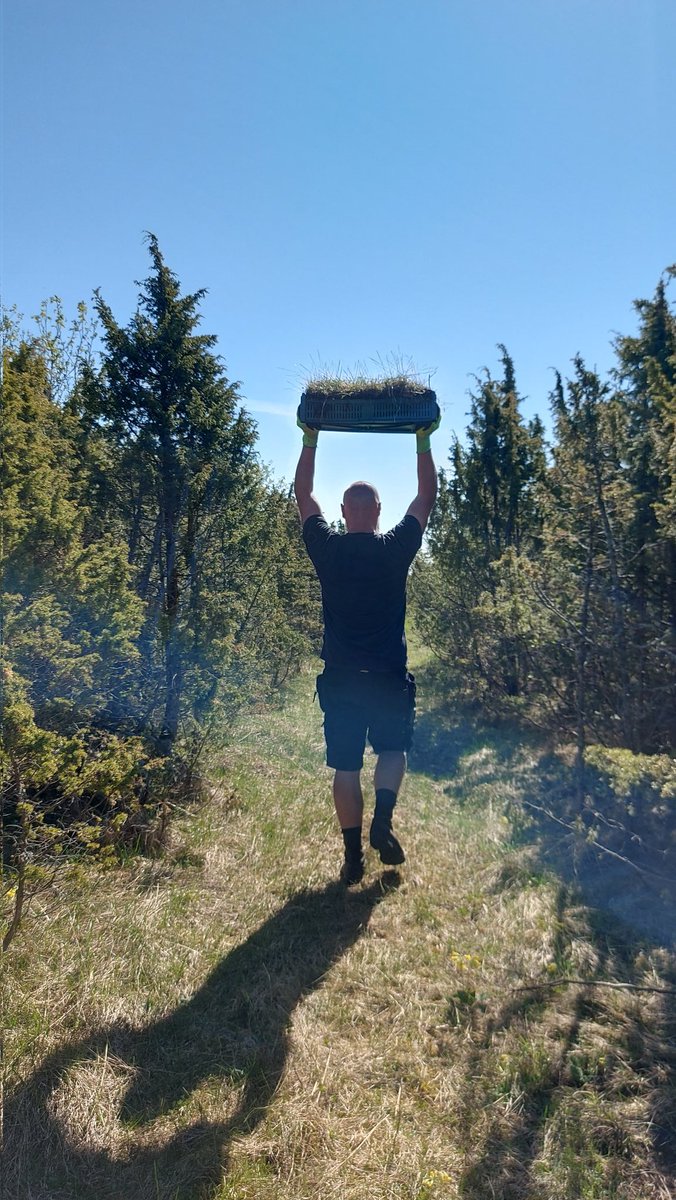
#Summer weather in combination with #spring vegetation was just perfect for the first fieldwork of the season! 😎Grow well, little #BugNet phytometers, we'll be back soon after setting up a new experiment for #PlantSoilAdapt 💪 @PlantEcoEvoUT @tonissonan@sk_sepp