Sea Turtle Protection
Sea turtles have traveled the world's oceans for millions of years, but pollution, plastic waste, habitat loss, and illegal hunting threaten their survival. Protecting nesting beaches, reducing plastic use, and supporting conservation efforts help these remarkable animals thrive. Every small action contributes to healthier oceans and a safer future for sea turtles.
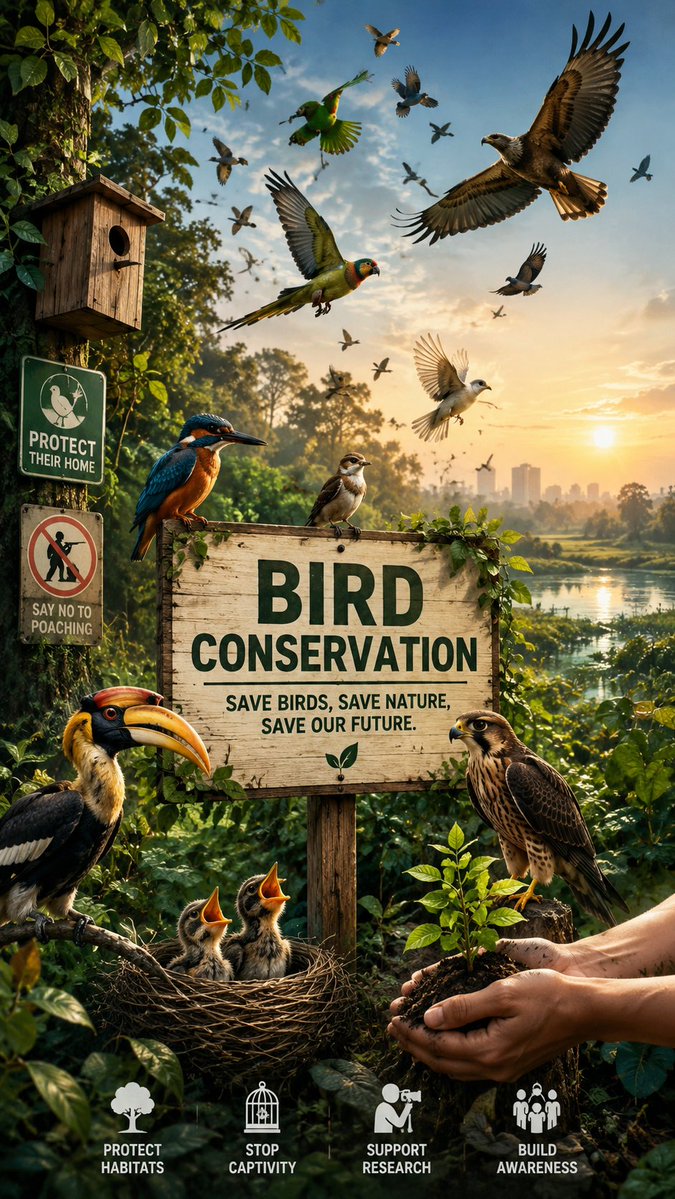
Bird Conservation
Bird conservation protects bird species and the habitats they depend on for survival. Birds help pollinate plants, disperse seeds, and control insect populations, making them essential to healthy ecosystems. Protecting forests, wetlands, and grasslands, reducing pollution, and preventing illegal hunting ensure future generations can continue enjoying the beauty and benefits of birds.
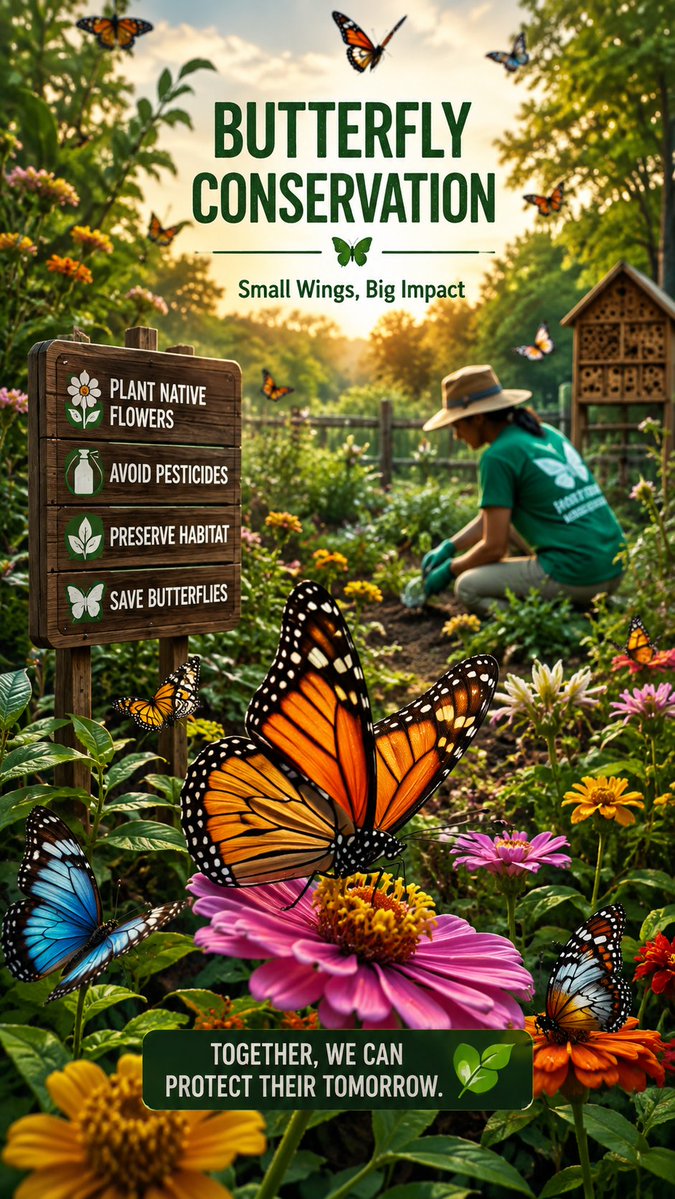
Butterflies are vital pollinators that support healthy ecosystems and thriving plant life. However, habitat loss, pesticide use, and climate change threaten many butterfly species worldwide. You can help by planting native flowers, reducing pesticide use, and protecting natural habitats. Every butterfly saved contributes to biodiversity and a healthier environment for future generations.
Bees are among the world's most important pollinators, helping fertilize many of the fruits, vegetables, nuts, and seeds that people eat every day. Nearly one-third of global food production depends on pollinators like bees. By transferring pollen between flowers, bees increase crop yields, improve food quality, and support biodiversity. However, habitat loss, pesticide use, climate change, and diseases are causing bee populations to decline.
Protecting bees means planting native flowers, reducing harmful chemicals, and conserving natural habitats. Healthy bee populations help ensure stable harvests, stronger ecosystems, and reliable food supplies for future generations. Protect bees today to help secure tomorrow's food.
Pollinator conservation is essential for healthy ecosystems and global food security. Pollinators such as bees, butterflies, birds, bats, and other insects transfer pollen between flowers, allowing plants to produce fruits, vegetables, seeds, and nuts. Nearly 75% of the world's flowering plants and about one-third of food crops depend on pollinators. However, habitat destruction, pesticide use, climate change, pollution, and invasive species are causing pollinator populations to decline worldwide.
Everyone can help protect pollinators by planting native flowers, reducing pesticide use, preserving natural habitats, and creating pollinator-friendly gardens. Even small actions, such as leaving patches of wildflowers or providing clean water, can make a significant difference. Supporting sustainable farming practices also helps maintain healthy pollinator populations.
Protecting pollinators is about more than saving bees and butterflies—it is about preserving biodiversity, securing food production, and maintaining balanced ecosystems for future generations. Every flower planted and every habitat restored contributes to a healthier planet where both wildlife and people can thrive together.
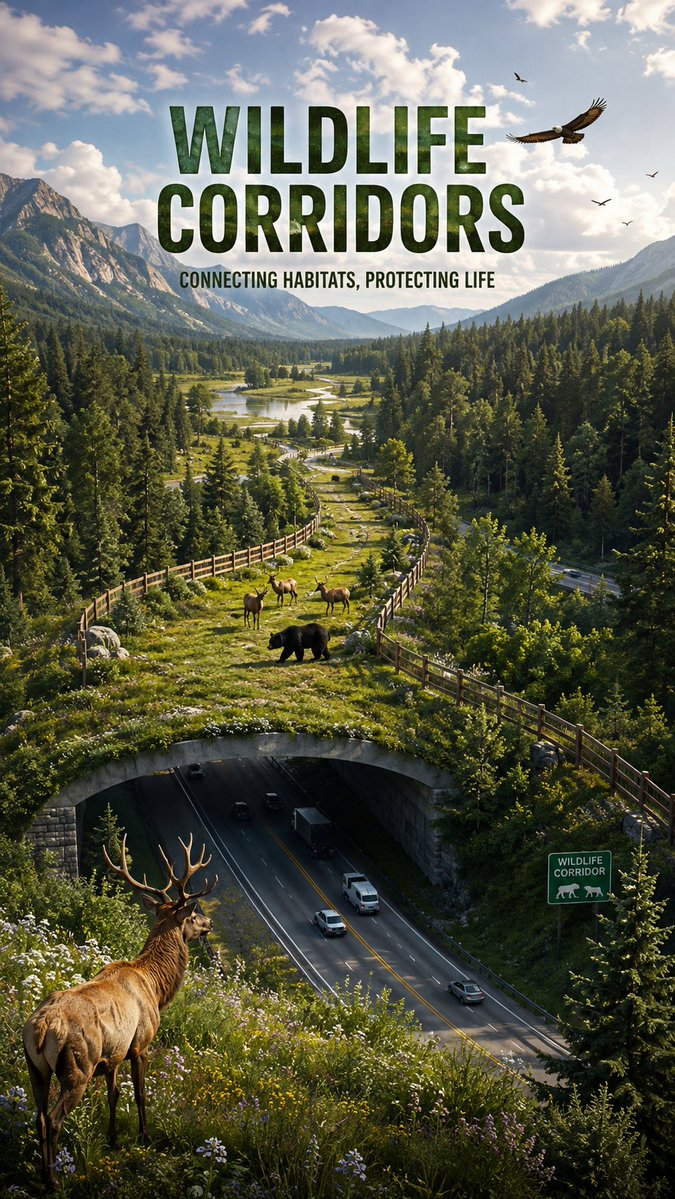
Wildlife Corridors: Connecting Nature for Survival
Wildlife corridors are natural or human-made pathways that connect isolated habitats, allowing animals to move safely between forests, grasslands, wetlands, and other ecosystems.
As roads, cities, and farms expand, many animal populations become trapped in fragmented habitats, making it harder to find food, water, mates, and shelter. Wildlife corridors reduce these barriers by providing safe routes for migration and daily movement.
They also help decrease vehicle collisions with animals, protect endangered species, and maintain healthy genetic diversity by allowing different populations to interbreed. Examples include forest strips, river corridors, and specially designed wildlife bridges and tunnels built over or under highways.
Around the world, these conservation solutions have helped species such as elephants, bears, deer, wolves, and big cats survive in changing landscapes. Protecting and expanding wildlife corridors is essential for preserving biodiversity and ensuring ecosystems remain healthy for future generations.
Every connected habitat gives wildlife a better chance to thrive in an increasingly developed world.
Nature Reserves: Protecting Wildlife and Natural Heritage.
Nature reserves are protected areas created to conserve wildlife, plants, and natural ecosystems. They provide safe habitats where endangered species can live, breed, and thrive without the pressures of deforestation, hunting, or urban development. These protected landscapes also preserve rivers, forests, wetlands, and grasslands that support biodiversity and help regulate the Earth's climate.
Nature reserves play a vital role in scientific research, environmental education, and sustainable tourism. Visitors can experience the beauty of nature while learning the importance of conservation. Local communities also benefit through eco-tourism, employment opportunities, and improved environmental awareness.
Despite their importance, many nature reserves face threats such as illegal logging, poaching, pollution, invasive species, and climate change. Protecting these areas requires strong laws, effective management, community participation, and global cooperation.
Every person can contribute by supporting conservation organizations, respecting protected areas, reducing waste, and promoting sustainable practices. By safeguarding nature reserves today, we ensure that future generations inherit a healthier planet rich in wildlife, clean water, and thriving ecosystems.
Hydropower: Clean Energy from Flowing Water.
Hydropower is one of the world's oldest and most reliable sources of renewable energy. It generates electricity by using the force of flowing or falling water to spin turbines connected to generators. Unlike fossil fuels, hydropower produces electricity with very low greenhouse gas emissions during operation, making it an important tool in reducing climate change.
Hydropower plants also provide several additional benefits. Many reservoirs help control floods, store water for irrigation, and supply drinking water to nearby communities. Some facilities support recreation, fishing, and tourism, contributing to local economies.
However, hydropower is not without challenges. Building large dams can alter river ecosystems, disrupt fish migration, and displace communities if projects are not carefully planned. Modern hydropower projects increasingly incorporate fish passages, environmental flow management, and other measures to reduce ecological impacts.
When responsibly developed and managed, hydropower offers a dependable, renewable energy source that supports sustainable development, improves energy security, and helps countries transition toward a cleaner, more resilient future.
Wind Energy: Powering a Cleaner Future
Wind energy is one of the fastest-growing sources of renewable electricity in the world. It works by using the force of moving air to turn the blades of wind turbines, which drive generators that produce clean, emission-free electricity. Unlike fossil fuels, wind power does not release harmful greenhouse gases during operation, making it an important solution in the fight against climate change.
Modern wind farms can generate enough electricity to power thousands of homes while reducing dependence on coal, oil, and natural gas. Wind energy also creates jobs in manufacturing, installation, maintenance, and engineering, contributing to economic growth in many regions.
Although wind power depends on weather conditions and requires suitable locations, advances in energy storage and grid technology continue to improve its reliability. As countries invest in sustainable energy, wind power is becoming a key part of the global transition to cleaner electricity. By supporting renewable energy, individuals and governments can help build a healthier environment and a more sustainable future for generations to come.
National Parks: Protecting Nature for Future Generations.
National parks are protected natural areas that preserve wildlife, forests, mountains, rivers, and unique ecosystems. They play a vital role in conserving biodiversity by providing safe habitats for countless plant and animal species, many of which are endangered. These parks also protect clean water sources, improve air quality, and help combat climate change by storing carbon in forests and wetlands.
Beyond conservation, national parks offer opportunities for recreation, education, and scientific research. Visitors can enjoy hiking, camping, birdwatching, photography, and experiencing the beauty of nature while learning about environmental protection. Tourism in national parks also supports local communities by creating jobs and encouraging sustainable economic growth.
However, national parks face threats from illegal logging, poaching, pollution, and climate change. Protecting these natural treasures requires responsible tourism, stronger conservation policies, and public awareness. By respecting park rules and supporting conservation efforts, we can ensure that national parks remain vibrant, healthy ecosystems for wildlife and future generations to explore and enjoy.
Urban green spaces are essential for creating healthier, more sustainable cities. Parks, community gardens, tree-lined streets, and green roofs improve air quality by absorbing carbon dioxide and filtering pollutants.
They also help reduce urban heat, making cities cooler during hot weather while providing habitats for birds, insects, and other wildlife.
Beyond environmental benefits, green spaces have a positive impact on physical and mental health. They encourage walking, cycling, exercise, and outdoor recreation while offering peaceful places to relax and reduce stress. These natural areas also strengthen
communities by bringing people together for social activities, events, and family gatherings.
As cities continue to grow, protecting and expanding green spaces becomes increasingly important. Planting more trees, preserving existing parks, and incorporating nature into urban planning can improve quality of life for present and future generations.
Every resident can contribute by supporting tree-planting initiatives, maintaining local parks, and promoting sustainable development. Greener cities are healthier, more resilient, and better places to live for everyone.
Why Wetlands Matter: The Hidden Heroes of Our Planet.
"Right now, somewhere on Earth, wildlife is fighting its last battle for survival. The question is—will we save it before it's gone forever?" As sunrise lights the wetlands, birds take flight and nature awakens. These rich habitats provide food, shelter, and clean water for countless species. Protect wetlands—every ecosystem matters. Watch here for full video👇👇👇
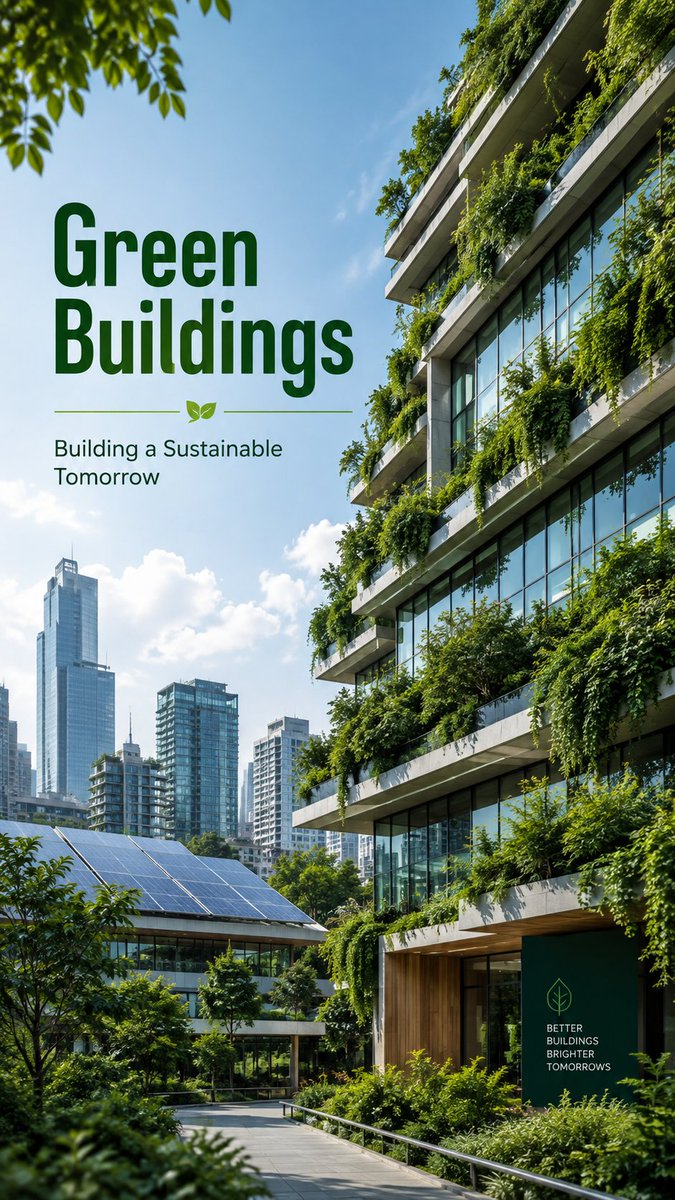
Green buildings are designed to reduce environmental impact while creating healthier and more efficient spaces for people. They use sustainable materials, energy-efficient lighting, proper insulation, renewable energy systems, and water-saving technologies to minimize waste and lower operating costs. Features such as solar panels, rainwater harvesting, green roofs, and natural ventilation help conserve valuable resources while reducing greenhouse gas emissions.
Beyond protecting the environment, green buildings improve indoor air quality, increase natural lighting, and provide more comfortable living and working conditions. These benefits can boost productivity, support better health, and reduce long-term maintenance expenses. As cities continue to grow, sustainable construction plays a vital role in addressing climate change and preserving natural ecosystems.
Governments, businesses, and homeowners are increasingly embracing green building practices to create resilient communities and a cleaner future. Every energy-efficient home, office, school, and public building contributes to a healthier planet. Investing in green buildings today is an investment in environmental sustainability, economic savings, and a better quality of life for future generations.
Recycling: A Simple Habit That Protects the Planet
Recycling is one of the easiest and most effective ways to reduce waste and protect the environment. By separating materials such as paper, plastic, glass, and metal, these items can be processed and turned into new products instead of ending up in landfills. Recycling conserves natural resources, saves energy, reduces pollution, and lowers greenhouse gas emissions.
It also helps protect wildlife by reducing litter in forests, rivers, and oceans. Every recycled bottle, can, or sheet of paper contributes to a cleaner and healthier planet. Communities, businesses, and individuals all play an important role by practicing proper waste sorting and supporting recycling programs.
Choosing products made from recycled materials further strengthens the recycling cycle and encourages sustainable production. Although recycling alone cannot solve all environmental problems, it is a powerful step toward reducing our environmental impact.
Small daily actions, when multiplied by millions of people, create lasting positive change and help build a greener, more sustainable future for generations to come.
Energy Efficiency: Saving Energy, Saving Money
Energy efficiency means using less energy to perform the same tasks without sacrificing comfort or productivity. Simple changes such as switching to LED light bulbs, using energy-efficient appliances, improving home insulation, and turning off unused electronics can significantly reduce electricity consumption.
These practices not only lower utility bills but also reduce greenhouse gas emissions and help conserve natural resources.
Businesses and industries also benefit from energy-efficient technologies by cutting operating costs and increasing productivity. Governments worldwide encourage energy efficiency through building standards, appliance labels, and incentive programs that promote sustainable energy use.
Every small action counts. Choosing public transportation, maintaining vehicles properly, using smart thermostats, and maximizing natural lighting are practical ways to save energy every day. As global energy demand continues to grow, improving energy efficiency is one of the fastest and most cost-effective solutions for combating climate change. By embracing energy-efficient habits today, we can protect the environment, strengthen energy security, and create a cleaner, healthier, and more sustainable future for generations to come.