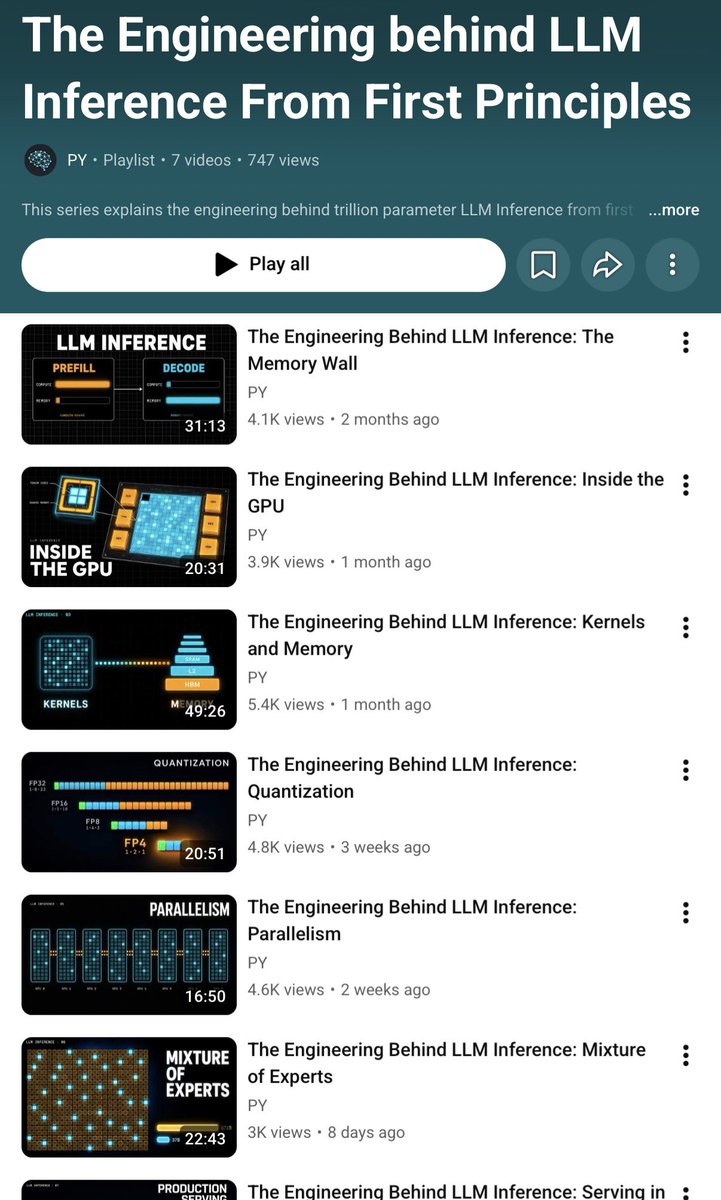
This playlist is super underrated when it comes to understanding the engineering behind trillions parameter LLM inference from first principles by @thecommitlog
Save it for your weekend watch :
https://t.co/2VNA1WteiU
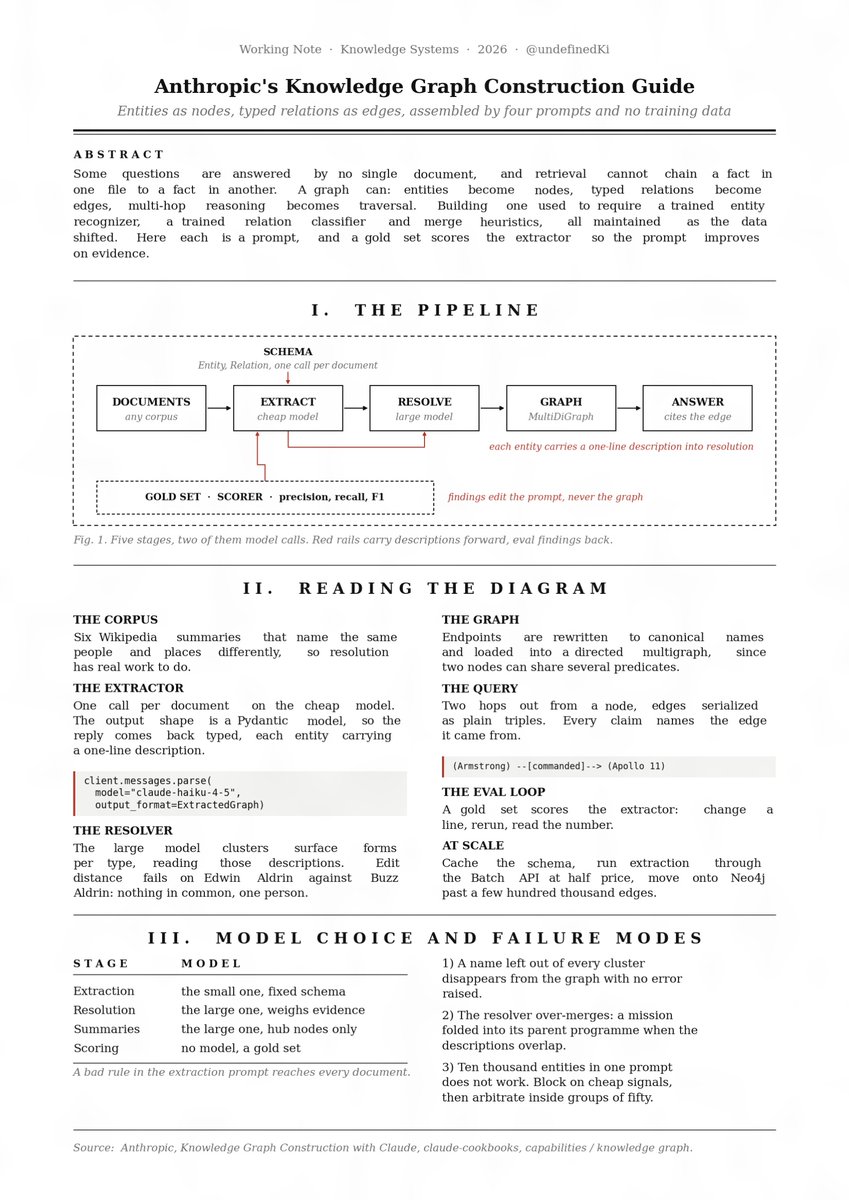
Anthropic just published the official guide to building a knowledge graph with Claude.
You build one when the answer lives in no single document. Who works with the people who worked on project X. Which vendors are connected to this incident. Retrieval gives you the closest chunks, but the full chain exists in none of them.
This used to mean training an entity recognizer on your domain, training a relation classifier, and writing merge rules by hand. Three systems to maintain, all three going stale as your data shifts. In Anthropic’s guide, each one becomes a prompt.
The cheap model handles extraction. You define the output shape once, and every document comes back as typed entities and triples that fit it. It also writes one sentence about each entity, which looks like a throwaway until the next step.
Then the smart model merges duplicates, and this is where the old stack often broke. Edit distance catches NASA against National Aeronautics and Space Administration. It does nothing for Edwin Aldrin and Buzz Aldrin, which share no characters but are the same person. The model reads those one-line descriptions and merges them based on meaning.
Queries run the other way. Take the neighborhood around one node, hand Claude the raw triples, and every claim in the answer points back to the edge it came from.
It ships with a gold set and a scorer, so you change one line of the extraction prompt, rerun it, and watch precision move.
Full breakdown in the article below.
Bookmark this.
She built 100+ agents for Anthropic and made $1.3M - and in 60 minutes leaked everything she knows at Stanford:
02:07 - her first agent for Anthropic brought her $1.3M
08:34 - agents replace a team of 50 engineers worth $200k a month
19:47 - one agent did overnight what the company planned for 5 years
after watching I launched my first agent - $7k in the first week and zero employees needed.
Save & watch - the article below is step by step how to build your first agent like hers.
this is f*cking gold
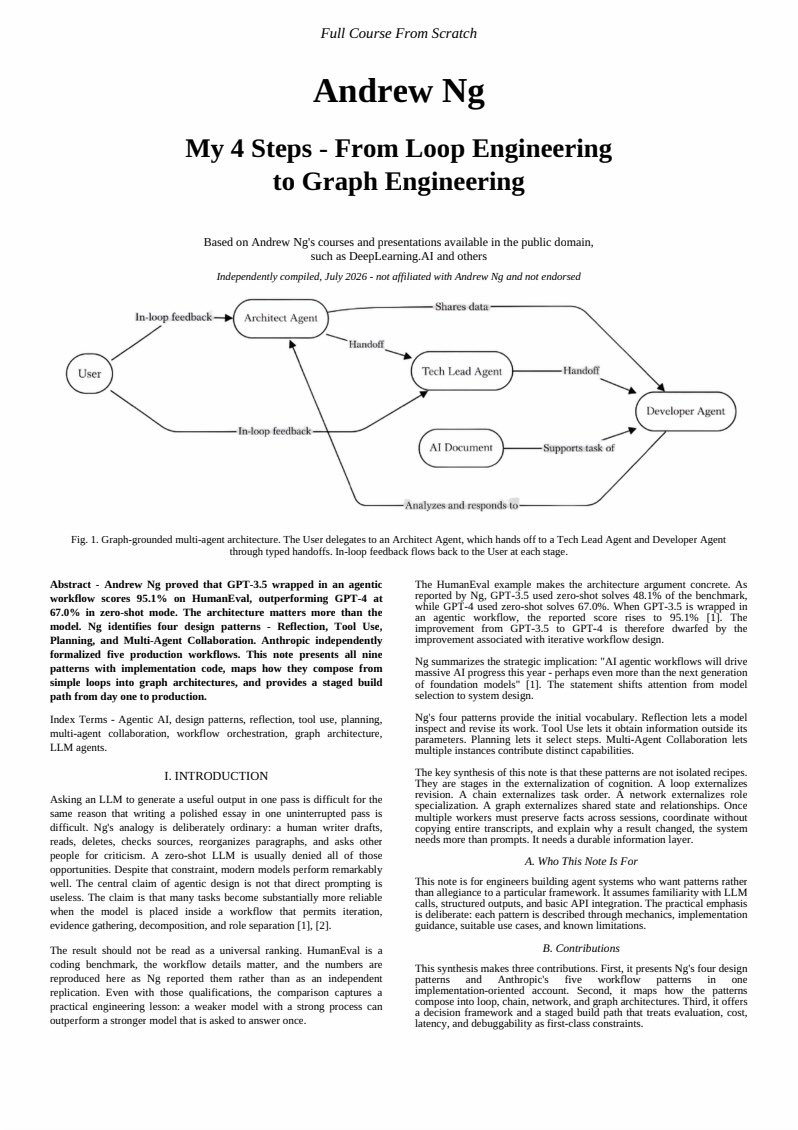
Andrej Karpathy joined Anthropic five weeks ago.
Two Anthropic seniors just made Karpathy's loop 1000x better with "Graph Engineering"
the agentic systems got 1000x better the moment you wired agents into a graph
I dropped it into my setup. The very first response was different.
Not slightly different. Completely different.
Claude stopped giving generic answers and started working exactly the way I think.
Bookmark it before it gets lost in your feed.
Read it now, then check the article below.
As a Backend Engineer, you must build these projects.
Systems that prove you can scale, secure & ship.
1.) High-Throughput API Service
Build: FastAPI or Go service handling 10k+ RPS with async processing.
Why: Proves you understand concurrency, latency & load balancing.
2.) Real-Time Data Pipeline
Build: Kafka or Flink pipeline processing events with exactly-once semantics.
Why: Shows you can handle streaming data not just batch jobs.
3.) Vector Search Engine
Build: Similarity search over millions of embeddings with metadata filtering.
Why: Modern backends need semantic search not just keyword matching.
4.) Distributed Cache Layer
Build: Redis-based caching with invalidation strategies and cache warming.
Why: Database performance depends on your caching strategy.
5.) Multi-Tenant Auth System
Build: OAuth2/OIDC provider with RBAC, SSO & session management.
Why: Security is non-negotiable. You must understand identity deeply.
6.) Background Job Queue
Build: Celery or Bull alternative with retry logic, dead-letter queues, priorities.
Why: Async task processing is the backbone of scalable systems.
7.) Observability Platform
Build: Distributed tracing, structured logging, metrics dashboards, alerting.
Why: You cannot fix what you cannot see. Debugging at scale requires visibility.
8.) Event-Driven Microservices
Build: Pub/Sub architecture with saga pattern for distributed transactions.
Why: Monoliths do not scale. You need to manage service communication.
9.) Infrastructure as Code
Build: Terraform or Pulumi scripts provisioning entire environments reproducibly.
Why: Manual deployment is dead. Automation is mandatory.
10.) Database Sharding Strategy
Build: Horizontal partitioning with consistent hashing and rebalancing logic.
Why: Vertical scaling has limits. You must know how to scale data.
11.) Security Middleware
Build: Rate limiting, WAF rules, input validation, DDoS protection layers.
Why: One vulnerability can destroy trust. Security is a feature.
12.) CI/CD Pipeline
Build: GitHub Actions with automated testing, canary deployments, rollback.
Why: Shipping fast means shipping safely. Automation reduces risk.
13.) Real-Time WebSocket Server
Build: Bidirectional communication for chat, notifications or live updates.
Why: HTTP is not enough for modern interactive experiences.
14.) Cost Optimization Dashboard
Build: Track cloud spend per service, identify waste, automate resource scaling.
Why: Engineering decisions impact profitability. FinOps is part of the job.
15.) Disaster Recovery Plan
Build: Backup strategies, failover testing, data restoration procedures.
Why: Systems fail. Your ability to recover defines reliability.
Most people watch tutorials. Builders ship systems.
Bookmark & Repost.
AI system design interviews are messy. This repo gives you a map.
AI System Design Guide is a practical GitHub reference for engineers preparing for AI system design interviews and building production AI systems.
It helps you avoid random tutorial-hopping by organizing the path around interview prep, RAG, agents, model selection, evaluation, security, reliability, and case studies.
Key features:
• Goal-based navigation – jump straight to interview prep, RAG, agents, model picking, evals, role transition, or the glossary
• Production AI coverage – chapters span retrieval systems, agentic systems, MLOps, security, reliability, safety, and observability
• Interview prep included – README points to a 110-question bank, answer frameworks, and whiteboard exercises
• Case-study library – architecture prompts cover search, coding agents, multi-tenant SaaS, support automation, document intelligence, and more
• Bonus eval guides – companion guides cover Phoenix, Langfuse, LangWatch, judges, RAG evals, tracing, and drift detection
It’s open-source (MIT license).
Link in the reply 👇
Cracking system design interviews shouldn’t feel like wandering through 47 browser tabs and a vague YouTube playlist.
https://t.co/Z0WI4qkkkV is basically “LeetCode for system design + behavioral interviews” with AI mock interviews, guided walkthroughs, and real interview experiences from companies like Meta, Amazon & Google
If you’re preparing for SWE, ML, or data interviews in 2026, this is worth checking out
I built the most complete AI Engineer roadmap on the internet.
10 stages. 247 topics. 89 resources. All free.
Math → LLMs → RAG → Agents → MCP → MLOps → System Design
Nothing paywalled. Nothing held back.
https://t.co/mgOoIvaA2g
If I had to land a $200K AI engineer job in 90 days, I would not get a degree.
I would master these 10 GitHub repos.
1. awesome-llm-apps
The production AI playbook. RAG, agents, multimodal apps, all in working code. 106K+ stars.
Repo → https://t.co/oXrD5A8K6a
2. LangChain
The foundational framework. Used in production by Klarna, Replit, Elastic, and most AI startups in 2026.
Repo → https://t.co/alIh6rDDIu
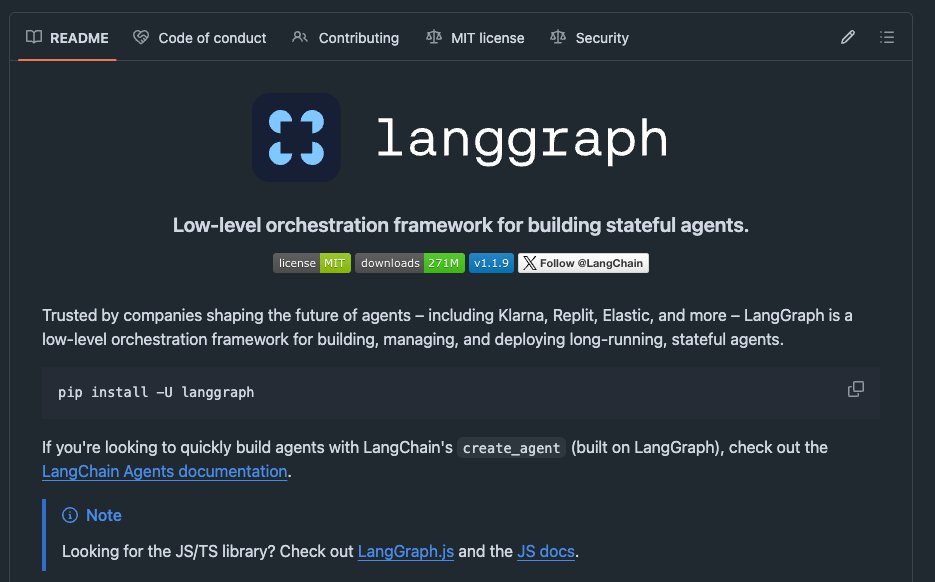
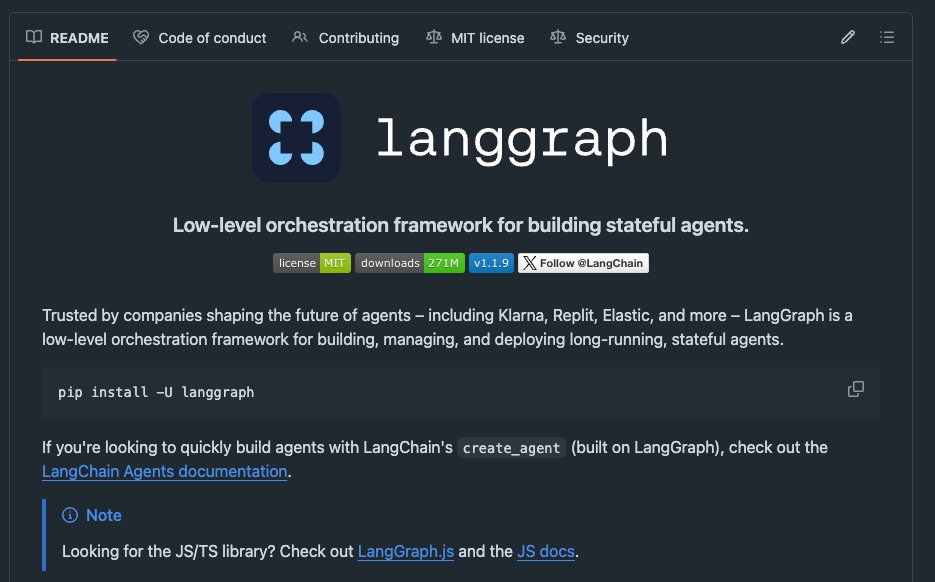
3. LangGraph
The orchestration layer powering production agents. The skill on every senior AI engineer job description.
Repo → https://t.co/bzVBn9uecV
4. CrewAI
Multi-agent coordination. The framework most Fortune 500 teams reach for first.
Repo → https://t.co/0xohE065sD
5. Ollama
Run any open-source LLM on your own machine. The fastest way to learn how models actually work.
Repo → https://t.co/gyZhUdzsnZ
6. awesome-mcp-servers
MCP is the standard every major AI lab adopted in 2026. Knowing it puts you ahead of 99% of engineers.
Repo → https://t.co/ejVOgkRJDX
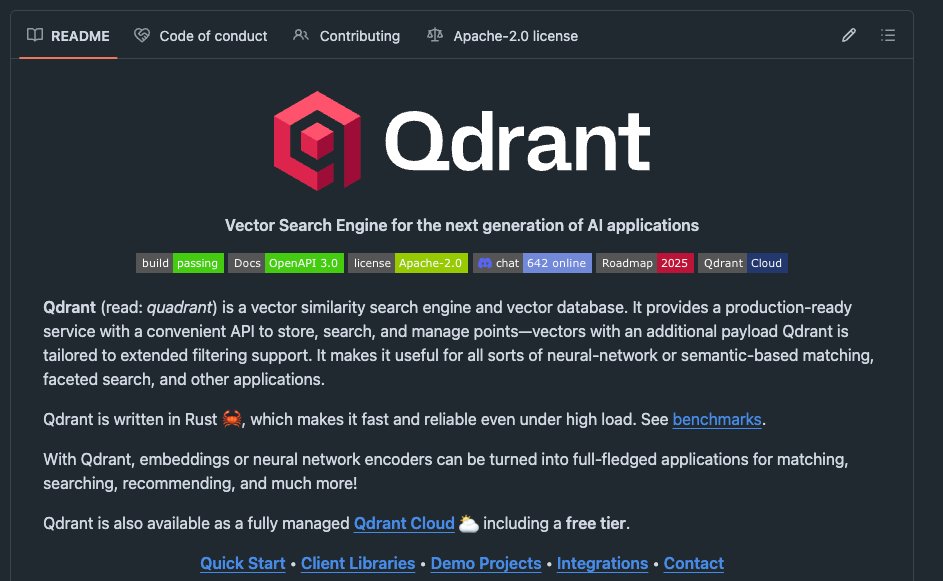
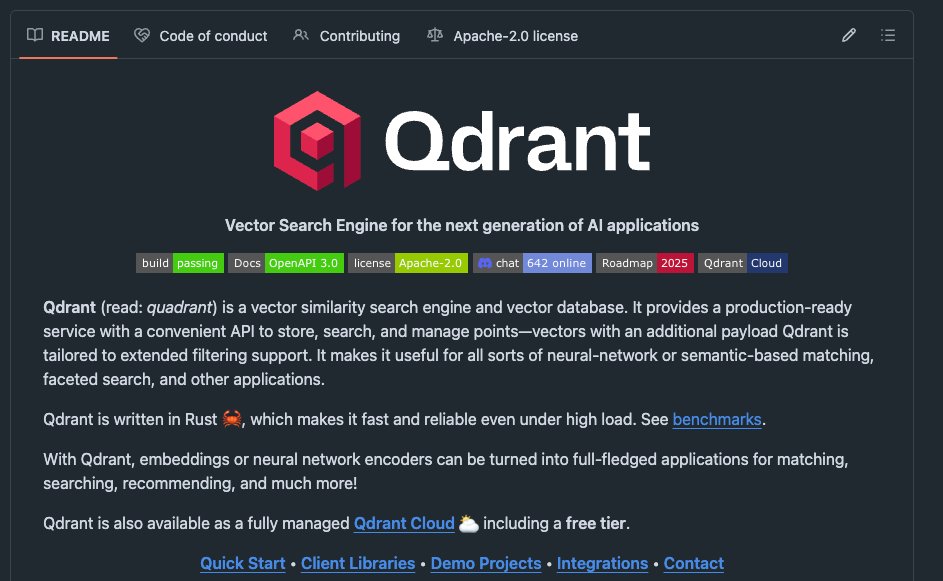
7. Qdrant
The vector database used for production RAG at scale. Embeddings and semantic search are non-negotiable for AI roles.
Repo → https://t.co/ziSSXW2dzZ
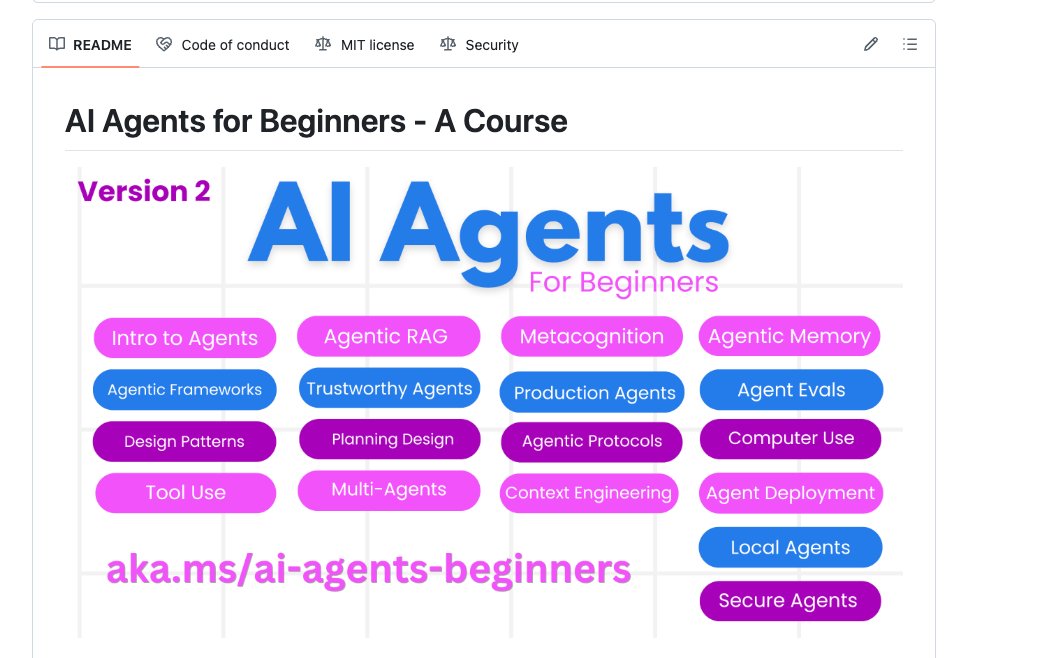
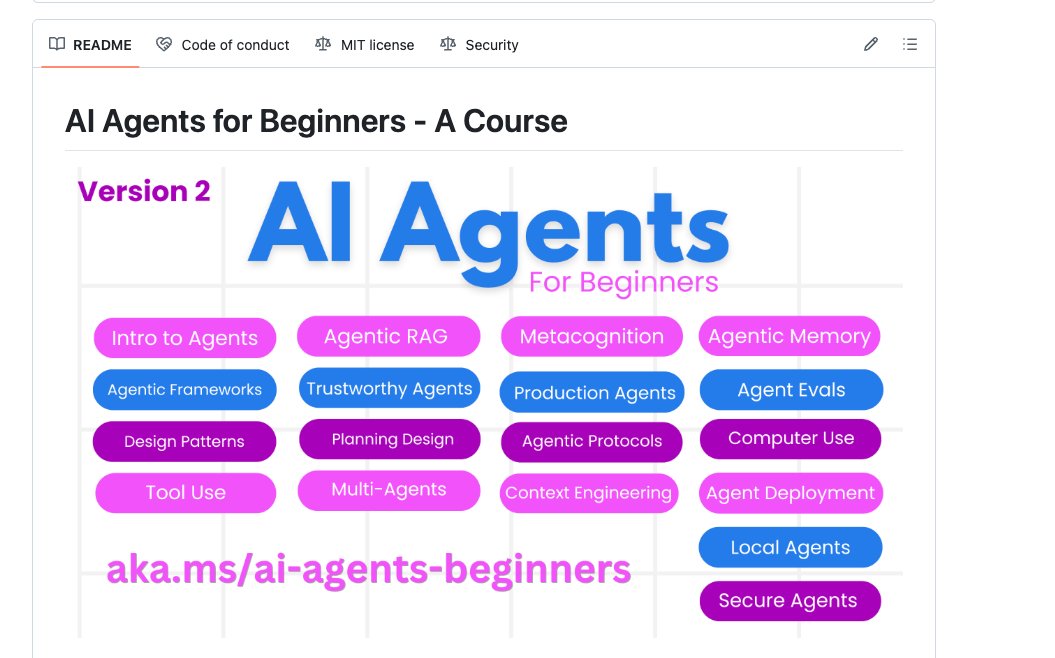
8. AI-Agents-for-Beginners
Microsoft's free 12-lesson course on building agents. Real code, real exercises, real prep.
Repo → https://t.co/7dNsDw6bTj
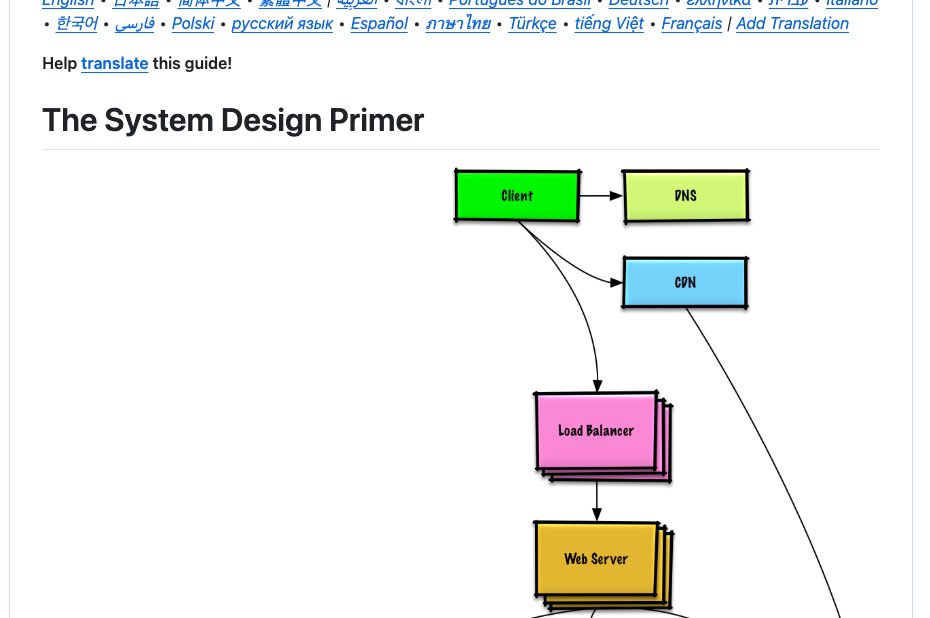
9. system-design-primer
Production AI is system design. The repo FAANG engineers use to prep for interviews.
Repo → https://t.co/AypwqcL1Xz
10. awesome-claude-code
The playbook for the tool now used inside FAANG, OpenAI, Anthropic, and most YC startups.
Repo → https://t.co/VhNjDoz7YM
Here's the wildest part:
A $200K AI engineer in 2026 isn't paid for a degree.
They are paid for what these 10 repos teach.
The market doesn't care where you learned it. It only cares if you can ship.
90 days. 10 repos. One portfolio that proves you can do the work.
That's it. That's the whole game.
Save this before you forget.
100% free. 100% open source.
Auth0 Engineering Blogs 🚀
Build an AI Assistant with LangGraph, Vercel, and Next.js: Use Gmail as a Tool Securely
https://t.co/NhgUEMvMAB
Building a Secure RAG with Python, LangChain, and OpenFGA
https://t.co/qoIy0reGBh
Identity Challenges for AI-Powered Applications
https://t.co/8nwvzX6xxI
Top 3 Projects of Week 15 on Peerlist — worth your attention
1. OCR Markdown
Turn PDFs, scans, and images into clean, editable Markdown in seconds.
No signups for basic OCR, runs right in your browser, and the premium model handles complex layouts like tables, math, and images with impressive accuracy. Huge time-saver if you deal with messy docs.
🔗 https://t.co/oGDRt4rmJ9
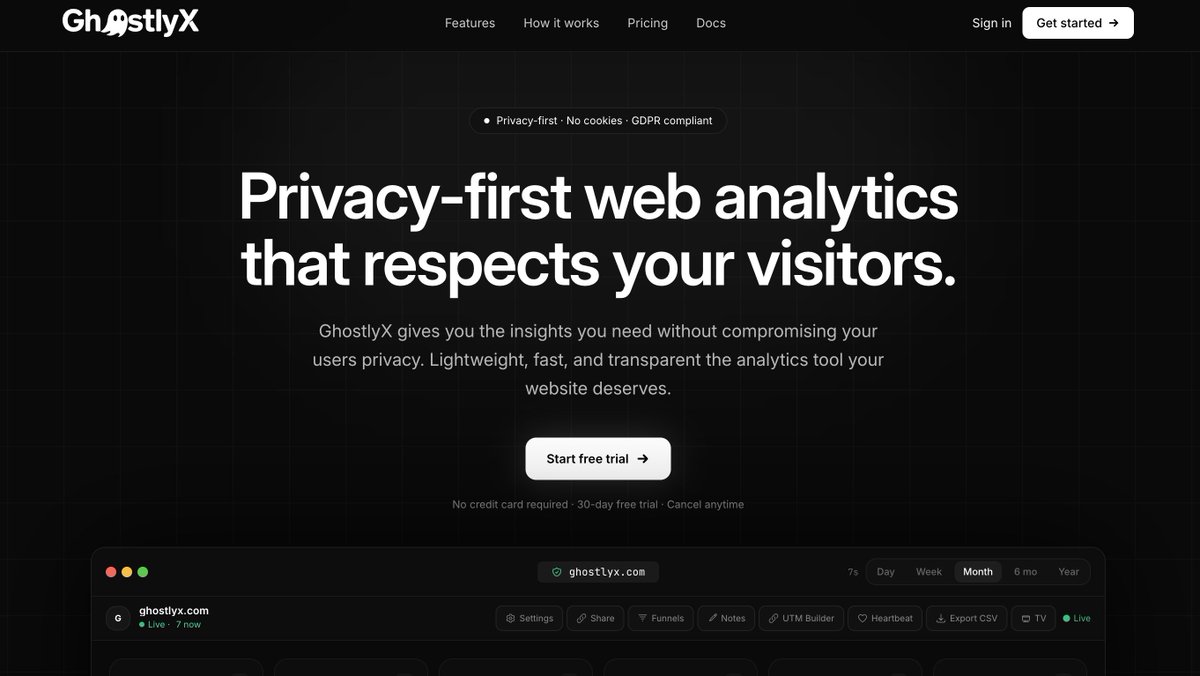
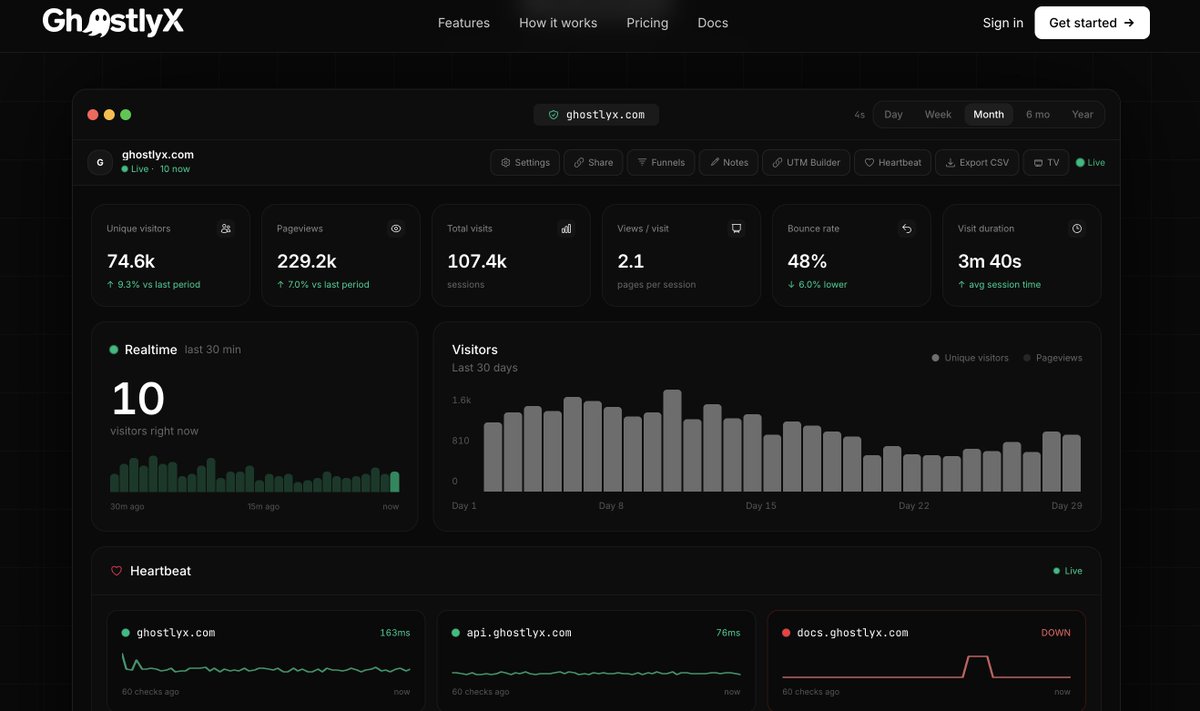
2. GhostlyX
Privacy-first analytics that actually respects your users.
No cookies, no creepy tracking — just fast, real-time insights with a clean dashboard. Perfect if you want actionable data without compromising GDPR compliance or site performance.
🔗 https://t.co/DlziJnvOUO
3. AI Opportunities Map
If you’ve ever felt stuck at the “what should I build?” stage — this is gold.
A massive, open-source map of the AI ecosystem with 2,500+ opportunities across 200 domains. Built using multiple research agents, so it’s not just random idea noise — it’s structured, validated insight.
🔗 https://t.co/MrocxVa5Ga
Which one would you try first?
😤 Tired of manually reading LeetCode compensation posts?
Just came across an absolute gem 💎
Someone built LeetCode Comp Tracker and it basically turns all those scattered compensation posts into a clean, searchable dashboard.
https://t.co/uiU6oKEnWe
Why it’s awesome:
• Filter by role, company, YOE, currency, etc.
• Visual charts — YOE vs Total Comp, salary distribution, top-paying companies
• Export data as CSV
Honestly, this saves so much time if you’re prepping for offers or negotiations.
Big props to whoever built this 🙌
Definitely worth checking out.
https://t.co/8hYVwinEz1
#compensation #salary #tools #opensource