V4Design: Visual and textual content re-purposing FOR(4) architecture, Design and video virtual reality games", is an EU H2020 research and innovation program
Excited to share the final #V4Design Newsletter for March 2021.The newsletter feature events, the latest technical developments of V4Design and highlights of the project.Check it here 👉https://t.co/yiJVByI408
The V4Design project is coming to an end, but not before sharing the end result which a is a set of innovative tools for architects and video game designers that will inspire and assist them in sharing content and maximize its exploitation.✨
https://t.co/03ochB19j9
Excited to showcase more design proposals for an existing facade of the Aristotelous Axis/Square from the final evaluation workshop organized by AUTH.
#vr#xr#ai#design#3dmodels#architecture
The AUTH organized a workshop regarding training and evaluation activities of the V4Design final prototype took place online from February 15th-17th 2021.The pool of participants was diverse regarding their workflows and experience in Rhino software.
#architecture#design
McNeel Europe, Aristotle University of Thessaloniki, School of Architecture (AUTH) and Herzog & de Meuron Digital Technologies are pleased to show the latest developments of the V4D4Rhino on March 12, 2021 5:00 PM–5:30 PM.
✅Link to the live stream: https://t.co/TKEnbSmYYi
@V4DesignProject has been published on the @CORDIS_EU website for Results Pack on Digital Cultural Heritage, Second edition!Check the article➡️https://t.co/j597Nl3bJt and the full Results Pack ➡️https://t.co/pRcNr71mQh
#DigitalCulturalHeritage
Excited to share our Architectural Style Recognition Module!
STBL service was enriched with the architectural style recognition module adding the classification ability between 13 architectural style classes. The module is able to process images, originating from video frames.
Happy to showcase our Visual sentiment analysis model!We present a collection of images from the class optimism that were used for the models training, expanding previous implementations. Sentiment analysis enriched the platform with metadata for better #userexperience purposes.
📢SAVE THE DATES 15th until 17th February 2021!
AUTH is organizing a V4Design Workshop!
Application of #V4Design technologies for speculation and Re-design proposals for an existing facade and for outdoor public spaces along the Aristotelous Axis.
https://t.co/DQU1H5mwCM
Excited to share that two #innovations developed in the #V4Design project have been selected by @InnoRadarEU!
📌The information will be accessible to the public from 26 February 2021. Stay tuned in https://t.co/5fxm5FxAZS & you may find info at https://t.co/adt7gAr2bS
We are happy to present the V4Design #StyleTransfer module where we use style images from two different collections. The first one includes architectural structure images and the second one includes painting images.
The project is now in its last phase, and as project partners, we couldn't be more excited to share the work we've done over the past few years with as many people as possible.
Excited to share some of the final tools!
Happy to announce the results of the second evaluation workshop!The #V4Design tool provide the user a different approach that gives the potential for a #dynamic design process that can constantly be updated throughout the design procedure. #innovation#design
The V4design tool was used not only as an asset library but also for the #articulation of design ideas. It has provided to users a new approach that gives freedom to generate different and unexpected architectural outcomes. #design#creativity
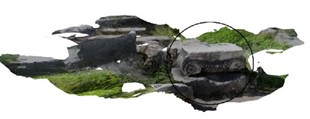
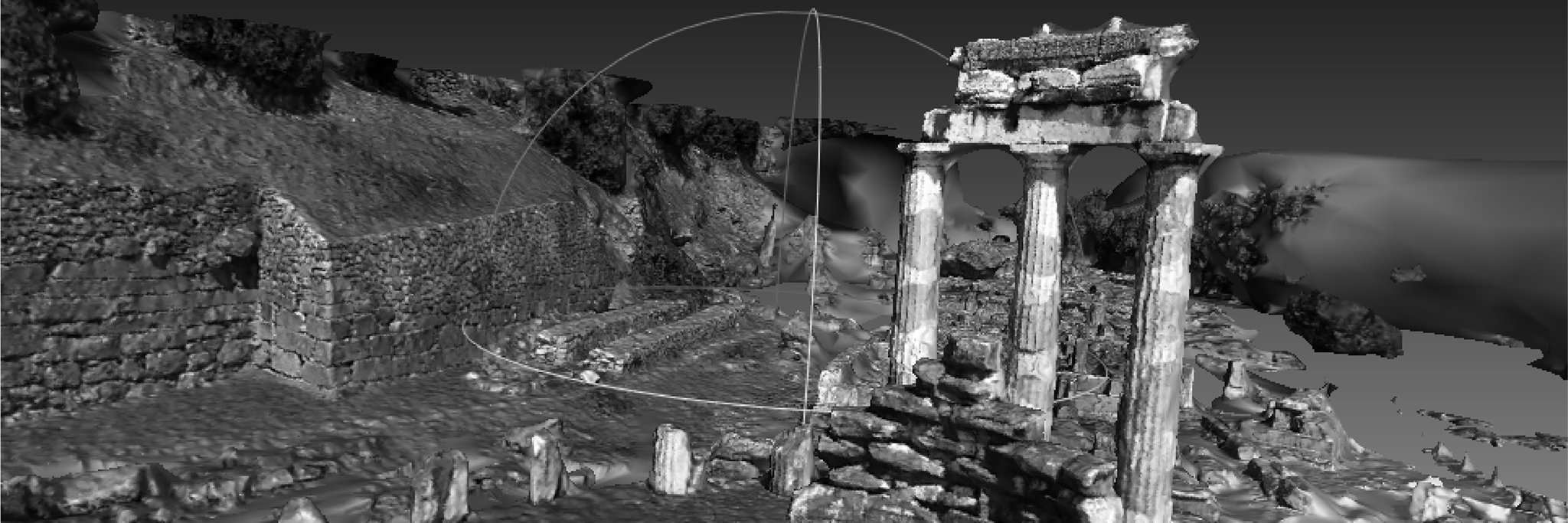
Time to showcase the first V4Design evaluation workshop!Users were assigned to create proposals for outdoor installations related to the greater area of the historical site of Delphi, Greece. The users used the V4Design tool to reconstruct #3dassets from multimedia sources.
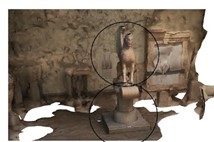
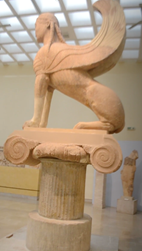
In the second demo, we can see a scene from the interior of a museum, where sculptures are localized. On the left you can see the original video and in the middle part of the demo you can see for the “indoor” scene, based on the output of the Scene #Recognition service.