@Airbnb pls be aware that some of the companies that rent out units through you including Sojourn are employing undisclosed third party insurance companies including @superhog_ who take photo ID and additional payment. This seems in violation of your policies and consumer trust
Some STAT @ #ASCO24 housekeeping notes:
- I will be joined in Chicago by my STAT reporter colleagues @matthewherper and @angRchen
- We will write stories, of course, but also a free, daily newsletter that will be delivered to your inbox at 4:30 pm EDT during the meeting. Sign up for it here: https://t.co/KNtbm27aIe
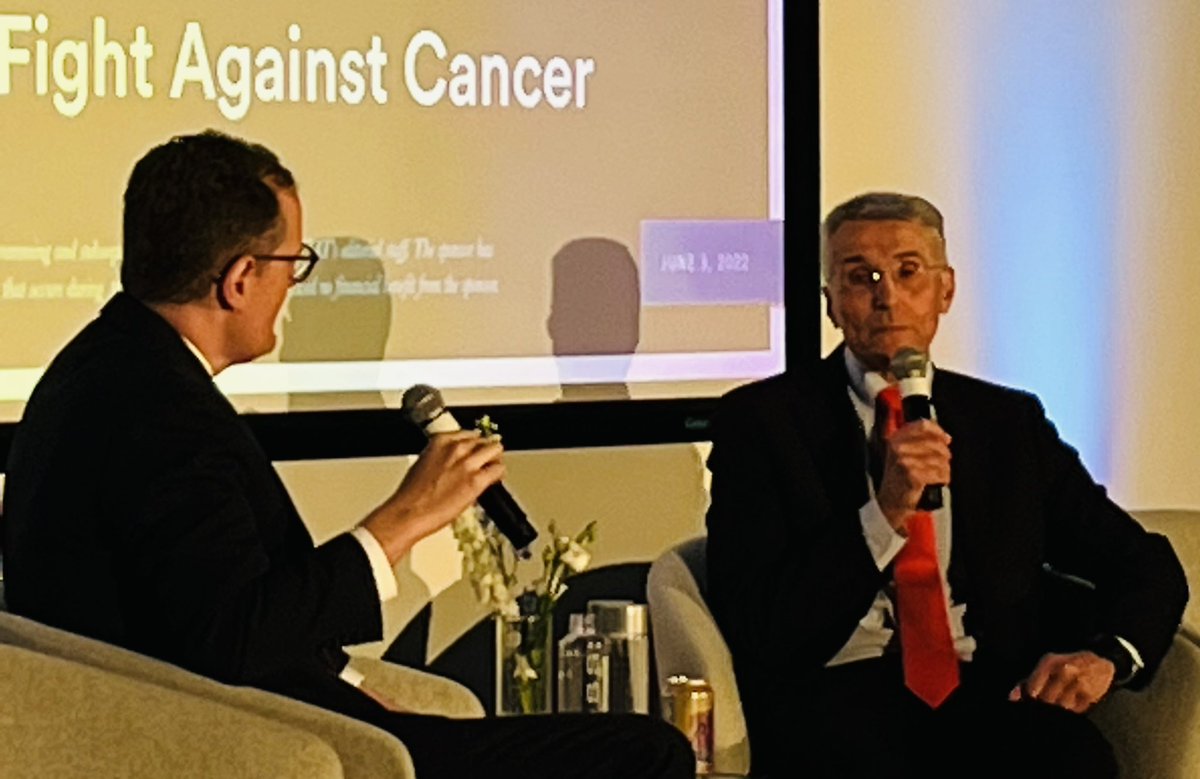
- If you're in Chicago, please join us for our live STAT event on Friday evening, May 31. I'll be interviewing FDA cancer chief Rick Pazdur. Rick will then turn the tables by interrogating Matt and me. The evening kicks off with a cancer R&D panel featuring executives from Pfizer, AstraZeneca, Daiichi Sankyo, and Genentech. More details and registration here: https://t.co/acwoSsAzeW
(1/2) We’re thrilled to announce the launch of the Dana Center Initiative for Neuroscience & Society, a multi-million-dollar partnership with @UCLA, @cdrewu, and @LoyolaChicago. https://t.co/Tfa4dW6qbl #neurosociety#neuroscience
When you read posts like this, it's clear that the biopharma industry has done a terrible job communicating the value prop of our industry.
A reminder on some of those points:
Grab a coffee, this will be a long one
✔️ Drug spending is far less than hospital care & physician services and has stayed fairly consistent for decades
✔️ While gross prices are increasing (largely in anticipation of higher PBM rebates), net drug price has actually fallen YoY for the past few years
✔️ Drugs improve outcomes & reduce massive downstream hospital costs - how many heart attacks (& associated costs) have statins prevented?
✔️ Drugs democratize healthcare: health provider services could vary significantly in quality & cost (even in the same hospital!); but if you have insurance and are near a pharmacy, you can get the best drugs in the world
✔️ The vast majority of drugs eventually do go generic and costs plummet. ~90% of scripts are filled with generic drugs - nearly all were once expensive branded drugs. Compare that with every other cost in healthcare, which increases at a higher rate than inflation
✔️ Indexing on drug prices alone misses the context that increasingly medicines are low-volume products, targeting niche diseases or produced in small batches - naturally the list price will be higher, but the "N" will be lower to compensate
That's not to say that the industry is perfect or that Blake & others don't have valid points worth addressing. It's absolutely true that some manufacturers game the patent system and artificially extend IP well past the point at which generics should have entered. AbbVie famously did this with Humira. Legislation should emerge to curb this. I'd even support forcing manufacturers to assist generic companies for difficult-to-produce medicines once drug patents have expired, such as novel biologics or cell & gene therapies.
But it's also worth understanding each individual situation - if a manufacturer takes an "old" drug but spends real R&D money improving it, either via more convenient / less frequent dosing, lower side effects or new indications - they should be rewarded for doing so.
Blake brings up the EpiPen, but prior to this innovation, epinephrine injection required a vial & syringe. Anaphylaxis can be very disconcerting for a non-medically trained parent, as they are watching their kid's throat close up. Every second counts - easier & faster dosing is life saving. Mylan also predominantly drove workplace, school & societal education on the value of having an autoinjector on-hand, absolutely saving many lives. Were they personally motivated to do so? Yes - but they also foot the bill. Once they stop, who will pick up that service to ensure we remain adequately supplied for the next emergency?
It's also true the US pays disproportionately more than other countries for the same drugs. Every manufacturer seeks to profit in the US market, and to a much lesser extent Europe & Japan. After that, the drug may be break-even or even lose money. The US does subsidize global drug development, although global citizens do help accelerate trial enrollment & collectively contribute ~50% of revenue in most cases. In return, the US typically gets access to the best medicines fastest - although, there's certainly an altruistic element here.
Since the IRA was mentioned, I'll also cover that. The below makes the industry's argument sound a bit like a South Park episode, but it has quite a bit more teeth than that.
The primary gripes with the IRA are:
(1) Price controls kick in after 9 years for small molecules vs. 13 years for biologics. This creates the wrong incentives, since biologics are more likely to be higher priced, niche drugs! Ironically, small molecules are easier to genericize, tend to be much cheaper and are more easily dosed across the population (i.e. compare an oral pill vs. an injection for an elderly person). Thus, this clause will actually increase drug prices
(2) There's no floor on CMS price cuts - while the minimum is 25%, there's no guarantee they won't go much deeper. Without that guarantee, investors have to underwrite investments assuming a worst-case scenario, which will just reduce the amount of R&D spend overall, hamstringing the development of next-gen medicines we need. Raising prices upfront to compensate doesn't work, since payors will push back & restrict formulary tiering
(3) The exemptions disincentivize parallel development across multiple orphan indications. We should be encouraging as much R&D as possible for patients with few options - not siphoning it away.
It's not that the industry isn't open to regulation, it's that short-sighted legislation ends up creating the wrong incentives & damaging the ecosystem that gets life-saving medicines funded.
The IRA trickles down to early-stage investing as well. All VCs accept that most investments will be illiquid for many years and likely fail. Life sciences VCs accept the extra risk that R&D costs hundreds of millions / billions of $, takes 10-15+ years & >90% fail. Moreso, even successful drug development companies won't have revenue for the first decade of their existence.
Against that backdrop, early-stage VCs historically get some exit liquidity from late-stage investors. However, severe pricing risk will limit the # of late-stage investors willing to fund even those rare successes through commercialization. If that happens, we need to be prepared for a lot of early-stage capital to dry up and be deployed in friendlier sectors. That's not to say some R&D is inefficient (i.e. the Nth PD-1 inhibitor) - but we shouldn't throw the baby out with the bathwater.
Lastly, despite all the rhetoric around drug pricing driving higher costs to patients, that shift is predominantly due to high-deductible insurance plans and co-insurance. The shift towards specialty biologic drugs is a contributor, but again legislation such as the IRA is incentivizing more of those, not less and net drug prices are actually declining.
Layers of middle men such as PBMs actively incentivize higher drug list prices that are then aggressively rebated, since they capture a profit based on the size of the discount they "negotiated" for insurance providers. Yet, only the high list price ends up getting reported in the media. It has become an easy punching bag regardless of your affiliation.
How can we as an industry do a better job of balancing public discourse around healthcare spend & the role of biopharma companies?
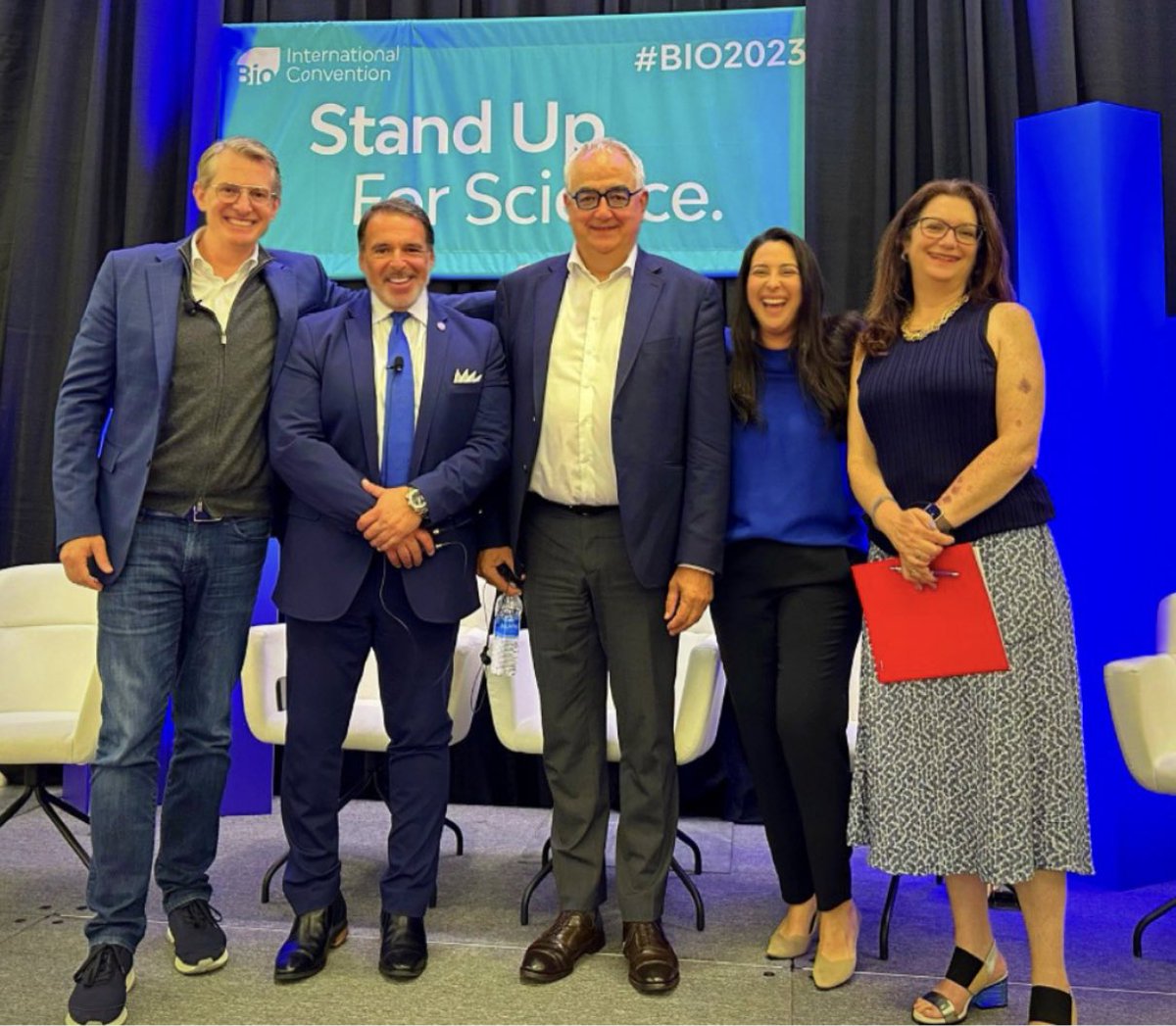
Enjoyed concepting and organizing this standing room only panel at #BIO2023 on a passion area: founder led biotech. Thanks to the outstanding panelists for joining us
.@MKremyanskaya will present at #EHA2023:
Pharmacokinetic and Pharmacodynamic Effects of Rusfertide in Polycythemia Vera: Results from an Ongoing Phase 2 Study in Patients with Elevated Hematocrit Values
@IcahnMountSinai
@BW If I'm weary of something it's ingratitude/America bashing. As an entrepreneur who got my start working at 14, single mom, and someone who feels my best job is job creation for others, I'm so grateful. This is a unique place where you can make your own road. Want change? Vote.
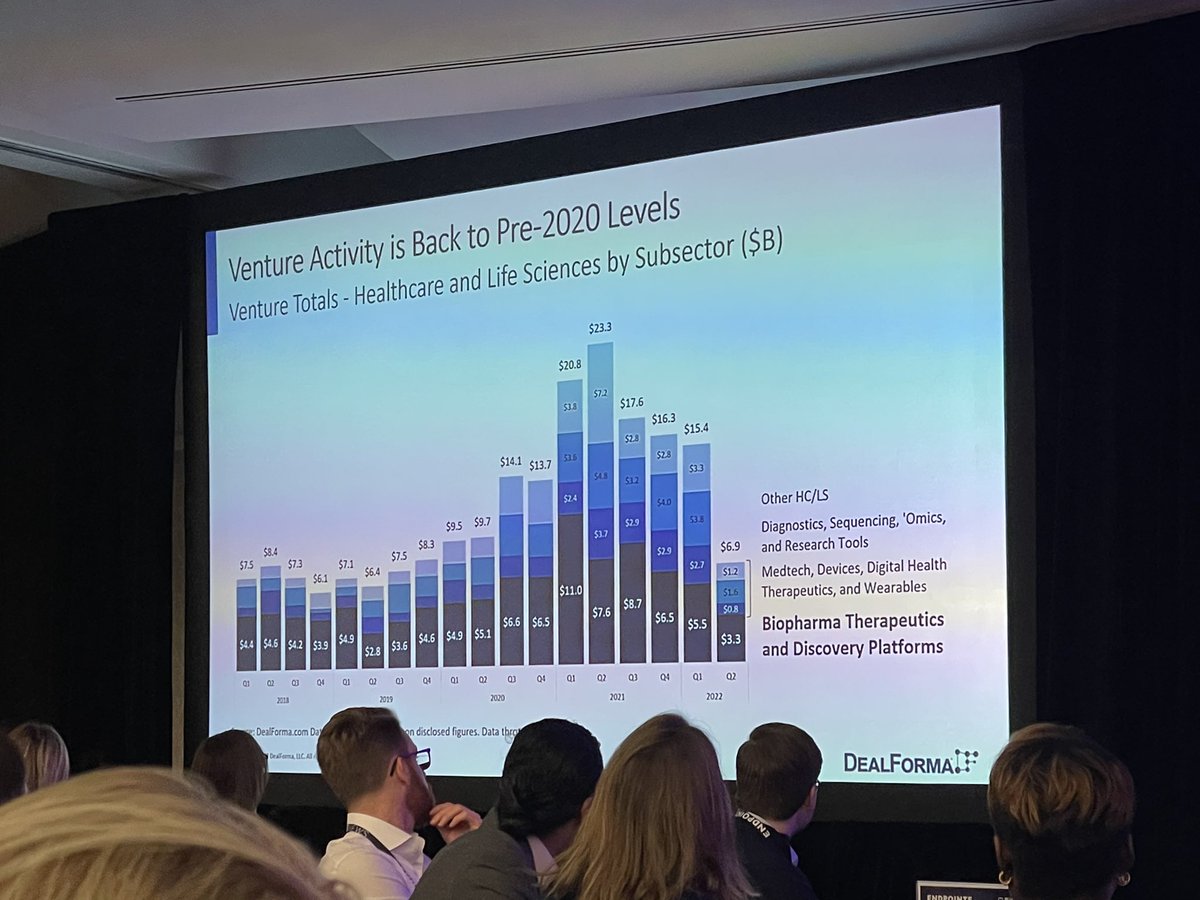
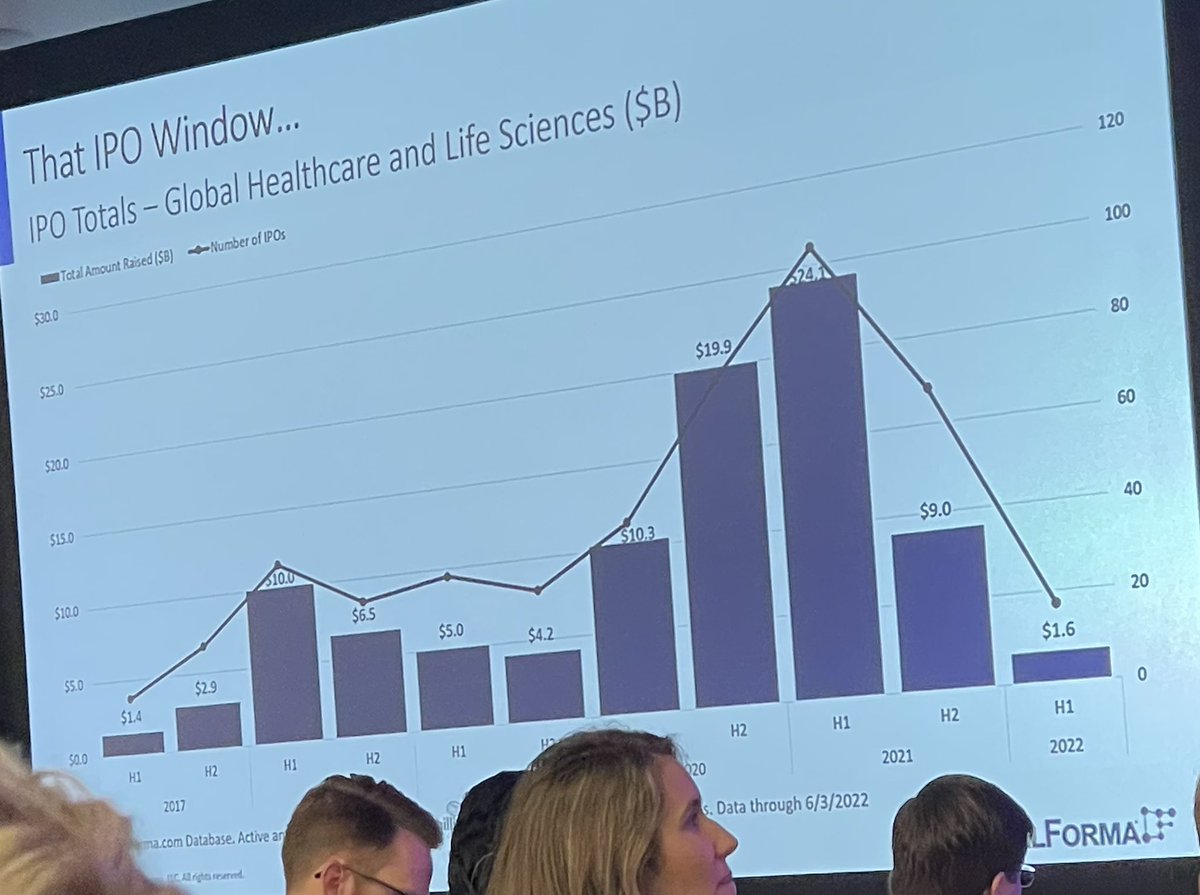
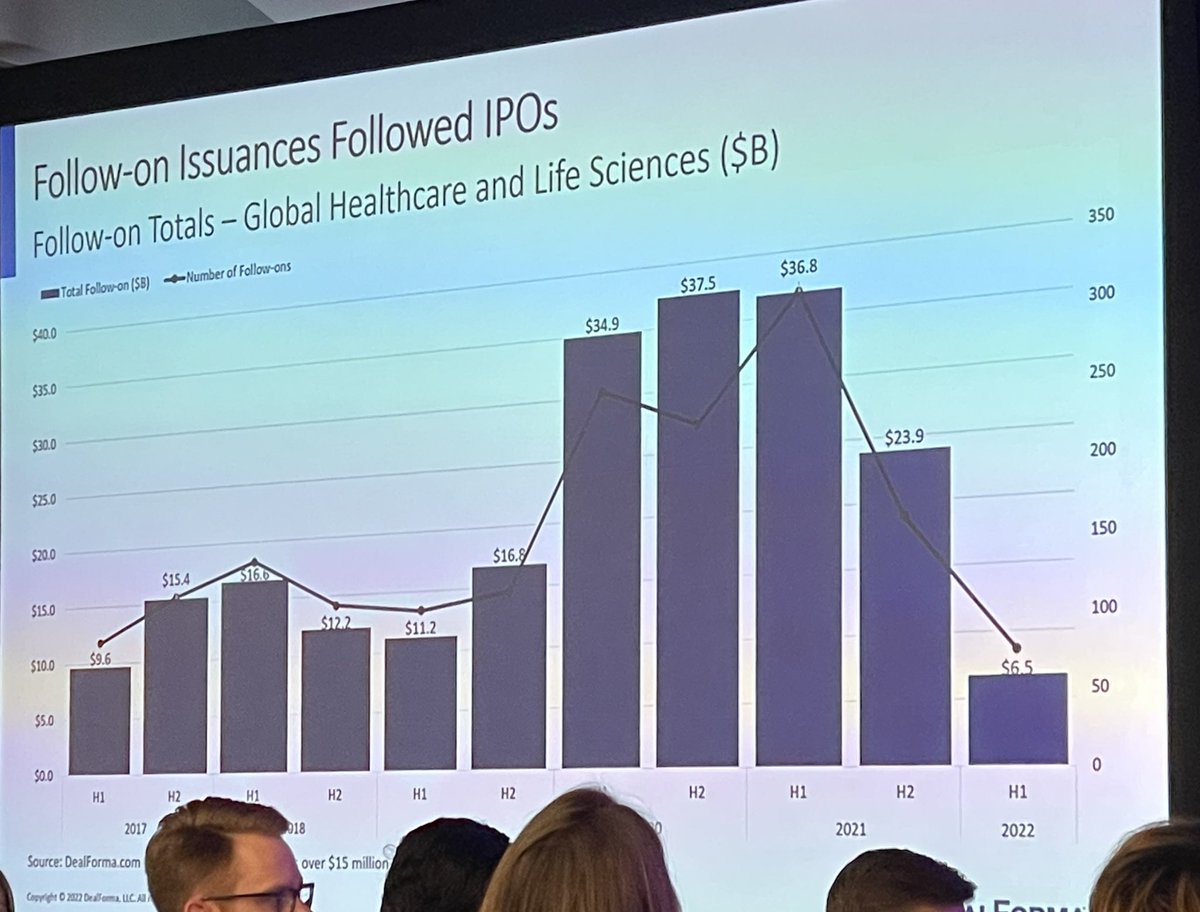
Sobering IPO, Follow-on, Venture and M&A news for the #biopharm industry at @endpts panel this morning. Predictions this environment will last 18-24 months. Companies need to plan for worst case. #BIO22
ENTENTE has one VIP ticket for the @sitcancer Rockin’ for a Cure Fundraiser #ASCO22 Checkpoints show tomorrow at Buddy Guy's Legends. Reception 8-9, Show 9. First request gets it. Message me at [email protected]
Matt cuts to the chase: complete response if trials aren't designed with representation in mind? Dr Pazdur says no but this is a journey. Deeply concerned re abysmal state of diversity in Phase 1 trials - diversity begins early. #healthequity#diversity in #clinicaltrials
Dr Pazdur: if we talk about #equity, representation of under represented groups of clinical trials, part of the whole conversation is how / where companies select clinical trials sites. (He's looking at you, cos with trials primarily in places like Ukraine/Russia). #healthequity