🌕 | Taking on the challenge of lunar mobility
🇪🇺 | MONA LUNA · European lunar rover
🤝 | Strategic partner of @Astrolab_Space
🚀 l 2026: back to the Moon
At Choose France, the summit dedicated to France’s economic attractiveness, @Venturi_Space announced a €250 million investment in France to establish its new 16,000 sq m technology centre in Toulouse. The site will be dedicated to the design and manufacture of critical technologies for lunar and Martian mobility, as well as to the assembly of the rovers developed by the company.
“𝘐 𝘩𝘢𝘷𝘦 𝘢𝘭𝘸𝘢𝘺𝘴 𝘣𝘦𝘭𝘪𝘦𝘷𝘦𝘥 𝘵𝘩𝘢𝘵 𝘮𝘰𝘣𝘪𝘭𝘪𝘵𝘺 𝘸𝘰𝘶𝘭𝘥 𝘣𝘦 𝘰𝘯𝘦 𝘰𝘧 𝘵𝘩𝘦 𝘬𝘦𝘺𝘴 𝘵𝘰 𝘴𝘱𝘢𝘤𝘦 𝘦𝘹𝘱𝘭𝘰𝘳𝘢𝘵𝘪𝘰𝘯. 𝘛𝘰𝘥𝘢𝘺, 𝘵𝘩𝘦 𝘮𝘰𝘮𝘦𝘯𝘵𝘶𝘮 𝘪𝘴 𝘵𝘩𝘦𝘳𝘦. 𝘞𝘪𝘵𝘩 𝘵𝘩𝘪𝘴 €250 𝘮𝘪𝘭𝘭𝘪𝘰𝘯 𝘪𝘯𝘷𝘦𝘴𝘵𝘮𝘦𝘯𝘵 𝘢𝘯𝘥 𝘵𝘩𝘦 𝘤𝘳𝘦𝘢𝘵𝘪𝘰𝘯 𝘰𝘧 𝘯𝘦𝘢𝘳𝘭𝘺 200 𝘫𝘰𝘣𝘴, 𝘝𝘦𝘯𝘵𝘶𝘳𝘪 𝘚𝘱𝘢𝘤𝘦 𝘪𝘴 𝘵𝘢𝘬𝘪𝘯𝘨 𝘢 𝘥𝘦𝘤𝘪𝘴𝘪𝘷𝘦 𝘴𝘵𝘦𝘱 𝘧𝘰𝘳𝘸𝘢𝘳𝘥. 𝘞𝘦 𝘩𝘢𝘷𝘦 𝘵𝘩𝘦 𝘵𝘦𝘤𝘩𝘯𝘰𝘭𝘰𝘨𝘪𝘦𝘴, 𝘵𝘩𝘦 𝘦𝘹𝘱𝘦𝘳𝘪𝘦𝘯𝘤𝘦, 𝘵𝘩𝘦 𝘱𝘢𝘳𝘵𝘯𝘦𝘳𝘴 𝘢𝘯𝘥, 𝘴𝘰𝘰𝘯, 𝘵𝘩𝘦 𝘪𝘯𝘥𝘶𝘴𝘵𝘳𝘪𝘢𝘭 𝘵𝘰𝘰𝘭 𝘵𝘰 𝘨𝘰 𝘧𝘶𝘳𝘵𝘩𝘦𝘳. 𝘐 𝘸𝘢𝘯𝘵 𝘵𝘩𝘪𝘴 𝘱𝘳𝘰𝘫𝘦𝘤𝘵 𝘵𝘰 𝘴𝘶𝘤𝘤𝘦𝘦𝘥, 𝘵𝘰 𝘣𝘳𝘪𝘯𝘨 𝘢𝘯 𝘦𝘯𝘵𝘪𝘳𝘦 𝘴𝘦𝘤𝘵𝘰𝘳 𝘸𝘪𝘵𝘩 𝘪𝘵, 𝘢𝘯𝘥 𝘵𝘰 𝘪𝘯𝘴𝘱𝘪𝘳𝘦 𝘛𝘰𝘶𝘭𝘰𝘶𝘴𝘦.”
— Gildo Pastor, Chairman of Venturi Space
📷 The full announcement: https://t.co/UR7oFcHOE0
@Elysee
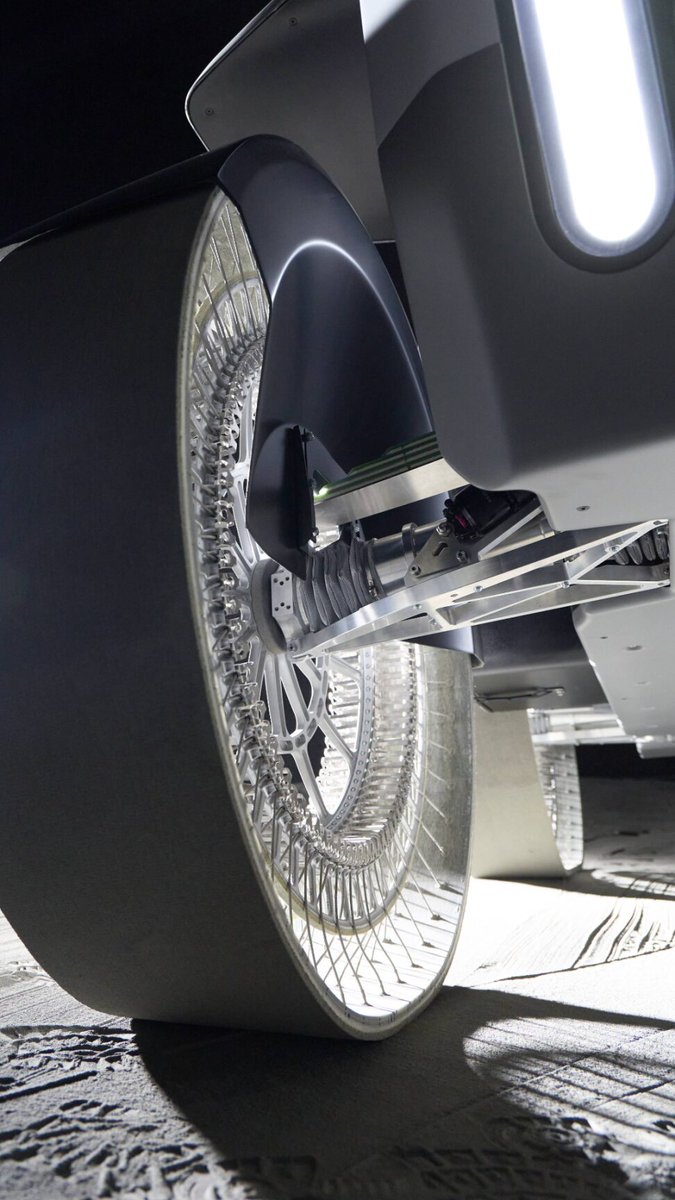
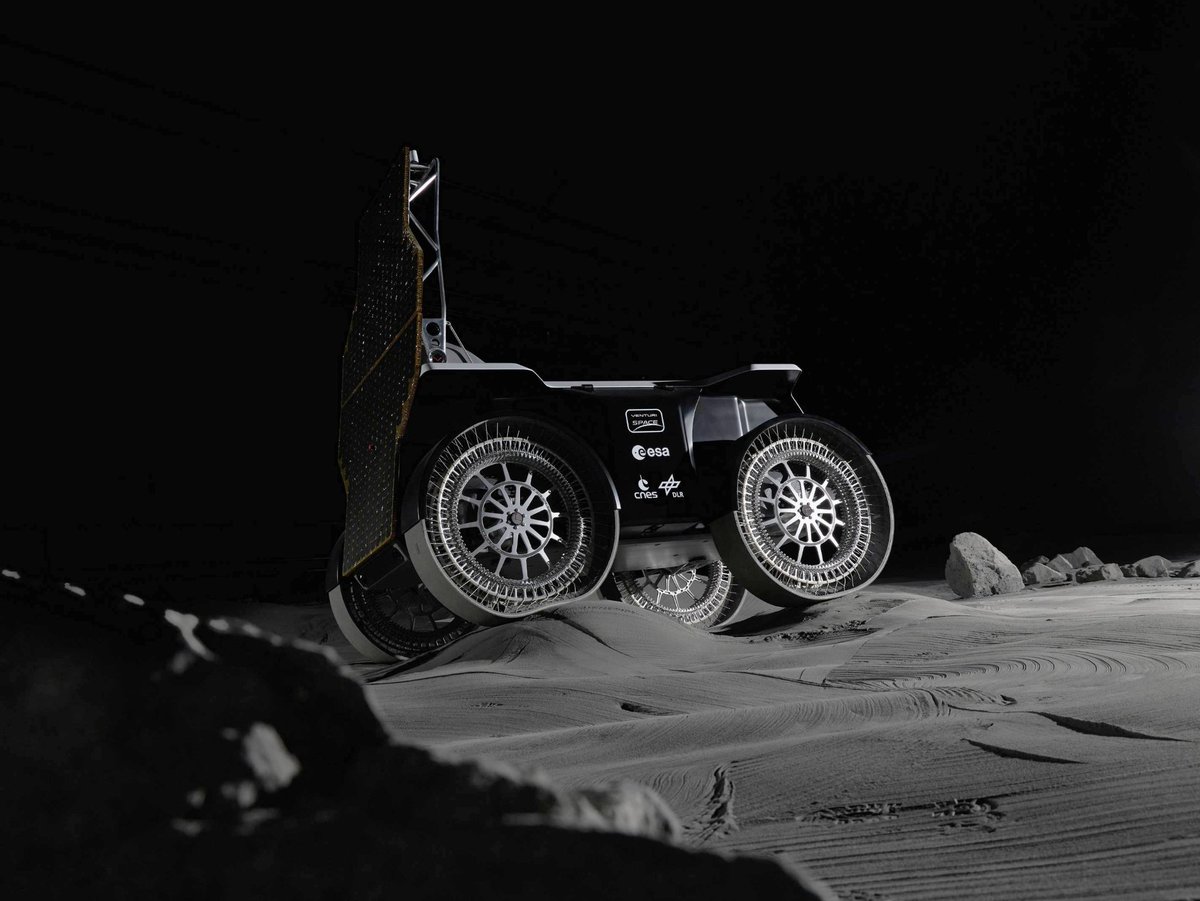
No tire shops on the moon.
These tires, built with strategic partner @Venturi Space, have been tested on 11 platforms, from NASA's Glenn Research Center to Switzerland. They go on FLIP, CLV-1, and every FLEX rover we build.
The Moon doesn’t forgive untested assumptions. We test here so it works there.
@GvtMonaco Merci au Gouvernement princier pour son soutien et sa confiance. Toute l’équipe Venturi est honorée de contribuer, depuis Monaco, à cette nouvelle étape de l’exploration lunaire 🚀
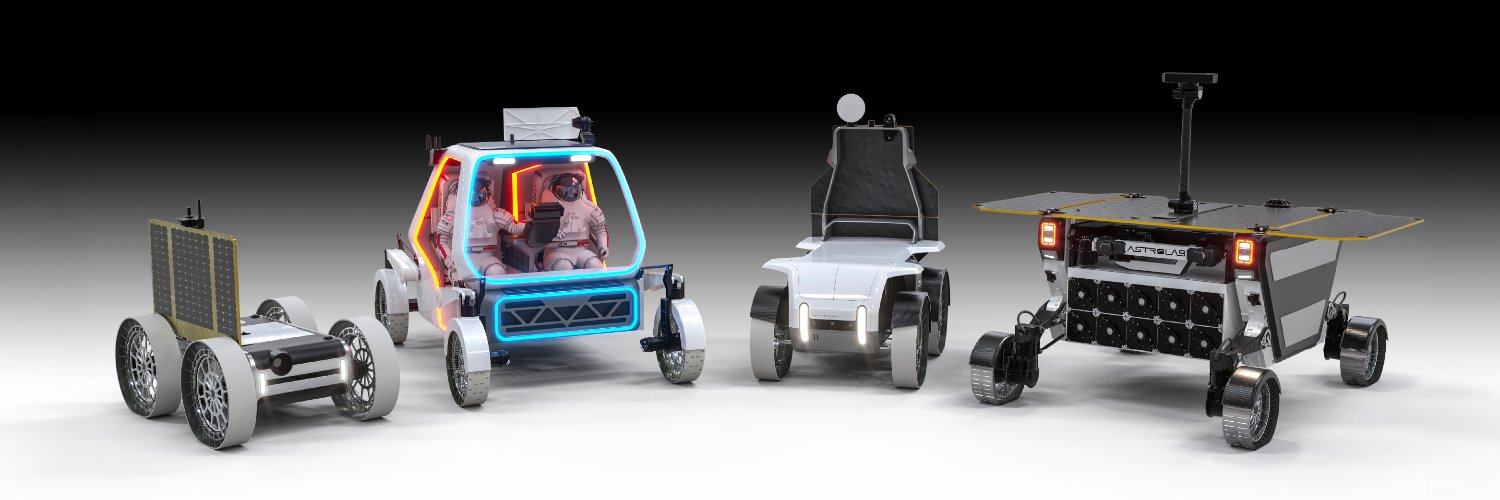
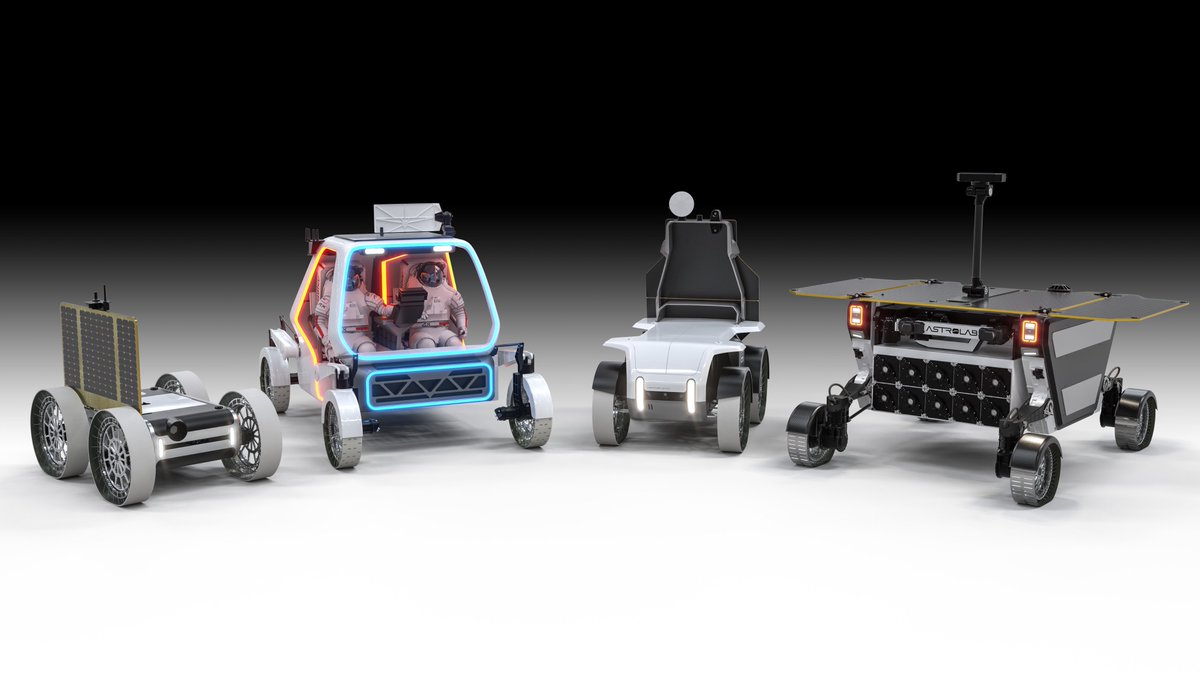
Yesterday we introduced CLV-1 (Crewed Lunar Vehicle). Let's explore the use-cases it was designed for and engineered to accomplish:
-Consistent with NASA’s requirements, CLV-1 is designed primarily to transport astronauts and their supplies.
-Conduct surface operations remotely.
-CLV-1 shares hardware with our FLEX rover, using the same tires, batteries and wheel actuators developed by our strategic partner, Venturi Space.
-When stowed on a Commercial Lunar Payload Services lander for delivery to the Moon, CLV-1 measures approximately 2 meters by 2.3 meters by 2.2 meters.
-Once deployed, CLV-1 will measure approximately 4 meters long by 2.3 meters wide by 2.6 meters high to the top of its antenna.
-CLV-1 has a maximum mass of 950 kilograms and can reach speeds of 10 kilometers per hour on level ground.
-CLV-1 is the first in Astrolab’s planned CLV line, with future vehicles expected to be designated CLV-2, CLV-3 and so on.
@NASA announced today that it has selected the US-based company Venturi @Astrolab_Space, Inc. as one of two providers of a crewed lunar rover for the Artemis campaign, advancing the agency’s plans to establish sustained surface mobility at the lunar South Pole.
The new vehicle, known as the Crewed Lunar Vehicle, or CLV-1, will rely on critical technologies designed and manufactured by Venturi Space.
@Venturi_Space, strategic partner of Astrolab, is supplying CLV-1 with three critical subsystems that underpin its mobility, energy endurance and operational reliability.
Congratulations Astrolab!
🔗 The full announcement: https://t.co/J9GJWb6Nnn
#Space #PoweredByInnovation #engineering
Say cheese!📸
Our FLIP rover is ready to snap pics on its lunar trip! The rover has two solar panel mast-mounted cameras provided by Canadensys, providing 360 views. This picture of our team was taken by one of those cameras after the first vehicle-controlled solar array deploy.
Cette mission marque une étape importante dans l’histoire de l’exploration humaine.
Avec Artemis II, nous nous apprêtons à franchir un cap : celui du retour des astronautes dans l’espace lointain, au-delà de l’orbite terrestre, pour la première fois depuis Apollo.
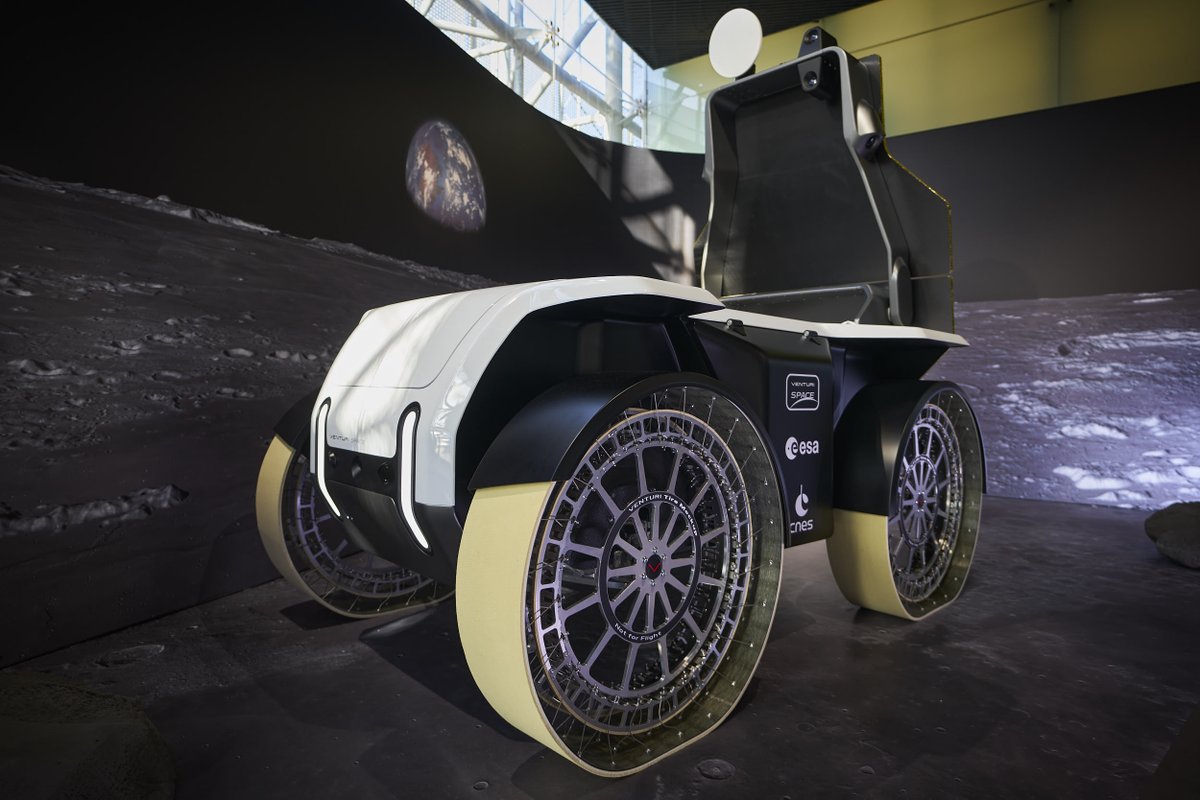
Découvrez la maquette taille réelle de MONA LUNA,le rover lunaire européen de @Venturi_Space,mise en scène dans le hall du Pavillon des expositions de la Cité de l'espace.Développé par VenturiSpace, ce rover lunaire 100% européen sera prochainement intégré et qualifié à Toulouse.
From Apollo to Artemis… humanity’s return to the Moon!
New missions, new goals, and a future that could take us all the way to Mars.
For the Artemis III mission, there have been recent updates. While it was initially planned for 2027 with a lunar landing, it is now designed as a low Earth orbit demonstration mission, focusing on rendezvous and docking between the Orion spacecraft and commercial lunar landers.
Curious about what Artemis really changes? Watch the video 🚀
#Artemis #NASA #SpaceExploration #Moon
Another critical technology powering the next generation of lunar rovers? The Battery Management System (BMS), already onboard MONA LUNA!
Developed by Venturi Space’s Toulouse-based teams, the BMS is embedded within the lunar battery and continuously monitors the health, status, and temperature of each cell, adjusting energy delivery in real time. Every 10 milliseconds, voltage is tracked alongside multiple thermal data points to ensure optimal performance, safety, and longevity.
More than just a control system, the BMS acts as a vital safeguard, protecting the battery from degradation in one of the harshest environments. At the Moon’s South Pole, where night lasts up to 14 Earth days and temperatures range from -240°C to +130°C, the BMS plays a decisive role in managing both energy and thermal conditions, ensuring the rover’s survival.
Discover more about the key electronic systems behind lunar exploration: https://t.co/GojApHf5qz
#SpaceEngineering #LunarRover #Innovation
Designed to support the ambitions of ESA and CNES, MONA LUNA marks an important milestone and opens new opportunities for Venturi Space (France – Switzerland – Monaco) as the team continues to grow.
We are currently recruiting for several exciting roles.
Full-time, permanent positions available:
𝗠𝗢𝗡𝗔𝗖𝗢
→ Project & Product Quality Engineer
→ Numerical Analysis & Simulation Engineer
→ Test & Validation Engineer
→ CAD Design Engineer
→ Project Manager
Discover more about these roles and apply directly here: https://t.co/aic7NSGapJ
We are looking for curious and passionate individuals ready to take on complex challenges in space. 🚀
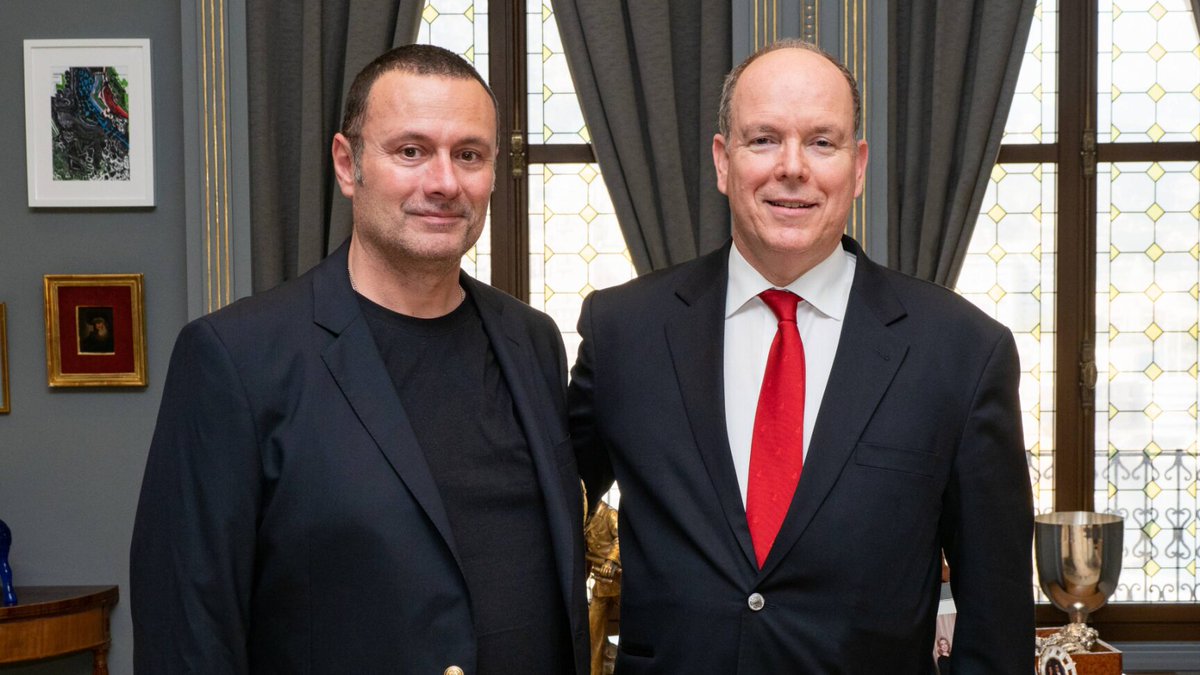
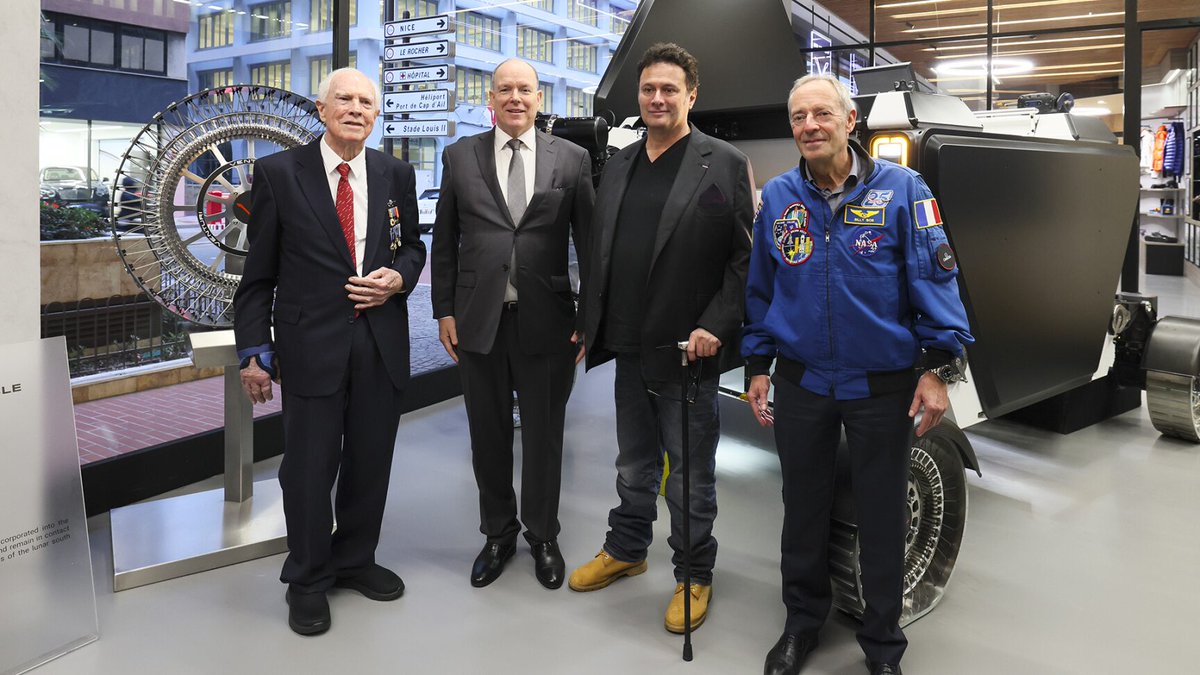
The entire team warmly wishes H.S.H. Prince Albert II a very happy birthday. We remain deeply grateful for the trust and support he has shown us since the very beginning.
This time of year also recalls the historic Apollo 9 mission (March 3–13, 1969), a decisive step on the path toward human exploration of the Moon.
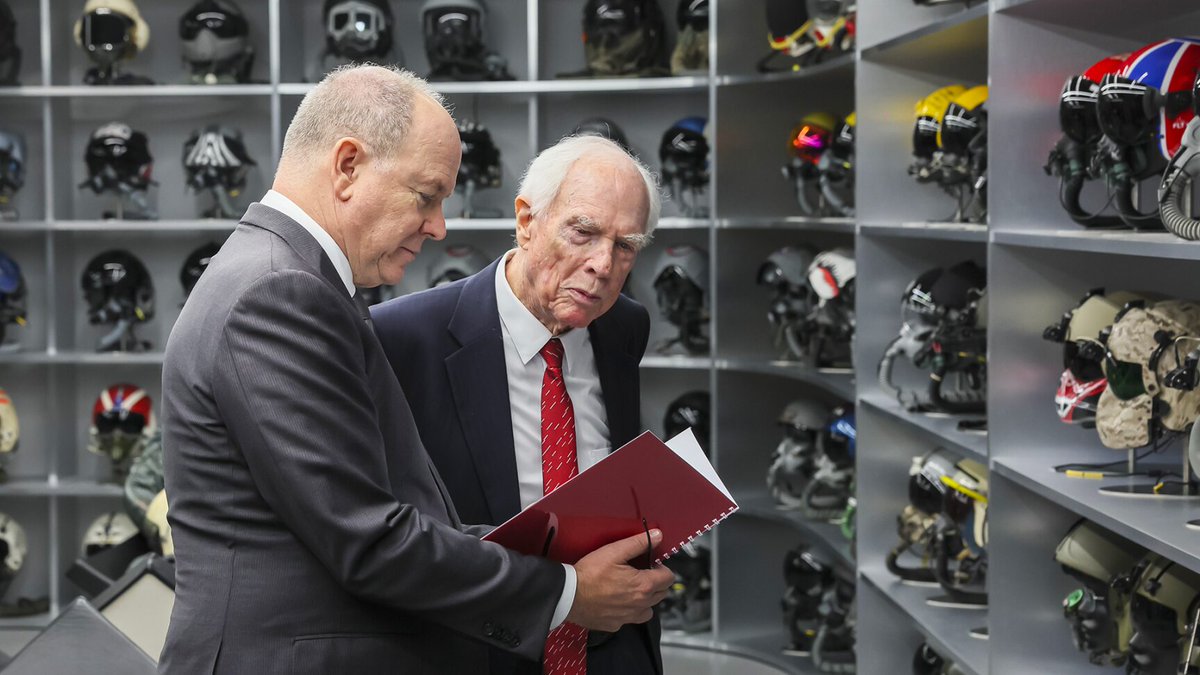
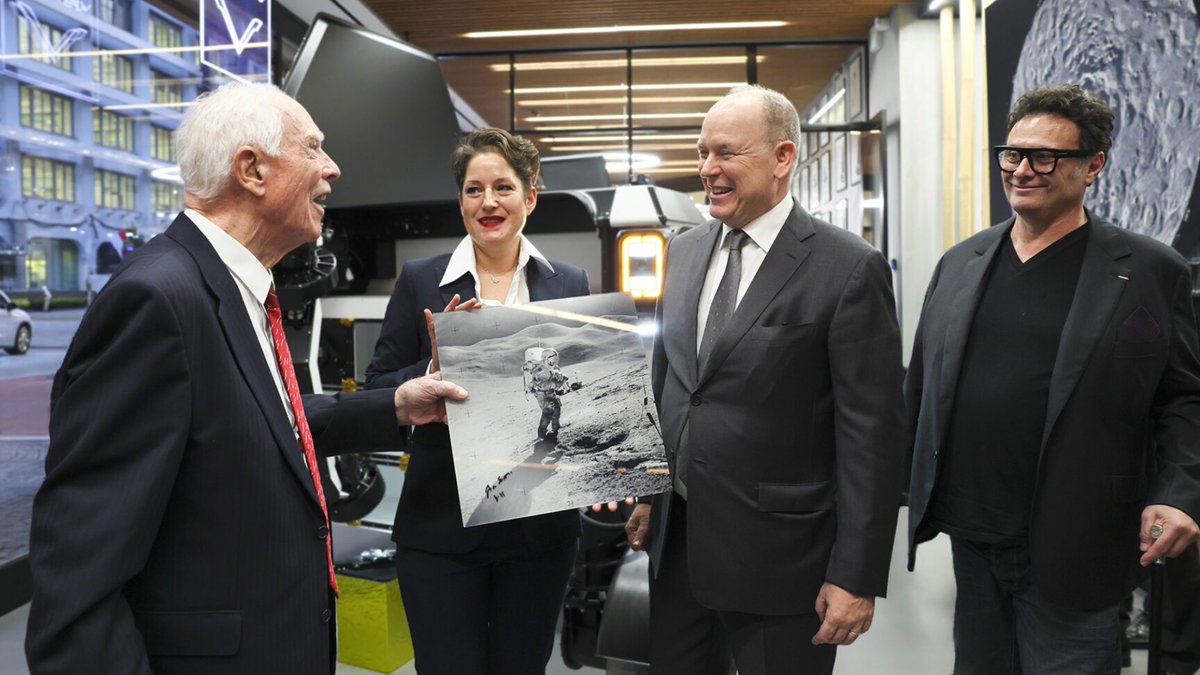
It brings back memories of a memorable exchange at our Monaco headquarters in 2024 with H.S.H. the Prince and astronaut David Scott, one of the great pioneers of the Apollo era.
Happy Birthday, Monseigneur 🇲🇨
#Venturi #MadeInMonaco
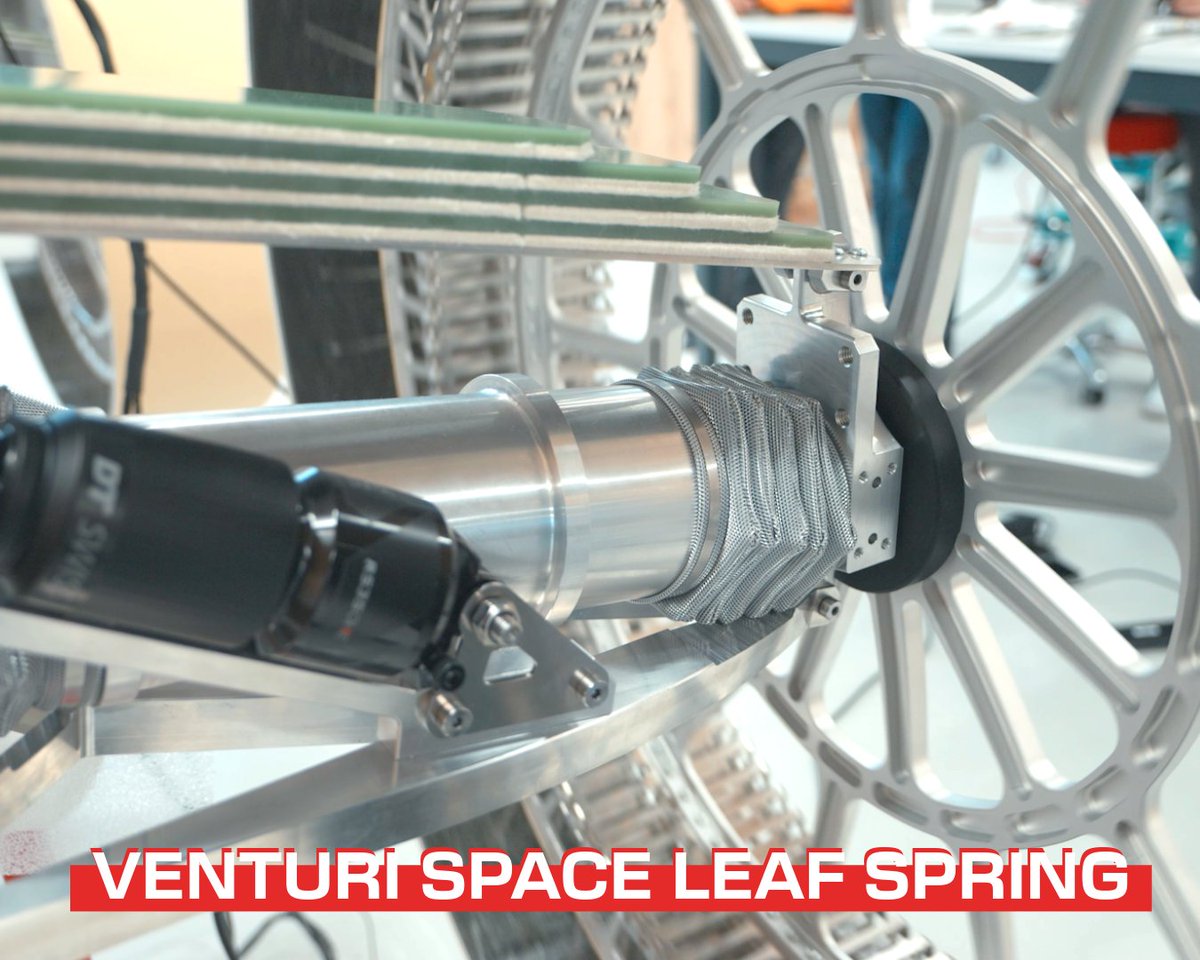
At first glance, this suspension looks like something from an early 20th-century vehicle: a simple leaf spring.
But on the Moon, conventional dampers don’t work, fluids cannot handle the extreme temperature variations.
The solution?
A suspension that integrates damping directly within the spring itself.
Tested with the MONA LUNA rover at ESA–DLR’s LUNA facility in Cologne. 🌕
Sometimes innovation means reinventing simple ideas !
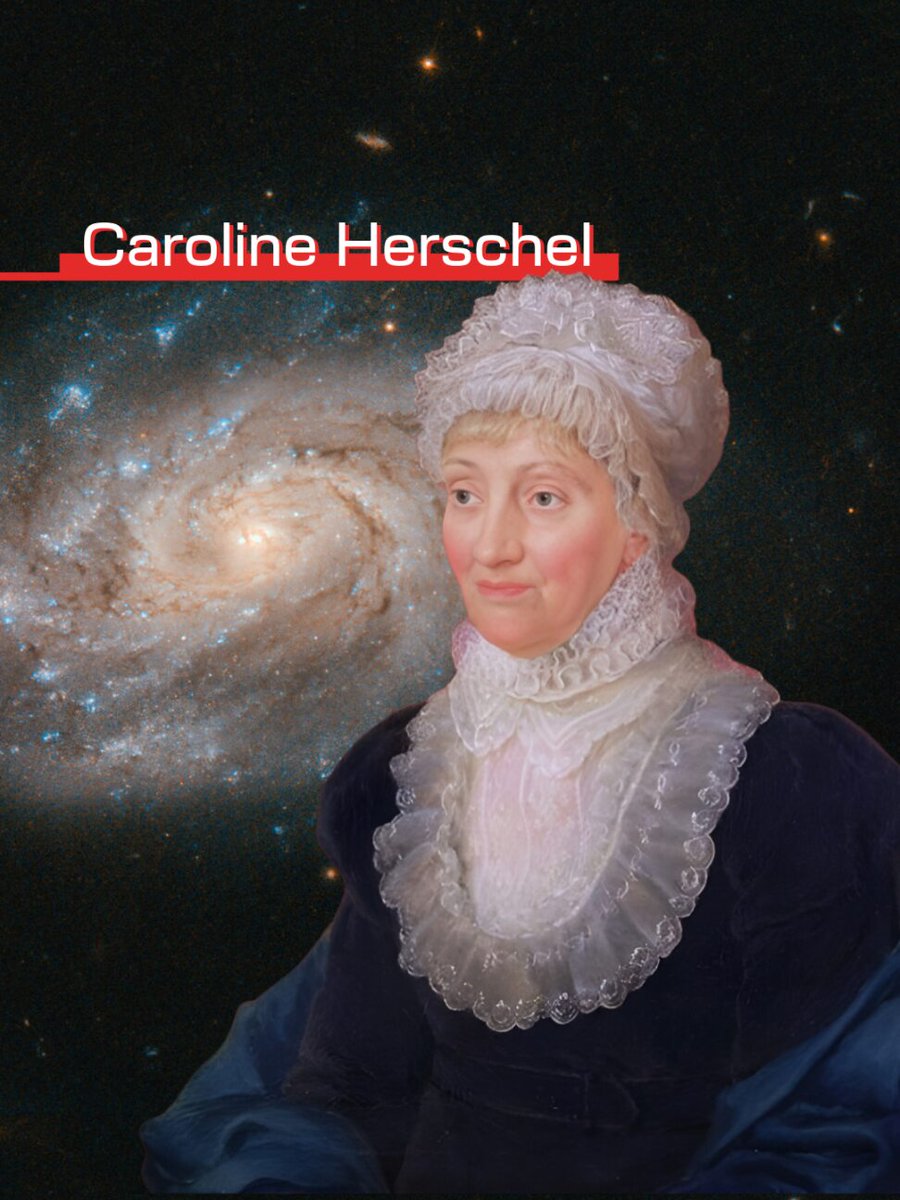
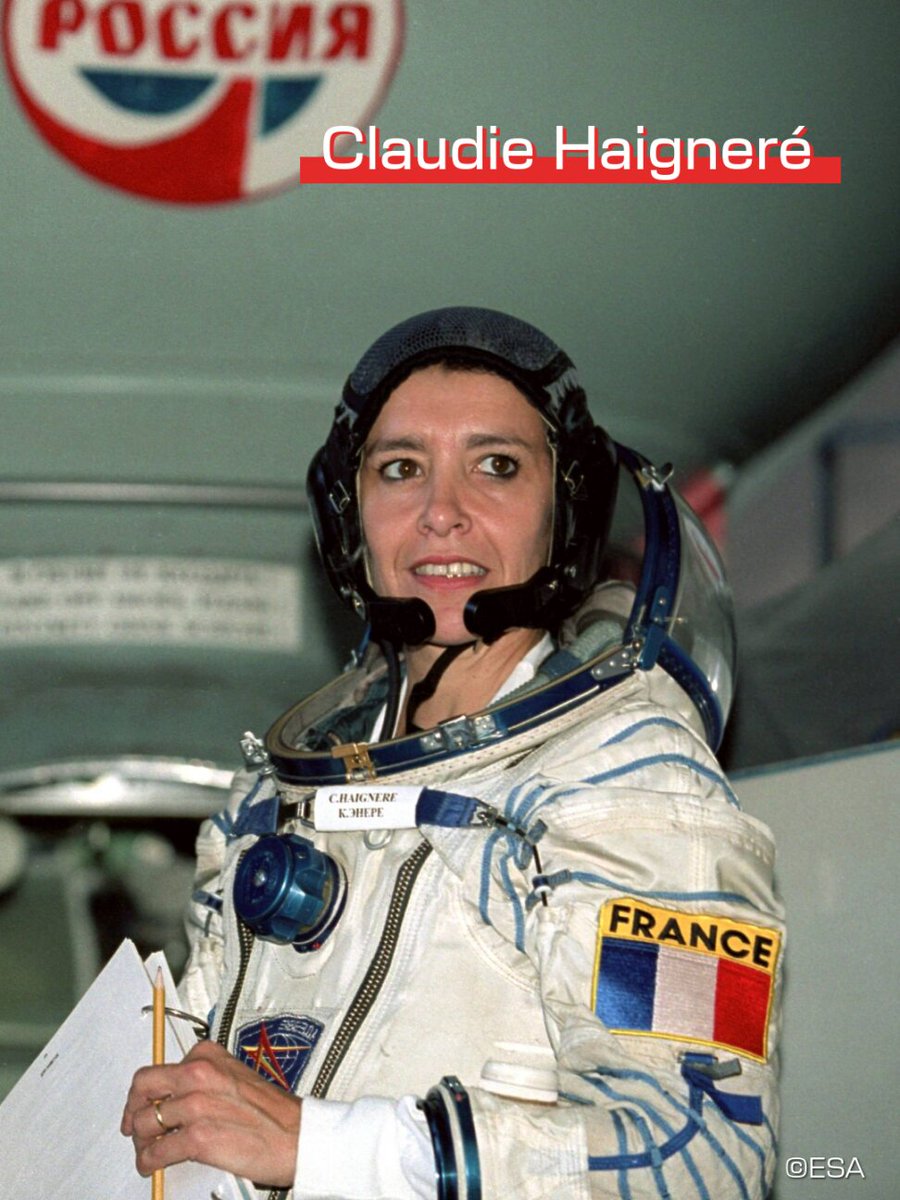
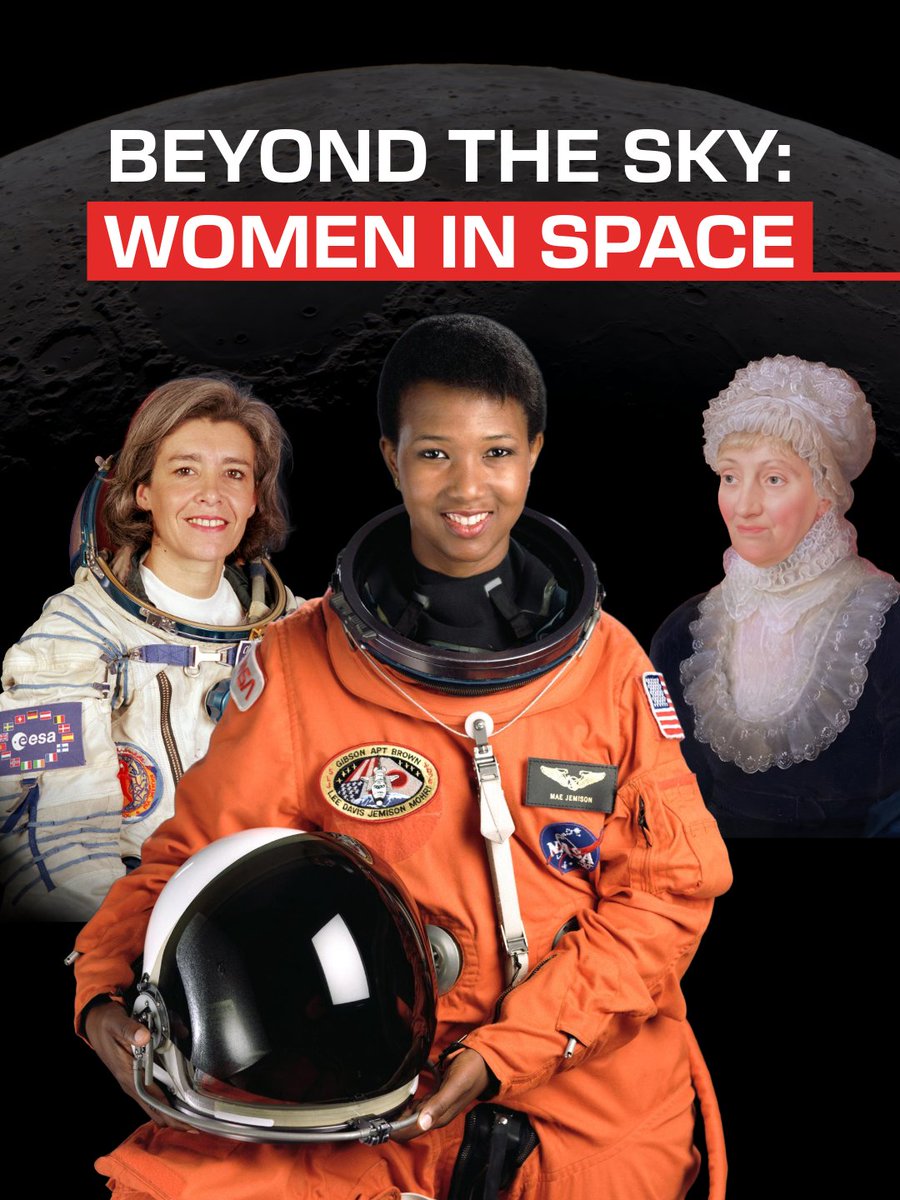
In the vast story of astronomy and space exploration, some women didn’t just participate, they changed the trajectory of history. Through perseverance, brilliance and courage, they opened doors that had long been closed and proved that talent knows no boundaries.
𝗖𝗮𝗿𝗼𝗹𝗶𝗻𝗲 𝗛𝗲𝗿𝘀𝗰𝗵𝗲𝗹 (1750–1848) was the first woman to be recognised as a professional astronomer. Working alongside her brother William, she discovered several comets and became the first woman to receive a salary for scientific work. In 1828, she was awarded the Gold Medal of the Royal Astronomical Society, a distinction that would not be granted to another woman for nearly two centuries. At a time when women were rarely allowed near scientific institutions, Caroline Herschel claimed her place among the stars.
𝗠𝗮𝗲 𝗝𝗲𝗺𝗶𝘀𝗼𝗻 made history in 1992 as the first African American woman to travel into space aboard the Space Shuttle Endeavour. During this space mission, she carried a photograph of Bessie Coleman, the first African American woman to earn a pilot’s license, a tribute from one pioneer to another, across generations. A physician, engineer and former @nasa astronaut, she embodies multidisciplinary excellence. Beyond her space mission, Mae Jemison has dedicated her career to education, innovation and encouraging young people, especially girls, to pursue careers in science and technology without limits.
𝗖𝗹𝗮𝘂𝗱𝗶𝗲 𝗛𝗮𝗶𝗴𝗻𝗲𝗿𝗲́ became the first French woman in space in 1996. A doctor and scientist, she flew on both Russian and European missions, contributing to biomedical research in microgravity. By becoming the first French woman in space, she inspired a generation, including @esa Sophie Adenot, who grew up seeing that the dream was within reach. Her journey did not stop in orbit: she later served as a French minister and remained a strong advocate for science, research and European space cooperation.
#WomenInSTEM #Pioneers
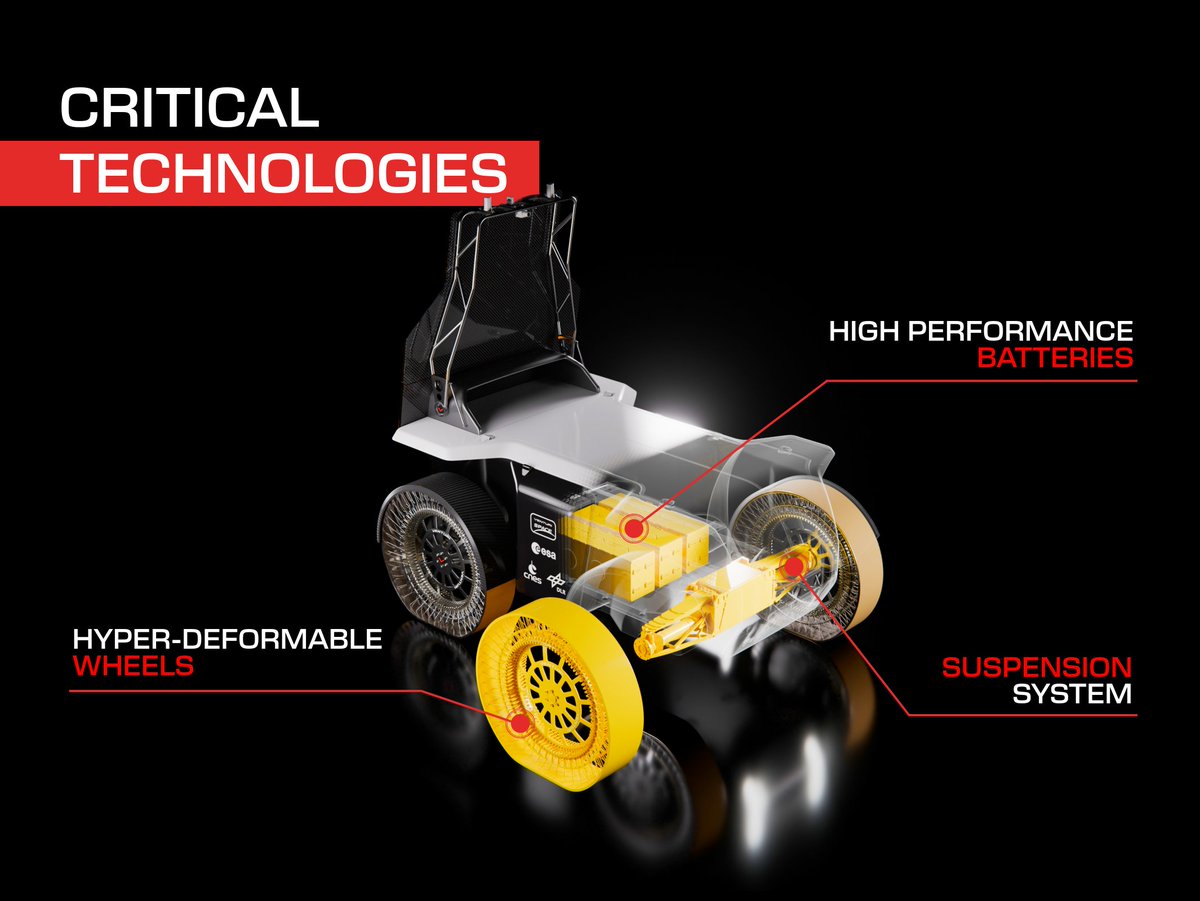
Under a contract signed with the European Space Agency (@esa), Venturi Space has been conducting, since 1 January 2026, a risk-reduction study focusing on three key technologies for future lunar rovers.
Venturi Space will be able to test the hyper-deformable wheels, high-performance batteries, suspension system, and the egress system (the system enabling the rover to descend from the lander), using its MONA LUNA rover as the test platform for this campaign.
The test campaigns will take place within the LUNA building, jointly developed by ESA and the Deutsches Zentrum für Luft- und Raumfahrt (@DLR_en).
Read the full announcement 👇
https://t.co/IMGHovZkpP
#SpaceInnovation #engineering