All Sharifs’ roads lead to Lahore, Central Punjab. Will someone from PMLN Govt ever think of motorways & main roads in other districts of Pakistan? It’s all (hundreds of billions) going from national exchequer without tendering. Such a huge amount from national exchequer should have been enough to connect Mianwali, Bhakkar, Layyah, Muzafargarh and DG Khan in one go with CPEC motorway routes. This amount could have also been spent for motorways in KP or from DI Khan to Balochistan. It’s disastrous & creating more deeper disparities!
Naseeruddin Khurrum Bahawalpuri (1851-1951) was a Saraiki poet and educationist from Ahmad Pur East, Wasaib. He was a poet of kafi but also introduced the ghazal into Saraiki poetry. In his later life, his diwan was stolen at a mushaira, a loss that drove him to his deathbed.
Legend Of The Fall
بہت ساری معذرت کے ساتھ آپ جو عوام میں اہم ایشوز پر کہتی ہیں یا ٹوئٹر پر ٹوئٹ لکھتی ہیں، اس سب کے الٹ آپ کمیٹی اجلاسوں میں پوزیشن لیتی ہیں بلکہ حکومتی وزراء اور بابوز اور افسران کو مشکل وقت میں بڑے آرام سے bail out کرتی ہیں۔
میں آپ کا ماضی میں فین رہا ہوں کہ آپ نے بہت مشکل اور اہم ایشوز بہادری سے اٹھائے جس کے ہم مداح رہے ہیں۔
لیکن پچھلے کچھ عرصے سے آپ کی پبلک پوزیشن اور بند کمروں میں پوزیشن میں خود دیکھی ہے جس میں زمین آسمان کا فرق ہے۔ اس کے بعد آپ کی ان باتوں پر یقین نہیں رہا۔
آپ کو یاد ہے سابق چیرمین محمد علی رندھاوا نے جو اسلام آباد کی خوبصورتی اور 40 ہزار درختوں کو تباہ برباد کیا تھا اس پر آپ نے بیرون ملک سے ٹوئٹ کیا تھا کہ وطن واپسی پر آپ سب کا حشر نشر کر دیں گی کیونکہ آپ سینٹ ماحولیاتی کمیٹی کی چیرپرسن ہیں۔ ہم سب کو امید پیدا ہوئی۔ لیکن آپ نے کمیٹی اجلاس والے دن کیا کیا؟
آپ نے اجلاس سے دو دن دن پہلے سینٹ داخلہ کمیٹی کے اجلاس میں وزیر طلال چوہدری اور رندھاوا کو تسلی دی کہ پریشان نہ ہوں میں سی ڈی اے چیرمین کو اجلاس میں ٹف ٹائم نہیں دوں گی۔ ہم صحافی یہ باتیں سن رہے تھے۔
میں نے آپ کو اجلاس کے بعد ہمارے قریب سے گزرتے ہوئے افسوس سے کہا کہ کیا یہ ہمارا ذاتی مسلہ ہے سی ڈی اے یا رندھاوا سے؟
میں نے کہا آپ کو رندھاوا کو شہر کی ماحولیاتی بربادی ٹف ٹائم دینا چاہئے جس پر آپ نے مجھے کہا آپ یہ بات مجھے نہیں کہہ سکتے۔
میں نے جواب دیا تھا آپ ہمارے نمائندے ہیں ہم کہہ سکتے ہیں۔ اس بیس گریڈ افسر نے تباہی بول دی اور اپ سب چپ رہے۔
پھر آپ نے اس ماحولیات اجلاس میں کیا کیا تھا جس کی آپ چیرپرسن ہیں؟
میں دیگر صحافیوں کے ساتھ موجود تھا۔ آپ نے کمال مہربانی سے سی ڈی اے اور رندھاوا کو ٹف ٹائم نہیں دیا جس کا وعدہ طلال چوہدری سے آپ نے کیا تھا۔ اسلام آباد کی بربادی کرنے والا رندھاوا آپ کے اس اجلاس میں “حسن سلوک “ کی وجہ سے سب کو چڑاتا ہوا آپ کے اجلاس سے خوش خوش گیا تھا۔
ابھی بھی اس ٹیلی کام بل پر آپ وہی رویہ اختیار کیے ہوئے ہیں۔ آپ کی پبلک اور اندر کھاتے پوزیشن میں زمین آسمان کا فرق ہے۔
آپ کی پوری پارٹی جانتی ہے آپ اور نوید قمر کی اس بل پر حکومت کو پوری سپورٹ تھی جس وجہ سے اسمبلی سے پاس ہوا۔ آپ نے کوئی مزاحمت نہیں کی۔ آپ کی سب مزاحمت یہاں ٹوئٹر پر ہے، اجلاس میں آپ حکومتی وزراء اور افسران کے ساتھ ہوتی ہیں۔ خود شزا فاطمہ نے جیو کو انٹرویو میں بتایا کہ پی پی پی کی ساری مرضی اور تعاون کے ساتھ بل پاس ہو۔
افسوس ہوتا ہے آپ جیسی کبھی کی بہادر اور ذہین سینٹر دھیرے دھیرے اس سیاسی رنگ میں رنگی گئی ہیں جو ہمارے جیسوں کے لیے مایوس کن ہے جو آپ کو کبھی آپ کے زبردست ہیرالڈ کے دنوں کے بیک گراونڈ کی وجہ سے بہت امیدیں باندھے ہوئے تھے کہ آپ کبھی سیاسی یا کارپوریٹ مفادات کی مصلحتوں کاشکار نہیں ہوں گی۔ آپ عوامی مفادات پر بیوروکریٹس اور وزیروں یا کارپوریٹ ورلڈ کے مفادات کو اہمیت نہیں دیں گی۔
لیکن ہم سب غلط نکلے۔ آپ بھی اب وہی سیاست کرتی ہیں جو دیگر عام سیاسی لوگ کرتے ہیں۔ وہ فرق مٹ گیا کہ کوئی آپ کی طرح پڑھے لکھے اربن بیک گراونڈ سے تعلق رکھتا ہو فارن کوالیفائڈ ہو وہ اس ایم این اے یا سینٹر سے مختلف اور بہتر ہوگا جو عام دیہاتی پس منظر سے عام تعلیم کے ساتھ محض کسی پارٹی کو بڑا فنڈ دے کر پارلیمنٹ پہنچ گیا ہو۔
آپ پھر اس ٹیلی کام بل پر بھی سب کو وہی پرانی آزمودہ گولی دے رہی ہیں جو آپ نے اسلام آباد کی ماحولیاتی بربادی پرٹوئٹ کر کے دی تھی کہ کس کو نہیں چھوڑیں گی۔ پھر ہم سب نے دیکھا آپ نے اپنی کمیٹی اجلاس میں محمد علی رندھاوا سمیت سب کو کلین چٹ دی تھی۔ آپ اپنی سیاسی ساکھ کھو چکی ہیں۔آپ پر اب کون اعتبار کرے۔
What a fall
@BBhuttoZardari@sharmilafaruqi@ShaziaAttaMarri@A_Qadir_Patel@PalwashaKhan18@naveedqamarmna@SyedAghaPPP@HinaRKhar@Ali_MuhammadPTI@SyedAliZafar1@SenatorSaleem@Nabilgabol@ninoqazi@najamsethi@SyedaAyeshaNaz1@murtazasolangi@AyazSadiq122@BilalAKayani@DrTariqFazal@CMShehbaz@MIshaqDar50@MohsinnaqviC42
🧵 Siraiki Wasaib & Fiscal Domination Geography
Punjab’s budget is not book of an accounting. It is a weaponised geography. People can be enclosed without fences. We r enclosed also through budget books.
#PunjabBudget#EndFiscalErasure#SiraikiProvince
Siraiki Wasaib is not asking to be “included” in Punjab’s ledger as a managed region.
Inclusion without power is decoration. We have the right to decide our own development,
protect our own share, and build institutions rooted in our own land.
#PunjabBudget#EndFiscalErasure
Job quotas and mere Ring fencing of budget can not secure our interests as they are
not constitutionally protected. A Province empowers us to create our own destiny…..
#Punjab
Inclusion inside domination is decoration.
The demand is rupture: from package to share, from secrecy to accountability, from
administrative dependency to fiscal self-rule, from Wasaib’s erasure to Siraiki Wasaib
province.
#PunjabBudget#EndFiscalErasure#SiraikiProvince
Job quotas and mere Ring fencing of budget can not secure our interests as they are
not constitutionally protected. A Province empowers us to create our own destiny…..
#Punjab
Make the budget answer to Wasaib.
Every allocation. Every release. Every diversion. Every surrendered rupee. Every delayed scheme. Every dead promise.
The state must be made visible to the people it has kept invisible.
#PunjabBudget#EndFiscalErasure#SiraikiProvince
Lahore is not the centre because geography made it so. Lahore is the centre bcoz budgets, roads, universities, hospitals, bureaucracies, authorities, courts, cultural institutions & capital have been concentrated there for decades.
#PunjabBudget#EndFiscalErasure#SiraikiProvince
The geography of Punjab is not innocent.
It is made by decades of budgetary choices: where roads go, where universities rise, where
hospitals expand, where industries grow, where jobs concentrate.
Wasaib’s economic marginality is planned.
#PunjabBudget
We do not ask Punjab’s ruling order to remember us.
We accuse it of producing our erasure.
We accuse it of converting our land, labour and votes into provincial power while returning to us delay, dependency and insult.
#PunjabBudget#EndFiscalErasure#SiraikiProvince
We reject the politics of “inclusion.”
We do not want to be included in Punjab’s ledger as a managed region.
We demand recognition as a political people with our own fiscal authority.
#PunjabBudget
🧵 Siraiki Wasaib & Fiscal Domination Geography
Punjab’s budget is not book of an accounting. It is a weaponised geography. People can be enclosed without fences. We r enclosed also through budget books.
#PunjabBudget#EndFiscalErasure#SiraikiProvince
A community can be erased from history books.
But it can also be erased from budget books.
When releases, expenditures, surrendered funds and diversions are hidden, the budget itself
becomes an archive of silence.
#PunjabBudget
Pouring Rs 113B into one city while 14 Saraiki Wasaib districts share Rs 76B is not mismanagement, it's a deliberate concentration of power, resources, and future in one place. This is how regions are kept dependent.
Central Punjab/Lahore: 217 billion rupees in dev funds.
Saraiki Wasaib: 8 billion.
Same province, same taxpayers, wildly different priorities. This is the structural neglect Saraiki Wasaib has been protesting for decades.
The deforestation of Indigenous Trees in Multan for development and profit of the rich who can afford ACs is so apparent, which is making the whole city a pressure cooker with no green cover anywhere. Only 2.4% of Dist Multan has tree cover, it was 12% in 2005.
آج وزیراعلی مریم نواز صاحبہ کی زیرصدارت صوبائی کابینہ اجلاس میں PMLN ایم پی اے مننان خان (پی پی 56 )ناروال کے میڈیکل بلز کی مد میں
پچاس لاکھ ستاسی ہزار کی منظوری ٹاپ ایجنڈے پر ہے۔ ایم پی اے کو پچاس لاکھ روپے کی منظوری رولز کو ریلکس کر کے ادا کی جائے گی۔
پنجاب کے سیکرٹری انفارمیشن طاہر رضا ہمدانی کو بھی میڈیکل بلز کی مد میں دس لاکھ روپے کی منظوری دی جائے گی۔
ریٹائرڈ ایڈیشنل سیکرٹری سبحان بٹ کو بھی ان کے میڈیکل بلز کی مد میں پانچ لاکھ روپے کی منظوری بھی ایجنڈے میں شامل ہے۔
اجلاس آج بارہ بجے ہوگا اور کل 134 کے قریب ایجنڈے میں سمریاں شامل ہیں۔
اور دوسری طرف یہ باپ اپنی کینسر کی مریضہ بیٹی کو مناسب علاج نہ ملنے پر واپس گائوں لے گیا کہ بیٹی نے کہا بابا میں تھک گئی ہوں۔ مجھے گھر لے جائو۔
@MaryamNSharif
Benazir Income Support Programme is not a “useless program” but one of Pakistan’s most impactful social protection initiatives, recognized internationally for supporting millions of deserving women and vulnerable families across the country. Reducing it to political rhetoric is unfair to the countless households that rely on it for basic survival.
Instead of dismissing poor women as “servants of waderas,” we should acknowledge their dignity and the economic hardships they face. Poverty alleviation and job creation are not mutually exclusive goals both are necessary. Programs like BISP provide immediate relief to struggling families while long-term policies focus on employment, education, and economic growth.
For the Indigenous Torwali community living in the Swat valley, in northern Pakistan, rivers are not a “resource.” They are not just “water.” They are the heartbeat of their nation, a sacred presence, the manifestation of the goddess Dara connecting them to their ancestors. But under the justification of the “electricity crisis,” in the past few years, the Pakistani government has been pushing a new wave of hydroelectric projects that are threatening this river system, along with the ecosystems and cultural systems tied to it.
For the Torwalis, losing a river means losing history, livelihoods, identity, and imagination. This is why, since 2023, they have been leading a fierce resistance to save the Swat River and halt the construction of the 207 MW Madyan hydroelectric project, one of at least 18 schemes planned between Madyan and Kalam in the Swat District of Khyber Pakhtunkhwa, Pakistan. The project is part of the World Bank-funded Khyber Pakhtunkhwa Hydropower and Renewable Energy Development project, approved in 2021 for a total of USD 450 million.
On April 4, 2026, the movement celebrated a victory: The provincial cabinet approved its withdrawal from this project. However, it is not yet clear whether the project proponents will challenge this decision or seek equally devastating alternatives, and there have been no comments from the World Bank so far. For the Torwalis living in the valley, the struggle is not over yet.
The Torwalis know well what happens when large-scale dams interrupt the free flow of their rivers. For them, the Daral Khwar Hydropower project is a lesson written in water. The project was initially funded by the Asian Development Bank, which withdrew after public pressure. The authorities, however, sought other funding sources to advance the project, making false promises and dividing communities to silence dissent.
In the town of Bahrain in the Swat district of the province of Khyber Pakhtunkhwa, Pakistan, where the Daral merges with the Swat River, the local community used to describe their land as a paradise. In the summer, children were playing in the river’s cold pools, women were collecting fresh water from its springs, and orchards were thriving along its banks. Today, though, the powerhouse controls the river’s flow like a tap, leaving long stretches of riverbed dry. Mosquitoes breed along its banks well into autumn. Sudden water releases from the tunnel with little warning, causing a drowning hazard for children. This loss has taught the Tarwali a painful truth: once a river becomes a machine, everything connected to it — culture, ecology, economy, identity — unravels.
With this memory still fresh, the Torwalis have formed the Save River Swat Movement (Darya-e Swat Bachau Tehreek) to mobilize against the Madyan project. In August 2024, they submitted a formal complaint to the World Bank, demanding a review under its environmental and social safeguard policies. They have exchanged hundreds of letters with the Bank; held meetings in Peshawar, Islamabad, and online. They also informed international bodies, including UN institutions, and engaged local authorities. Meanwhile, jirgas (a gathering of elders) were held from Madyan to Kalam. A massive demonstration took place on August 23, 2024, in the town of Bahrain; youth marched again a month later. Press conferences in Swat and Islamabad generated national attention, and even children have written petitions to the prime minister.
According to international law and the UN Declaration on the Rights of Indigenous Peoples, no project can proceed without Free, Prior, and Informed Consent (FPIC). Yet, the Torwalis have complained about rushed hearings, inaccessible documents, procedural shortcuts, and bureaucratic coercion — none of which constitute real consent.
And their opposition was clear from the start. Already in July 2023, when the Pakhtunkhwa Energy Development Organization PEDO and the provincial environmental authorities held the first “public hearing,” people attended in large numbers. Yet, a “No Objection Certificate” was issued, despite attendees’ protests.
There have also been a series of threats and intimidation against community members opposing the project. Local authorities and government staff have threatened activists and local village officials with possible imprisonment and surveillance of their family members. Some activists were framed and accused of working against national interests. As a result, in the affected villages, there is a climate of fear, and some are choosing to avoid voicing their concerns out of fear of being targeted.
Additionally, the World Bank has failed to recognize the indigeneity of the Torwali peoples, leading to flawed impact assessments and a lack of information disclosure in the local Torwali language. As a result of the movement’s sustained efforts, in June 2025, the World Bank commissioned a new screening to determine whether the Torwali qualify as Indigenous people under its policy, an unprecedented step in this region. Almost a year later, however, it has not shared the findings with the community.
But for the Torwalis, there can be no doubts about their indigeneity. Their identity is inseparable from the mountains they inhabit, the rivers they honor, the pastures they graze, and the ancestral systems they still practice. Their language — Indo-Aryan with some pre-Aryan and Gandharan elements — is shaped by their interaction with the landscape: there is a word for every cliff, rock, ravine, stream, meadow, and pass. Even today, Torwalis living in the cities of Karachi, Hyderabad, or Rawalpindi continue to call their region watan, a word deeper than “homeland.” A proverb expresses this bond: “tu watan ge ke bedu, watan ma wad.” It means “your body may reside elsewhere, but your heart belongs to the homeland.”
Whether or not the movement to save the Swat River will ultimately prevail, this movement has already achieved something profound: it has reaffirmed that Indigenous rights and environmental justice are inseparable; that rivers have rights because communities have relationships; and that development must be accountable to those who bear its consequences.
As the Pakistan poet Allama Iqbal reminds us, “A drop of dew is enough to make this soil fertile again.” The resistance of the Torwali people is that drop of dew: an act of dignity, unity, and courage in the face of imposed development. And as long as the Swat River flows, they will continue to defend it.
Pakistan’s Indigenous Torwali people are fighting to save the Swat River https://t.co/ekdSbefDwL via @globalvoices
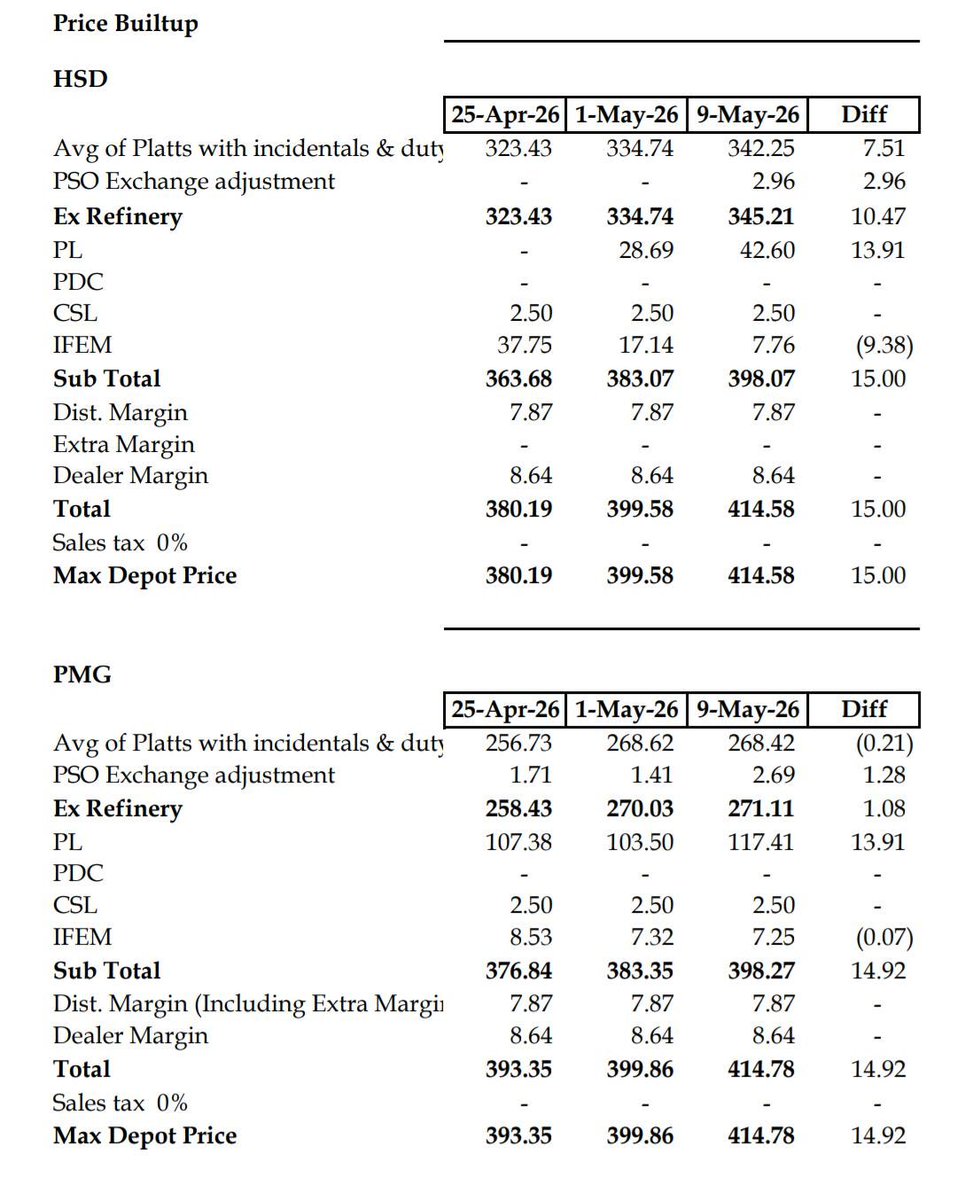
Petrol and diesel prices have been increased by the Noon government by Rs 15 per litre each to Rs 415 per litre. The entire increase in both has been due to increase in levy and taxes. Not due to any increase in prices.
For petrol now we pay levy of Rs 120 per litre and for diesel Rs 45 per litre. In addition we pay about Rs 30 per litre as custom for diesel and Rs 20 as duty for petrol. So about 33% of the what you pay for petrol and 16% for diesel goes to the government.
Don’t let the government say that they are not passing on the total burden on the people and undertaking any austerity. The entire burden of price increases plus even more taxes are now being charged to the people.
There was a reduction of 21 paisa in petrol price in international market. But the government further increased the tax by Rs17.91 per litre to increase price to Rs415.
What sort of economic management is this?
Now Government is charging Rs117.5 per litre levy on petrol. This is even higher than Rs80 per litre agreement with the IMF.
Economy has been rendered into an accounting exercise. The cost of failure of FBR and the failure to seek any relaxation from IMF in pre-war targets is paid by common people.
Multan Gymkhana is unnecessary and unwanted. Constructing it within the premises of the Central Cotton Research Institute is a glaringly wrong decision by Multan admin. There is ample state land available near the Commissioner House. Gymkhanas are colonial power houses of Babus