Revenue Growth Can Reduce Cash Flow (Temporarily)
Growth is often viewed as a positive signal in business.
More jobs.
More customers.
More revenue.
However, growth can also introduce short-term pressure on cash flow.
As demand increases:
• Payroll expands to support higher workload
• Materials or inventory must be secured upfront
• Operational costs rise immediately
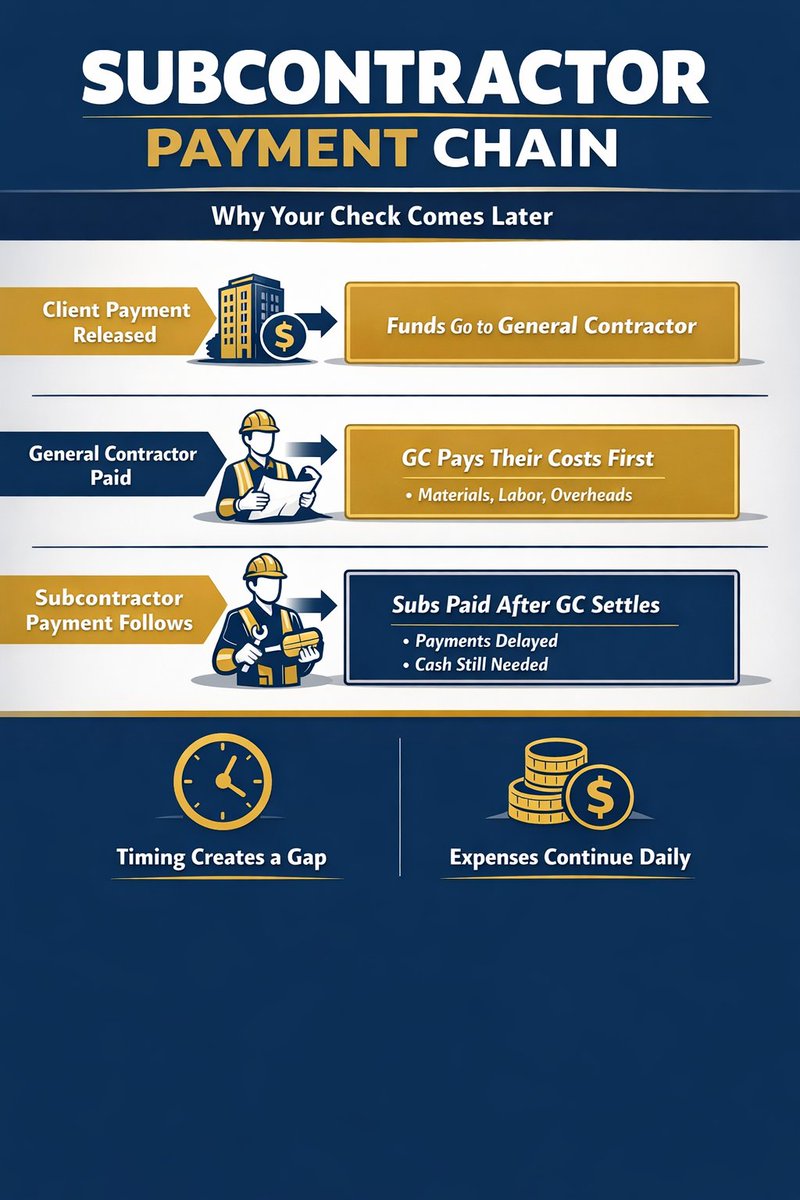
At the same time, revenue may follow billing cycles, receivables timing, or approval processes.
This creates a gap between:
Costs moving now
and
cash arriving later
Disciplined operators anticipate this phase and plan for the timing difference between expansion and cash availability.
Understanding this dynamic is key to scaling without disruption.
#WorkingCapital
#CashFlowManagement
#BusinessOperations
#SMBLeadership
#BusinessInsights
#SmallBusinessFinance
#SMBGrowth
HVAC Company Improving Technician Utilization
An HVAC company maintained steady demand with a full schedule of service calls.
However, profitability did not fully reflect the level of activity.
Upon review, several operational inefficiencies became visible:
• Gaps between scheduled jobs
• Travel time reducing billable hours
• Callbacks impacting technician productivity
Technicians were consistently active, but not all hours translated into revenue.
To improve utilization, the company adjusted dispatch scheduling and service routing.
At the same time, structured working capital supported staffing and operations while efficiency improvements were implemented.
As utilization improved, more technician hours shifted toward billable work, strengthening overall operational performance.
#WorkingCapital
#BusinessOperations
#SMBLeadership
#CashFlowManagement
#HomeServices
#SmallBusinessGrowth
#BusinessInsights
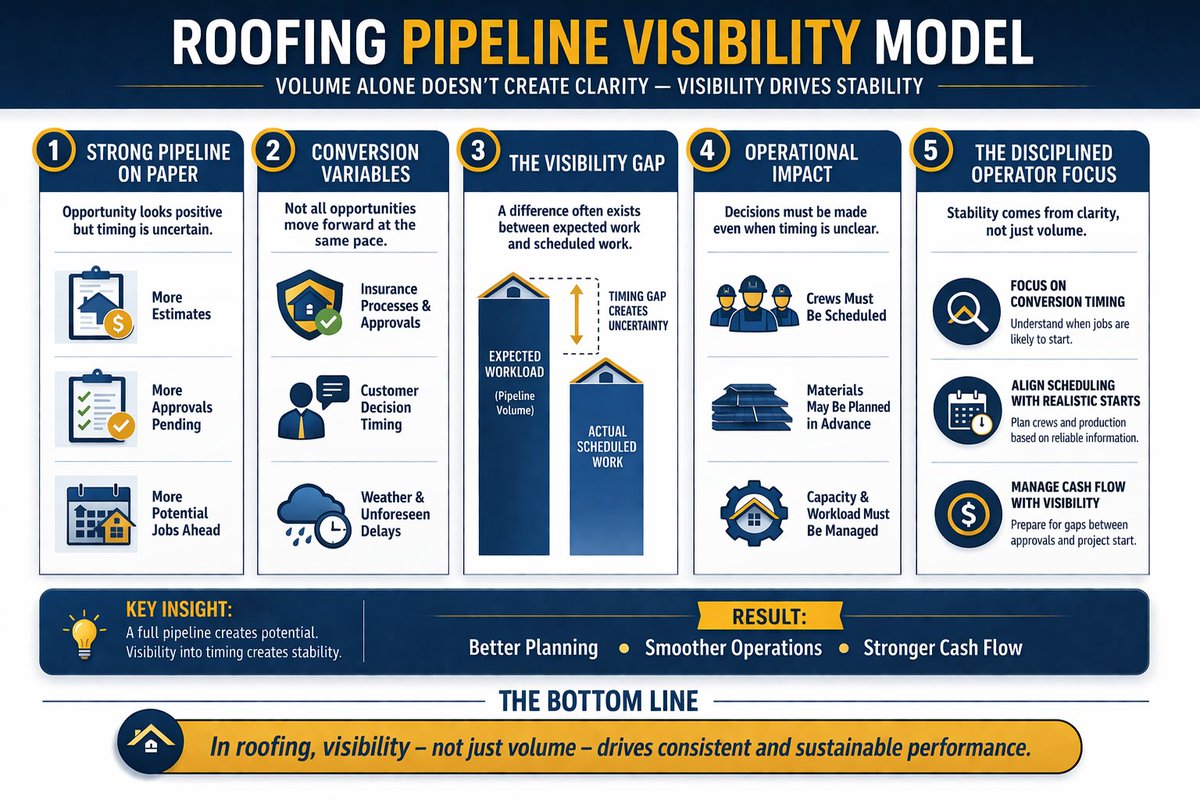
Roofing Company Managing Insurance Supplement Delays
A roofing company experienced strong project volume following a series of storm-related claims.
Work moved quickly, and crews remained consistently active across multiple jobs.
Initial insurance approvals allowed projects to begin, but final payments depended on supplement reviews.
While jobs were completed, a portion of revenue remained tied to pending approvals.
During this period:
• Crews continued working across new projects
• Materials were purchased upfront
• Operational costs remained consistent
This created a gap between completed work and final payment settlement.
To maintain continuity, the company structured working capital to support payroll and material flow while supplements moved through the approval process.
This allowed operations to continue without slowing down project execution.
#WorkingCapital
#BusinessOperations
#SMBLeadership
#CashFlowManagement
#HomeServices
#SmallBusinessGrowth
#BusinessInsights
Business insight:
Cash flow pressure isn’t always about revenue.
It’s often about structure.
When payment timing and cash flow don’t align, gaps appear.
Business insight:
Cash flow pressure isn’t always about revenue.
Sometimes it’s about structure.
When payment systems stop aligning, stability becomes harder to maintain.