Architect. Project Manager. Cardiovascular Researcher. Working to improve national Cardiovascular Health through dietary sodium intake reduction strategies.
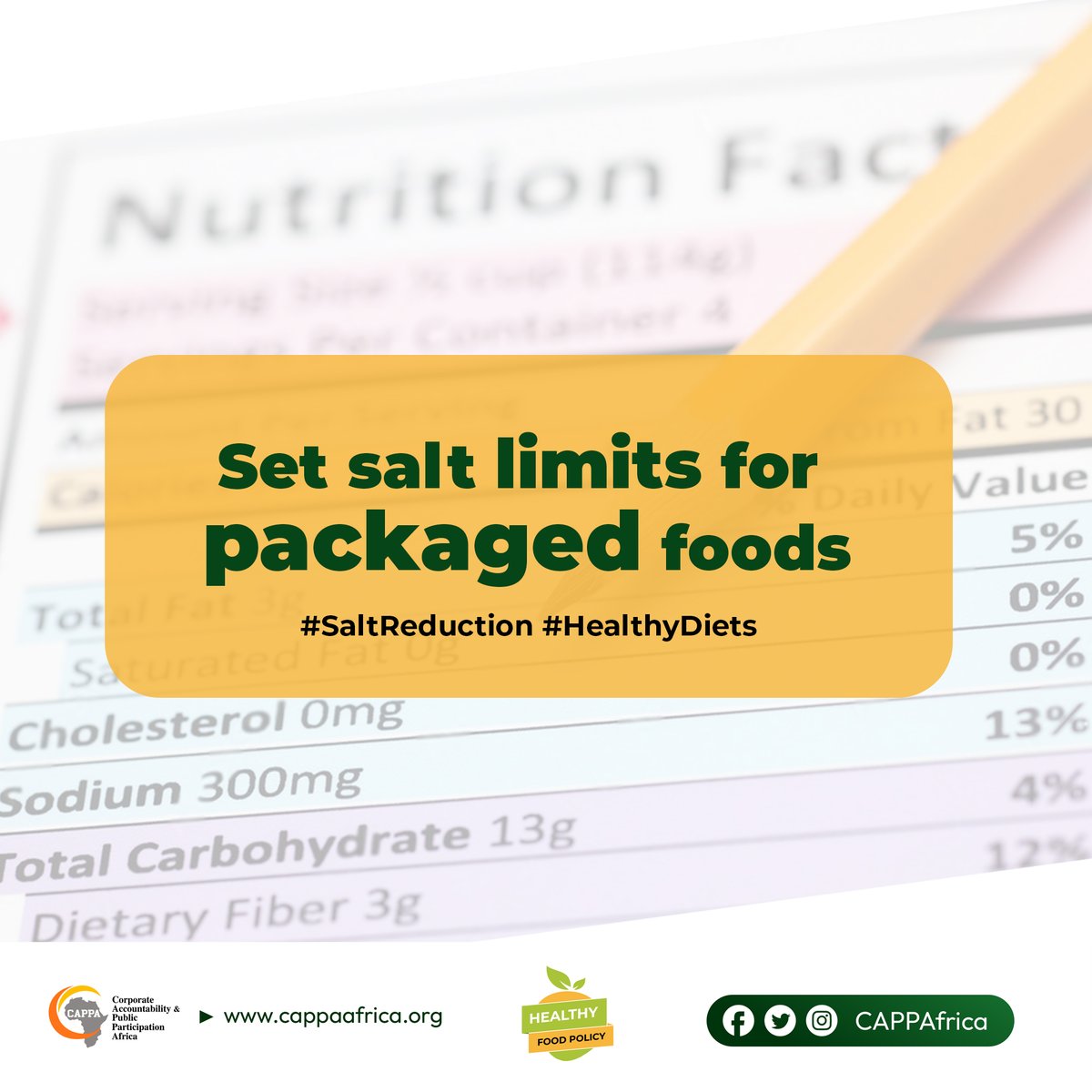
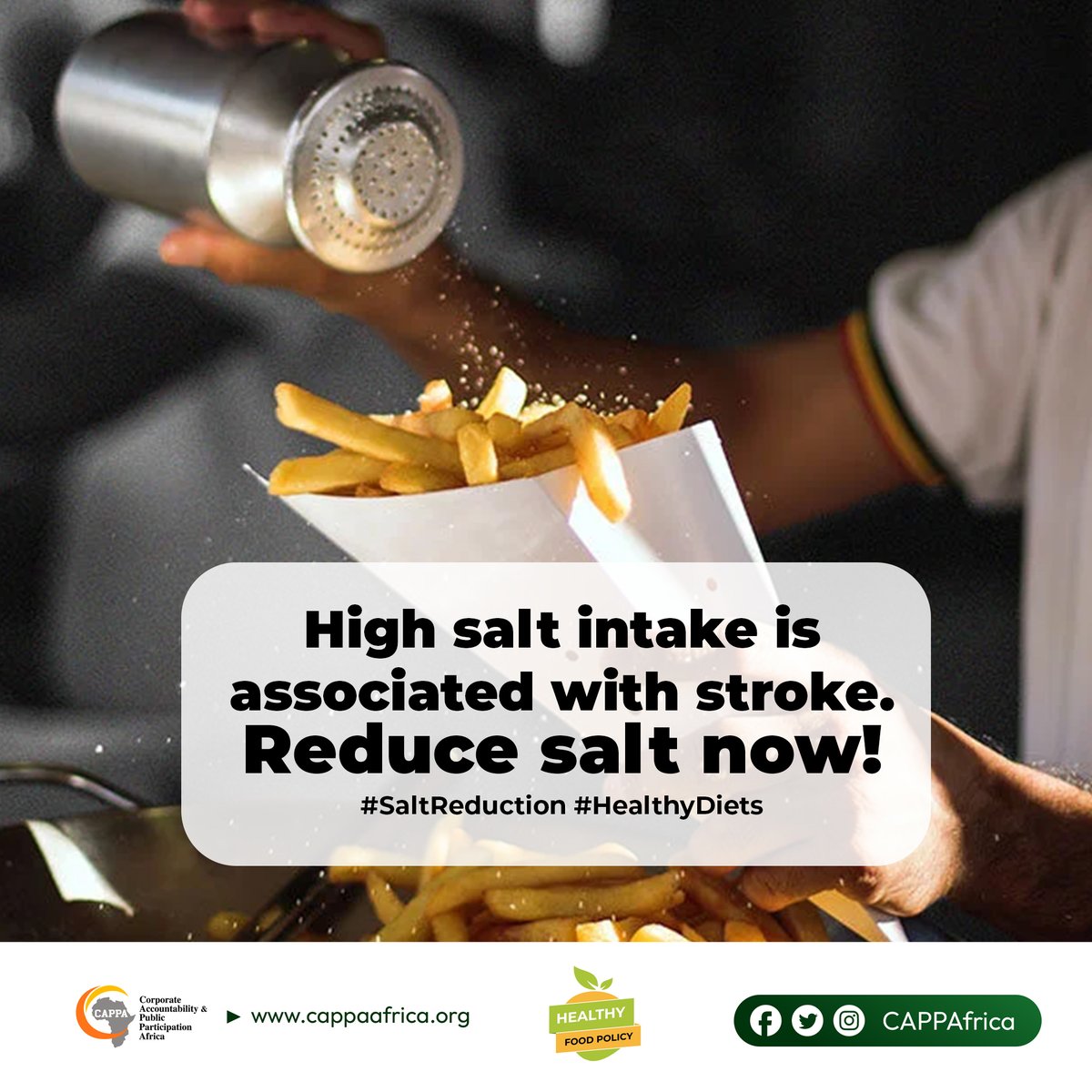
We're in the beautiful city of Port Harcourt for @CAPPAfrica's Journalism Training on Industry Interference and Response Building on #ReduceSalt for #HealthyFoodPolicy
So excited! colleagues at our CardiovascularResearchCenter published in @BMJOpenQuality on
supportive supervision in a large community-based HTN prog offering practical, scalable insights into strengthening hypertension care in low-resource settings.
https://t.co/7v3pOjWqEg #gph
So excited! colleagues at our CardiovascularResearchCenter published in @BMJOpenQuality on
supportive supervision in a large community-based HTN prog offering practical, scalable insights into strengthening hypertension care in low-resource settings.
https://t.co/7v3pOjWqEg #gph
The hardest part of being a doctor is seeing how many patients suffer because of poverty, not pathology.
You can treat TB with drugs.
But you can’t treat the fact that the patient sleeps in a 10x10 room with 6 family members and no ventilation.
#MedTwitter
Here are 5 skills every Resident Doctor must Master.
1. How well of a time manager are you?
Do you know how to balance work time, night calls, personal time and reading for different exams?
2. How confident are you in practice?
With the way people are using A.I to diagnose themselves, are you sure of what you know and practise?
3. Can you handle stress?
Long shifts. Sleepless nights. Tough patients. How do you handle it all? When life gets overwhelming, how do you react?
4. Can you document well?
I know we all agree that doctors have a collective bad handwriting, but can you at least write and document properly?
5. Work with everyone?
Do you have good people and communication skills or you give it to everyone hot hot?
Which of these skills do?
you have?
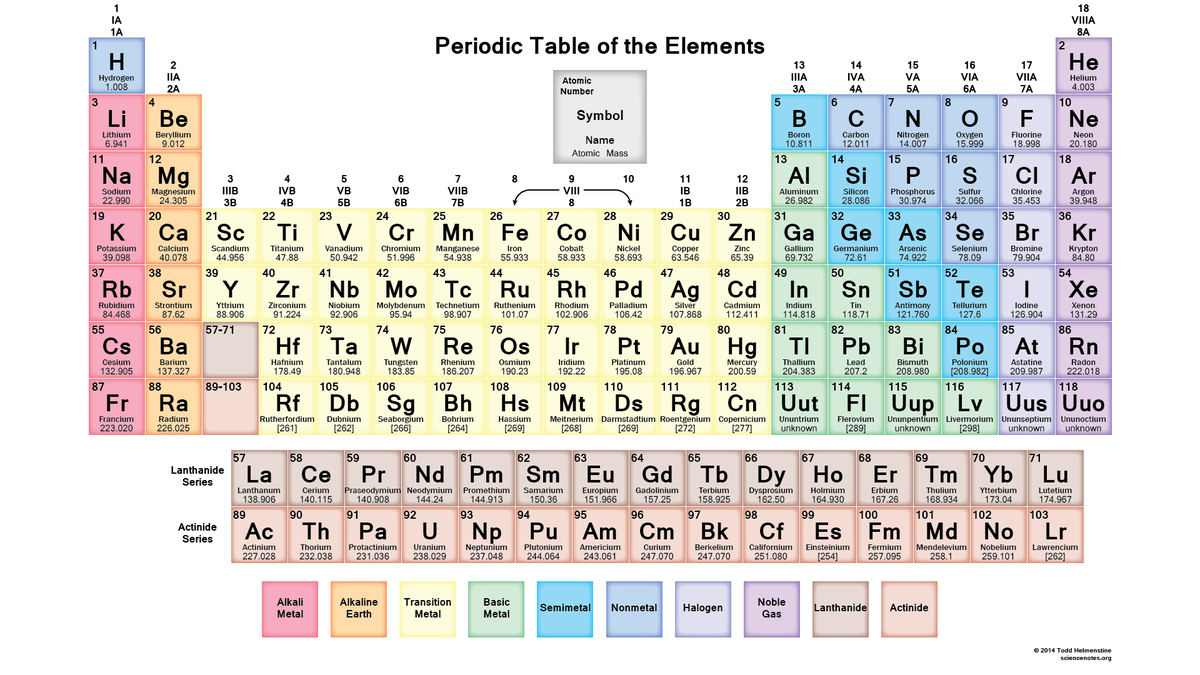
Each new element on the periodic table is one proton greater than the previous, so yes you could easy map it to a spiral with radius related to the number of protons, get the spacing right between the elements and you could even match up the groups.
However the current periodic table is mapped that way to show the elements with the same chemical properties lined up vertically. Because it is much simpler to read.
They even help you by showing that connection using the same colours for each group (named in this nice image).
Top number is atomic number = number of protons.
Bottom number is atomic weight, roughly number of protons and neutrons. E.g. Helium (He) has 2 protons and 2 neutrons (so weight is just over 4). Because neutrons are heavier than protons.