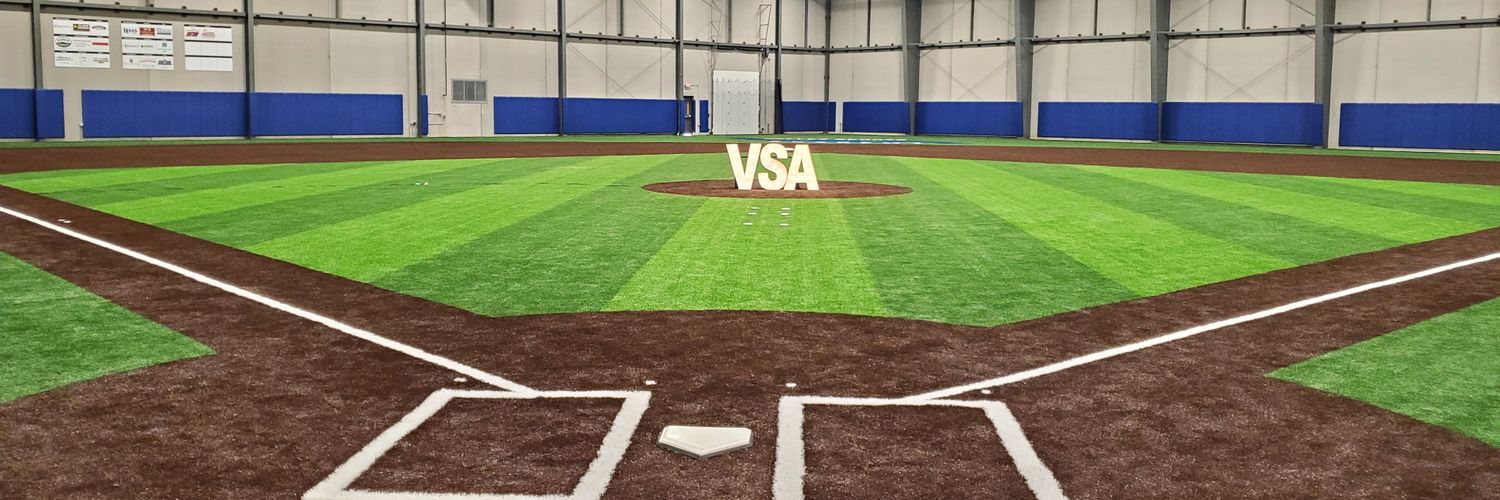
Tournament weekends are here. Before you load the car, three things are worth saying to your son in the driveway:
I love watching you play, no matter the result.
The coaches are watching how you compete, not your stat line. Most of all have fun.
The student-athletes who play loose this weekend will outperform the ones who play tight. Every time.
CROSS-TOWN RECAP
Runs were low, but the quality was high.
3rd year in a row that the Abes and @ECNBaseball split the series. EC can be proud of both teams & games played this week!
Quality Starts for all starters:
Alex Johnson & Ethan Palecek
Mason Bruesewitz & Cameron Buchman
Arm speed is arm stress. The velocity that continues to trend upward is a massive reason the injuries continue to grow, but with any stressful action, there are ways you can shield & disperse stress away from stabilizing tissues.
It’s hard to change the tire on a moving vehicle though, so often times managing throwing workloads to coincide with proper training techniques in the weight room are what’s necessary to build up the arm strength necessary to stress shield.
Asking an athlete to go through countless rotator cuff, posterior shoulder, serratus anterior, flexor pronator work, etc as part of a solid “arm care” routine, yet not considering the accumulative stress done by throwing workloads is asking the athlete to train WITH fatigue rather than away from it. This will only lead to further injury. The guys at ArmCare have this absolutely right. I don’t see how anyone programs without the information they can provide.
#OneArmOneCareer #StrengthMattersMost
https://t.co/CdmJ0j5uAk
100 mph is no longer rare. Unfortunately, arm injuries aren’t either.
After watching this outstanding video by Joon Lee and Adam Ottavino on the rise of 100 mph pitchers, the message felt clear: velocity keeps climbing, injuries keep climbing...and there may be no real solution to the arm injury epidemic.
I disagree. The solution is here. The challenge is having the discipline to listen.
Here’s what makes this so difficult...ArmCare tests a pitcher’s arm before they throw and compares that data to their normal baseline.
If arm strength is down 8+ lbs, if fatigue is showing up, if imbalances show up, if recovery is off...the app doesn’t just show the data. It flags it and may tell that pitcher: do not pitch today.
And I get it...it’s a big game. Your ace is on the mound. You run the test, see the alert, question it, test again...same result. The arm is fatigued.
Now the coach has a decision to make. Listen to the arm...or roll the dice.
Research has shown pitching while fatigued is the #1 risk factor for injury, making a pitcher 36x more likely to get hurt...not 36%, 36 times.
That’s the uncomfortable truth. Most major arm injuries aren’t coming out of nowhere. The warning signs were there. The data was there. The arm was talking.
And here’s what’s often missed...fatigued arms usually don’t perform their best anyway. Command is often the first thing to go. More missed spots. More stressful pitches. More fatigue. More risk.
The hardest part in baseball isn’t collecting the data. It’s having the courage to trust it when the game is on the line.
Great to see Carter attacking hitters again. Continues to impress with how he’s approaching his rehab & I couldn’t be more proud of this young man.
𝐏𝐫𝐞𝐩 𝐁𝐚𝐬𝐞𝐛𝐚𝐥𝐥 𝐖𝐢𝐬𝐜𝐨𝐧𝐬𝐢𝐧 𝐏𝐢𝐭𝐜𝐡𝐞𝐫 𝐨𝐟 𝐭𝐡𝐞 𝐖𝐞𝐞𝐤: 𝐉𝐨𝐬𝐡 𝐖𝐫𝐢𝐠𝐡𝐭⭐
The senior has throw two no-hitters over the past two weeks. In this one, struck out 14 batters in a seven-inning CG, earning him this week's Pitcher of the Week honors.
🔗: https://t.co/GpYua9uRGI
Uncommitted 2027
OF/RHP Josh Wright.
6’1 165lbs | AVG .491. | OBP .630 |
For Fall Creek High School through 19 games | Bat/Throw: L/R | Pitching : 3 GS | 2-0 | .9 ERA | 2 No Hitters |
Couple Mid-Season Clips⬇️