⏳⏰ Early bird deadline approaching soon, 16 July! Do not miss out! Half of the talks selected from abstracts.
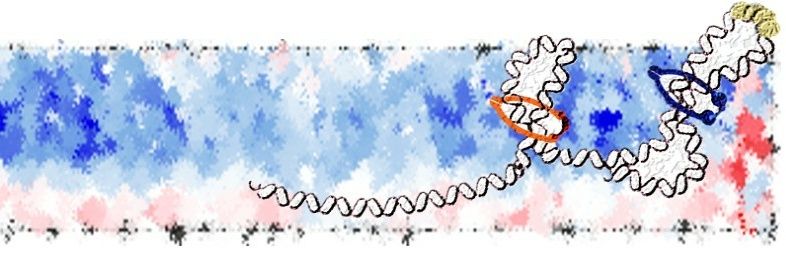
Join us in York to talk about the Biology and Physics of Prokaryotic Chromosomes
Registration is now open for The Biology and Physics of Prokaryotic Chromosomes VII! Join us in York, 16-19 September 2025, to discuss discoveries and challenges around building an integrated model of prokaryotic chromosome structure. Register here: https://t.co/LgjNChxnCe
Registration is now open for The Biology and Physics of Prokaryotic Chromosomes VII! Join us in York, 16-19 September 2025, to discuss discoveries and challenges around building an integrated model of prokaryotic chromosome structure. Register here: https://t.co/LgjNChxnCe
@anne__lopes & coll explored the ribosome profiling landscape of yeast and showed that noncoding regions are associated with a wide diversity of translation signals among which some led to detectable protein products #microproteins#riboseq#denovogenes
Bioinformaticians of the #GenomeBiologyI2BC , Lille University & Montpellier University find new ways to analyze cancer RNA in very large datasets. Very nice work from @DGautheret and collaborators 💻
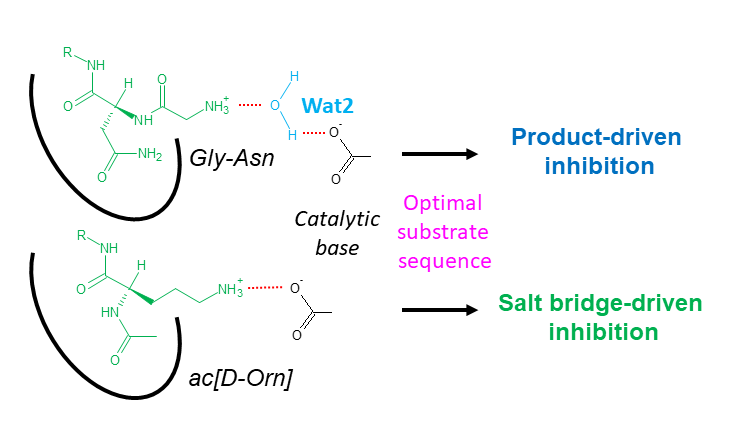
Lys-myristoylation-based inhibitors from these peptides were designed. Each series’ inhibitory properties are unique, relying on distinct interactions. congratulation to all the authors
Another recently publised article of the @Giglionelab by @meinnel and coll of the #GenomeBiologyI2BC: Peptides fitting the optimal human NMT Gly-myristoylation recognition pattern act as potent inhibitors.
By comparing the collection of Next-Generation Sequencing data to the superimposition of several chess games, the team of J. Soutourina demonstrates the limits of current temporal analysis approaches. Nice work recently published from #GenomeBiologyI2BC
Welcome to our three M2 students: Alexandre, Jovan & Thomas. They will be working with us during three weeks on the Dynamics of Salmonella genome 🧬 @narafiguer_I2BC#GenomeBiologyI2BC#Salmonella