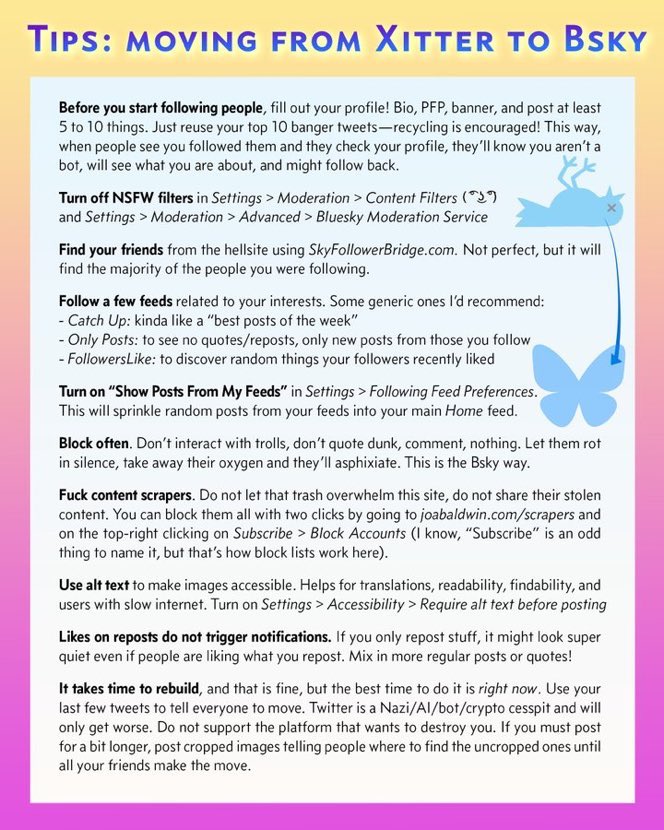
Happy first birthday to Bluesky! 🥳
We launched the app publicly on Feb 6, 2024. With every day, the need for an open network that puts people first becomes increasingly clear, and we're excited to be building it alongside 30M+ of you.
https://t.co/x6v5YW0oQl
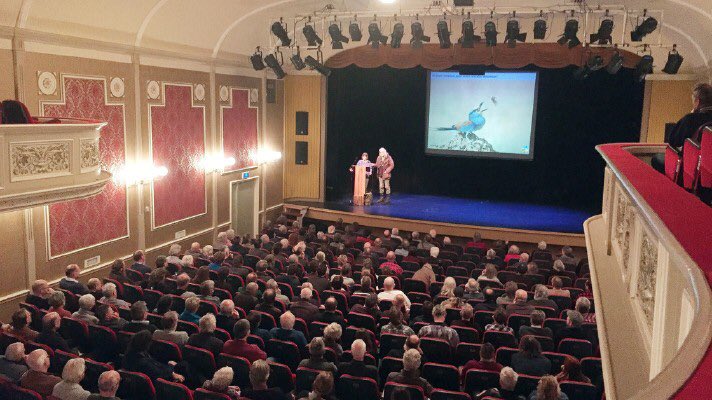
For my Dutch friends: De landelijke roofvogel dag is aanstaande 22 februari in schouwburg Ogterop. Vrije inloop op een dag vol roofvogel onderzoek en mooie verhalen uit het veld. Zie hier het programma: https://t.co/wjM8fLFtap
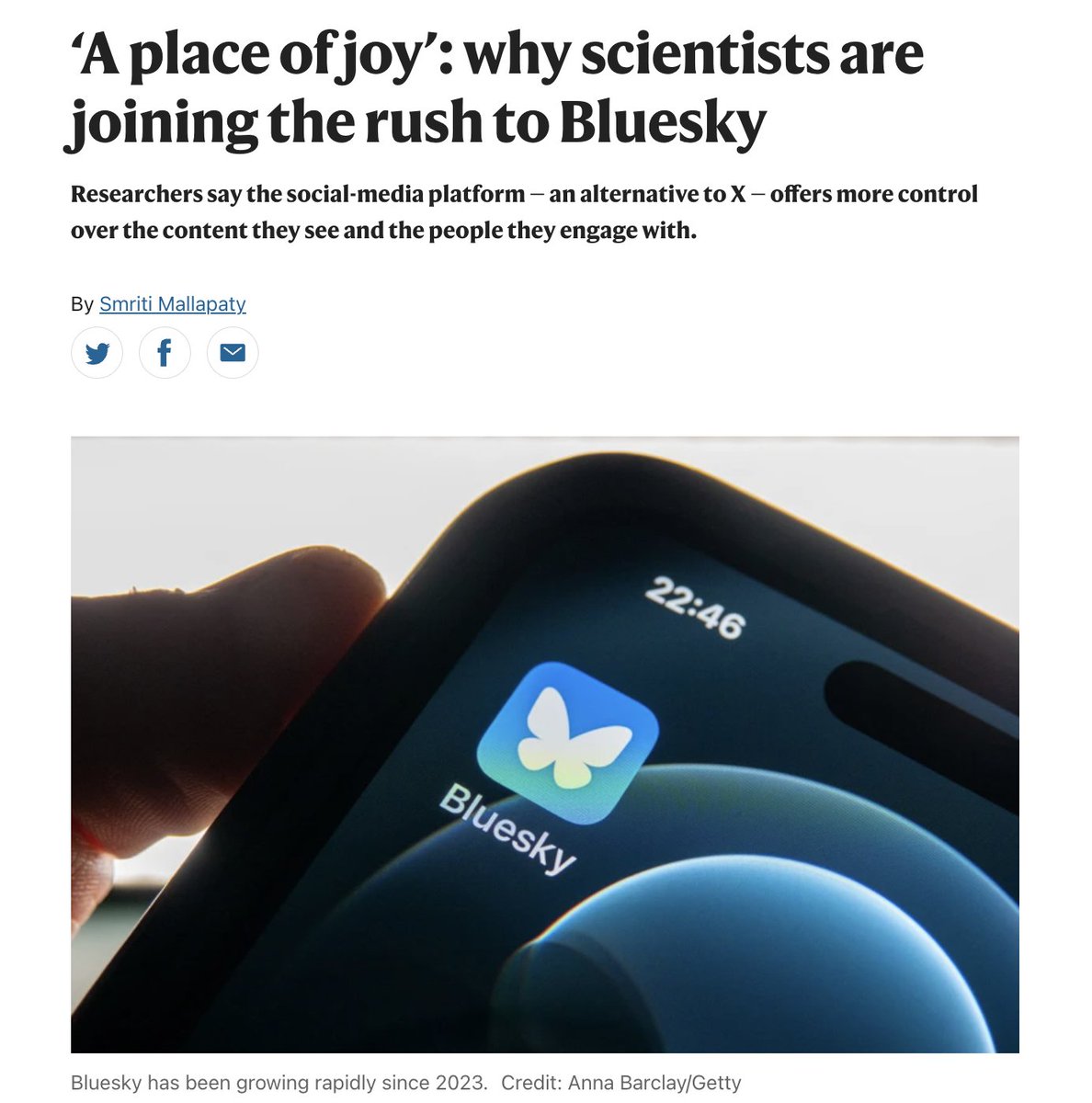
Scientists & researchers have always been an early and core community on Bluesky.
The science presence on Bluesky continues to grow!
https://t.co/x6v5YW0WFT
To migrate or not to migrate - characteristics such as age, sex and size can influence migratory behaviour in Red Kites. Read the new blog post by @switczak5 based on a study from @Vogelwarte_scie - https://t.co/qEw9gUjC6k 🪶 (image by @VSvanBergen)
Check out my blog post on #theBOUblog summarizing our new study looking at the reproductive consequences of migration strategy in partially migrant Red Kites. @Vogelwarte_scie@ESAEcology https://t.co/rfDzwPjMXn
Something big is definitely happening over on Bluesky, with masses of cool people constantly joining, many TwiX refugees. Things are *really* taking off.
This platform's role in helping fascists get elected just might have something to do with it.
I love asking people to guess how big passenger pigeon flocks could get. 100,000 birds? A million?
Try two billion. In 1860 one writer described a flock of birds a mile wide that took *14 hours* to pass overhead, packed so dense that it blocked the sun.
New study explores individual variations in Natal Habitat Preference Induction in red kites. Using integrated step selection functions, we delve into how early experiences shape habitat preferences across landscapes. Discover more in @SciReports! #NHPI https://t.co/SMa4wzkoOt
NEW PAPER in #ornithology provides a tool to identify nesting and success from #telemetry data using #raptors as an example
Paper: https://t.co/M6mvhwskq1
R-package: https://t.co/ujWkMRwhbs
App to find nests in the field: https://t.co/VlMSoBv2ng
Our new study by @switczak5@urskorme @BCatitti @PatrickScherler @VSvanBergen and Martin Grüebler in @ESAEcology shows that migration strategy in partially migrant Red Kites influences subsequent reproductive success! Read more here: https://t.co/7jf5L0Ny9O
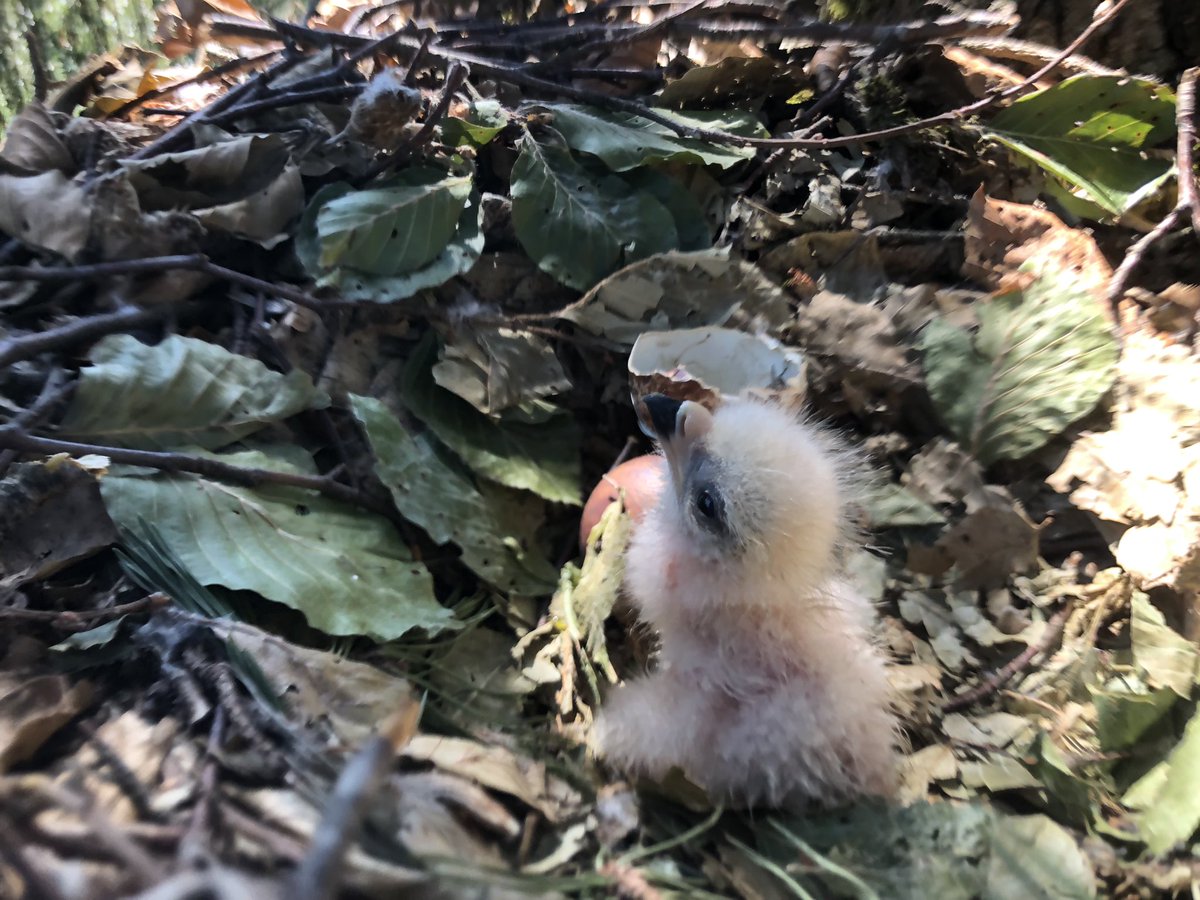
@si_rix It’s really at the most extreme end of what’s possible for this species. In the Netherlands the latest recorded broods started around 20-25 June. I wonder what wasp species they mainly feed there in the north. I think I saw some combs on a picture that were most likely D. Media.
Still overwhelmed and blushing from all the feathers and flowers thrown my way last night. What an honour to be the first recipient of such a wonderful award by the BOU (@IBIS_journal), recognising research, but also community contributions in the broadest possible sense. 1/4
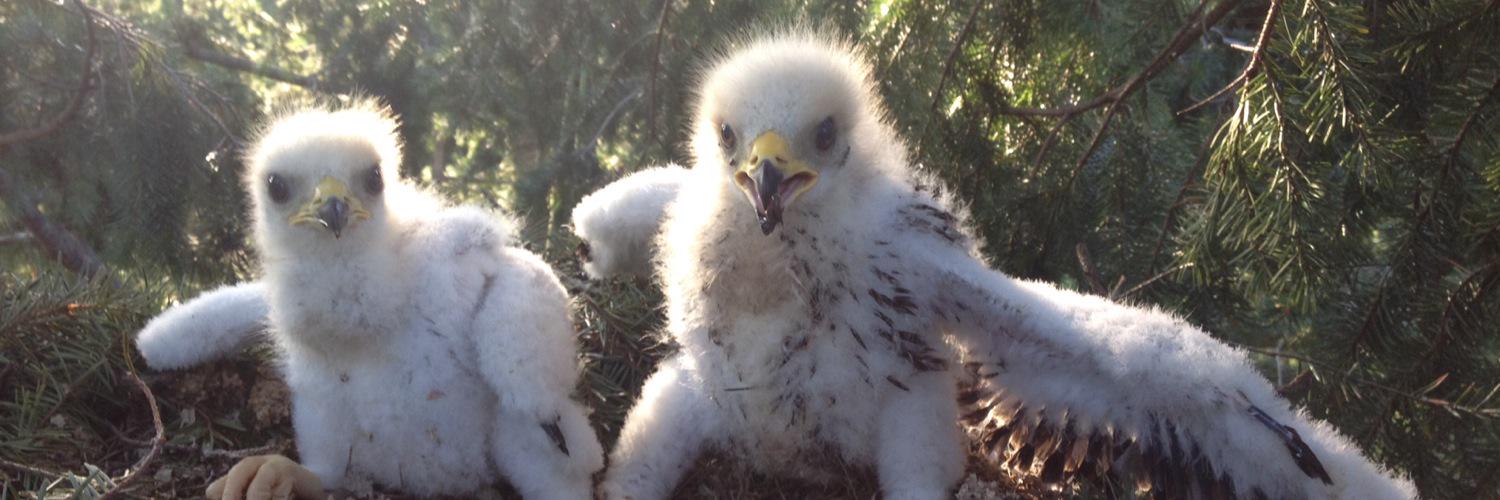
@si_rix But sometimes the chicks are ‘forced’ to become independent as the male simply stops feeding. I’ve heard of extreme cases where exploring/migrating juveniles were found that didn’t complete their feather growth, <45 days approx.
@si_rix Very nice documentation on these birds/nests. I’ve seen HB chicks become independent between the age of 53 and 69 days. I think sometimes they are forced to be independent even earlier, maybe between 45 and 50 days. I’ve observed fledging between 36 and 46 days.