We are publishing a lost classic by George Sand next month. ‘The Uskok’ is in English for the first time in over a century. Pre-order it now.#french#literature#classic
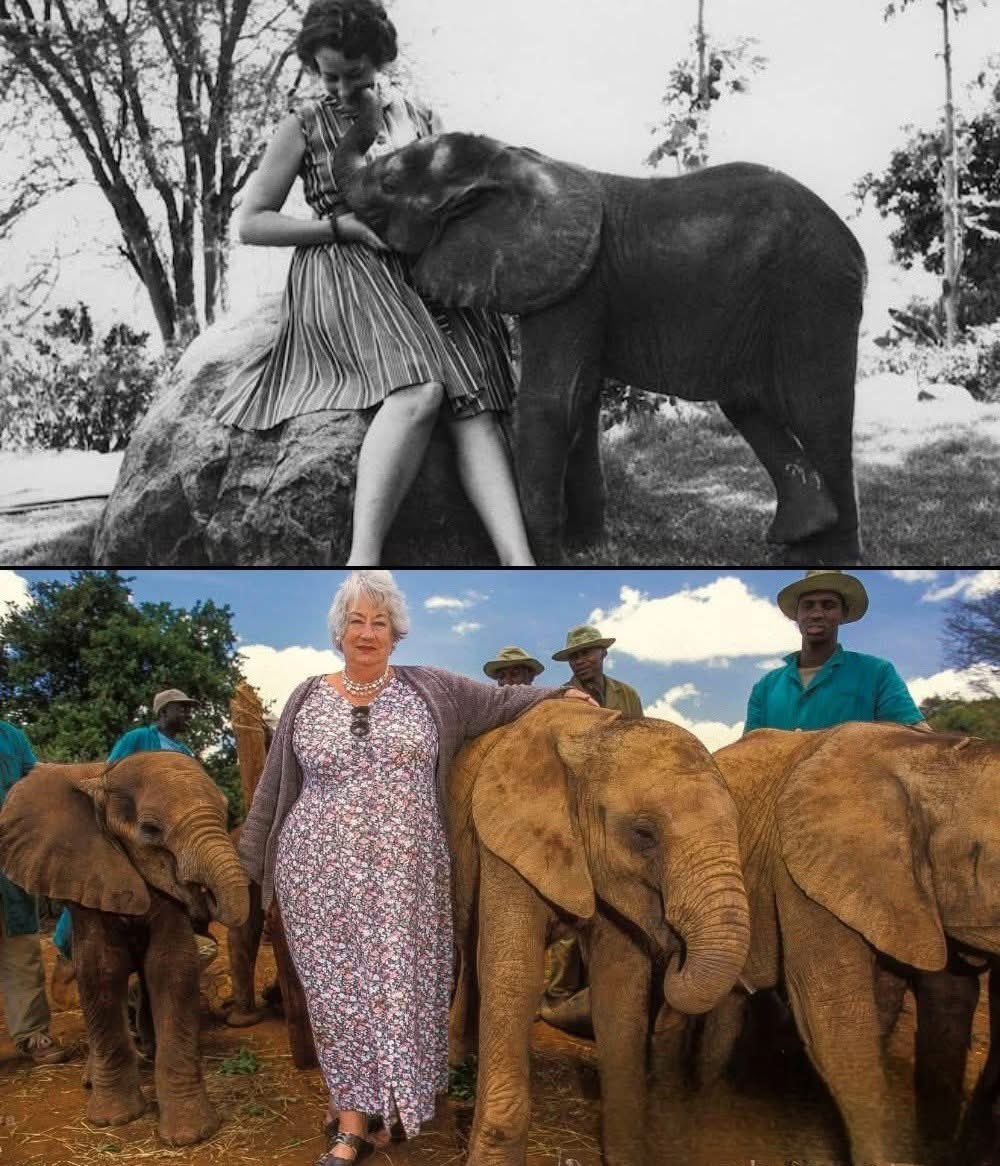
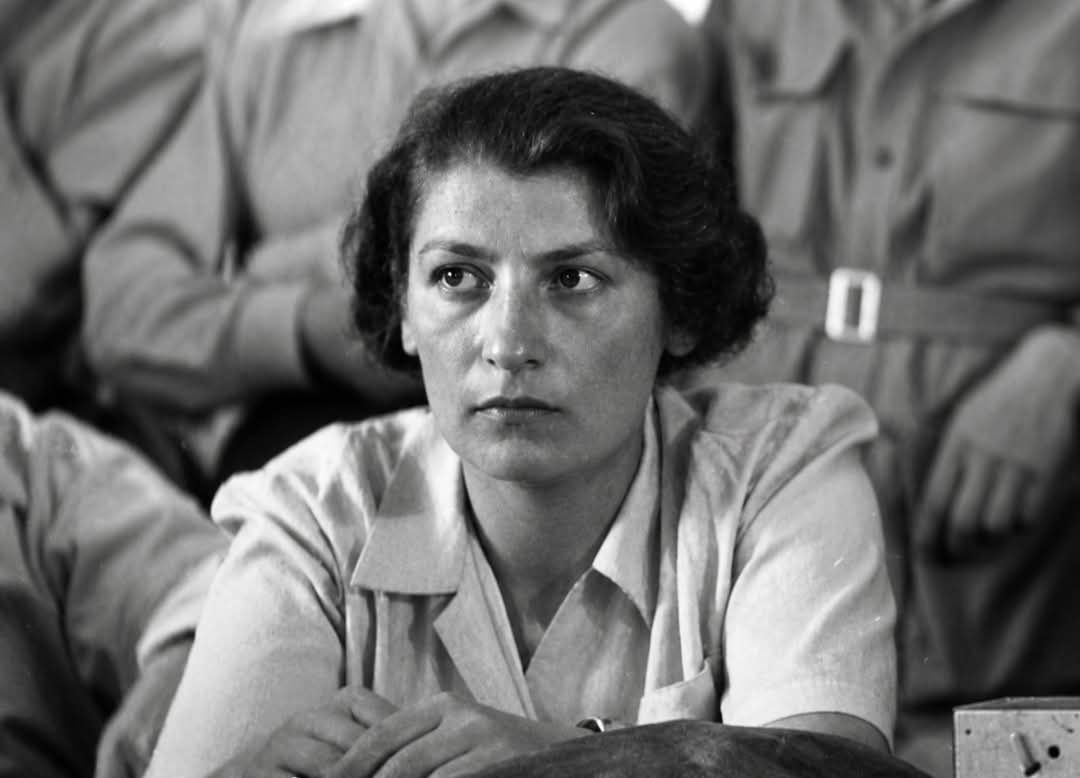
For decades, every orphaned elephant died within a matter of weeks. Then a woman with no scientific training decided that wasn’t good enough.
Daphne Sheldrick received baby elephants at her center in Tsavo National Park, Kenya. They arrived after poachers had killed their mothers. They were only a few weeks old, confused, and still dependent on milk.
The pattern was always the same.
They were fed cow’s milk, the only alternative available. At first, they drank it. Then their bodies began to reject it. Diarrhea, dehydration, weakness. Within days, they died.
That was the case everywhere.
Experts considered it inevitable. Elephant milk had a composition too specific to be replicated. Without the mother, there was no solution.
Daphne had no formal academic training in biology or veterinary medicine. She had learned by working in the field, alongside animals. And she decided not to accept that conclusion.
She began to experiment.
She adjusted the milk formulas. Added cream. Used goat’s milk. Introduced different oils, one at a time. She recorded everything in a notebook. Every attempt was tested on a real calf.
Many died.
And from that point on, her work changed.
Every mistake became data. Every loss became a clue about what did not work. She continued for years. Then for a decade. Then two.
In the meantime, she identified several key factors.
Coconut oil worked better than other fats. Mineral proportions had to be precise. Stress was also a decisive factor: the calves needed constant contact, not just nourishment.
The keepers began sleeping beside them. Caring for them day and night. Partly replacing the presence of the mother.
Results came slowly.
First they survived for a few weeks. Then months. Then years.
In the late 1970s, after the death of her husband, she founded the David Sheldrick Wildlife Trust. She gathered everything she had learned and turned it into a method.
Feeding, medical care, daily management. Everything was organized into clear protocols.
The calves began to grow.
Some were reintroduced into the wild. Then they integrated into herds. Then they had calves of their own.
What had seemed impossible became achievable.
When Daphne Sheldrick died in 2018, more than 230 orphaned elephants had survived thanks to the system she had developed.
She had no academic titles.
She had started with a problem everyone believed had no solution—and kept working on it for nearly thirty years.
Elizabeth Marsh was an Englishwoman born in 1735 who endured one of the most harrowing ordeals of the 18th century.
In the summer of 1756, she boarded a ship at Gibraltar intending to return to England and reunite with her fiancé.
Her vessel was intercepted by a Moroccan corsair and taken to Salé, where she and her fellow captives were escorted to Marrakech.
There, she was brought before Prince Sidi Mohammed and pressured to become his concubine, tricked into renouncing her Christian faith, and nearly broken into submission.
To protect herself, Marsh disguised herself as the wife of a London merchant named James Crisp, a calculated deception designed to shield her from further harm.
After four months in captivity, and amid renewed peace talks between Britain and Morocco, she was finally released and returned home.
Back in England, Marsh faced a different kind of ordeal as society questioned whether she had maintained her virtue during her time with the sultan.
More than a decade later, she published The Female Captive, the first Barbary captivity narrative written in English by a woman.
She later married James Crisp, the very man she had pretended to be wed to, and the couple had two children together.
Scholars have since noted that Marsh displayed symptoms consistent with post-traumatic stress disorder throughout her life following her captivity.
Elizabeth Marsh's story left a lasting mark on both literature and the understanding of women's resilience in extreme circumstances. Her published narrative became one of the most widely read female captivity accounts of the era, helping to establish a broader genre of women's captivity literature that challenged the dominant male perspective on slavery and survival. Her account forced readers to confront the gendered double standard applied to captive women, who were judged for their perceived moral failings rather than celebrated for their endurance. Marsh's use of manipulation as a survival strategy, while criticized in her time, is now studied as evidence of female agency within deeply oppressive systems. Her story also contributed to growing historical conversations about the Barbary slave trade, the treatment of European captives in North Africa, and the intersection of gender, power, and cultural identity in the 18th century.
#archaeohistories
The man who made that statue has been anonymous for 30 years. He is worth $50 million. One of his paintings shredded itself live at Sotheby's in 2018 and sold three years later for $25 million. Reuters identified him 7 weeks ago. He still won't confirm.
His real name is most likely Robin Gunningham. He was born in Yate, near Bristol, in 1973. He legally changed his name to David Jones around 2008. David Jones is the second most common name for British men. Perfect cover.
He started painting on Bristol walls in the early 1990s. By 2000 he had switched to stencils, which let him work fast and dodge the police. His first famous mural, in 1997, was a teddy bear throwing a Molotov cocktail at three police officers.
A short list of what he has actually done:
In 2003 he walked into Tate Britain disguised as a pensioner and stuck one of his own paintings on the wall. Over the next two years he did the same at the Louvre, the British Museum, MoMA, the Met, the Brooklyn Museum, and the American Museum of Natural History. His fake stone in the British Museum, showing a caveman pushing a shopping trolley, stayed on display for three days before staff noticed.
In 2005 he painted nine pieces on the Israeli wall in the Palestinian West Bank.
In 2010 he directed Exit Through the Gift Shop, a documentary about street art. It was nominated for an Academy Award.
In 2015 he opened Dismaland, a fake amusement park inside an abandoned English seaside resort. It drew 150,000 visitors and brought £20 million to the local economy.
In 2017 he opened the Walled Off Hotel in Bethlehem. Every room overlooks the Israeli wall. It still operates.
In October 2018 his painting Girl with Balloon sold at Sotheby's for £1 million. The instant the hammer dropped, the canvas slid out of the frame and shredded itself in front of the buyer. The auction house renamed it Love Is In The Bin. Three years later the same buyer sold the half-shredded canvas at the same auction house for £18.6 million.
In 2020 he painted Game Changer, showing a boy playing with a nurse doll dressed as a superhero. It sold in 2021 for £16.8 million. He gave the entire amount to the NHS.
In 2022 he painted a series of murals across war-damaged Ukraine, including a young judo fighter throwing a much bigger man. According to the Reuters investigation, he travelled there as David Jones.
Last September he painted a judge beating an unarmed protester with a gavel onto the wall of the Royal Courts of Justice in London. It was scrubbed off within hours.
This week he installed the statue in that tweet on a traffic island in Pall Mall. He said there was "a bit of a gap" worth filling.
In March, Reuters identified him as Robin Gunningham. Their evidence: a signed confession from a 2000 New York arrest for defacing a Marc Jacobs billboard, plus immigration records showing a man called David Jones entered Ukraine the day Banksy's Ukraine murals went up.
His lawyer says he has chosen to say nothing.
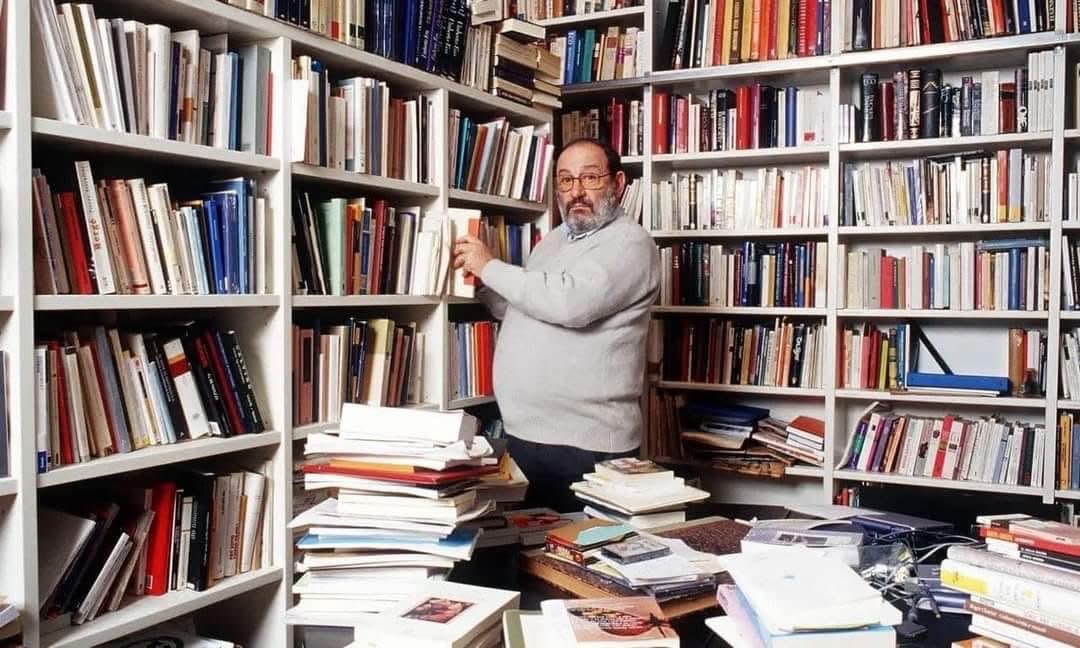
Umberto Eco, who owned 50,000 books, had this to say about home libraries:
“It is foolish to think that you have to read all the books you buy, as it is foolish to criticize those who buy more books than they will ever be able to read. It would be like saying that you should use all the cutlery or glasses or screwdrivers or drill bits you bought before buying new ones.
“There are things in life that we need to always have plenty of supplies, even if we will only use a small portion.
“If, for example, we consider books as medicine, we understand that it is good to have many at home rather than a few: when you want to feel better, then you go to the ‘medicine closet’ and choose a book. Not a random one, but the right book for that moment. That’s why you should always have a nutrition choice!
“Those who buy only one book, read only that one and then get rid of it. They simply apply the consumer mentality to books, that is, they consider them a consumer product, a good. Those who love books know that a book is anything but a commodity.”
1600 Years of British Women's Fashion Evolution (400–2026) Historical to Future (Timelapse)
#Fashion#Evolution#British#Women#1600years#Timelapse
Travel through 1600 years of British women’s fashion, from the early historical era (year 400) to modern and future fashion in 2026. This fashion timelapse shows how clothing styles, fabrics, and silhouettes changed across centuries — from medieval garments to contemporary fashion trends and imagined future designs.
Fashion reflects culture, technology, and society — and this video captures that transformation across time.
Which era of fashion do you love the most?
In dandelion season, when the Lilliputian lions spread magic at our feet, weave the magical golden flowers into your wedding bouquet for good luck, drink dandelion tea for psychic dreams and blow the seeds into the wind to make your wish come true.
🎨P. Cavallini (1259-1330)
👗✨ The Great Couturiers — Iconic Designer Dresses of the 1930s & 1940s
Before fashion became spectacle, it was pure artistry — quiet, intentional, and unforgettable.
From the sculptural elegance of Madame Grès to the surreal brilliance of Elsa Schiaparelli and Salvador Dalí, these couture masterpieces defined an era when style was art in motion.
Featuring the timeless vision of House of Worth, Jeanne Lanvin, Gabrielle Chanel, Christian Dior, and more — each gown reflects a moment when elegance shaped culture itself.
A tribute to the designers who didn’t just dress an era… they defined it.
Which house speaks to your sense of classic beauty? ✨