🙏🏿🙏🏿🙏🏿🙏🏿🙏🏿 retweet to appreciate him. Sirizani Butau the truck driver who managed to save 8 people out of the burning bus yesterday in Mutare.
True National Hero, well done and thank you
7. The only sweetener you are allowed to use.
Dr. Sebi rejected stevia, maple syrup, and coconut sugar.
He said there's only one real natural sweetener.
Everyone knows it, but nobody uses it:
4. Dr. Sebi's most controversial belief was that every disease could be cured naturally.
He claimed that right herbs and plants could heal anything ( no chemicals or drugs needed.)
Here are his top 3 natural supplements for healing:
1. How to heal your body naturally
According to him, using this natural substance is one of the quickest and easiest ways to heal the human body.
It's available to everyone, but you must be careful when buying it ( they can trick you) :
Meet Dr. Sebi
• Diagnosed with diabetes at 30
• Healed himself naturally by 40
• Treated celebrities like Michael Jackson by 50
He exposed the lies of modern medicine & proved the body can heal itself.
Here are 8 healing hacks he used when doctors failed (steal them): 🧵
The 53 Greatest African Empires and Kingdoms That You May Have Never Heard Of
Here's the forgotten history your teachers missed:
Sahelian Kingdoms
1. Ghana Empire (Wagadu): c. 300-1100 CE - Known for its gold trade and advanced political system.
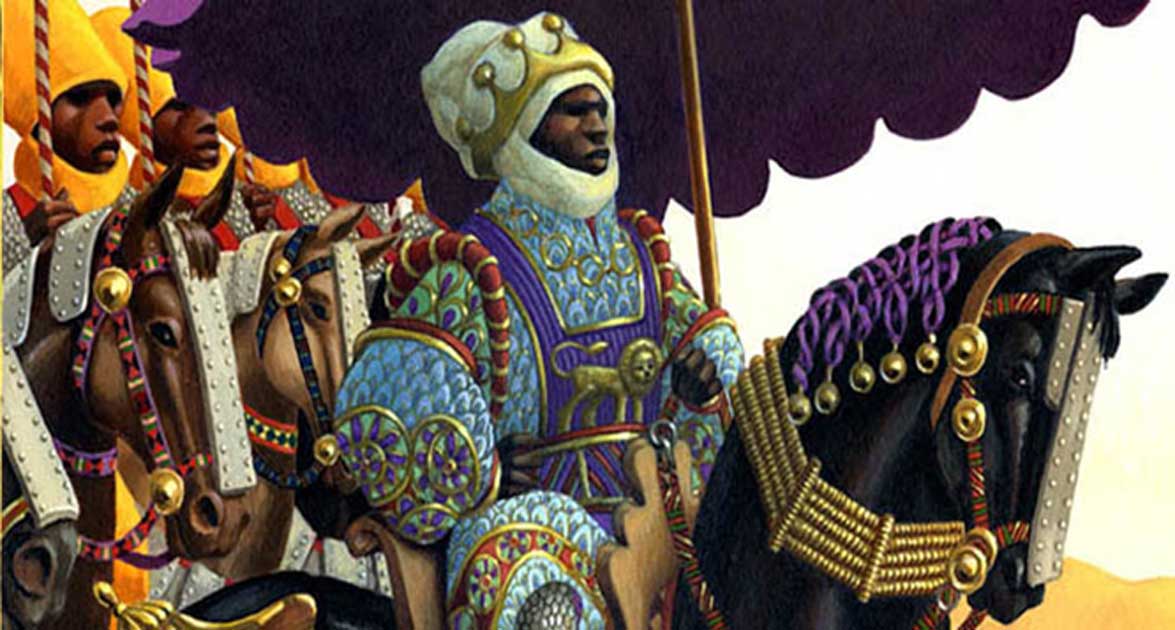
2. Mali Empire: c. 1230-1670 CE - Home to Mansa Musa, possibly the richest person in history.
3. Songhai Empire: c. 1464-1591 CE - At its peak, one of the largest empires in African history.
4. Kanem-Bornu Empire: c. 700-1900 CE - One of the longest-lasting empires in history.
5. Hausa city-states: c. 1000-1808 CE - A confederation of states known for their advanced urban culture.
6. Sokoto Caliphate: 1804-1903 CE - The most powerful empire in 19th-century West Africa.
7. Jolof Empire: c. 1350-1549 CE - Dominated present-day Senegal and parts of Mauritania.
West African Empires (15th-19th century)
8. Kingdom of Dagbon: c. 1480-present - Known for its unique drum chieftaincy system.
9. Kingdom of Nri: c. 948-1911 CE - One of the oldest kingdoms in West Africa.
10. Oyo Empire: c. 1400-1835 CE - A Yoruba empire known for its powerful cavalry.
11. Benin Empire: c. 1180-1897 CE - Famous for its advanced artistic and architectural achievements.
12. Kaabu Empire: c. 1537-1867 CE - A Mandinka state that lasted for almost 800 years.
13. Aro Confederacy: c. 1690-1902 CE - Dominated southeastern Nigeria through trade and religion.
14. Bonoman: c. 11th-19th century CE - An early Akan state known for its gold trade.
15. Gbokpoe Dynasty: c. 15th-19th century CE - Ruled parts of modern-day Benin.
16. Kingdom of Wémè: c. 1080-1900 CE - A powerful kingdom in present-day Benin.
17. Ashanti Empire: c. 1670-1957 CE - Known for its military prowess and gold-enriched culture.
18. Kong Empire: c. 1710-1898 CE - A major commercial center in West Africa.
19. Bamana Empire: c. 1712-1861 CE - Resisted Islamic influence and maintained traditional African religions.
20. Wassoulou Empire: 1878-1898 CE - Founded by Samori Ture, who resisted French colonization.
21. Akwa Akpa: c. 1786-1908 CE - A trading state in present-day Nigeria.
22. Ife Empire: c. 11th-15th century CE - Considered the cradle of Yoruba culture.
Central African Empires
23. Kongo Kingdom: c. 1390-1914 CE - One of the largest and most powerful states in sub-Saharan Africa.
24. Luba Empire: c. 1585-1889 CE - Known for its advanced political system and artwork.
25. Lunda Empire: c. 1665-1887 CE - Expanded through a system of political conquest and marriage alliances.
26. Central African Empire: 1976-1979 CE - A short-lived state in the 20th century.
Southern African Empires
27. Mutapa Empire (Empire of Great Zimbabwe): c. 1430-1760 CE - Known for its impressive stone structures.
28. Zulu Kingdom: c. 1816-1879 CE - Famous for its military innovations under Shaka Zulu.
29. Maravi Empire: c. 1480-1720 CE - Dominated trade in ivory, iron, and slaves in Southeast Africa.
30. Kingdom of Mapungubwe: c. 1075-1220 CE - One of the earliest southern African states.
31. Rozvi Empire: c. 1684-1834 CE - Succeeded the Mutapa Empire in Zimbabwe.
32. Torwa Empire: c. 1450-1683 CE - Another successor state to the Mutapa Empire.
33. Xhosa Kingdom: c. 1600-1894 CE - Resisted European colonization for nearly 100 years.
East African Empires
34. Empire of Kitara: c. 14th-15th century CE - A semi-legendary empire in the Great Lakes region.
35. Buganda Kingdom: c. 1300-present - One of the oldest kingdoms in Africa.
36. Swahili city-states: c. 900-1500 CE - A confederation of coastal trading cities.
37. Wanga Kingdom: c. 1600-1914 CE - The only pre-colonial kingdom in Kenya to survive colonialism.
38. Land of Punt: c. 2500-1000 BCE - An ancient trading partner of Egypt.
39. Various ancient Barbaroi cities and states: c. 1000 BCE-700 CE - Early East African civilizations.
40. Kingdom of Aksum: c. 100-940 CE - An early Christian kingdom and major trading power.
41. Ethiopian Empire: c. 1137-1974 CE - One of the oldest continuously existing states in the world.
42. Mogadishu Sultanate: 10th-16th century CE - A powerful medieval trading state.
43. Ifat Sultanate: c. 1285-1415 CE - A medieval Muslim state in the Horn of Africa.
44. Adal Sultanate: c. 1415-1577 CE - Controlled the trade of the southern Red Sea region.
North African Empires
45. Ancient Kemetic Empire: c. 3150-31 BCE - One of the world's earliest and longest-lasting civilizations.
46. Kingdom of Kerma: c. 2500-1500 BCE - An early rival to Ancient Egypt.
47. Kingdom of Kush: c. 1070 BCE-350 CE - Ruled over Egypt as the 25th Dynasty.
48. Carthaginian Empire: c. 814-146 BCE - A major Mediterranean power that rivaled Rome.
49. Kingdom of Numidia: c. 202-46 BCE - A Berber kingdom in North Africa.
50. Fatimid Caliphate: 909-1171 CE - Ruled much of North Africa and the Middle East.
51. Almoravid Dynasty: 1062-1147 CE - Controlled an empire stretching from Ghana to Spain.
52. Almohad Caliphate: 1121-1269 CE - Succeeded the Almoravids, ruling North Africa and southern Spain.
53. Marinid Dynasty: 1244-1465 CE - Ruled Morocco and parts of Algeria.
In only 4 yrs in power (1983-87), Thomas Sankara
Built 350 schools, roads, railways without foreign aid
Increased literacy rate by 60%
Banned forced marriages
Gave poor people land
Vaccinated 2.5 million kids Planted 10 million trees
Appointed females to high