These are the people who are coercing the Zimbabwean population to support the Amendments because they are direct beneficiaries of the rampant corruption in the country. Pathetic!
She thought she could slap him and get away with it. He didn’t hit her back, didn’t lose control, and didn’t make a scene. He got her arrested. That’s how grown men handle disrespect not with fists, but with consequences.
Tshabangu's CCC MPs Sold out as they Support ZANU PF in Constitutional Amendment Bill No.3 Vote
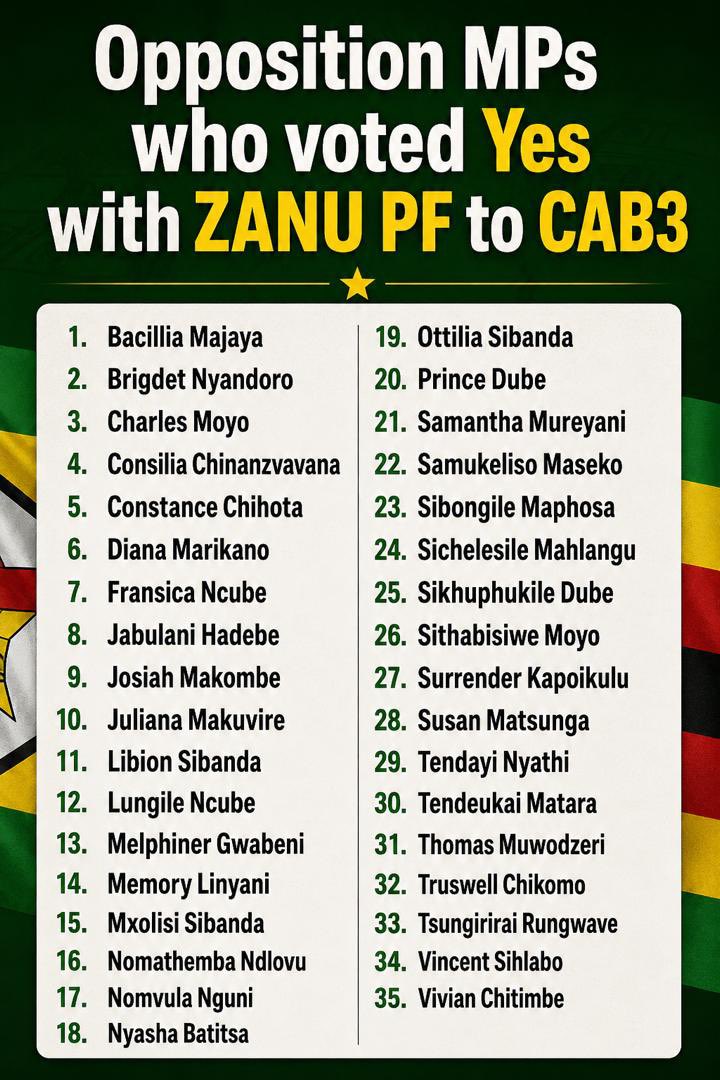
In a dramatic turn of events that has sent shockwaves through Zimbabwe’s political landscape, 36 Citizens Coalition for Change (CCC) opposition Members of Parliament aligned with the self-styled interim secretary-general and ZANU PF proxy Sengezo Tshabangu have thrown their weight behind ZANU PF party. Their support was instrumental in securing the requisite two-thirds majority to pass the contentious Constitutional Amendment Bill No. 3 in the National Assembly today.
The bill, which seeks to extend the tenure of Emmerson Mnangagwa’s administration, passed with 216 votes in favour against 42 opposed. The move effectively rewrites the country's constitutional framework, potentially altering presidential term limits and electoral timelines among others.
The parliamentary sitting today, which saw its proceedings conducted via an open vote rather than a secret ballot, exposed deep fractures within the opposition ranks. The 36 CCC members, who are now being widely labeled as "sellouts" by critics and opposition supporters, provided the critical numbers that ZANU PF desperately needed. Without their backing, the Zanu PF party would have fallen short of the two-thirds majority by a margin of just seven votes.
Among the notable fake opposition figures who voted in favour of the bill were Hwange West Member of Parliament, Hon. Vusumuzi Moyo, along with Hon. Samatha Mureyani and Hon. Susan Matsenga. The political fallout has been swift, with accusations that these legislators have betrayed their constituents and the broader democratic movement.
This development reinforces long-standing warnings from former CCC leader President Nelson Chamisa, who has repeatedly cautioned that the mass recalls of genuine CCC parliamentarians in the aftermath of the 2023 elections were part of a calculated strategy by Zanu PF to amend the Constitution. According to President Chamisa, these recalls were designed to install a compliant cohort of MPs who would ultimately serve as a rubber stamp for ZANU PF’s legislative agenda, specifically to facilitate Mnangagwa's extended grip on power.
The bill now proceeds to the Senate for deliberation and voting. Like the National Assembly, ZANU PF does not command an outright majority in the Upper House. Consequently, the Zanu PF party will once again rely heavily on Tshabangu’s bloc of senators to push the amendment through.
This scenario raises profound political questions, particularly regarding the internal dynamics within ZANU PF itself. Observers are keenly watching where the allegiance of Vice President Constantino Chiwenga’s allies lies. His faction, known to harbour its own ambitions, has remained conspicuously ambiguous on the matter. Should Chiwenga's loyalists withhold their support, the bill may face unexpected hurdles in the Senate, potentially igniting further friction within the ruling establishment.
Change Radio will provide a comprehensive, full list of all CCC opposition MPs who voted in favour of the bill, as the nation braces for the next phase of this high-stakes political manoeuvring.
Please join me in thanking these 42 courageous women and men stood with the people. You are on the right side of history. It is not over! The struggle continues. Justice will prevail.
White man in South Africa says black South Africans are inferior to whites.
Good morning @JacintaNgobese & @ChrisExcel102 . Here is a new item on your agenda.
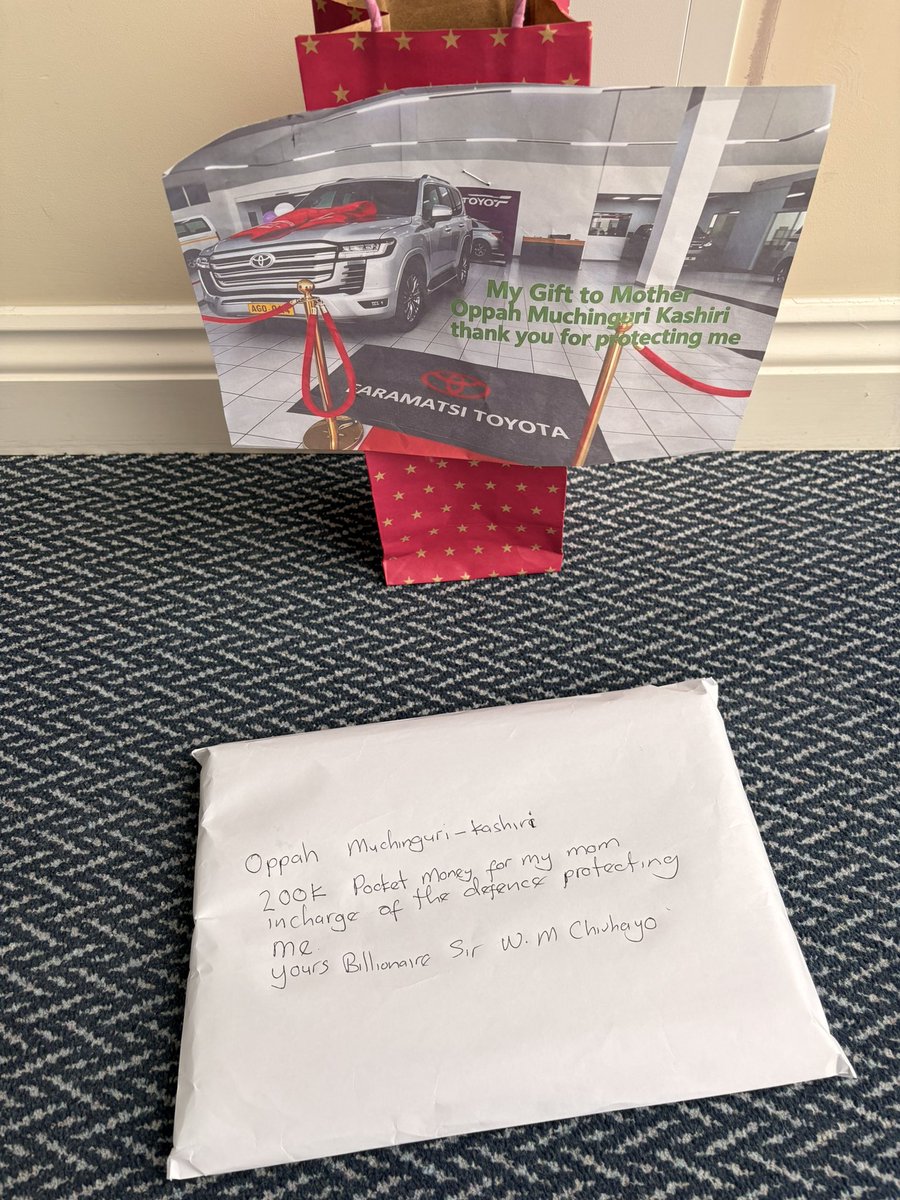
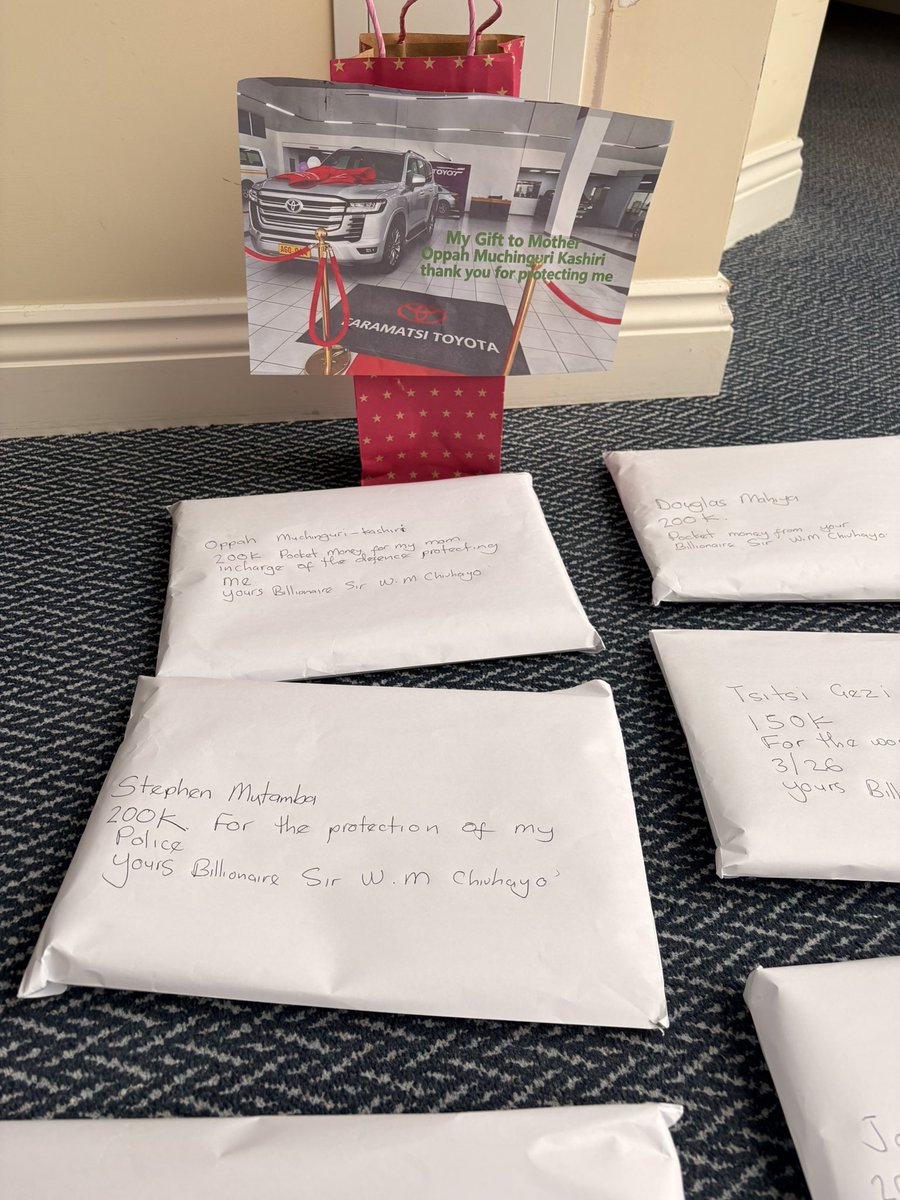
Commissioner General Stephen Mutamba intends to accept a bribe of US 200 000 from Wicknell Chivhayo tomorrow . Meanwhile, junior police officers carry out all the difficult, dirty work while they themselves live in abject poverty.
This is a well practised technique and ploy of ZANU PF. They put in clauses in the Bill which are not fundamental to them.
They can then "compromise" leaving the real substance of the Bill, namely the time extension, the appointment of Senators, the undermining of the independence of the Judiciary, and abolition of the direct vote for President, intact.
Don't be fooled #Zimbabwe. The only way to protect our Constitutional order is for #CAB3 to be rejected in its entirety.
Wicknell Chivhayo hands Oppah Muchinguri US$200 000 + a 2025 Land Cruiser.
Our hospitals have no drugs, schools have no books, families have no food yet this thug and his elite friends feast on our country. Silence is complicity. Speak up.
🚩🚩 It cannot be normal that citizens lose their lives because an open sewer excavation was left unsecured for months.
Citizens deserve safe communities, accountable local authorities, and public infrastructure that protects lives. #FixTheCountry#2030Musipo
Today, we remember, celebrate, and reflect on the courage of the South African youth of 16 June 1976, who rose up in mass protest against the apartheid government’s decision to impose Afrikaans as a medium of instruction for certain subjects in Black schools.
We all remember the iconic image of the uprising, that of Hector Pieterson, a 12-year-old boy who was shot and killed during the protests. His death became a powerful symbol of resistance against apartheid and awakened the conscience of the world.
What began in Soweto quickly spread to many parts of South Africa. Hundreds of people were killed in the months that followed, while thousands more were injured, detained, or arrested. Yet the uprising marked a turning point in the struggle against apartheid.
It revitalised internal resistance, drew unprecedented international attention to the brutality of the apartheid system, and inspired many young South Africans to join liberation movements such as the African National Congress (ANC) and the Pan Africanist Congress (PAC).
Today, 16 June is commemorated as Youth Day in South Africa, honouring the students who stood up against injustice and paid a heavy price for freedom.
But the significance of this day should not end at South Africa’s borders. It should serve as an inspiration to young people across Africa living under corrupt, repressive, and dysfunctional governments that, like apartheid, have little regard for the dignity and welfare of their own people.
In many African countries today, Black Africans are not oppressed by a foreign racial minority, but by fellow Africans who have turned the state into an instrument of corruption, repression, and self-enrichment. Citizens are denied quality healthcare, decent education, economic opportunities, and basic freedoms, while those in power use violence and intimidation to maintain their grip on power.
June 16 should remind Zimbabweans and others living under authoritarian rule that the power to change their circumstances ultimately lies in their own hands. International solidarity is strongest when people themselves are united in pursuit of change.
South Africans received global support because they first built unity and resistance at home. They stood together against injustice despite facing guns, tanks, imprisonment, and death.
That is a lesson many of us must learn. Too often we look for external solutions while remaining divided internally. Too often we blame everyone else while avoiding difficult conversations about our own responsibilities and failures in confronting oppression.
The youth of 1976 were not generals, politicians, or wealthy elites. They were ordinary schoolchildren who believed in a cause greater than themselves. Their courage helped change the course of history.
As we commemorate this day, let us remember that freedom is never handed to people on a silver platter. It is won through courage, sacrifice, unity, and a willingness to stand up for what is right.
The youth of 1976 showed us what is possible. The question for every generation that follows is whether we have the courage to do the same.
As Zimbabwean revolutionary leader Joshua Nkomo once said, “The country will never die, the young people will save it.”
The greatest tribute we can pay to the youth of 1976 is not merely to remember them, but to emulate their courage, determination, and willingness to stand up against injustice.
Happy Youth Day, South Africa. May the continent’s youths be inspired by this great historical moment.