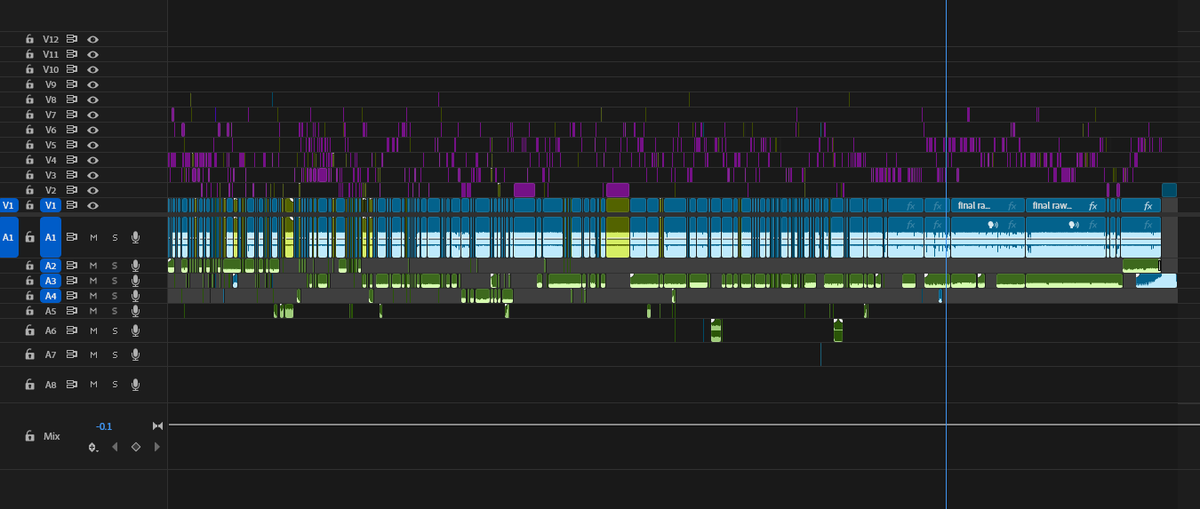
One of my favorite client projects.
This edit crossed 1M+ views, and here's a quick montage from it.
I help creators turn raw footage into videos that people actually watch.
DMs are open.
Trying my hand at motion design lately.
Still learning, experimenting, and figuring things out but I'm genuinely enjoying the process. There's so much more I can't wait to share from this journey.
One of my recent edits for a client.
This was a complete storytelling video where I followed a three-act structure to build the narrative. The entire process, from writing to editing, was incredibly rewarding.
The story wasn't based on any reference or template it was created entirely after reviewing hours of raw footage. Every scene, transition, and sequence was carefully assembled by me. The deadline was 15 days, but I spent 10 of those days just refining the story structure because that's the foundation that makes the pacing engaging and the video enjoyable to watch.
I don't really understand why so many editors spend most of their time focusing only on SFX and VFX. In my opinion, the biggest difference between a good editor and a great one comes from the intro, story structure, pacing, and music. Those are the elements that create emotion, keep viewers invested, and make a video truly memorable.
After such a long time, here's a complete website revamp! 🚀🔥
Would love to hear what you all think! 👀💭
Coming back stronger than ever 💪⚡ and I'll be posting some cool new stuff very soon. 🎬✨
Stay tuned! 😎🚀🔥(link in bio)
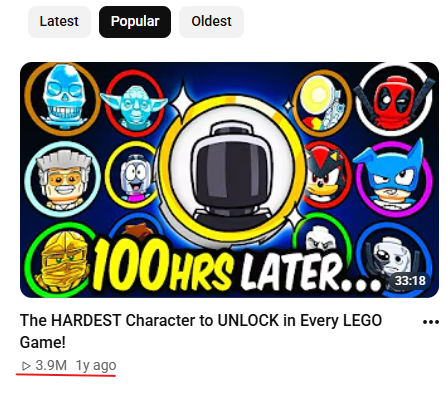
I edited this video about a year ago, and it's still the most popular video on his channel. What exactly did I do that led to such high retention?
My analysis:
Strong question answering: The video delivers on the promise viewers clicked for within the first 40–60 seconds.
Creates urgency: New stakes and reasons to keep watching are introduced throughout the video.
Introduces new problems: Every 60 seconds or so, a new challenge or obstacle keeps the story moving.
Uses curiosity instead of fast cuts: Retention comes from unanswered questions and anticipation, not just rapid editing.
Music progression: I used 15+ different tracks across a 10-minute segment to maintain energy and emotional variety.
Pattern interrupts: Visuals and audio change every 45–60 seconds, preventing the viewer from getting too comfortable or bored.
Processing Time: Keep the video moving fast, but don't cut so quickly that viewers can't understand what's happening. Give each shot 1–2 seconds (or up to 3 seconds for complex moments) so the audience has time to process the information.
Are YOU YouTube's Greatest Editor?
I'm hosting a 7-day long competition to find the best of the best.
Here's what's on the line:
- 🏆 $1000 for the top prize
- ✈️ Opportunity to work at the Airrack
HQ
This is your time to create the best test edit of your life.
Click the link below to start NOW! 🔽