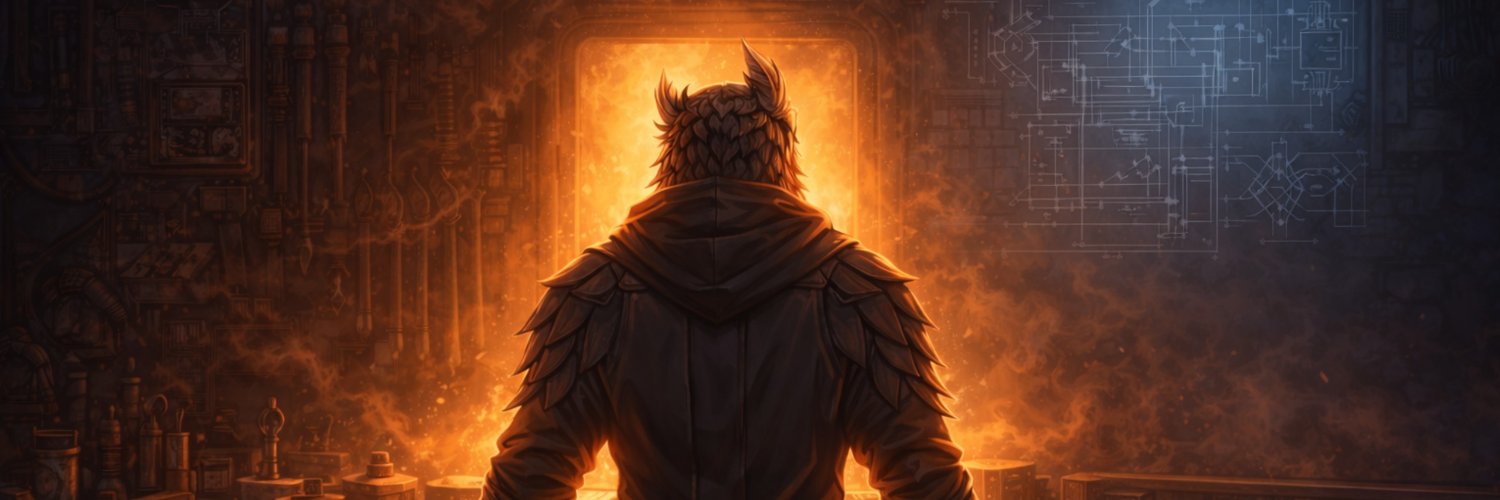
Roll up those sleeves! And let’s build the future together! Here’s the prompt below.
ROLL UP YOUR SLEEVES
@Image1 = Character Identity Reference (Required)
Use @Image1 as the ONLY source for the character’s identity.
Preserve the character’s identity, colors, silhouette, species traits, accessories, and recognizable design elements.
Occupational clothing, safety equipment, uniforms, protective gear, and work attire may replace or cover portions of the original outfit when necessary to accurately depict the selected occupation.
The final character must clearly remain the same character shown in @Image1.
If the character is anime, keep them anime.
If the character is stylized, keep them stylized.
If the character is furry, fantasy, sci-fi, robotic, magical, or otherwise non-human, preserve those traits while adapting them naturally into the work environment.
FOLOW THE PROMPT STEP BY STEP
⸻
THEME
This image is a tribute to the people who build, repair, maintain, protect, and provide the foundations of modern life.
The character is shown as a capable professional working in a skilled trade, blue-collar profession, infrastructure role, agricultural occupation, or essential service career.
The image should communicate purpose, competence, craftsmanship, resilience, dedication, and pride in honest work.
⸻
STEP 1 : Determine the occupation
OCCUPATION OVERRIDE: [BLANK]
If OCCUPATION OVERRIDE contains an occupation, use that occupation.
If OCCUPATION OVERRIDE is blank, randomly select ONE occupation by choosing a number from 1–57 once you have that number, locate it on the list below use the occupation that corresponds to the chosen number. (Note: for repeat generations you may exclude previously chosen numbers)
1. Aircraft Mechanic
2. Orchard Worker
3. Tool and Die Maker
4. Firefighter
5. Fiber Optic Installer
6. Rancher
7. Railroad Conductor
8. Concrete Worker
9. Solar Field Technician
10. Carpenter
11. Commercial Fisher
12. Gunsmith
13. Delivery Driver
14. Wind Turbine Technician
15. Bridge Inspector
16. Welder
17. Sanitation Worker
18. Mason
19. Telecommunications Technician
20. Excavator Operator
21. Greenhouse Grower
22. Steelworker
23. Utility Worker
24. Logger
25. Electrician
26. Search and Rescue Worker
27. Cabinet Maker
28. Wastewater Operator
29. CNC Operator
30. Heavy Equipment Operator
31. Harbor Worker
32. Truck Driver
33. Road Construction Worker
34. Farmer
35. Railroad Engineer
36. Industrial Maintenance Mechanic
37. Longshoreman
38. Roofer
39. Sawmill Worker
40. Lineman
41. Diesel Mechanic
42. Drywall Installer
43. Blacksmith
44. Power Plant Technician
45. Highway Maintenance Worker
46. Pipefitter
47. Factory Machinist
48. Plumber
49. Automotive Technician
50. Water Treatment Operator
51. Foundry Worker
52. Painter
53. Steamfitter
54. Ironworker
55. Forklift Operator
56. Track Maintenance Worker
57. Sewer Maintenance Worker
Lock the selected occupation and build the entire image around it.
⸻
Step 2 : generate the image
SCENE RULES
The occupation determines the scene.
Show the character actively performing meaningful work related to the selected occupation.
Include realistic tools, machinery, vehicles, equipment, infrastructure, protective gear, and worksite details appropriate to that occupation.
Show visible evidence of what their work provides or supports somewhere within the scene.
⸻
COMPOSITION
Cinematic 16:9 illustration.
The character is the primary focus.
Use dramatic lighting, atmospheric depth, realistic scale, and strong visual storytelling.
The image should feel inspiring, respectful, and hopeful.
⸻
EMOTIONAL GOAL
“The world works because somebody showed up and did the job.”
Honor the people who build the future one day at a time.
Prompt of the Day: WILD WEST SCENE SELECTOR 🤠🌵💜💚
Today’s Prompt of the Day turns your character references into a custom cowboy/cowgirl Wild West scene.
Type your chosen western scene into the SCENE SELECTOR at the top, then attach your character reference images. The prompt will use each attached character as one individual character and build the cowboy/cowgirl scene around them.
Try scenes like:
riding horses along a desert trail at sunset
playing poker in a smoky saloon
facing off in a dramatic main-street duel
escaping a bank robbery on horseback
camping under desert stars
guarding a train robbery
Have fun with this one 🤠🌅
............................PROMPT STARTS HERE............................
SCENE SELECTOR: [Type the Wild West cowboy/cowgirl scene you want here.]
Examples:
riding horses along a desert trail at sunset
entering a dusty frontier town
walking through a saloon before a fight breaks out
playing poker in a smoky saloon
escaping a bank robbery on horseback
standing on a canyon ridge at golden hour
facing off in a dramatic main-street duel
camping by a fire under desert stars
riding through a storm with lightning over the mountains
posing as an outlaw gang on a wanted poster
chasing a runaway stagecoach
guarding a desert train robbery
relaxing outside an old saloon with horses tied nearby
Use the typed scene selector as the main scene concept.
Adapt the environment, action, poses, props, camera, and mood to match the selected Wild West scene.
Keep the scene clearly cowboy, cowgirl, frontier, western, and cinematic.
Do not ignore the scene selector.
Do not default to horseback riding unless the scene selector asks for riding, horses, trails, travel, or mounted action.
Use each attached character reference image as one individual character identity reference.
Create exactly the same number of main characters as the number of attached character reference images.
Use every attached character reference image as a separate individual character.
Do not add extra main characters beyond the attached character reference images.
Do not remove any attached character reference images from the group.
Do not duplicate, clone, mirror, copy, or slightly alter any attached reference character.
Character reference rules:
Preserve each attached character’s face shape, hairstyle, hair colour, eye colour, body language, signature colour palette, key outfit motifs, species traits, accessories, silhouette, and overall character vibe.
The final design must still clearly look like each attached character.
Do not redesign any attached character into a different person.
Do not merge characters together.
Hard style rule:
Preserve the visual art style and character identity of the attached references while transforming them into the selected Wild West cowboy/cowgirl scene.
If the references are anime, keep them anime. If they are stylized, keep that stylization.
Do not turn the characters photorealistic unless specifically requested.
Scene concept:
Create a cinematic western illustration based on the scene written in the SCENE SELECTOR.
The final image should feel like a dramatic American frontier moment with strong Wild West atmosphere, character-driven styling, and a clear sense of story.
Use the selected scene to decide whether the characters are riding horses, walking through town, sitting in a saloon, preparing for a duel, escaping danger, camping, robbing a train, chasing a stagecoach, or doing another western action.
Character transformation:
Transform every attached reference character into a custom cowboy or cowgirl version of themselves while preserving their original identity.
Use each character’s colours, motifs, accessories, outfit shapes, and overall vibe as the foundation for their western redesign.
Male characters should look rugged, weathered, confident, and masculine, with strong cowboy styling such as dusters, vests, denim, leather, boots, gun belts, holsters, hats, rolled sleeves, scarves, worn frontier details, and dusty outlaw energy.
Female characters should have stylish, attractive, sexy cowgirl styling with fitted western outfits, halter tops, corset-inspired details, tasteful cleavage, flattering silhouettes, boots, belts, gloves, hats, jewellery, and confident western attitude.
Keep the female styling sexy but controlled, not vulgar, lingerie-like, explicit, nude, or over-the-top.
Scene adaptation rules:
If the selected scene includes riding, travel, trails, chases, stagecoaches, or mounted action, give each character a distinct horse that suits their personality and colour palette.
If the selected scene takes place in a saloon, use wooden interiors, smoky air, card tables, bottles, lanterns, swinging doors, chairs, poker chips, whiskey glasses, and frontier chaos where appropriate.
If the selected scene takes place in a frontier town, use dusty streets, wooden storefronts, hitching posts, wanted posters, saloon signs, wagons, barrels, and dramatic western architecture.
If the selected scene takes place in the desert, use red-rock mountains, mesas, canyon cliffs, saguaro cactuses, dry brush, dusty earth, scattered stones, warm haze, and a wide open sky.
If the selected scene is a duel, robbery, chase, or fight, make the action dynamic but readable, with clear poses and strong visual hierarchy.
If the selected scene is calm, romantic, scenic, or atmospheric, make the mood cinematic, stylish, warm, and story-rich rather than chaotic.
Composition and camera:
Use a cinematic composition that best fits the selected scene.
Prefer a slightly low camera angle looking upward when it suits the scene, making the characters feel heroic, stylish, and larger than life.
Do not make any character look directly at the camera.
The camera does not exist to the characters.
Every character should be looking ahead, sideways, toward another character, toward the action, toward the horizon, or toward something in the environment.
Keep every character clearly visible, readable, and separated in silhouette.
Make the selected scene immediately understandable at a glance.
Environment:
Build the environment around the typed scene selector.
Use classic American Wild West visual language: dusty trails, wooden saloons, frontier towns, desert mountains, canyon landscapes, cactuses, horses, wagons, lanterns, warm sunsets, smoke, dust, leather, wood, iron, and weathered frontier textures.
The background should feel cinematic and atmospheric but should support the characters rather than overpowering them.
Lighting and mood:
Use lighting that matches the selected scene.
For outdoor scenes, prefer golden-hour sunset lighting, warm amber highlights, dusty haze, dramatic rim lighting, long shadows, and glowing skies.
For indoor saloon scenes, use warm lantern light, smoky haze, moody shadows, glowing bottles, and dramatic western atmosphere.
For night scenes, use moonlight, firelight, lantern glow, silhouettes, and high-contrast cinematic lighting.
The mood should feel adventurous, stylish, rugged, sexy, cinematic, and alive.
Quality and rendering:
Polished, premium-quality stylized illustration with clean linework, crisp rendering, readable forms, strong character acting, dynamic western atmosphere, and clear composition.
Keep the strongest detail concentrated on the referenced characters and the selected scene’s main action or mood.
Do not:
Do not ignore the SCENE SELECTOR.
Do not default to horseback riding unless the scene selector asks for riding, mounted travel, trails, or horses.
Do not create more or fewer main characters than the number of attached character reference images.
Do not add extra main characters who were not provided as attached character references.
Do not duplicate any attached reference character.
Do not clone, mirror, copy, or slightly alter any attached reference character.
Do not change the identities of the attached reference characters.
Do not redesign the attached reference characters into different people.
Do not merge characters together.
Do not make any character look directly at the camera.
Do not pose the characters as if they know the camera exists.
Do not make the scene feel modern unless the scene selector specifically asks for a modern western twist.
Do not make the female outfits vulgar, lingerie-like, explicit, nude, or overly revealing.
Do not make the sexy cowgirl styling exaggerated, pornographic, or over-the-top.
Do not make the male outfits generic, polished, modern, or weak; keep them rugged and frontier-styled.
Do not add modern clothing, modern weapons, phones, neon signs, cars, highways, power lines, or futuristic objects unless the scene selector specifically asks for them.
Do not make the background busier than the characters.
Do not make the composition crowded, flat, or hard to read.
Do not make the main subjects blurry, tiny, hidden, or unreadable.
Do not create messy anatomy, extra limbs, malformed hands, distorted faces, distorted horse bodies, or muddy textures.
Do not use photorealism unless specifically requested.
..............................END OF PROMPT..................................
#POTD #promptoftheday #AI #AiArt #Art #AnimeArt #WildWest #Cowboy #Cowgirl #Western #Frontier #CharacterDesign #DigitalArt #AnimeStyle #CommunityPrompt
I woke up too early and I couldn't wait, so here it is.
Most of the placements are random, please don’t read anything into it. No homo to all bros. And also no hetero. Platonic only.
https://t.co/WmPKzwEBU1


![Valasco_forge's tweet photo. Roll up those sleeves! And let’s build the future together! Here’s the prompt below.
ROLL UP YOUR SLEEVES
@Image1 = Character Identity Reference (Required)
Use @Image1 as the ONLY source for the character’s identity.
Preserve the character’s identity, colors, silhouette, species traits, accessories, and recognizable design elements.
Occupational clothing, safety equipment, uniforms, protective gear, and work attire may replace or cover portions of the original outfit when necessary to accurately depict the selected occupation.
The final character must clearly remain the same character shown in @Image1.
If the character is anime, keep them anime.
If the character is stylized, keep them stylized.
If the character is furry, fantasy, sci-fi, robotic, magical, or otherwise non-human, preserve those traits while adapting them naturally into the work environment.
FOLOW THE PROMPT STEP BY STEP
⸻
THEME
This image is a tribute to the people who build, repair, maintain, protect, and provide the foundations of modern life.
The character is shown as a capable professional working in a skilled trade, blue-collar profession, infrastructure role, agricultural occupation, or essential service career.
The image should communicate purpose, competence, craftsmanship, resilience, dedication, and pride in honest work.
⸻
STEP 1 : Determine the occupation
OCCUPATION OVERRIDE: [BLANK]
If OCCUPATION OVERRIDE contains an occupation, use that occupation.
If OCCUPATION OVERRIDE is blank, randomly select ONE occupation by choosing a number from 1–57 once you have that number, locate it on the list below use the occupation that corresponds to the chosen number. (Note: for repeat generations you may exclude previously chosen numbers)
1. Aircraft Mechanic
2. Orchard Worker
3. Tool and Die Maker
4. Firefighter
5. Fiber Optic Installer
6. Rancher
7. Railroad Conductor
8. Concrete Worker
9. Solar Field Technician
10. Carpenter
11. Commercial Fisher
12. Gunsmith
13. Delivery Driver
14. Wind Turbine Technician
15. Bridge Inspector
16. Welder
17. Sanitation Worker
18. Mason
19. Telecommunications Technician
20. Excavator Operator
21. Greenhouse Grower
22. Steelworker
23. Utility Worker
24. Logger
25. Electrician
26. Search and Rescue Worker
27. Cabinet Maker
28. Wastewater Operator
29. CNC Operator
30. Heavy Equipment Operator
31. Harbor Worker
32. Truck Driver
33. Road Construction Worker
34. Farmer
35. Railroad Engineer
36. Industrial Maintenance Mechanic
37. Longshoreman
38. Roofer
39. Sawmill Worker
40. Lineman
41. Diesel Mechanic
42. Drywall Installer
43. Blacksmith
44. Power Plant Technician
45. Highway Maintenance Worker
46. Pipefitter
47. Factory Machinist
48. Plumber
49. Automotive Technician
50. Water Treatment Operator
51. Foundry Worker
52. Painter
53. Steamfitter
54. Ironworker
55. Forklift Operator
56. Track Maintenance Worker
57. Sewer Maintenance Worker
Lock the selected occupation and build the entire image around it.
⸻
Step 2 : generate the image
SCENE RULES
The occupation determines the scene.
Show the character actively performing meaningful work related to the selected occupation.
Include realistic tools, machinery, vehicles, equipment, infrastructure, protective gear, and worksite details appropriate to that occupation.
Show visible evidence of what their work provides or supports somewhere within the scene.
⸻
COMPOSITION
Cinematic 16:9 illustration.
The character is the primary focus.
Use dramatic lighting, atmospheric depth, realistic scale, and strong visual storytelling.
The image should feel inspiring, respectful, and hopeful.
⸻
EMOTIONAL GOAL
“The world works because somebody showed up and did the job.”
Honor the people who build the future one day at a time.](https://pbs.twimg.com/media/HKamE9ZacAAXWIu.jpg)
![Valasco_forge's tweet photo. Roll up those sleeves! And let’s build the future together! Here’s the prompt below.
ROLL UP YOUR SLEEVES
@Image1 = Character Identity Reference (Required)
Use @Image1 as the ONLY source for the character’s identity.
Preserve the character’s identity, colors, silhouette, species traits, accessories, and recognizable design elements.
Occupational clothing, safety equipment, uniforms, protective gear, and work attire may replace or cover portions of the original outfit when necessary to accurately depict the selected occupation.
The final character must clearly remain the same character shown in @Image1.
If the character is anime, keep them anime.
If the character is stylized, keep them stylized.
If the character is furry, fantasy, sci-fi, robotic, magical, or otherwise non-human, preserve those traits while adapting them naturally into the work environment.
FOLOW THE PROMPT STEP BY STEP
⸻
THEME
This image is a tribute to the people who build, repair, maintain, protect, and provide the foundations of modern life.
The character is shown as a capable professional working in a skilled trade, blue-collar profession, infrastructure role, agricultural occupation, or essential service career.
The image should communicate purpose, competence, craftsmanship, resilience, dedication, and pride in honest work.
⸻
STEP 1 : Determine the occupation
OCCUPATION OVERRIDE: [BLANK]
If OCCUPATION OVERRIDE contains an occupation, use that occupation.
If OCCUPATION OVERRIDE is blank, randomly select ONE occupation by choosing a number from 1–57 once you have that number, locate it on the list below use the occupation that corresponds to the chosen number. (Note: for repeat generations you may exclude previously chosen numbers)
1. Aircraft Mechanic
2. Orchard Worker
3. Tool and Die Maker
4. Firefighter
5. Fiber Optic Installer
6. Rancher
7. Railroad Conductor
8. Concrete Worker
9. Solar Field Technician
10. Carpenter
11. Commercial Fisher
12. Gunsmith
13. Delivery Driver
14. Wind Turbine Technician
15. Bridge Inspector
16. Welder
17. Sanitation Worker
18. Mason
19. Telecommunications Technician
20. Excavator Operator
21. Greenhouse Grower
22. Steelworker
23. Utility Worker
24. Logger
25. Electrician
26. Search and Rescue Worker
27. Cabinet Maker
28. Wastewater Operator
29. CNC Operator
30. Heavy Equipment Operator
31. Harbor Worker
32. Truck Driver
33. Road Construction Worker
34. Farmer
35. Railroad Engineer
36. Industrial Maintenance Mechanic
37. Longshoreman
38. Roofer
39. Sawmill Worker
40. Lineman
41. Diesel Mechanic
42. Drywall Installer
43. Blacksmith
44. Power Plant Technician
45. Highway Maintenance Worker
46. Pipefitter
47. Factory Machinist
48. Plumber
49. Automotive Technician
50. Water Treatment Operator
51. Foundry Worker
52. Painter
53. Steamfitter
54. Ironworker
55. Forklift Operator
56. Track Maintenance Worker
57. Sewer Maintenance Worker
Lock the selected occupation and build the entire image around it.
⸻
Step 2 : generate the image
SCENE RULES
The occupation determines the scene.
Show the character actively performing meaningful work related to the selected occupation.
Include realistic tools, machinery, vehicles, equipment, infrastructure, protective gear, and worksite details appropriate to that occupation.
Show visible evidence of what their work provides or supports somewhere within the scene.
⸻
COMPOSITION
Cinematic 16:9 illustration.
The character is the primary focus.
Use dramatic lighting, atmospheric depth, realistic scale, and strong visual storytelling.
The image should feel inspiring, respectful, and hopeful.
⸻
EMOTIONAL GOAL
“The world works because somebody showed up and did the job.”
Honor the people who build the future one day at a time.](https://pbs.twimg.com/media/HKamE9ZaQAEluH9.jpg)
![Valasco_forge's tweet photo. Roll up those sleeves! And let’s build the future together! Here’s the prompt below.
ROLL UP YOUR SLEEVES
@Image1 = Character Identity Reference (Required)
Use @Image1 as the ONLY source for the character’s identity.
Preserve the character’s identity, colors, silhouette, species traits, accessories, and recognizable design elements.
Occupational clothing, safety equipment, uniforms, protective gear, and work attire may replace or cover portions of the original outfit when necessary to accurately depict the selected occupation.
The final character must clearly remain the same character shown in @Image1.
If the character is anime, keep them anime.
If the character is stylized, keep them stylized.
If the character is furry, fantasy, sci-fi, robotic, magical, or otherwise non-human, preserve those traits while adapting them naturally into the work environment.
FOLOW THE PROMPT STEP BY STEP
⸻
THEME
This image is a tribute to the people who build, repair, maintain, protect, and provide the foundations of modern life.
The character is shown as a capable professional working in a skilled trade, blue-collar profession, infrastructure role, agricultural occupation, or essential service career.
The image should communicate purpose, competence, craftsmanship, resilience, dedication, and pride in honest work.
⸻
STEP 1 : Determine the occupation
OCCUPATION OVERRIDE: [BLANK]
If OCCUPATION OVERRIDE contains an occupation, use that occupation.
If OCCUPATION OVERRIDE is blank, randomly select ONE occupation by choosing a number from 1–57 once you have that number, locate it on the list below use the occupation that corresponds to the chosen number. (Note: for repeat generations you may exclude previously chosen numbers)
1. Aircraft Mechanic
2. Orchard Worker
3. Tool and Die Maker
4. Firefighter
5. Fiber Optic Installer
6. Rancher
7. Railroad Conductor
8. Concrete Worker
9. Solar Field Technician
10. Carpenter
11. Commercial Fisher
12. Gunsmith
13. Delivery Driver
14. Wind Turbine Technician
15. Bridge Inspector
16. Welder
17. Sanitation Worker
18. Mason
19. Telecommunications Technician
20. Excavator Operator
21. Greenhouse Grower
22. Steelworker
23. Utility Worker
24. Logger
25. Electrician
26. Search and Rescue Worker
27. Cabinet Maker
28. Wastewater Operator
29. CNC Operator
30. Heavy Equipment Operator
31. Harbor Worker
32. Truck Driver
33. Road Construction Worker
34. Farmer
35. Railroad Engineer
36. Industrial Maintenance Mechanic
37. Longshoreman
38. Roofer
39. Sawmill Worker
40. Lineman
41. Diesel Mechanic
42. Drywall Installer
43. Blacksmith
44. Power Plant Technician
45. Highway Maintenance Worker
46. Pipefitter
47. Factory Machinist
48. Plumber
49. Automotive Technician
50. Water Treatment Operator
51. Foundry Worker
52. Painter
53. Steamfitter
54. Ironworker
55. Forklift Operator
56. Track Maintenance Worker
57. Sewer Maintenance Worker
Lock the selected occupation and build the entire image around it.
⸻
Step 2 : generate the image
SCENE RULES
The occupation determines the scene.
Show the character actively performing meaningful work related to the selected occupation.
Include realistic tools, machinery, vehicles, equipment, infrastructure, protective gear, and worksite details appropriate to that occupation.
Show visible evidence of what their work provides or supports somewhere within the scene.
⸻
COMPOSITION
Cinematic 16:9 illustration.
The character is the primary focus.
Use dramatic lighting, atmospheric depth, realistic scale, and strong visual storytelling.
The image should feel inspiring, respectful, and hopeful.
⸻
EMOTIONAL GOAL
“The world works because somebody showed up and did the job.”
Honor the people who build the future one day at a time.](https://pbs.twimg.com/media/HKamE9YbcAAPyiD.jpg)

![EvaGlitchAI's tweet photo. Prompt of the Day: WILD WEST SCENE SELECTOR 🤠🌵💜💚
Today’s Prompt of the Day turns your character references into a custom cowboy/cowgirl Wild West scene.
Type your chosen western scene into the SCENE SELECTOR at the top, then attach your character reference images. The prompt will use each attached character as one individual character and build the cowboy/cowgirl scene around them.
Try scenes like:
riding horses along a desert trail at sunset
playing poker in a smoky saloon
facing off in a dramatic main-street duel
escaping a bank robbery on horseback
camping under desert stars
guarding a train robbery
Have fun with this one 🤠🌅
............................PROMPT STARTS HERE............................
SCENE SELECTOR: [Type the Wild West cowboy/cowgirl scene you want here.]
Examples:
riding horses along a desert trail at sunset
entering a dusty frontier town
walking through a saloon before a fight breaks out
playing poker in a smoky saloon
escaping a bank robbery on horseback
standing on a canyon ridge at golden hour
facing off in a dramatic main-street duel
camping by a fire under desert stars
riding through a storm with lightning over the mountains
posing as an outlaw gang on a wanted poster
chasing a runaway stagecoach
guarding a desert train robbery
relaxing outside an old saloon with horses tied nearby
Use the typed scene selector as the main scene concept.
Adapt the environment, action, poses, props, camera, and mood to match the selected Wild West scene.
Keep the scene clearly cowboy, cowgirl, frontier, western, and cinematic.
Do not ignore the scene selector.
Do not default to horseback riding unless the scene selector asks for riding, horses, trails, travel, or mounted action.
Use each attached character reference image as one individual character identity reference.
Create exactly the same number of main characters as the number of attached character reference images.
Use every attached character reference image as a separate individual character.
Do not add extra main characters beyond the attached character reference images.
Do not remove any attached character reference images from the group.
Do not duplicate, clone, mirror, copy, or slightly alter any attached reference character.
Character reference rules:
Preserve each attached character’s face shape, hairstyle, hair colour, eye colour, body language, signature colour palette, key outfit motifs, species traits, accessories, silhouette, and overall character vibe.
The final design must still clearly look like each attached character.
Do not redesign any attached character into a different person.
Do not merge characters together.
Hard style rule:
Preserve the visual art style and character identity of the attached references while transforming them into the selected Wild West cowboy/cowgirl scene.
If the references are anime, keep them anime. If they are stylized, keep that stylization.
Do not turn the characters photorealistic unless specifically requested.
Scene concept:
Create a cinematic western illustration based on the scene written in the SCENE SELECTOR.
The final image should feel like a dramatic American frontier moment with strong Wild West atmosphere, character-driven styling, and a clear sense of story.
Use the selected scene to decide whether the characters are riding horses, walking through town, sitting in a saloon, preparing for a duel, escaping danger, camping, robbing a train, chasing a stagecoach, or doing another western action.
Character transformation:
Transform every attached reference character into a custom cowboy or cowgirl version of themselves while preserving their original identity.
Use each character’s colours, motifs, accessories, outfit shapes, and overall vibe as the foundation for their western redesign.
Male characters should look rugged, weathered, confident, and masculine, with strong cowboy styling such as dusters, vests, denim, leather, boots, gun belts, holsters, hats, rolled sleeves, scarves, worn frontier details, and dusty outlaw energy.
Female characters should have stylish, attractive, sexy cowgirl styling with fitted western outfits, halter tops, corset-inspired details, tasteful cleavage, flattering silhouettes, boots, belts, gloves, hats, jewellery, and confident western attitude.
Keep the female styling sexy but controlled, not vulgar, lingerie-like, explicit, nude, or over-the-top.
Scene adaptation rules:
If the selected scene includes riding, travel, trails, chases, stagecoaches, or mounted action, give each character a distinct horse that suits their personality and colour palette.
If the selected scene takes place in a saloon, use wooden interiors, smoky air, card tables, bottles, lanterns, swinging doors, chairs, poker chips, whiskey glasses, and frontier chaos where appropriate.
If the selected scene takes place in a frontier town, use dusty streets, wooden storefronts, hitching posts, wanted posters, saloon signs, wagons, barrels, and dramatic western architecture.
If the selected scene takes place in the desert, use red-rock mountains, mesas, canyon cliffs, saguaro cactuses, dry brush, dusty earth, scattered stones, warm haze, and a wide open sky.
If the selected scene is a duel, robbery, chase, or fight, make the action dynamic but readable, with clear poses and strong visual hierarchy.
If the selected scene is calm, romantic, scenic, or atmospheric, make the mood cinematic, stylish, warm, and story-rich rather than chaotic.
Composition and camera:
Use a cinematic composition that best fits the selected scene.
Prefer a slightly low camera angle looking upward when it suits the scene, making the characters feel heroic, stylish, and larger than life.
Do not make any character look directly at the camera.
The camera does not exist to the characters.
Every character should be looking ahead, sideways, toward another character, toward the action, toward the horizon, or toward something in the environment.
Keep every character clearly visible, readable, and separated in silhouette.
Make the selected scene immediately understandable at a glance.
Environment:
Build the environment around the typed scene selector.
Use classic American Wild West visual language: dusty trails, wooden saloons, frontier towns, desert mountains, canyon landscapes, cactuses, horses, wagons, lanterns, warm sunsets, smoke, dust, leather, wood, iron, and weathered frontier textures.
The background should feel cinematic and atmospheric but should support the characters rather than overpowering them.
Lighting and mood:
Use lighting that matches the selected scene.
For outdoor scenes, prefer golden-hour sunset lighting, warm amber highlights, dusty haze, dramatic rim lighting, long shadows, and glowing skies.
For indoor saloon scenes, use warm lantern light, smoky haze, moody shadows, glowing bottles, and dramatic western atmosphere.
For night scenes, use moonlight, firelight, lantern glow, silhouettes, and high-contrast cinematic lighting.
The mood should feel adventurous, stylish, rugged, sexy, cinematic, and alive.
Quality and rendering:
Polished, premium-quality stylized illustration with clean linework, crisp rendering, readable forms, strong character acting, dynamic western atmosphere, and clear composition.
Keep the strongest detail concentrated on the referenced characters and the selected scene’s main action or mood.
Do not:
Do not ignore the SCENE SELECTOR.
Do not default to horseback riding unless the scene selector asks for riding, mounted travel, trails, or horses.
Do not create more or fewer main characters than the number of attached character reference images.
Do not add extra main characters who were not provided as attached character references.
Do not duplicate any attached reference character.
Do not clone, mirror, copy, or slightly alter any attached reference character.
Do not change the identities of the attached reference characters.
Do not redesign the attached reference characters into different people.
Do not merge characters together.
Do not make any character look directly at the camera.
Do not pose the characters as if they know the camera exists.
Do not make the scene feel modern unless the scene selector specifically asks for a modern western twist.
Do not make the female outfits vulgar, lingerie-like, explicit, nude, or overly revealing.
Do not make the sexy cowgirl styling exaggerated, pornographic, or over-the-top.
Do not make the male outfits generic, polished, modern, or weak; keep them rugged and frontier-styled.
Do not add modern clothing, modern weapons, phones, neon signs, cars, highways, power lines, or futuristic objects unless the scene selector specifically asks for them.
Do not make the background busier than the characters.
Do not make the composition crowded, flat, or hard to read.
Do not make the main subjects blurry, tiny, hidden, or unreadable.
Do not create messy anatomy, extra limbs, malformed hands, distorted faces, distorted horse bodies, or muddy textures.
Do not use photorealism unless specifically requested.
..............................END OF PROMPT..................................
#POTD #promptoftheday #AI #AiArt #Art #AnimeArt #WildWest #Cowboy #Cowgirl #Western #Frontier #CharacterDesign #DigitalArt #AnimeStyle #CommunityPrompt](https://pbs.twimg.com/media/HKZ7I4oboAAP-Zi.jpg)
![EvaGlitchAI's tweet photo. Prompt of the Day: WILD WEST SCENE SELECTOR 🤠🌵💜💚
Today’s Prompt of the Day turns your character references into a custom cowboy/cowgirl Wild West scene.
Type your chosen western scene into the SCENE SELECTOR at the top, then attach your character reference images. The prompt will use each attached character as one individual character and build the cowboy/cowgirl scene around them.
Try scenes like:
riding horses along a desert trail at sunset
playing poker in a smoky saloon
facing off in a dramatic main-street duel
escaping a bank robbery on horseback
camping under desert stars
guarding a train robbery
Have fun with this one 🤠🌅
............................PROMPT STARTS HERE............................
SCENE SELECTOR: [Type the Wild West cowboy/cowgirl scene you want here.]
Examples:
riding horses along a desert trail at sunset
entering a dusty frontier town
walking through a saloon before a fight breaks out
playing poker in a smoky saloon
escaping a bank robbery on horseback
standing on a canyon ridge at golden hour
facing off in a dramatic main-street duel
camping by a fire under desert stars
riding through a storm with lightning over the mountains
posing as an outlaw gang on a wanted poster
chasing a runaway stagecoach
guarding a desert train robbery
relaxing outside an old saloon with horses tied nearby
Use the typed scene selector as the main scene concept.
Adapt the environment, action, poses, props, camera, and mood to match the selected Wild West scene.
Keep the scene clearly cowboy, cowgirl, frontier, western, and cinematic.
Do not ignore the scene selector.
Do not default to horseback riding unless the scene selector asks for riding, horses, trails, travel, or mounted action.
Use each attached character reference image as one individual character identity reference.
Create exactly the same number of main characters as the number of attached character reference images.
Use every attached character reference image as a separate individual character.
Do not add extra main characters beyond the attached character reference images.
Do not remove any attached character reference images from the group.
Do not duplicate, clone, mirror, copy, or slightly alter any attached reference character.
Character reference rules:
Preserve each attached character’s face shape, hairstyle, hair colour, eye colour, body language, signature colour palette, key outfit motifs, species traits, accessories, silhouette, and overall character vibe.
The final design must still clearly look like each attached character.
Do not redesign any attached character into a different person.
Do not merge characters together.
Hard style rule:
Preserve the visual art style and character identity of the attached references while transforming them into the selected Wild West cowboy/cowgirl scene.
If the references are anime, keep them anime. If they are stylized, keep that stylization.
Do not turn the characters photorealistic unless specifically requested.
Scene concept:
Create a cinematic western illustration based on the scene written in the SCENE SELECTOR.
The final image should feel like a dramatic American frontier moment with strong Wild West atmosphere, character-driven styling, and a clear sense of story.
Use the selected scene to decide whether the characters are riding horses, walking through town, sitting in a saloon, preparing for a duel, escaping danger, camping, robbing a train, chasing a stagecoach, or doing another western action.
Character transformation:
Transform every attached reference character into a custom cowboy or cowgirl version of themselves while preserving their original identity.
Use each character’s colours, motifs, accessories, outfit shapes, and overall vibe as the foundation for their western redesign.
Male characters should look rugged, weathered, confident, and masculine, with strong cowboy styling such as dusters, vests, denim, leather, boots, gun belts, holsters, hats, rolled sleeves, scarves, worn frontier details, and dusty outlaw energy.
Female characters should have stylish, attractive, sexy cowgirl styling with fitted western outfits, halter tops, corset-inspired details, tasteful cleavage, flattering silhouettes, boots, belts, gloves, hats, jewellery, and confident western attitude.
Keep the female styling sexy but controlled, not vulgar, lingerie-like, explicit, nude, or over-the-top.
Scene adaptation rules:
If the selected scene includes riding, travel, trails, chases, stagecoaches, or mounted action, give each character a distinct horse that suits their personality and colour palette.
If the selected scene takes place in a saloon, use wooden interiors, smoky air, card tables, bottles, lanterns, swinging doors, chairs, poker chips, whiskey glasses, and frontier chaos where appropriate.
If the selected scene takes place in a frontier town, use dusty streets, wooden storefronts, hitching posts, wanted posters, saloon signs, wagons, barrels, and dramatic western architecture.
If the selected scene takes place in the desert, use red-rock mountains, mesas, canyon cliffs, saguaro cactuses, dry brush, dusty earth, scattered stones, warm haze, and a wide open sky.
If the selected scene is a duel, robbery, chase, or fight, make the action dynamic but readable, with clear poses and strong visual hierarchy.
If the selected scene is calm, romantic, scenic, or atmospheric, make the mood cinematic, stylish, warm, and story-rich rather than chaotic.
Composition and camera:
Use a cinematic composition that best fits the selected scene.
Prefer a slightly low camera angle looking upward when it suits the scene, making the characters feel heroic, stylish, and larger than life.
Do not make any character look directly at the camera.
The camera does not exist to the characters.
Every character should be looking ahead, sideways, toward another character, toward the action, toward the horizon, or toward something in the environment.
Keep every character clearly visible, readable, and separated in silhouette.
Make the selected scene immediately understandable at a glance.
Environment:
Build the environment around the typed scene selector.
Use classic American Wild West visual language: dusty trails, wooden saloons, frontier towns, desert mountains, canyon landscapes, cactuses, horses, wagons, lanterns, warm sunsets, smoke, dust, leather, wood, iron, and weathered frontier textures.
The background should feel cinematic and atmospheric but should support the characters rather than overpowering them.
Lighting and mood:
Use lighting that matches the selected scene.
For outdoor scenes, prefer golden-hour sunset lighting, warm amber highlights, dusty haze, dramatic rim lighting, long shadows, and glowing skies.
For indoor saloon scenes, use warm lantern light, smoky haze, moody shadows, glowing bottles, and dramatic western atmosphere.
For night scenes, use moonlight, firelight, lantern glow, silhouettes, and high-contrast cinematic lighting.
The mood should feel adventurous, stylish, rugged, sexy, cinematic, and alive.
Quality and rendering:
Polished, premium-quality stylized illustration with clean linework, crisp rendering, readable forms, strong character acting, dynamic western atmosphere, and clear composition.
Keep the strongest detail concentrated on the referenced characters and the selected scene’s main action or mood.
Do not:
Do not ignore the SCENE SELECTOR.
Do not default to horseback riding unless the scene selector asks for riding, mounted travel, trails, or horses.
Do not create more or fewer main characters than the number of attached character reference images.
Do not add extra main characters who were not provided as attached character references.
Do not duplicate any attached reference character.
Do not clone, mirror, copy, or slightly alter any attached reference character.
Do not change the identities of the attached reference characters.
Do not redesign the attached reference characters into different people.
Do not merge characters together.
Do not make any character look directly at the camera.
Do not pose the characters as if they know the camera exists.
Do not make the scene feel modern unless the scene selector specifically asks for a modern western twist.
Do not make the female outfits vulgar, lingerie-like, explicit, nude, or overly revealing.
Do not make the sexy cowgirl styling exaggerated, pornographic, or over-the-top.
Do not make the male outfits generic, polished, modern, or weak; keep them rugged and frontier-styled.
Do not add modern clothing, modern weapons, phones, neon signs, cars, highways, power lines, or futuristic objects unless the scene selector specifically asks for them.
Do not make the background busier than the characters.
Do not make the composition crowded, flat, or hard to read.
Do not make the main subjects blurry, tiny, hidden, or unreadable.
Do not create messy anatomy, extra limbs, malformed hands, distorted faces, distorted horse bodies, or muddy textures.
Do not use photorealism unless specifically requested.
..............................END OF PROMPT..................................
#POTD #promptoftheday #AI #AiArt #Art #AnimeArt #WildWest #Cowboy #Cowgirl #Western #Frontier #CharacterDesign #DigitalArt #AnimeStyle #CommunityPrompt](https://pbs.twimg.com/media/HKZ6_itbIAE1lGF.jpg)




![Valasco_forge's tweet photo. Roll up those sleeves! And let’s build the future together! Here’s the prompt below.
ROLL UP YOUR SLEEVES
@Image1 = Character Identity Reference (Required)
Use @Image1 as the ONLY source for the character’s identity.
Preserve the character’s identity, colors, silhouette, species traits, accessories, and recognizable design elements.
Occupational clothing, safety equipment, uniforms, protective gear, and work attire may replace or cover portions of the original outfit when necessary to accurately depict the selected occupation.
The final character must clearly remain the same character shown in @Image1.
If the character is anime, keep them anime.
If the character is stylized, keep them stylized.
If the character is furry, fantasy, sci-fi, robotic, magical, or otherwise non-human, preserve those traits while adapting them naturally into the work environment.
FOLOW THE PROMPT STEP BY STEP
⸻
THEME
This image is a tribute to the people who build, repair, maintain, protect, and provide the foundations of modern life.
The character is shown as a capable professional working in a skilled trade, blue-collar profession, infrastructure role, agricultural occupation, or essential service career.
The image should communicate purpose, competence, craftsmanship, resilience, dedication, and pride in honest work.
⸻
STEP 1 : Determine the occupation
OCCUPATION OVERRIDE: [BLANK]
If OCCUPATION OVERRIDE contains an occupation, use that occupation.
If OCCUPATION OVERRIDE is blank, randomly select ONE occupation by choosing a number from 1–57 once you have that number, locate it on the list below use the occupation that corresponds to the chosen number. (Note: for repeat generations you may exclude previously chosen numbers)
1. Aircraft Mechanic
2. Orchard Worker
3. Tool and Die Maker
4. Firefighter
5. Fiber Optic Installer
6. Rancher
7. Railroad Conductor
8. Concrete Worker
9. Solar Field Technician
10. Carpenter
11. Commercial Fisher
12. Gunsmith
13. Delivery Driver
14. Wind Turbine Technician
15. Bridge Inspector
16. Welder
17. Sanitation Worker
18. Mason
19. Telecommunications Technician
20. Excavator Operator
21. Greenhouse Grower
22. Steelworker
23. Utility Worker
24. Logger
25. Electrician
26. Search and Rescue Worker
27. Cabinet Maker
28. Wastewater Operator
29. CNC Operator
30. Heavy Equipment Operator
31. Harbor Worker
32. Truck Driver
33. Road Construction Worker
34. Farmer
35. Railroad Engineer
36. Industrial Maintenance Mechanic
37. Longshoreman
38. Roofer
39. Sawmill Worker
40. Lineman
41. Diesel Mechanic
42. Drywall Installer
43. Blacksmith
44. Power Plant Technician
45. Highway Maintenance Worker
46. Pipefitter
47. Factory Machinist
48. Plumber
49. Automotive Technician
50. Water Treatment Operator
51. Foundry Worker
52. Painter
53. Steamfitter
54. Ironworker
55. Forklift Operator
56. Track Maintenance Worker
57. Sewer Maintenance Worker
Lock the selected occupation and build the entire image around it.
⸻
Step 2 : generate the image
SCENE RULES
The occupation determines the scene.
Show the character actively performing meaningful work related to the selected occupation.
Include realistic tools, machinery, vehicles, equipment, infrastructure, protective gear, and worksite details appropriate to that occupation.
Show visible evidence of what their work provides or supports somewhere within the scene.
⸻
COMPOSITION
Cinematic 16:9 illustration.
The character is the primary focus.
Use dramatic lighting, atmospheric depth, realistic scale, and strong visual storytelling.
The image should feel inspiring, respectful, and hopeful.
⸻
EMOTIONAL GOAL
“The world works because somebody showed up and did the job.”
Honor the people who build the future one day at a time.](https://pbs.twimg.com/media/HKamE9aawAApfD8.jpg)

![EvaGlitchAI's tweet photo. Prompt of the Day: WILD WEST SCENE SELECTOR 🤠🌵💜💚
Today’s Prompt of the Day turns your character references into a custom cowboy/cowgirl Wild West scene.
Type your chosen western scene into the SCENE SELECTOR at the top, then attach your character reference images. The prompt will use each attached character as one individual character and build the cowboy/cowgirl scene around them.
Try scenes like:
riding horses along a desert trail at sunset
playing poker in a smoky saloon
facing off in a dramatic main-street duel
escaping a bank robbery on horseback
camping under desert stars
guarding a train robbery
Have fun with this one 🤠🌅
............................PROMPT STARTS HERE............................
SCENE SELECTOR: [Type the Wild West cowboy/cowgirl scene you want here.]
Examples:
riding horses along a desert trail at sunset
entering a dusty frontier town
walking through a saloon before a fight breaks out
playing poker in a smoky saloon
escaping a bank robbery on horseback
standing on a canyon ridge at golden hour
facing off in a dramatic main-street duel
camping by a fire under desert stars
riding through a storm with lightning over the mountains
posing as an outlaw gang on a wanted poster
chasing a runaway stagecoach
guarding a desert train robbery
relaxing outside an old saloon with horses tied nearby
Use the typed scene selector as the main scene concept.
Adapt the environment, action, poses, props, camera, and mood to match the selected Wild West scene.
Keep the scene clearly cowboy, cowgirl, frontier, western, and cinematic.
Do not ignore the scene selector.
Do not default to horseback riding unless the scene selector asks for riding, horses, trails, travel, or mounted action.
Use each attached character reference image as one individual character identity reference.
Create exactly the same number of main characters as the number of attached character reference images.
Use every attached character reference image as a separate individual character.
Do not add extra main characters beyond the attached character reference images.
Do not remove any attached character reference images from the group.
Do not duplicate, clone, mirror, copy, or slightly alter any attached reference character.
Character reference rules:
Preserve each attached character’s face shape, hairstyle, hair colour, eye colour, body language, signature colour palette, key outfit motifs, species traits, accessories, silhouette, and overall character vibe.
The final design must still clearly look like each attached character.
Do not redesign any attached character into a different person.
Do not merge characters together.
Hard style rule:
Preserve the visual art style and character identity of the attached references while transforming them into the selected Wild West cowboy/cowgirl scene.
If the references are anime, keep them anime. If they are stylized, keep that stylization.
Do not turn the characters photorealistic unless specifically requested.
Scene concept:
Create a cinematic western illustration based on the scene written in the SCENE SELECTOR.
The final image should feel like a dramatic American frontier moment with strong Wild West atmosphere, character-driven styling, and a clear sense of story.
Use the selected scene to decide whether the characters are riding horses, walking through town, sitting in a saloon, preparing for a duel, escaping danger, camping, robbing a train, chasing a stagecoach, or doing another western action.
Character transformation:
Transform every attached reference character into a custom cowboy or cowgirl version of themselves while preserving their original identity.
Use each character’s colours, motifs, accessories, outfit shapes, and overall vibe as the foundation for their western redesign.
Male characters should look rugged, weathered, confident, and masculine, with strong cowboy styling such as dusters, vests, denim, leather, boots, gun belts, holsters, hats, rolled sleeves, scarves, worn frontier details, and dusty outlaw energy.
Female characters should have stylish, attractive, sexy cowgirl styling with fitted western outfits, halter tops, corset-inspired details, tasteful cleavage, flattering silhouettes, boots, belts, gloves, hats, jewellery, and confident western attitude.
Keep the female styling sexy but controlled, not vulgar, lingerie-like, explicit, nude, or over-the-top.
Scene adaptation rules:
If the selected scene includes riding, travel, trails, chases, stagecoaches, or mounted action, give each character a distinct horse that suits their personality and colour palette.
If the selected scene takes place in a saloon, use wooden interiors, smoky air, card tables, bottles, lanterns, swinging doors, chairs, poker chips, whiskey glasses, and frontier chaos where appropriate.
If the selected scene takes place in a frontier town, use dusty streets, wooden storefronts, hitching posts, wanted posters, saloon signs, wagons, barrels, and dramatic western architecture.
If the selected scene takes place in the desert, use red-rock mountains, mesas, canyon cliffs, saguaro cactuses, dry brush, dusty earth, scattered stones, warm haze, and a wide open sky.
If the selected scene is a duel, robbery, chase, or fight, make the action dynamic but readable, with clear poses and strong visual hierarchy.
If the selected scene is calm, romantic, scenic, or atmospheric, make the mood cinematic, stylish, warm, and story-rich rather than chaotic.
Composition and camera:
Use a cinematic composition that best fits the selected scene.
Prefer a slightly low camera angle looking upward when it suits the scene, making the characters feel heroic, stylish, and larger than life.
Do not make any character look directly at the camera.
The camera does not exist to the characters.
Every character should be looking ahead, sideways, toward another character, toward the action, toward the horizon, or toward something in the environment.
Keep every character clearly visible, readable, and separated in silhouette.
Make the selected scene immediately understandable at a glance.
Environment:
Build the environment around the typed scene selector.
Use classic American Wild West visual language: dusty trails, wooden saloons, frontier towns, desert mountains, canyon landscapes, cactuses, horses, wagons, lanterns, warm sunsets, smoke, dust, leather, wood, iron, and weathered frontier textures.
The background should feel cinematic and atmospheric but should support the characters rather than overpowering them.
Lighting and mood:
Use lighting that matches the selected scene.
For outdoor scenes, prefer golden-hour sunset lighting, warm amber highlights, dusty haze, dramatic rim lighting, long shadows, and glowing skies.
For indoor saloon scenes, use warm lantern light, smoky haze, moody shadows, glowing bottles, and dramatic western atmosphere.
For night scenes, use moonlight, firelight, lantern glow, silhouettes, and high-contrast cinematic lighting.
The mood should feel adventurous, stylish, rugged, sexy, cinematic, and alive.
Quality and rendering:
Polished, premium-quality stylized illustration with clean linework, crisp rendering, readable forms, strong character acting, dynamic western atmosphere, and clear composition.
Keep the strongest detail concentrated on the referenced characters and the selected scene’s main action or mood.
Do not:
Do not ignore the SCENE SELECTOR.
Do not default to horseback riding unless the scene selector asks for riding, mounted travel, trails, or horses.
Do not create more or fewer main characters than the number of attached character reference images.
Do not add extra main characters who were not provided as attached character references.
Do not duplicate any attached reference character.
Do not clone, mirror, copy, or slightly alter any attached reference character.
Do not change the identities of the attached reference characters.
Do not redesign the attached reference characters into different people.
Do not merge characters together.
Do not make any character look directly at the camera.
Do not pose the characters as if they know the camera exists.
Do not make the scene feel modern unless the scene selector specifically asks for a modern western twist.
Do not make the female outfits vulgar, lingerie-like, explicit, nude, or overly revealing.
Do not make the sexy cowgirl styling exaggerated, pornographic, or over-the-top.
Do not make the male outfits generic, polished, modern, or weak; keep them rugged and frontier-styled.
Do not add modern clothing, modern weapons, phones, neon signs, cars, highways, power lines, or futuristic objects unless the scene selector specifically asks for them.
Do not make the background busier than the characters.
Do not make the composition crowded, flat, or hard to read.
Do not make the main subjects blurry, tiny, hidden, or unreadable.
Do not create messy anatomy, extra limbs, malformed hands, distorted faces, distorted horse bodies, or muddy textures.
Do not use photorealism unless specifically requested.
..............................END OF PROMPT..................................
#POTD #promptoftheday #AI #AiArt #Art #AnimeArt #WildWest #Cowboy #Cowgirl #Western #Frontier #CharacterDesign #DigitalArt #AnimeStyle #CommunityPrompt](https://pbs.twimg.com/media/HKZ7btdbkAAjt8F.jpg)





