Energy is evolving.
Recharge from @ValenceNutra is powered by patented goBHB® and built around smarter fuel—not just more stimulation.
We're proud to feature them in our latest Brand Spotlight.
Clean energy. Better metabolism. Smarter performance.
#ketones#MetabolicHealth
The Story of Alpha MK
Alpha MK helps reduce the energy deficits seen in chronic fatigue, post-viral fatigue, and metabolic burnout.
This is because when mitochondrial matrix potassium reduces this lowers matrix pH, making it more acidic.
This altered matrix pH disrupts the standard electrochemical gradient that drives efficient oxidative phosphorylation and ATP synthesis.
Adding potassium in Alpha MK restores this balance.
Low potassium levels are explicitly noted to impair ATP synthesis while increasing ROS in some contexts.
Let's explain the steps....
1⃣ Cytosolic Arrest: Pyruvate Kinase Inhibition
Pyruvate Kinase was one of the first enzymes shown to require potassium for full activity (discovered in the 1940s–1950s).
PK catalyzes the final, irreversible step of glycolysis:
Phosphoenolpyruvate (PEP) + ADP → Pyruvate + ATP
Low ATP (mitochondrial + glycolytic impairment from low potassium-dependent pyruvate kinase) → pump failure → potassium loss.
This viscious lower intracellular potassium state causes ROS to accumulate!
2⃣ The Downstream Cascade 🔽
Reduced pyruvate kinase activity slows glycolysis at the final step, leading to lower net ATP from glycolysis.
Also, If pyruvate entry into mitochondria is reduced, NADH oxidation at complex I may slow, altering NAD+/NADH ratios secondarily.
Reduced glycolytic flux delivers less pyruvate to mitochondria → less acetyl-CoA entry into the TCA cycle → fewer reducing equivalents (NADH/FADH₂) for the Electron Transport Chain.
3⃣ Correlating it to HTMA Patterns 🔽
Maintaining optimal intracellular potassium from Alpha MK supports both glycolytic throughput and mitochondrial efficiency, preserving energy homeostasis.
Low intracellular potassium levels can contribute to Slow Oxidation by causing a hypometabolic state, slower TCA cycle/ETC activity, less efficient ATP synthesis, and elevated ROS.
For example, studies report 10% reduction in total body potassium in ME/CFS patients with severe fatigue, alongside lower plasma potassium and evidence of intracellular hypokalemia.
This sodium-potassium pump failure due to intracellular potassium depletion results in even more fatigue and other symptoms, as seen with a low Na/K ratio.
4⃣ Why is Alpha MK beneficial for heart function and circulation? 🔽
Potassium aspartate helps raise cytosolic and mitochondrial matrix potassium levels. This restores pyruvate kinase activity, improving glycolytic flux and pyruvate delivery to mitochondria. It also optimizes matrix pH, proton motive force, and oxidative phosphorylation efficiency
Low magnesium often accompanies low potassium and worsens pump failure and energy deficits. Together, they break the vicious cycle of low ATP → potassium loss → further energy impairment.
Aspartate participates in the malate-aspartate shuttle, which transfers reducing equivalents from cytosol into mitochondria for efficient oxidation and ATP production, especially critical in heart muscle.
Potassium promotes vasodilation (relaxing blood vessel walls), while magnesium acts as a natural calcium channel blocker. Together they help lower blood pressure, improve endothelial function, and support circulation without overly stimulating the heart.
5⃣ Conclusion:
Alpha MK helps shift Slow Oxidizers and other HTMA patterns toward better energy efficiency, improved glandular function, and normalized mineral patterns by targeting the root intracellular potassium and mitochondrial deficits.
Can we compare hair copper levels to ceruloplasmin and/or free serum copper in order to better understand copper status?
How accurate is this?
Ceruloplasmin levels can actually be in the ideal range or normal yet someone still suffers from excess copper in their tissues... even when serum free copper comes down.
Serum free copper doesn't always align with ceruloplasmin. For example, someone can be exposed to copper in their environment from air, water or food that increases their serum free copper regardless of ceruloplasmin levels.
Certain symptoms dissipate dramatically just by controlling environmental copper exposure (serum copper lowers and free copper reduces), but this doesn't always mean one's copper imbalance has been fully lifted or corrected.
For example, studies in Alzheimer's disease show elevated total serum copper with a disproportionately high free copper pool is not always explained by ceruloplasmin levels.
This "labile" copper fraction can occur even without classic low-ceruloplasmin conditions like Wilson's disease.
In conditions like Indian childhood cirrhosis or idiopathic copper toxicosis, ceruloplasmin is often normal despite hepatic copper accumulation from excess intake/exposure.
Most of these blood markers for copper do not accurately reflect tissue copper levels.
Ceruloplasmin is an acute-phase reactant, so inflammation, infection, pregnancy, oral contraceptives, or other stressors can raise it without reflecting true copper status within the tissues.
Even if someone is detoxing heavy metals, this can temporarily influence total ceruloplasmin assay.
A temporary shift in hormone status can even raise or influece ceruloplasmin levels.
How are practitioners convincing you that you no longer have a copper imbalance? Is it through...
? Ceruloplasmin
? Serum Copper
? Free Copper
What are they not telling you? They are painting you a picture that they want you to see.... not what's missing!
Meanwhile, your HTMA is still showing burnout patterns such as Slow Oxidation and a poor eliminator pattern for copper.
The issue here is that blood markers primarily reflect circulating levels, not total body burden or intracellular/tissue stores.
Even when iron markers improve or look optimal, this doesn't reflect copper status in the tissues.
This is because when ceruloplasmin is normal or elevated, ferroxidase activity may be preserved enough to keep routine blood iron markers in the normal range.
I mean.... It is widely recognized that patients with copper overload often exhibit normal iron panels, despite presenting with symptoms of copper toxicity.
In fact, someone can still be toxic in iron even though most blood markers for iron are within ideal range.
For example, studies in obese individuals and those with metabolic syndrome show significantly higher hepcidin with no significant differences (or only borderline) in serum iron, TSAT, or ferritin compared to controls.
This is a widely recognized paradox in metabolic medicine often described as Dysmetabolic Iron Overload Syndrome, where excessive iron accumulates in tissues (liver, pancreas, fat) despite normal or near-normal serum markers.
What happens here is that mild copper-related oxidative stress or liver burden could trigger this exact inflammatory hepcidin response without disrupting iron labs.
High hepcidin driven by low-grade inflammation or copper-related stress is quite common but overlooked. It keeps iron markers looking ideal or normal while potentially contributing to tissue-level accumulation of iron (poor eliminator pattern for iron on HTMA).
Most people don't measure their hepcidin levels.
Vitamin D deficiency, low-grade inflammation, or heavy metal interactions can dysregulate hepcidin without shifting standard iron markers.
This is where Vitamin D plays an important role....
Vitamin D deficiency is consistently linked to elevated hepcidin levels across multiple studies.
Many Slow Oxidizers with hidden copper toxicity and hypothyroidism have some level of a Vitamin D deficiency.
Here we get into The "Normal Labs" Paradox:
1. Excess hidden copper or related oxidative stress/inflammation can worsen vitamin D status or raise inflammatory cytokines and further elevate hepcidin.
2. High hepcidin from vitamin D deficiency (even a mild deficiency) keeps iron markers looking "ideal" while causing tissue-level sequestration or subtle functional deficits, as seen on a hair test (poor eliminator pattern).
This fits the "dysregulated hepcidin with normal iron labs."
This may be more easily recognizable when a person's HTMA results still show poor eliminator patterns for iron, copper and others.
Therefore, how simple is measuring iron or copper toxicity?
It can be very difficult.
Blood tests alone frequently miss tissue-level accumulation or dysregulation, especially in subtle, chronic, or non-classic cases.
This is why it can take a very experienced HTMA practitioner to evaluate blood work alongside HTMA results. Even then it leaves more questions than answers.
How much copper is the body meant to ingest and utilize?
It depends on factors like the oxidation rate. The slower the metabolic rate, the more problematic copper supplementation can become.
Even when the Na/K ratio is low.
This is especially true in cases of hypothyroidism. Your thyroid influences how well you use copper. Thyroid hormones, such as T3, signal the body to manufacture ceruloplasmin.
Low T3 (common in hypothyroidism/slow oxidation) → lower ceruloplasmin → bio-unavailable copper!
T3 is also critical for optimally utilizing copper by its influence on energy production:
1. T3 upregulates genes involved in mitochondrial function, increasing the number and efficiency of mitochondria.
2. T3 increases mitochondrial ATP synthesis rates, particularly in oxidative tissues.
3. T3 upregulates the adenine nucleotide translocator, facilitating faster exchange of ADP into mitochondria and ATP out to the cytosol. This supports higher ATP turnover.
As you can imagine, if your T3 levels are low then this can negatively impact copper transport and utilization, since copper transport proteins require adequate levels of ATP!
Low T3/ATP → impaired copper loading into ceruloplasmin and cellular utilization.
This is generally why Fast oxidizers can tolerate higher levels of copper compared to Slow Oxidizers.
Fast Oxidizers usually show hyperthyroidism and higher T3 levels. A bottleneck can still occur, unfortunately, during a low Na/K ratio or burnout pattern; thereby reducing optimal use of copper.
But their ATP production is still usually higher than Slow Oxidizers with a low Na/K ratio.
Supplementation of copper can worsen symptoms in Slow Oxidizers if not addressed with thyroid/adrenal support, as poor ATP and low ceruloplasmin limit safe utilization.
Mineral balancing only provides extra copper to Slow Oxidizers when the Na/K ratio is low but alongside other minerals and vitamins.
This is why you do not want to seek out HTMA practitioners that use replacement theory.
They may end up giving you more copper if the hair copper level shows low and even when you're in slow oxidation with a high na/k ratio. They may do this too because serum copper levels show low.
This is one reason why the zinc to copper ratio is so critical and highly discussed, but even an optimal ratio can lack progress or benefits if energy production is still not increasing or improving.
This is because....
1. Copper transport (ATP7A/B pumps), loading into ceruloplasmin, and utilization in enzymes (cytochrome c oxidase) are ATP-dependent.
2. Low T3 reduces mitochondrial biogenesis, OXPHOS efficiency, and ceruloplasmin synthesis → poor copper bioavailability persists.
Conventional ceruloplasmin testing lacks accuracy because it doesn't specifically measure how much copper is being incorporated into ceruloplasmin. This means that someone can show a normal level of ceruloplasmin without proper copper binding.
Most clinical labs use immunoassay methods to measure total ceruloplasmin protein concentration.
This detects both:
Holoceruloplasmin (the functional, copper-loaded form that carries 95% of blood copper and performs enzymatic roles like ferroxidase activity).
Apoceruloplasmin (the copper-free form).
As a result, total ceruloplasmin can appear normal or even elevated while the amount of properly copper-bound (functional) ceruloplasmin is low. This leads to bio-unavailable copper.
This can occur in fast oxidizers that show higher ceruloplasmin levels. They are running on a copper deficit that reduces their functional copper because of higher demand.
Enzymatic (oxidase activity) ceruloplasmin testing is generally superior to relying on calculated non-ceruloplasmin-bound copper from total ceruloplasmin + serum copper.
Because it better reflects actual copper-binding capacity and functional status.
It's cheaper to run a standard ceruloplasmin test and usually accurate enough to show reduced copper incorporation into holoceruloplasmin or low ATP levels when total ceruloplasmin comes back very low regardless of free copper levels.
But in other cases, more specificity is needed.
Regardless, hepatic mitochondria in Wilson's Disease (copper toxicity) display impaired oxygen-dependent ATP synthesis.
What is also important is that high-calorie diets can worsen their mitochondrial damage and ATP deficit.
1. This is because high calorie diets can lead to HIGHER elevated copper.
2. Damaged mitochondria (from copper toxicity) under high calorie diets produce significantly more H2O2.
3. The already impaired OXPHOS can't handle the extra metabolic demand form a high calorie diet.
This is why Wilson Disease patients are often advised to moderate not just copper but also overall calorie/fat/sugar intake to avoid accelerating mitochondrial stress.
This can represent a defense mechanism. As the metabolic rate slows, one's appetite also reduces in order to lower any further metabolic stress.
The body often downregulates appetite to match the reduced energy demand and prevent further overload on compromised mitochondria.
This is why mineral balancing helps pull someone out of burnout more completely compared to diet alone.
It's a catch-22. The metabolic rate slows thus reducing appetite perhaps in order to limit certain intake of already excess minerals, like copper, that can further cause toxicity but this also reduces other mineral and vitamin consumption, as a result.
This means one may never fully come out of burnout due to low levels of zinc and other nutrients.
Plus, a low calorie diet can lead to even more heavy metal accumulation.
Mineral Balancing helps break this vicious cycle more effectively than other special diet protocols.
Some diets make more sense for Slow Oxidizers trying to come out of burnout, such as more meat (red meat), due to higher zinc content and/or B Vitamins or other metabolic protective/uncoupling nutrients.
.
This information continues to create a debate on how much copper should actually be supplemented in Slow Oxidizers with a low Na/K ratio, even when the copper is supplemented alongside other nutrients.
It's a big and important debate!
Valence is leading the charge on this matter as seen in our final upgraded version of Na/K UP.
We are using two unique forms of selenium in our Se supplement!
1⃣Liposomal Selenium Glycinate
2⃣Selenium L Aspartate
One small human study found that 200 mcg/day of selenium glycinate for 6 weeks increased blood levels of two selenium-dependent enzymes (glutathione peroxidase and thioredoxin reductase) and lowered a marker of prostate cancer risk in healthy men.
A 2009 randomized trial (58 hospitalized patients with severe psoriasis or psoriatic arthritis) supplemented with 48 mcg/day selenium aspartate salt + CoQ10 + vitamin E for 30–35 days. The combination improved clinical symptoms and normalized oxidative stress markers faster than placebo.
A 2012 controlled trial (157 patients total with chronic viral skin infections such as HPV warts, herpes simplex, or herpes zoster) used selenium aspartate in a nutriceutical combo (with CoQ10, vitamin E, methionine) alongside standard treatments. They showed faster healing, fewer relapses, lower viral load, and better antioxidant/immune markers vs controls.
Selenium aspartate fits neatly into Dr. Hans Nieper's philosophy as a unique chelated form.
People with oxalate issues often times, or usually, have a disruption in their microbiome alongside inflammation.
Oxalobacter formigenes is a specialist anaerobic gut bacterium best known for its unique ability to use oxalate as its primary (and often sole) energy and carbon source.
This makes it highly effective at degrading dietary and endogenous oxalate in the colon, which reduces oxalate absorption into the bloodstream and lowers urinary oxalate levels.
This is one reason why Fecal Microbiota Transplant are so helpful for some- it increases their oxalobacter formigenes levels.
In a recent episode with @bengreenfield , after completing a full FMT cycle from Novel Biome- his results reported a 7-fold increase in oxalobacter formigenes.
Interestingly, Novel Biome focuses on providing medically-supervised fecal microbiota transplantation specifically for children and adults with autism spectrum disorder.
Children with ASD often show significantly higher plasma and urinary oxalate levels (2.5–3 times higher than controls in key studies).
Up to 84% may have values outside normal ranges, with some reaching levels seen in genetic hyperoxaluria.
High oxalates are hypothesized to contribute to neuroinflammation, oxidative stress, mitochondrial issues, gut barrier disruption, and behavioral symptoms via systemic effects or crossing the blood-brain barrier.
When Oxalobacter formigenes is absent or low due to gut dysbiosis or antibiotic use, the body struggles to break down oxalates, leading to accumulation in tissues, including the brain.
Therefore, this bacterium may be very beneficial to supplement!
There is only one place I have found this available to purchase outside of using FMT pills.....
Renewbiome Oxalobacter https://t.co/FSEKnhkSCA
If you got on the waitlist for this program, we just opened it up for purchase.
We have almost 80 people on the waitlist and sent an email to you with a link to purchase.
CHECK YOUR EMAIL.
The buying period for folks on the waitlist will last a week and then we’ll open up purchase to the general public for another week thereafter before we start the program on May 18th.
Can’t wait to see some of you guys in there.
Longevity/Healthspan is Found in The Microbiome.
The microbiome influences and controls much of your health, including nutrient absorption, heavy metal defense, immunity and so much more.
Centenarians and supercentenarians often show "youth-associated" microbiome signatures with higher diversity, stability, and beneficial bacteria like Bifidobacterium, Akkermansia, Lachnospiraceae, and Christensenellaceae.
These patterns link to lower frailty, better immune resilience, and increased survival. Unique microbiome divergence (not just high diversity) in older adults predicts longer, healthier life, while less unique or depleted microbiomes associate with more medications and higher mortality.
For example, fecal transplants from young or long-lived donors to older models can reverse aging markers, reduce inflammation, and improve metabolism, suggesting causality, not just correlation.
These gut microbes break down complex fibers, produce short-chain fatty acids (SCFAs) like butyrate (fuel for colon cells and anti-inflammatory), and enhance absorption of vitamins and minerals. Dysbiosis impairs this, contributing to malnutrition or metabolic issues in aging.
The microbiome acts as a barrier and detoxifier. Beneficial bacteria bind metals like lead, cadmium, arsenic, and mercury via cell walls, biotransformation, or sequestration, reducing absorption into the bloodstream and promoting fecal excretion.
Dysbiosis from metals worsens toxicity.
In today's world, many people have destroyed their microbiome through widespread antibiotic use, toxins in food and etc.
Even a single course of antibiotics can reduce bacterial diversity for years. A large Swedish study of 15,000 adults found that antibiotic use in the past 4–8 years correlated with fewer unique bacterial species.
Recovery is fastest in the first 2 years but often incomplete, certain species may never fully return.
Early life exposure to wide-spectrum antibiotics are linked to higher lifetime risks of asthma, obesity, allergies, and infections. Studies suggest a dose-response relationship, where more antibiotic courses, particularly β-lactams and macrolides, increase the likelihood of developing these conditions.
A mineral balancing protocol shouldn't neglect damage done to the microbiome.
Even through optimal mineral and vitamin supplementation, you wont bring back certain strains of beneficial bacteria, if you done a lot of past damage to your microbiome.
Especially if your appendix has been removed.
This is why in the future, Fecal Matter Transplants/Pills will be more routine. This is perhaps the only way to recover lost diversity.
The probiotic field is growing and becoming more groundbreaking. There are bacterial strains that show amazing results in research labs but are not even available to the public. There are even specific strains that are only sold in countries like Japan.
This area of research is expanding for good reason- humans have lost significant diversity in their microbiome.
Research shows how important the microbiome is- children that grow up on farms and play in the dirt have better microbiota and stronger immunity.
For Example,
"Multiple large studies (European PASTURE cohort, Amish communities, etc.) show children growing up on farms have significantly lower rates of asthma, hay fever, allergies, and eczema compared to urban or non-farm rural peers. For example, Amish children show dramatically lower atopy rates."
"Exposure to soil microbes diversifies both skin and gut microbiomes quickly. A landmark Finnish study "rewilded" daycare yards with forest soil, moss, and vegetation. After just 28 days, children showed increased microbial diversity and improved immune markers (e.g., higher regulatory T-cells that help prevent overreactions)."
"Early microbial exposure "trains" the immune system to distinguish threats from harmless substances. It promotes tolerogenic responses, strengthens barrier functions, and supports production of anti-inflammatory metabolites like short-chain fatty acids (SCFAs)."
Heavy metals and mineral deficiencies are major disruptors of the gut microbiome, often creating a vicious cycle that worsens dysbiosis, inflammation, barrier dysfunction, and overall health decline.
Today, People's microbiome are being hit in multiple ways through antibiotic-use, toxins/plastics, chemicals, heavy metals, mineral deficiencies and so on.
This is why for complete recovery and rejuvenation, FMT/Pills or similar interventions will be important in the future.
Look at this amazing study:
"Arizona State University Microbiota Transfer Therapy (MTT) Study:
An initial open-label study treated 18 children (ages 7–16) with ASD and GI issues using a protocol involving antibiotics, bowel cleanse, and extended FMT (oral capsules or enemas). GI symptoms improved dramatically (~80%), and ASD symptoms (social interaction, communication, repetitive behaviors) decreased notably.
A 2-year follow-up showed sustained benefits: core ASD symptoms reduced by ~45–50% on average, with many improvements persisting. Gut microbiota diversity also increased and stabilized."
"Meta-analyses and other open-label trials (40+ children) reported reductions in scores like Autism Behavior Checklist (ABC), Childhood Autism Rating Scale (CARS), and Social Responsiveness Scale (SRS). Benefits often linked to restored microbial diversity and reduced inflammation via the gut-brain axis."
Imagine combining FMT/Pills with a mineral balancing protocol. 🔥🔥🔥
Diet first is one of the best approaches since many people are too sensitive to probiotics. Probiotices tend to be too high of dose for many people starting out.
Its important to consume fermented foods such as kimchi, sauerkraut, kefir and yogurt. Fiber and prebiotic rich foods, such as vegetables and etc, help feed survivors and promote SCFA production.
After this stage then someone can probably start introducing probiotics and other interventions like FMT/Pills, if the need is still there.
Some people have done more damage than others. Others have spent most of their life on a farm without any antibiotic use- GOAT.
Copper toxicity can shut down pyruvate dehydrogenase.
Excess copper promotes reactive oxygen species formation, which directly damages and inhibits PDH.
Copper binds to lipoylated proteins in the TCA cycle, especially the DLAT subunit of the PDH complex.
This binding causes aggregation of lipoylated proteins, disrupting mitochondrial respiration and causing acute proteotoxic stress.
Arsenic is also classically known for inhibiting PDH via lipoic acid binding, but copper acts through both oxidative and direct protein-aggregation routes.
Impaired PDH shifts metabolism toward lactate (lactic acidosis risk), reduces TCA cycle flux/ATP, and contributes to neurodegeneration, liver damage, or fibrosis.
Copper toxicity and heavy metals impair the body's ability to produce enough ATP by disrupting this process.
Cells experience an energy crisis, leading to fatigue, neurological issues, organ damage, accelerated aging, or diseases linked to mitochondrial dysfunction.
A classic slow oxidation pattern can occur as a result alongside a low Na/K ratio. The low Na/K ratio may not show up until future retests as the body retraces.
This block leads to low hormone production downstream.
ATP is essential for hormone production.
Excess copper creates a "perfect storm" for mitochondrial dysfunction, directly inhibiting the pyruvate dehydrogenase complex and the tricarboxylic acid cycle, which causes ATP depletion and restricts the precursor needed for all steroid hormones, pregnenolone.
Pregnenolone is the foundational precursor for all steroid hormones, often called the "master hormone" because it is converted into progesterone, DHEA, and subsequently into cortisol, aldosterone, and sex hormones.
During Slow Oxidation, this signals the mitochondria to halt energy-intensive processes, prioritizing basic cell survival over steroidogenesis.
This also effects methylation since the process requires significant ATP availability.
SAMe synthesis: Methionine + ATP → SAMe (via methionine adenosyltransferase). Each SAMe molecule consumes one ATP, which is converted to pyrophosphate.
Methyl transfer: SAMe donates its methyl group to DNA, RNA, proteins, histones and neurotransmitters.
Low mitochondrial ATP reduces SAMe availability and slows the cycle.
Copper overload → PDH/ETC impairment → ATP depletion directly starves SAMe production.
This is why low-energy states often show "undermethylation" patterns or poor detox capacity.
A zinc deficiency usually accompanies copper toxicity.
Zinc deficiency impairs S-adenosylmethionine (SAM) metabolism by reducing its utilization in methylation reactions and restricting methionine regeneration, leading to a slower turnover of the SAM pool.
Low ATP plus zinc deficiency causes a methylation bottleneck.
Reduced SAMe availability + sluggish cycle = impaired methyl group donation.
Breaking this entire cycle requires energy restoration!
At Valence, we are creating the most effective formulas in order to overcome this deep burnout pattern.
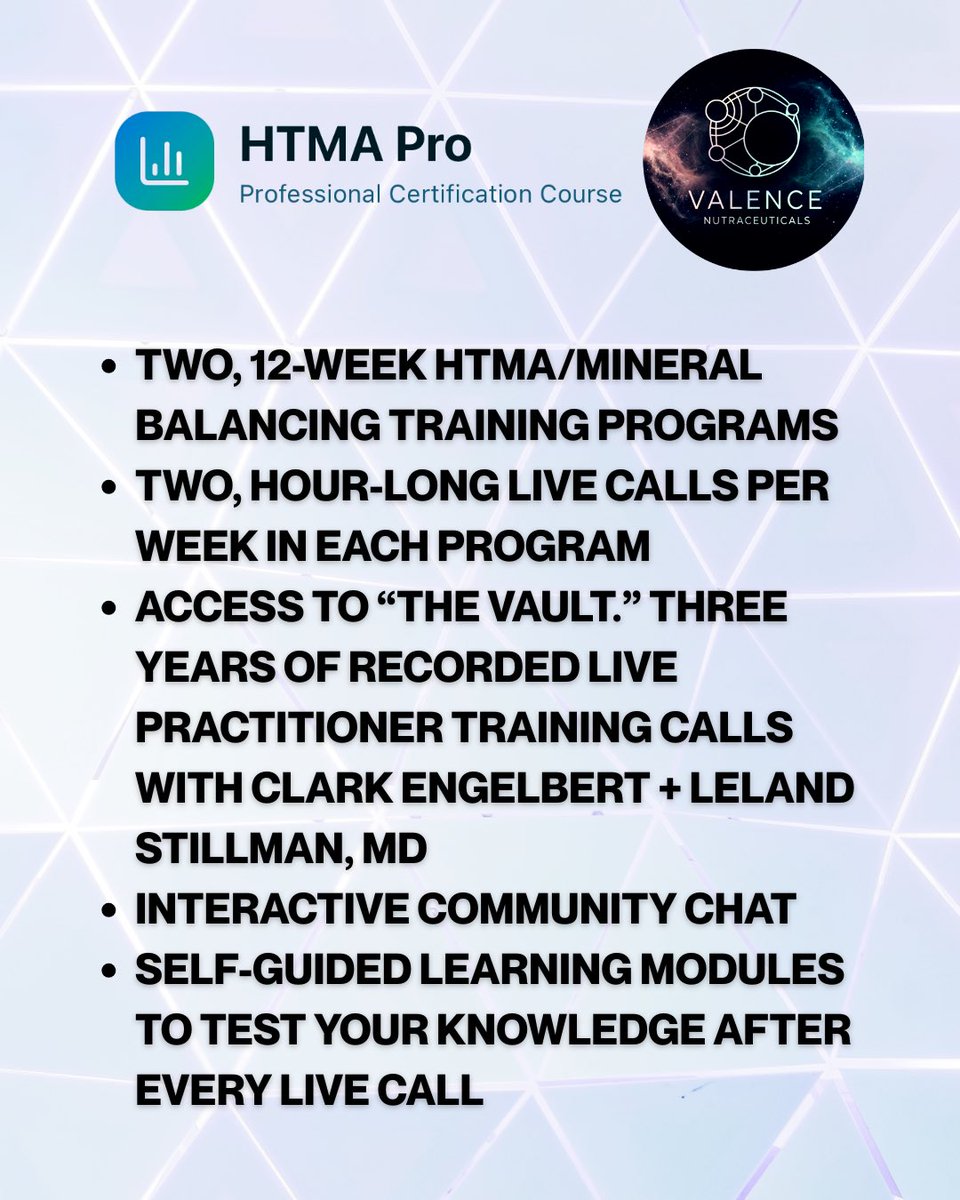
🚨𝗕𝗜𝗚 𝗔𝗡𝗡𝗢𝗨𝗡𝗖𝗘𝗠𝗘𝗡𝗧: 𝗧𝗛𝗘 𝗙𝗨𝗧𝗨𝗥𝗘 𝗢𝗙 𝗠𝗜𝗡𝗘𝗥𝗔𝗟 𝗕𝗔𝗟𝗔𝗡𝗖𝗜𝗡𝗚 & 𝗛𝗧𝗠𝗔 𝗜𝗦 𝗛𝗘𝗥𝗘
This day has been a long time coming.
I have been honing my skills as the best mineral balancing and htma teacher in the world, with my last practitioner training program that I ran for three years and where I trained over 100 practitioners.
Matt, Aaron, and Lewis have been perfecting the formulas at Valence Nutraceuticals for years as well, meticulously selecting more bioavailable forms of minerals to optimize absorption of their supplements to get their clients the best possible results on mineral balancing.
And Lewis has also been honing and perfecting his hairanalysisapp, that basically everyone uses in this space to generate client reports and make the business side of their operations more efficient.
So a few months ago, when Luke Pryor came to me and suggested the idea that we do a new and improved HTMA and mineral balancing training program, in partnership with Valence Nutraceuticals and Hairanalysisapp, how could I say no to that?
It felt like a natural fit of all the people in this space working their hardest to carve out a path for the future of mineral balancing.
𝗜’𝗺 𝗯𝗲𝘆𝗼𝗻𝗱 𝗲𝗰𝘀𝘁𝗮𝘁𝗶𝗰 𝘁𝗼 𝗮𝗻𝗻𝗼𝘂𝗻𝗰𝗲 𝘁𝗵𝗲 𝗹𝗮𝘂𝗻𝗰𝗵 𝗼𝗳 𝗛𝗧𝗠𝗔 𝗣𝗿𝗼 - 𝘁𝗵𝗲 𝗯𝗲𝘀𝘁 𝗮𝗻𝗱 𝗺𝗼𝘀𝘁 𝗳𝘂𝘁𝘂𝗿𝗲 𝗳𝗼𝗰𝘂𝘀𝗲𝗱 𝗛𝗧𝗠𝗔 & 𝗠𝗶𝗻𝗲𝗿𝗮𝗹 𝗕𝗮𝗹𝗮𝗻𝗰𝗶𝗻𝗴 𝗴𝗿𝗼𝘂𝗽 𝗰𝗼𝗮𝗰𝗵𝗶𝗻𝗴 𝗽𝗿𝗼𝗴𝗿𝗮𝗺 𝗼𝗻 𝘁𝗵𝗲 𝗽𝗹𝗮𝗻𝗲𝘁.
The waitlist for this new program is now open and we’ll be taking enrollment into it for the next two weeks.
Getting on the waitlist ensures you’re the apart of the first group of people who we open up purchasing of this group coaching program to on May 11th.
We’re only letting in 30 people to this program so getting on the waitlist is imperative. In my last group coaching program we regularly had to turn folks away because taking more people than this would dilute the quality of the program.
So, I’d like to welcome you to
𝗧𝗛𝗘 𝗙𝗨𝗧𝗨𝗥𝗘 𝗢𝗙 𝗠𝗜𝗡𝗘𝗥𝗔𝗟 𝗕𝗔𝗟𝗔𝗡𝗖𝗜𝗡𝗚.
Link to sign up for the waitlist is in the comments.
Mast Cell Activation is increasing!
The body becomes more sensitive to its environment as the more dysregulated it becomes.
The body is too unhealthy and too toxic to defend itself or respond in a controlled manner.
Allergens, mold sensitivities, food allergies... its all increasing.
Any acute infection, heavy metal exposure or other toxin can change how the body responds to allergens and etc. Before getting an infection, someone may have been able to tolerate this food or that allergen but it all changed post-infection.
Mercury is one of the most consistent triggers because it induces mast cell degranulation, inflammatory mediator release (histamine, cytokines like IL-4 and TNF-α), and enhances allergic reactions.
Cadmium is known to accumulate in immune cells, disrupt redox signaling, and induce mast cell degranulation, which results in the release of histamine, IL-4, and TNF-α.
Lead provokes mast cell mediator release and often listed as a destabilizer.
Aluminum in animal studies show it increases mast cell activation and histamine in the gut, contributing to hypersensitivity.
As a result, many metals disrupt mitochondrial function, collapse membrane potential, impair ATP-dependent calcium pumps and allow unchecked cytosolic calcium rise, the central trigger for degranulation.
Any infection, chemical or heavy metal exposure depletes minerals, raises pro-inflammatory cytokines, depletes immune cells, alters DNA methylation of specific immune genes and depletes energy production.
This ties into calcium handling!
Mast cell degranulation is centrally driven by a rise in cytosolic calcium.
What are common deficiencies or imbalances that amplify Mast Cell Activation?
1. Zinc- Zinc deficiency promotes mast cell differentiation in bone marrow, increases granule numbers, shifts toward Th2/allergic responses, and heightens degranulation/histamine release.
2. Vitamin D- Mast cells express Vitamin D receptors and optimal levels reduce activation, IgE responses and degranulation.
3. Magnesium- Reduces cytosolic calcium rise (central and obligatory trigger for mast cell activation, degranulation and histamine release).
4. Vitamin C- Stabilizes mast cell membranes, raises activation threshold, and aids histamine breakdown (via DAO support). Restricted low-histamine diets often worsen deficiency.
5. Selenium- Studies show selenium supplementation or selenomethionine maintains cytosolic calcium homeostasis under oxidative stress, counteracting store depletion and aberrant release.
6. Copper- Essential for DAO enzyme production (histamine clearance) and overall energy/immune balance. (Fast Oxidation or Slow Oxidizers with Low Na/K ratio)
For Slow Oxidizers, or even Fast Oxidizers with a low Na/K ratio, have depleted NAD pools and reduced ATP production.
Low intracellular ATP directly sabotages the systems that keep cytosolic calcium in check.
1. ATP-dependent calcium pumps fail!
2. Mitochondrial calcium buffering is impaired!
Low ATP doesn’t just “starve” the cell, it removes the brakes on the calcium signal that mast cells rely on for activation.
in short, chronic ATP depletion activates stress pathways.
Some individuals have a high Na/K ratio that amplifies Mast Cell Activation or even a Cell Danger Response!
This is due to a release of extracellular danger signals.
Energy-stressed or damaged cells leak ATP into the extracellular space. Extracellular ATP is a potent “find-me” danger signal that binds purinergic receptors on mast cells, triggering robust calcium influx, degranulation, and cytokine release. I
This may occur more in Slow Oxidizers with sympathetic dominance and a high Na/K ratio.
Functional and integrative medicine literature on MCAS repeatedly highlights mitochondrial support (targeting ATP production, membrane repair, and ROS) as a way to break this cycle and raise the mast cell activation threshold.
An HTMA protocol is very helpful for Mast Cell Activation Syndrome, although a full program is usually too strong and some supplements need significant tweaks.
H. pylori is a ureolytic bacterium that produces the enzyme urease. Urease hydrolyzes urea (abundant in gastric fluid) into ammonia.
The ammonia then reacts with stomach acid to form ammonium ions, locally neutralizing the acidic pH.
This “alkaline shield” allows H. pylori to colonize the gastric mucosa, where it would otherwise be killed by low pH. Without this ammonia production, H. pylori cannot survive the stomach’s hostile environment.
AKG acts as a strong, competitive scavenger of the ammonium ions produced by the bacteria.
AKG exploits a fundamental metabolic dependency (ammonia scavenging) rather than directly attacking bacterial machinery.
How does it starve H. Pylori?
1. The protective alkaline micro-environment collapses → local pH drops back to lethal acidic levels.
2. The bacteria are nitrogen-starved because their self-production is hijacked by AKG instead of being available for their own metabolism and growth.
3. In the stomach’s naturally low-ammonia environment, the bacteria cannot compensate fast enough → they die or fail to colonize.
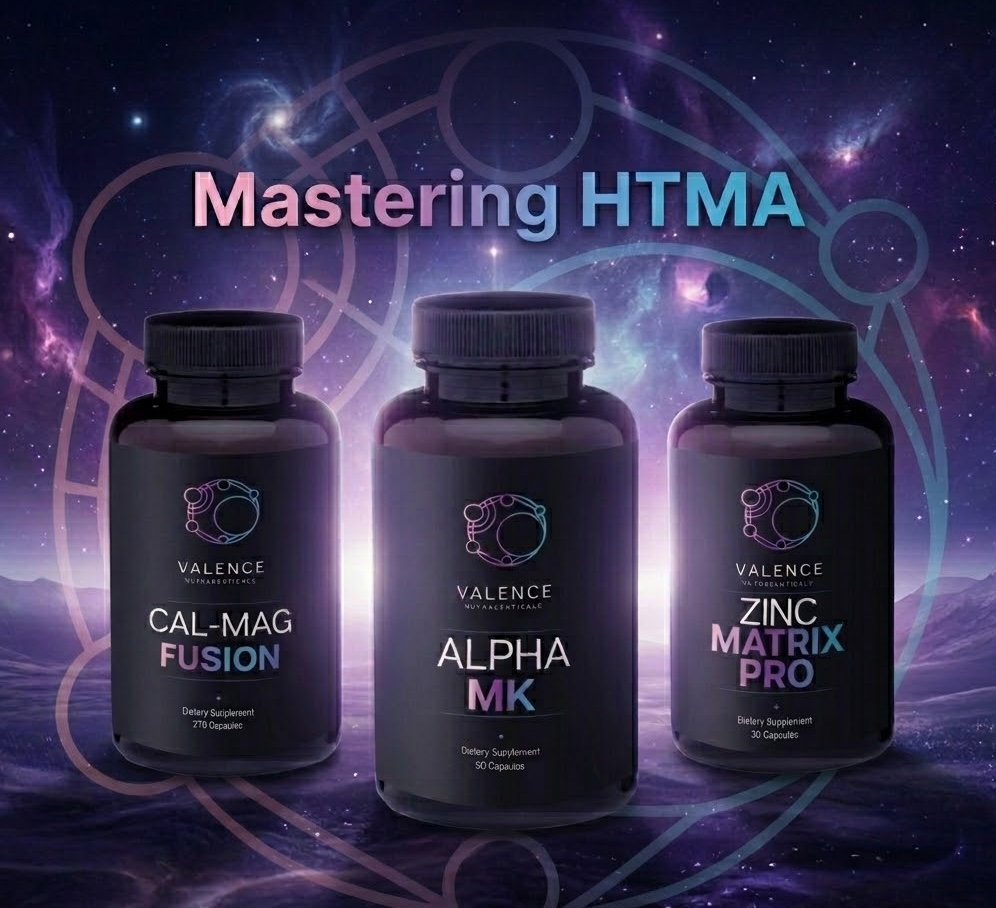
The upgraded Cal-Mag Fusion now contains, both, Calcium and Magnesium AKG!
A Smarter Zinc:Copper Ratio for Slow Oxidizers
Na/K UP is simply a bridge between multiple oxidation types. It is meant to complement the metabolic supplements, instead of being a standalone or main player.
The zinc:copper ratio is critical for a slow oxidizer. There's a long debate about the best ratio but very few people understand the optimal ratio when the system is already significantly imbalanced.
Mineral balancing for a long time has viewed the na/k ratio as a need for more copper regardless of current dysregulated copper mechanics. Additional copper acts more of a behind the scenes "supportive" actor versus a main player.
Slow oxidizers need quite a bit of zinc for recovery even when the Na/K ratio is low. A high or low Na/K ratio doesn't necessarily mean a need for more or less zinc, it just helps determine how to use it.
The best zinc:copper ratio helps a person take the maximum amount of zinc without disturbing copper dynamics. This is necessary to push out excess copper without creating deficiency symptoms at the same time.
This is why we changed the ratio to 16:1, zinc remains at 8mg while copper sits at 500mcg per serving size. This allows someone to take 24mg of zinc without consuming too much copper, 1.5mg. This is more of a gentle approach to slow oxidizers who already struggle with additional copper regardless of the na/k ratio.
Na/K UP was also changed to a 2 serving capsule size, which allows someone to start at a lower dose.
This is an important update when considering how much copper someone consumes through a well-balanced diet.
Adding too much copper to the system even with a low Na/K ratio is present can just add fuel to the fire depending on how well copper transport proteins, copper storage and etc are operating.
If additional copper fails to raise ceruloplasmin and other transport mechanisms, meanwhile the system is still struggling to remove excess copper, then you may just be adding more stress or imbalanced to the system.
This may be why some people need to improve bile flow and liver function before any additional copper can be tolerated.
What is the point in adding copper to Na/K UP for Slow Oxidizers, in the first place?
Copper is taught to raise sodium but how does it do this?
Copper is important for improving the ratio between norepinephrine to epinephrine, which Dr. Paul Eck applied to the ratio between sodium and potassium.
The other way copper can raise sodium in relation to potassium is by raising estrogen levels which sensitizes aldosterone receptors in the kidneys, driving higher retention of sodium and water.
This sensitization enhances the effects of norepinephrine, which copper increases.
High copper, in general, may stress the system enough to raise a low na/K ratio by inducing an acute stress response and leading to greater potassium loss.
This isn't an ideal approach for anyone.
Forward and innovative thinkers may use ways to boost the Na/K ratio without additional copper- which is definitely possible.
... but usually these products lack the necessary minerals and vitamins needed to support the overall process of removing excess metals or minerals.
This is why we are meeting the issue half-way by optimizing the zinc to copper ratio in those that are already in burnout.
Certain forms of copper found in Na/K UP may be able to bypass certain down-regulated transport proteins, enabling the copper to optimally raise norepinephrine levels.
It is preferred to combine Alpha MK with Na/K UP because the increase in norepinephrine allows for better intracellular potassium penetration in some cells while in others it may cause more efflux.
The core issue with a low Na/K ratio in Slow Oxidizers is the poor energy production. Additional magnesium does little to no good if upstream energy production is still lacking.
This causes the body to underutilize magnesium. A slow oxidizer can show elevated levels in the hair but with poor ATP production, the magnesium is wasted.
This is why we added liposomal NMN to Na/K UP in order to give the body a slight kick in energy production in order to improve how the body uses the additional magnesium and other minerals.
This creates a more efficient effect while also minimizing additional stress on the system stemming from supplemental copper.
We’re confident this refined version will feel smoother and more supportive for those working through slow oxidation and low Na/K patterns.
Better forms means less is needed.
Well I can't answer this without knowing more details. Your oxidation rate matters the most. I view things based upon an HTMA test, not simple blood work and etc. A person can have copper toxicity but still show low levels in blood and/or hair. Free copper may be relatively high. But usually when it comes to copper- we automatically get into the territory of copper toxicity and copper deficiency occurring at the same time. Usually slow oxidizers only supplement copper when there is a low na/k ratio (its not based upon individual hair levels). Based upon literature, complex IV is usually whats impaired during copper deficiency states. Complex III is usually only significantly impaired during copper excess states. Copper toxicity impacts the entire ETC while deficiency is typically limited to Complex IV. Even when a slow oxidizer has a low na/k ratio, they can have excess copper... this additional copper may have little to no effect on the ETC... it could even make someone feel worse based upon how they handle/transport the supplemental copper. Additional copper doesn't automatically restore optimal Complex III or Complex IV especially when the main problem is excess copper. Additional copper isn't really the correction in a Slow Oxidizer regardless if the na/k ratio is low or the hair copper is low.
How Does Excess Copper Disrupt MitochondriaL Function?
Excess Copper (2) enters the mitochondrial matrix and is reduced to the more reactive Copper (1) by ferredoxin 1.
Studies have shown that sub-cytotoxic doses of ferric ammonium citrate can significantly upregulate FDX1 protein expression.
Ferric ammonium citrate is added to foods primarily as an iron fortifier to treat iron deficiency, as well as an anti-caking agent in table salt.
Its considered a "beneficial" additive but.....
High dietary copper (or copper excess) + something that boosts FDX1 (low-dose ferric ammonium citrate) can create a worse scenario than high copper alone.
This reactive Copper (1) then directly binds to the lipoyl moiety of proteins such as DLAT, which is part of the pyruvate dehydrogenase complex of the TCA cycle.
Therefore, this excess Reative Copper (1) can lead to TCA cycle disruption.
Other lipoylated proteins that excess copper can disrupt is a-ketoglutarate dehydrogenase or DLST.
so....
Disrupts DLST (E2 of a-ketoglutarate dehydrogenase complex) → blocks a-ketoglutarate → succinyl-CoA.
Basically, AKG accumulates because it cannot be efficiently converted to succinyl-CoA.
Unfortunately, the TCA cycle is critical for optimal energy production.
TCA cycle disruption = impaired pyruvate → acetyl-CoA conversion and α-ketoglutarate metabolism, reducing substrate supply for the electron transport chain.
Therefore, excess copper causes energy collapse!
This TCA cycle blockage at two major points (PDH and α-KGDH) severely limits flux through the cycle.
1. Reduced TCA flux and ETC impairment lead to decreased oxidative phosphorylation, lower ATP production, and mitochondrial dysfunction.
2. Reduced production of succinyl-CoA, succinate, NADH, and FADH₂ starves the electron transport chain of reducing equivalents.
Why do you think copper toxicity hits people so hard?
Its a dual blockade! Its a metabolic crash!
↑ Pyruvate, ↑ AKG, ↓ Succinate
This is why succinate supplementation has been shown to:
1. Improve oxygen consumption rate.
2. Restore or partially maintain ATP levels.
3. Ameliorate energy deficits and increase cell viability.
4. Supports glial or neuronal metabolism under stress.
This is partly why we added magnesium succinate to both Cal-Mag Fusion and Na/K UP (new versions coming out soon).
The added succinate may serve as a substrate for succinate dehydrogenase, feeding electrons into the ETC and supporting oxidative phosphorylation even when earlier TCA steps are compromised.
The main fix will always be excess copper elimination but without chelators, energy production must be improved.
That is the ultimate challenge- removing excess copper but also improving energy production in order to do so.
When TCA cycle is blocked (pyruvate + AKG accumulation, low succinate) due to excess copper, cells shift to inefficient glycolysis, worsening the energy deficit and making copper mobilization harder.
When this occurs, the cell becomes 15 times less efficient.
In scientific literature, this is called a Metabolic Trap.
Why Energy Production Is Critical for Copper Elimination (Without Chelators):
1. Biliary excretion: Energy- intensive
2. Metallothionein induction and binding: Energy- intensive
3. Antioxidant defenses and ROS management: Energy- intensive
4. Protein quality control and mitophagy: Energy- intensive
The cell is essentially starving while drowning in copper.
Dr. Paul Eck stated that an individual doesn't come out of burnout until the excess copper is removed, but the body needs energy to dump the excess copper.
For some people on an HTMA program, it takes years for them to dump excess copper. Well a good chunk of it.
An HTMA protocol focuses mainly on these approaches versus chelation:
1. Zinc competition- upregulates metallothionein in the gut and liver which binds to copper.
2. Balance the mineral ratios- Na/K ratio & Oxidation rate. (Improve adrenal and thyroid function by supplying minerals, vitamins and glandulars)
3. Dietary modulation- reduce high copper foods.
4. Antioxidant and cofactor support- protect the mitochondria (Cell Restore).
Cell Restore contains carnosine which helps to chelate excess copper.
Carnosine forms stable complexes with copper.
1. Reduce the pool of free/labile copper available to enter mitochondria and be reduced to the more toxic Copper (1) by FDX1.
Carnosine also protects the mitochondria.
1. It scavenges ROS generated by copper redox cycling (Cu1/Cu2), helping break the vicious cycle of oxidative damage to mitochondria.
2. It prevents advanced glycation end-products that can compound cellular stress.
Studies show carnosine protects cells from copper-induced lipid peroxidation, protein oxidation, and loss of viability.
Make sure to try our Cell Restore.
Good talk.
How Do Heavy Metals Disrupt Energy Production?
Lead: Impairs ETC (especially complex III), opens mPTP, reduces ATP, increases ROS; linked to neurotoxicity and kidney damage.
Mercury: Inhibits respiratory complexes, depletes glutathione, disrupts calcium homeostasis.
Cadmium: Accumulates in mitochondria, strongly inhibits complex III, causes membrane potential loss and ATP drop.
Arsenic: Disrupts oxidative phosphorylation, inhibits pyruvate dehydrogenase (affecting fuel entry into the TCA cycle), elevates ROS.
Electron Transport Chain (ETC) & ATP Depletion
Complex Inhibition:
1. Both Lead and Cadmium specifically target Complex III, disrupting electron flow and leading to a collapse of the mitochondrial membrane potential.
2. Fuel Entry: Arsenic acts earlier in the pathway by inhibiting Pyruvate Dehydrogenase, effectively cutting off the supply of Acetyl-CoA to the TCA cycle, starving the ETC of NADH/FADH.
This can be hard to recover from beyond a certain point.
We typically see people stay in Slow Oxidation or a Four Lows Mineral Pattern for quite some time due to such severe heavy metal toxicity disrupting their energy production.
This leads to....
A Detoxification Block → Poor energy means impaired Phase I/II liver detox, bile flow, and kidney function—metals stay stored, perpetuating the low-energy state.
The creation of Cell Restore was designed to help people recover faster by giving compounds that support energy producing pathways.
How Cell Restore Aligns with Breaking the ATP Bottleneck:
Mitophagy and Mitochondrial Renewal:
Urolithin A is a standout. It activates the selective removal of damaged mitochondria (mitophagy), allowing the cell to replace them with healthier, more efficient ones capable of better ATP output. This directly counters the accumulation of metal-damaged organelles that basic antioxidants can't fully resolve.
Mitochondrial Biogenesis and ETC Support:
PQQ promotes the creation of new mitochondria, while CoQ10 and N-acetyl-L-carnitine help shuttle fatty acids and support electron transport for ATP synthesis. These help rebuild the "engine" rather than just fueling a broken one.
Antioxidant and Senolytic Action:
Liposomal fisetin and other antioxidants (including wild blueberry powder) help neutralize ROS and clear senescent cells that contribute to chronic inflammation and further mitochondrial stress. Spermidine (wheat-free) supports autophagy and cellular longevity.
Additional Energy and Neuro/Muscle Support:
L-Carnosine and TMG for methylation/homocysteine balance, and other components provide broader cellular resilience, brain clarity, and heart support.
Upstream NAD+ fueling (from NMNH) + downstream ETC/membrane protection and cofactor support (from Alpha Lipoic Acid, CoQ10).
We are also adding Liposomal NMN (alongside NMN-H) to the updated Kidney Flow because the kidneys heavily rely on ATP production- which most people suffer from.
Cell Restore is one of our best selling supplements!
How the immune response influences an HTMA test.
Doing a cytokine panel can be very informative if certain ratios are not responding to standard HTMA approaches.
For example, Fast Oxidizers with a low Na/K ratio may develop a difficult form of autoimmunity thats driven by specific elevated cytokines.
Elevated aldosterone promotes certain pro-inflammatory cytokines which then intensifies cortisol secretion.
Elevated aldosterone (pro-inflammatory) promotes sodium retention while driving certain cytokines, creating a feed-forward loop that intensifies cortisol secretion and stress signaling.
1. Cytokines stimulate CRH (corticotropin-releasing hormone) and sometimes AVP (vasopressin) release from parvocellular neurons in the PVN.
2. Cytokines act directly on corticotroph cells to stimulate ACTH (adrenocorticotropic hormone) release and POMC gene transcription (the precursor to ACTH).
3. Cytokines directly enhance glucocorticoid synthesis in the adrenal cortex (zona fasciculata), often requiring permissive levels of ACTH.
Pro-inflammatory cytokines (IL-1B, IL-6, TNF-a) stimulate CRH/AVP → ACTH → glucocorticoid (cortisol) and mineralocorticoid (aldosterone) pathways.
A low Na/K ratio can lead to impaired immunity, increased infection susceptibility, allergies, arthritis, or more severe chronic inflammatory/autoimmune tendencies.
The low Na/K ratio may represent impaired immunity in certain ways (due to inflammation and/or excessive cortisol) but in other ways the elevated aldosterone or excessive HPA activity can correlate with a higher pro-inflammatory cytokine profile.
Infections, heavy metals and a long list can lead to elevated cytokines that keeps a person in Fast Oxidation.
1. Chronic or latent infections (viral, bacterial, fungal, parasitic) activate immune cells, releasing cytokines that directly stimulate the HPA axis at hypothalamic (CRH/AVP), pituitary (ACTH), and adrenal levels.
2. Heavy metals (lead, cadmium, mercury, arsenic) generate oxidative stress (ROS production, mitochondrial dysfunction), which activates NF-κB and inflammasome pathways. This elevates the same cytokines (IL-6, TNF-a, IL-1B) while disrupting antioxidant defenses and mineral transport.
4. Mold/mycotoxins, environmental chemicals, gut dysbiosis, food sensitivities, unresolved trauma/stress, nutrient deficiencies (zinc, antioxidants), and even certain medications or vaccines in susceptible individuals.
Cytokines + Oxidative Stress → Sustained Fast Oxidation
In Fast Oxidizers, this often manifests as acute allergies, histamine intolerance, or inflammatory flares, while the underlying exhaustion builds.
Other HTMA patterns may be more difficult to correct if the standard HTMA supplements fail to optimally lower high cytokine levels.
Elevated cytokines act like a "brake" on correction by keeping the HPA axis and oxidative stress active.
Heavy metals can definitely influence the immune response in a negative way by upregulating pro-inflammatory cytokines, even during detoxification/eliminations.
For example, Slow Oxidizers with a high Na/K ratio may exhibit high IL-6 levels. IL-6 stimulates aldosterone/norepinephrine, alongside copper toxicity and a zinc deficiency.
IL-6 activates the mineralocorticoid receptor (aldosterone) independently via Rac1/ROS signaling, promoting sodium retention and sodium transporter activity (NCC, ENaC). This can help explain a high Na/K even in a slow oxidizer.
Infections, heavy metals, or other stressors → elevated IL-6 → aldosterone/MR activation + norepinephrine crosstalk → high Na/K + sustained sympathetic dominance.
Usually giving extra magnesium and zinc is enough to lower the sodium level but on a deeper level, magnesium and zinc help lower elevated IL-6 levels.
Magnesium reliably lowers IL-6:
1. It blunts exercise-induced IL-6 spikes and improves recovery.
2. Supplementation reduces IL-6 in metabolic syndrome and other inflammatory states.
3. Low magnesium promotes NF-κB activation and IL-6 release; repletion suppresses this.
Zinc has strong evidence for decreasing IL-6:
1. Meta-analyses show zinc supplementation significantly lowers circulating IL-6 levels.
2. Zinc deficiency upregulates IL-6 via reduced DNA methylation of the IL-6 gene and increased NF-κB activity.
3. Repletion restores zinc-dependent anti-inflammatory pathways and helps resolve Th1/Th17 skews or chronic low-grade inflammation.
Some cases are easier than others. This is why mineral balancing is so effective for certain autoimmune diseases, if the body responds very well.
I had a client with severe lupus and her first hair test was a three lows with elevated sodium. This represents a very high na/k ratio or acute inflammation.
She was on birth control for a long period >9 years. Birth control pills are well known to cause mineral imbalances, copper toxicity and elevated pro-inflammatory cytokines.
I have attached her first hair test. Her Na/K ratio was a 9! The a month later, it dropped to 1.7!
A retest was done sooner than suggested because the zinc supplementation was causing additional symptoms.
As you can see, copper and manganese dropped significantly, alongside the sodium level.
Aluminum increased pretty quickly in just one month but zinc tends to have a potent effect on aluminum.
Regardless, certain cytokines, such as IL-6, are significantly involved in autoimmune diseases, including Lupus.
1. SLE patients often show elevated spontaneous IL-6 production by peripheral blood mononuclear cells
2. Elevated IL-6 (and IL-6 receptor expression) in SLE macrophages impairs autophagic degradation, contributing to persistent inflammation and organ damage. In the kidney, overexpressed IL-6 promotes glomerulonephritis and proteinuria.
3. Serum IL-6 levels are consistently higher in SLE patients than healthy controls and correlate positively with disease activity scores (SLEDAI), ESR, renal involvement, and specific autoantibodies.
To sum it up:
Elevated IL-6 → aldosterone/norepinephrine effects + oxidative stress → sustained inflammation and mineral shifts visible on HTMA.
Mineral Balancing can easily address many cases of elevated cytokines but temporary assistance may be needed when heavy metals are released and/or during retracing.
When to supplement potassium according to an HTMA test...
This is a complex topic since toxic potassium eliminations also exist in mineral balancing science.
Dr. Paul Eck supplemented potassium in, both, Slow Oxidizers and Fast Oxidizers but only Fast Oxidizers with a low Na/K ratio, according to his formulas, StressPak and SBF.
He may have supplemented potassium alongside StressPak using Spartan MK but this I am not aware of.
But we need to look at the roles potassium has in general.
Potassium is critical for maintaining the sodium-potassium pump, which creates the electrical gradient for nerve impulses, muscle contraction (including the heart), and cellular energy production (ATP).
Increasing extracellular potassium may also help with aldosterone production. Elevated extracellular (serum) potassium directly stimulates the adrenal zona glomerulosa to increase aldosterone production. Aldosterone then promotes renal potassium excretion and sodium retention to restore balance.
Is this one reason why Dr. Paul Eck used potassium for Fast Oxidizers with a low Na/K ratio?
They are experiencing a fight or flight causing potassium loss/leakage but aldosterone production may be dipping below cortisol release. Adding bioavailable potassium alongside higher levels of magnesium may help reduce the potassium loss and increase potassium intention but the additional potassium may help to balance the aldosterone to cortisol ratio.
Potassium somewhat balances magnesium in this case.
Magnesium blunts an overactive HPA Axis and helps reduce excessive aldosterone/cortisol production. Meanwhile minor potassium support may prevent the Na/K ratio from dipping further.
Potassium is also needed alongside higher levels of copper. Potassium complements copper in someways by supporting the Na/K ratio (norepinephrine and aldosterone production) but too much copper may intensify symptoms of intracellular potassium loss/leakage stemming due to a magnesium deficiency.
In theory, this could help in a lower-aldosterone state amid sympathetic-driven potassium leakage.
1. Magnesium calms the overdrive, retains K, and moderates HPA excess.
2. Modest potassium prevents further Na/K inversion and supports cellular vitality/Na pump function.
3. Copper (when properly balanced) helps restore sodium retention and adrenal signaling, but requires magnesium to avoid aggravating potassium loss.
Additional potassium can help with depleting neurotransmitter levels. Potassium can provide a mood boost.
The dance between minerals.
Maybe one of the most complex scenarios is when to supplement potassium during Slow Oxidation?
Perhaps more importantly are the forms used.
Contrary to popular belief, giving more potassium when the Na/K ratio is low can be more beneficial than when the Na/K ratio is high based upon the amount of potassium supplemented.
Potassium ascorbate may be one of the better forms to supplement in Slow Oxidizers versus Fast Oxidizers.
This is because Potassium Ascorbate provides both Potassium and vitamin C, which supports adrenal activity.
Potassium can support aldosterone production but vitamin C component is what helps with the necessary follow through.
The adrenals concentrate vitamin C at high levels and use it as a cofactor for steroid hormone synthesis (including cortisol and aldosterone pathways). In slow oxidation with low adrenal output, extra vitamin C supports "follow-through", helping convert signals into sustained hormone production and protecting against oxidative stress from chronic low-grade inflammation.
Slow oxidizers often need more vitamin C overall than fast oxidizers.
The potassium component in Potassium Ascorbate can gently support extracellular levels to stimulate aldosterone without overwhelming a slow system, while the ascorbate aids overall adrenal repair and may help with copper mobilization.
Spartan MK created by Dr. Paul Eck focused more purely on the magnesium-potassium aspartate synergy for cellular recharge, but mineral ascorbates (potassium ascorbate) adds the glandular "follow-through". This is why we included it in Alpha-MK.
Slow Oxidizers with a low Na/K ratio may benefit more in some ways.
When Na/K ratio is low/inverted (aldosterone lagging, chronic exhaustion stage of stress, glucocorticoid/cortisol relatively higher or imbalanced), modest potassium can sometimes help stabilize cellular function and reduce further inversion.
I am unaware of when Dr. Paul Eck recommended Spartan MK the most, based upon HTMA ratios.
This is very nuanced because, at times, it comes down to the ratio between magnesium and potassium.
Individuals with a high na/k ratio but in sympathetic dominace may benefit more from a higher magnesium to potassium ratio while individuals with a low Na/K ratio may benefit from a lower magnesium to potassium ratio.
In Alpha MK we decided to go with a higher potassium to magnesium ratio because this tends to be more beneficial in Slow Oxidizers when supplemented alongside SlowOX, Zinc Matrix Pro or Na/K UP.
This is especially useful during copper eliminations/dumps, when tissue potassium can fluctuate sharply, causing temporary fatigue or instability.
It adds more balance to the program.
The additional Liposomal NMN and Creatine in Alpha MK also supports Slow Oxidation by improving energy production so that the additional magnesium isn't wasted.
Without enough cellular energy to "turn the wheels," the magnesium may not fully integrate into metabolic pathways, resulting in limited benefits or even compensatory symptoms.
These upgrades make Alpha MK function as true next-generation mitochondrial & energy support while reviving the spirit of Eck's Spartan MK.
Alpha MK is scheduled to come next month!
Calcium and Tight Junction Proteins
Mandle et al. (2019)
"Randomized, double-blind, placebo-controlled trial (subset n=105 from a larger colorectal adenoma chemoprevention RCT). Participants aged 45–75 with prior adenomas received supplemental calcium carbonate (1,200 mg/day elemental calcium) and/or vitamin D3 (1,000 IU/day) for 1 year. In normal-appearing rectal mucosa, calcium (vs. no calcium) increased expression of claudin-1 (CLDN1: +14%, P=0.17), occludin (OCLD: +23%, P=0.11), and mucin-12 (MUC12: +22%, P=0.07). Effects were stronger and statistically significant in the subgroup with baseline serum 25-OH-vitamin D below the median (~22.7 ng/mL): CLDN1 +29% (P=0.04), OCLD +36% (P=0.06), MUC12 +35% (P=0.05). Vitamin D alone had no effect; combined treatment showed modest increases. The study supports calcium’s potential role in enhancing intestinal mucosal barrier integrity."
Occludin helps maintain the gut barrier, preventing unwanted translocation of luminal antigens, bacteria, toxins, or macromolecules that could trigger inflammation or immune activation.
Occludin is important because it fine-tunes and stabilizes epithelial/endothelial barriers, particularly under inflammatory or stressful conditions, while also participating in cell signaling and tissue homeostasis.
This was achieved using a cheap form- calcium carbonate. A simple antacid supplement.
Imagine how much stronger Calcium L Threoninate can be...
Calcium is bound to the amino acid L Threonine, which helps with tight junction proteins.
With Calcium L-Threoninate, you're delivering:
1. The same calcium ion that promotes tight junction formation and stabilization.
2. Plus L-threonine, an essential amino acid with its own documented roles in gut barrier integrity.
L-threonine is heavily utilized by intestinal epithelial cells on first-pass metabolism:
Mucin production: A large portion of dietary threonine is incorporated into mucins (especially MUC2, the primary gel-forming mucin in the intestine).
Tight junction protein expression and barrier function: In broiler chickens challenged with LPS (a model of inflammation-induced barrier damage), dietary L-threonine supplementation normalized mRNA levels of tight junction genes (including improvements in claudin-3 and ZO-1) and improved intestinal morphology. It also reduced inflammatory markers (TLR4, IFN-γ, IL-1β) that otherwise downregulate tight junctions.
General gut-protective mechanisms: Threonine contributes to protein synthesis in enterocytes, supports cell proliferation/repair, and helps maintain barrier resilience under stress.
Binding calcium to L-threonine could provide dual-action support for the same tight junction proteins (occludin, claudin-1) measured in the carbonate study:
Calcium component → direct extracellular signaling for tight junction assembly/stability (the classic "calcium switch" effect).
Threonine component → substrate for mucin synthesis + direct support for epithelial tight junction gene expression and anti-inflammatory effects in the mucosa.
This combination could amplify or sustain the modest occludin/claudin upregulation seen with carbonate alone, especially in contexts of gut stress, inflammation, or suboptimal amino acid intake.
Other forms in the upgraded Cal-Mag Fusion may also help:
Calcium Taurinate: May more directly rescue TJ protein expression (occludin, ZO-1, claudin-1) under stress via antioxidant/anti-inflammatory paths.
Calcium AKG: AKG safeguards the epithelial barrier by enhancing TJ protein concentrations, reducing MLCK activity, lowering inflammation, and modulating the microbiome.
Coming Soon!
Can you go by the Calcium RDA on a Mineral Balancing Protocol?
Calcium is the most abundant mineral in the body because of bone/teeth. Without the skeletal reservoir, calcium wouldn't top the list.
Without that structural depot, the functional pool (extracellular fluid, soft tissues, and intracellular compartments) is tiny, less than 1% of total calcium.
Calcium acts as a pivotal secondary messenger but heavy metals and other toxins or even mineral deficiencies determine how optimal calcium signaling occurs.
Calcium signaling is highly sensitive to disruption.
Even if calcium can offer some preventive protection (competing for intestinal absorption of metals), what happens when you supplement after exposure, once the pumps are already compromised?
Heavy metals disrupt Calcium-ATPases (pumps that restore low cytosolic levels). This negatively impacts how the body responds to calcium intake.
This creates a vicious cycle:
Impaired pumps → prolonged/elevated cytosolic calcium → dysregulated signaling, oxidative stress, mitochondrial overload, and eventual cell dysfunction.
If PMCA/SERCA are inhibited, adding more extracellular calcium could worsen cytosolic overload because the cell can't efficiently pump it out or sequester it.
How does this work?
Heavy metals suppress SERCA while enhancing endoplasmic reticulum calcium release, triggering Store-Operated Calcium Entry as a secondary influx route. Even without external stimuli, SERCA inhibition alone activates Store-Operated Calcium Entry. Raising extracellular calcium can steepen the gradient, amplifying this influx.
Higher extracellular calcium increases the driving force through any open channel (especially Store-Operated Calcium Entry). The cell's "brakes" are somewhat disabled, so influx isn't balanced by removal. This is why post-exposure calcium supplementation is complex.
At Valence, we use a 1:1 ratio in Cal-Mag Fusion for many of the different forms of highly bioavailable calcium and magnesium.
A higher calcium to magnesium ratio is more ideal for bone or the skeletal system instead of other intracellular/extracellular compartments, which is why we use MCHC to raise the ratio for its a whole-bone matrix.
This is important because highly absorbable calcium can raise extracellular and potentially cytosolic calcium more readily than slower-release options (such as MCHC).
Typically, for people to handle higher levels of bioavailable calcium, their energy production needs to improve. ATP production is critical for optimal calcium utilization.
This ties into the Na/K ratio. Individuals with a low Na/K ratio during Slow Oxidation or Poor Eliminator Patterns for heavy metals may be more sensitive to calcium. This is because Slow Oxidation with a Low Na/K ratio can represent significantly reduced ATP levels.
A higher ratio of magnesium to calcium benefits certain compartments (intracellular and soft-tissue) more than others:
1. Magnesium is a natural physiological antagonist at voltage-gated and store-operated channels.
2. Magnesium is an essential cofactor for Ca-ATPases (PMCA and SERCA require Mg-ATP).
3. Magnesium is a regulator that helps restore low cytosolic magnesium and prevents overload.
Therefore, magnesium acts as a vital regulator for energy-dependent calcium pumping.
This means that during heavy metal toxicity, more magnesium in relation to calcium is more beneficial for early stages of correction.
For very sensitive individuals, we recommend using more Alpha MK in relation to Cal-Mag Fusion in the beginning.
One capsule of Cal-Mag Fusion for every One - Two capsules of Alpha-MK.
The additional potassium in Alpha-MK can help because potassium supports Na/K-ATPase which helps keep intracellular sodium in check and in turn supports NCX in its forward mode (transports calcium out of the cell).
Heavy metals can impair Na/K-ATPase, so replenishing potassium (especially in aspartate form, which aids cellular uptake) offers gentle restoration.
Alpha MK can work extremely well in Slow Oxidizers with a low Na/K ratio.
Other supplements on the protocol reinforce this approach by improving calcium dynamics.
Practical Integration using Valence Supplements:
Early phase (Starting Out)
1. Slow Oxidizer with Low Na/K ratio:
1/2-1 Cal-Mag Fusion + 1–2 Alpha-MK + 1/2-1 Na/K UP -(Zinc)
2. Slow Oxidizer with High Na/K Ratio
1/2-1 Cal-Mag Fusion + 1–2 Alpha-MK + 1/2-1 Zinc Matrix Pro
A Four Lows Pattern can represent an even more compromised calcium system due to extreme burnout and heavy metal toxicity.
We usually reinforce extra calcium supplementation in these situations but individuals can still be sensitive to high dose calcium.
We don't recommend matching the same mg of Calcium in Cal-Mag Fusion to the calcium using Endomet Paramin for these programs.