I am delighted to share our paper recently published in @GlobalChangeBio. We show that marine sponges display adaptations to survive to very low oxygen levels and could be favored in future deoxygenated oceans. https://t.co/RqIf4Iyk1r
@franci_strano
When the South-east Marine Park Network began, little was known about these remote waters. Now, with the work of marine scientists & support from @Parks_Australia, we have vital tools to protect these ecosystems. The Draft Plan (2025–2035) is open for public input until 14 Nov
One of the most abundant sponges on the open coast is Ecionema alata, a massive grey tetractinellid that can reach sizes exceeding 150 cm. Our observations over the years suggest that these sponges have relatively slow growth, so they may be decades or centuries old.
Suberites australiensis beds in Wellington Harbor thrive at a depth of only 10-15 m. We estimated that these sponge aggregations can filter up to 20,000 liters of water per day per square meter.
🚨New paper!🚨 We explored, characterized and mapped shallow-water marine animal forests around Wellington, NZ. We found incredible sponge gardens, brachiopod beds, and polychaete fields.🧽🪸🪱🐟
Thanks to @greaterwgtn for funding this project.
In OA at: https://t.co/7necfNLQbI
According to the Department of Natural Resources and Environment Tasmania, The Bathurst Channel and Harbour area, part of the Tasmanian World Heritage Area is a region that embodies a richer breadth of natural and cultural values than any other on Earth.
The Government of Japan @JapanGov has made an announcement about the arrest of Captain Paul Watson @CaptPaulWatson, and it’s surprisingly honest and informative 🐋🇯🇵
Looking to do a PhD? Interested in climate change and marine heatwaves? Fascinated by mesophotic reefs?
If you answered yes to all these questions then we have the perfect project for you! For more information check out this link or send me a message.
https://t.co/QKBnM0F3Dv
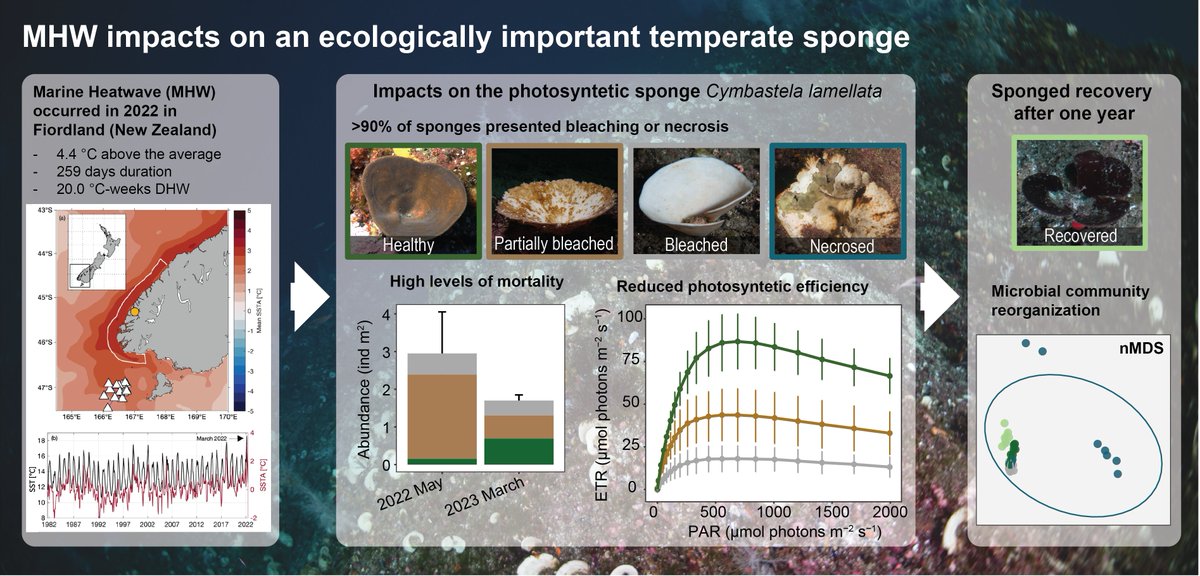
Our new study in @GCBiology reveals the devastating impact of New Zealand's strongest marine heatwave on a temperate photosynthetic sponge🌡️🧽🇳🇿
https://t.co/HxfZ4iMRqb
A short thread (1/5)
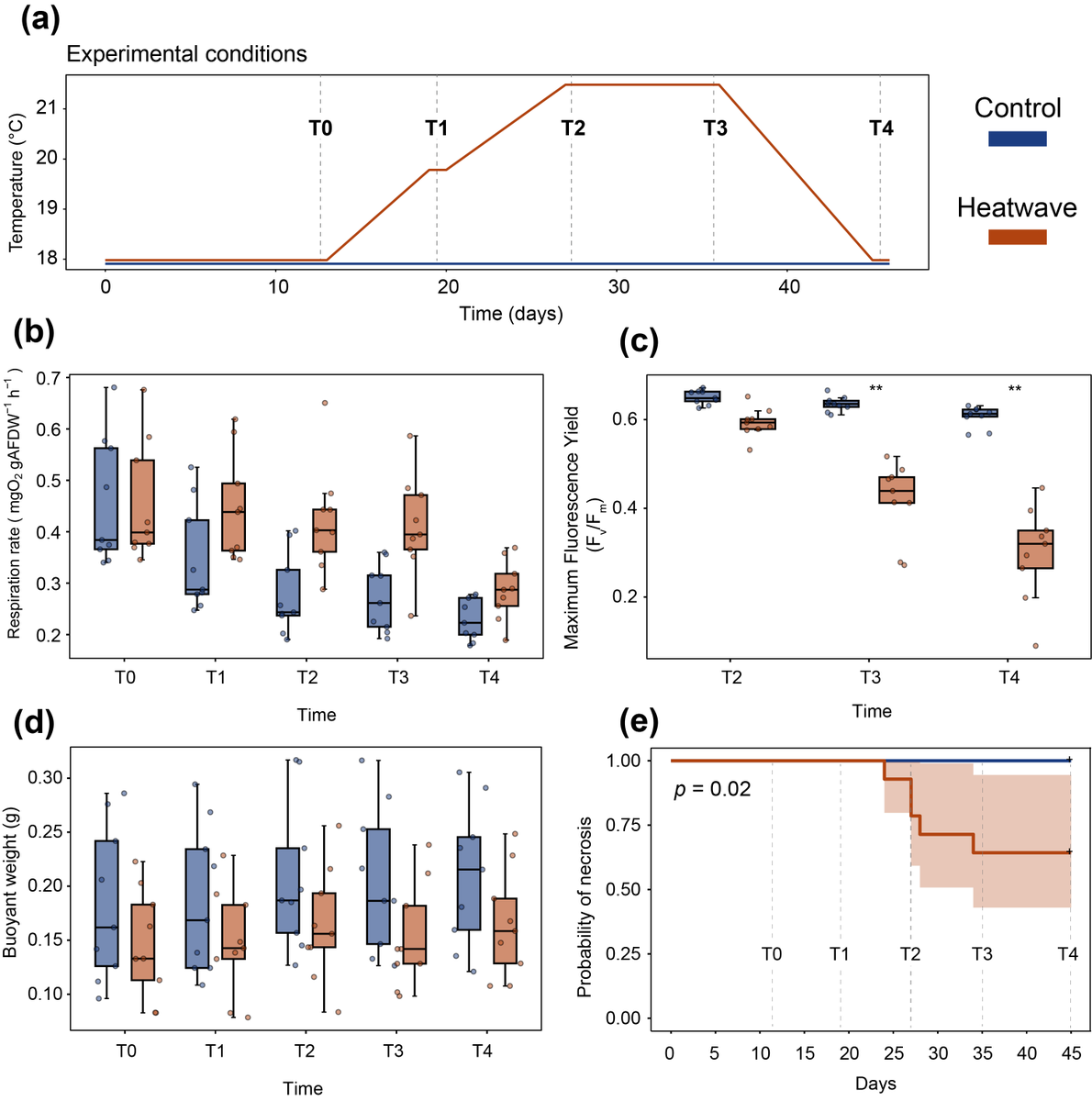
Lab experiments suggest temperature stress drives necrosis rather than bleaching, despite rare field observations. This indicates bleaching may not directly cause mortality. (4/5)
Coral restoration may be, at best, a feel-good measure that satisfies a human urge to do something about climate change – and at worst, a dangerous distraction from climate action. https://t.co/A0miT7QR0I
Most incredible science discovery this decade! Changes every textbook. Manganese nodules produce oxygen in the #deepsea!!? These are the nodules targeted for mining… they make oxygen… 😳🤯 @DeepSeaPod @DSBSoc @BBCMorelle https://t.co/gQHO38D3v4
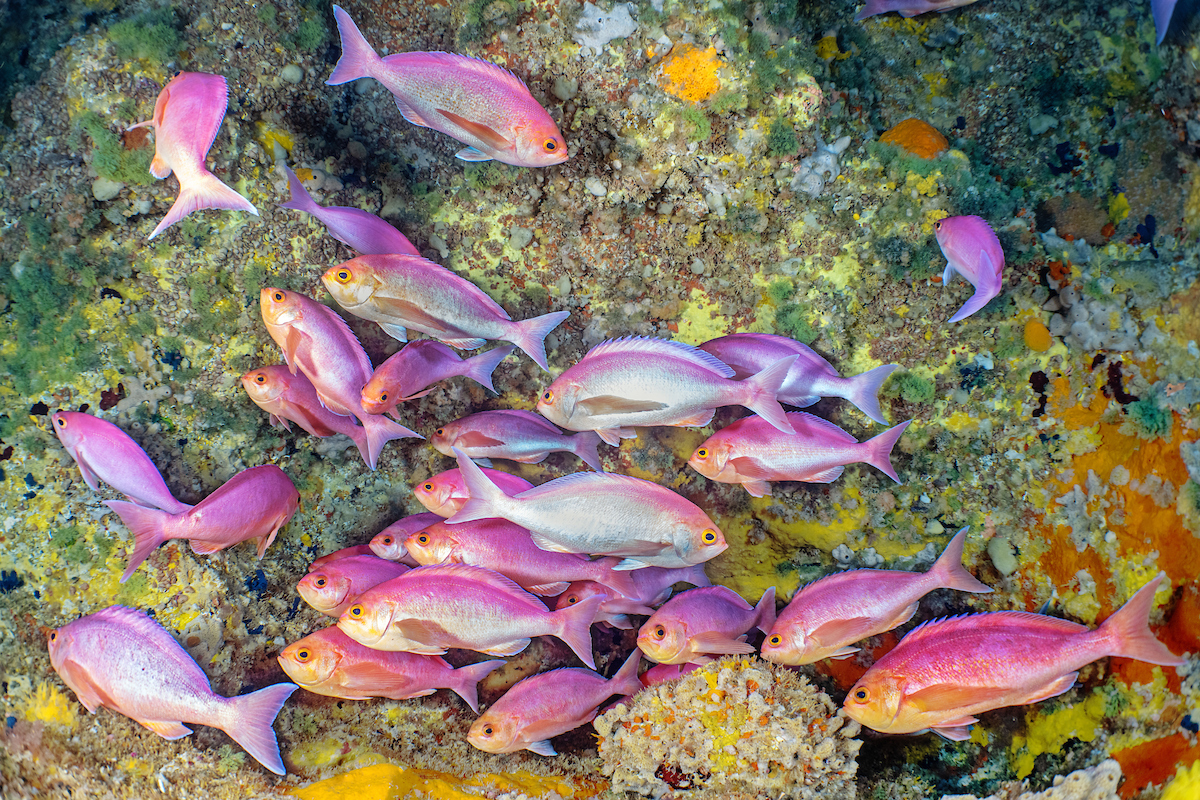
In our new episode of “A Sea of Hope,” we meet the abundant marine life at home below the surface of New Zealand’s protected waters.
Dive in: https://t.co/WY4PbiXsaQ
📸 by @cmittermeier
@paulnicklen@andymannphoto@yngocnexplorers
Beyond the sunlit shallows of Australia's #GreatSouthernReef lies deep water mesophotic habitats, or "sponge gardens". PhD candidate Jack Parker is investigating these reefs, mapping habitats, revealing their rich biodiversity & how they function as refuges in a changing world.