Jaspal Rana had the stillness of a shooter but carried himself with energy of a man constantly ready for a fight. He could be encouraging to young shooters, but blunt to the point of discomfort when confronting authority.
Truly, there was no one like him.
https://t.co/f7o8ajoHFP
To truly understand Jaspal Rana, you have to look past the medals and understand the space he occupied, the very culture he helped shape. Shaping culture is how you change a nation’s sport. Look at the impact of a Bill Russell, Johan Cruyff or a Kenny Dalglish.
I’ve never met the man. To me, he was always this mysterious, incredibly strong character, so deeply defined by his sport that you wished he could be loaned out to other disciplines. In today’s world, you almost wish we could create AI models of him, clones dropped into different sports systems to disrupt age-old, self-serving processes and to crush the comfortable myths about coaching we so dearly hold onto.
He was a remarkably handsome man whose sharp demeanour on and off the range defined not just himself, but the sport of shooting in India. He gave it an attitude.
In sport, you hear a lot of stories, but Milan in 1994 reads like a movie script. On the eve of the Junior World Championships, Rana was hospitalized with a painful boil on his knee that would have required surgery. Refusing to miss the event, he practically escaped the hospital with his coach. Overnight, the boil burst. By morning, the leg was badly swollen. He literally cut his jeans into shorts to compete. Refused painkillers fearing a doping violation. Sleep-deprived and in terrible pain, he just hoped to finish. Instead, he shot a 569, won World Championship gold, and set a Junior World Record. A legend was born.
We talk about legacy loosely these days, but Rana earned his. Transitioning to the coach’s chair, he brought that same intensity. He possessed a rare ability to not just spot talent, but to recreate it, winning gold. It wasn’t just training athletes; it was reshaping their destinies.
Indian sport has too many knee-benders, characters who blend into the background to keep their motors purring comfortably. A force like Rana stood out because he proved that champions only emerge when a system is thoroughly disrupted. In a world of diplomatic coaches, happy to pile on international miles without a coherent strategy, Rana was the catalyst. He shook the system, made people uncomfortable, but left it stronger and victorious. Time, however, always falls short for such men.
📸 Courtesy: Pankaj Sharma
#jaspalrana #shooting #rana
#indiansport
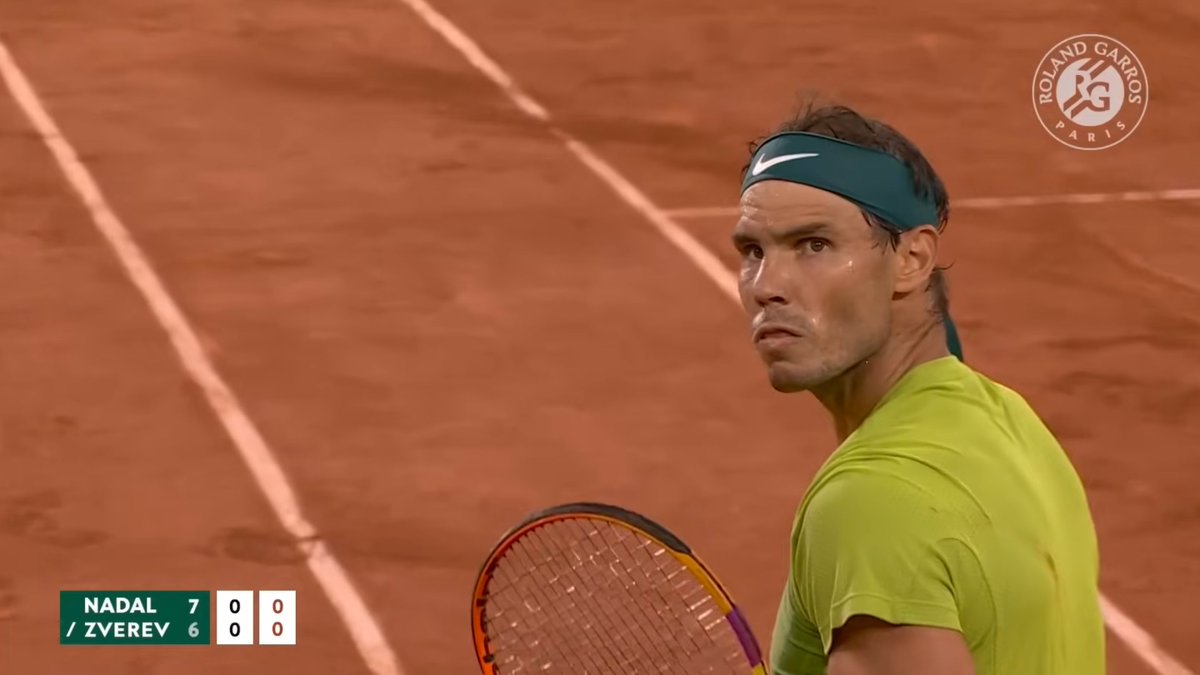
Assisti a Rafa, a série da Netflix sobre Rafael Nadal, esperando encontrar a fórmula tradicional dos documentários esportivos: imagens épicas, trilha emocionante e uma sucessão de elogios à genialidade de um atleta extraordinário. E isso até existe na série. Afinal, fala de um homem que conquistou 22 títulos de Grand Slam e transformou Roland Garros em seu quintal particular. Mas logo ficou claro que a proposta era outra.
Rafa não é uma história sobre vitórias. É sobre o preço das vitórias.
Ao acompanhar os últimos anos da carreira de Nadal, a série desloca o foco dos troféus para o desgaste físico e emocional provocado por décadas de busca pela excelência. Exames médicos, sessões de fisioterapia, dores crônicas e dúvidas sobre continuar ou parar ocupam mais espaço do que os momentos de glória.
E aí a série deixa de ser sobre tênis.
Todos admiramos o sucesso, mas raramente refletimos sobre seu custo.
A certa altura, Nadal é menos um campeão e mais um homem tentando negociar diariamente com o próprio corpo. A série mostra como uma condição rara no pé, diagnosticada ainda no início da carreira, desencadeou adaptações que permitiram que ele continuasse competindo, mas que também cobraram um preço crescente ao longo dos anos.
O contraste entre o jovem Nadal, explosivo e aparentemente indestrutível, e o veterano cauteloso, limitado pela dor, é o aspecto mais impactante da narrativa, porque torna sua trajetória mais humana.
Foi impossível assistir sem pensar em quantas pessoas vivem algo parecido fora das quadras. Empresários que sacrificam a saúde para construir empresas. Profissionais que chegam ao topo e descobrem que deixaram relacionamentos pelo caminho. Pessoas que dedicam décadas a um objetivo e, quando finalmente o alcançam, já não sabem quem são sem ele.
Rafa não oferece respostas definitivas. Talvez por isso funcione tão bem. Mais do que um documentário sobre um dos maiores tenistas da história, é uma reflexão sobre excelência, propósito e envelhecimento. Você termina os quatro episódios impressionado pelos títulos, mas muito mais impressionado pelo homem que precisou carregá-los.
What an incredible athlete.
"Victory...lasts as long as it lasts. It is momentary. What always motivated me was to keep fighting. Because I understand satisfaction comes from the difficulty"
Resharing on his 40th birthday - the bridge between academia and tennis, the secret behind my work😜
Happy birthday @RafaelNadal
https://t.co/nDynEjd75U