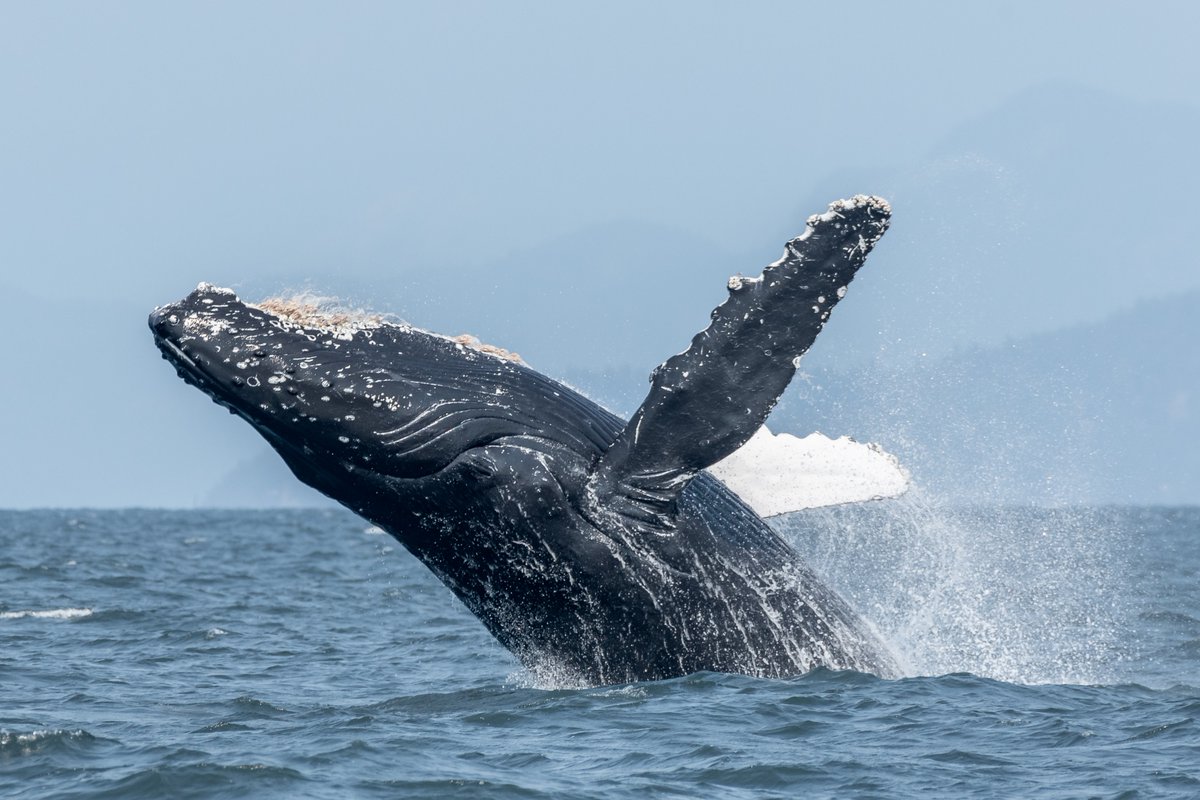
Pectoral slapping (also known as pec slapping) is a neat behaviour we sometimes observe with our humpbacks where they come up to the surface, roll onto their side, and slap the top of the water, causing a loud "thud" sound and a big splash! 🐋
(1/3)
It is believed to be a form of communication between these gentle giants.
This video shows Harpy (BCY0458 calf 2020, light pecs) and Neowise (BCY0160 calf 2020, dark pecs) slapping away.
(2/3)
Today is a very special day in the history of marine mammals. 51 years ago today, the Marine Mammal Protection Act was started.
The Marine Mammal Protection act was an important milestone in ocean conservation.
#vanislandwhalewatch
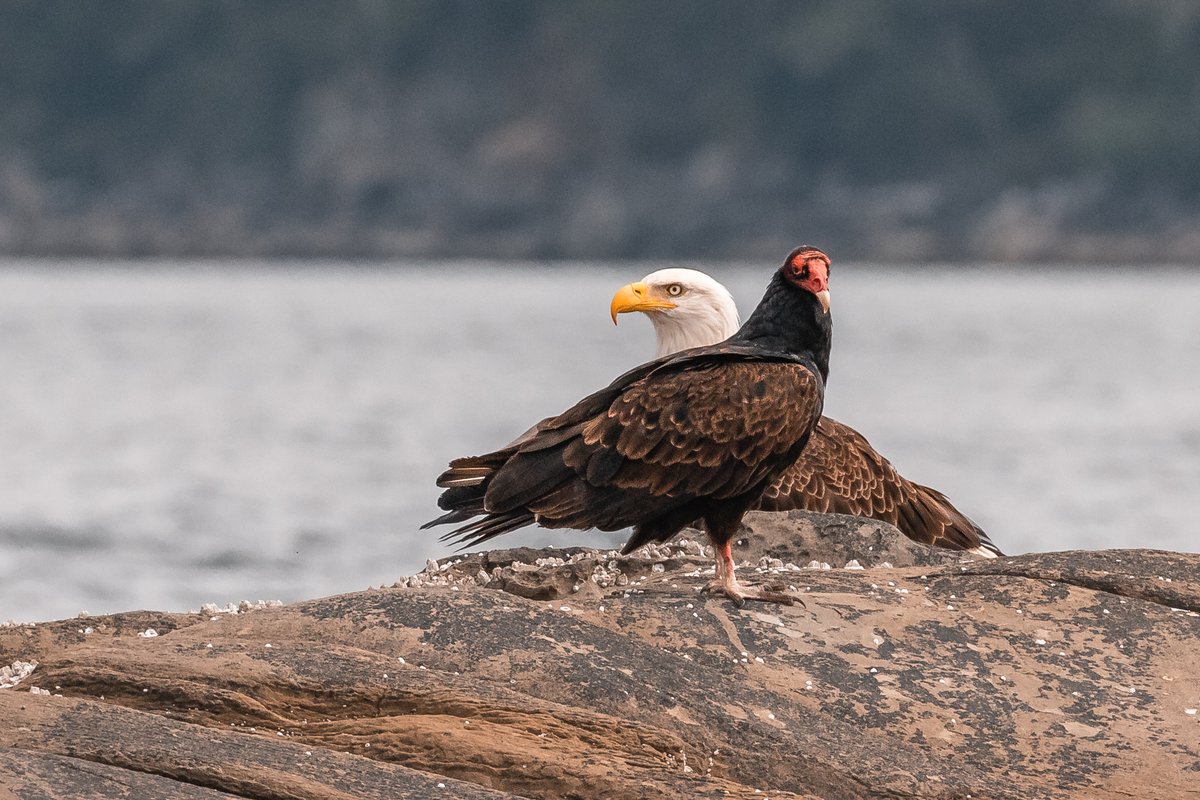
Although off-putting in appearance, Vultures are important to our ecosystem! Eating carrion helps prevent spreading disease 😷
That's why we are celebrating these amazing birds on #internationalvultureawarenessday!
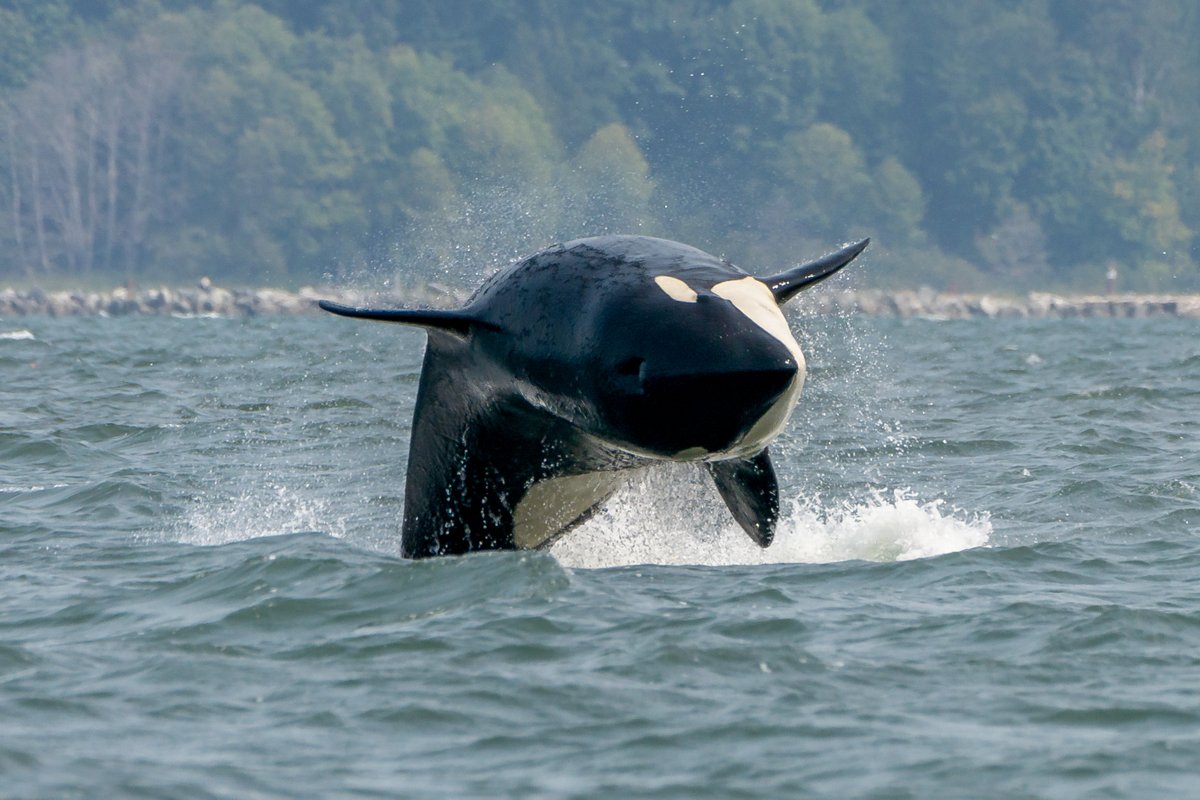
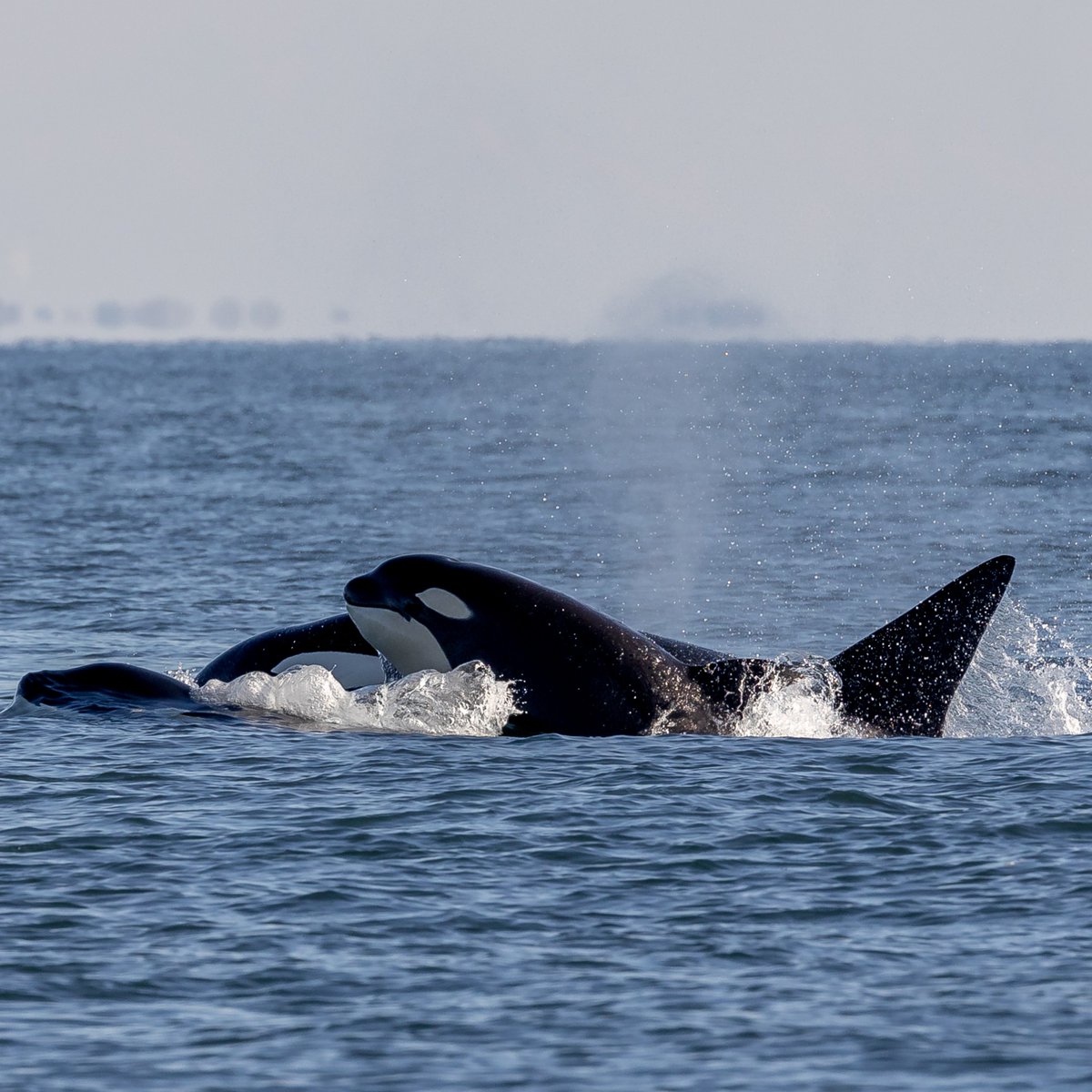
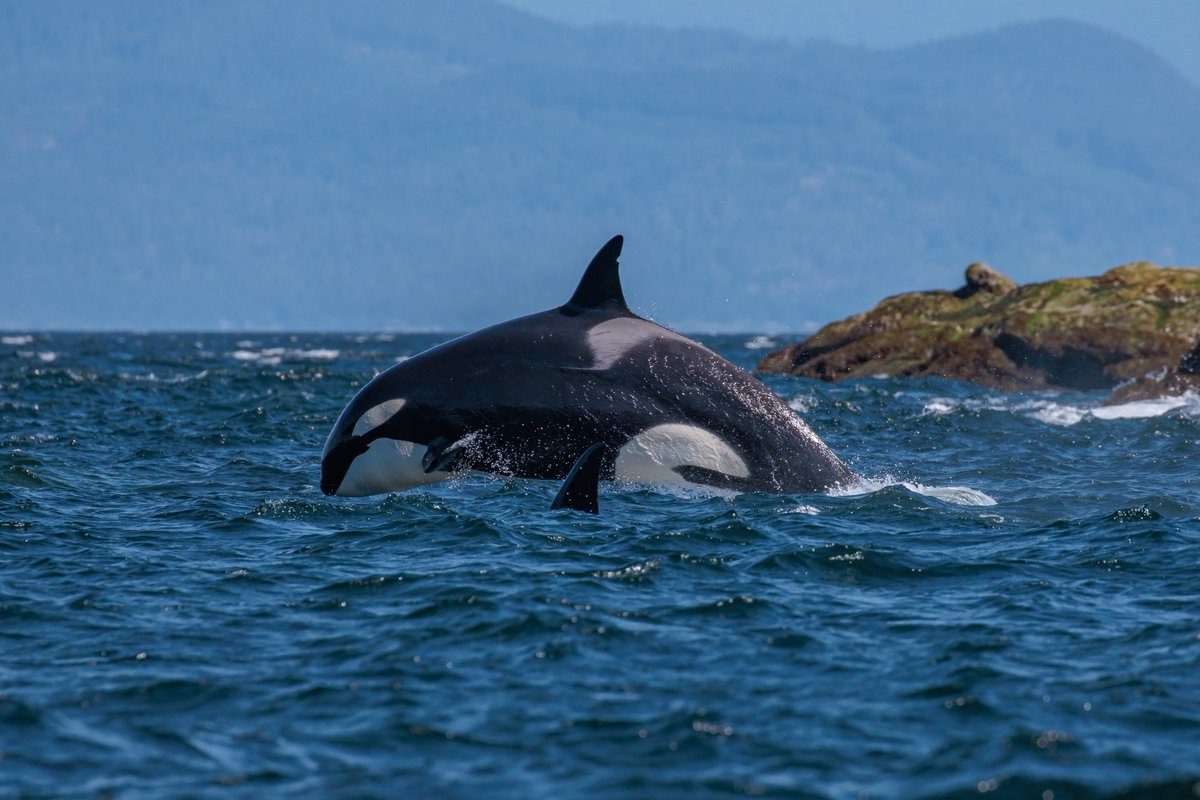
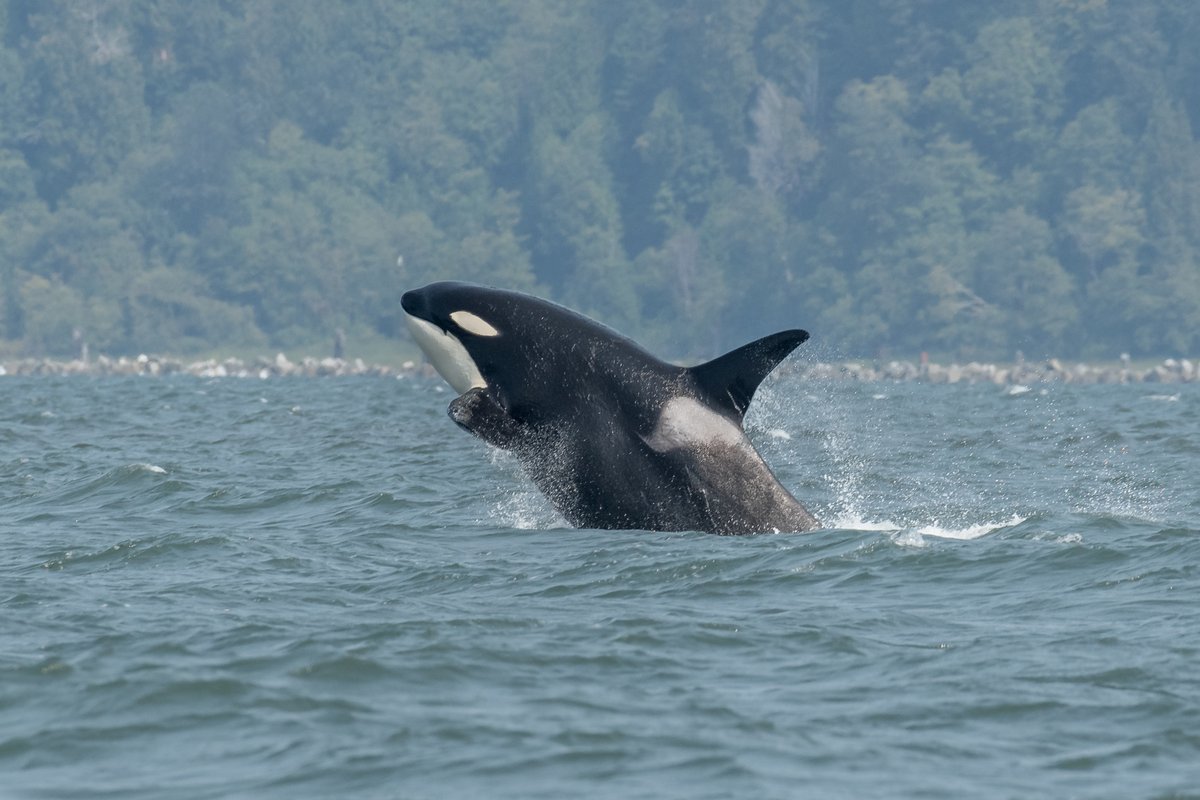
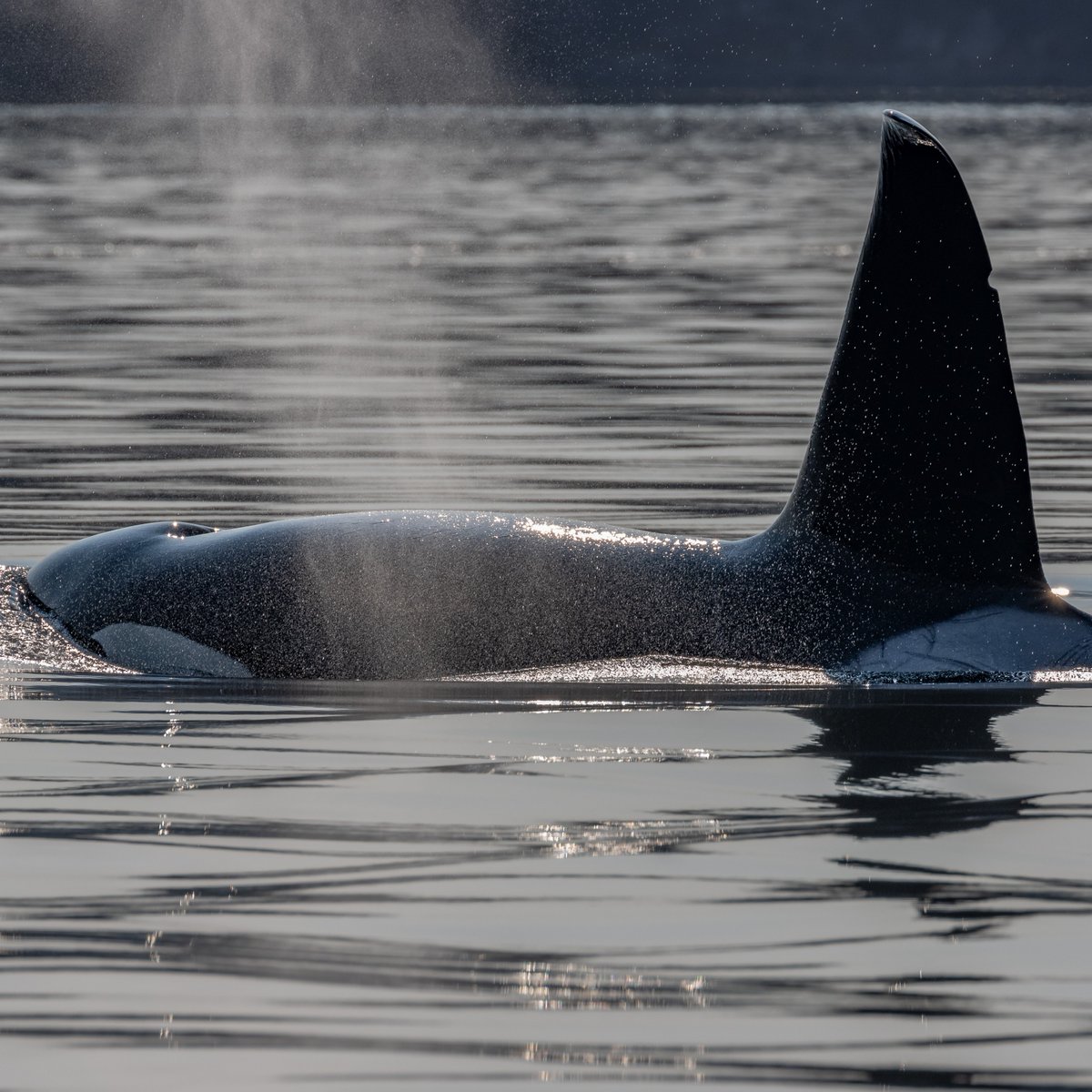
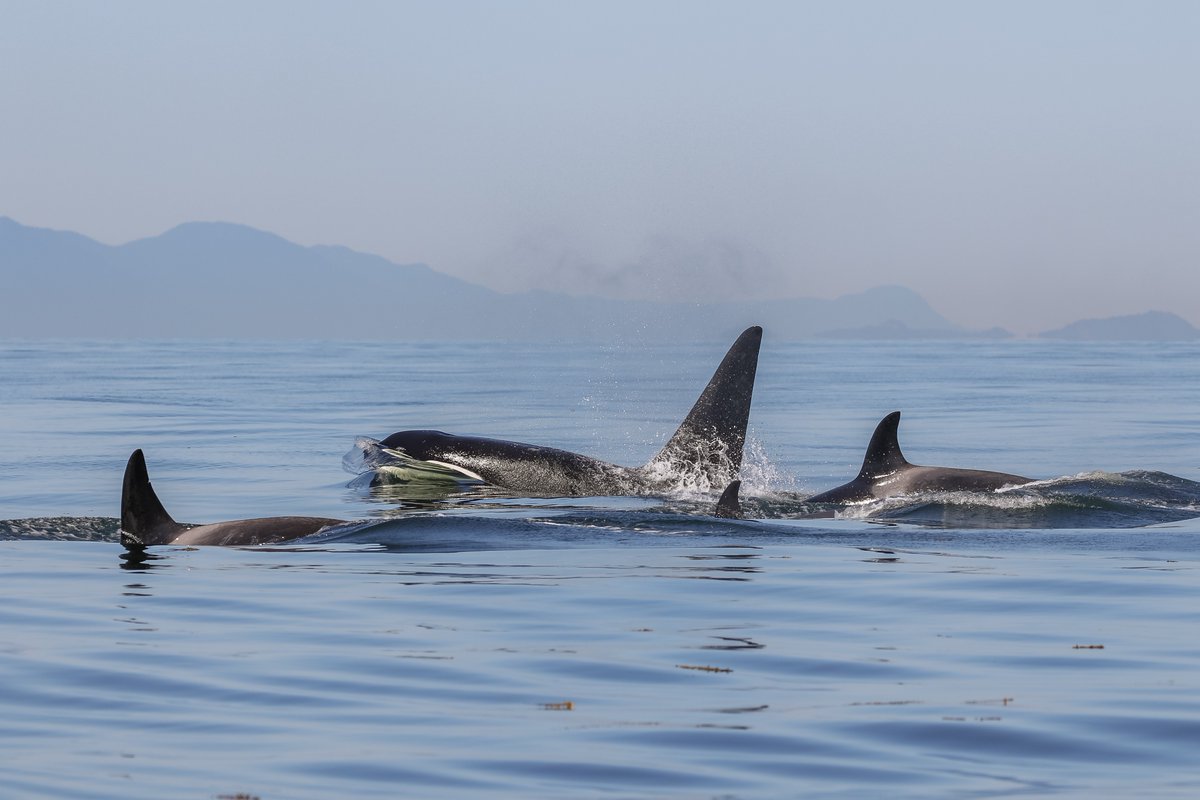
Orca are the second fastest marine mammal, clocking in between 50-60km/hour! 😱
Normally when we see orca they will be travelling at slower, more sustainable speeds of ~6-7km/hour. They will use bursts of speed when going after their faster prey, such as porpoises and dolphins!
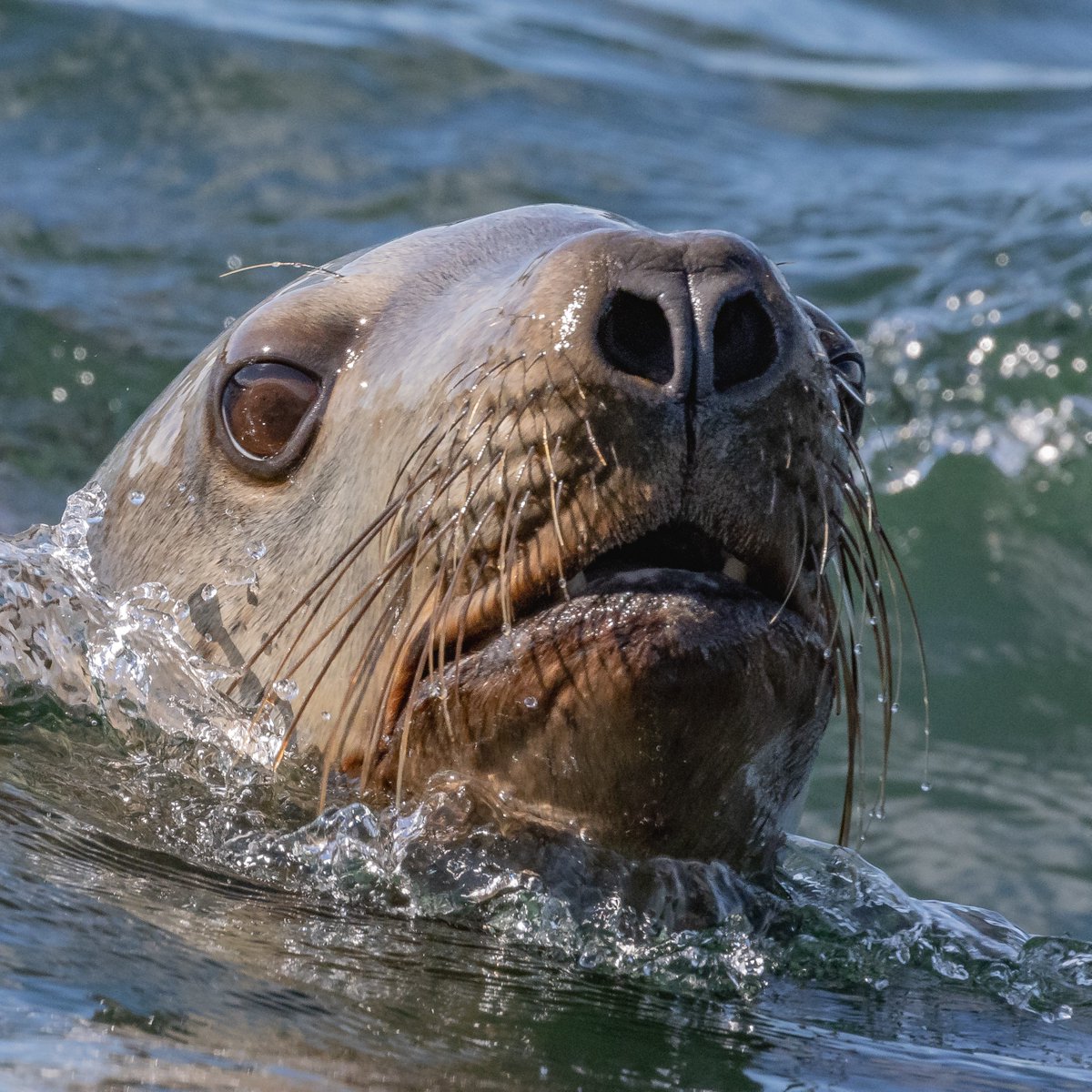
Whisker movement in mammals is called "Whisking"! Did you know that sea lion whiskers are as sensitive as human fingertips?
Instead of the usual round whiskers, Pinnipeds have oval ones, increasing their sensitivity while decreasing drag.
Isn't nature amazing? 😍
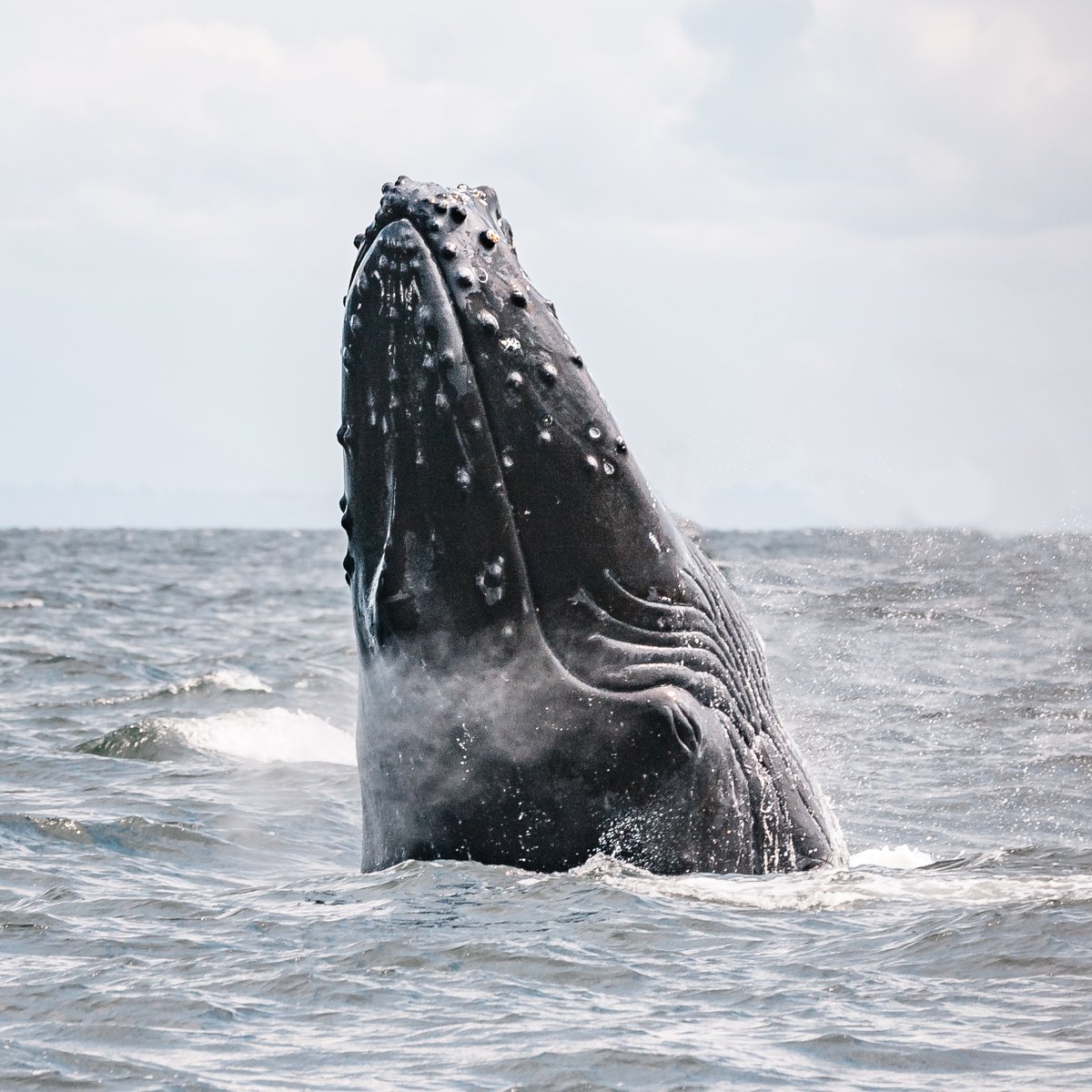
It is thought that the main purpose of spyhopping is to let the whale figure out what is going on above the surface of the water. Sometimes whales do small spyhops (such as in the photo of Two Spot below), but other times they will bring up a large portion of their head.