Just out in @TC_Africa:
A study of black working women in apartheid who “travelled to gain ground for the greater cause of freedom, while discovering new versions of themselves along the way.” https://t.co/XWPuUnfbto
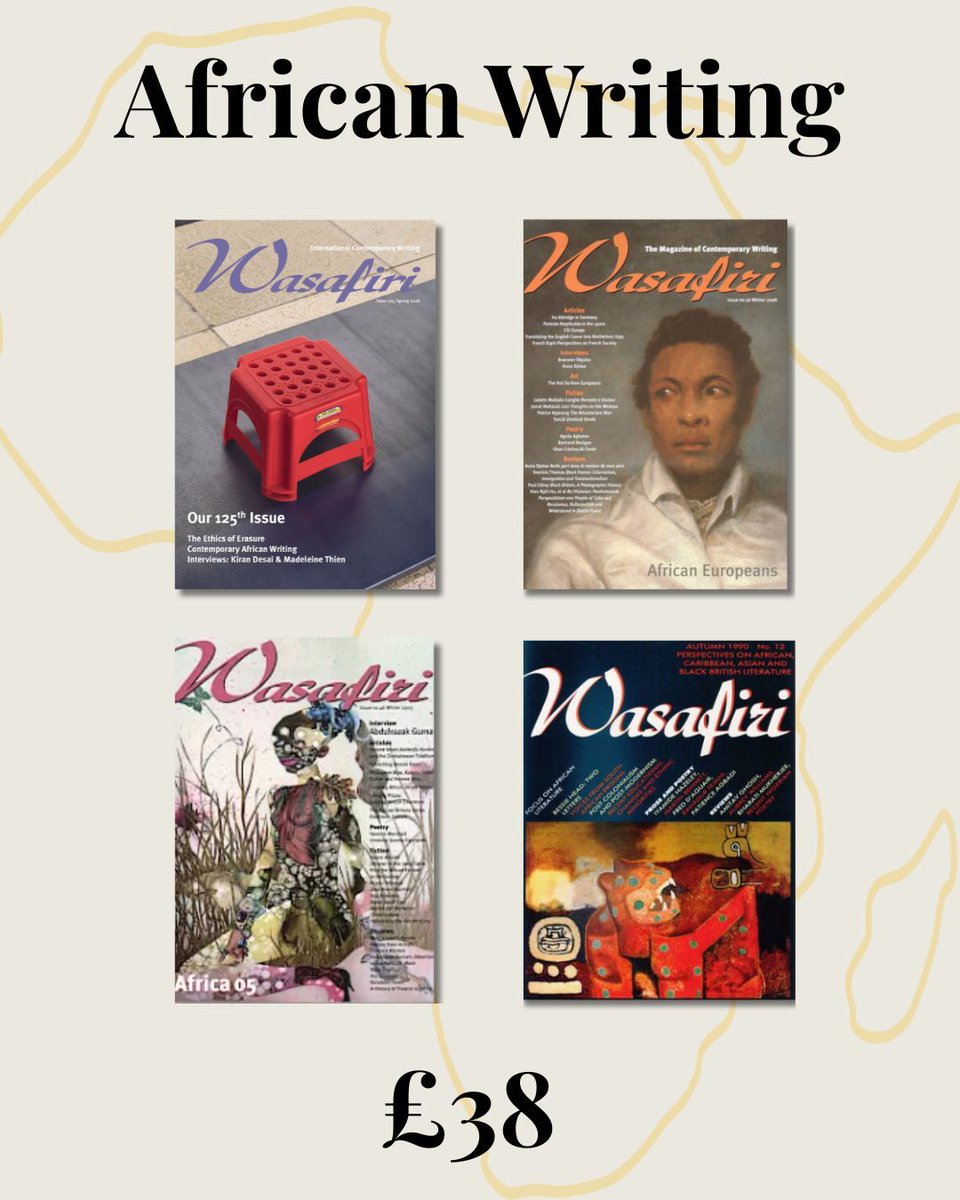
Deepen your knowledge of contemporary African literature from our magazine archives 🌍
Spanning 1990-2026, the bundle includes: interviews with Earl Lovelace & Nobel Prize-winner Abdulrazak Gurnah; fiction from Lília Momplé & Brian Chikwava; and more!
https://t.co/9NWnj5gJBR
Thanks to a generous grant, we are so pleased to be able to offer 150 fee waivers for submitting to the 2026 Queen Mary Wasafiri New Writing Prize!
If you're a low/no-income writer or translator hoping to enter this year’s prize ... 🧵
All month long we’re shining a spotlight on research and researchers from Africa. Today we are proud to share a special collection of multidisciplinary social science and humanities research on and about the African continent.
Browse the collection: https://t.co/v8t9frsV8F
More than 40 years after the end of commercial whaling, new research reveals a recent increase in sightings of the world’s two largest whale species in the southeastern Atlantic. @tandfenviro@tandfnewsroom@TandF_Africa Read more: https://t.co/gIfn2P0AcY
A must read: How are some songs classified as 'once loved' and others not? How have performance practices evolved in the Kenya Music Festival scene? Thro' an appraisal of Zilizopendwa, Tabitha Osoro asks these questions and more.
https://t.co/2XEE3kKRqB
Vincent Ogoti gives us a poignantly beautiful piece on 'why photographers and curators aestheticize violence and how this shapes photography’s capacity to function as a medium of public memory and peace' via a reading of two Kenyan photo series
https://t.co/FMBDW3ZYZR
@Samdenno
Hot off the press: read Wafula Yenjela's article on precarious citizenship in Kenya via a critical appraisal of Yusuf Dawood's novel One Life Too Many https://t.co/JQk9yC2rby
We’re thrilled to announce a series of four online writing and translation workshops led and curated by Wasafiri’s Translator in Residence (Endangered Languages), @jennivora.
Workshops will take place monthly from June-September.
https://t.co/aWENKyDQ6x
🎉 Hurray! Fortunate Traveller is TEN today! 🎉 Happy 10th Anniversary to us! A whole decade of shared adventures around the world. From our very first post to where we stand today, this milestone feels truly special.
Studies on South Africa’s liberation movement have largely been dominated by narratives around male leaders, armed struggle, and formal political institutions. Our latest issue challenges this focus and foregrounds women’s resistance to apartheid.
https://t.co/50nHHoojbS
@Udadisi Oh, wow, this has made my day doubly. So wonderful to know others out there are engaging with the work. 🙏🙏
A different period and different emphasis, bit wonder if this RAL article may be of interest too: https://t.co/1Rpto5o58z
@Udadisi Thank you, dear @Udadisi. Lovely to see it mentioned here. I had the wonderful opportunity to listen to the song at Wits Historical Papers way back in 2009, but not heard it since. 🙏🔥 So this has made my day!
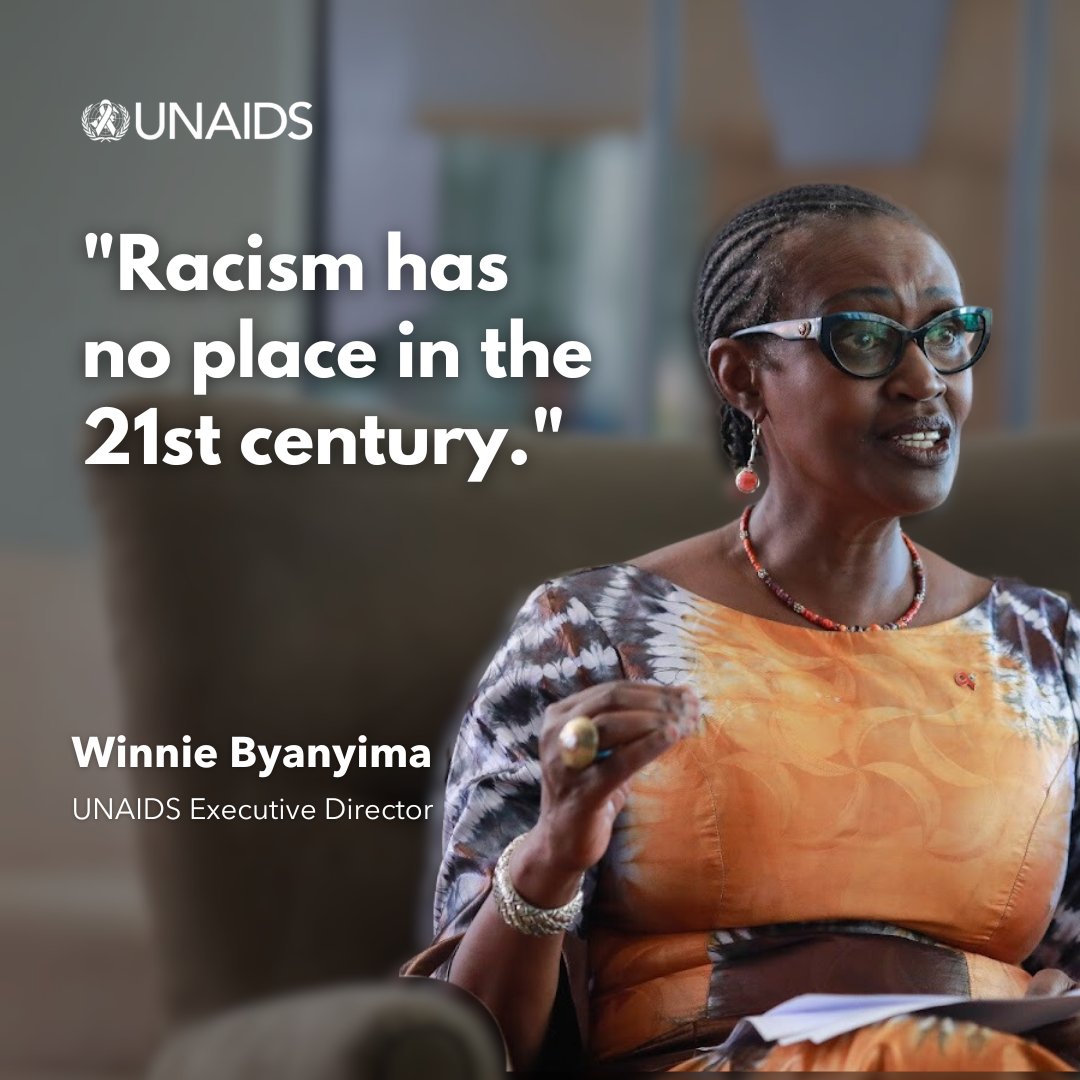
Today, on the International Day for the Elimination of Racial Discrimination, we honour the courage of all who continue to confront injustice — and we reaffirm a simple truth: dignity and rights have no colour.
Racism is a global scourge. Ending it demands action from each and every one of us.
#FightRacism #StandUp4HumanRights
Lesotho at 60: A Historical Retrospective
On 4 October 2026 Lesotho will celebrate its 60th anniversary of independence. As an enclave country many of the problems of post-independence Africa are magnified in Lesotho, as the country has long struggled to assert its sovereignty and support its own citizens, both at home and abroad for migrant labour. Still, the significant changes in the country since the return of democracy in 1993 and the end of apartheid in surrounding South Africa in 1994 deserve examination.
The post-apartheid period has seen, paradoxically, both better access to historical sources in Lesotho and fewer historical publications. Greater access to historical sources has been – in part – due to a revitalised National Archives in Maseru, the opening of new archives such as the Royal Archives in Matsieng, and a renewed focus on history in the country due to the political salience of issues like the border with South Africa.
However, South African history has long dominated Southern African history and historiography. With the coming of democracy to South Africa in 1994, this historiographical dominance has been heightened as scholars rushed to document and re-interpret the years when scholarly work on the country was difficult due to apartheid restrictions. Changes in peripheral states like Lesotho, a place many scholars gravitated to in their work when they were denied access to apartheid South Africa, were often left unnoticed except by those still working in country. This historical and historiographical erasure has meant that scholarship on Southern Africa often implicitly takes South Africa as the norm in the region.
This special issue, therefore, calls for a dramatic re-centering of regional scholarship on Southern Africa. Even continuing to call Lesotho (and other countries) ‘peripheral’ to region implies that South Africa is the centre around which everything else revolves. This is not the case. While the Republic of South Africa plays particular regional roles, this issue will serve as a corrective, using the lens of sixty years of independence for Lesotho to explore and shift toward more regional perspectives on political, economic, and social histories to better reflect the lived realities for many—where border crossing is the norm and national citizenship reflects the passport people hold, but not necessarily the allegiances they feel.
Much of the best scholarship on Lesotho—scholarship that has complicated and reframed Southern African historiography—has only been published locally, which has contributed to the lacuna in the regional historiography around such ‘peripheral’ states. Individual authors have broken through to write important works, but this special issue of the South African Historical Journal will foreground voices and authors who will bring work on Lesotho and its situated contexts to a wider audience.
The existing historiography on Lesotho is strong in migration and migrant labour, the history of development, and nineteenth century chieftaincy/land disputes. These all remain important themes, but with the ending of apartheid the migrant labour system has been radically reshaped, and the development industry has gone through multiple iterations in response to both regional changes and global upheavals in the aid/development regime.
More historical scholarship is needed, both on the changes in these processes in the years since 1993/1994, but also in the apartheid era, given the new access to archival sources in Lesotho. Further, by virtue of being an enclave country, the role of Lesotho citizens in increasingly vitriolic regional debates around borders, citizenship, belonging, and the role of passports/identity documents in the post-apartheid period deserve a more fulsome examination.
The special issue will ask authors to engage with prior literatures, but also to tell new stories, including new stories about old phenomena. The shift from Lesotho being primarily an exporter of migrant labourers to being an exporter of water is one that may foreshadow future regional changes, as low-skill manufacturing and mining jobs continue to disappear in many Southern African countries. Further the rise and decline of Lesotho’s textile industry in the 21st century may be a cautionary tale about how embracing globalisation may bring some short-term wins, but at great cost to the workers, the environment, and the political system.
Some of the themes authors may explore in this special issue include:
· What new histories of Basotho and Lesotho need to be written?
· What new insights into older Basotho history have been discovered with the new wealth of documents available from the Royal Archives in Matsieng and/or new collections of documents from the 19th and early 20th century?
· How has literature produced in Lesotho engaged with historical storytelling, oral traditions, and the reinterpretation of Lesotho’s past?
· What regional lessons are there to learn about political changes that have taken Lesotho from democracy through one-party dictatorship, military rule, back to democratic rule and then to some of the first coalition governments in Southern Africa?
· How have struggles over constitutional reform evolved over time? Especially regarding relations between the monarchy and government.
· How have Basotho responded to changing economic developments in South Africa that have altered labour migration routes, so prevalent in the 20th century?
· How have patterns of labor migrations between Lesotho and South Africa shaped musical traditions, performance practices, and the development of shared artistic expressions as tools for contesting power during the 20th and 21st centuries?
· How does the textile industry in Lesotho illuminate globalisation and its discontents in the late 20th and early 21st centuries?
· What re-examinations of older histories and historiographies will alter the ways we understand Basotho society and the role that Lesotho plays in Southern Africa and the wider world?
· How have smaller states in southern Africa managed to push forward their own diplomatic agendas and/or the concerns of their citizens in the region and internationally?
· What has been the relationship between NGOs, Basotho citizens, and the Lesotho government?
· How have large development projects like the Lesotho Highlands Water Project influenced the ways that Basotho see the world and their own government?
· How have environmental histories of Lesotho reshaped how we understand processes of social and economic change?
· How do borderland communities between Lesotho and South Africa navigate identity, belonging, and adapt in response to labour systems and state policies?
· How have artists in Lesotho engaged with questions of memory, heritage and historical narrative in their creative work since the 19th century?
· How have historical narratives and oral traditions documented migrations, the founding of settlements and the formation of communities in Lesotho since the 19th century.
· Other topics of interest to scholars and the public.
Tentative Timeline:
30 June 2026: Abstracts due to the editors (contact information below)
August/September 2026: Authors informed of acceptance
30 November 2026: Full paper submissions due for peer review
For submissions, more information, or questions, please reach out to Dr. John Aerni-Flessner, [email protected], Dr. Nthabiseng Mokoena-Mokhali, [email protected], or Kevin Qhubu, [email protected].
SAHS Postgraduate Bursaries
The Southern African Historical Society and 2026 Local Organising Committee are pleased to announce sponsorship opportunities for our upcoming conference in Harare, Zimbabwe, 24-26 June 2026...
Emergency numbers for #SouthAfrican🇿🇦 nationals in the middle east. Those that have registered with our embassies have been contacted directly (for the record...even prior to the attacks. We did advise those on our databases to get out). Share these numbers & help us reach everyone. 🙏🇿🇦
1. QATAR
EMERGENCY NUMBER
00-974-5583-2762
WEBSITE: https://t.co/GE0GfJEF9K
2. IRAN
EMERGENCY NUMBER
00-98-912-230-8968
WEBSITE: https://t.co/vHfIwmbG3w
3. UAE (Dubai)
EMERGENCY NUMBER
00 971 50 558 1235
WEBSITE: https://t.co/L7DW4fSraR
4. Abu Dhabi
EMERGENCY NUMBER
00 971 50 622 42 91
00 971 50 445 94 99
WEBSITE: https://t.co/gFjC5bhR9d
4. KUWAIT
EMERGENCY NUMBER
00 965 9720 0172
00 965 9979 4483
00 965 9916 7899
WEBSITE: https://t.co/1bGVEq4Fie
5. SAUDI ARABIA
Riyadh (+ Yemen, Bahrain, Oman)
EMERGENCY NUMBER
00 966 55 812 2215
WEBSITE: https://t.co/ZrfzbZSUlE
6. Jeddah
EMERGENCY NUMBER
00 966 56 244 5376
WEBSITE: https://t.co/tEVSxL61SA
7. JORDAN
EMERGENCY NUMBER
00-962-79-552-0245
WEBSITE: https://t.co/pWfx1Rqmwq
8. SYRIA (+ Iraq)
EMERGENCY NUMBER
00-963-966-44-4405
WEBSITE: https://t.co/SEqK8xnohb
9. PALESTINE (+Israel)
EMERGENCY NUMBER
00-972 053-2553-113
WEBSITE: https://t.co/h8zSVVARmM
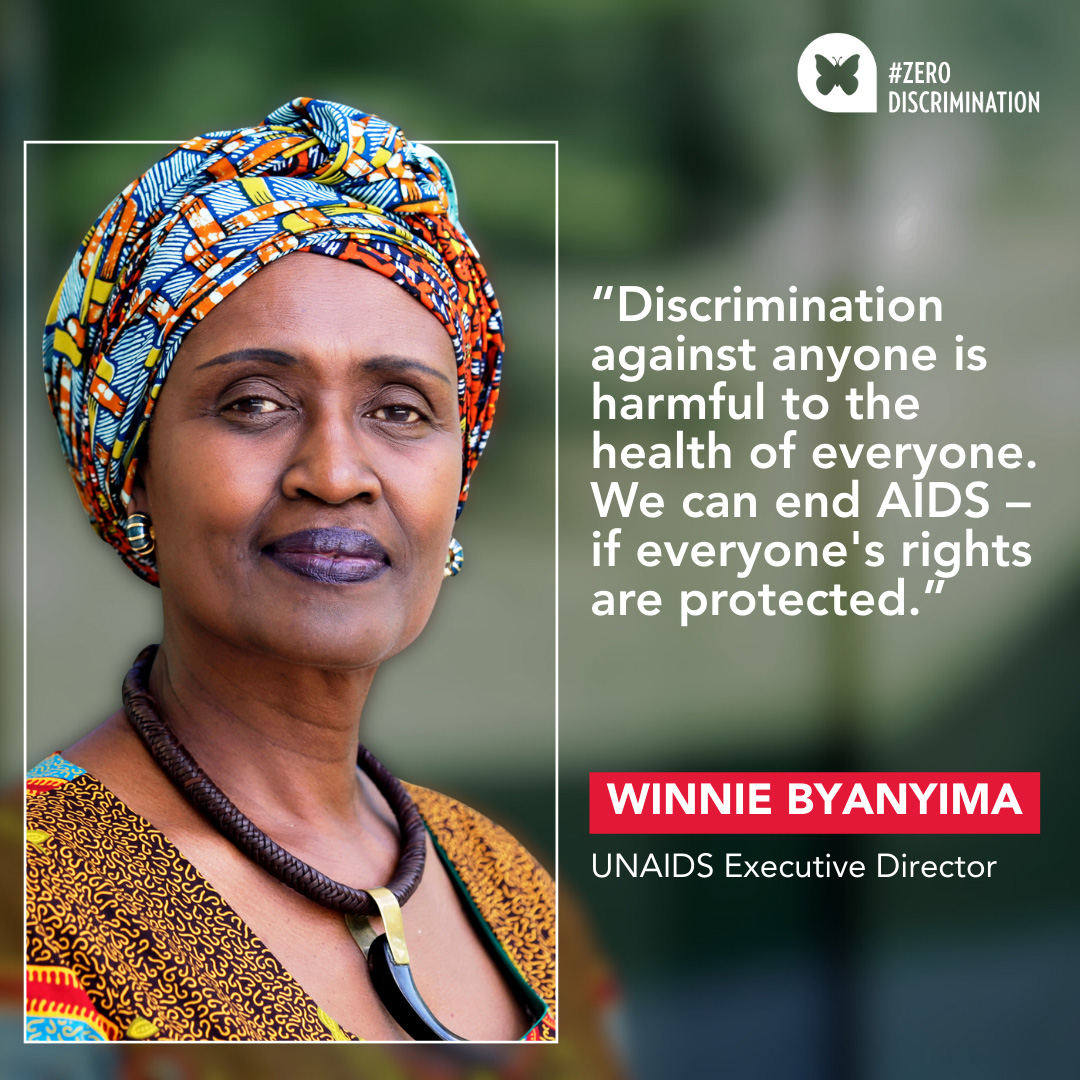
Discrimination against ANYONE is harmful to the health of EVERYONE. We can #endAIDS—if everyone's rights are protected.
On #ZeroDiscriminationDay, we redouble the fight against stigma & discrimination, to build a society that guarantees equality for everyone.
🔗 https://t.co/733Zv3Ihav
Aid agencies say they’re at breaking point. Life-saving programmes are shutting down whilst more families are being displaced. The risk of cholera and famine is rising with renewed calls for the international community to step in and push for real peace in South Sudan.
I trace my lineage in South Africa back to 1688 with the arrival of the French Huguenots. I'm a white Afrikaner. I'm not attacked/persecuted because I'm an Afrikaner - I was last persecuted by the white government because of my political views. I feel very much at home here