भारत को वैश्विक पटल पर नई पहचान दिलाने वाले,देश के यश्श्वी प्रधानमंत्री एवं दुनियां के सबसे प्रभावशाली नेता परम आदरणीय श्री @narendramodi जी से मिलने का सौभाग्य प्राप्त हुआ।
आदरणीय नरेंद्र मोदी जी जैसे महामानव से मिलकर एक नई ऊर्जा की अनुभूति प्राप्त हुई।
#NarendraModi#BJP
जितना विरोध बढ़ा, प्रधानमंत्री श्री नरेंद्र मोदी जी उतने ही मजबूत होते गए। @narendramodi
इतिहास में समय को BC और AD में बांटा गया।
संभव है कि आने वाले वर्षों में स्वतंत्र भारत के राजनीतिक इतिहास को भी दो हिस्सों में याद किया जाए -
Before Modi
और
After Modi
झारखंड को रोजगार चाहिए, निवेश चाहिए, विकास चाहिए।
लेकिन इस @HemantSorenJMM सरकार में राज्य की पहचान बार-बार भ्रष्टाचार, जांच और कानूनी विवादों से जुड़ रही है
धरती आबा भगवान बिरसा मुंडा जी के बलिदान दिवस पर उन्हें कोटि-कोटि नमन। उन्होंने जल, जंगल और जमीन की रक्षा के लिए विदेशी हुकूमत के विरुद्ध अदम्य साहस के साथ संघर्ष किया। उनका पूरा जीवन जनजातीय समाज के स्वाभिमान, संस्कृति और अधिकारों की रक्षा को समर्पित रहा। मातृभूमि के लिए सर्वस्व त्याग करने की उनकी गाथा देश की हर पीढ़ी में राष्ट्रभक्ति का संचार करती रहेगी।
सत्ता में रहते हुए नैतिकता की बड़ी-बड़ी बातें करने वाले अब अदालतों में राहत तलाश रहे हैं।
अदालत ने राहत देने से इनकार कर दिया और माना कि मुकदमा चलाने के पर्याप्त आधार हैं।
अब सवाल यह है कि अगला पड़ाव क्या होगा - और कितनी बार जनता को बताया जाएगा कि सब कुछ राजनीतिक साजिश है?
अब कानूनी लड़ाई लंबी है और राजनीतिक जवाबदेही उससे भी लंबी @HemantSorenJMM जी
#Jharkhand #HemantSoren #Corruption
झारखंड के मुख्यमंत्री हेमंत सोरेन को कथित जमीन घोटाले से जुड़े मनी लॉन्ड्रिंग मामले में ईडी की विशेष अदालत से बड़ा झटका लगा है. अदालत ने उन्हें दोषमुक्त करने की मांग वाली याचिका खारिज करते हुए माना कि मुकदमा चलाने के लिए पर्याप्त आधार मौजूद हैं. अब सोरेन के सामने राहत के लिए उच्च अदालतों का दरवाजा खटखटाने का ऑप्शन बचा है.
पूरी खबर : https://t.co/TtdSGbiwBb
#HemantSoren #Jharkhand #EDCase #MoneyLaunderingCase #LandScamCase | @satyajeetAT
जनजातीय अस्मिता, स्वाभिमान और स्वतंत्रता के अमर प्रतीक भगवान बिरसा मुंडा जी की पुण्यतिथि पर उन्हें विनम्र श्रद्धांजलि।
अंग्रेज़ी शासन के विरुद्ध उनका अदम्य साहस, आदिवासी समाज के अधिकारों की रक्षा के लिए उनका संघर्ष और जनजागरण का अभियान भारत के स्वतंत्रता संग्राम में एक महत्वपूर्ण अध्याय रहा है। उन्होंने समाज को अन्याय के विरुद्ध खड़े होने और अपने अधिकारों के लिए संघर्ष करने की प्रेरणा दी।
उनका जीवन हमें अपनी जड़ों, संस्कृति और अधिकारों की रक्षा करते हुए राष्ट्र निर्माण में सक्रिय योगदान देने का संदेश देता है।
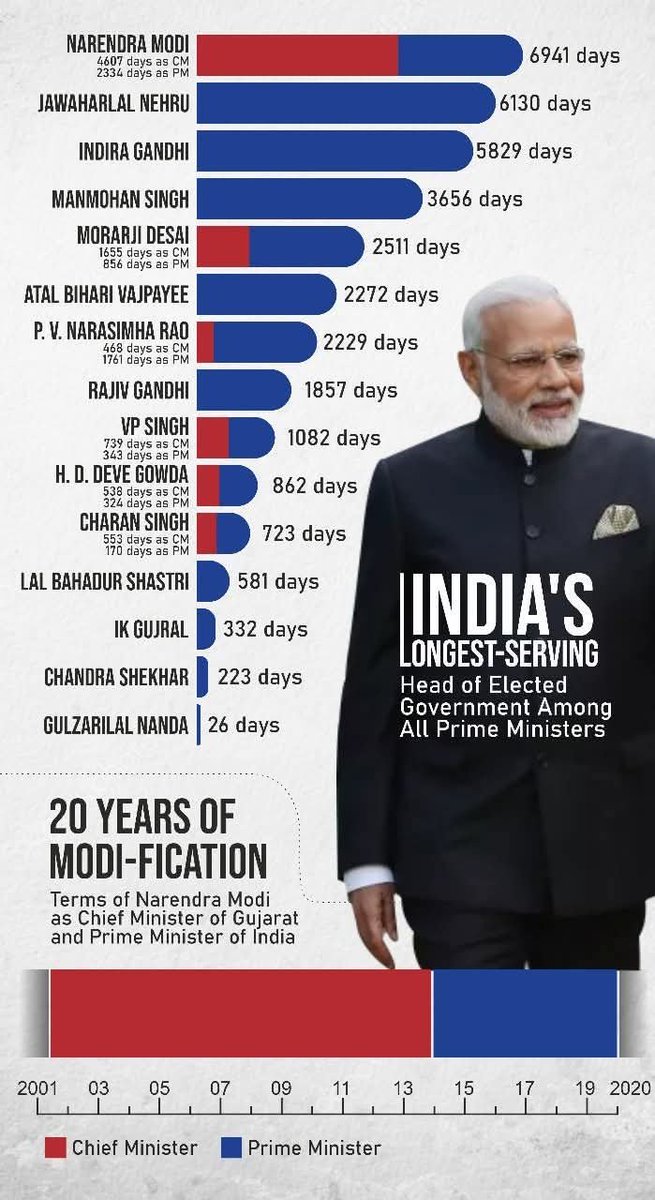
12 वर्ष पूर्व माननीय प्रधानमंत्री श्री @narendramodi जी ने भारत के प्रधानमंत्री के रूप में शपथ लेकर सेवा, सुशासन और जनकल्याण को केंद्र में रखकर एक नए युग का सूत्रपात किया था। आदरणीय प्रधानमंत्री जी देश के सबसे लंबे समय तक सेवा देने वाले लोकतांत्रिक रूप से निर्वाचित प्रधानमंत्री बनने जा रहे हैं।
इस अवधि में गरीब कल्याण, अन्नदाता समृद्धि, नारी शक्ति के सशक्तीकरण, युवाओं के लिए अवसर, स्वास्थ्य सुविधाओं के विकास, डिजिटल परिवर्तन तथा आधारभूत संरचना के अभूतपूर्व विस्तार को नई गति मिली है। अनुच्छेद 370 का ऐतिहासिक निरसन, श्रीराम जन्मभूमि मंदिर का निर्माण तथा सनातन सांस्कृतिक विरासत के पुनर्स्थापन ने राष्ट्र की अस्मिता, आत्मगौरव और सांस्कृतिक चेतना को नई ऊर्जा प्रदान की है।
इस परिवर्तनकारी यात्रा के केंद्र में प्रधानमंत्री मोदी जी का ‘प्रधानसेवक’ भाव और सेवा के प्रति उनकी अटूट प्रतिबद्धता रही है। इसी प्रेरणा के साथ हम सभी ‘विकसित भारत 2047’ के सामूहिक स्वप्न को साकार करने हेतु अपने सामूहिक प्रयासों के साथ पूर्ण रूप से संकल्पित हैं।
#12YearsOfSeva
संकल्प से सिद्धि तक का सफर... 🇮🇳
पिछले 12 वर्षों में भारत ने विकास, सुशासन और आत्मनिर्भरता की नई ऊंचाइयों को छुआ है।
प्रधानमंत्री आदरणीय श्री @narendramodi जी के दूरदर्शी नेतृत्व में देश ने हर क्षेत्र में अभूतपूर्व प्रगति की है और अब #ViksitBharat2047 के लक्ष्य की दिशा में दृढ़ संकल्प के साथ आगे बढ़ रहा है।
12 वर्ष सेवा के, 12 वर्ष सुशासन के, 12 वर्ष विकसित भारत के संकल्प के।
@narendramodi@NitinNabin@AdityaPdSahu@SethSanjayMP@BJP4India@BJP4Jharkhand
#12YearsOfSeva #ViksitBharat2047 #ModiHaiToMumkinHai #NewIndia #SevaSushasanGaribKalyan 🇮🇳
धरती आबा भगवान बिरसा मुंडा जी का जीवन संघर्ष, स्वाभिमान और जनसेवा की अमर गाथा है। उनके बलिदान दिवस पर उन्हें कोटि-कोटि नमन। उनका प्रेरक जीवन सदैव हमें राष्ट्र और समाज के लिए समर्पित रहने की प्रेरणा देता रहेगा।
#BirsaMunda#BalidanDiwas
किसी भी राज्य की राजधानी, उस राज्य का आईना होती है। राजधानी की स्थिति को देखकर राज्य की विधि व्यवस्था और विकास का आकलन किया जाता है परंतु जब हम अपनी राजधानी की स्थिति देखते हैं तो मन असहज हो जाता है। मेरे आवास पर प्रतिदिन लगने वाले जनता दरबार में घरों से चोरी और छिनतई की शिकायत लेकर भी बड़ी संख्या में नागरिक आते हैं। ऐसी घटनाओं पर लगाम लगे, अपराधियों पर कार्रवाई हो; इसके लिए कोई ठोस कार्रवाई और दृढ़ इच्छाशक्ति ही देखने को नहीं मिलती है। कभी कभी तो लगता है कि शासन-प्रशासन ने राजधानी को अपराधियों के हवाले कर दिया है!! अब तो ऐसा लगने लगा है कि झारखंड में तात्कालीन बिहार वाले जंगलराज की वापसी हो चुकी है। आखिर कब तक चलेगा ऐसा..? #Jharkhand #Ranchi #Crime #Capital
आज नई दिल्ली में केंद्रीय कानून एवं न्याय मंत्री आदरणीय अर्जुन राम मेघवाल जी से शिष्टाचार मुलाकात किया। रांची में संपन्न हुए सांसद सांस्कृतिक महोत्सव सह स्वदेशी मेला 2025 की कॉफी टेबल बुक उन्हें अवलोकन हेतु भेंट किया।
@arjunrammeghwal
India's biggest development challenge was never a lack of ambition. It was the politics of delay, disruption, and opposition.
▶️ The 𝐒𝐭𝐞𝐫𝐥𝐢𝐭𝐞 𝐂𝐨𝐩𝐩𝐞𝐫 𝐏𝐥𝐚𝐧𝐭, which once produced nearly 40% of India's refined copper, was shut down after sustained protests, turning India from a net exporter into a net importer of copper.
▶️ The 𝐒𝐚𝐫𝐝𝐚𝐫 𝐒𝐚𝐫𝐨𝐯𝐚𝐫 𝐃𝐚𝐦 faced decades of resistance before finally delivering water security, irrigation, electricity, and economic transformation across large parts of western India.
▶️ Today, the 𝐆𝐫𝐞𝐚𝐭 𝐍𝐢𝐜𝐨𝐛𝐚𝐫 𝐏𝐫𝐨𝐣𝐞𝐜𝐭 faces similar opposition, despite its potential to strengthen trade, connectivity, and India's strategic presence near the Malacca Strait.
Watch how the stories of Sterlite, Narmada, and Great Nicobar reveal a recurring pattern: when critical infrastructure projects are stalled, the cost is borne by India's growth, self-reliance, and strategic interests. The real question is whether transformational projects will move forward — or remain trapped in a cycle of politics and obstruction. 👉
भारतीय महिला फुटबॉल टीम को SAFF महिला चैंपियनशिप 2026 का खिताब जीतने पर हार्दिक बधाई एवं शुभकामनाएं।
यह ऐतिहासिक विजय भारतीय महिला शक्ति, अनुशासन, समर्पण और अदम्य जज्बे का प्रतीक है। हमारे खिलाड़ियों ने पूरे टूर्नामेंट में शानदार प्रदर्शन कर देश को गौरवान्वित किया है।
हम सभी को विश्वास है कि भारतीय महिला फुटबॉल टीम भविष्य में भी इसी प्रकार नए कीर्तिमान स्थापित कर विश्व मंच पर तिरंगे का मान बढ़ाती रहेगी।
जय हिन्द! 🇮🇳⚽
ऑडिट रिपोर्ट के अनुसार, जल जीवन मिशन के तहत आवंटित राशि का लगभग 90 प्रतिशत हिस्सा प्राप्त होने के बावजूद झारखंड अपने निर्धारित लक्ष्य का केवल 55 प्रतिशत ही पूरा कर सका है। रिपोर्ट में गंभीर वित्तीय अनियमितताओं का भी उल्लेख है, जिसमें कैशियर संतोष कुमार द्वारा कागजों पर ही करोड़ों रुपये की निकासी किए जाने का मामला सामने आया है। मामले की गंभीरता को देखते हुए उच्च न्यायालय ने इसकी जांच सीबीआई को सौंप दी है।
ये घटनाएं कोई अपवाद नहीं हैं, बल्कि राज्य में मोदी सरकार की “हर घर जल” योजना में व्याप्त व्यापक भ्रष्टाचार और कुप्रबंधन की मिसाल हैं।
"झारखंड को हमने बनाया है, हम ही संवारेंगे" - भाजपा के राष्ट्रीय अध्यक्ष आदरणीय श्री @NitinNabin जी का यह कथन केवल एक राजनीतिक नारा नहीं, बल्कि झारखंड के विकास, स्वाभिमान और समृद्धि के प्रति भाजपा की प्रतिबद्धता का उद्घोष है।
झारखंड राज्य के गठन से लेकर इसके सर्वांगीण विकास तक भाजपा का योगदान ऐतिहासिक रहा है। प्रधानमंत्री श्री @narendramodi जी के नेतृत्व में आज गरीब, किसान, युवा, महिला और आदिवासी समाज को विकास की मुख्यधारा से जोड़ने का कार्य निरंतर हो रहा है।
राष्ट्रीय अध्यक्ष जी का झारखंड आगमन हम सभी कार्यकर्ताओं के लिए ऊर्जा, प्रेरणा और संकल्प का अवसर है। हम उनके नेतृत्व में संगठन को और मजबूत करते हुए 2047 के विकसित भारत के संकल्प को साकार करने हेतु अंतिम व्यक्ति तक विकास की रोशनी पहुंचाने का कार्य करेंगे।
झारखंड की जनता विकास, सुशासन और पारदर्शिता चाहती है, और भारतीय जनता पार्टी इसी विश्वास के साथ राज्य को नई दिशा देने के लिए प्रतिबद्ध है।
आइए, हम सब मिलकर एक समृद्ध, सशक्त और विकसित झारखंड के निर्माण का संकल्प लें।
जय झारखंड!
जय भारत!
वंदे मातरम्!
@AdityaPdSahu@BJP4India@BJP4Jharkhand
कुछ लोग गरीबी को राजनीति का मुद्दा बनाते रहे, गरीबों के नाम पर दशकों तक वोट लिए गए,
मोदी सरकार ने गरीबों को सम्मान, सुरक्षा और आत्मविश्वास दिया।
पक्का घर, मुफ्त राशन, उज्ज्वला, आयुष्मान और हर घर तक विकास की पहुंच - यही है असली गरीब कल्याण।
आज देश का गरीब सिर्फ लाभार्थी नहीं, बल्कि भारत के विकास का भागीदार है।
12 साल, एक ही संकल्प - कोई भी परिवार विकास से वंचित न रहे।
@narendramodi@NitinNabin@AdityaPdSahu@BJP4India@BJP4Jharkhand
#12YearsOfGaribKalyan #ModiHaiToMumkinHai #GaribKalyan #ViksitBharat
रांची स्थित प्रदेश भाजपा कार्यालय में प्रदेश अध्यक्ष श्री @AdityaPdSahu जी के साथ जिला अध्यक्ष, जिला प्रभारी, प्रदेश प्रवक्ता, प्रदेश मीडिया, सोशल मीडिया एवं आईटी सेल की संयुक्त बैठक कर संगठनात्मक सुदृढ़ीकरण एवं आगामी कार्यक्रमों की रूपरेखा पर विस्तृत चर्चा की।
@BJP4Jharkhand