The new wireless ultrasound technology applied to the field of vascular access may allow to overcome barriers to the global use of ultrasound by increasing easiness in performing the maneuver due to the absence of a cable. To find out more, click here: https://t.co/15bo9EZjj7
👉 To learn more about the use of ultrasound in vascular access, you can go to https://t.co/SkjewOoB6i and read the article “Ultrasound in the placement of PICCs and midlines”. #3
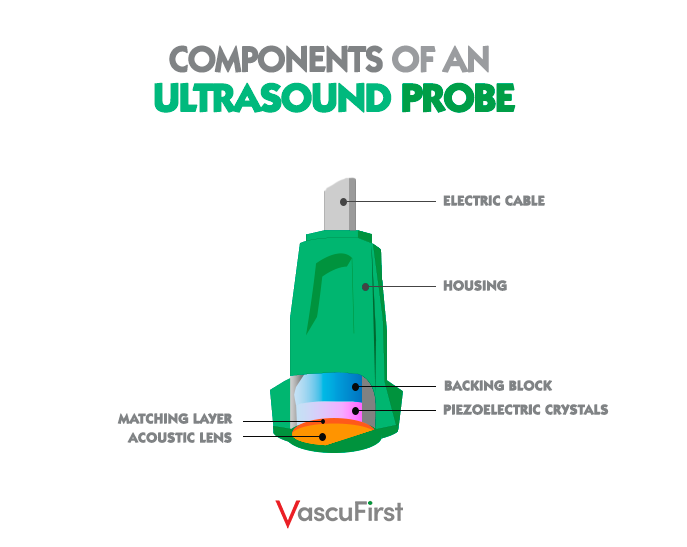
💡 The machine consists of a transducer or probe. This device converts electrical energy into mechanical energy and vice versa.
The piezoelectric crystals within the transducer enable the energy conversion. #2
💡 Hazardous Medicinal Products are defined* as medicinal products that contain one or more substances that meet the criteria for the CMR (Carcinogenic, Mutagenic, Reprotoxic) classification. To find out more, click here: https://t.co/1Dg2iVF4uI
In our latest article, Nicola Wyllie discusses her experience with the implementation of ECG TLS for the confirmation of central venous catheter tip position within a nurse led Vascular Access service. To read the full piece, click here: https://t.co/J11mSICUWt
During the WoCoVA congress, Christian Dupont answered our questions and told us about his current work and his perspective on vascular access from both a national and international standpoint. Click here: https://t.co/w5vYXrsKVX
In our latest article, Stuart Halliday shares the experience of his team with introducing a nurse led midline service in their hospital. To read everything about his perspective, you can click here: https://t.co/JXeq5hcNX7
Tunnelling presents itself as a valuable solution, but its viability and safety for midline-type catheters come into question. To find out more, you can read our latest article here: https://t.co/EyBxueJkzi
In this article, Dr Eric Desruennes offers recommendations concerning the different steps around the placement of central venous access in paediatrics.
To read the full piece, click here: https://t.co/1RZNqV4L3h
The placement of a PICC in neonates, while essential, presents a significant challenge due to the fragile and complex nature of the patient. To find out about how to address pain during its placement, you can read our latest article here: https://t.co/UYJK9pp4EU
Ensuring the utmost comfort and well-being for DIVA patients should be a primary concern for healthcare practitioners. This necessitates a clear definition of DIVA as well as proper guidelines for their care. To read the full article, click here: https://t.co/Rrjs1QkmX2
The SIP (Safe Insertion of PICCs) protocol was created to disseminate a standardized and evidence-based approach for PICC insertion. To read more, click here: https://t.co/Tp3aS8Jkww
Device occlusion can potentially result in treatment being either halted or missed which can have a negative effect on treatment outcomes. To learn more about how to reduce the complication of occlusion in TIVADs, you can read our latest article here: https://t.co/LIJukV5sIR
Just like any medical device, PICC-ports carry a risk of complications. Therefore, to ensure a safe and cost-effective procedure, it is important to consider the following key steps when inserting a PICC-port: https://t.co/DP2LxJH6MV
PICC-port is an implanted catheter that is undoubtedly gaining ground in the world of vascular access. To find out about its advantages, you can read our article written by Gloria Ortiz Miluy here: https://t.co/fDX2jGHYtF
Midlines were introduced in the 1950s and are today referred to as “the middle ground” of intravenous therapy administration as they bridge the gap between SPIVCs and central lines. To find out about the advantages of midlines, you can read this article: https://t.co/PI0yBkY8We
In this new article, Dr @LindajKelly277 defines the most suitable veins in the neck and chest for CVC, Tunnelled CVC and TIVAD insertion. To read the full piece, you can click here: https://t.co/XkVbtmUpM0