$VEND is LIVE
CA: 4ZPZhLkBqK5QifKz7ZbRtrzWvUHv7AXji6rvKS8upump
Vend Protocol — the pay-per-request rail for AI agents. Agents pay agents, in stablecoins, settled on Solana. Buy once, the whole fleet knows.
The machine economy needs a cash register built for machines. It's here.
Site: https://t.co/r1PLz0AsHN
X: https://t.co/A6ZjUn2Bov
GitHub: https://t.co/bwYMAvN8nF
Program: https://t.co/6ynmYEGEnb
Machines paying machines, automatically.
Welcome to $VEND
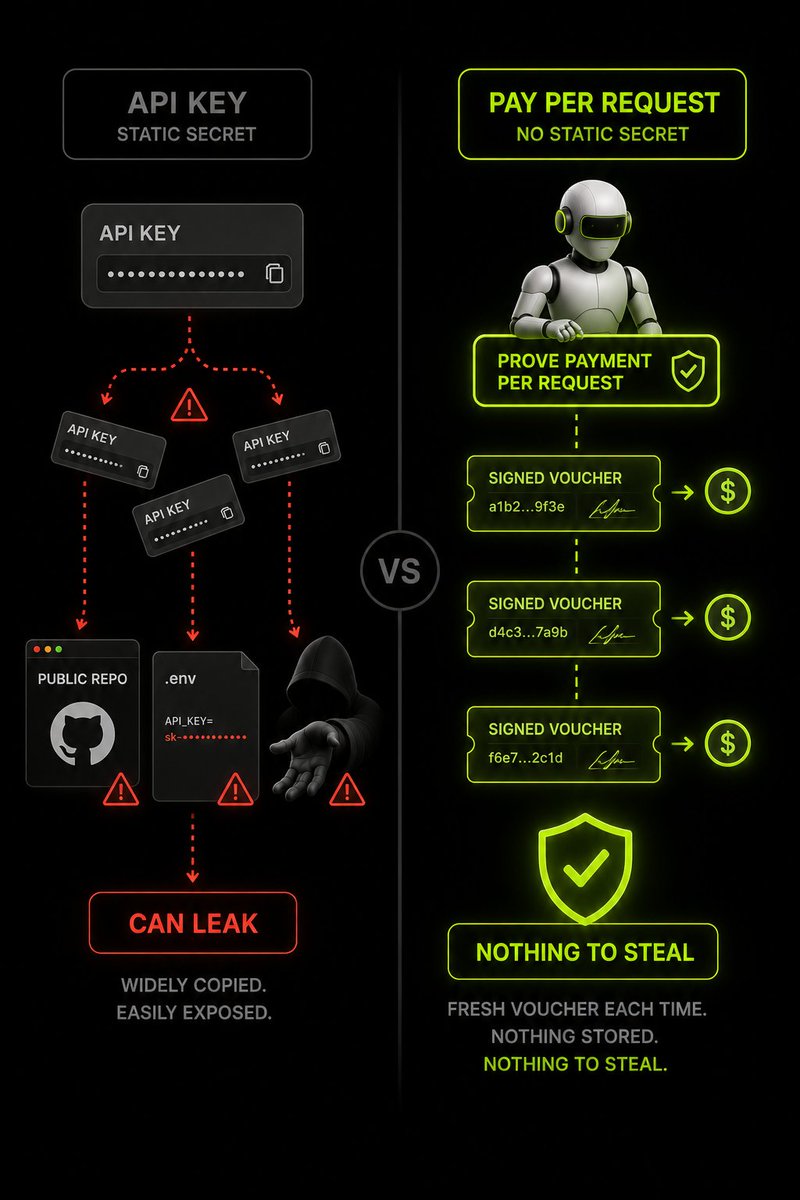
api keys are a liability. they leak, they get committed to repos, they sit in env files waiting to be stolen.
on vend there's no key to steal. the agent proves payment per request and that's it. no shared secret sitting around with your name on it.
less to leak is less to lose.
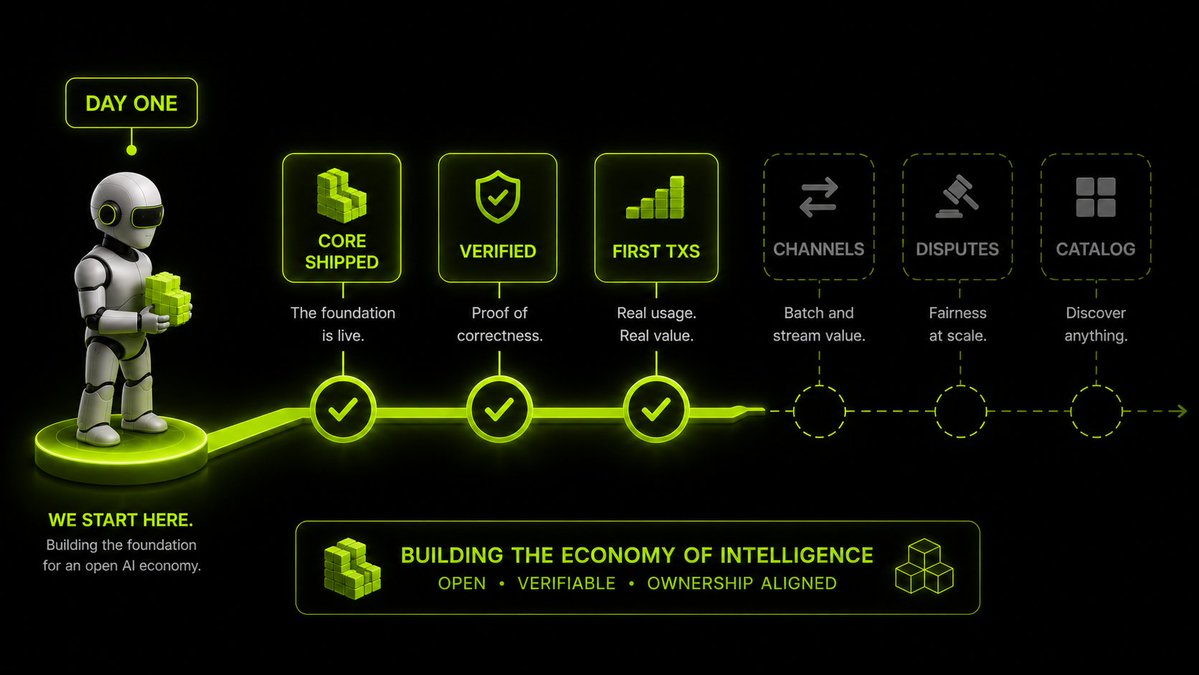
we'll say it plainly: it's early.
the core's shipped and verified, the model runs, first txs are landing. but this is day one of a long build. channels, disputes, the full provider catalog - that's the road ahead, in the open, where you can watch it land.
we're not selling a finished thing. we're showing you the foundation and building on it in public.
$VEND
it doesn't stop at one hop.
agent A pays agent B for an answer. B needed data, so it paid agent C. C ran inference, so it paid a model
provider. one request fans out into a chain of tiny payments, each settled per use, each priced by whoever provides it.
that's not a payment. that's an economy forming in real time.
$VEND
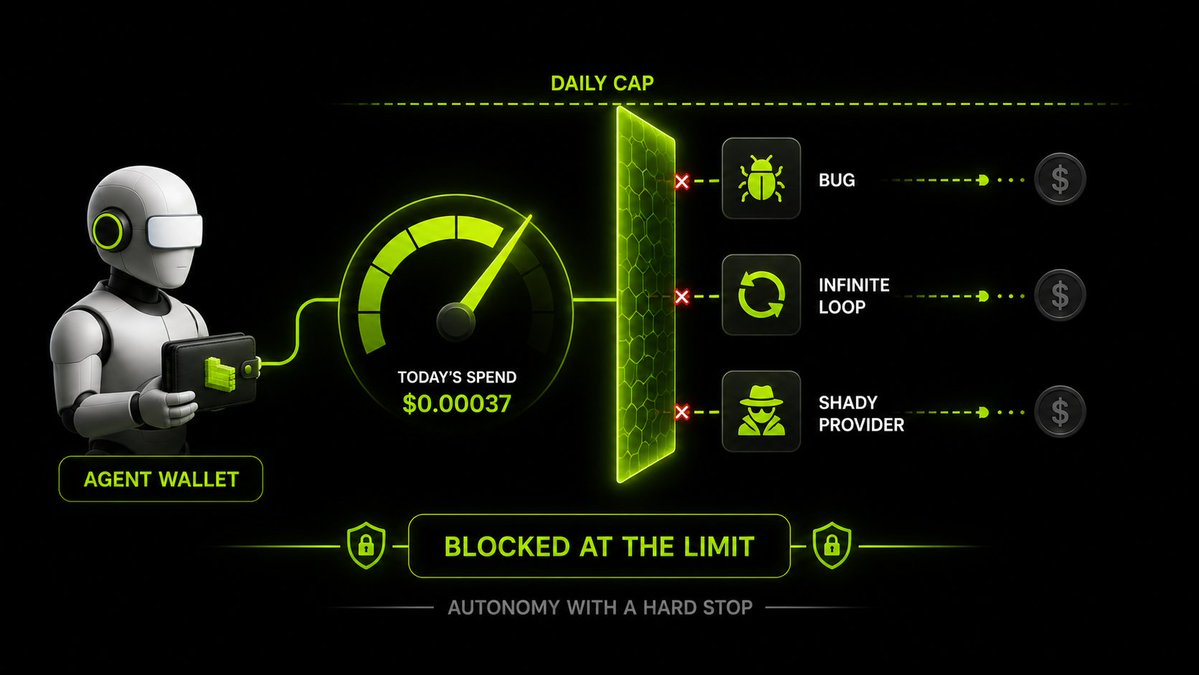
an autonomous agent with a wallet sounds scary until you cap it.
set a daily budget. the client won't spend past it, full stop. a bug, a bad loop, a malicious provider - none of them can drain you, because the ceiling is enforced before any payment goes out.
autonomy with a seatbelt.
$VEND
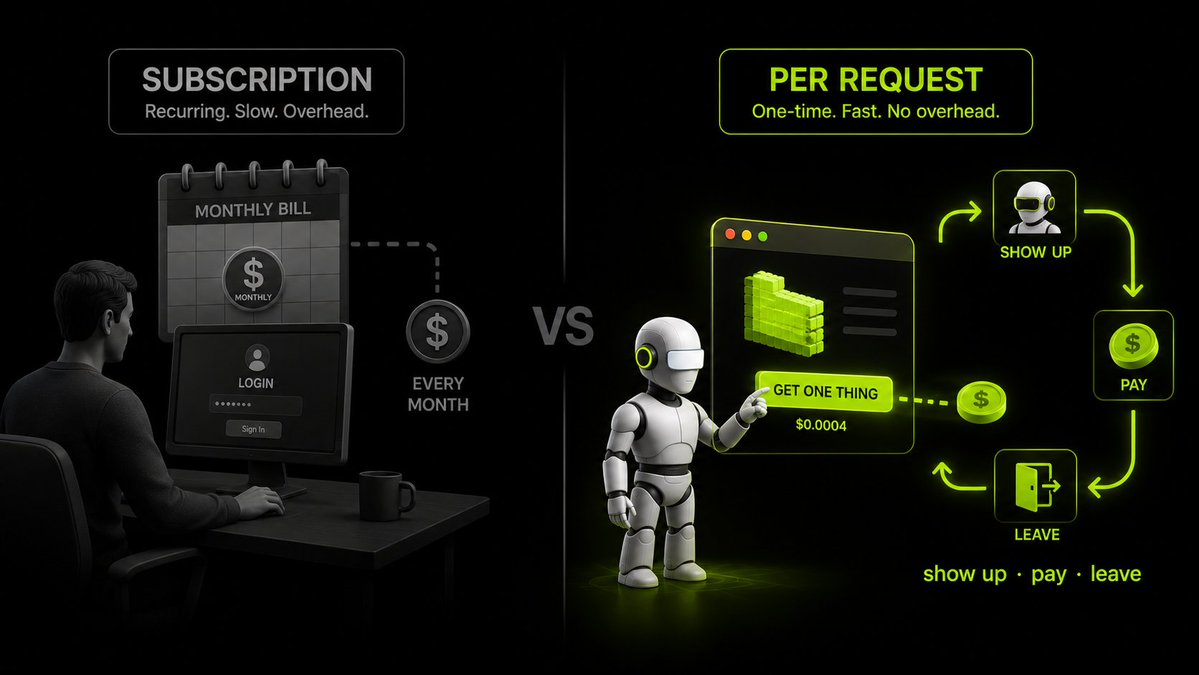
subscriptions made sense for humans. one login, one monthly bill, predictable.
an agent doesn't log in once a month. it shows up, needs one thing, leaves. paying a monthly fee to a service it touches twice is insane. paying per request is the only model that fits how agents actually behave.
per-request isn't a feature. it's the native shape of machine demand.
$VEND
you pay in stablecoins. always.
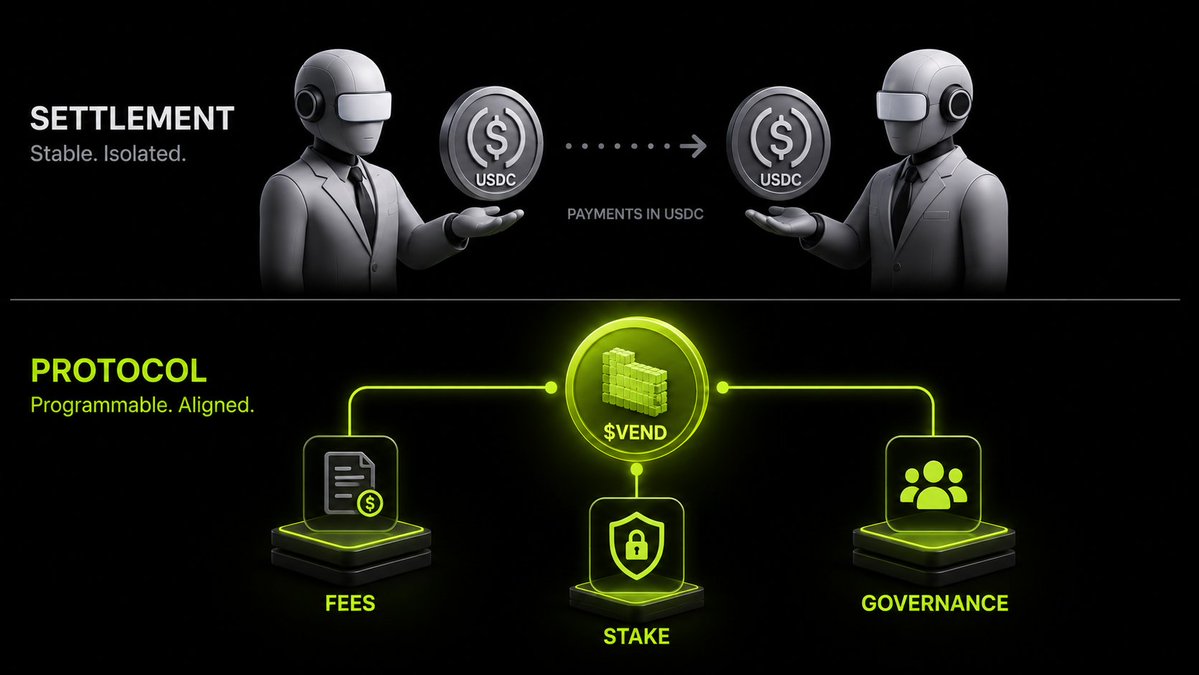
agents settle in USDC - no one's business logic should ride on a volatile token. $VEND runs the protocol underneath: fees, staking, governance. two layers, cleanly separated.
stability where you transact. utility where you build.
$VEND
settlement happens in usdc, but the protocol takes a small fee on each one, and paying that fee in $VEND gets you a discount. so volume flowing through the rail = fee demand for the token.
on top of that: providers stake $VEND to get listed and build reputation (slashed if they take payment and don't deliver), fleet registration stakes it as anti-sybil, and governance runs on it.
you're right, the $0.0004 isn't your openai cost, and we can't touch that. that number is just an example of what a provider on our rail charges per request. raw openai tokens stay exactly what they are.
so to be clear about where we do and don't help:
we don't lower your openai bill. tokens are tokens.
what we change is everything around it. if your three agents pull the same data or hit the same external service, you pay for it once and the other two reuse it free instead of re-buying - that's the saving.
straight answer:
charging side - instead of prompting customers to pay usdc by hand, put your service behind our middleware. they pay per request automatically, you set the price. sdk handles it, your logic doesn't change.
spend side - if your three agents fetch the same thing, fleet memory means you pay once, the other two reuse it free. channels batch the tiny calls into one settlement.
honest caveat: we don't pay your openai bill - raw token cost stays. we save you on dedup across agents + auto billing. real if there's overlap.
happy to look at your workflow and say where it'd actually help.
getting the same question a lot: "ok but what does vend actually do?"
simplest version: an AI agent needs one thing from some api - a price, a lookup, an answer. normally that's signups, api keys, a card on file. way too much friction for a bot that needs it once.
with vend: agent hits the endpoint, gets "$0.0004," pays on the spot, gets the data. no account, no key. paid for one request, moved on.
now do that hundreds of times a minute across services it's never used. that's it - machines buying from machines, one request at a time.
$VEND
first transactions are landing on the program.
small numbers, but real and on-chain. no faked dashboards. open solscan, verify it against the repo yourself.
receipts over promises. growth starts here.
https://t.co/Ejg3xpK7na
$VEND
payai is a solid x402 facilitator - it verifies and settles payments. that's the settlement layer.
vend sits above it. we keep the x402 handshake, then add what swarms need: payment channels (thousands of calls settle in one tx) and fleet memory (one agent buys, the rest reuse it free - never pay twice).
not "pick one." facilitators settle. vend adds the memory and batching they don't have.
$VEND