Here you can listen to the exquisite
'Gavotta' composed by Count Ludovico Roncalli from his 1692 guitar suite "Capricci armonici sopra la guitar Spagna" performed by el maestro Andrés Segovia-1958 Lp-A favorite!
https://t.co/nzdr7K7vIu
Listening now to this Baroque guitar melancholia in 'Gavotta' composed by Count Ludovico Roncalli from his 1692 guitar suite "Capricci armonici sopra la guitar Spagna" performed by el maestro Andrés Segovia in this 1958 Lp recording. Enjoy!
P.S The above short bibliophile's legend is my latest imaginative writing from a poetic series I've titled: 'The Venetian Antiquarian'. Thank you all for reading.
A XVI century Venetian antiquarian is said to have owned a book whose pages were all empty saved a fragmented Latin inscription copied from papyrus scrolls by monks:
"Reportedly found by River Lethe whose oblivion-colored waters undo memories of hard-fated mortals"
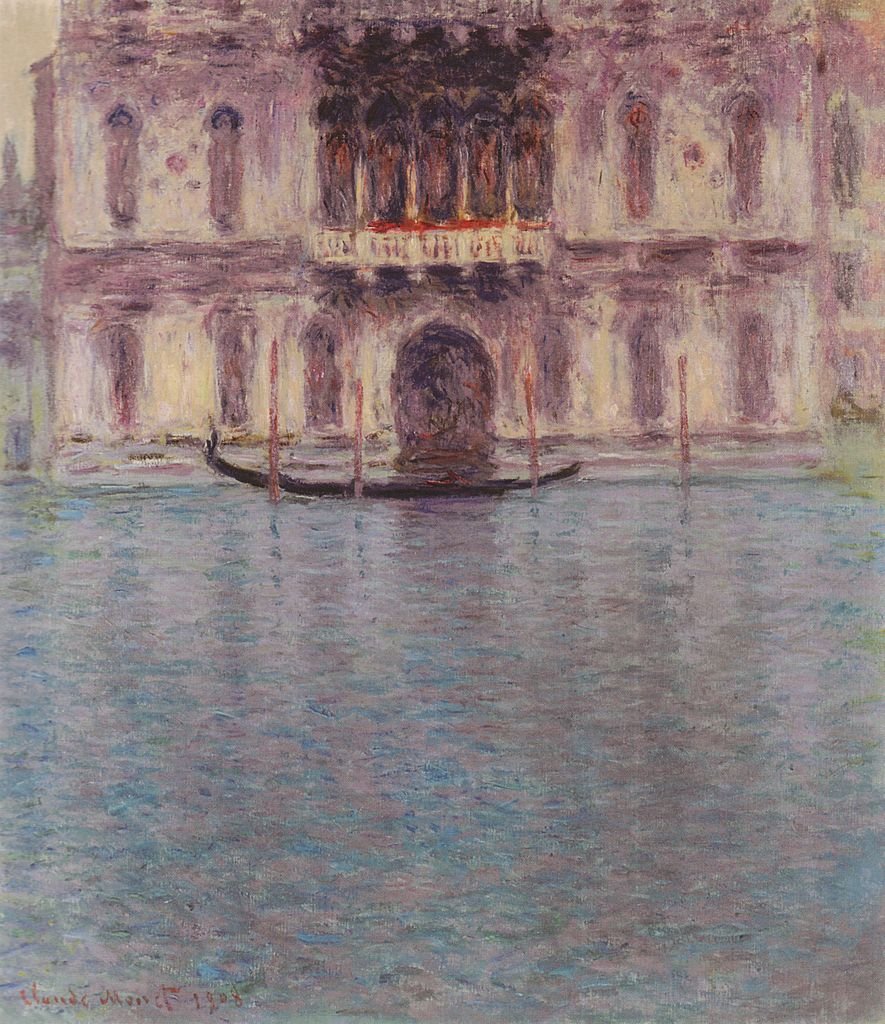
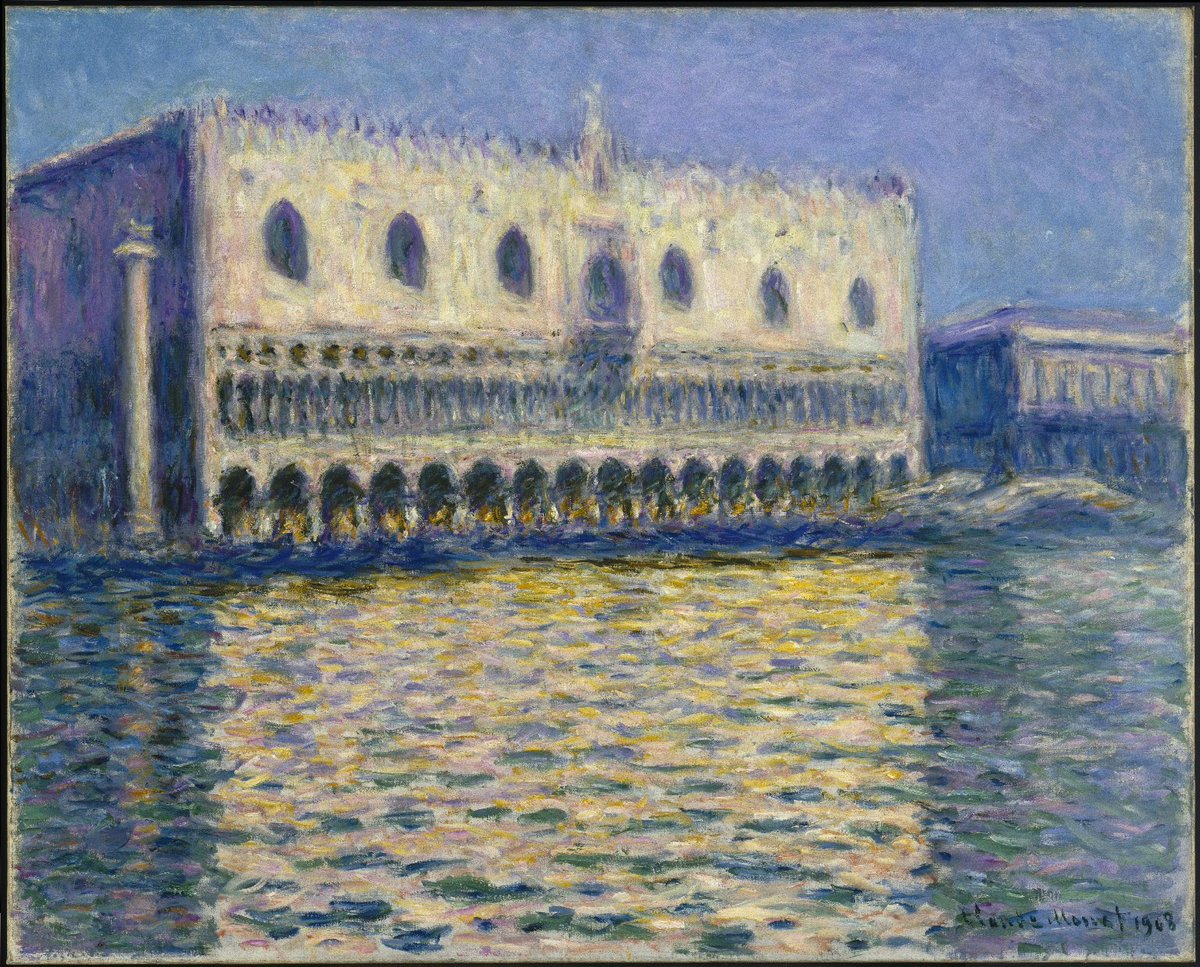
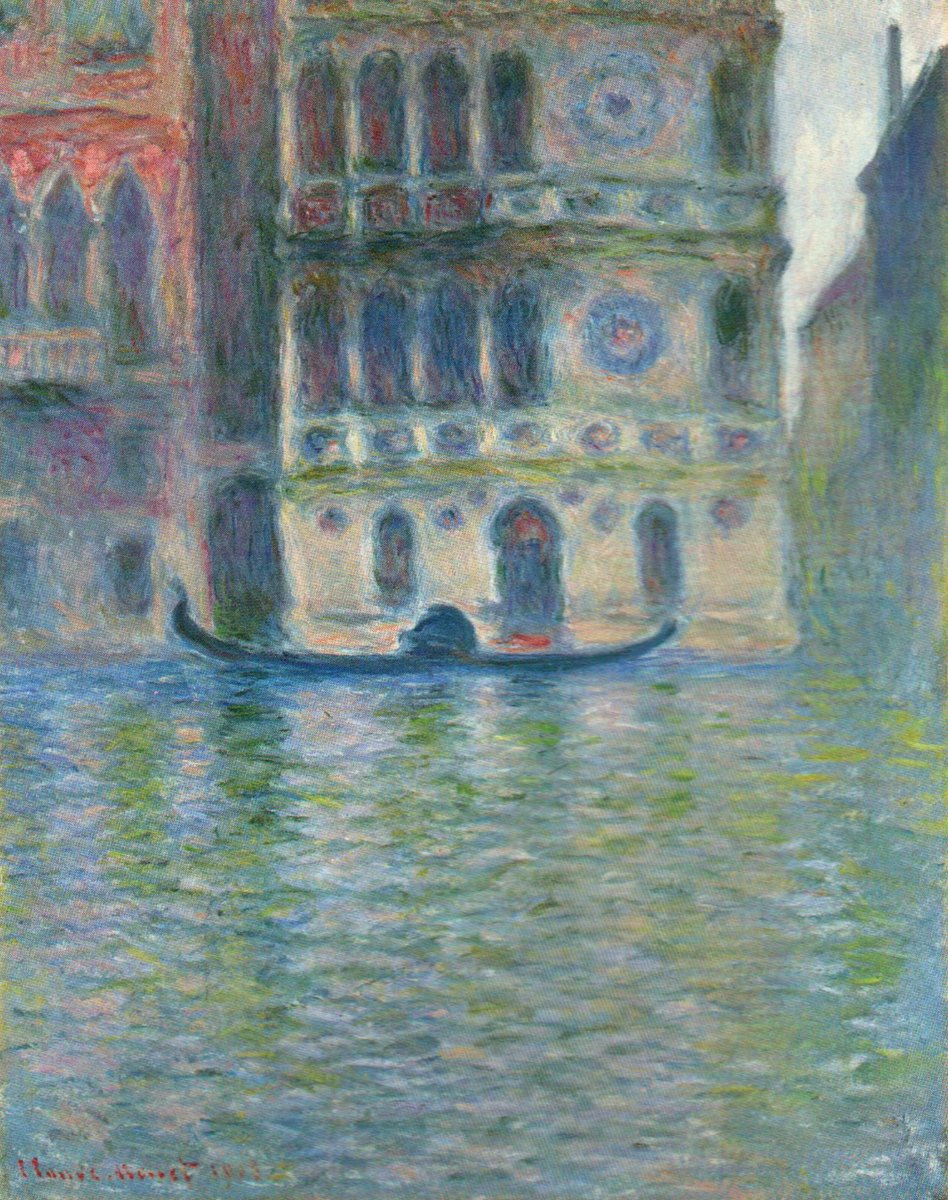
Above paintings of Venetian Palazzos (left to right) painted by Claude Monet during his 1908 visit:
1- Palazzo Ducale
2-Palazzo da Mula
3-Palazzo Contarini
4-Palazzo Dario
Venetian Palazzos painted by Monet during his 1908 visit to La Serenissima: The artist's eye seemed to have captured the Venetian light through Murano glass, transfiguring the floating palazzos on lagoon turquoise waters into the melancholic haziness of a late afternoon reverie.
P.S. The above image shows the title page of Erasmus' Adagia:
Desiderius. Erasmi Roterodami Adagiorum chiliades tres, ac centuriae fere totidem. Venezia: Aldo Manuzio, September 1508
Aldus Manutius acclaimed founder of Venetian Aldine Press & printer of classical,humanist texts had a Dolphin & Anchor printer’s mark with motto: 'Festina Lente' an oxymoron meaning “make haste slowly“: dolphin symbolizing speed of production; anchor denoting stability of purpose
In 1508 Manutius' Aldine Press published Erasmus’s Adagia. Erasmus explained Aldus’s motto Festina lente while also adding that: Aldus bibliothecam molitur, cuius non alia septa sint, quam ipsius orbis "Aldus is building a library whose only walls are those of the world itself"
Watch this live performance of Grieg's 'Morning Mood' performed by The Danish National Symphony Orchestra conducted by Christian Oland. Enjoy!
https://t.co/krWAMPGhnv
Listening now to the always marvelous piece 'Morning Mood' from Grieg's 'Peer Gynt' (1875) incidental music. Performed by the LSO conducted by Øivin Fjeldstad in this 1958 Lp recording. Enjoy!
Here you can listen to the wonderful 'Morning Mood' from Edvard Grieg's 'Peer Gynt' (1875) incidental music. Performed by the LSO conducted by Øivin Fjeldstad 1958 Lp. A favorite!
https://t.co/hYWstYk8dH
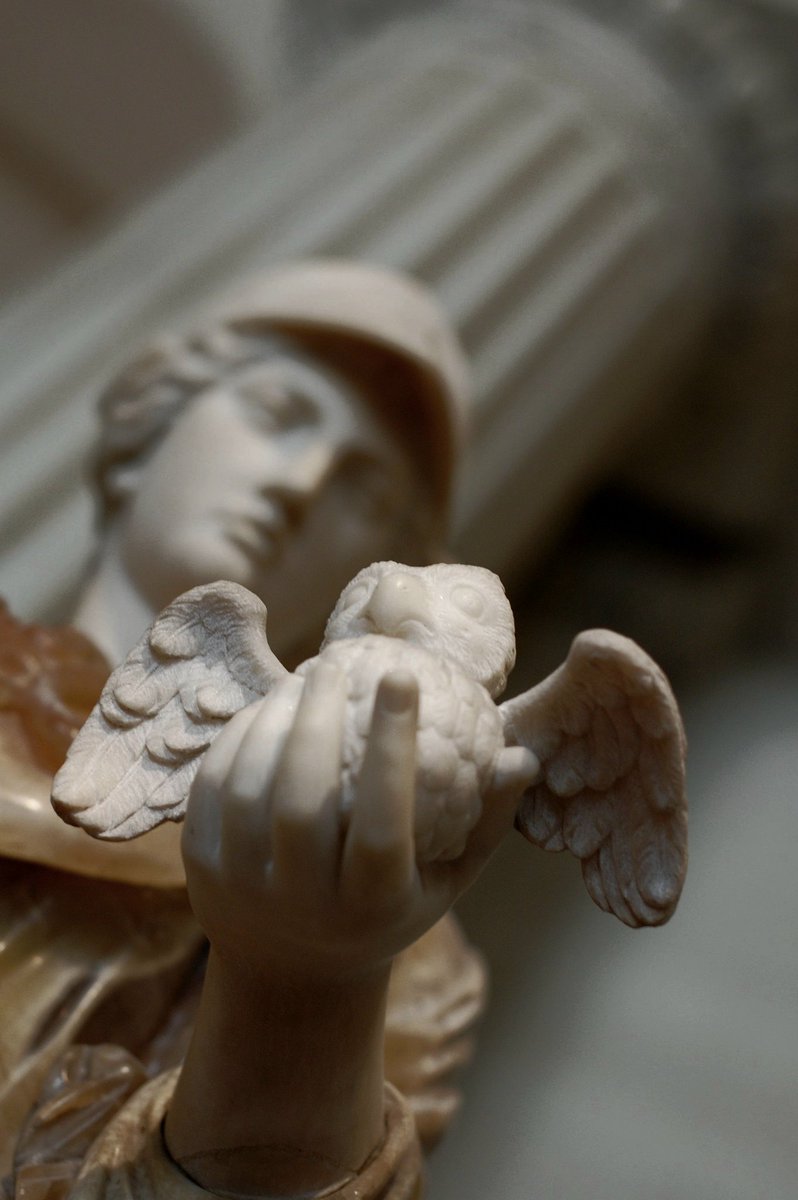
A photo detail of Minerva's golden onyx-marble statue holding her small owl-Roman 2nd c. AD w/ some restoration like the alabaster Aegis-at The Louvre
*A couple of years ago, I wrote the above imaginative short legend on ancient lost scrolls & Venetian antiquarians.
Constantinople Imperial Library was said to have an ancient scroll of epigrams on Athena's Owl. Though now lost, a 16th-century Venetian antiquarian professed to have owned one fragment which read:
Athena's owl wings
unveil in wise silence
to hear the weight
of human souls
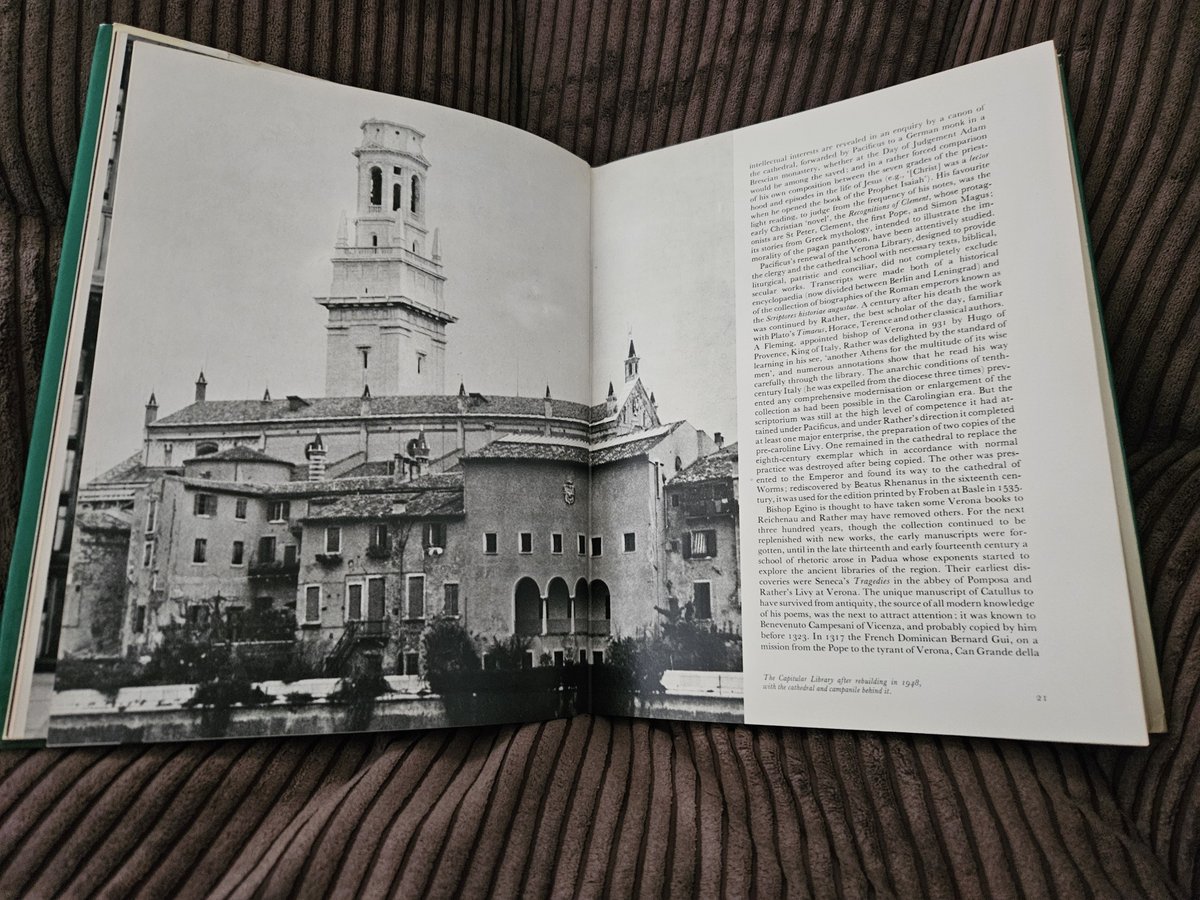
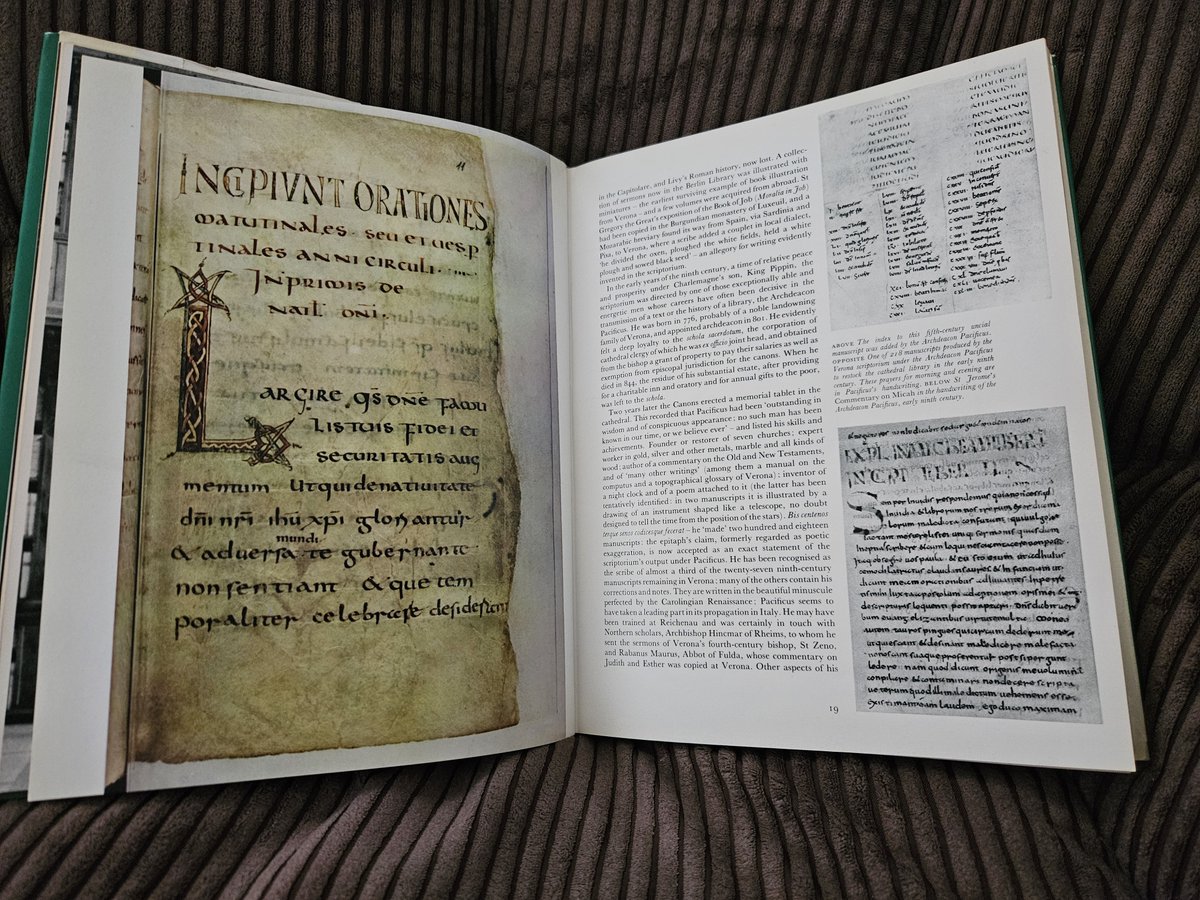
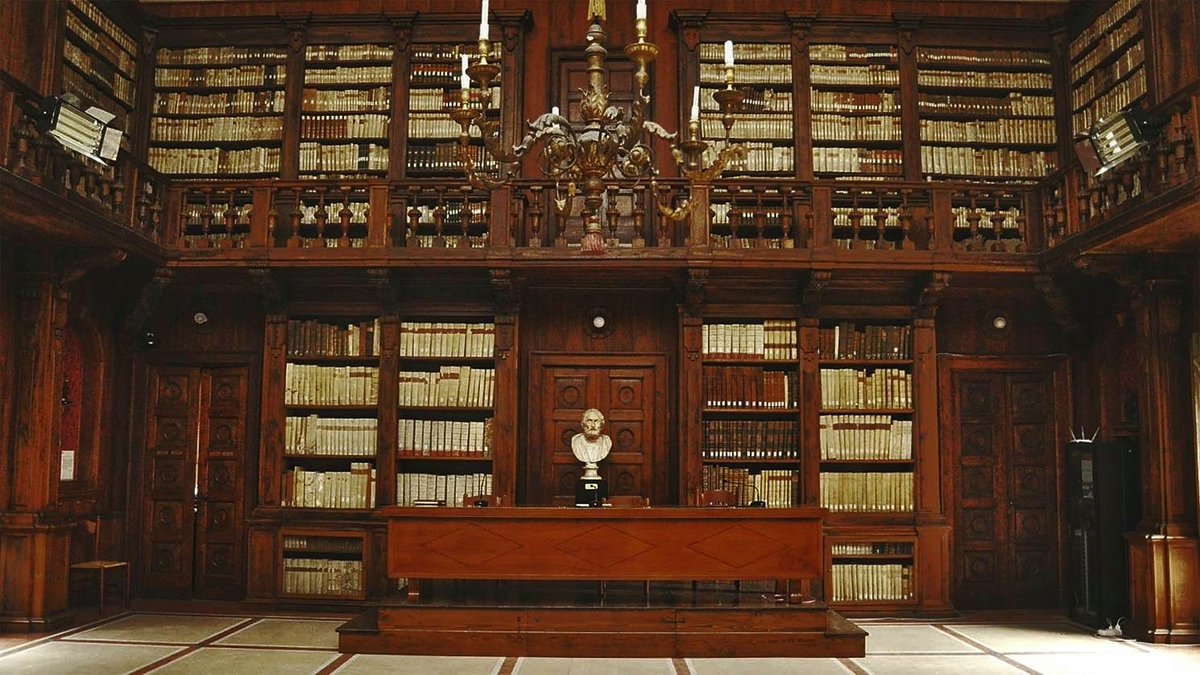
P.S. Biblioteca Capitolare in Verona, oldest library in the world (5th c. AD) appears in the book 'Great Libraries' (1970) by Anthony Hobson, which I posted earlier today as part of my book collection.
Biblioteca Capitolare in Verona is the world's oldest library with an active history going back to the 5th century. Its oldest signed & dated manuscript: August 1, 517 AD by the lector copyist Ursicinus. Dante & Petrarch visited the library, destroyed during WW2 & rebuilt in 1948
Capitolare houses more than 1200 manuscripts, treasures like the world's oldest copy of St.Augustine's De Civitate Dei (early 5th c.) & Institutions of Gaius, the only text of classical Roman jurisprudence in the world (5th c.)
Here's the library link:
https://t.co/CAvEAvgEMV
From my collection, an old book worth reading:
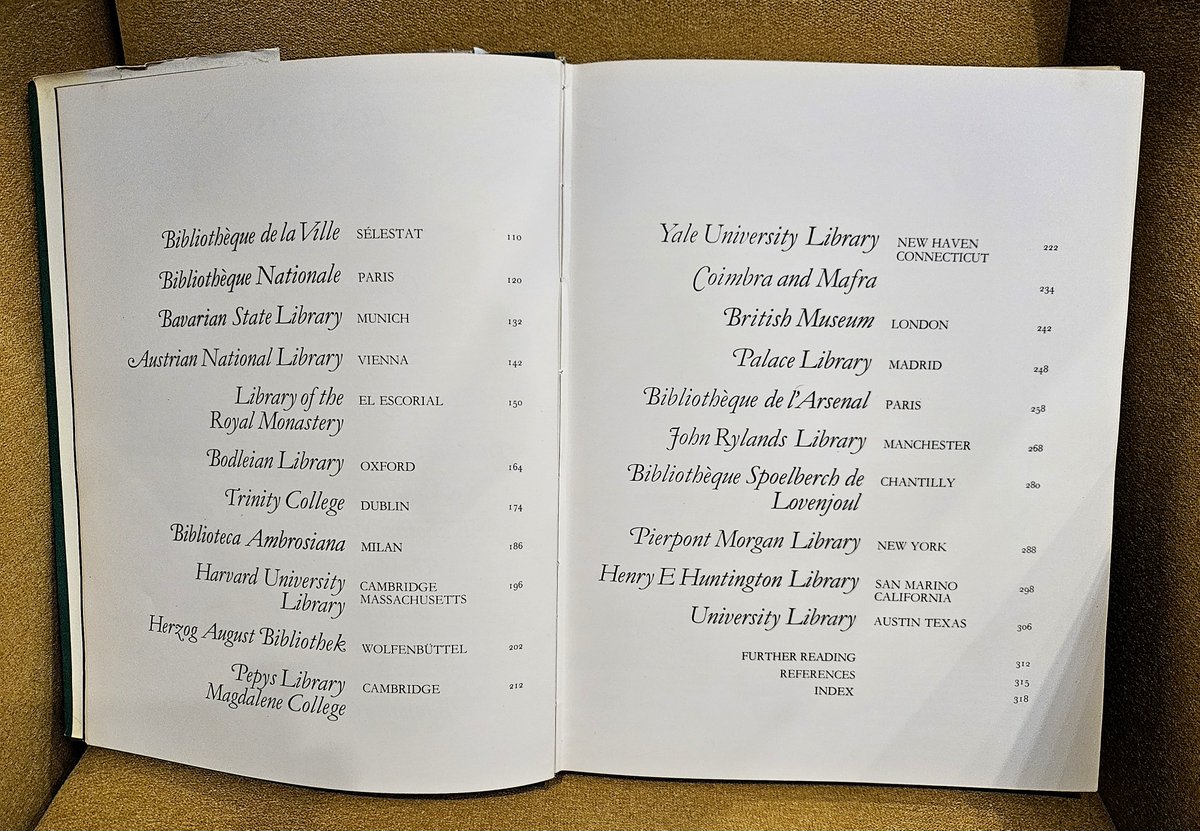
'Great Libraries' (1970) by Anthony Hobson. Wonderfully illustrated & informative large-quarto size volume exploring 32 historical libraries like Abbey Library, St. Gall, Trinity College, Dublin, Biblioteca Ambrosiana, Milan etc.