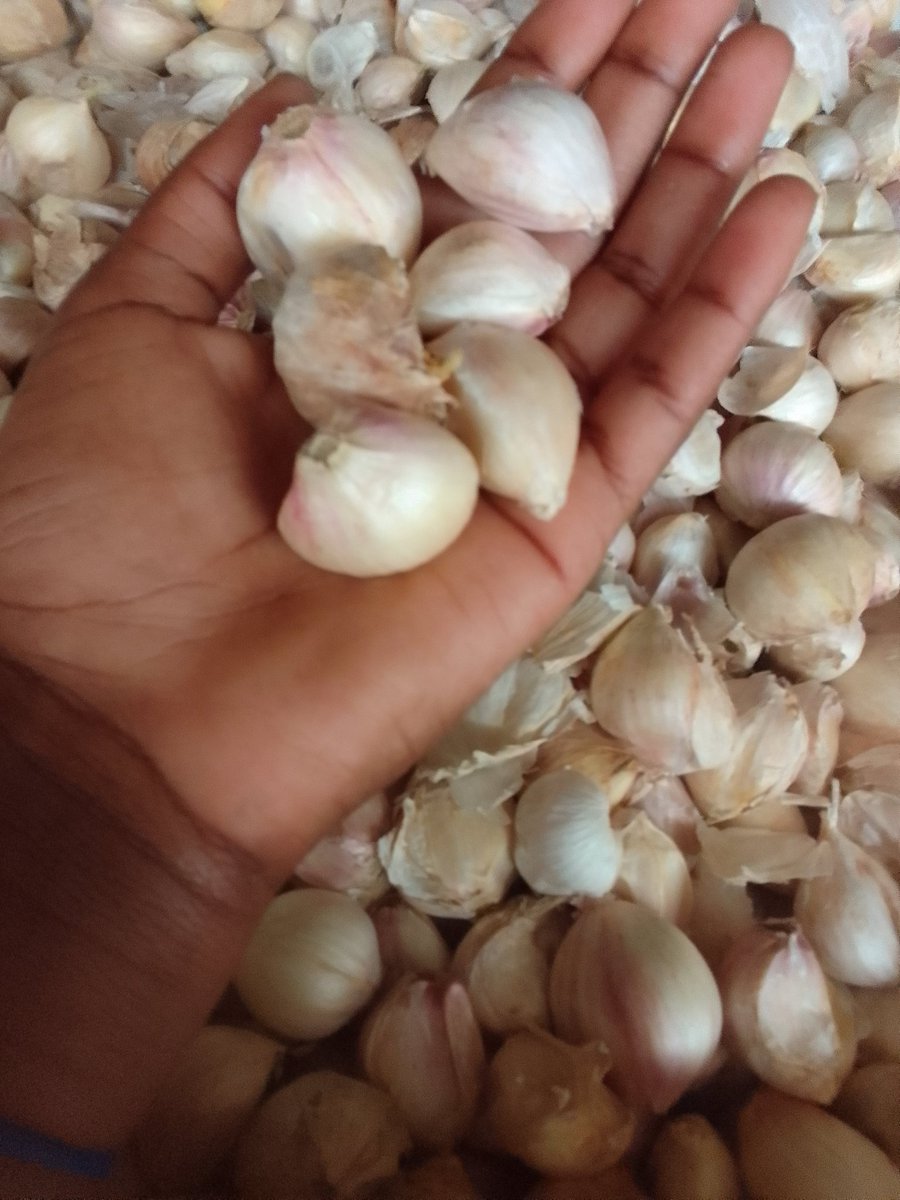
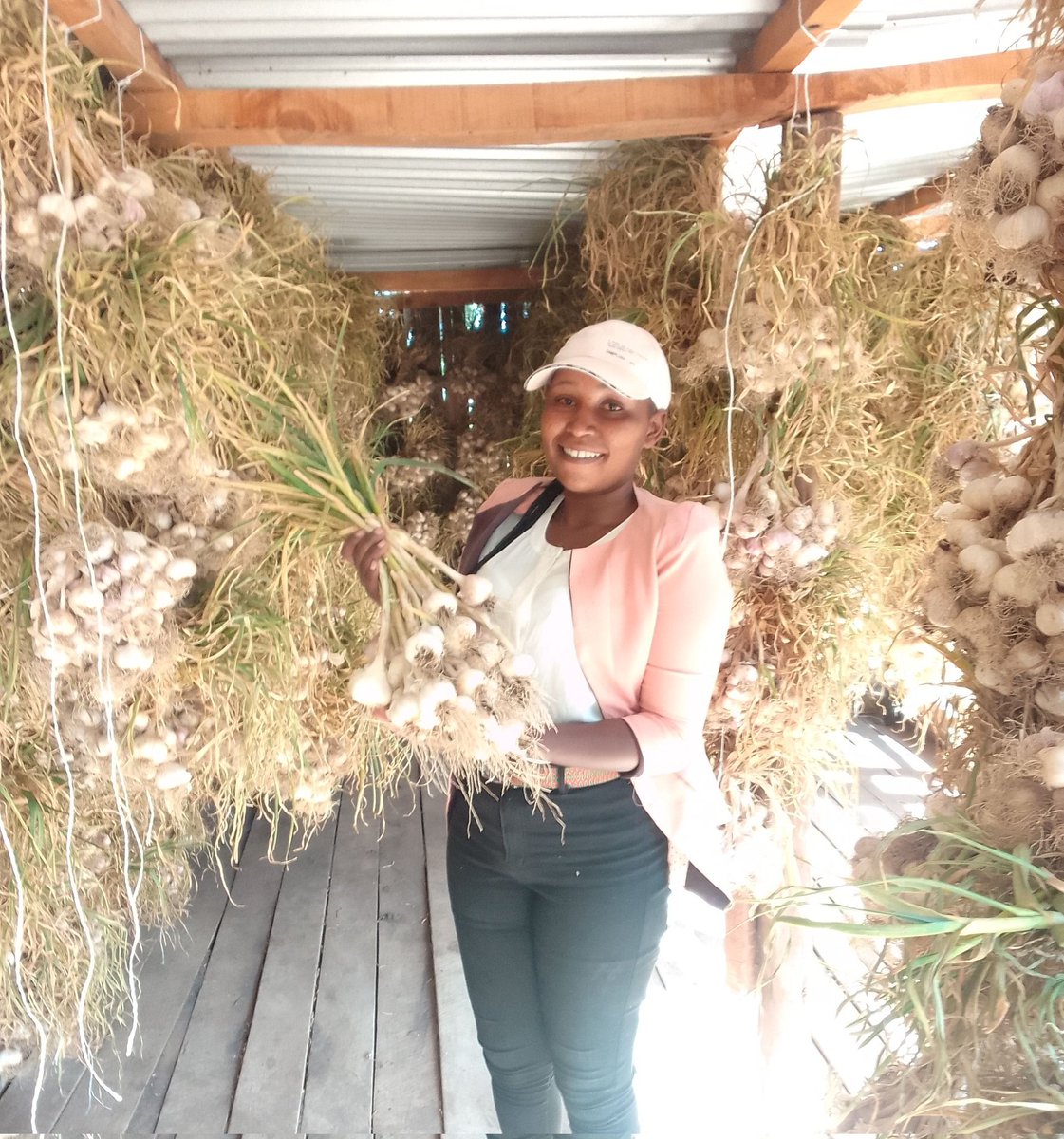
In 4 months,an acre produces a minimum of 5000kgs. A farmer can produce 3 times an year expecting an average of 15000kgs per year. Garlic farm gate price ranges from ksh150-250.A farmer can pocket an average of Ksh 3.5M per year.
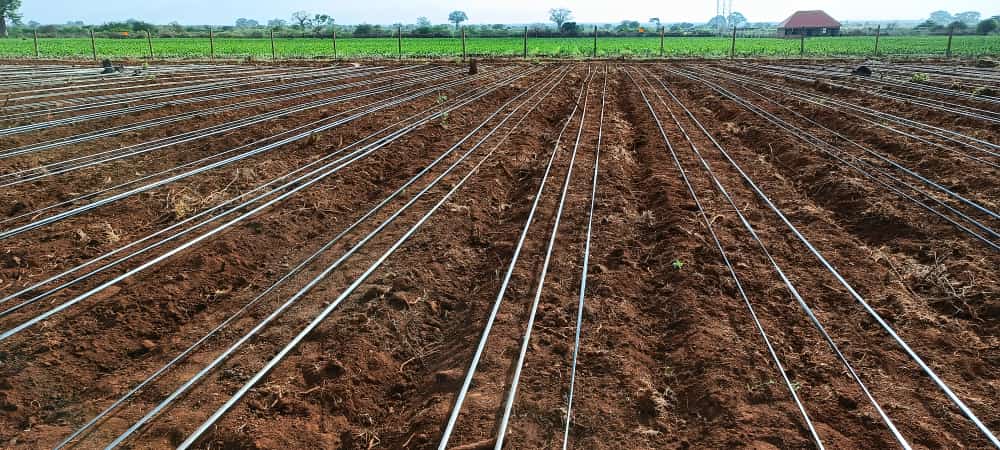
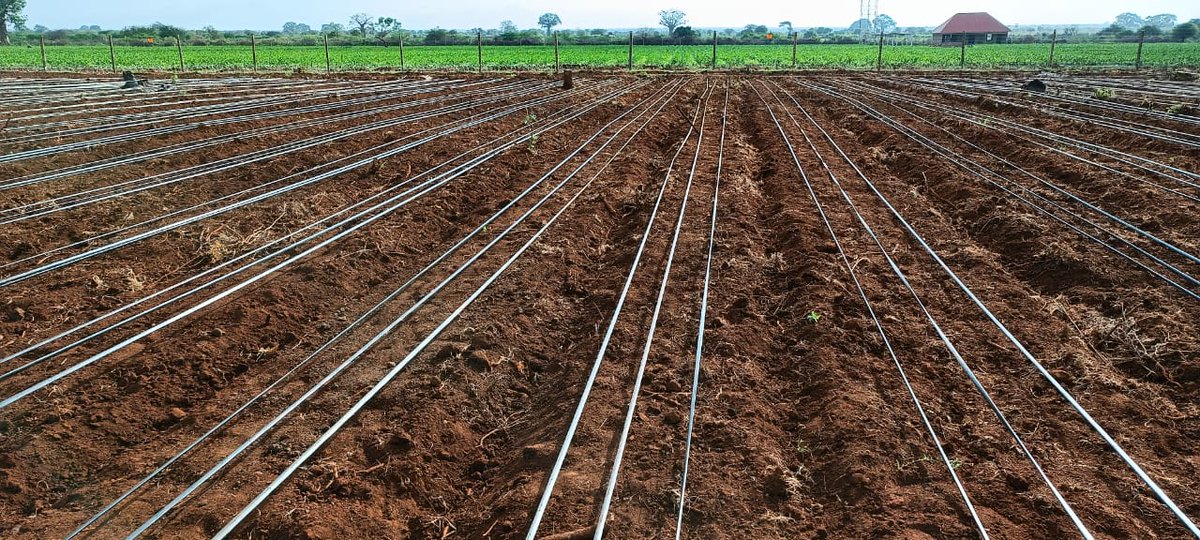
Drips done by Globkit Irrigation.
Who are we?
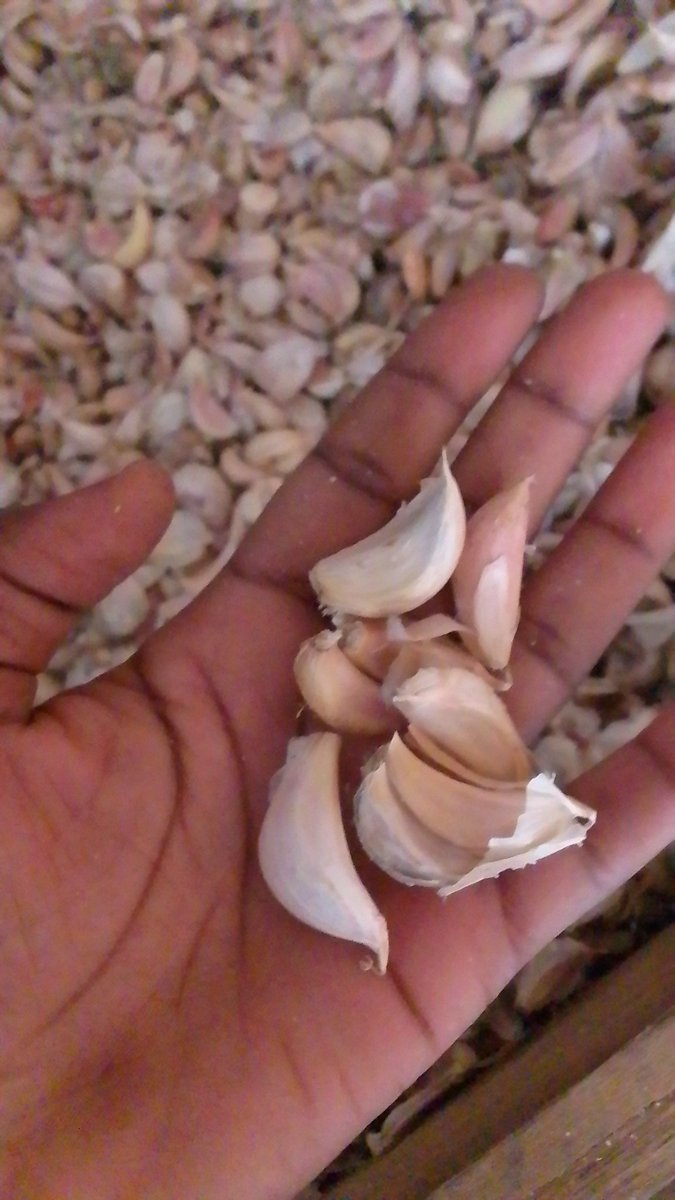
We are is a Kenyan company using technology to revolutionalize the #garlic by producing certified garlic seeds. We are working to provide the highest quality varieties in the country. We are located in Nyeri county
Who are we?
We are is a Kenyan company using technology to revolutionalize the #garlic by producing certified garlic seeds. We are working to provide the highest quality varieties in the country. We are located in Nyeri county
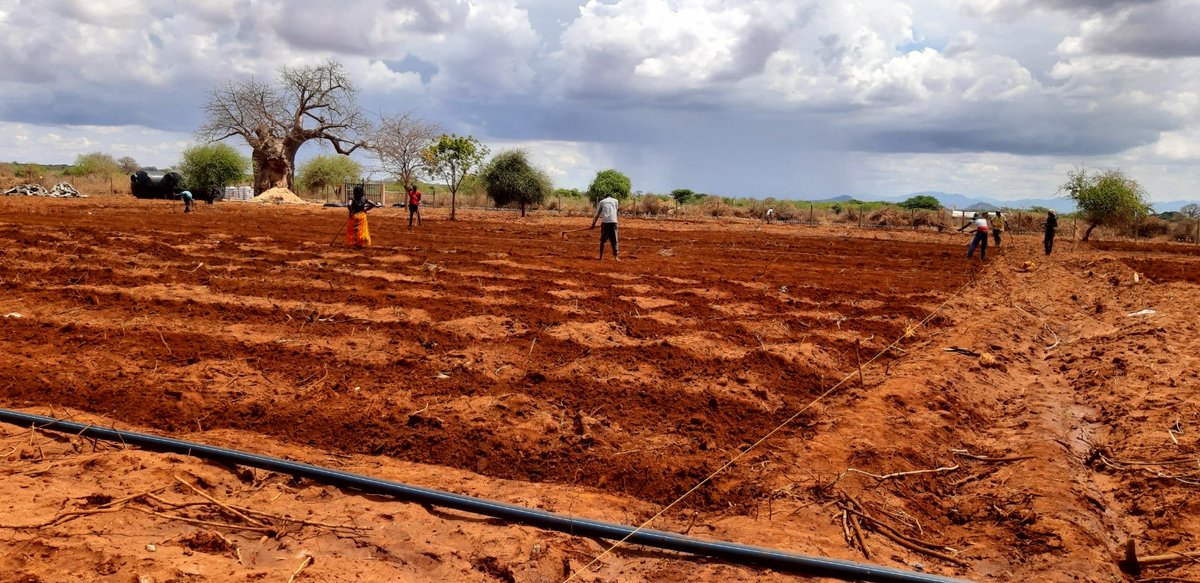
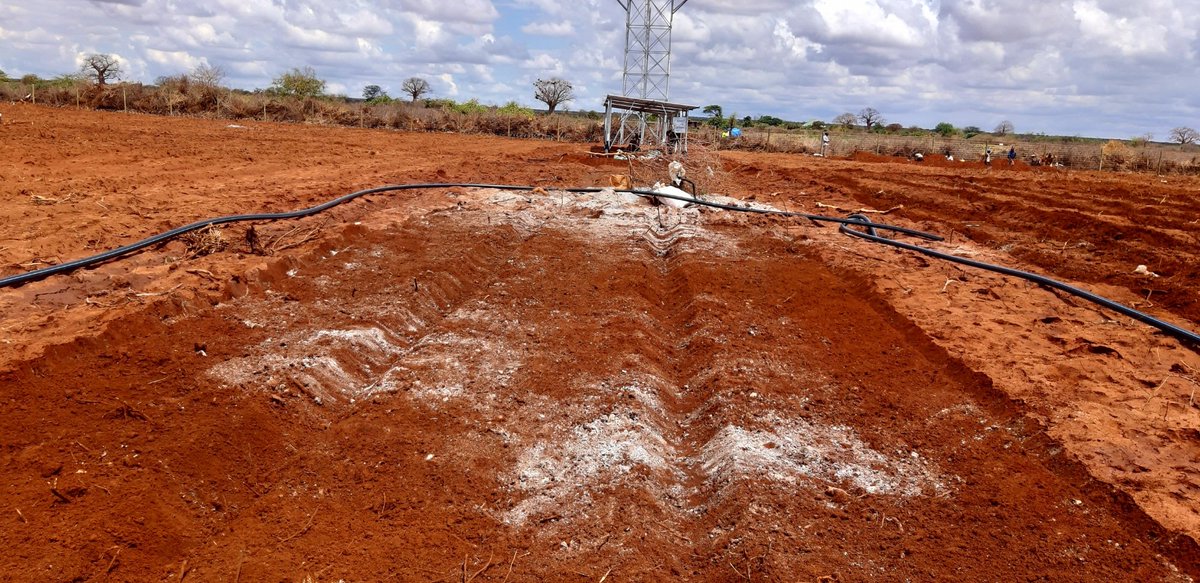
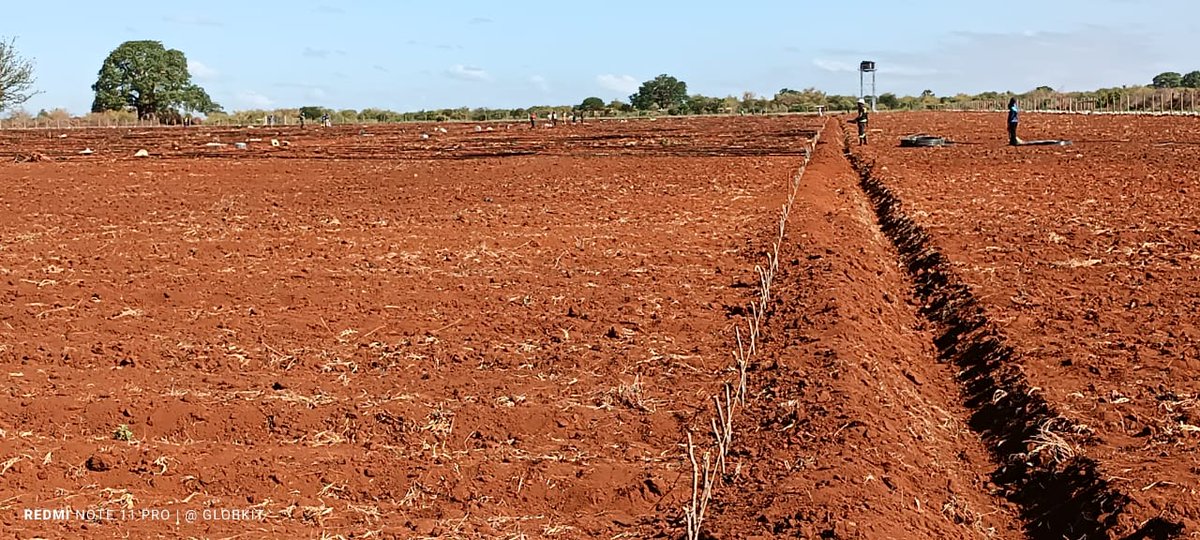
Preparing the land properly for planting garlic ensure a successful crop. Here are some steps for preparing land for garlic planting:
1. Choose a well-draining location: Garlic doesn't like to sit in waterlogged soil, so it's important to choose a location with good drainage.
. Consider raised beds: If your soil has poor drainage, consider planting garlic in raised beds.
6. Add mulch: After planting, add a layer of organic mulch (such as straw or shredded leaves) to help retain moisture and suppress weeds.
. Consider raised beds: If your soil has poor drainage, consider planting garlic in raised beds.
6. Add mulch: After planting, add a layer of organic mulch (such as straw or shredded leaves) to help retain moisture and suppress weeds.
4. Amend the soil: Garlic likes rich, well-draining soil that's slightly acidic (pH 6.0-7.0). You can add compost or well-rotted manure to improve the soil's fertility. A soil test can also help you determine if you need to add any additional amendments.
2. Clear the area: Remove any weeds or other vegetation from the area where you'll be planting the garlic.
3. Loosen the soil: Garlic prefers loose, well-aerated soil, so use a tiller or garden fork to loosen the soil to a depth of about 6-8 inches.
Preparing the land properly for planting garlic ensure a successful crop. Here are some steps for preparing land for garlic planting:
1. Choose a well-draining location: Garlic doesn't like to sit in waterlogged soil, so it's important to choose a location with good drainage.
In addition to these primary nutrients, garlic crops also require secondary nutrients such as calcium, magnesium, and sulfur, as well as micronutrients such as iron, manganese, boron, and zinc. It's important to ensure that the soil has the necessary levels of these nutrients .
In addition to these primary nutrients, garlic crops also require secondary nutrients such as calcium, magnesium, and sulfur, as well as micronutrients such as iron, manganese, boron, and zinc. It's important to ensure that the soil has the necessary levels of these nutrients .
During the initial stage of growth, garlic crops require some important nutrients to help them grow and develop properly.
1. Nitrogen (N): Nitrogen is an essential nutrient for garlic crops at the early stage. It helps in promoting early growth and development of leaves
#thread
3. Potassium (K): Potassium is important for the overall growth and development of garlic crops. It plays a crucial role in the formation of flowers and bulbs.
3. Potassium (K): Potassium is important for the overall growth and development of garlic crops. It plays a crucial role in the formation of flowers and bulbs.