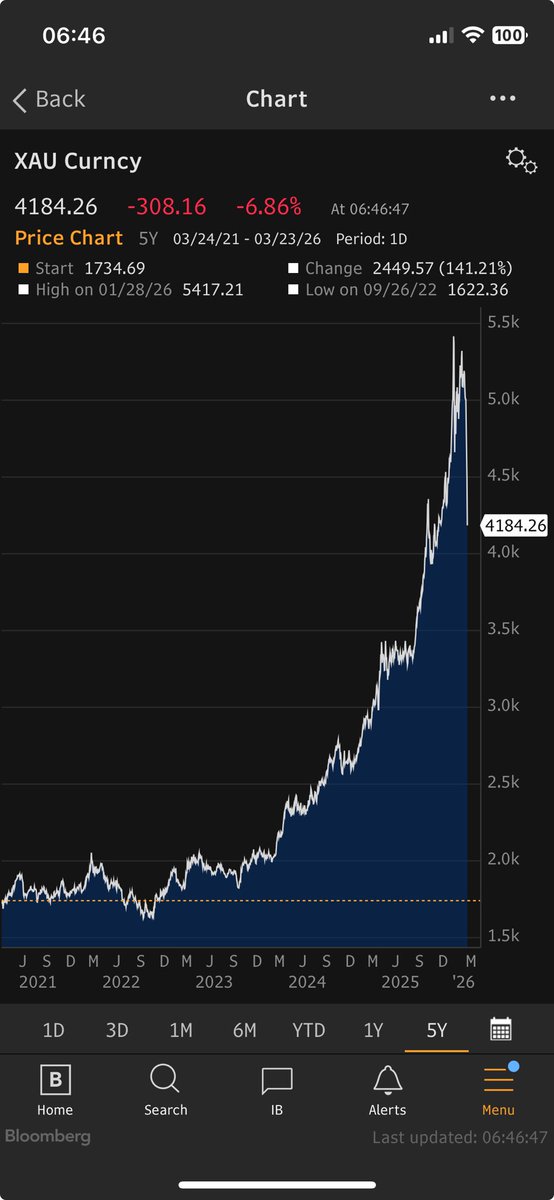
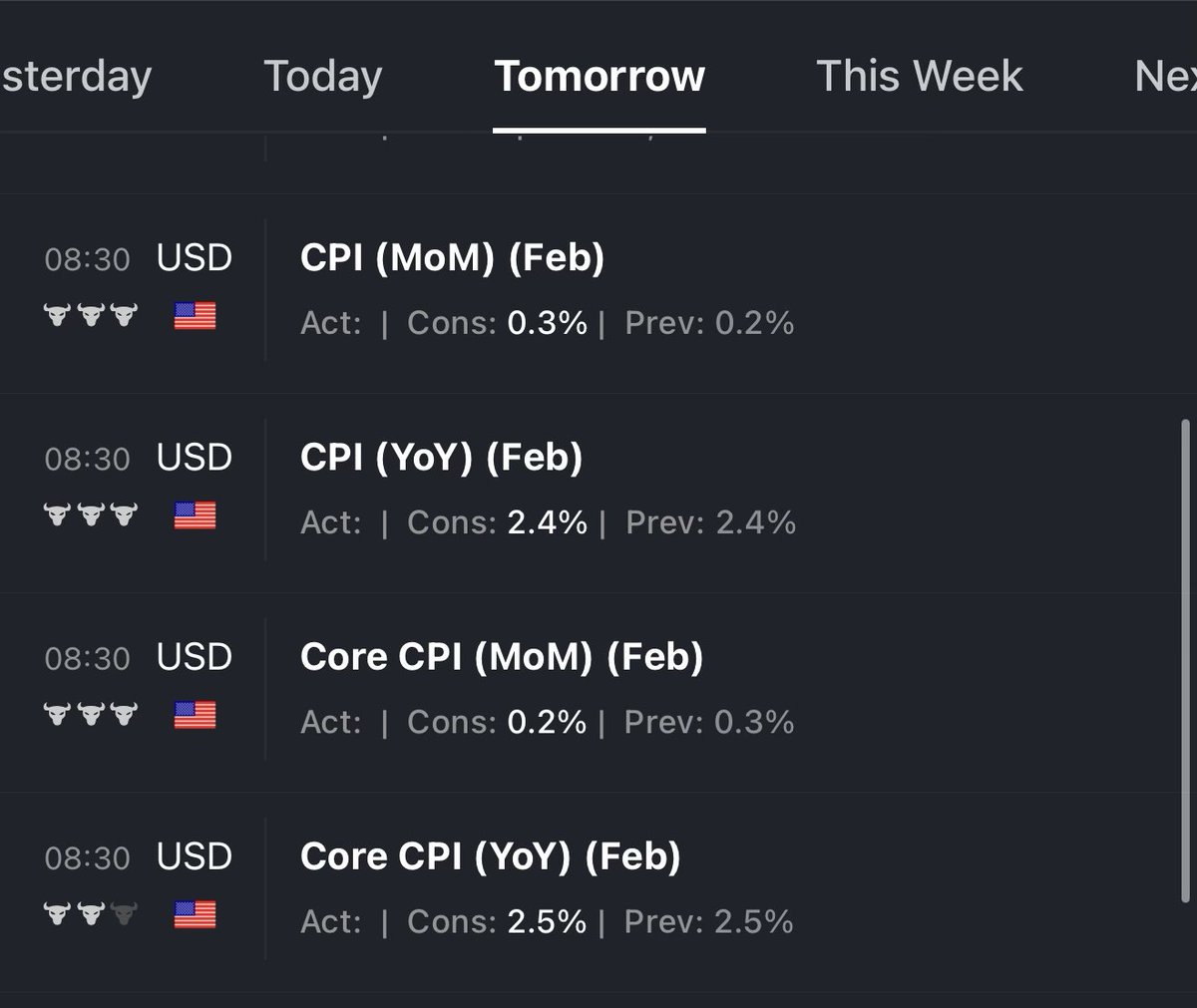
The collapse in gold prices is proving pretty disastrous for central banks who had basked in higher prices underpinning reserve coverage. Lower FX reserves will make them more minded to hike policy rates in response to higher oil prices.
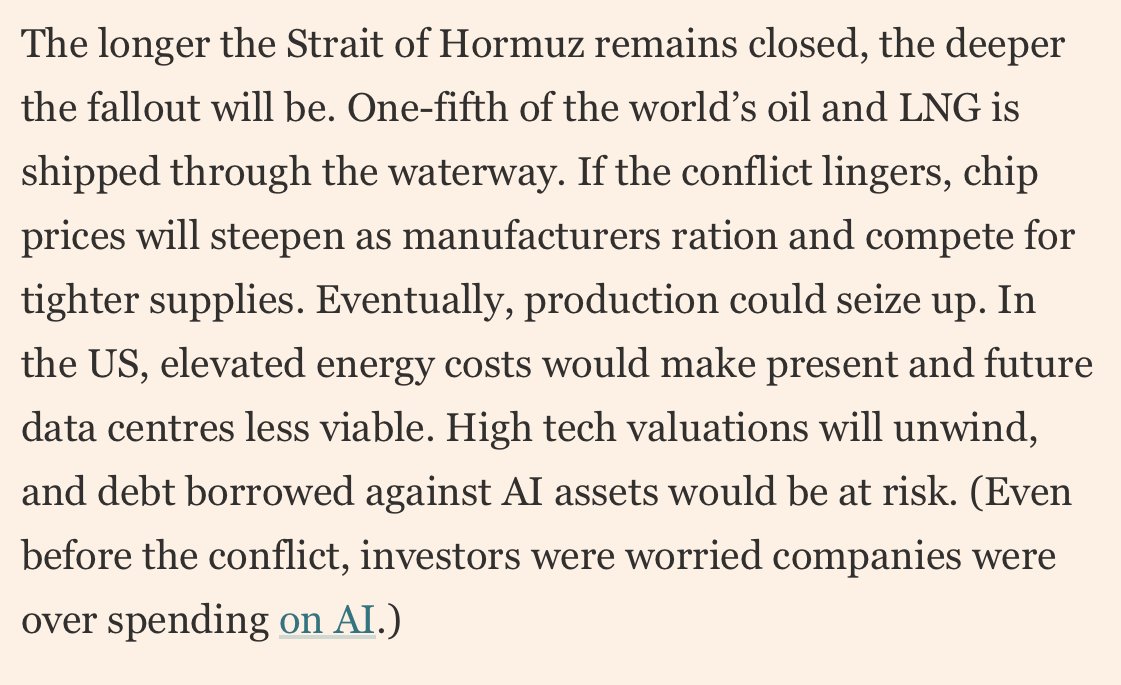
The FT now reporting that, even without the energy shocks, there's a pretty good chance that the closure of Hormuz will pop the AI bubble and lead to a stock market crash
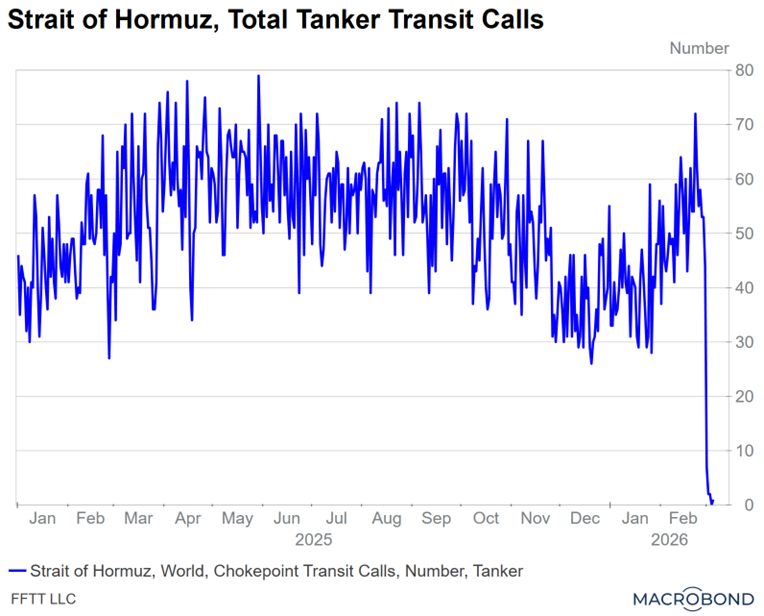
This is the only metric that matters in determining who is "winning" and "losing" the war.
If this chart looks like this for another couple weeks, physics + financial leverage make it a certainty that global equity and bond markets will be smoking craters.
@TedPillows This market remains weak. #Bitcoin hasn't been performing well for months. We see support at 60,000; a loss of which would make 20,000 possible.
THIS IS INSANE !!!
🇰🇷 South Korean stocks hiting an all-time high, pumping 9 months straight following the surge demand for AI, memory chips and semiconductors
BITCOIN could’ve done the same… if not for alleged Jane Street "10AM manipulation"
This is incredible:
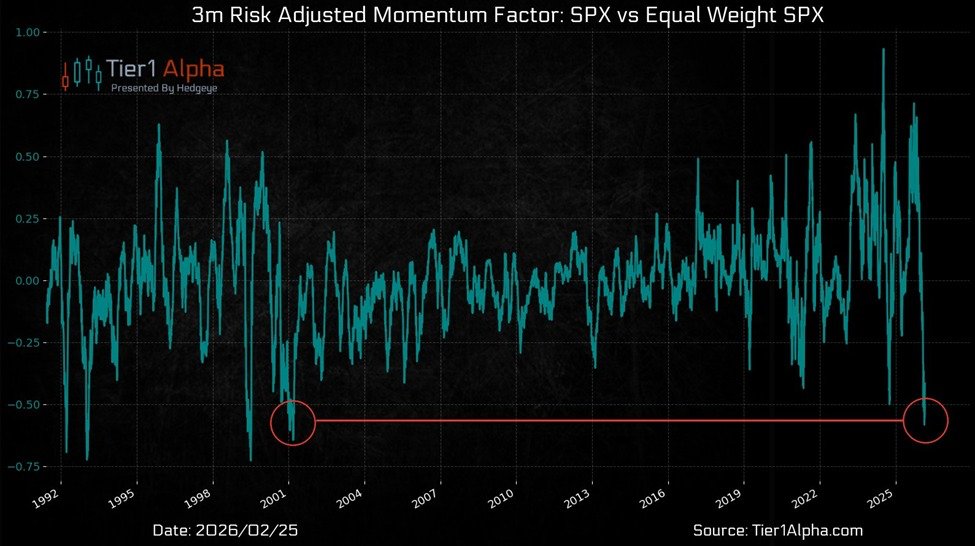
The 3-month risk-adjusted momentum factor between the S&P 500 cap-weighted and equal-weighted is down to -0.60, the lowest since the 2000 Dot-Com Bubble burst.
In simple terms, this means large-caps delivered the weakest volatility-adjusted performance compared to the average stock in 25 years.
This marks a sharp reversal from the +0.60 reading in November, when large-caps were leading the market.
As a result, the S&P 500 equal-weighted index is outperforming the S&P 500 by 5 percentage points, the widest margin in at least 36 years.
The last time such a reversal in performance occurred was in 2000, when the equal-weighted S&P 500 surged 18 percentage points against the cap-weighted index over the following year.
Mega-cap tech stocks have gone from market leaders to market laggards.